North Carolina 30 Day Notice to Terminate Year to Year Lease - Residential - Notice prior to end of Term
About this form
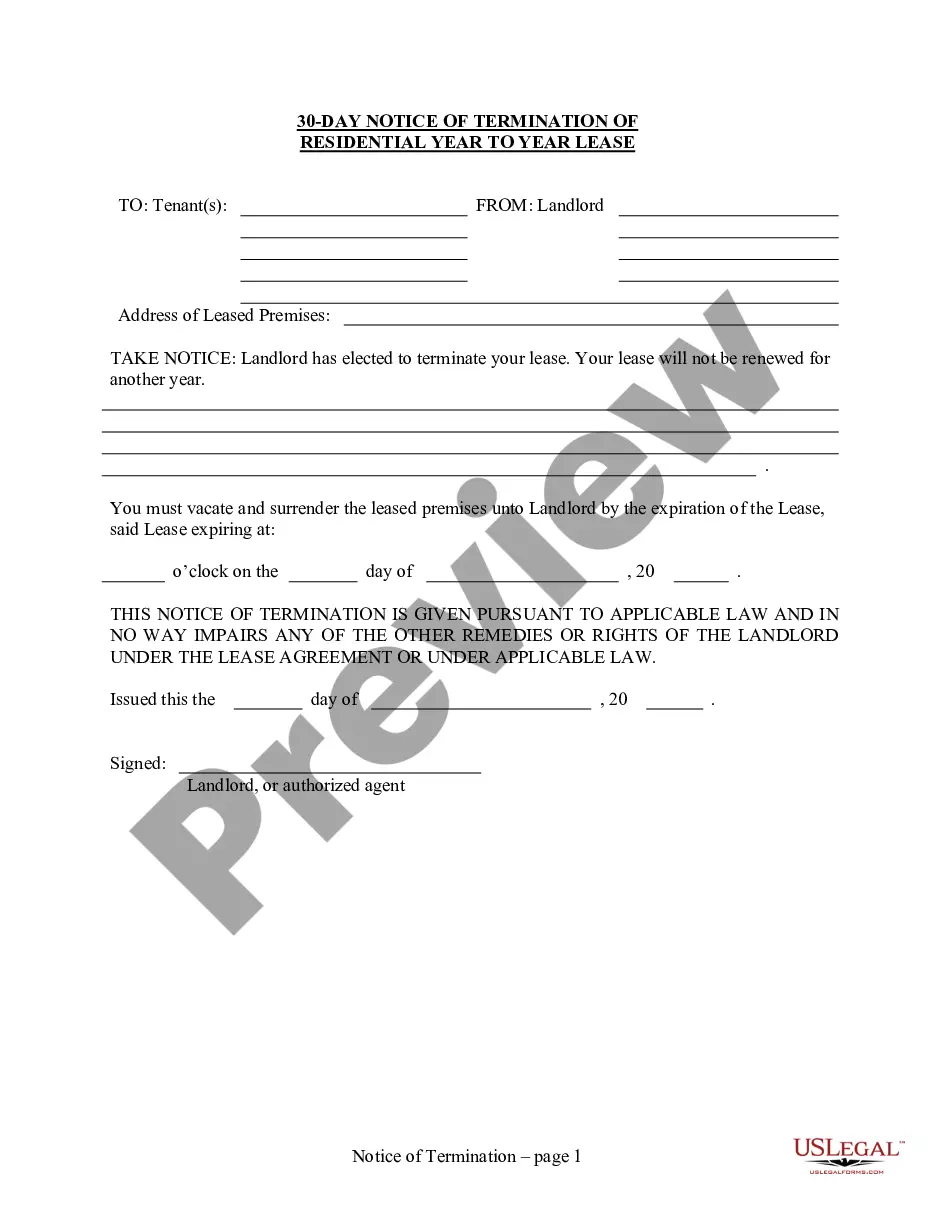
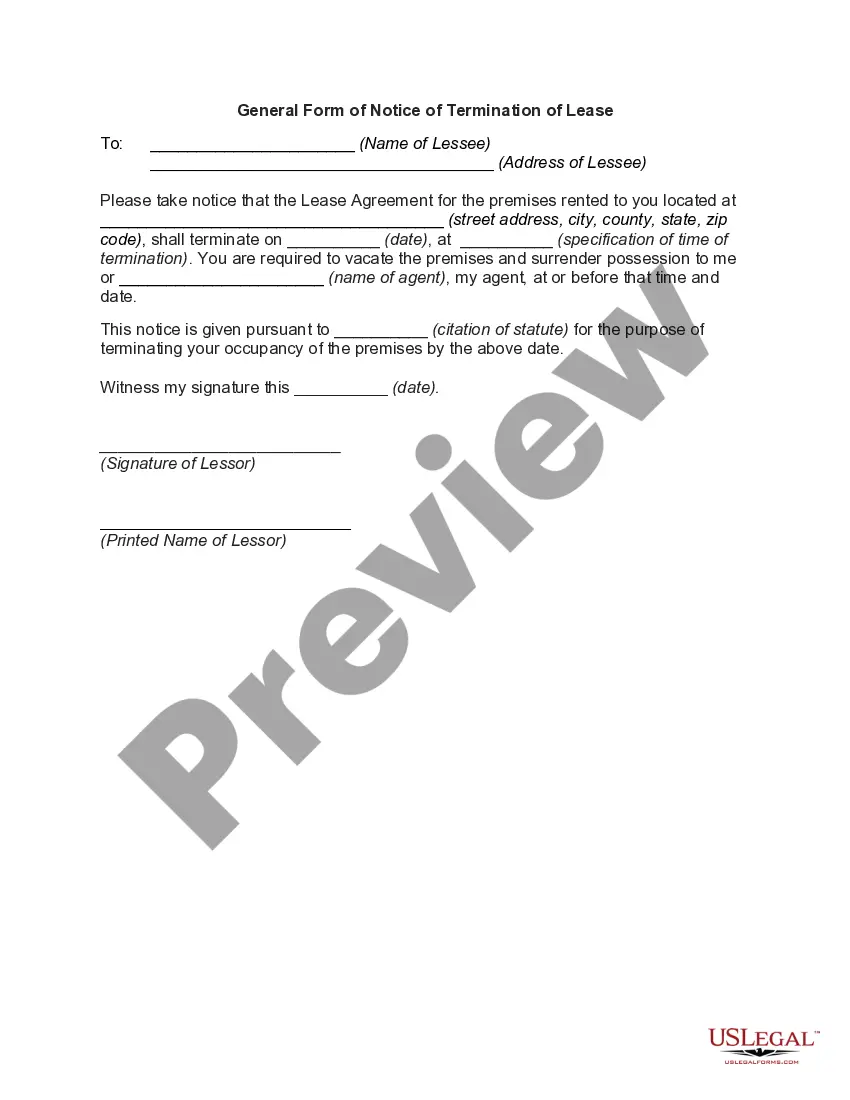
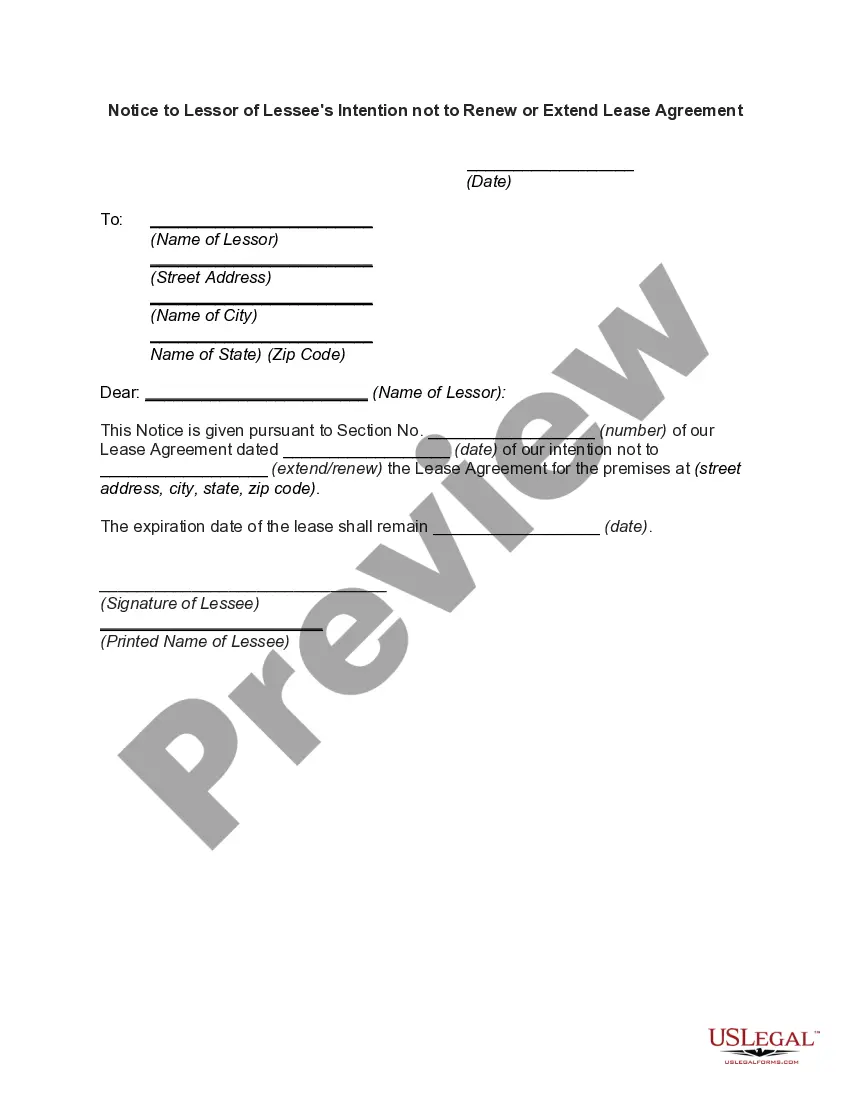
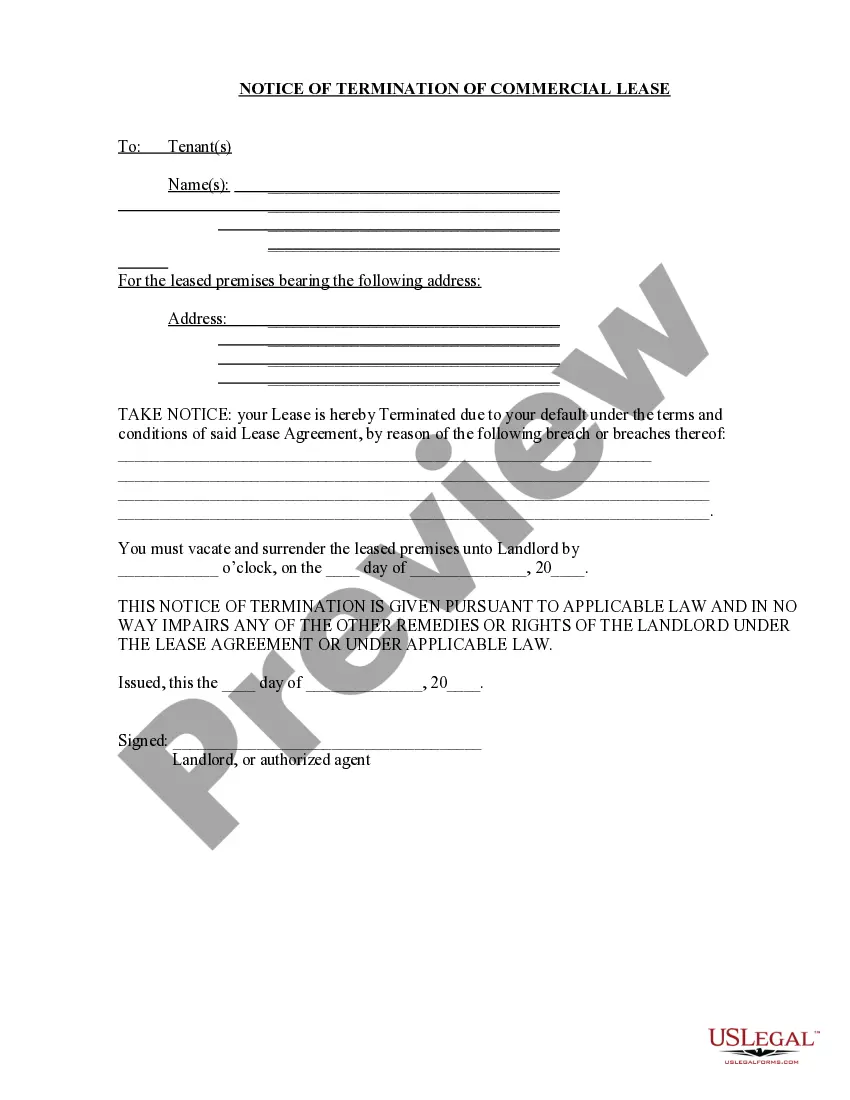
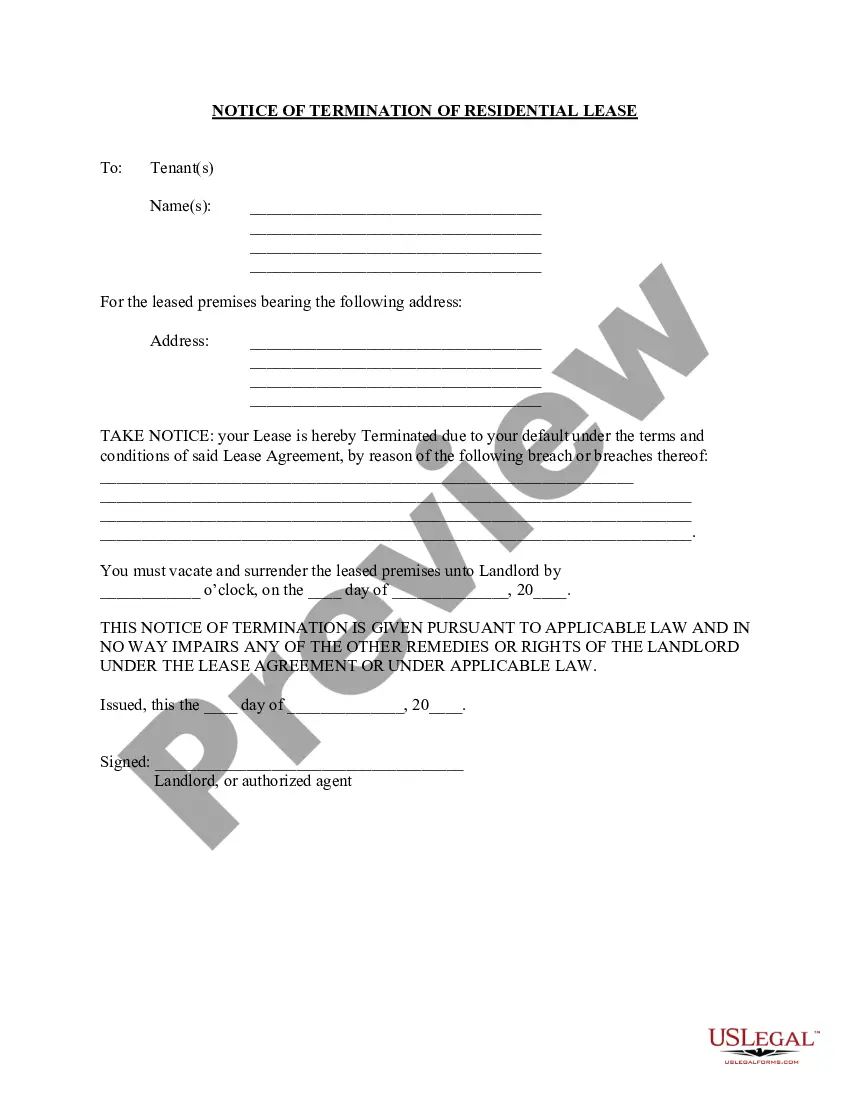
The 30 Day Notice to Terminate Year to Year Lease is a legal document used by landlords to formally terminate a year-to-year residential lease agreement. This notice can apply to various types of residential properties, including houses, apartments, and condos. Unlike some other notices requiring a specific reason for termination, this form allows landlords to end the lease simply based on their desire not to renew it. Proper completion and delivery of this form ensure that tenants are informed of the need to vacate the premises at the end of the lease year.
Form components explained
- Identification of landlord and tenant, including names and addresses.
- Statement of lease termination and the expiration date of the current lease year.
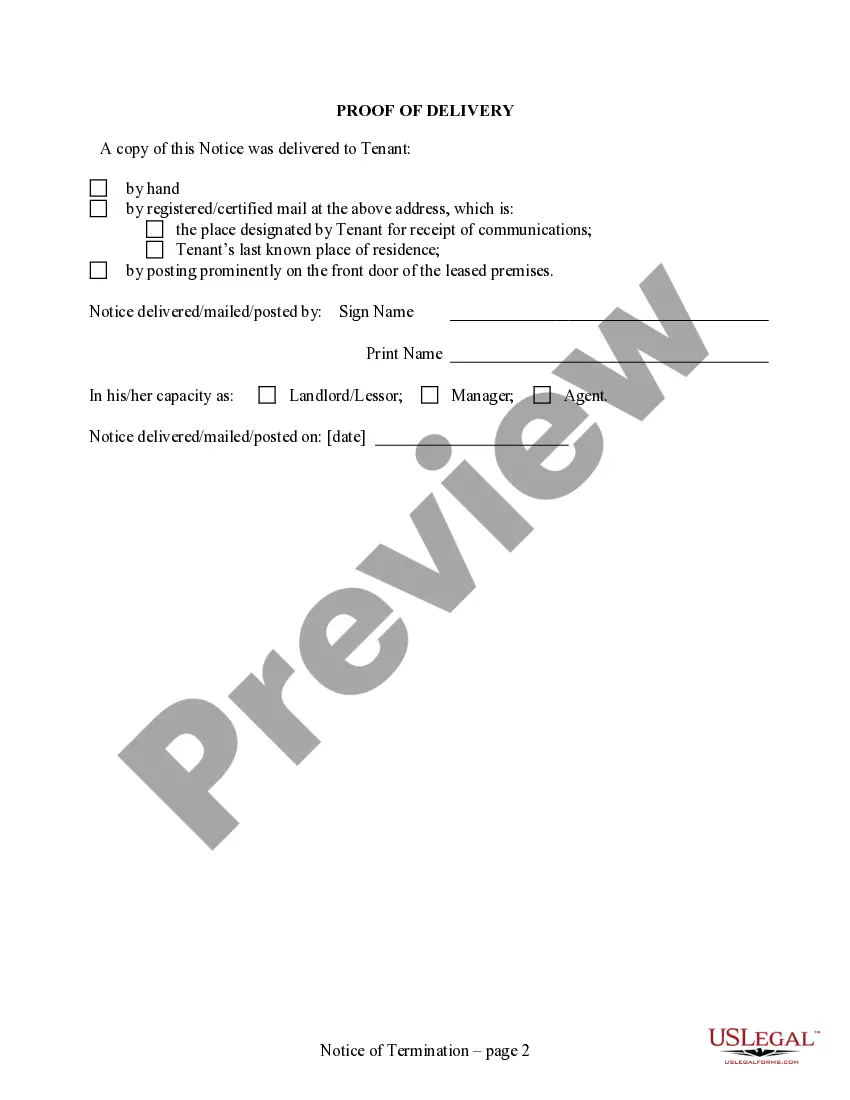
- Notice delivery method options (hand delivery, certified mail, or posting).
- Signature of the landlord or authorized agent.
- Date of notice issuance.
When to use this document
This form should be used when a landlord intends to end a year-to-year residential lease agreement. It is necessary to provide tenants with notice at least 30 days before the upcoming lease year's expiration. This is commonly used when landlords want to reclaim their property without needing to give a specific reason for termination.
Intended users of this form
- Landlords seeking to terminate a year-to-year lease.
- Property managers acting on behalf of landlords.
- Landlords who wish to comply with legal notice requirements.
How to complete this form
- Identify the parties involved by entering the names of the landlord and tenant.
- Specify the address of the leased premises.
- State the expiration date of the lease and the required vacate date.
- Sign the form as the landlord or authorized agent.
- Choose the method of delivery and note the date it was delivered or posted.
Notarization requirements for this form
Notarization is not commonly needed for this form. However, certain documents or local rules may make it necessary. Our notarization service, powered by Notarize, allows you to finalize it securely online anytime, day or night.
Get your form ready online
Our built-in tools help you complete, sign, share, and store your documents in one place.
Make edits, fill in missing information, and update formatting in US Legal Forms—just like you would in MS Word.
Download a copy, print it, send it by email, or mail it via USPS—whatever works best for your next step.
Sign and collect signatures with our SignNow integration. Send to multiple recipients, set reminders, and more. Go Premium to unlock E-Sign.
If this form requires notarization, complete it online through a secure video call—no need to meet a notary in person or wait for an appointment.
We protect your documents and personal data by following strict security and privacy standards.
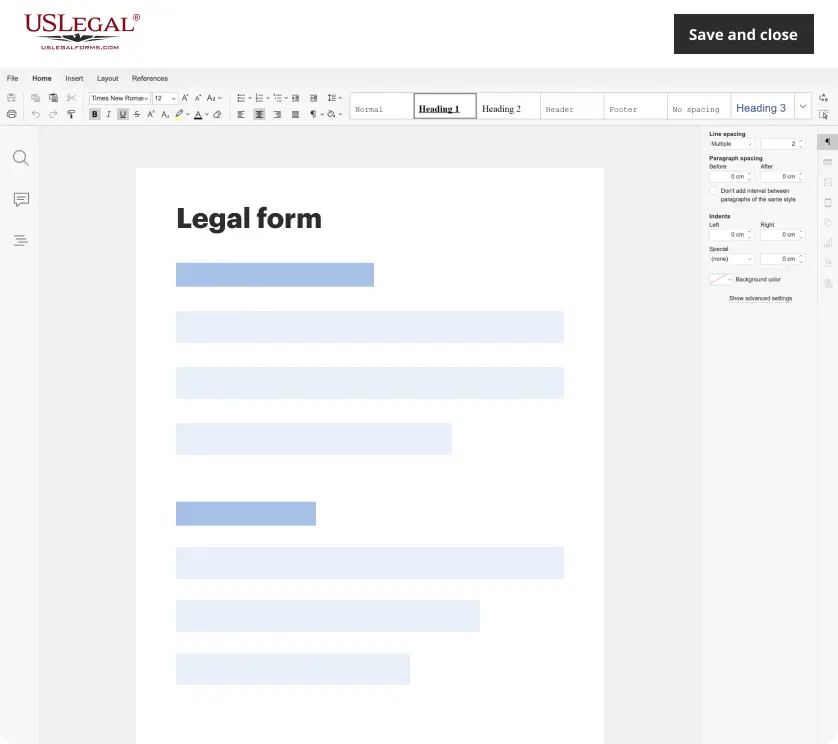
Make edits, fill in missing information, and update formatting in US Legal Forms—just like you would in MS Word.
Download a copy, print it, send it by email, or mail it via USPS—whatever works best for your next step.
Sign and collect signatures with our SignNow integration. Send to multiple recipients, set reminders, and more. Go Premium to unlock E-Sign.
If this form requires notarization, complete it online through a secure video call—no need to meet a notary in person or wait for an appointment.
We protect your documents and personal data by following strict security and privacy standards.
Mistakes to watch out for
- Not providing the full 30 days' notice required.
- Failing to sign the notice, making it invalid.
- Not specifying the correct address of the leased premises.
- Overlooking the delivery method, which can affect legality.
Advantages of online completion
- Convenience of immediate downloading whenever you need it.
- Easy to fill out and customize for your specific situation.
- Access to reliable legal content created by licensed attorneys.
Legal use & context
- The notice must comply with local laws regarding lease termination.
- Landlords must ensure the notice is delivered to the tenant appropriately.
- This form does not limit other legal rights of the landlord under the lease agreement.
What to keep in mind
- Use this form to terminate a year-to-year residential lease.
- Provide a full 30 days' notice prior to the lease expiration.
- Ensure it is delivered in a legally acceptable manner.
- Complete and sign the form to make it effective.
Looking for another form?
Form popularity
FAQ
Yes, you can move out before your lease ends. However, in most cases, you will have to pay an early lease termination fee, which is typically the equivalent of 2 months rent. That said, since every rental situation is unique, you should read your lease thoroughly, and talk to your landlord before moving out early.
In short, nothing in the CARES Act or Governor Cooper's Order prohibits evictions for reasons other than late payment or nonpayment of rent, such as evictions related to health, safety, or criminal activity. These types of evictions by a landlord would not violate the Order.
Week-to-week If rent is paid on a week-to-week basis, a landlord must provide the tenant with a 2-Day Notice to Quit. Month-to-month If rent is paid on a month-to-month basis, a landlord must provide the tenant with a 7-Day Notice to Quit.
Simply put, this notice allows the tenant a maximum period of ten days to either pay rent due or vacate the NC premises. If the tenant fails to pay rent within this time frame, you can go ahead and file an eviction lawsuit against them.
Withhold rent. Move out. Sue the landlord for the difference between the value of the unit with defects and the monthly rent. File a complaint with state or local health or building inspectors. Repair the defect and deduct the cost from the rent.
Notice Requirements for North Carolina Landlords A landlord can simply give you a written notice to move, allowing you seven days as required by North Carolina law and specifying the date on which your tenancy will end.
North Carolina law says that your landlord must keep your housing fit and safe. It also says that you, the tenant, must pay your rent, keep your home clean, and not damage your home. To make the law work, both the tenant and the landlord must do their part.
Declare a Constructive Eviction. Point Out Landlord Breaches to Reduce Your Debt. Landlords Have a Duty to Mitigate Their Damages. Consequences for Breaking Your Lease. Look for These Clauses in Your Lease. Your Landlord May Have a Duty to Mitigate. Declare a Constructive Eviction.
Can you leave a rented flat/house before the stated term? In point of fact, that entirely depends on your landlord until your tenancy agreement incorporates a 'break clause'.A termination clause legally obligates both, the tenant and the landlord to do what's written in the rent agreement.