Michigan LegalLife Multistate Guide and Handbook for Selling or Buying Real Estate
Understanding this form
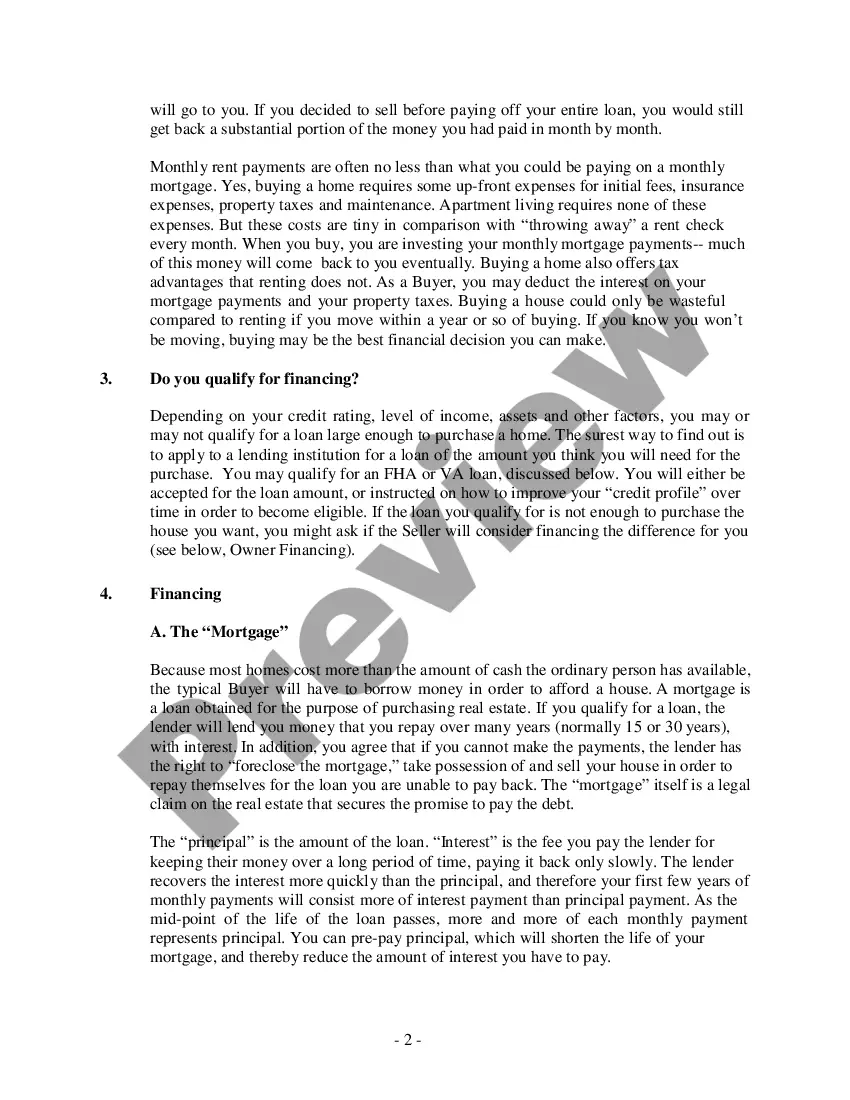
The LegalLife Multistate Guide and Handbook for Selling or Buying Real Estate is a comprehensive resource designed to assist both buyers and sellers in understanding the complex process of real estate transactions. This guide stands out by providing detailed insights on the buying and selling processes, financing options, and closing procedures, which are essential for anyone navigating real estate without the help of an agent. It includes state-specific information to help users comply with their local regulations.
Form components explained
- Introduction to the real estate buying and selling process.
- Comparative analysis of buying versus renting a property.
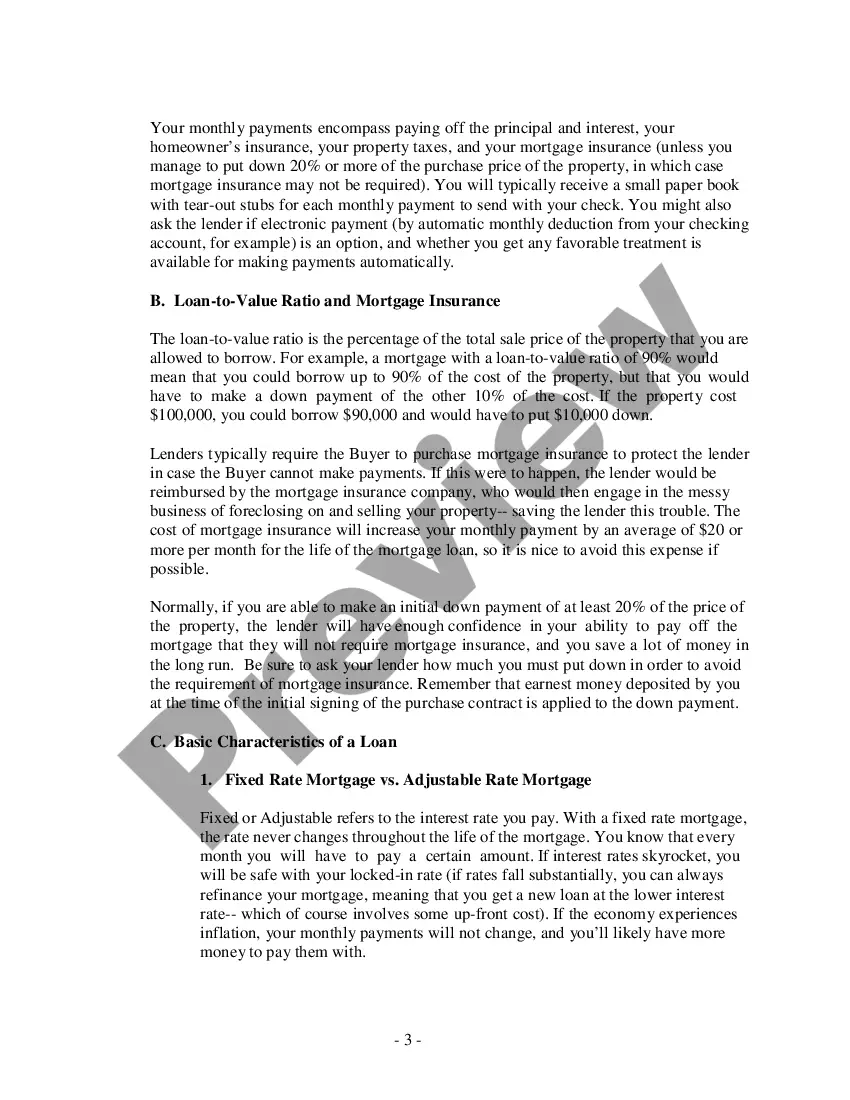
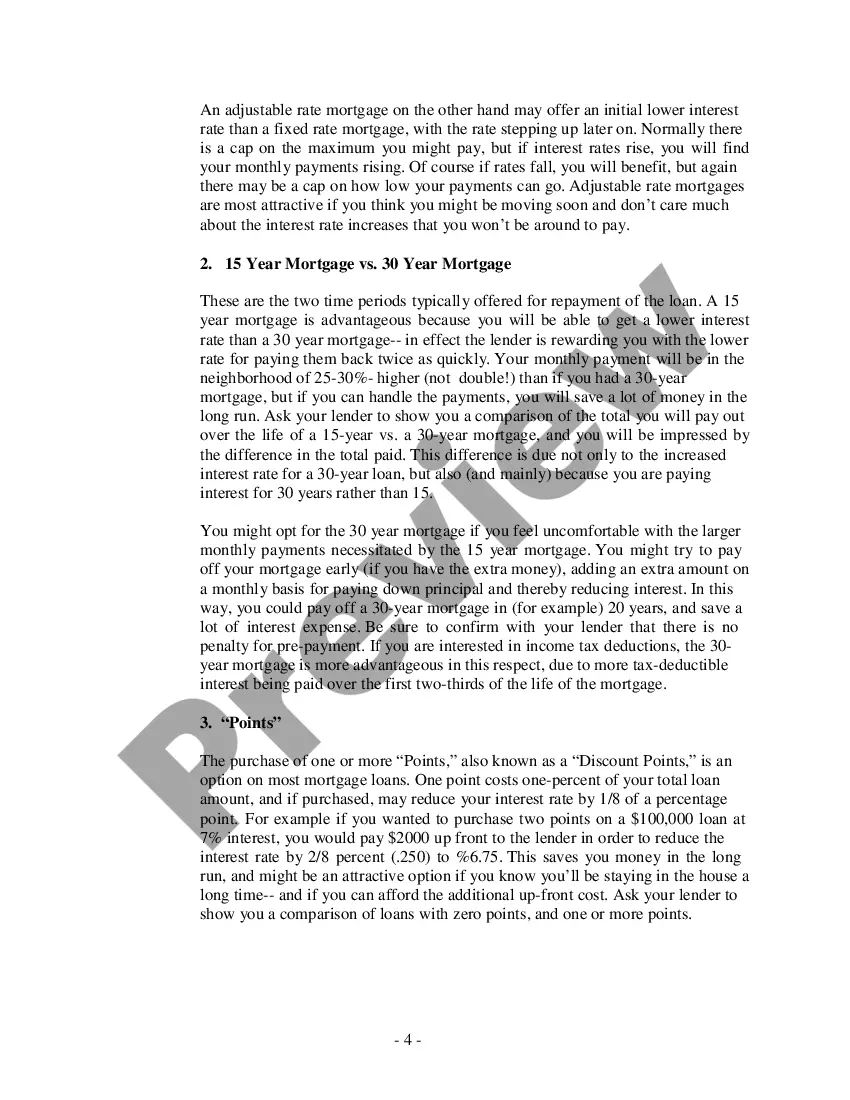
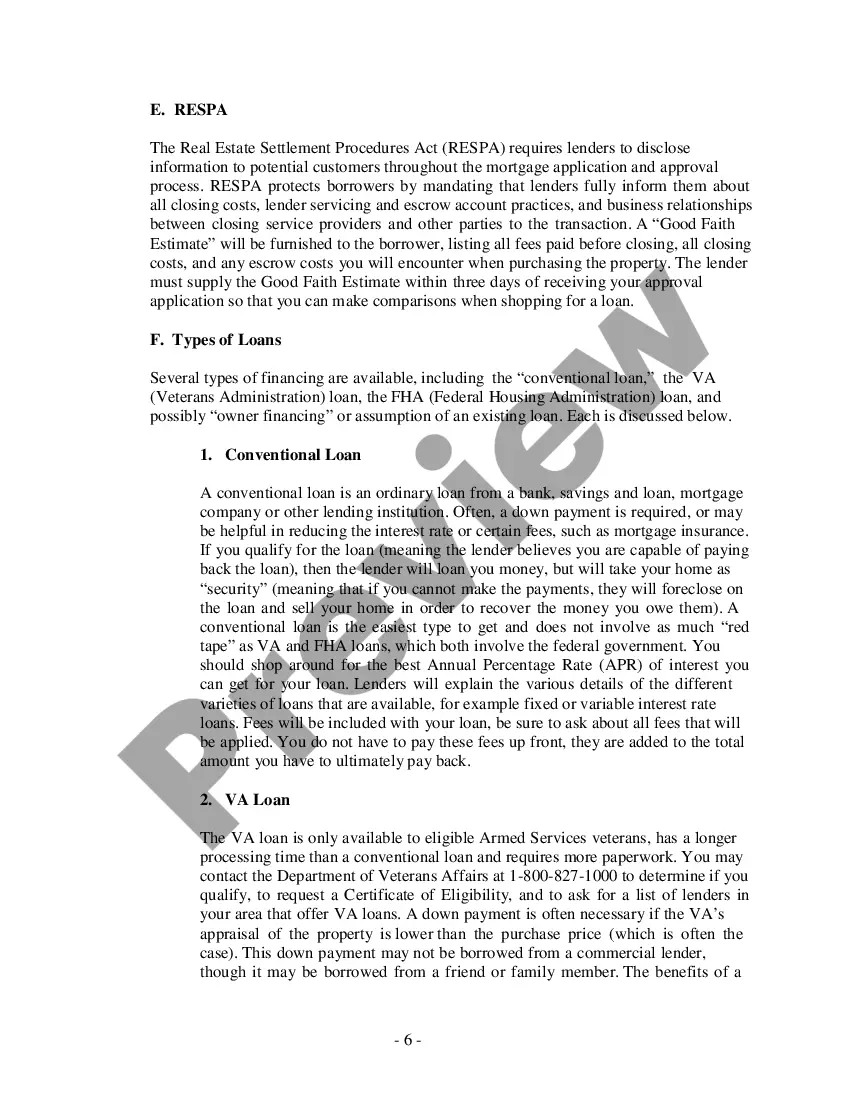
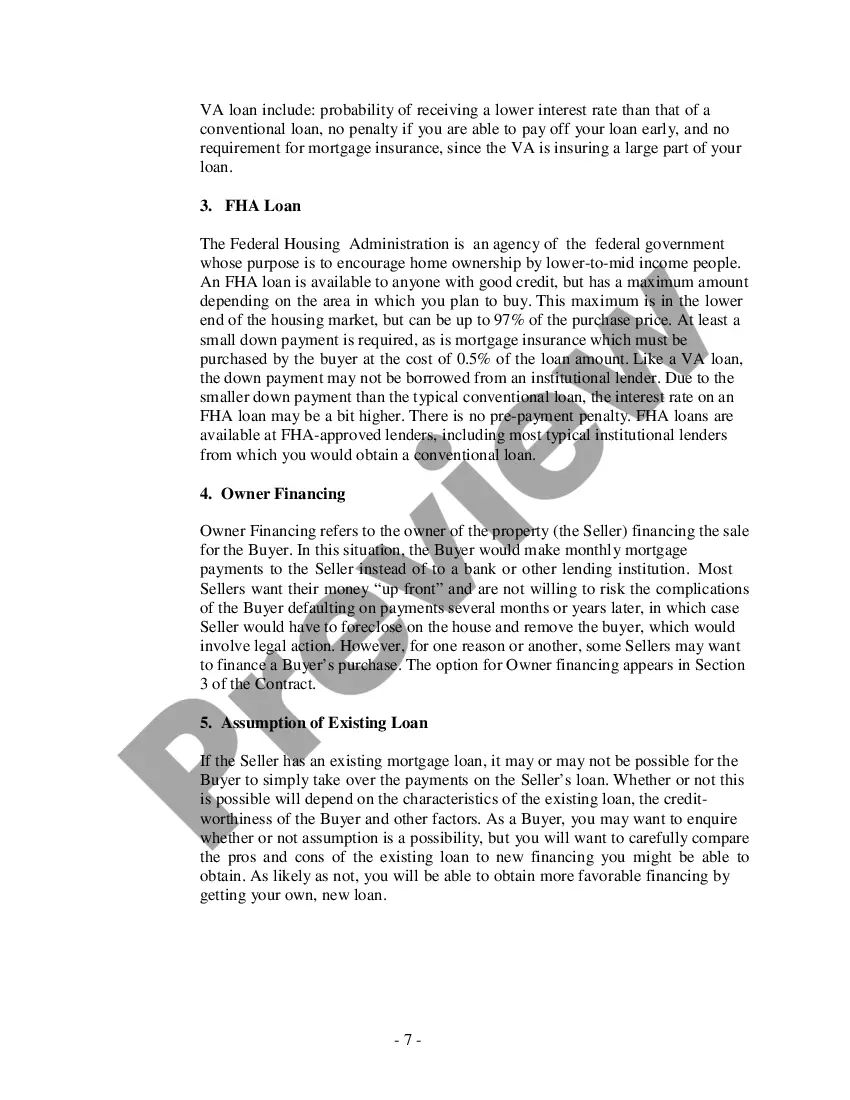
- Information on financing options, including various types of loans.
- Guidance on setting asking prices and marketing properties.
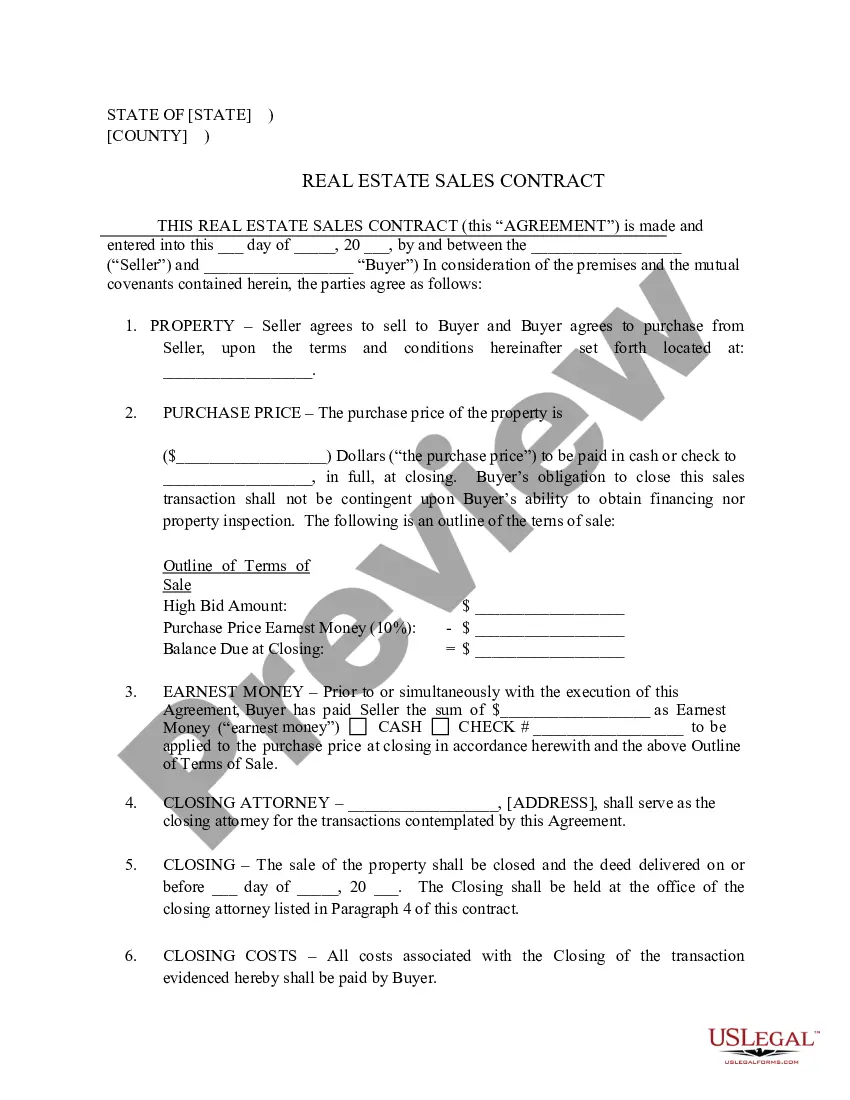
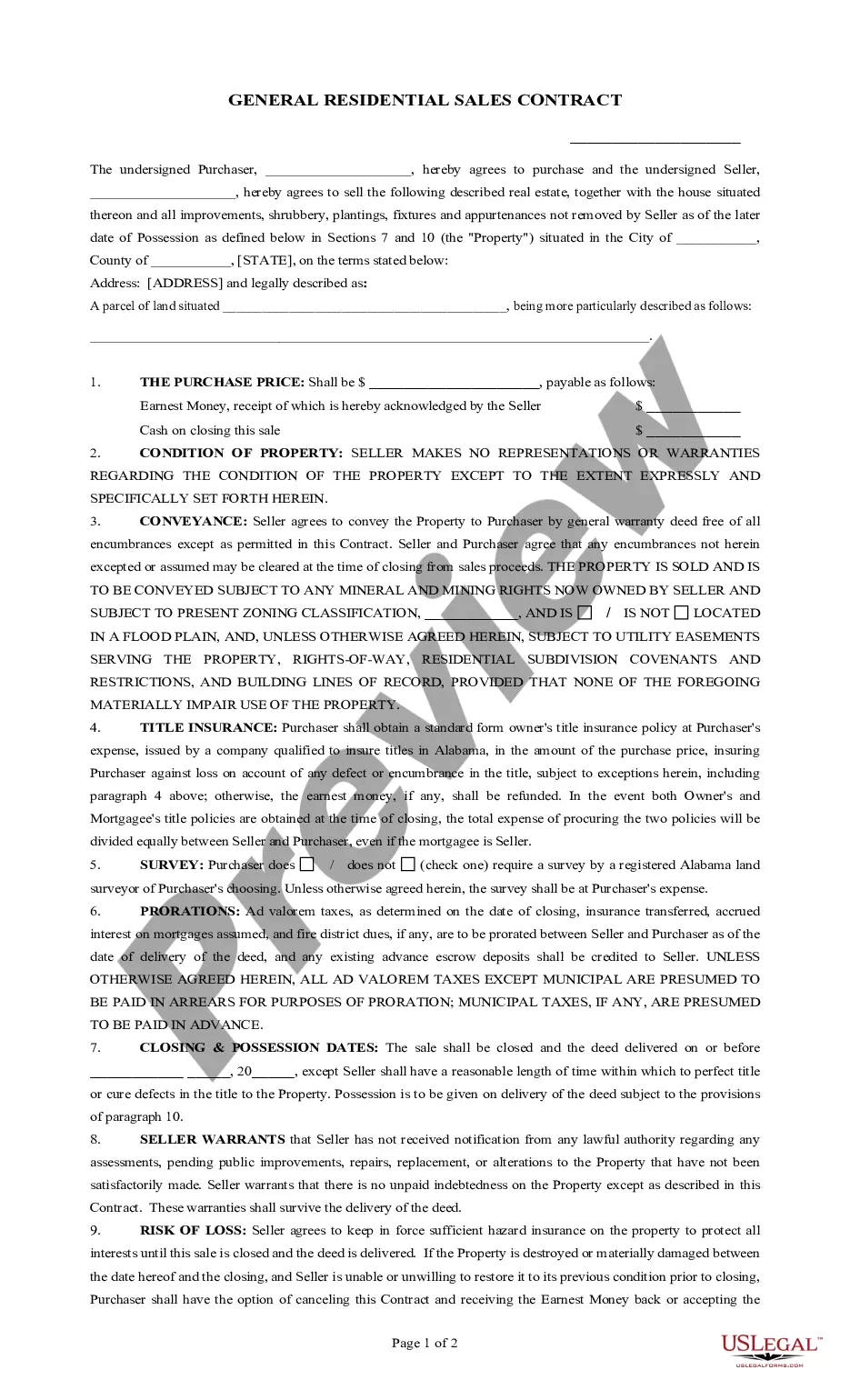
- Instructions on making offers and understanding contracts.
- Details on the closing process and related taxes.




Common use cases
This form is essential for anyone considering buying or selling real estate, whether they are seasoned homeowners or first-time buyers. It's particularly useful for individuals looking to understand the complexities of real estate transactions without the assistance of a real estate agent. Additionally, it's beneficial for those wanting to gain insights into their state's specific regulations for a more informed buying or selling experience.
Who should use this form
- Homeowners looking to sell their property independently.
- First-time buyers seeking guidance through the purchasing process.
- Investors interested in understanding market dynamics for buying or selling property.
- Individuals who prefer to navigate real estate transactions without hiring an agent.
Instructions for completing this form
- Read the introduction to familiarize yourself with the process.
- Identify whether buying or selling is right for you by assessing your current living situation.
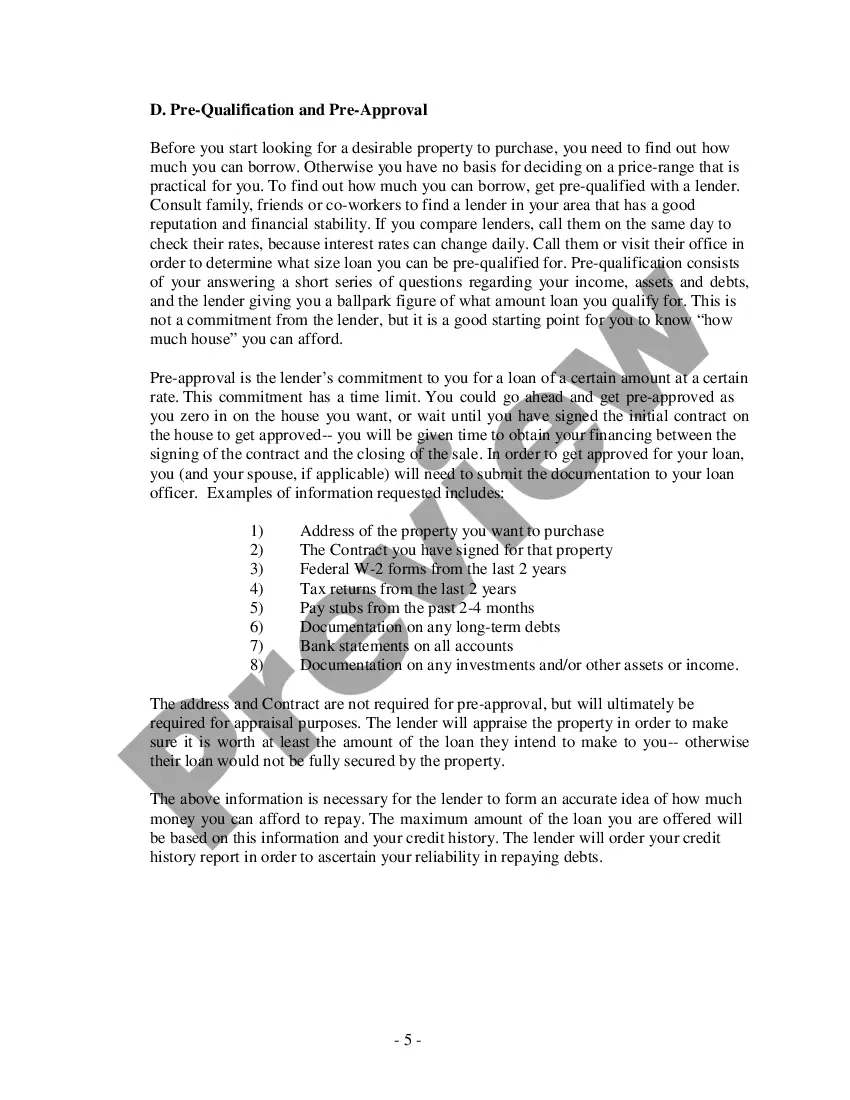
- Explore various financing options and pre-qualify for a mortgage if necessary.
- Determine a fair asking price for the property using comparative market analysis.
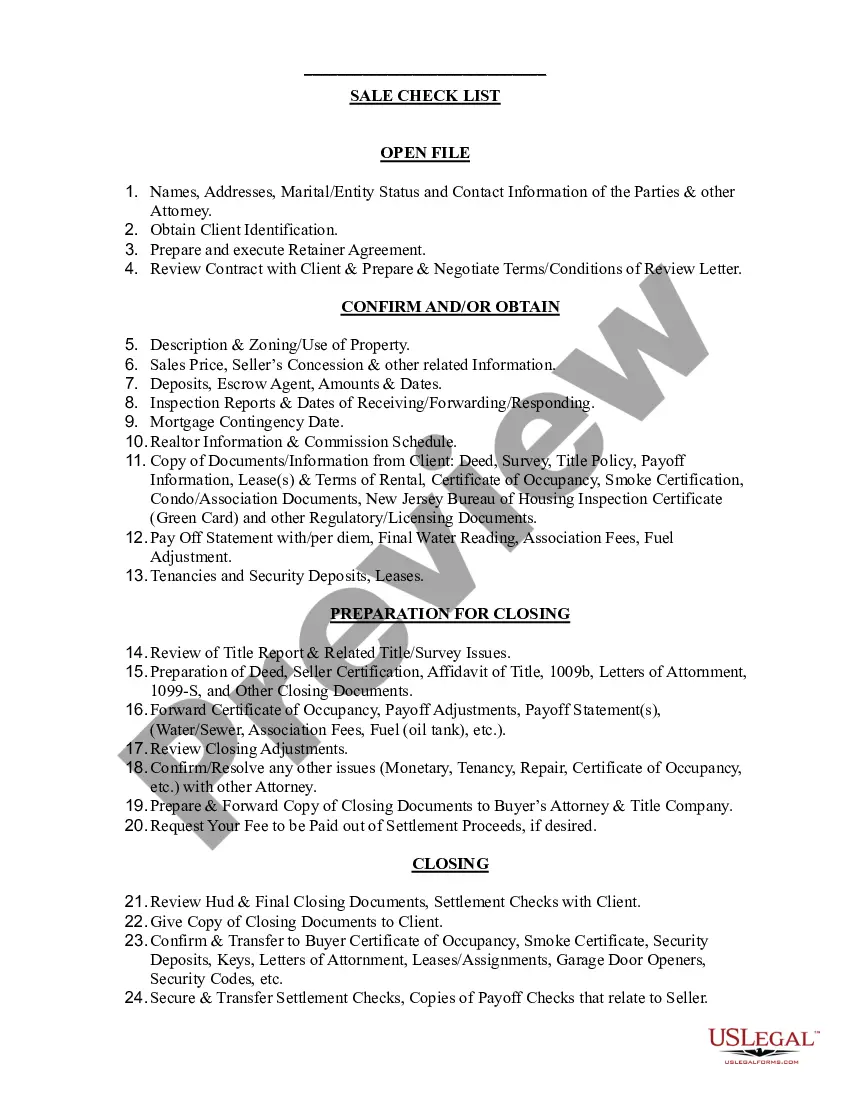
- Gather necessary documents and prepare to make or respond to offers.
- Follow the outlined steps for closing, ensuring compliance with state-specific requirements.
Does this form need to be notarized?
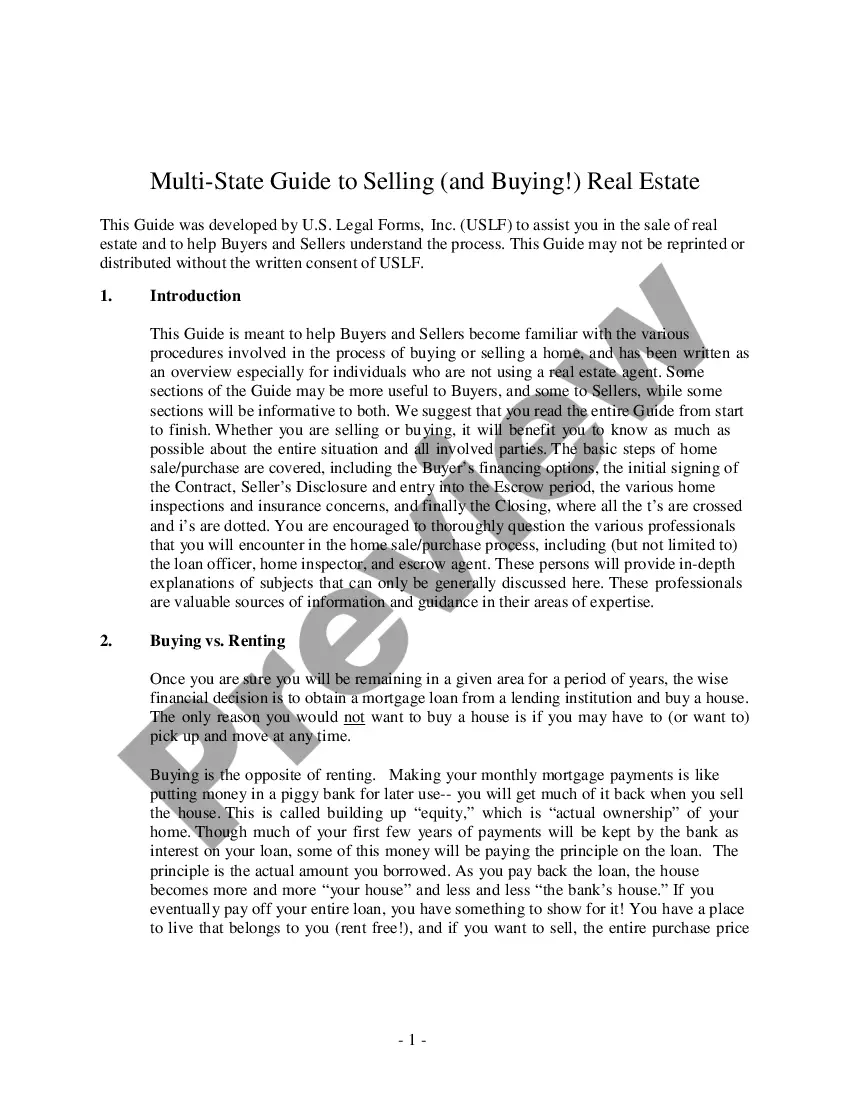
This form does not typically require notarization unless specified by local law. However, it's essential to check state-specific regulations for any particular requirements.
Get your form ready online
Our built-in tools help you complete, sign, share, and store your documents in one place.
Make edits, fill in missing information, and update formatting in US Legal Forms—just like you would in MS Word.
Download a copy, print it, send it by email, or mail it via USPS—whatever works best for your next step.
Sign and collect signatures with our SignNow integration. Send to multiple recipients, set reminders, and more. Go Premium to unlock E-Sign.
If this form requires notarization, complete it online through a secure video call—no need to meet a notary in person or wait for an appointment.
We protect your documents and personal data by following strict security and privacy standards.

Make edits, fill in missing information, and update formatting in US Legal Forms—just like you would in MS Word.

Download a copy, print it, send it by email, or mail it via USPS—whatever works best for your next step.

Sign and collect signatures with our SignNow integration. Send to multiple recipients, set reminders, and more. Go Premium to unlock E-Sign.

If this form requires notarization, complete it online through a secure video call—no need to meet a notary in person or wait for an appointment.

We protect your documents and personal data by following strict security and privacy standards.
Common mistakes to avoid
- Not researching local market conditions before setting a price.
- Overlooking the need for multiple inspections before finalizing a purchase.
- Failing to read or understand the contract terms fully before signing.
- Neglecting state-specific disclosure requirements when selling a property.
Why complete this form online
- Convenience of accessing information anytime and anywhere.
- Editable forms that allow you to tailor documents to your specific needs.
- Reliable content drafted by licensed attorneys ensures legal accuracy.
Legal use & context
- The guide serves as a legal reference for understanding the nuances of real estate transactions.
- Utilizing this resource helps ensure adherence to state laws and regulations pertaining to real estate.
- Legal enforceability relies on being aware of and complying with the specific processes outlined within.
Key takeaways
- This guide is essential for anyone looking to buy or sell property independently.
- Understanding financing is crucial for making informed decisions.
- Proper documentation and legal processes are vital to protect your interests.
- Consulting professionals can provide valuable insights during complex transactions.
- Being aware of common pitfalls can help you avoid costly mistakes.
Looking for another form?

Form popularity
FAQ
Start Digging and Become Knowledgeable about Your Home. When you are just thinking about selling your home, start digging for information. Prepare your home for prospective buyers. Determining a Price. Marketing Your Home. Negotiating Offers. Closing On Your Home.
Closing costs: ~1-3% While the buyers will typically be responsible for the lion's share, sellers should expect to pay between 1-3% of the home's final sale price at closing. Based on the average home value in Michigan of $186,000, that roughly translates to $2,000 to $6,000.
It depends on how long you owned and lived in the home before the sale and how much profit you made. If you owned and lived in the place for two of the five years before the sale, then up to $250,000 of profit is tax-free. If you are married and file a joint return, the tax-free amount doubles to $500,000.
Will You Have to Pay Taxes When You Sell Your Home in Michigan? If you're a typical home seller in Michigan, you do not need to report your capital gain to the IRS after the sale.
Capital gains in Michigan are taxed as regular income at the state rate of 4.25%.
Start Digging and Become Knowledgeable about Your Home. When you are just thinking about selling your home, start digging for information. Prepare your home for prospective buyers. Determining a Price. Marketing Your Home. Negotiating Offers. Closing On Your Home.
THE OFFER. When making a purchase you need to make an offer to the vendor. If the property is being sold through a real estate agency, the agent will usually prepare the offer on your instructions. If the property is being sold privately, you will need to instruct a lawyer to prepare the offer.
The state transfer tax rate in Michigan is $3.75 for every $500 of property value, or 0.75% of the transferred property's value. In addition to the state tax, each individual county levies an additional transfer tax of $0.55 per $500.
Property transfer tax is an assessment charged by both the State of Michigan and the individual county. When you transfer real estate, they charge a fee as a percentage of the sales price. The seller is responsible for this fee unless it is otherwise agreed to be paid by the buyer.