Illinois Renunciation and Disclaimer of Property received by Intestate Succession
Overview of this form
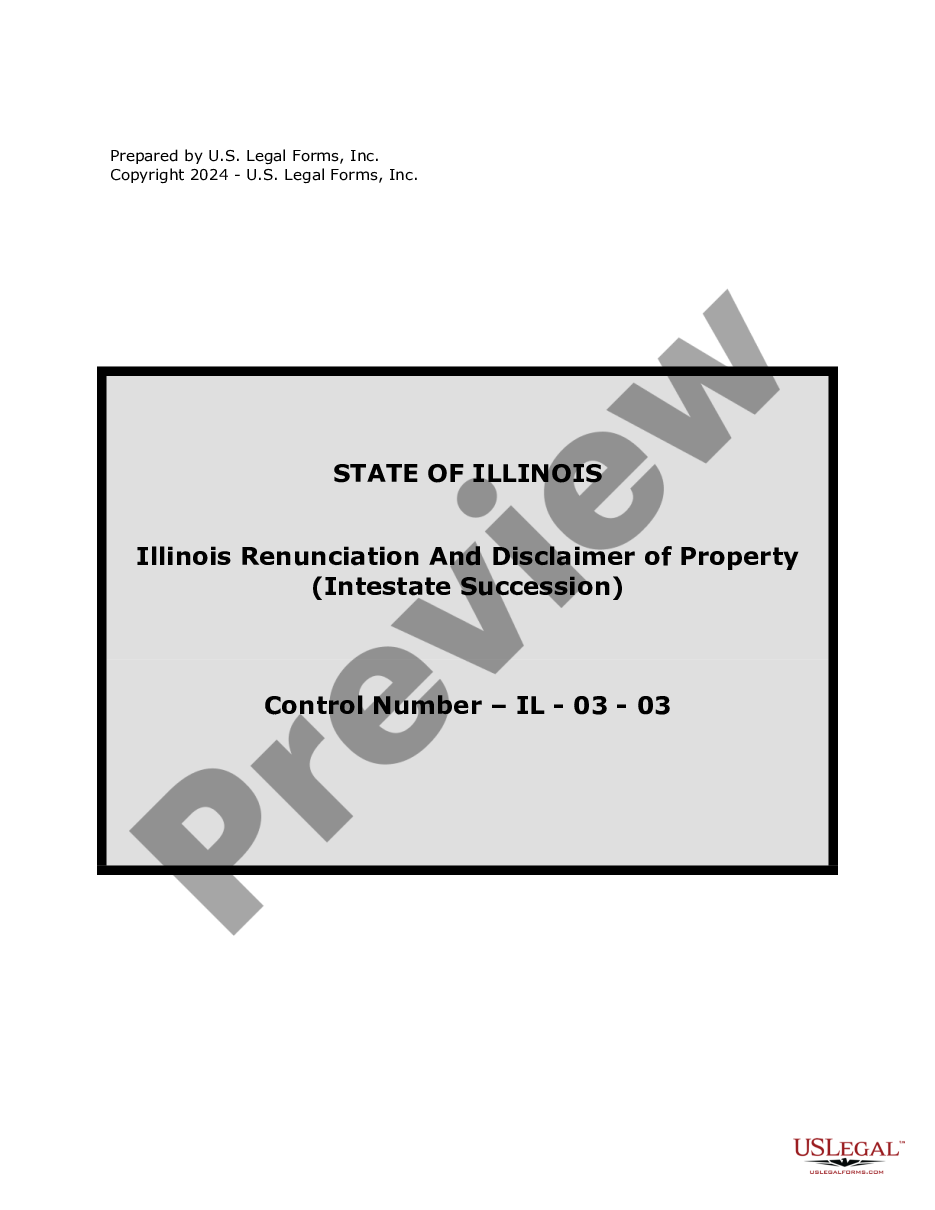
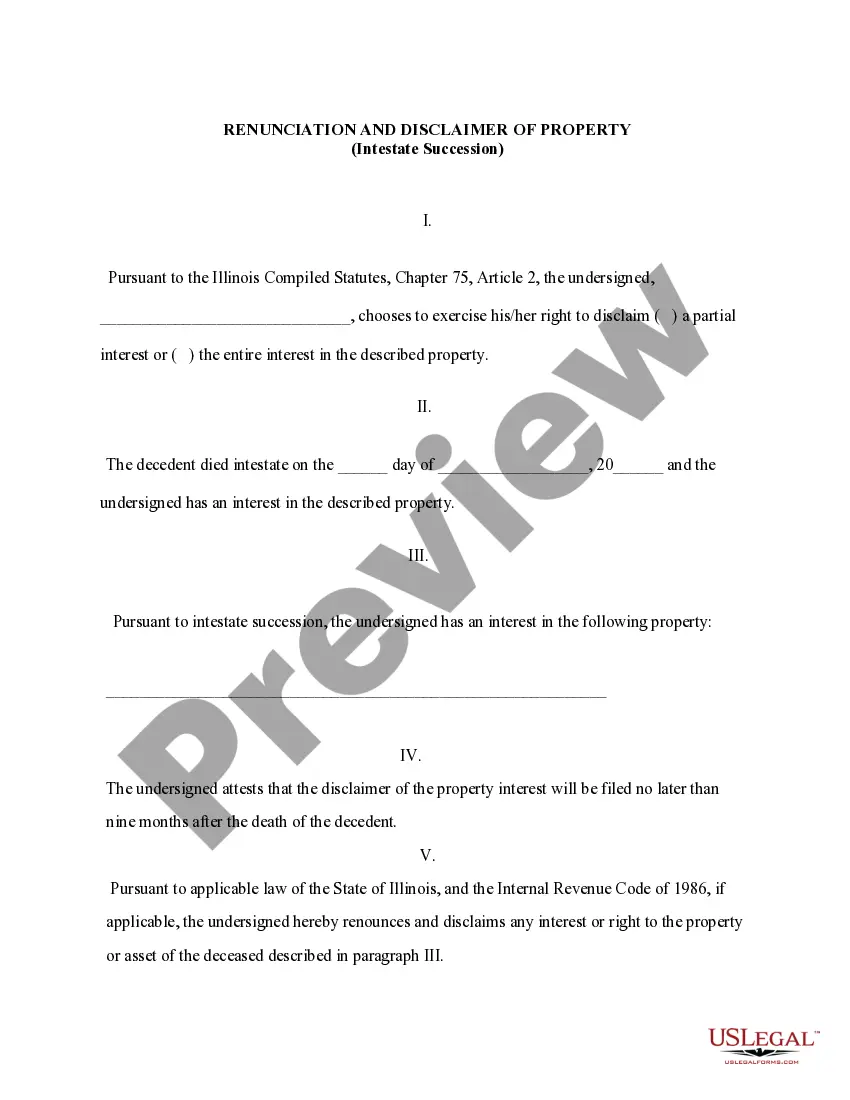
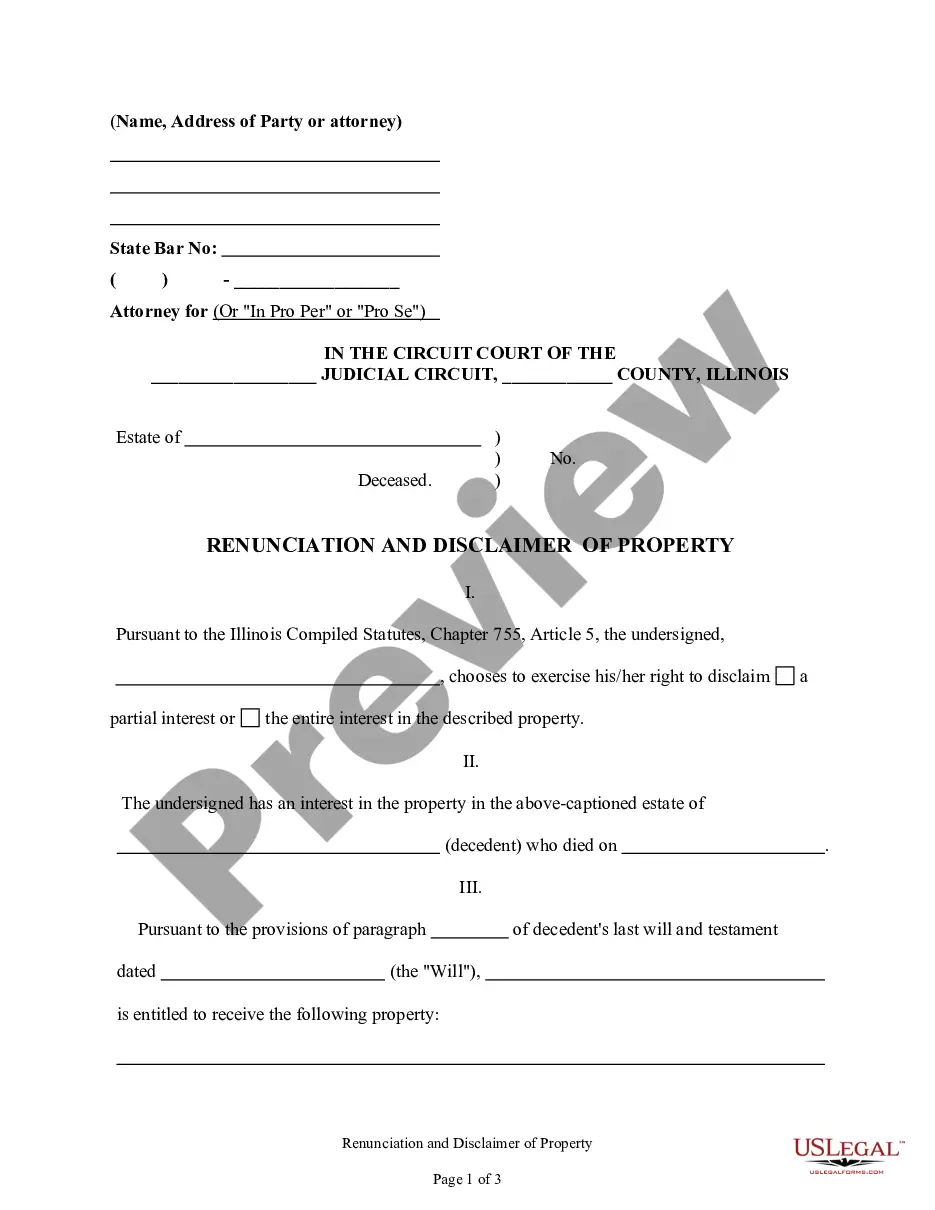
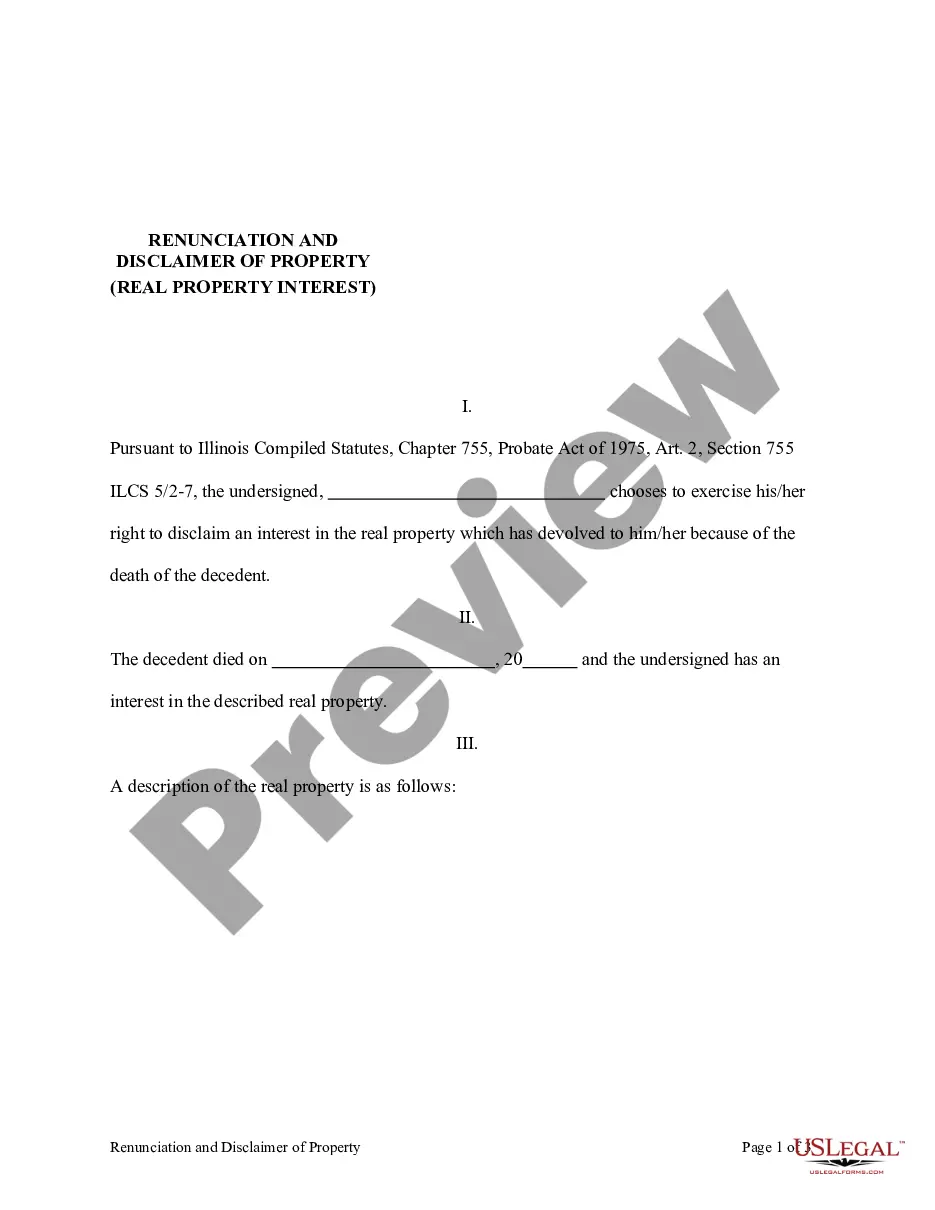
The Illinois Renunciation and Disclaimer of Property received by Intestate Succession is a legal document that allows a beneficiary to disclaim their interest in property inherited from a decedent who died without a will. This form is essential for individuals who wish to refuse an inheritance, either partially or entirely, thereby allowing the property to pass to other heirs as if the disclaiming beneficiary had predeceased the decedent. Unlike a will or trust, which outlines the distribution of assets, this form serves to renounce rights to the property after the decedent's death.
Key components of this form
- Identification of the beneficiary who is renouncing the property.
- Date of the decedent's death.
- Description of the property being disclaimed.
- Statement of the decision to disclaim a partial or entire interest in the property.
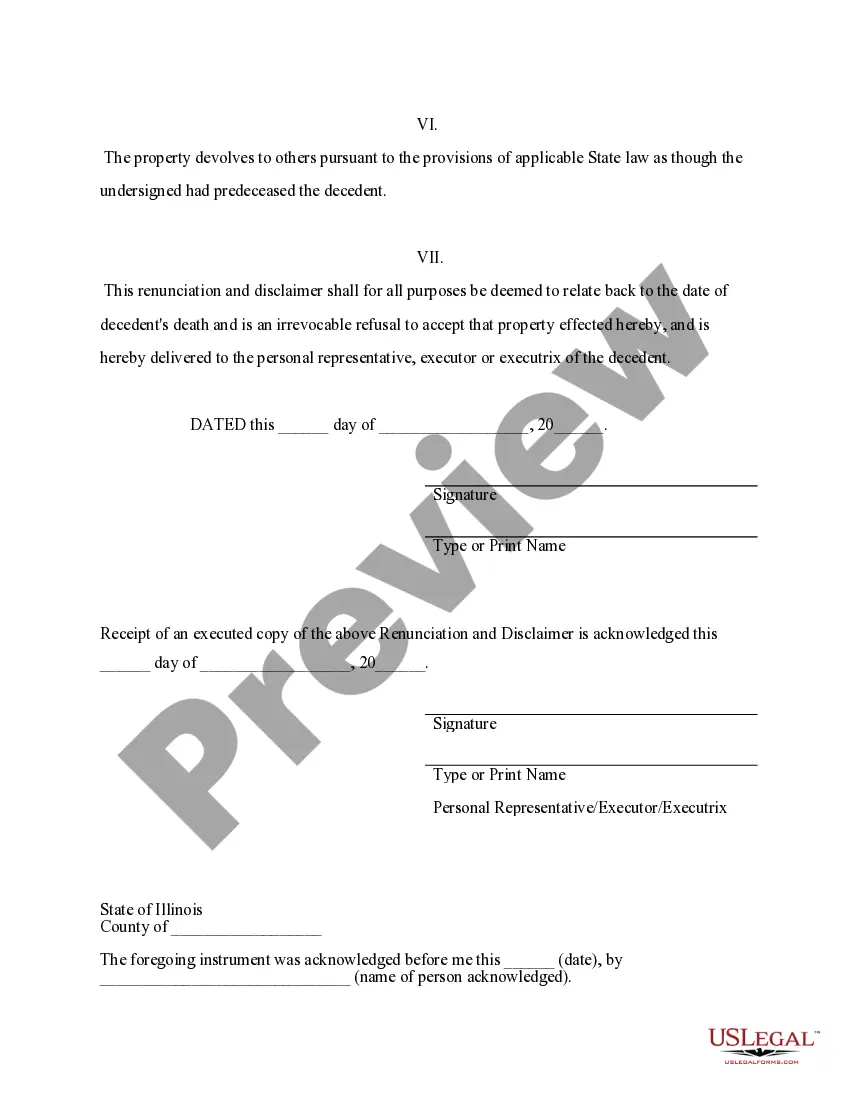
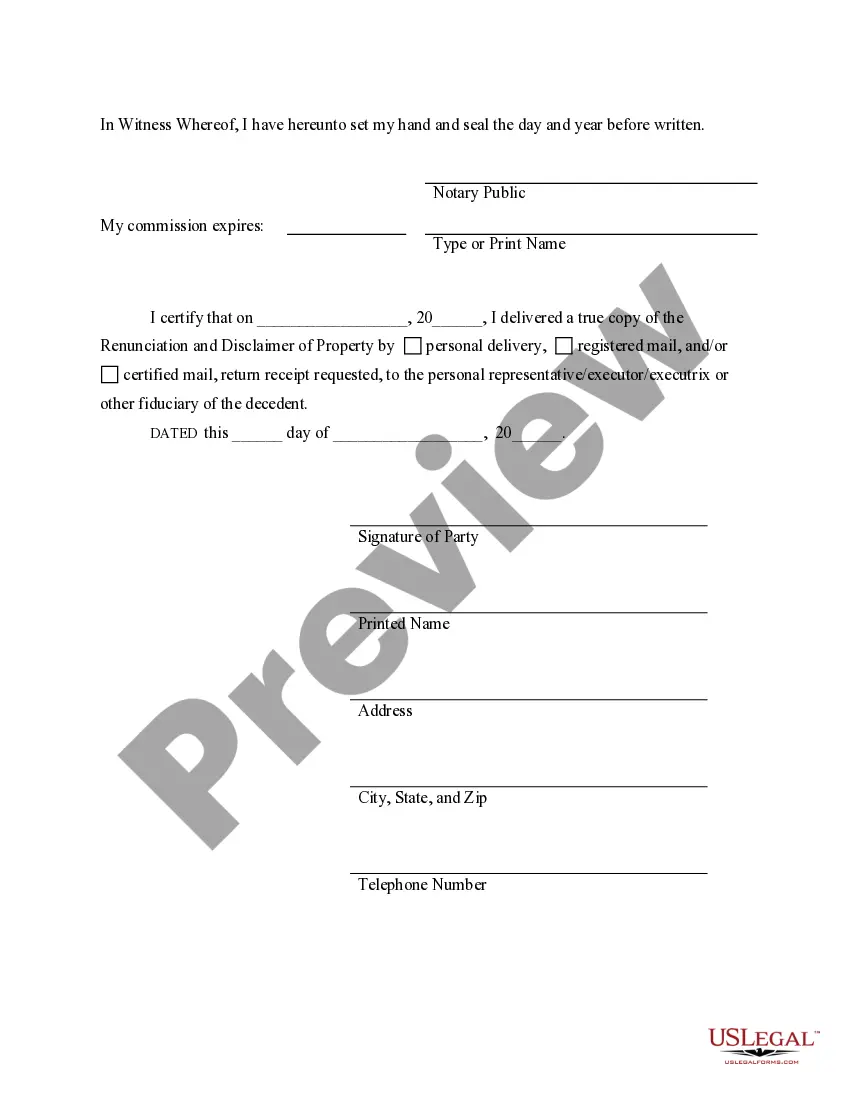
- Acknowledgment of the form by a notary public.
- Legal declaration that the disclaimer relates back to the date of the decedent's death.
When to use this form
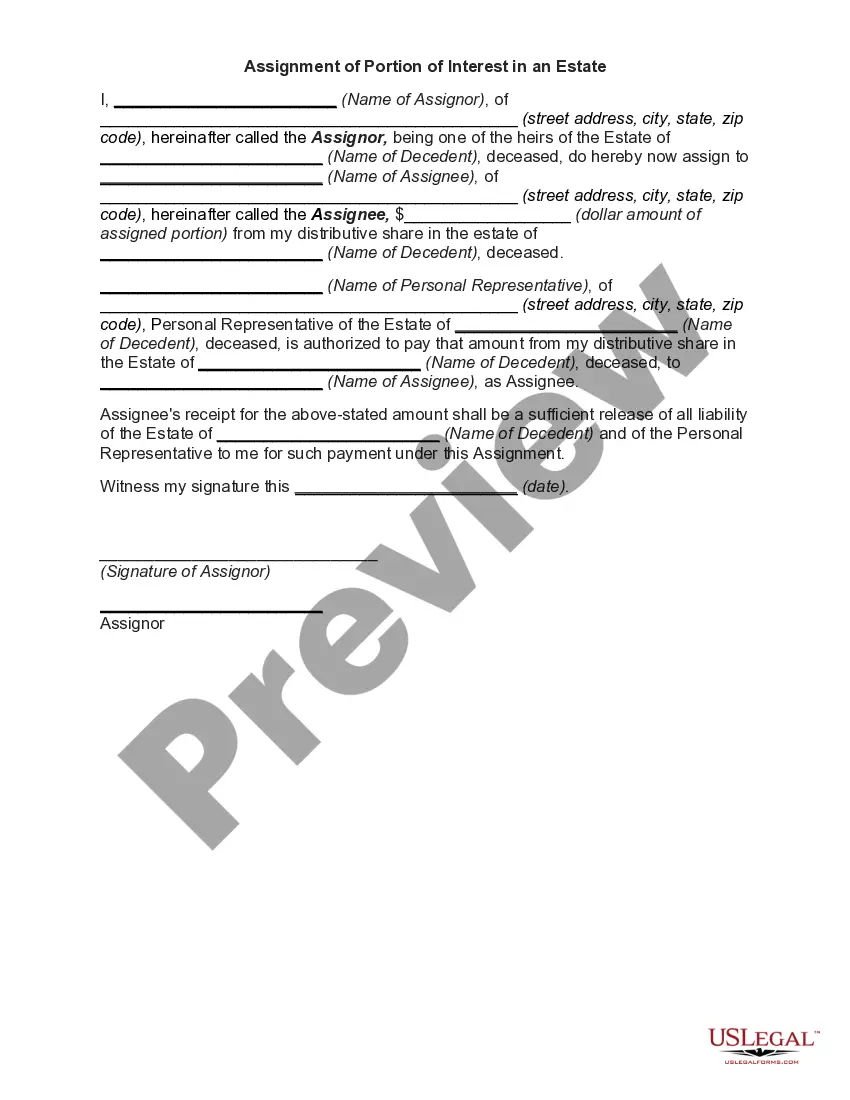
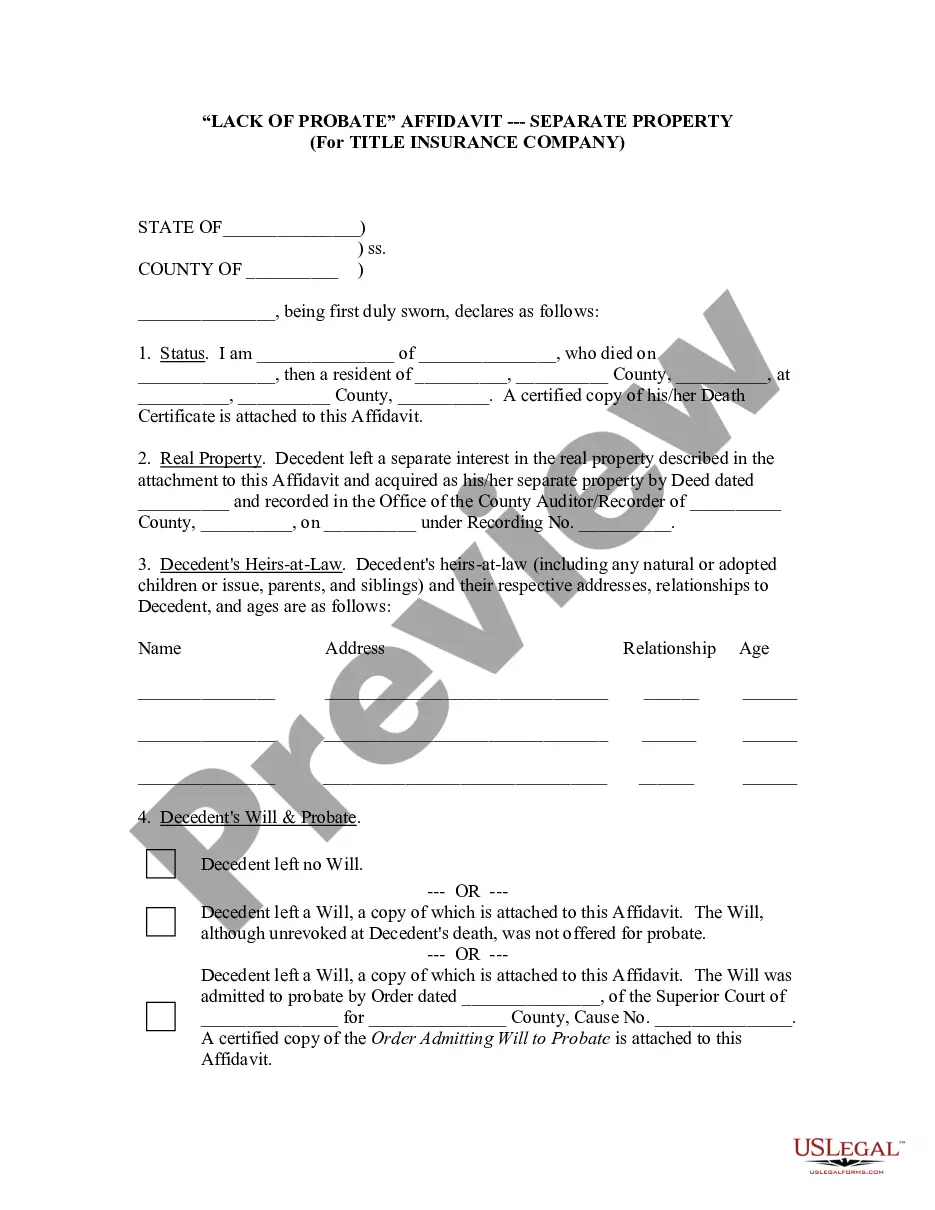
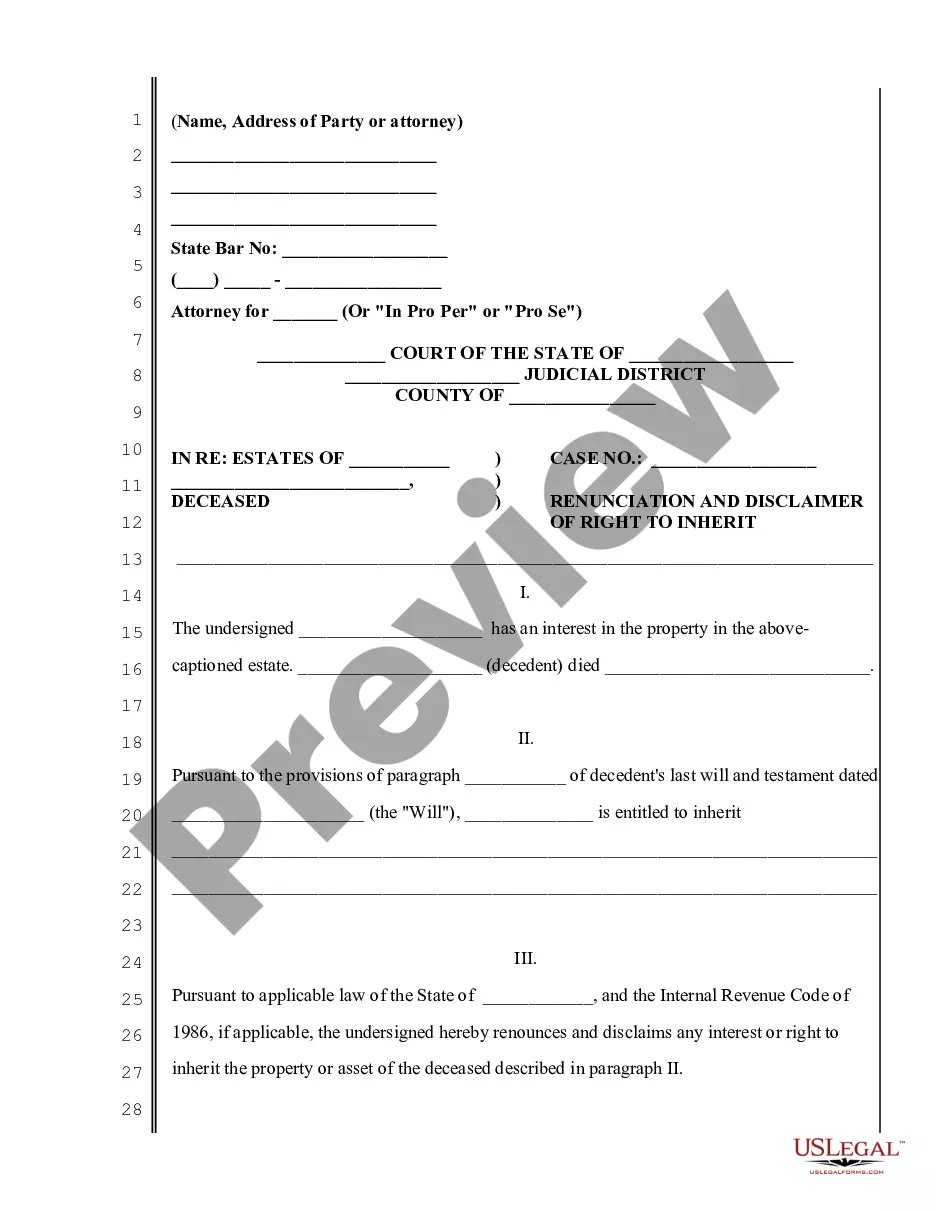
This form should be used when a beneficiary wishes to renounce their rights to property inherited from someone who died without a will. Common scenarios include situations where the beneficiary may not want the property due to financial liabilities, maintenance costs, or personal reasons. It is advisable to complete and file the disclaimer within nine months of the decedent's death to ensure legal effectiveness.
Who this form is for
This form is intended for:
- Beneficiaries who have inherited property through intestate succession and wish to renounce their rights.
- Individuals receiving property they do not wish to accept, possibly due to debts associated with the estate.
- Heirs needing a formal declaration to disclaim their interest for tax or legal purposes.
Instructions for completing this form
- Fill in your name as the beneficiary renouncing the property.
- Enter the date of the decedentâs death.
- Provide a detailed description of the property you are disclaiming.
- Indicate whether you are disclaiming a partial interest or the entire interest.
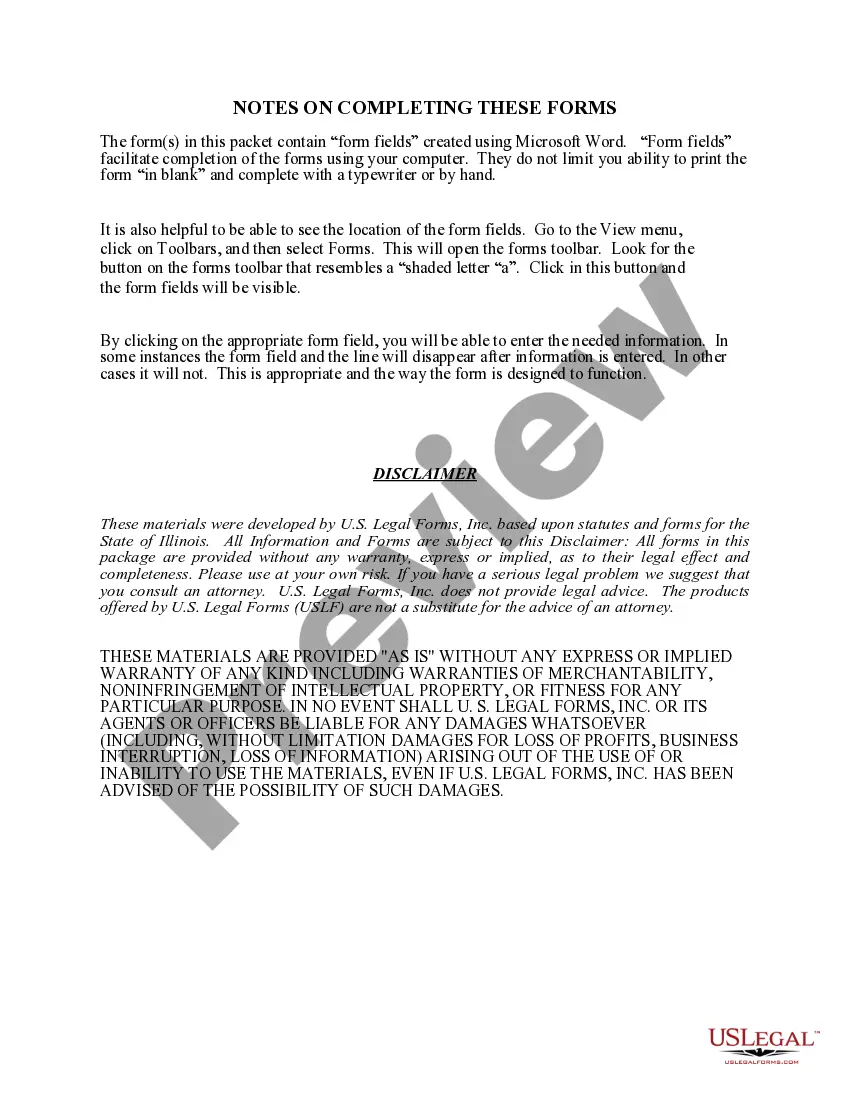
- Sign and date the form in the designated areas.
- Have the document notarized to finalize the renunciation.
Does this document require notarization?
Yes, this form must be notarized to be legally valid. The notarization serves as a verification of the identity of the person executing the form and ensures that the document is executed without coercion. US Legal Forms also provides integrated online notarization services, allowing you to complete this step conveniently via secure video call.
Get your form ready online
Our built-in tools help you complete, sign, share, and store your documents in one place.
Make edits, fill in missing information, and update formatting in US Legal Forms—just like you would in MS Word.
Download a copy, print it, send it by email, or mail it via USPS—whatever works best for your next step.
Sign and collect signatures with our SignNow integration. Send to multiple recipients, set reminders, and more. Go Premium to unlock E-Sign.
If this form requires notarization, complete it online through a secure video call—no need to meet a notary in person or wait for an appointment.
We protect your documents and personal data by following strict security and privacy standards.

Make edits, fill in missing information, and update formatting in US Legal Forms—just like you would in MS Word.

Download a copy, print it, send it by email, or mail it via USPS—whatever works best for your next step.

Sign and collect signatures with our SignNow integration. Send to multiple recipients, set reminders, and more. Go Premium to unlock E-Sign.

If this form requires notarization, complete it online through a secure video call—no need to meet a notary in person or wait for an appointment.

We protect your documents and personal data by following strict security and privacy standards.
Avoid these common issues
- Failing to complete the form within the nine-month deadline.
- Not including a clear description of the property to be disclaimed.
- Neglecting to have the form notarized, which may render it invalid.
- Not understanding the implications of disclaiming property.
Why complete this form online
- Convenience of downloading and completing the form at your own pace.
- Editability allows you to make corrections easily before finalizing.
- Access to a professionally drafted form that complies with Illinois laws.
- Save time by avoiding the need for in-person legal consultations.
Looking for another form?
Form popularity
FAQ
To transfer property after a parent's death without a will in Illinois, you should file for probate based on intestate succession laws. This process will determine the rightful heirs and facilitate property distribution. Engaging with platforms like US Legal Forms can simplify the required steps and provide necessary templates to ensure compliance. Utilizing the Illinois Renunciation and Disclaimer of Property received by Intestate Succession enables you to manage inherited property with clarity.
In most cases, your property is distributed in split shares to your "heirs," which could include your surviving spouse, parents, siblings, aunts and uncles, nieces, nephews, and distant relatives. Generally, when no relatives can be found, the entire estate goes to the state.
The decedent's property is given to the decedent's heirs during a probate court case. Heirs are the beneficiaries of a person who dies without a will. A decedent's relatives also get part of the estate . For example, if there is a spouse and two children, the spouse gets half of the money from the estate.
Generally, only spouses, registered domestic partners, and blood relatives inherit under intestate succession laws; unmarried partners, friends, and charities get nothing.If there are no children, the surviving spouse often receives all the property.
In Illinois, a will must be filed within thirty (30) days of a person's death. Failure to file a will in your possession is a felony under Illinois law.