Connecticut Letter from Tenant to Landlord containing Notice to landlord to withdraw improper rent increase during lease
About this form
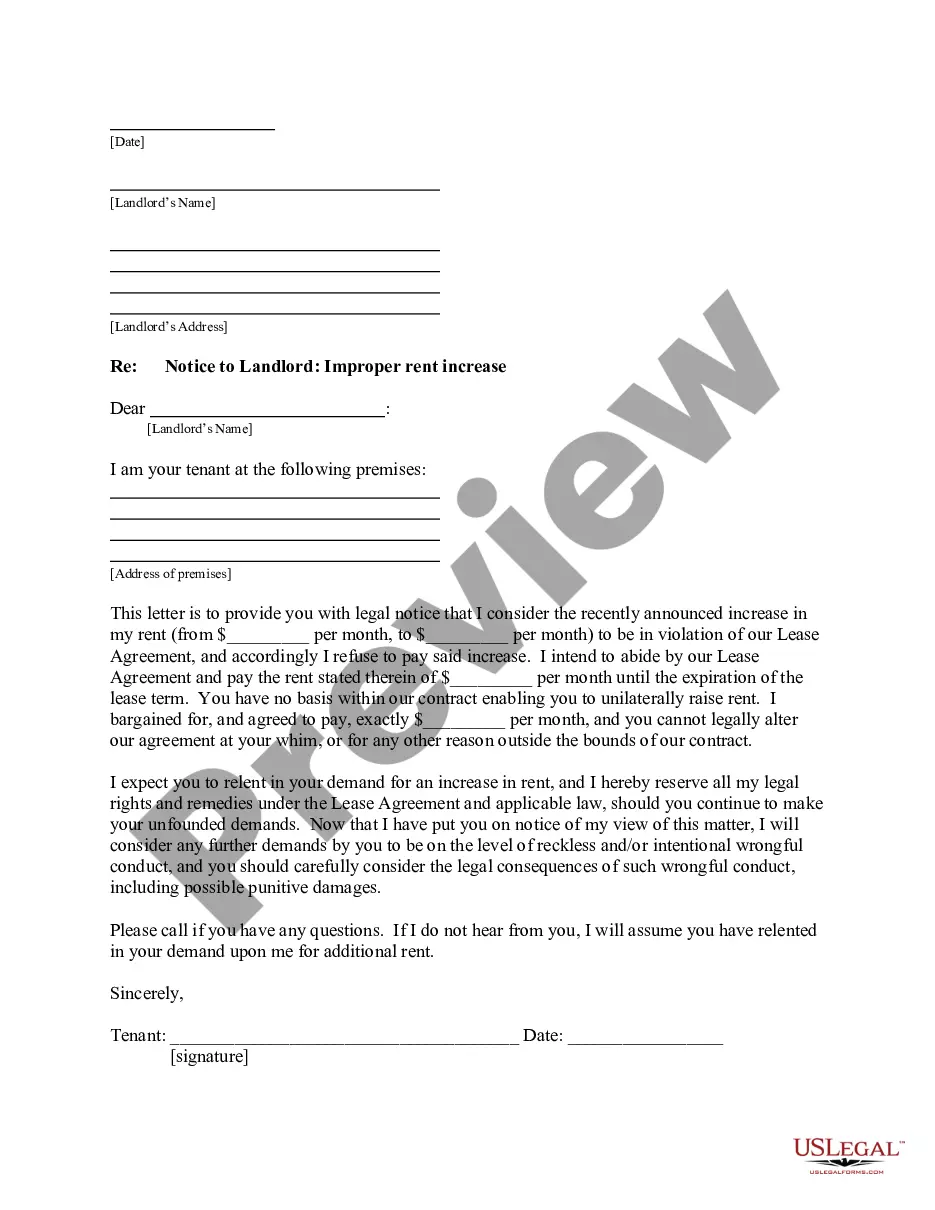
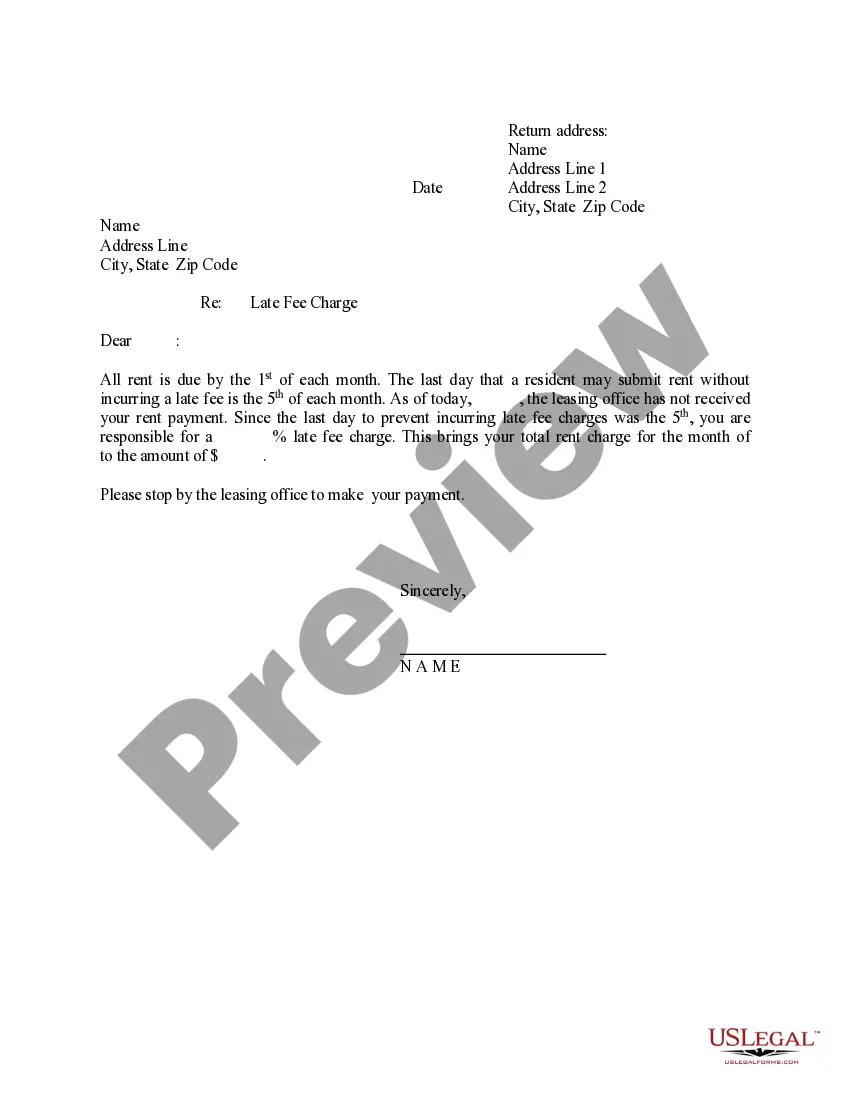
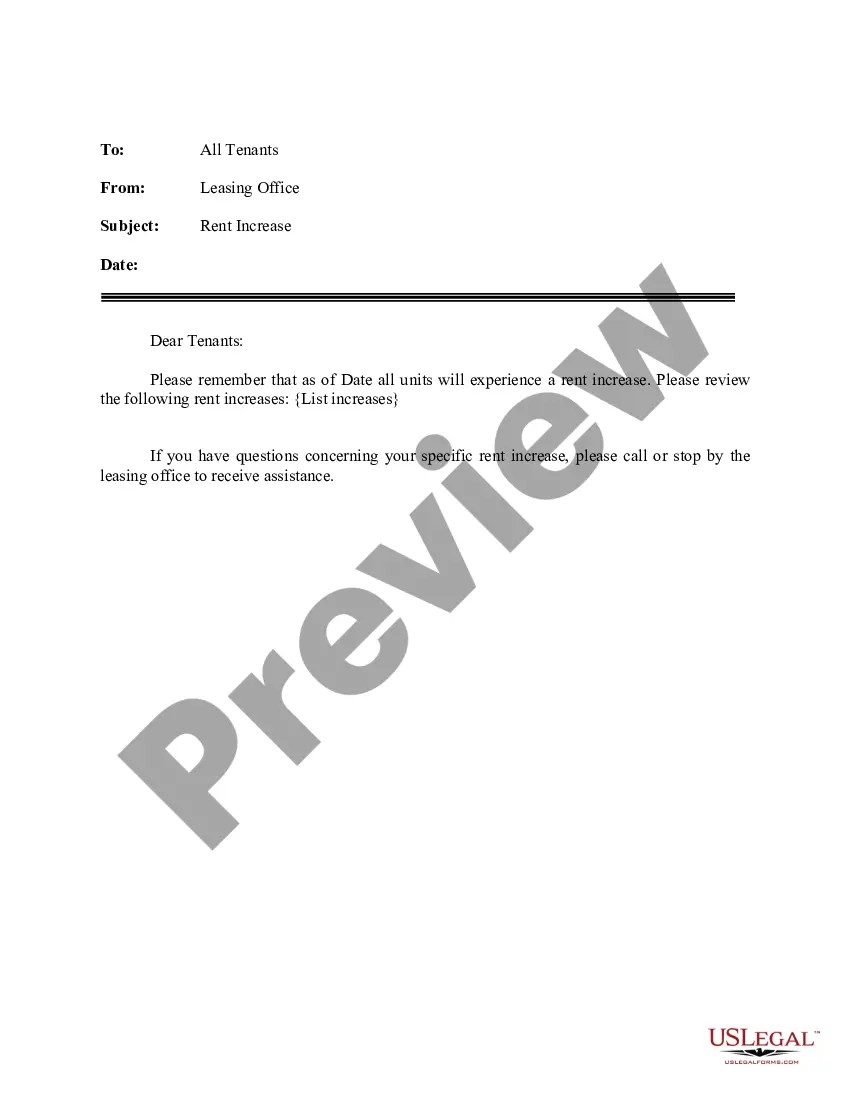
The Letter from Tenant to Landlord containing Notice to landlord to withdraw improper rent increase during lease is a formal notice drafted by a tenant to contest and request the withdrawal of an unjustified rent increase from their landlord. This form serves to document the tenant's position regarding the rent increase while establishing their legal rights under the lease agreement. It is specifically designed for situations where a tenant believes that a proposed rent increase exceeds the terms agreed upon in their lease.
Main sections of this form
- Identification of the tenant and landlord involved.
- A clear statement of the tenant's objection to the proposed rent increase.
- A notice of the tenant's reserved legal rights regarding the lease agreement.
- A warning about potential legal consequences if the landlord persists in demanding an increased rent.
- Signature and date fields to validate the notice.


When to use this document
This form should be used when a tenant receives a notice of rent increase during the lease period that they believe is excessive or improper. It is appropriate in situations where the tenant wishes to formally communicate their objection to the landlord and seek the withdrawal of the proposed increase while protecting their legal rights.
Who needs this form
- Tenant who has received a notice of a rent increase during the lease term.
- Any individual entering into a rental agreement who anticipates potential disputes over rent adjustments.
- Residents wishing to ensure they are informed of their rights regarding lease modifications.
Steps to complete this form
- Identify and enter the names and contact information of both the tenant and the landlord.
- Clearly articulate your objection to the rent increase in the specified section of the form.
- Reserve your legal rights and indicate potential consequences of continued demands for increased rent.
- Sign and date the notice to make it valid.
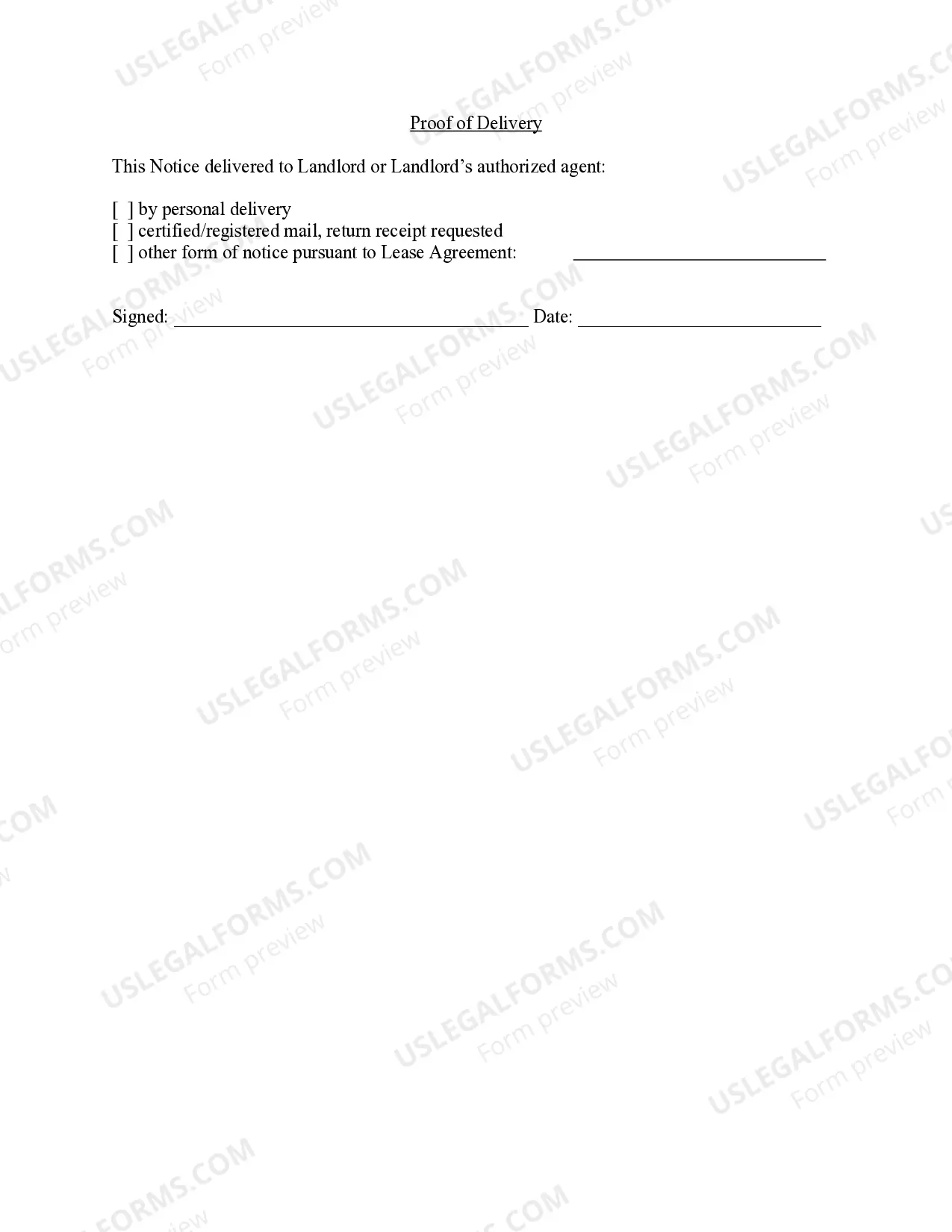
- Deliver the notice to the landlord or their authorized agent and keep proof of delivery.
Does this document require notarization?
This form does not typically require notarization unless specified by local law. However, it's important to check state-specific regulations to ensure compliance.
Get your form ready online
Our built-in tools help you complete, sign, share, and store your documents in one place.
Make edits, fill in missing information, and update formatting in US Legal Forms—just like you would in MS Word.
Download a copy, print it, send it by email, or mail it via USPS—whatever works best for your next step.
Sign and collect signatures with our SignNow integration. Send to multiple recipients, set reminders, and more. Go Premium to unlock E-Sign.
If this form requires notarization, complete it online through a secure video call—no need to meet a notary in person or wait for an appointment.
We protect your documents and personal data by following strict security and privacy standards.

Make edits, fill in missing information, and update formatting in US Legal Forms—just like you would in MS Word.

Download a copy, print it, send it by email, or mail it via USPS—whatever works best for your next step.

Sign and collect signatures with our SignNow integration. Send to multiple recipients, set reminders, and more. Go Premium to unlock E-Sign.

If this form requires notarization, complete it online through a secure video call—no need to meet a notary in person or wait for an appointment.

We protect your documents and personal data by following strict security and privacy standards.
Typical mistakes to avoid
- Failing to personalize the form with accurate tenant and landlord information.
- Not clearly stating the objection to the rent increase.
- Neglecting to sign and date the form before delivery.
- Overlooking delivery confirmation, which can serve as evidence of notice.
Why use this form online
- Convenient access to templates anytime, allowing for quick completion of necessary documents.
- Editability ensures the form can be tailored to specific situations and legal requirements.
- Reliable format drafted by legal professionals, ensuring compliance with applicable laws.
- The notice provides a formal record of the tenant's objection to the rent increase.
- This form contributes to establishing the tenant's rights in any future legal proceedings.
- Landlords might be more likely to reconsider a rent increase when notified in writing.
Quick recap
- This form is essential for tenants wishing to formally contest a rent increase.
- It preserves the tenant's legal rights and outlines the potential consequences for the landlord.
- Proper completion and delivery of this form can help prevent further disputes over rent increases.
Looking for another form?
Form popularity
FAQ
When writing a letter to remove a tenant, clarity and formality are essential. Your letter should state the reasons for the eviction clearly and include important dates. Using a Connecticut Letter from Tenant to Landlord containing Notice to landlord to withdraw improper rent increase during lease ensures all necessary information is presented formally. This approach lays the groundwork for compliance with legal requirements.
In Connecticut, the amount of notice a landlord must give a tenant to move out can vary based on the lease type. Generally, for month-to-month leases, a landlord must provide at least 30 days' notice. However, in cases of lease violations, the notice may differ. Understanding your rights is crucial, and a Connecticut Letter from Tenant to Landlord containing Notice to landlord to withdraw improper rent increase during lease can help clarify expectations.
To ask for a rent abatement, you should communicate directly with your landlord about your concerns. Sending a well-crafted Connecticut Letter from Tenant to Landlord containing Notice to landlord to withdraw improper rent increase during lease is an effective way to officially make this request. Be clear about the issues and articulate why a reduction in rent is justified.
Requesting a letter for a reduction of rent typically involves drafting a formal communication to your landlord. You can use a Connecticut Letter from Tenant to Landlord containing Notice to landlord to withdraw improper rent increase during lease to articulate your reasons. Be sure to mention any lease violations or issues you have faced that warrant the rent reduction.
To ask for a rent abatement letter, you should first review your lease agreement and document the reasons for your request. After gathering your information, you can draft a Connecticut Letter from Tenant to Landlord containing Notice to landlord to withdraw improper rent increase during lease. This letter should clearly explain the situation and request a reduction in rent.
Rent abatement refers to a reduction in rent due to specific circumstances. For example, if a tenant experiences significant issues like lack of heat or hot water, they may request a rent abatement. This can entail the tenant sending a Connecticut Letter from Tenant to Landlord containing Notice to landlord to withdraw improper rent increase during lease. This request formally documents the need for reduced rent based on the circumstances.
Politely asking a tenant to move out requires a careful approach. Begin by thanking them for being a tenant and then cite your reasons for requesting the move in a straightforward manner. Offer your assistance during their transition, such as providing recommendations for new places or helping them with the moving process to show your support.
To explain a rent increase to a tenant, start with a friendly greeting and acknowledge their valued tenancy. Explain the reasons for the increase, such as rising costs or improvements you’ve made. Be transparent about how the increase aligns with market rates, and invite them to discuss any concerns they might have to promote dialogue.
When writing a formal letter to your tenant requesting them to move out, begin with a polite salutation and clearly state the purpose of the letter. Provide a specific timeline for vacating the premises and the reason for the request. Maintaining professionalism throughout the letter is vital to ensure clear communication and lessen any potential tension.
As a tenant, writing a notice to vacate involves clearly stating your intention to leave. Include the date you intend to vacate the property, and mention any reasons if you feel comfortable doing so. It’s important to be polite and thank your landlord for their support during your tenancy, which can help maintain a positive relationship.