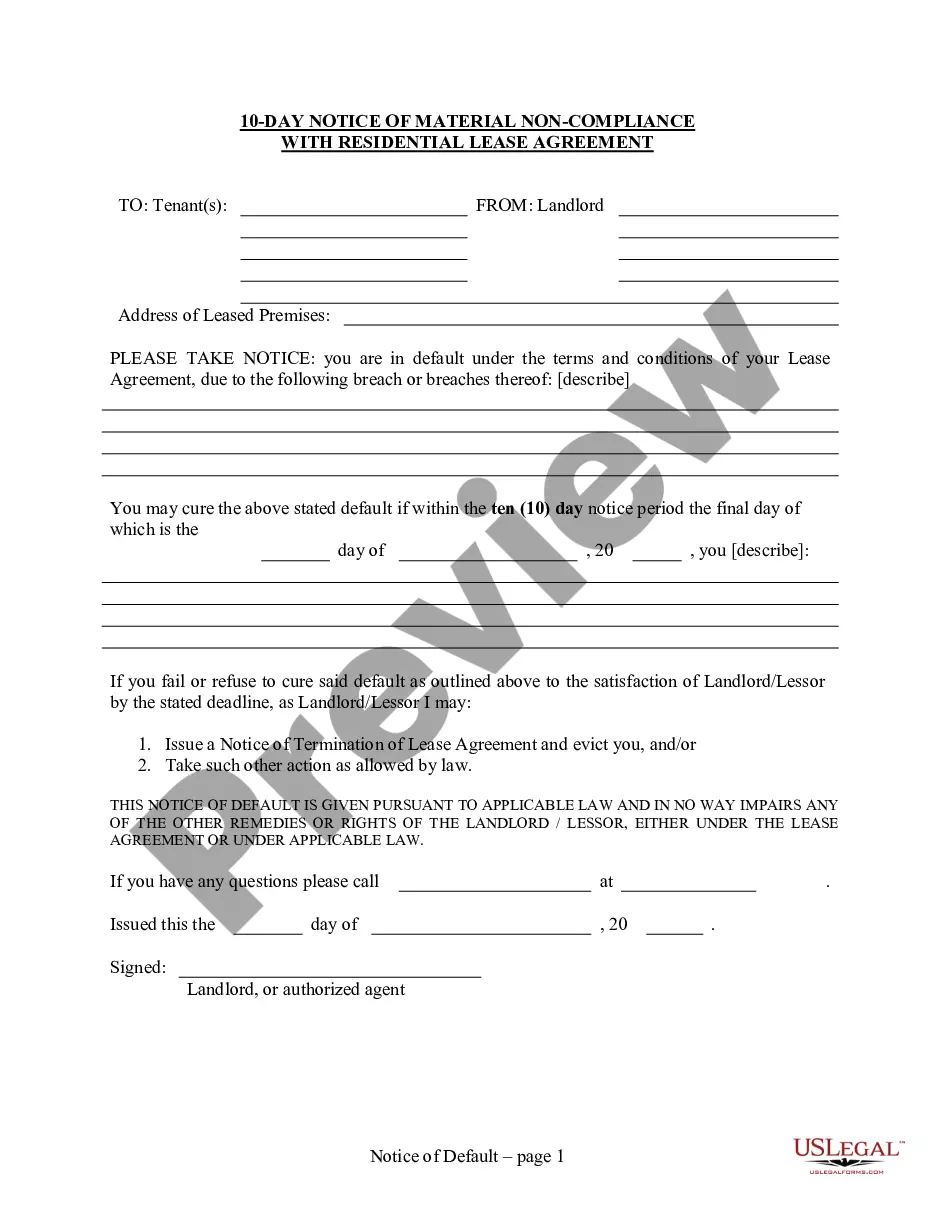
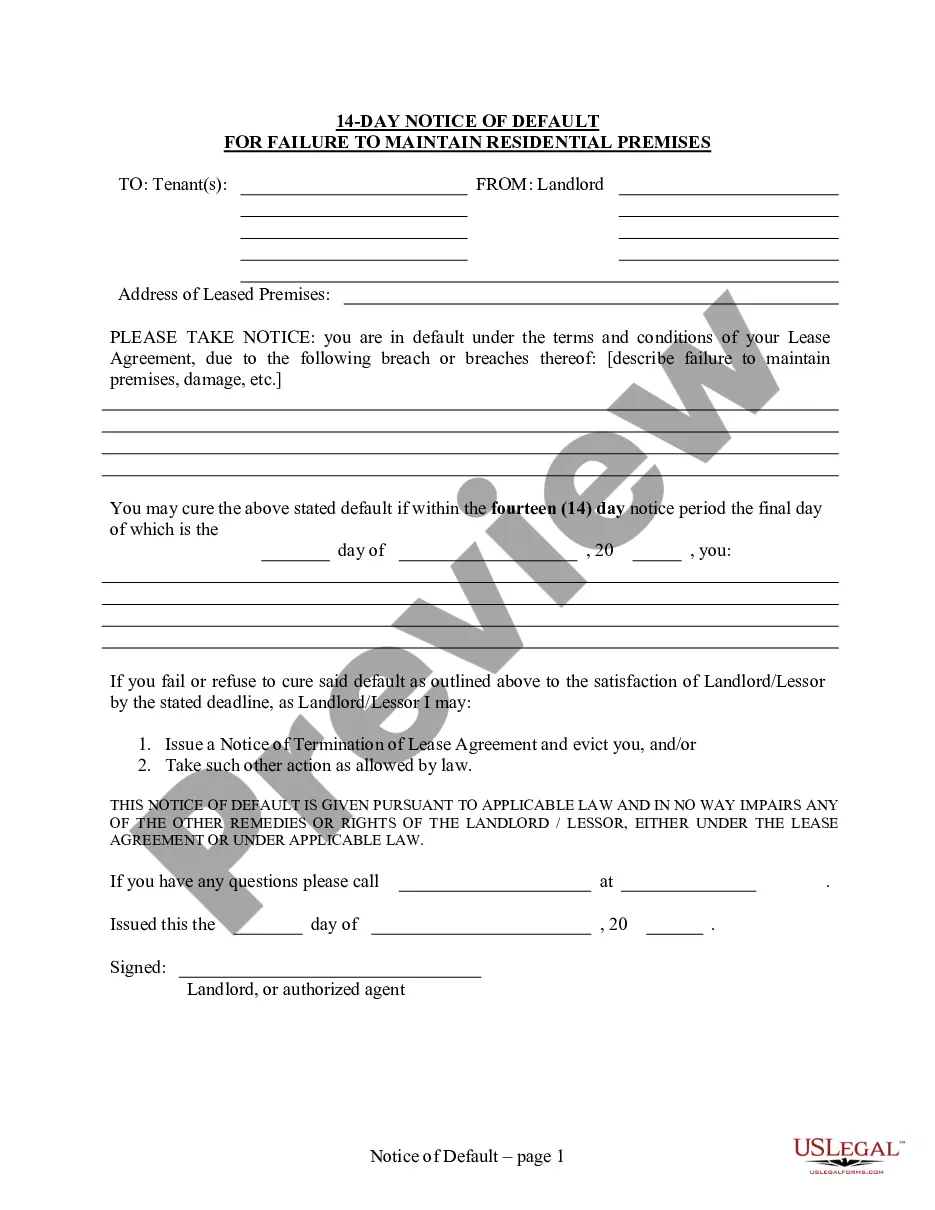
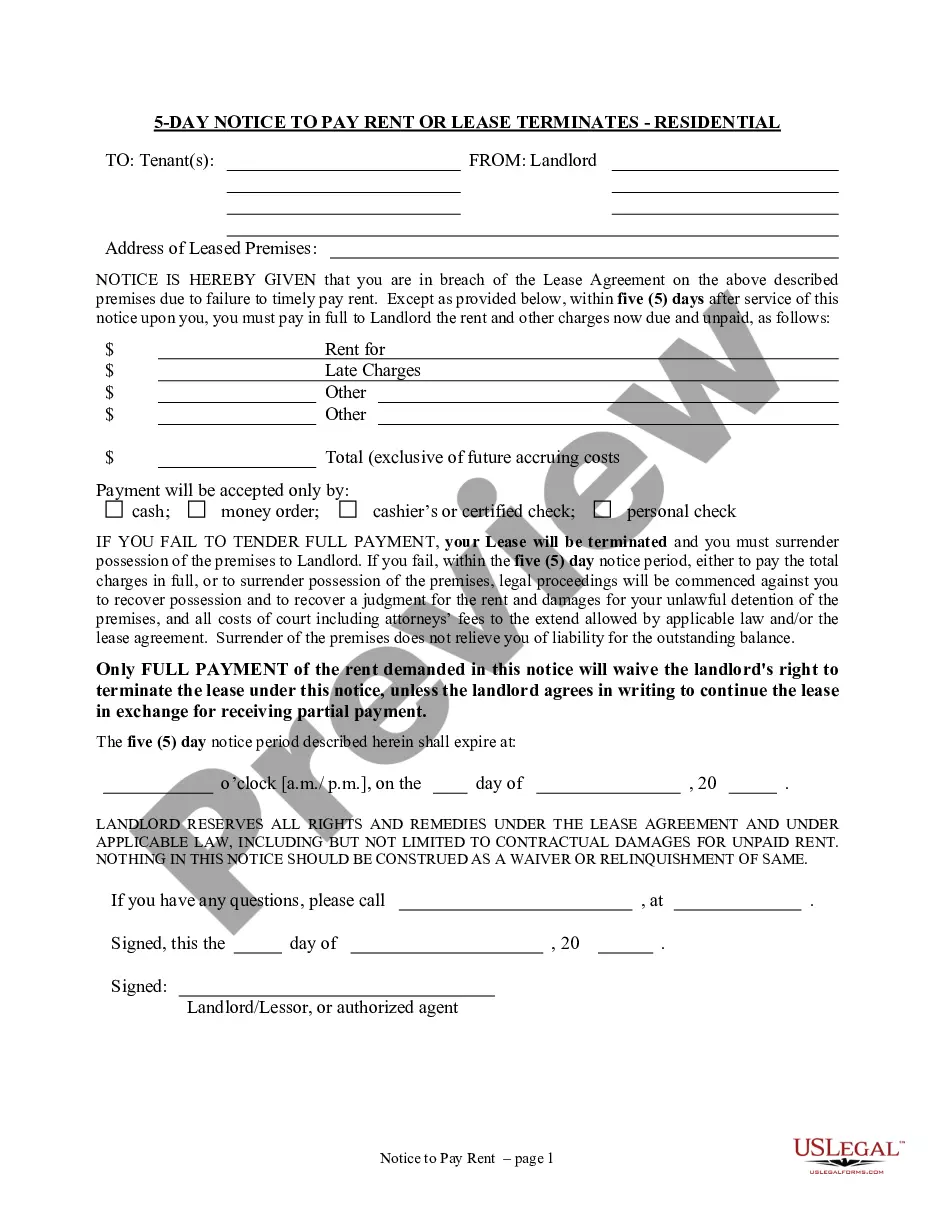
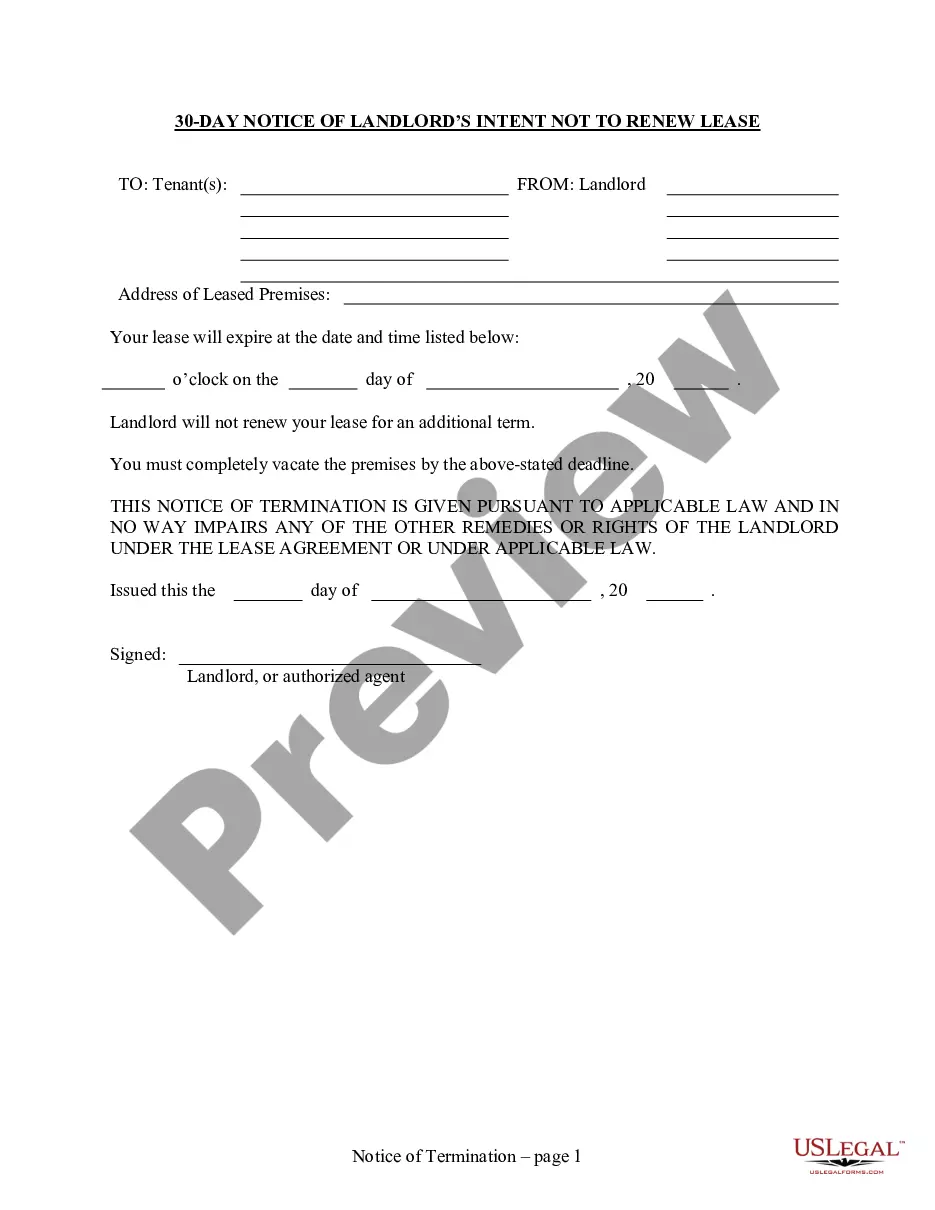
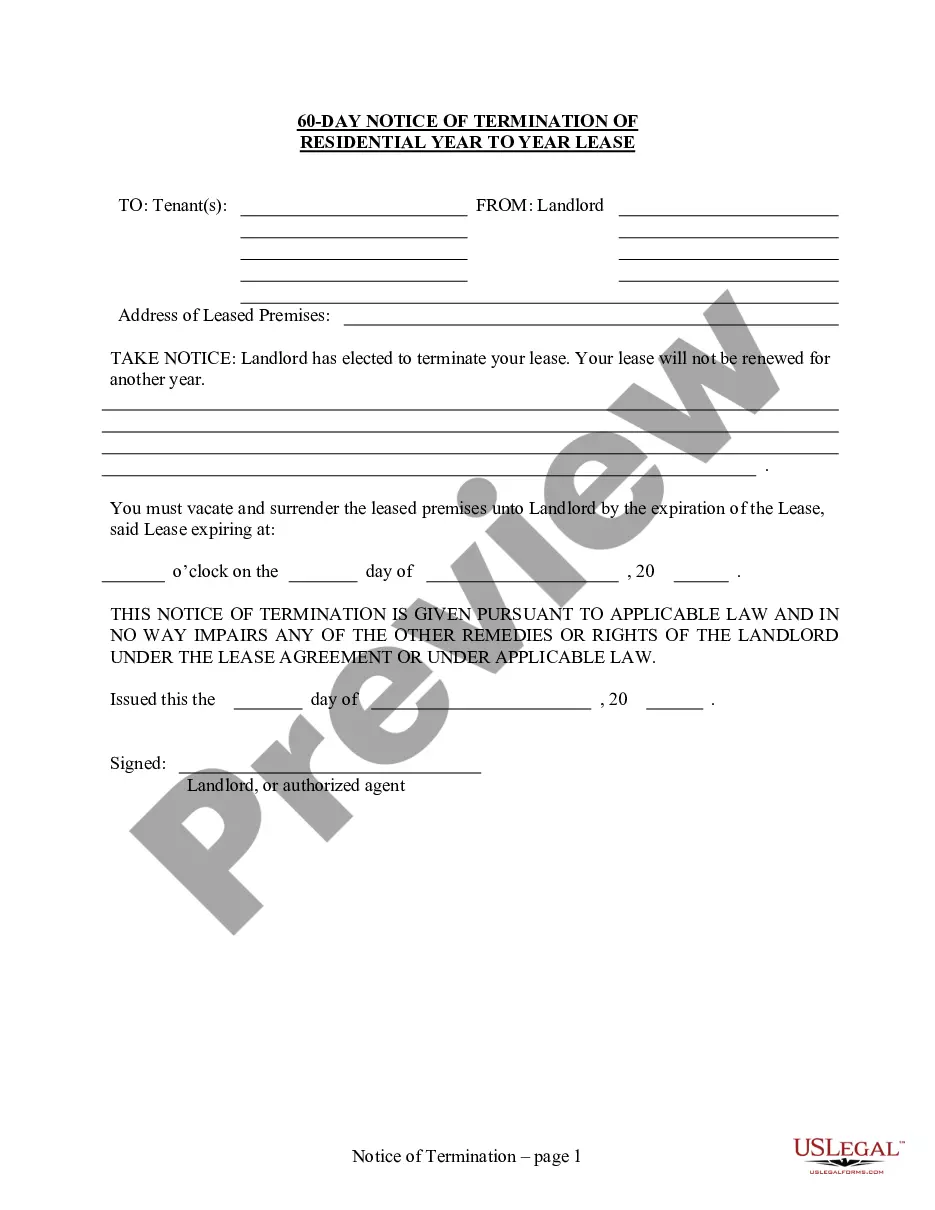
West Virginia Letter from Tenant to Landlord about Landlord's refusal to allow sublease is unreasonable
What is this form?
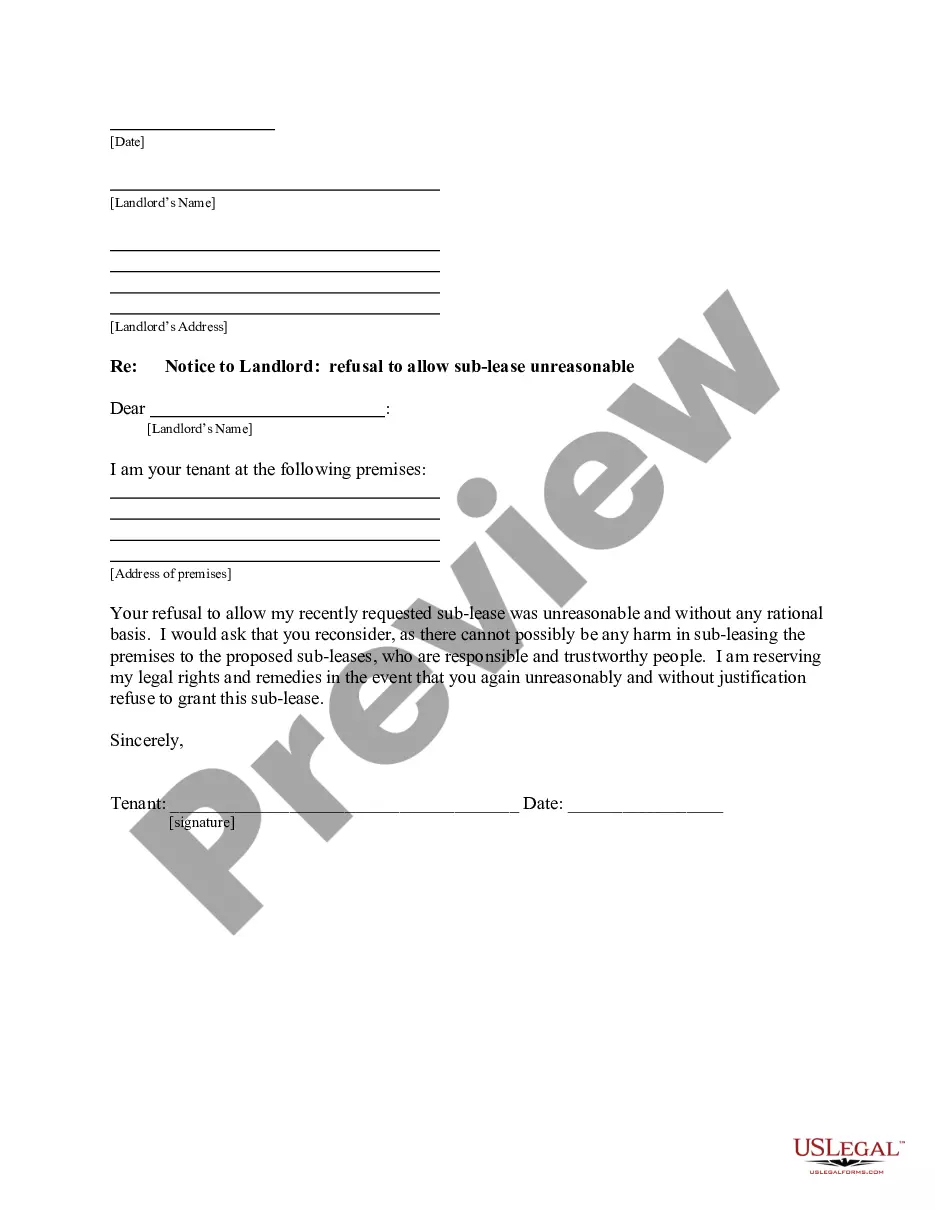
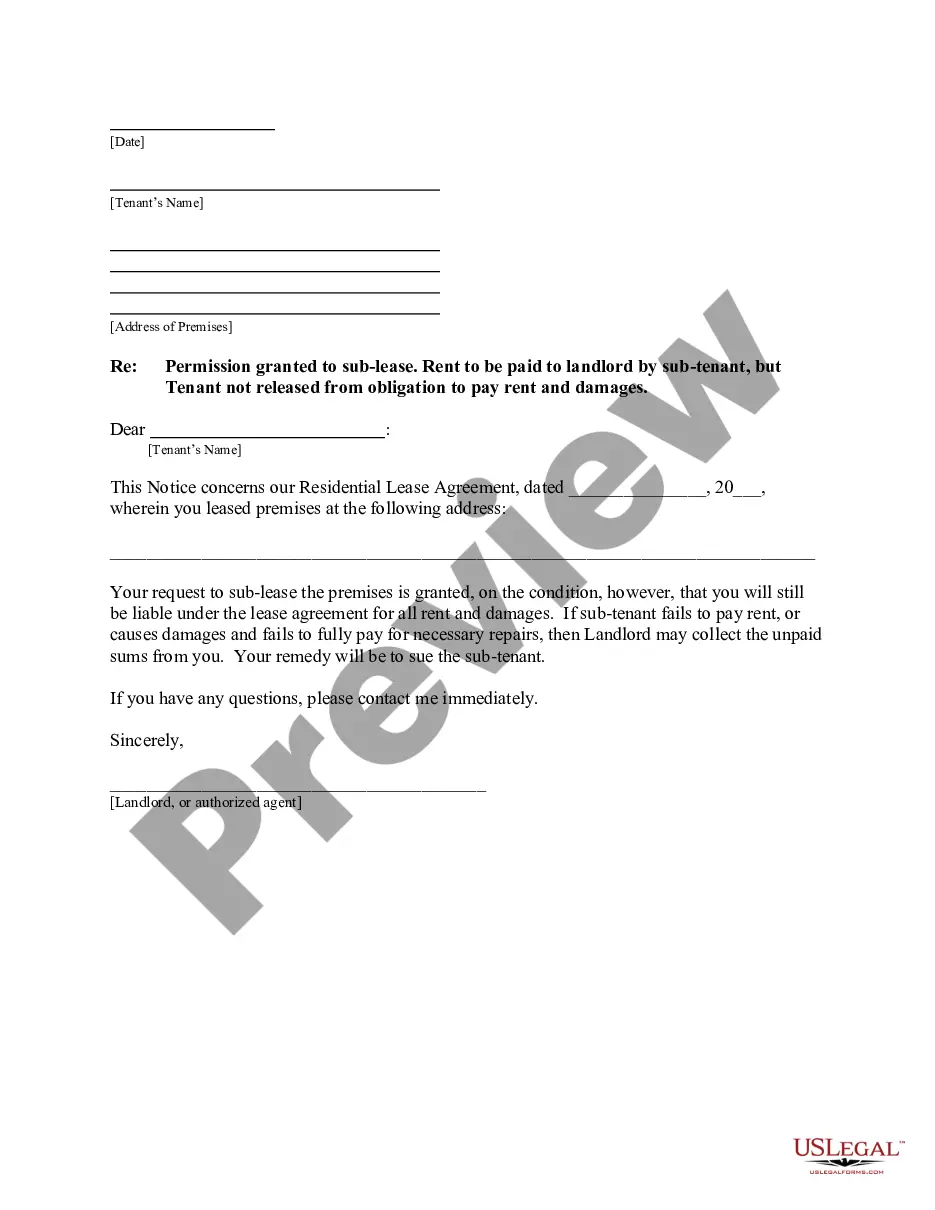
This letter from a tenant to a landlord addresses the landlord's unreasonable refusal to permit a sublease. It emphasizes the tenantâs intention to reserve their legal rights and remedies if the landlord continues to obstruct the lease assignment. This letter serves as a formal record of the communication, distinguishing it from general correspondence by highlighting the tenant's legal position regarding subletting rights.
Key components of this form
- Tenant's address and date of communication
- Landlord's contact information
- Statement of refusal to allow sublease
- Reservation of legal rights and remedies
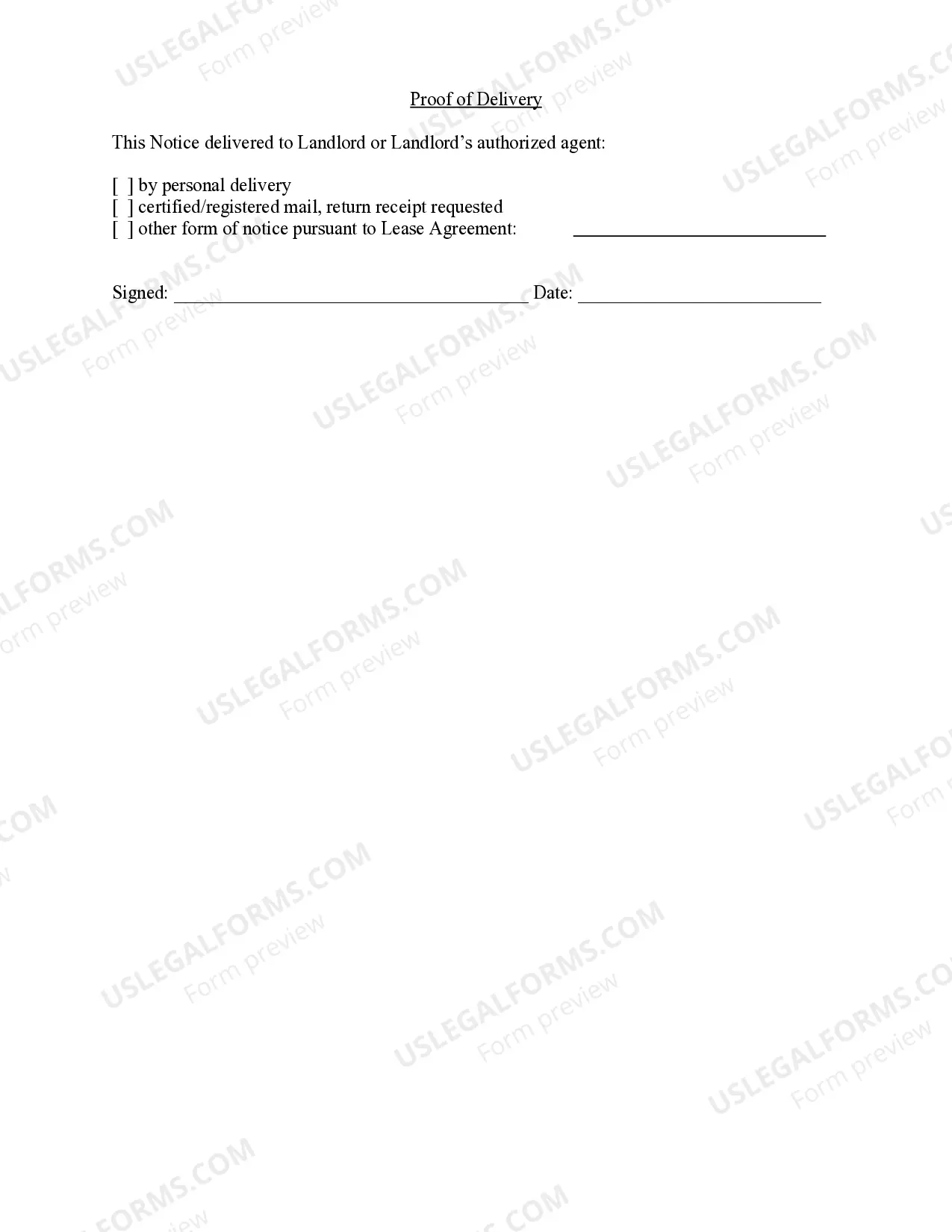
- Tenant's signature and proof of delivery section
Common use cases
This form should be used when a tenant has received a refusal from their landlord regarding a request to sublease the rental property. It is appropriate when the tenant believes the landlord's refusal is unreasonable and wishes to formally communicate their position while reserving the right to take legal action if necessary.
Who can use this document
- Tenants who wish to sublease their rental property
- Tenants facing challenges due to their landlordâs refusal to allow subleasing
- Individuals looking to formally document their request and the landlordâs response
How to complete this form
- Enter the tenant's address and today's date at the top of the letter.
- Include the landlord's name and contact information below the tenantâs address.
- Clearly state the refusal from the landlord regarding the sublease request.
- Reserve legal rights and remedies by explicitly mentioning intentions to act if the refusal continues.
- Sign and date the letter, then include proof of delivery information.
Does this form need to be notarized?
This form does not typically require notarization unless specified by local law. It is advisable for tenants to verify their local regulations to confirm if notarization is needed for legal enforceability.
Get your form ready online
Our built-in tools help you complete, sign, share, and store your documents in one place.
Make edits, fill in missing information, and update formatting in US Legal Forms—just like you would in MS Word.
Download a copy, print it, send it by email, or mail it via USPS—whatever works best for your next step.
Sign and collect signatures with our SignNow integration. Send to multiple recipients, set reminders, and more. Go Premium to unlock E-Sign.
If this form requires notarization, complete it online through a secure video call—no need to meet a notary in person or wait for an appointment.
We protect your documents and personal data by following strict security and privacy standards.

Make edits, fill in missing information, and update formatting in US Legal Forms—just like you would in MS Word.

Download a copy, print it, send it by email, or mail it via USPS—whatever works best for your next step.

Sign and collect signatures with our SignNow integration. Send to multiple recipients, set reminders, and more. Go Premium to unlock E-Sign.

If this form requires notarization, complete it online through a secure video call—no need to meet a notary in person or wait for an appointment.

We protect your documents and personal data by following strict security and privacy standards.
Mistakes to watch out for
- Failing to include the landlordâs contact information.
- Not keeping a copy of the letter for personal records.
- Sending the letter without providing proof of delivery.
- Leaving out a clear statement of legal rights and remedies.
Advantages of online completion
- Convenience of downloading and completing the form at your own pace.
- Editability allows you to customize the letter to fit your specific situation.
- Access to reliable legal forms drafted by licensed attorneys.
- The letter serves as a formal notification to the landlord regarding the tenant's request.
- Maintaining good records can be vital if any legal issues arise concerning the lease.
- Understanding local landlord-tenant laws is crucial for ensuring enforceability of the letter.
Summary of main points
- This form is essential for tenants wanting to sublease who face unreasonable refusals from their landlords.
- It helps protect the tenant's legal rights and serves as documentation for future reference.
- Always check local rules as they can affect the requirements around subleasing.
Looking for another form?
Form popularity
FAQ
Apply to the Tribunal for orders: to stop the landlord/agent entering the premises. (Apply within 3 months after you become aware of the landlord's/agent's breach.) report trespass to the police. complain to NSW Fair Trading.
Indiana. Indiana laws allow landlords to hold on to security deposits for 45 days to give them time to determine any damages caused by tenants. Colorado. Colorado is one of few states that allow landlords to access the rental property without an advance notice requirement. Georgia.
Your landlord or their representatives may be allowed reasonable access to carry out inspections or repairs, but must first get your permission. According to Section 11, from The Landlord and Tenant Act 1985, your landlord needs to give you at least 24 hour notice before they come around and visit for any reason.
Notice to Terminate Tenancy Month to Month Lease: For any lease under the term of one year, either party can terminate the lease by providing the other party written notice prior to the end of the lease. For a month to month lease, 30 days must be given. pursuant to §37-6-5.
Except for an emergency or scheduled maintenance, your landlord must give you at least 24 hours of notice before entering the rental unit. If your landlord repeatedly violates your privacy by entering your unit, you may be able to break your lease without penalty.
Yes, West Virginia is an extremely landlord-friendly state because there are virtually no restrictions on evictions and there are no limits on rental pricing or increases.
When you rent a property from a landlord it becomes your home. They should only enter the property without you being present, if you have given permission for them to do so, or in a genuine emergency.
West Virginia Eviction Process Timeline Initial Notice Period 30-90 days, but only required for no lease/end of lease evictions. Issuance/Service of Summons and Complaint Within 10 days before the hearing; but if not served within 120 days, the eviction case may be dismissed.
The big take-away is that in most circumstances a landlord cannot enter a property without agreement from the tenant. And If the landlord ignores the law and enters the property without permission, the tenant may be able to claim damages or gain an injunction to prevent the landlord doing it again.
This question is about Virginia Landlord Tenant RightsVirginia is a moderately landlord-friendly state as there is no rent control and landlords have a large amount of freedom when picking tenants.