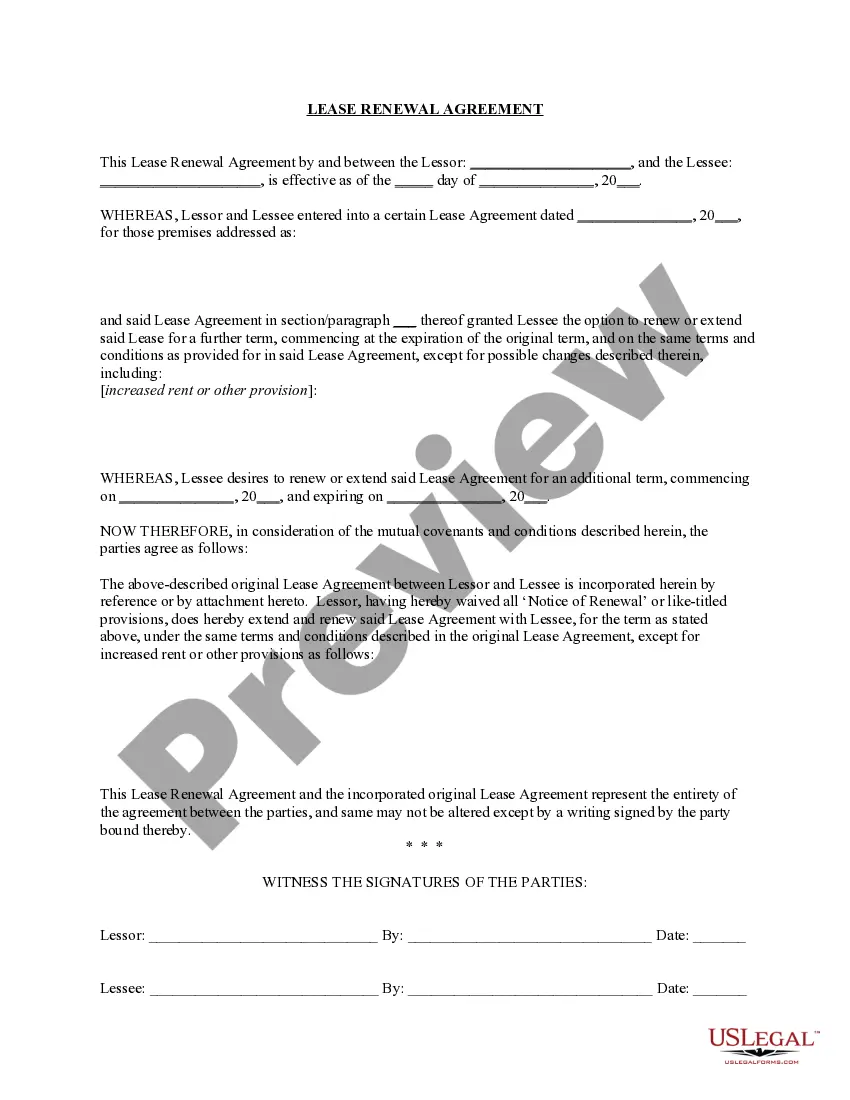
West Virginia Letter from Tenant to Landlord containing Notice that doors are broken and demand repair
About this form
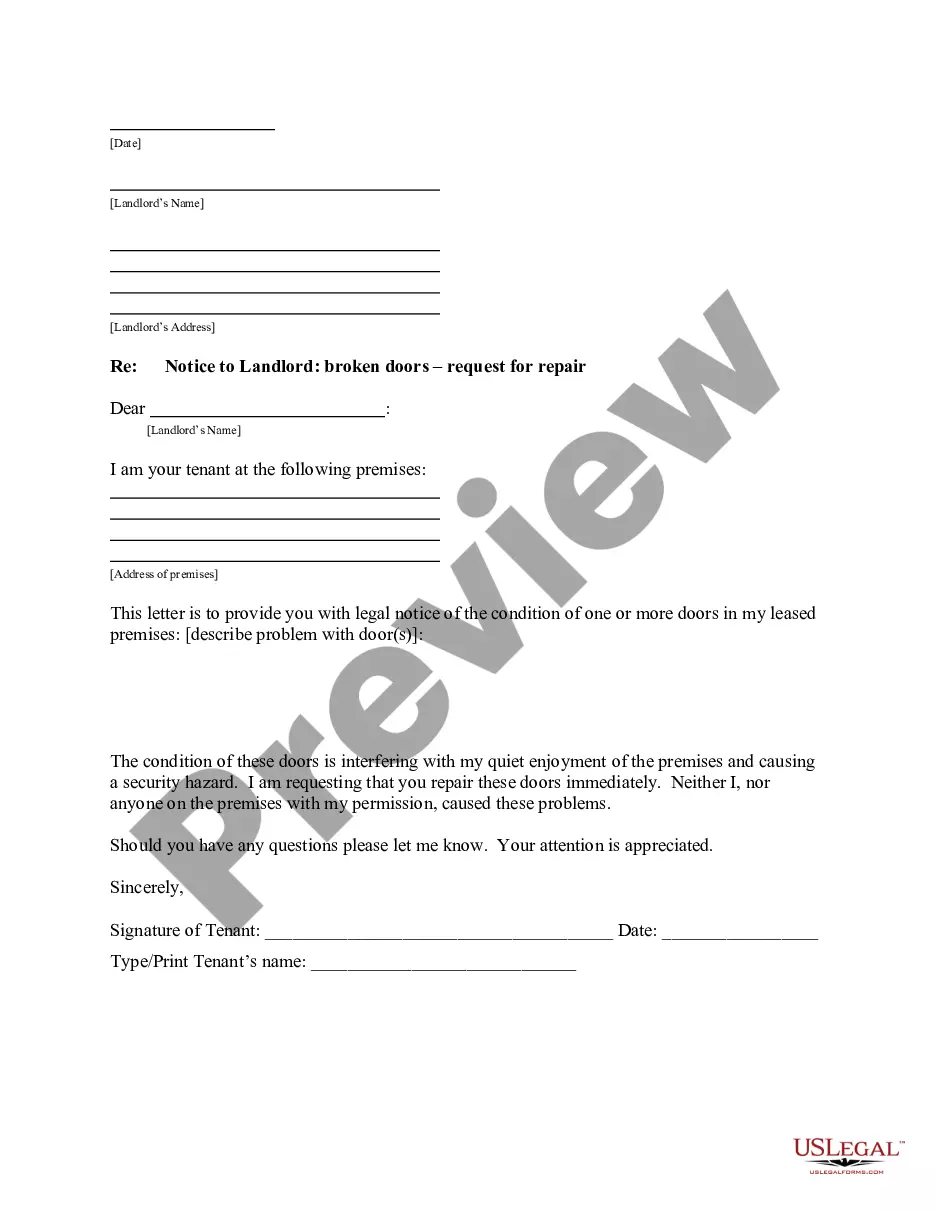
The Letter from Tenant to Landlord containing Notice that doors are broken and demand repair is a formal document that allows a tenant to notify their landlord about broken doors within the rental property. This letter serves as a request for repair, ensuring that the landlord is formally aware of the issue and can take action based on the lease agreement. It is different from general maintenance requests as it specifically highlights a legal obligation for the landlord to address safety or security concerns related to broken doors.
Key components of this form
- Introduction: A brief statement conveying the purpose of the letter.
- Description of the issue: Specific details regarding the broken doors that need repair.
- Request for action: The tenantâs demand for the landlord to take prompt action.
- Signature of tenant: A space for the tenant to sign and date the letter.
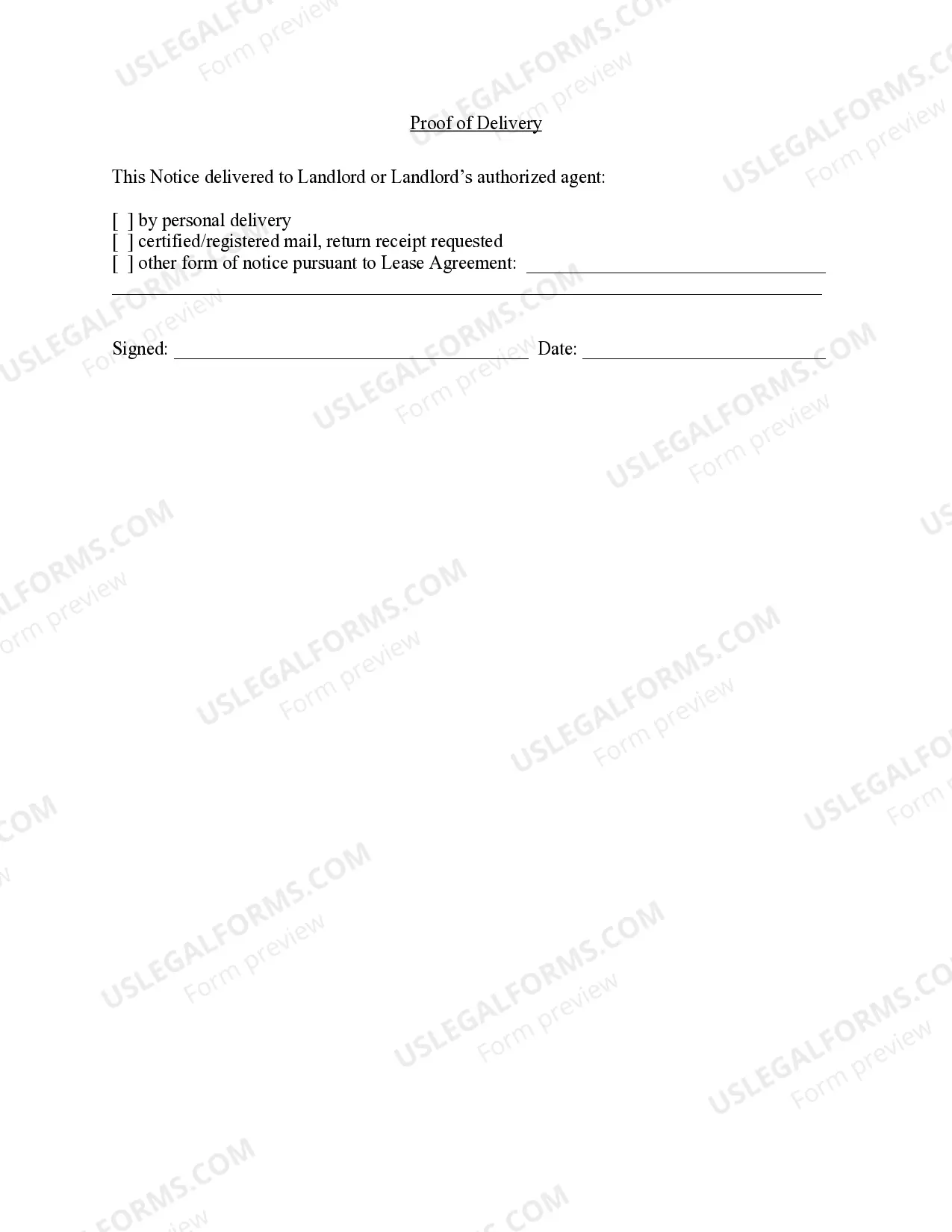
- Proof of delivery: Options for how the notice can be delivered to the landlord.
When to use this form
This form should be used when a tenant identifies broken doors in their rental unit that compromise safety or security. It is essential to inform the landlord formally, especially if prior verbal communications have not led to repairs. Using this letter underscores the tenant's rights and can serve as a record if further action is necessary.
Who can use this document
- Tenants who are renting a property with broken doors.
- Individuals who have previously communicated door issues verbally but need to formalize the request.
- Those seeking to document their communication with the landlord regarding needed repairs.
Instructions for completing this form
- Identify the parties involved: clearly state the tenant's name and the landlord's name.
- Detail the problem: specify the exact issue regarding the broken doors, including any safety concerns.
- Make a formal request: clearly articulate the demand for repair to ensure the landlord understands the urgency.
- Sign and date the form: provide your signature and the date at the bottom of the letter.
- Choose the delivery method: indicate how the letter will be delivered to the landlord for proof of receipt.
Notarization guidance
This form does not typically require notarization unless specified by local law. It is important to check any specific state requirements that may apply to notice letters between tenants and landlords.
Get your form ready online
Our built-in tools help you complete, sign, share, and store your documents in one place.
Make edits, fill in missing information, and update formatting in US Legal Forms—just like you would in MS Word.
Download a copy, print it, send it by email, or mail it via USPS—whatever works best for your next step.
Sign and collect signatures with our SignNow integration. Send to multiple recipients, set reminders, and more. Go Premium to unlock E-Sign.
If this form requires notarization, complete it online through a secure video call—no need to meet a notary in person or wait for an appointment.
We protect your documents and personal data by following strict security and privacy standards.

Make edits, fill in missing information, and update formatting in US Legal Forms—just like you would in MS Word.

Download a copy, print it, send it by email, or mail it via USPS—whatever works best for your next step.

Sign and collect signatures with our SignNow integration. Send to multiple recipients, set reminders, and more. Go Premium to unlock E-Sign.

If this form requires notarization, complete it online through a secure video call—no need to meet a notary in person or wait for an appointment.

We protect your documents and personal data by following strict security and privacy standards.
Common mistakes to avoid
- Failing to provide specific details about the broken doors.
- Not including a clear request for action.
- Neglecting to sign and date the letter.
- Using informal language instead of a professional tone.
Benefits of completing this form online
- Easy access: Downloadable anytime from anywhere.
- Editable templates: Customize the form to fit your specific situation.
- Professional assurance: Forms are drafted by licensed attorneys, ensuring legal soundness.
- Convenient storage: Save your completed forms digitally for future reference.
- This letter serves as formal notice to a landlord about necessary repairs.
- Proper use of this letter can help ensure that tenants' rights are respected.
- Failure to provide such notice may impact a tenant's ability to enforce repair obligations.
Summary of main points
- This letter formally notifies a landlord of broken doors and requests repairs.
- Using this form helps document the issue and your communication efforts.
- Ensure to follow up if repairs are not made in a timely manner.
Looking for another form?






Form popularity
FAQ
So when is your landlord responsible for repairs? When you rent, your landlord is responsible for maintaining the functional aspects of your home such as plumbing, electricity, and heating. Landlords must also generally take action when flooding, a clogged pipe, pest infestation, or other problems occur.
A burst water service or a serious water service leak.A blocked or broken toilet.A serious roof leak.A gas leak.A dangerous electrical fault.Flooding or serious flood damage.Serious storm or fire damage.Problems with your rental? Here's how to get your landlord to make\nwww.domain.com.au > advice > problems-with-your-rental-heres-how-to-g...
Property Needs to Meet Local Health and Building Codes.Visible Mold.Pests.Changing Locks.Heat, Electric, Hot and Cold Water.Structural Integrity and Weather Protected.Regularly Discarding Trash.Damage Caused by the Tenant or Their Guests.Landlord and Tenant Repair Responsibilities in a Rental Property\nwww.avail.co > guides > complete-guide-to-rental-property-maintenance
One way to get your landlord to fix bad conditions is to withhold all or some of your rent until the landlord actually makes the repairs. This is called "rent withholding." Tenants have a right to withhold rent because landlords are obligated to provide safe and habitable housing under the warranty of habitability.
Calling state or local building or health inspectors. withholding the rent. repairing the problem, or having it repaired by a professional, and deducting the cost from your rent (called repair-and-deduct) moving out, or.
Keep your rental unit as clean and safe as the condition of the premises permits. Dispose of garbage, rubbish, and other waste in a clean and safe manner. Keep plumbing fixtures as clean as their condition permits.
Property Needs to Meet Local Health and Building Codes. Visible Mold. Pests. Changing Locks. Heat, Electric, Hot and Cold Water. Structural Integrity and Weather Protected. Regularly Discarding Trash. Damage Caused by the Tenant or Their Guests.
Your landlord is always responsible for repairs to: the property's structure and exterior. basins, sinks, baths and other sanitary fittings including pipes and drains. heating and hot water.