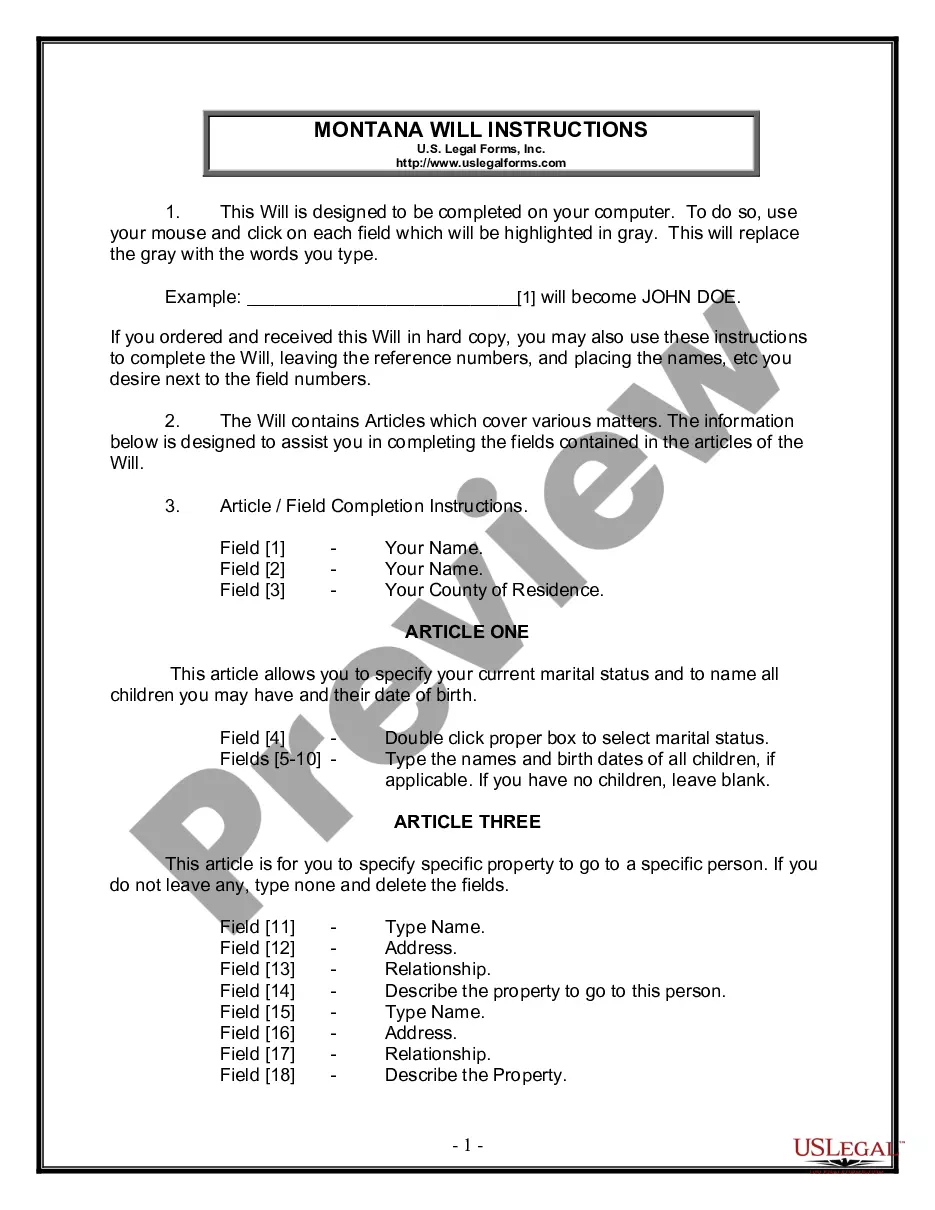
Montana Last Will and Testament
Last Will and Testament documents help individuals outline their wishes after death. Our attorney-drafted templates are quick and easy to complete.
Similar documents: key differences
- Will vs. Trust — A will distributes assets after death, while a trust manages them during life and after.
- Testamentary Will vs. Holographic Will — A testamentary will is formally executed, while a holographic will is handwritten.
- Final Will vs. Attested Will — A final will is the last version, while an attested will is signed by witnesses.
- Statutory Will vs. Formal Will — A statutory will follows a state-provided format, while a formal will is custom-drafted.
Search for more forms
Types of Will forms
With Minor Children
Create a legally binding document to outline how your assets are distributed and who will care for your minor children after your passing.
With Minor Children (Prior Marriage)
Create a tailored will to specify your wishes for your spouse and minor children from a previous marriage.
With Adult Children
Plan your estate with a clear, legally recognized document that outlines asset distribution for you and your spouse.
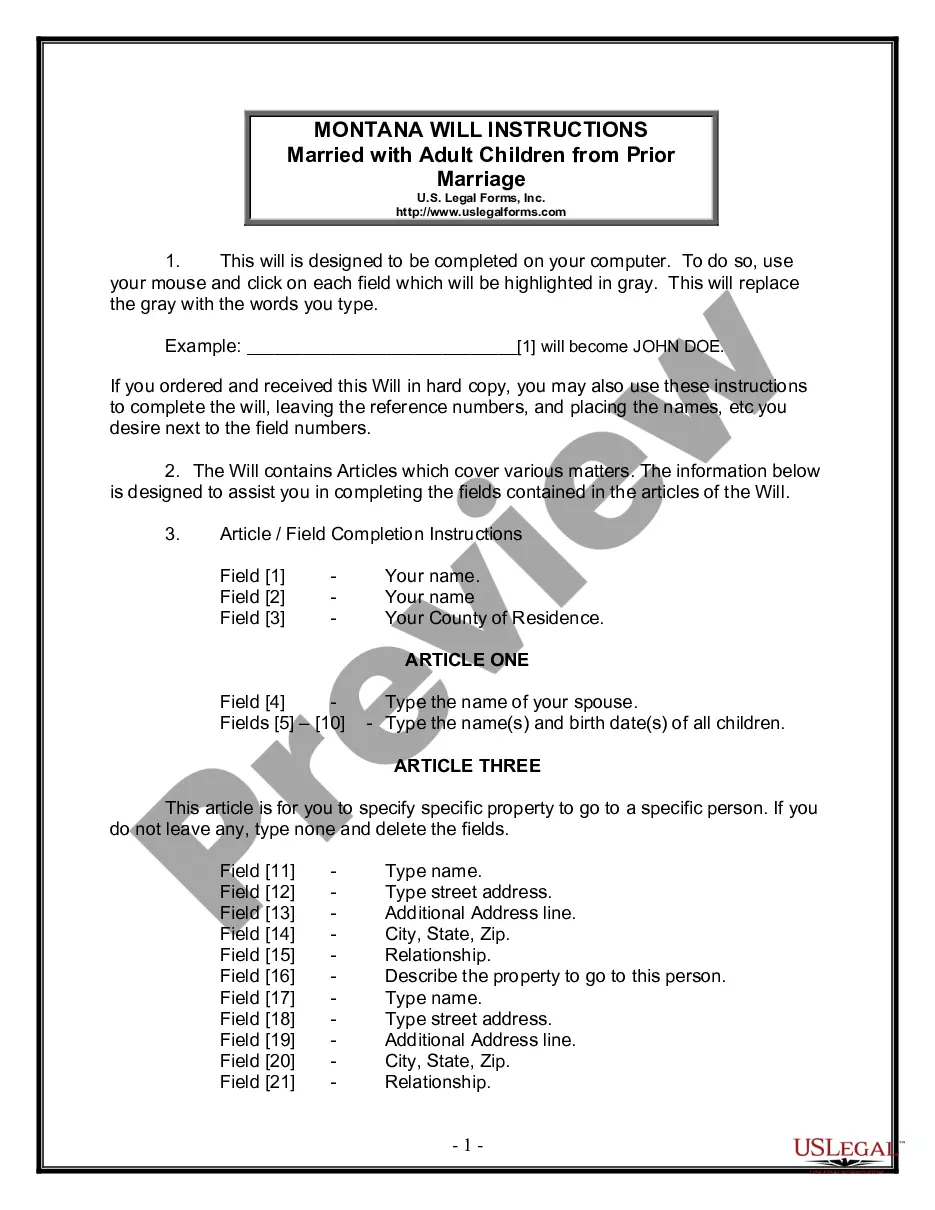
With Adult Children (Prior Marriage)
Design a comprehensive estate plan that outlines how your assets will be distributed to your spouse and adult children from a previous marriage.
With Adult + Minor Children
Ensure your wishes are met after death, protecting your spouse and children with a legally binding document.
With Adult + Minor Children (Prior Marriage)
Secure your family's future by specifying how your assets should be distributed after your passing, especially when you have children from prior relationships.
With No Children
Create a will that outlines your estate distribution and designates your spouse as the primary beneficiary, ensuring your wishes are honored.
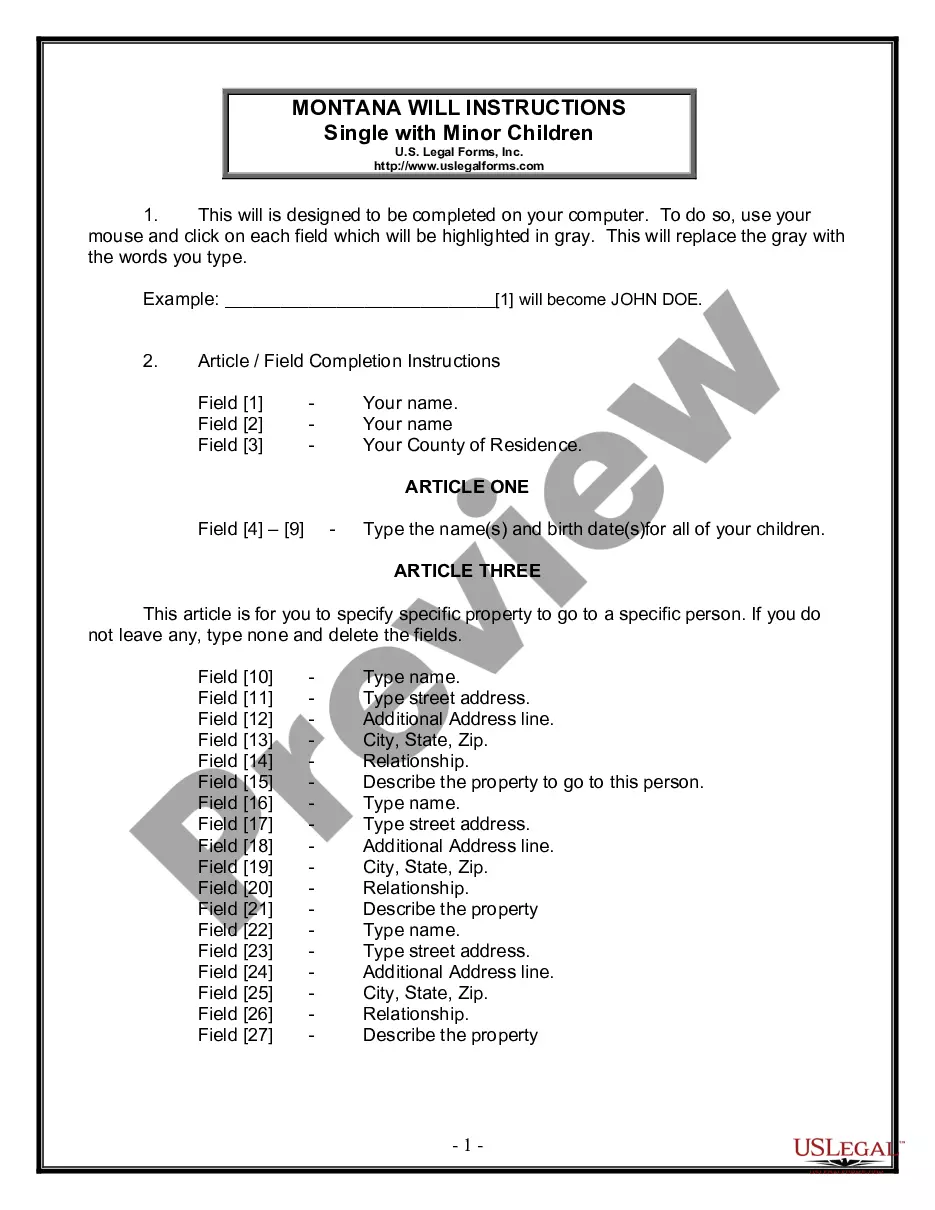
Not Married with Minor Children
Plan for the future by ensuring your wishes are legally documented, especially if you have minor children and are not married.
Not Married with No Children
Create legally binding mutual wills to protect the wishes of partners who live together but are not married, ensuring clarity on property distribution.
Codicil / Amendment (General)
Update your existing will with this legal document, ensuring your wishes remain accurate and current.
For Other Persons
Create a personalized will to specify how your assets will be distributed and who will manage your estate after your death.
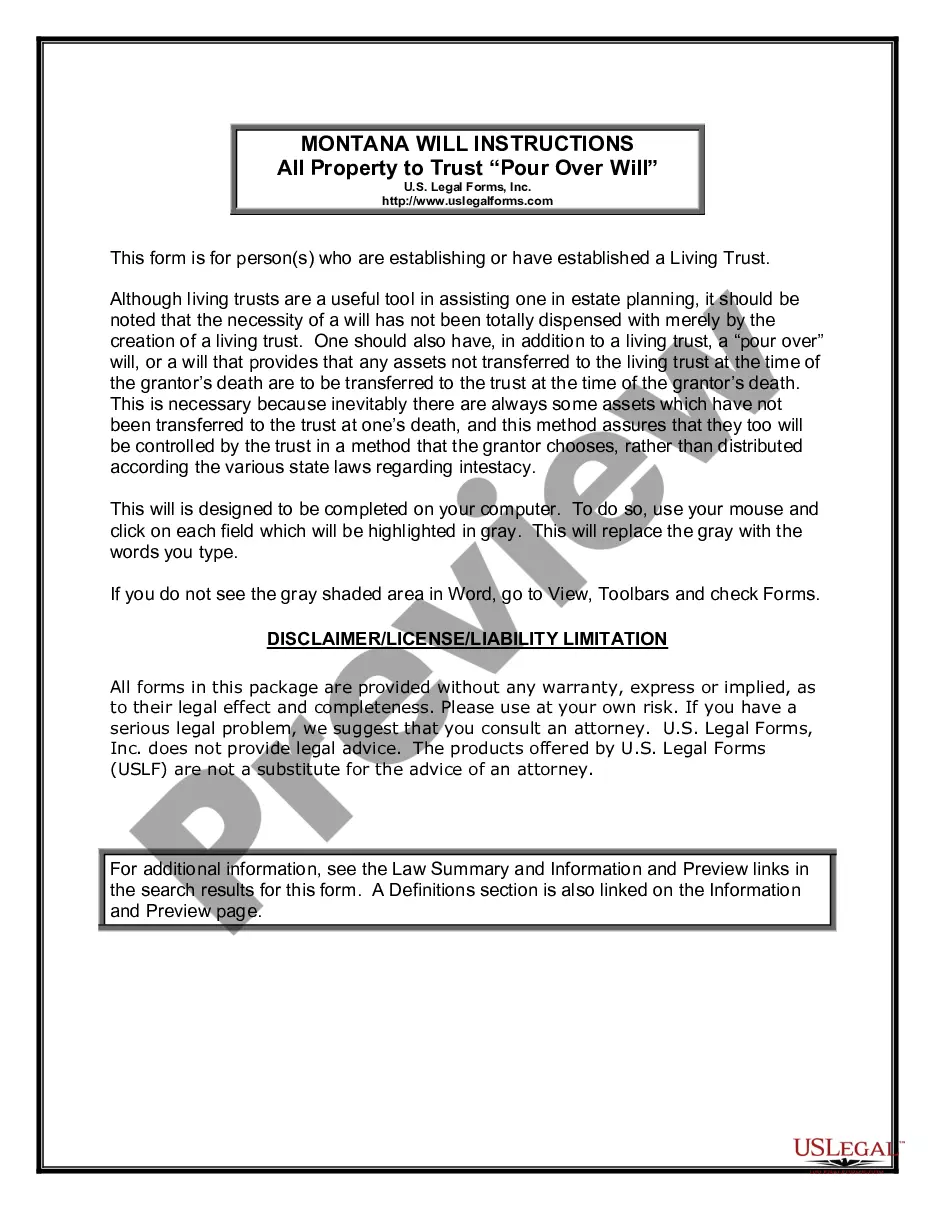
Pour-Over Will (to Trust)
Use this comprehensive document to ensure all your assets go to your living trust, providing clarity and control over your estate distribution.
Codicil / Amendment — Testamentary Pet Trust
Make changes to your will to ensure your pets are cared for after your passing.
Complex Will with Credit-Shelter Marital Trust
Create a comprehensive estate plan that protects your family and minimizes taxes through a credit shelter marital trust.
Revocation of Will
Revoking a previous decision about life-sustaining treatment is critical. This form ensures your current wishes are respected in medical situations.
Revocation of Will
Easily cancel a previously granted power of attorney, ensuring your wishes are upheld and your legal affairs are in order.
Revocation of Will
Use this document to formally cancel any previous wills, ensuring only your latest wishes are honored.
Declaration of Living Will
Prepare critical medical decisions in advance for situations where you can’t speak for yourself.
Estate Planning Questionnaire and Worksheets
Gather essential information to create a personalized estate plan, ensuring your wishes are met and your assets are managed according to your preferences.
With Minor Children
Plan for the future with a comprehensive document that ensures your minor children are cared for and your assets are distributed as you wish.
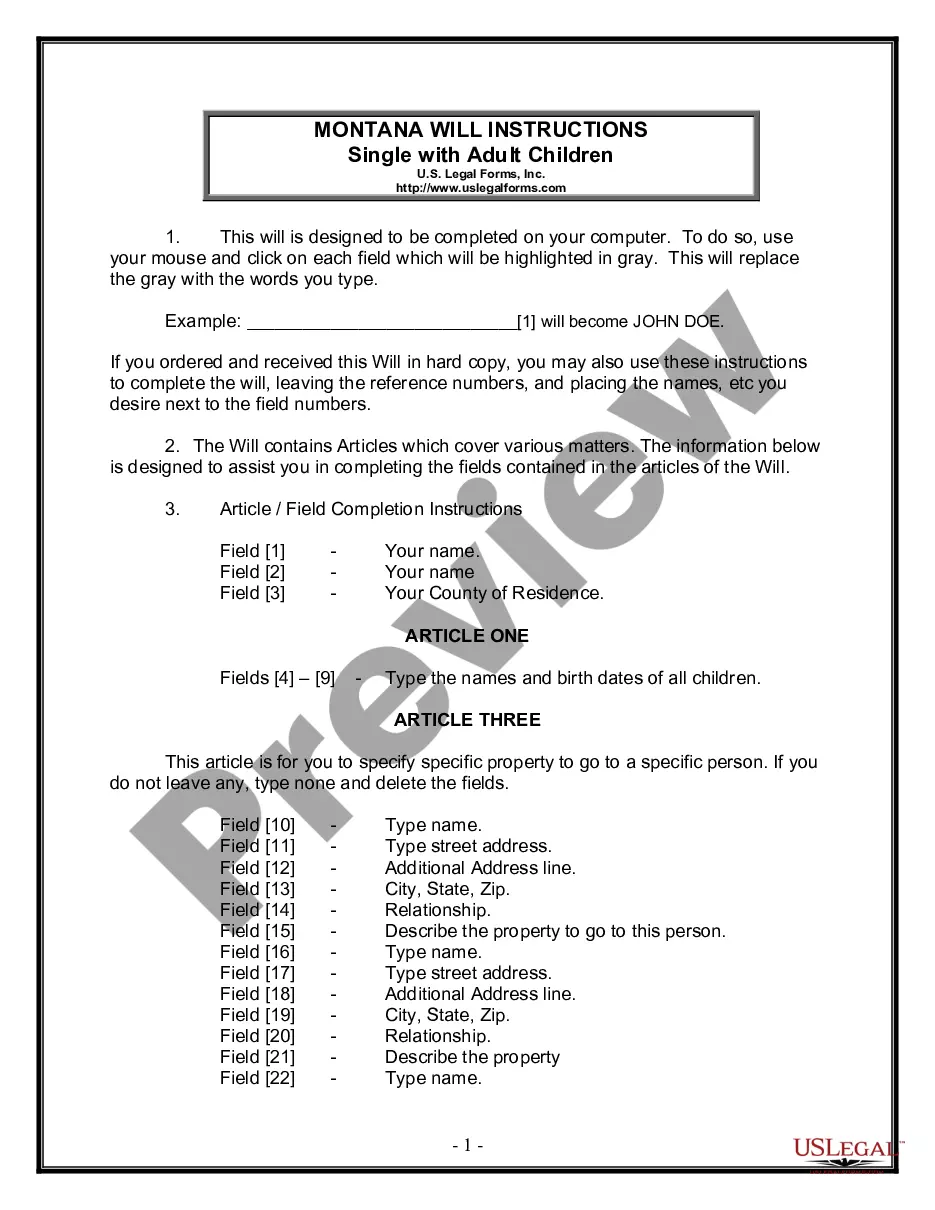
With Adult Children
Ensure your wishes are honored after passing with a document tailored for single parents with adult children.
With Adult + Minor Children
Create a comprehensive will to designate guardianship and manage estate distribution for your children after your passing.
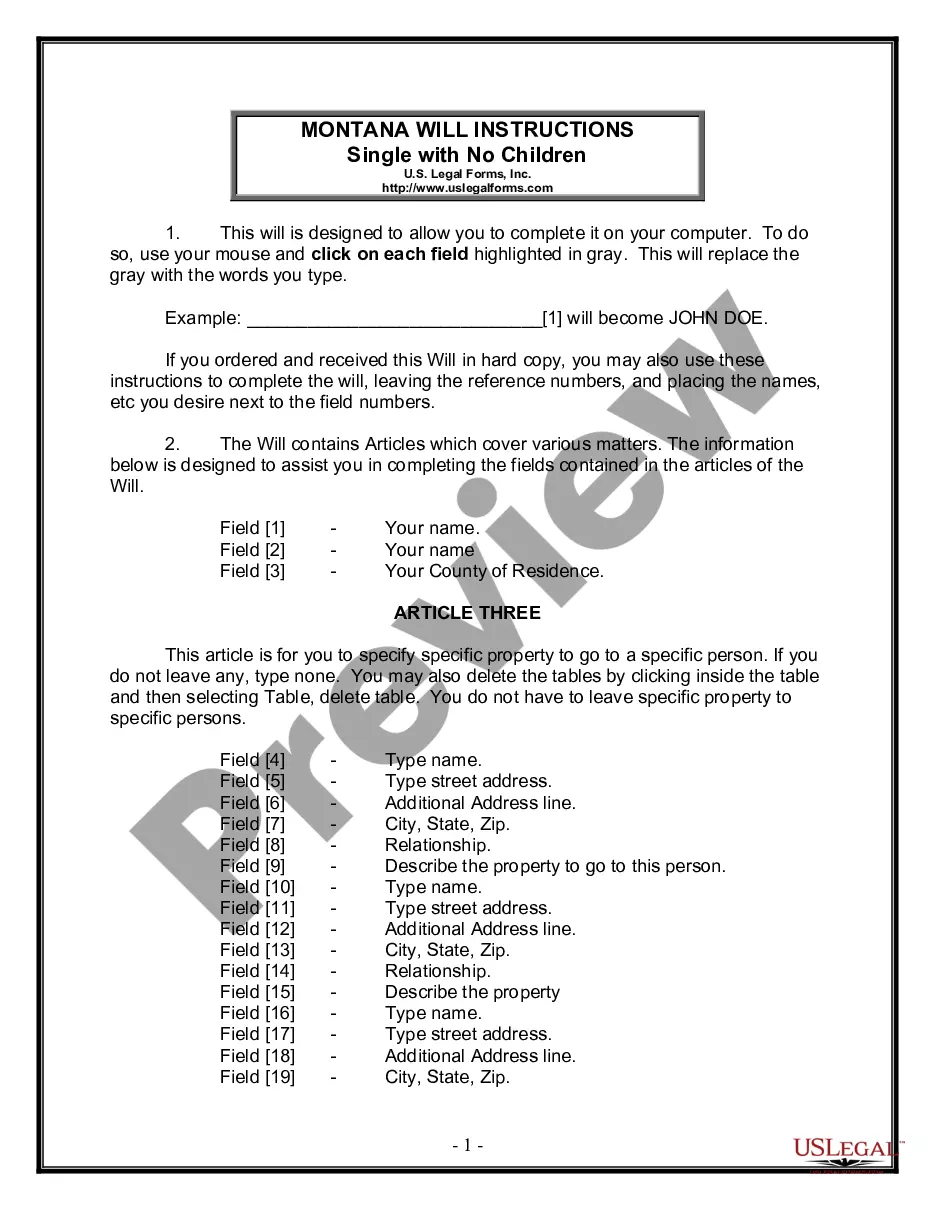
With No Children
Create a legally binding document to outline how your assets will be distributed after your death, specifically for those without children.
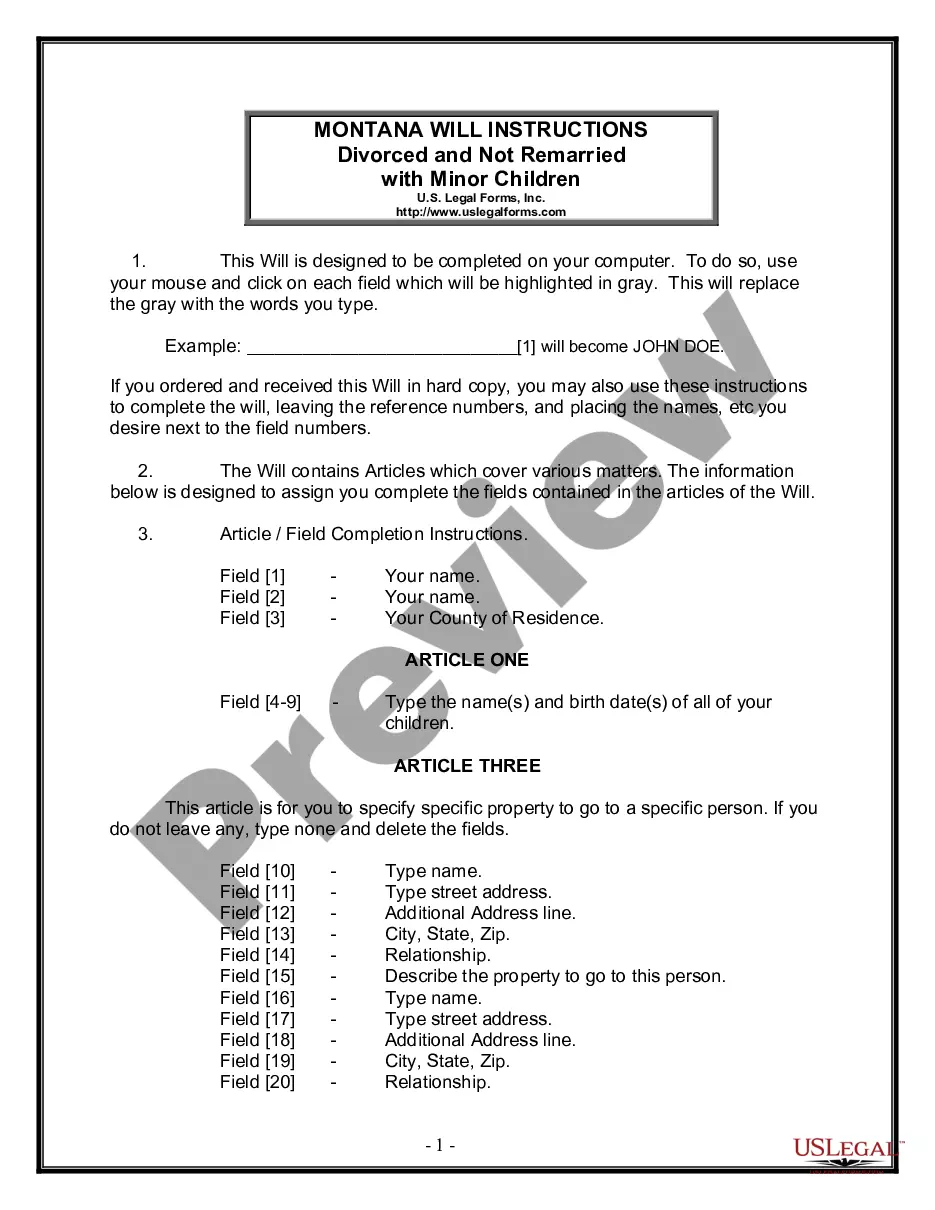
With Minor Children
Create a legally binding document for managing your estate and protecting your minor children after divorce.
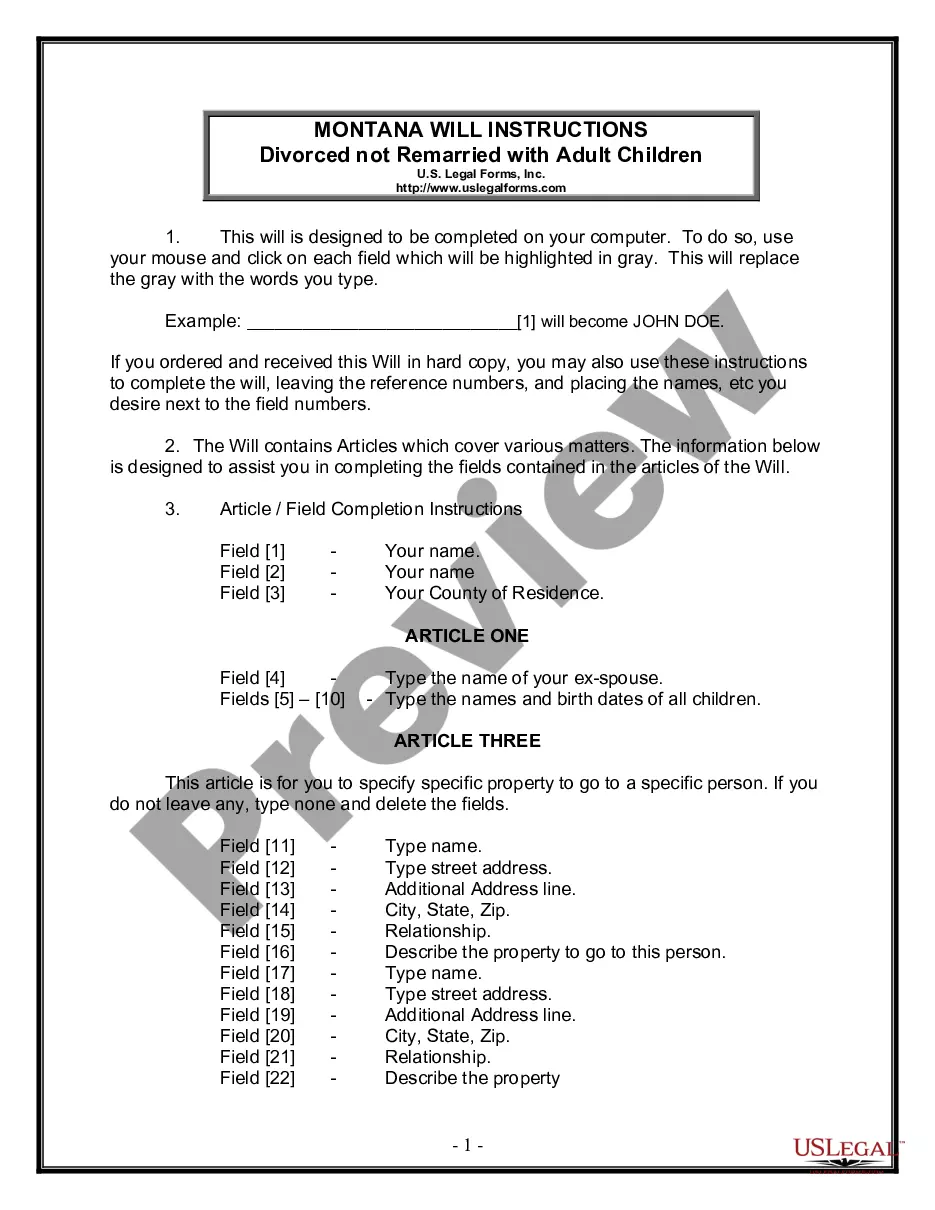
With Adult Children
Craft a legally binding document to specify asset distribution after your death, designed specifically for those with adult children and no remarriages.
With Adult + Minor Children
Ensure your assets are distributed according to your wishes, especially for your children, by creating a legally binding document that reflects your intentions.
With Blended Children
Plan for your estate and ensure your wishes are met with this customizable will, designed for divorced and remarried individuals with children.
With No Children
Plan for your estate when you've been divorced and have no children, ensuring your wishes are clearly documented.
With Minor Children
Plan your estate effectively while ensuring the care of your minor children after your passing.
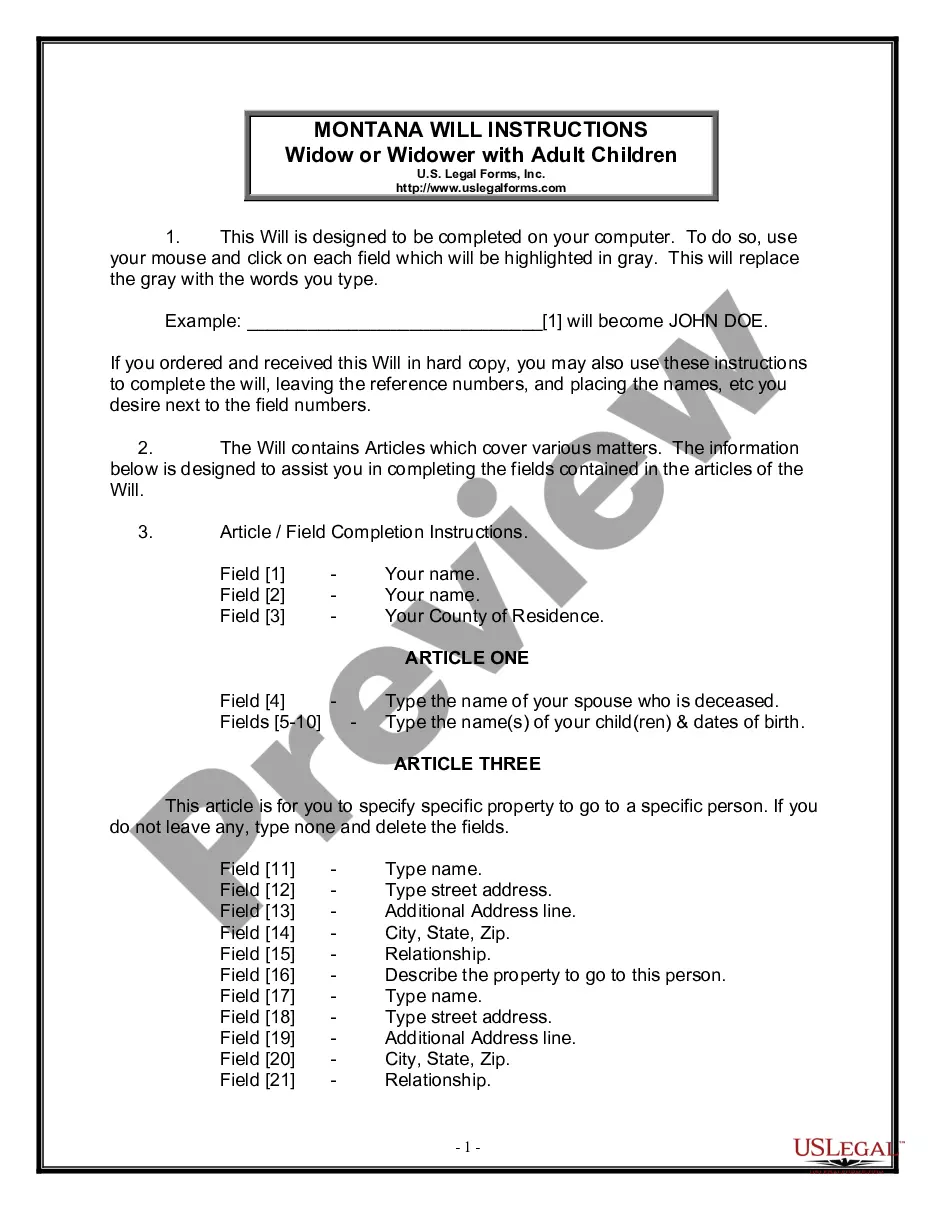
With Adult Children
Create a legally binding document to outline your wishes regarding property distribution, especially important for widows or widowers with adult children.
With Adult + Minor Children
Ensure your wishes are honored and protect your family by specifying how your estate should be distributed after your death.
With No Children
Create a will to designate beneficiaries and manage your estate after passing. Ideal for a surviving spouse with no children.
Common Montana Last Will and Testament documents
- Simple Will — outlines basic distribution of assets and appoints guardians for minors.
- Formal Will — a legally recognized document that meets specific requirements for validity.
- Holographic Will — handwritten and signed by the testator without witnesses.
- Pour-Over Will — directs assets into a trust upon death.
- Mutual Will — created by two people, typically spouses, outlining shared wishes.
- Self-Proving Will — includes affidavits from witnesses to simplify the probate process.
FAQs
A trust can provide additional control over asset distribution, but a will is essential.
Without a will, state laws dictate asset distribution, which may not reflect your wishes.
Review your will every few years or after major life changes.
Beneficiary designations generally override will instructions for specific assets.
Yes, you can appoint separate individuals for financial and health matters.
Key legal points
- A Last Will and Testament is crucial for asset distribution.
- It can appoint guardians for minors and manage final wishes.
- Witnesses are typically required for validity.
- An executor is named to carry out the will's instructions.
- Wills can be contested in probate court.
- It’s wise to review and update your will regularly.
- Different types of wills serve unique purposes.
How to get started
Follow these simple steps to create your will efficiently.
- Find a template or package that matches your needs.
- Review the provided description, preview, and signing requirements.
- Access full features with a subscription.
- Complete your document using the online editor.
- Export or send your document via download, email, or mail.
Practical tip
Consider naming a trusted person as your executor to ensure your wishes are fulfilled smoothly.