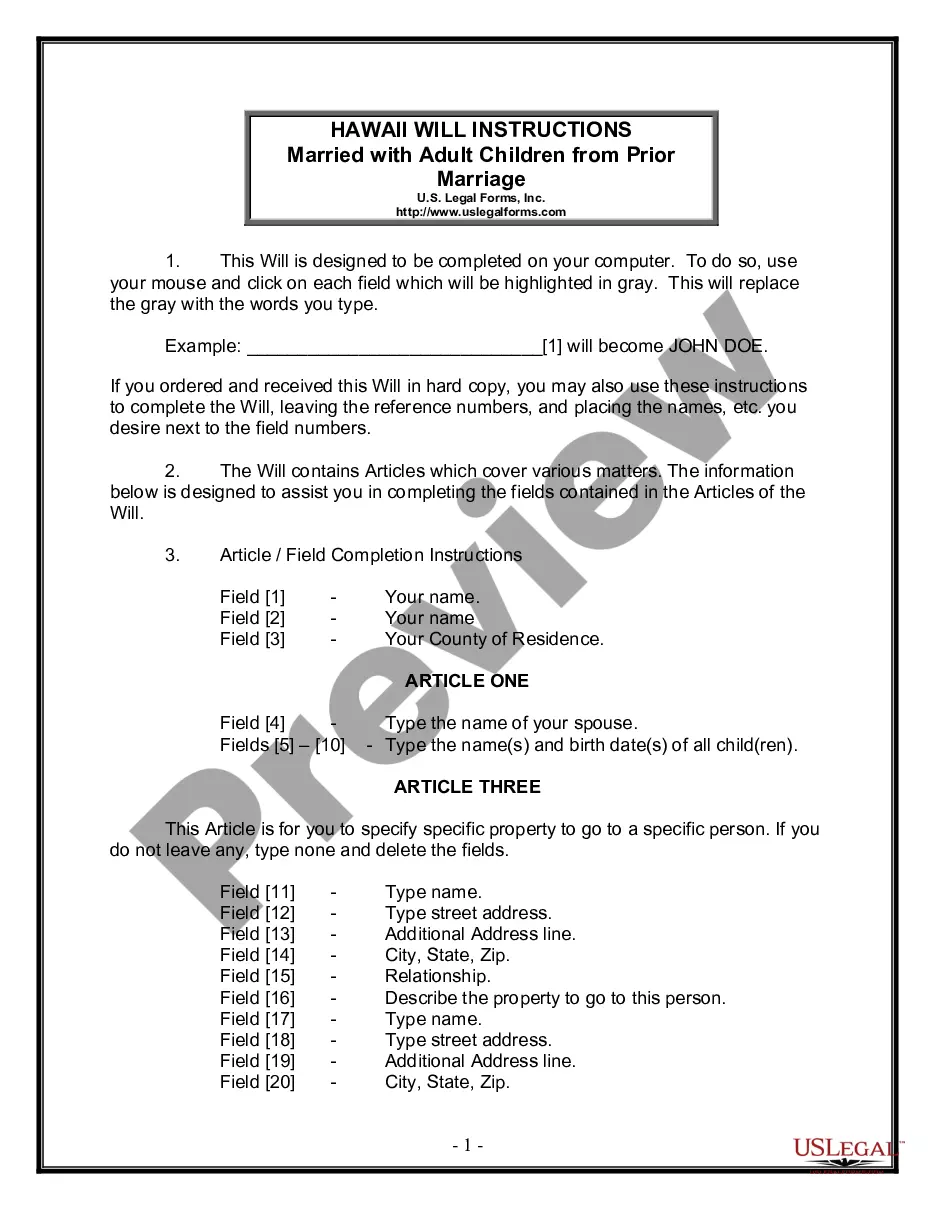
Hawaii Last Will and Testament
A Last Will and Testament outlines how your assets will be distributed. Attorney-drafted templates are efficient and straightforward to complete.

Similar documents: key differences
- Will vs. Trust — a will distributes assets after death, while a trust manages them during life.
- Holographic Will vs. Formal Will — a holographic will is handwritten, whereas a formal will is typically typed and witnessed.
- Attested Will vs. Self-Proving Will — an attested will needs witnesses, while a self-proving will includes notarized statements.
- Living Will vs. Last Will — a living will specifies healthcare preferences, whereas a last will addresses asset distribution after death.
Search for more forms
Types of Will forms
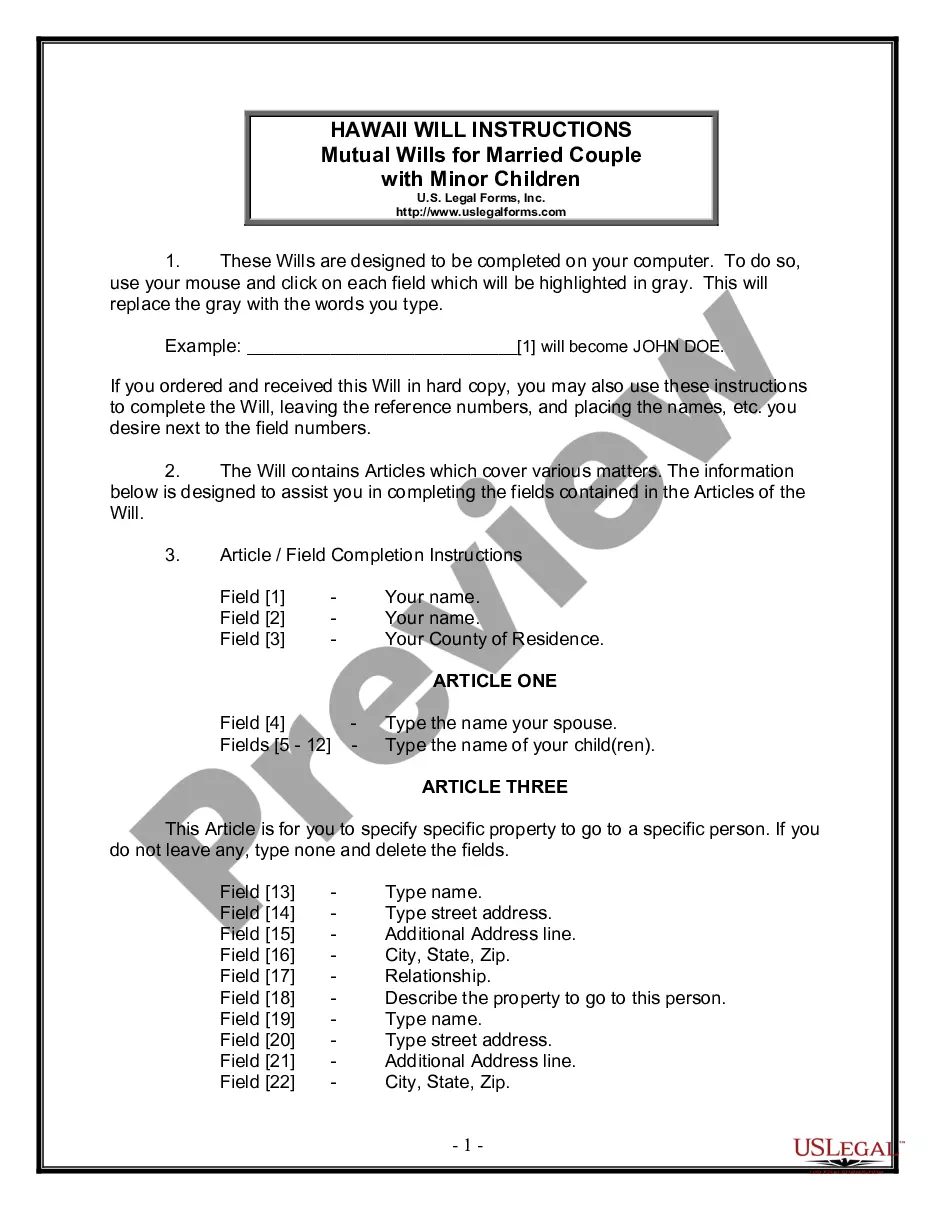
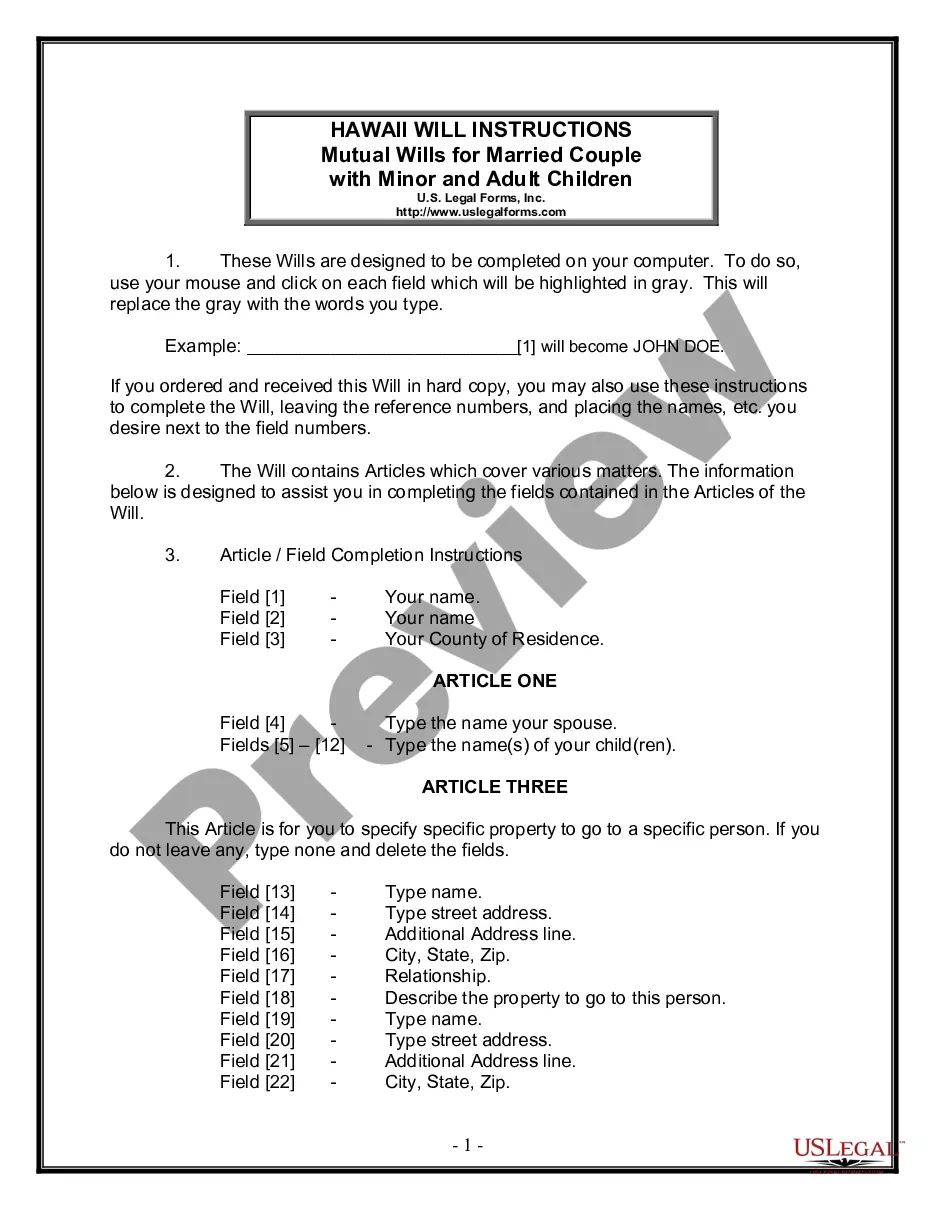
With Minor Children
Secure your family's future and express your wishes with a legally binding document for married individuals with children.
With Minor Children (Prior Marriage)
Plan your estate effectively with a legally binding document for your spouse and children from a previous marriage.
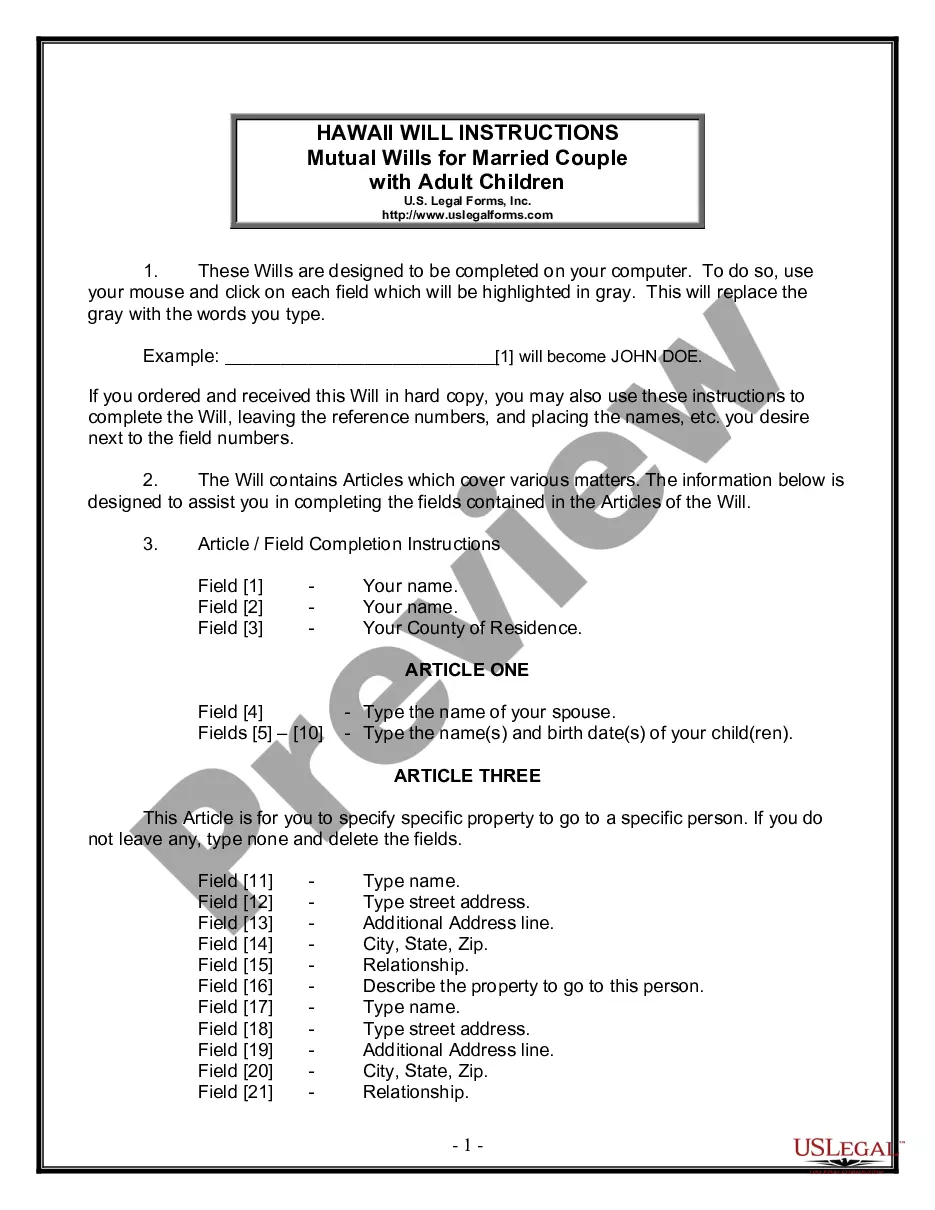
With Adult Children
Create a formal document outlining your wishes for property distribution after death, ensuring your adult children and spouse are cared for as you intend.
With Adult Children (Prior Marriage)
Create a comprehensive will to outline the distribution of your estate, ensuring your wishes are respected after your passing.
With Adult + Minor Children
Create a comprehensive estate plan for your family, addressing your wishes for property distribution and appointing guardians for minor children.
With Adult + Minor Children (Prior Marriage)
Ensure your wishes are honored with a will that protects your spouse and children from prior relationships.
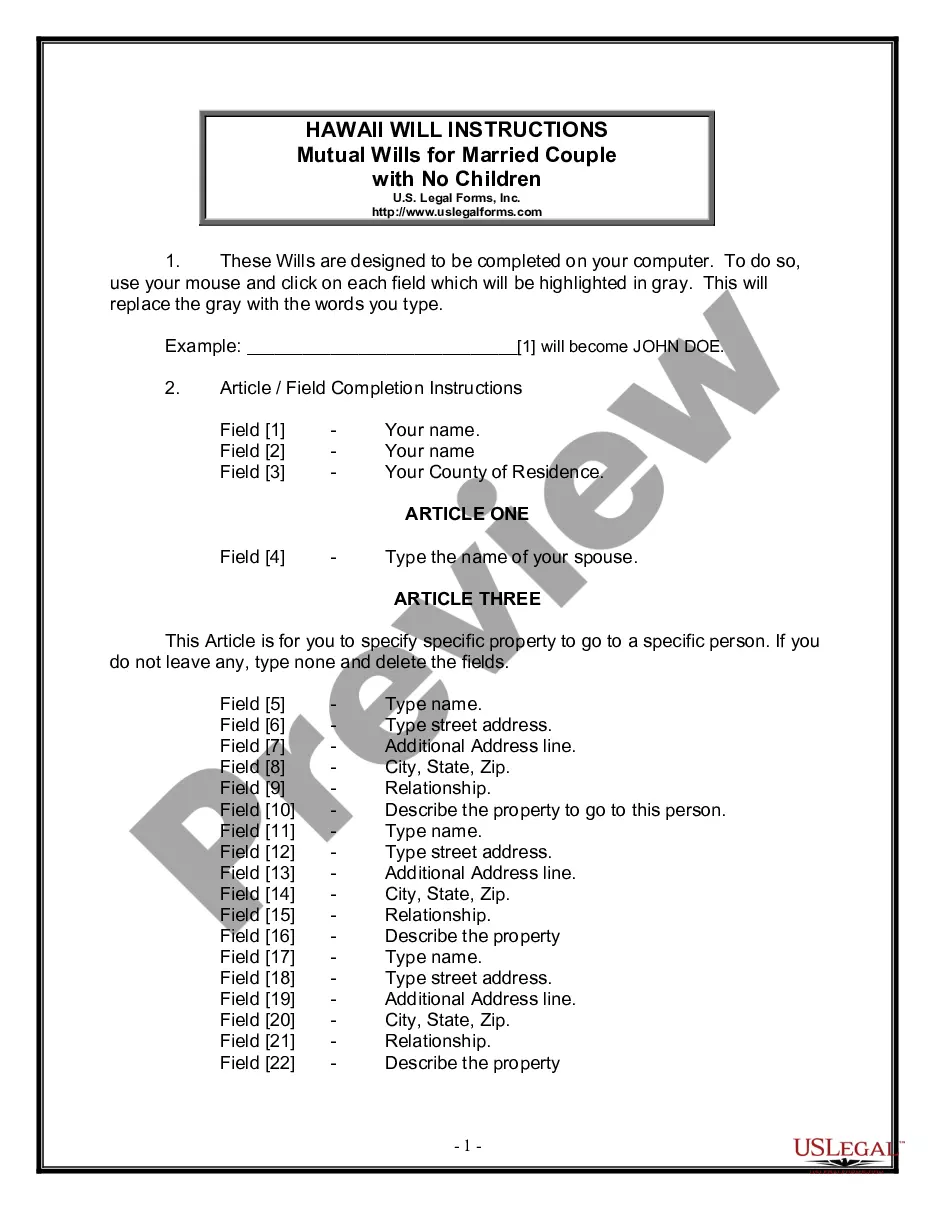
With No Children
Establish your wishes for asset distribution as a married person without children, ensuring your spouse is cared for after your passing.
Not Married with Minor Children
Protect your family’s future with mutual wills designed for partners with minor children and without marriage.
Not Married with No Children
Create mutual wills for unmarried partners to specify their estate wishes clearly.
For Civil Union Partner with Minor Children
Protect your partner and minor children by outlining your wishes for assets and guardianship after your death.
For Civil Union Partner with Minor Children from Prior Marriage
Plan for your family's future by specifying how your assets will be distributed and appointing guardians for your minor children.
Domestic Partner with Minor Children
Ensure your partner and children are looked after by creating a customized plan for your assets and guardianship.
Domestic Partner with Minor Children (Prior Marriage)
Create a will to protect your partner and children from previous relationships, ensuring clear distribution of your assets.
For Civil Union Partner with Adult Children
Create a legally binding will for partners in a civil union, ensuring property distribution addresses adult children.
For Civil Union Partner with Adult Children from Prior Marriage
Ensure your wishes are upheld by specifying how to divide your estate among loved ones, including a partner and adult children from a previous relationship.
Domestic Partner with Adult Children
Create a legally binding will that ensures your domestic partner and adult children inherit your estate according to your wishes.
Domestic Partner with Adult Children (Prior Marriage)
Create a legally binding document to specify how your property is distributed after death, particularly for domestic partners with adult children.
For Civil Union Partner with Adult + Minor Children
Create a personalized will for a civil union partner, addressing both adult and minor children’s inheritance needs.
For Civil Union Partner with Adult + Minor Children from Prior Marriage
Prepare a legally binding document for distributing your estate, considering your civil union partner and children from a prior marriage.
With Minor Children
Plan for the future by outlining how your estate and minor children will be managed after your passing.
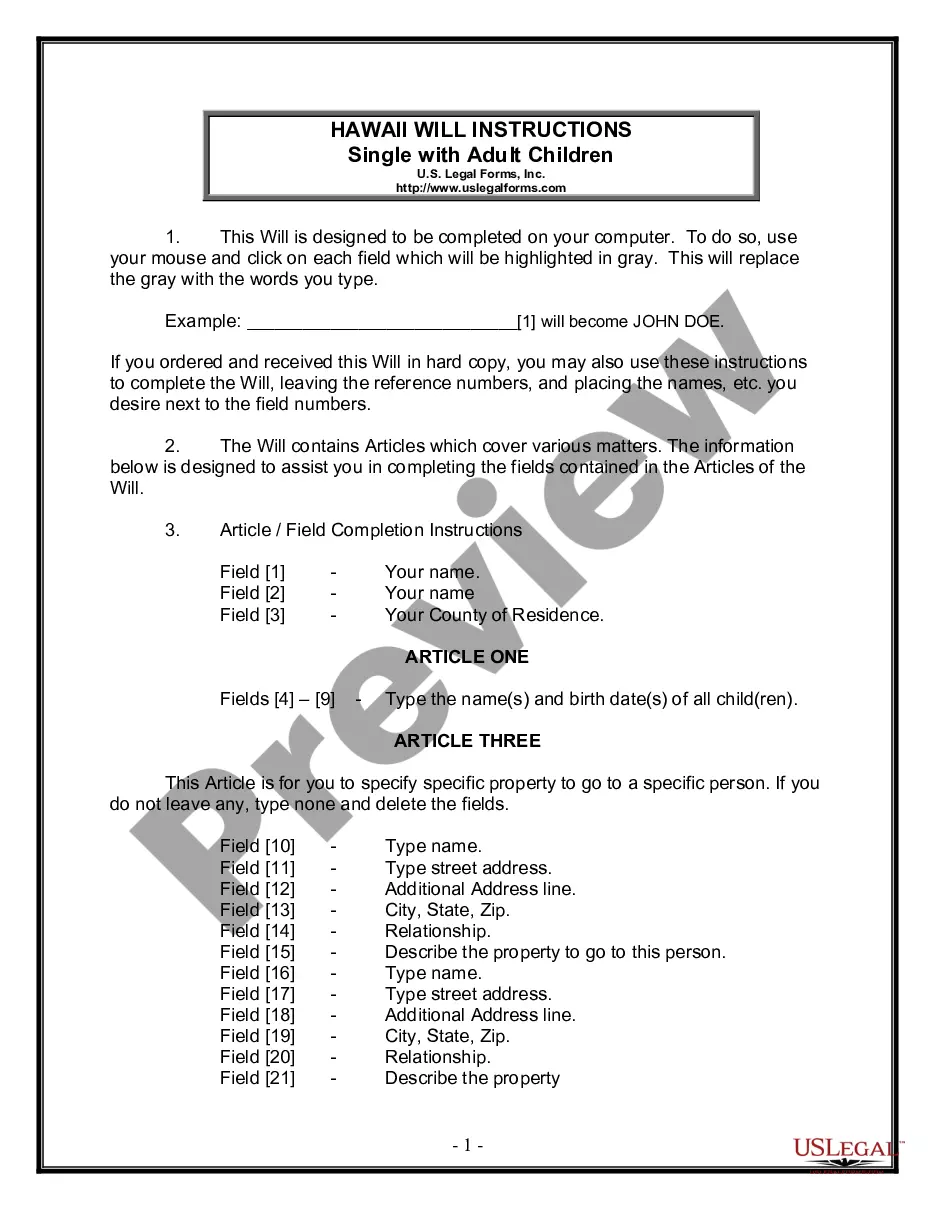
With Adult Children
Plan your estate effectively with this will tailored for single parents with adult children, ensuring your wishes are clearly stated after your passing.
With Adult + Minor Children
Create a personalized will that specifies how to distribute your assets, appoint guardians for minor children, and outline your wishes after death.
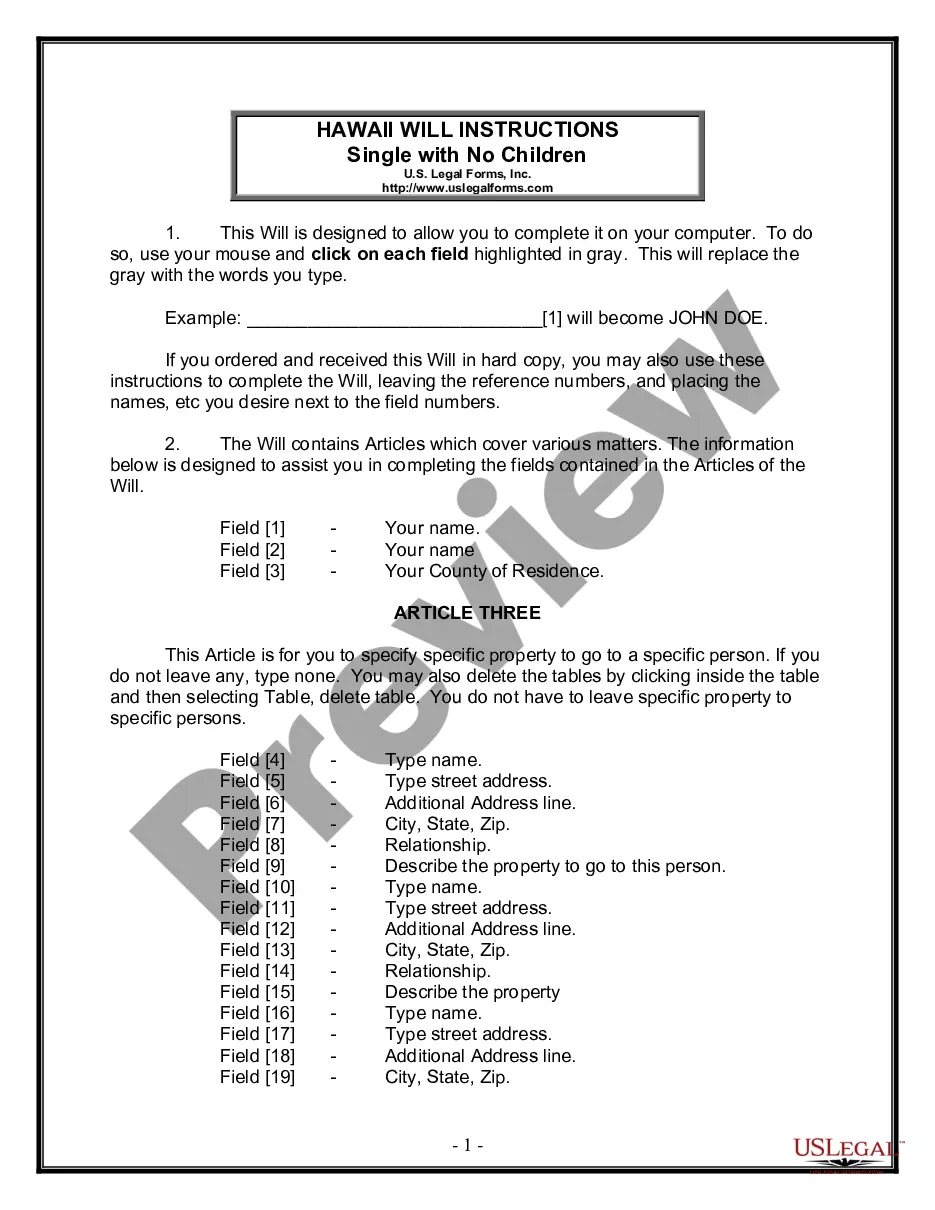
With No Children
Prepare your final wishes regarding property distribution and personal representation with this crucial estate planning document.
With Minor Children
Create a legal document to designate guardianship and manage your estate for minor children after divorce.
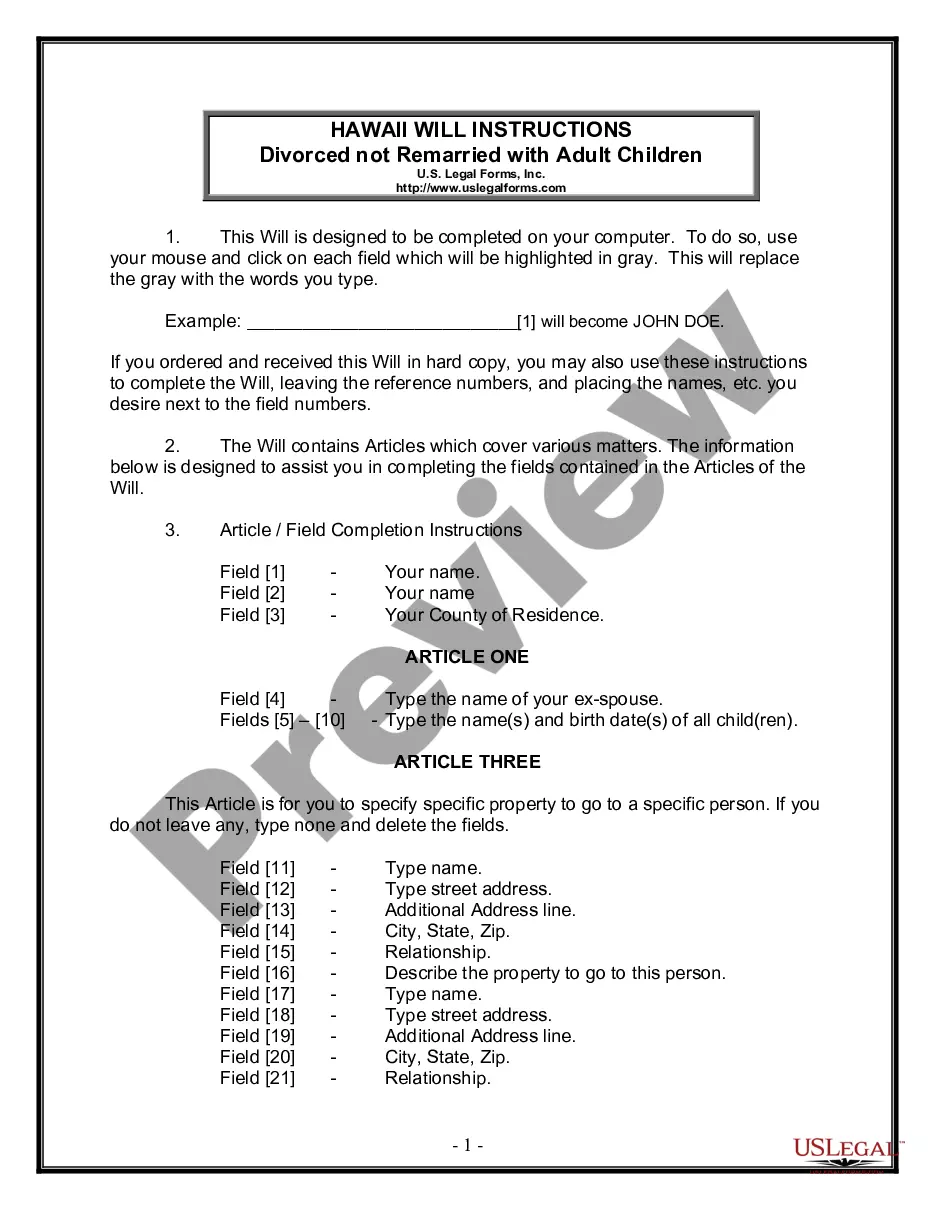
With Adult Children
Plan your estate and designate beneficiaries to manage your wishes after death.
With Adult + Minor Children
Create a legally binding will tailored for a divorced parent with children. Ensure your assets are distributed according to your wishes.
With Blended Children
Create a comprehensive estate plan addressing your specific family situation, including children from multiple marriages.
With No Children
Create a legally binding will to specify how your property is distributed after death, particularly for those who are divorced and have no children.
With Minor Children
Plan your estate effectively for your minor children, ensuring their care and inheritance after your passing.
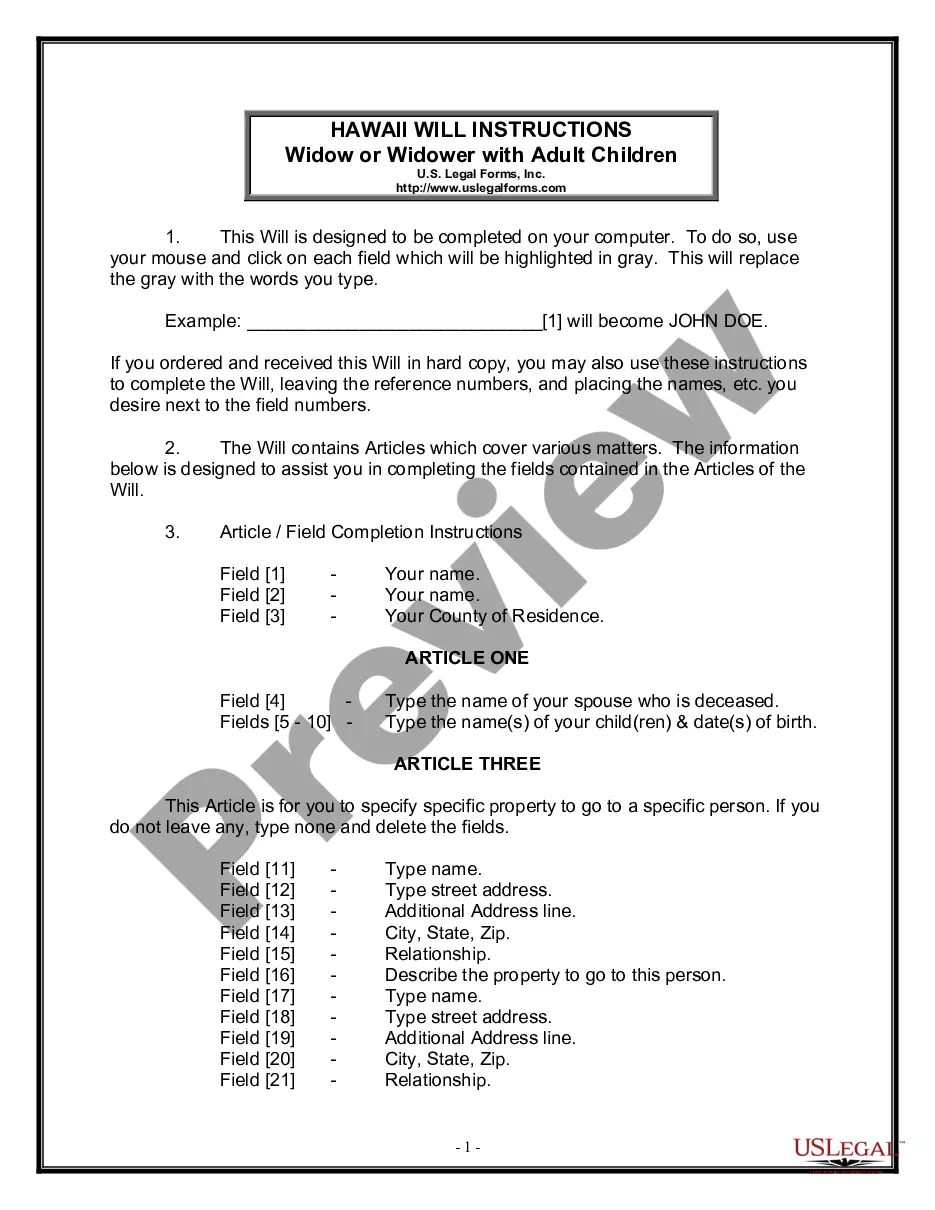
With Adult Children
Create a comprehensive Will to outline your wishes after passing, ensuring your adult children inherit your assets appropriately.
With Adult + Minor Children
Ensure your wishes are honored after passing by outlining how your estate is distributed, particularly important for those with children.
With No Children
Create a legally binding will for a widow or widower without children to specify asset distribution.
Common Hawaii Last Will and Testament documents
- Simple Will — outlines basic distribution of assets upon death.
- Attested Will — signed by witnesses to verify its validity.
- Self-Proving Will — includes affidavits to simplify probate process.
- Holographic Will — handwritten will that may not require witnesses.
- Pour-Over Will — directs assets into a trust upon death.
- Mutual Will — created by two individuals, often spouses, to benefit each other.
FAQs
Not necessarily; a will can suffice, but a trust may provide additional benefits.
Without a will, state laws will dictate asset distribution, which may not align with your wishes.
Review your will after major life events, such as marriage, divorce, or the birth of a child.
Beneficiary designations can override will provisions, so ensure they align with your overall plan.
Yes, you can designate separate individuals for financial and healthcare matters in your documents.
Key legal points
- A will must be executed according to state laws to be valid.
- Beneficiaries are individuals or entities designated to receive assets.
- Guardianship for minor children can be appointed through a will.
- Wills can be contested by heirs under certain conditions.
- Updating a will is advisable after major life changes, like marriage or divorce.
How to get started
Begin your estate planning journey with these easy steps.
- Find a template or package that fits your situation.
- Review the description, preview, and signing requirements.
- Get full access with a subscription.
- Complete it in the online editor.
- Export or send: download, email, USPS mail, notarize online, or send for e-signature (Premium).
Practical tip
Consider naming a trusted individual as executor to ensure your wishes are followed.