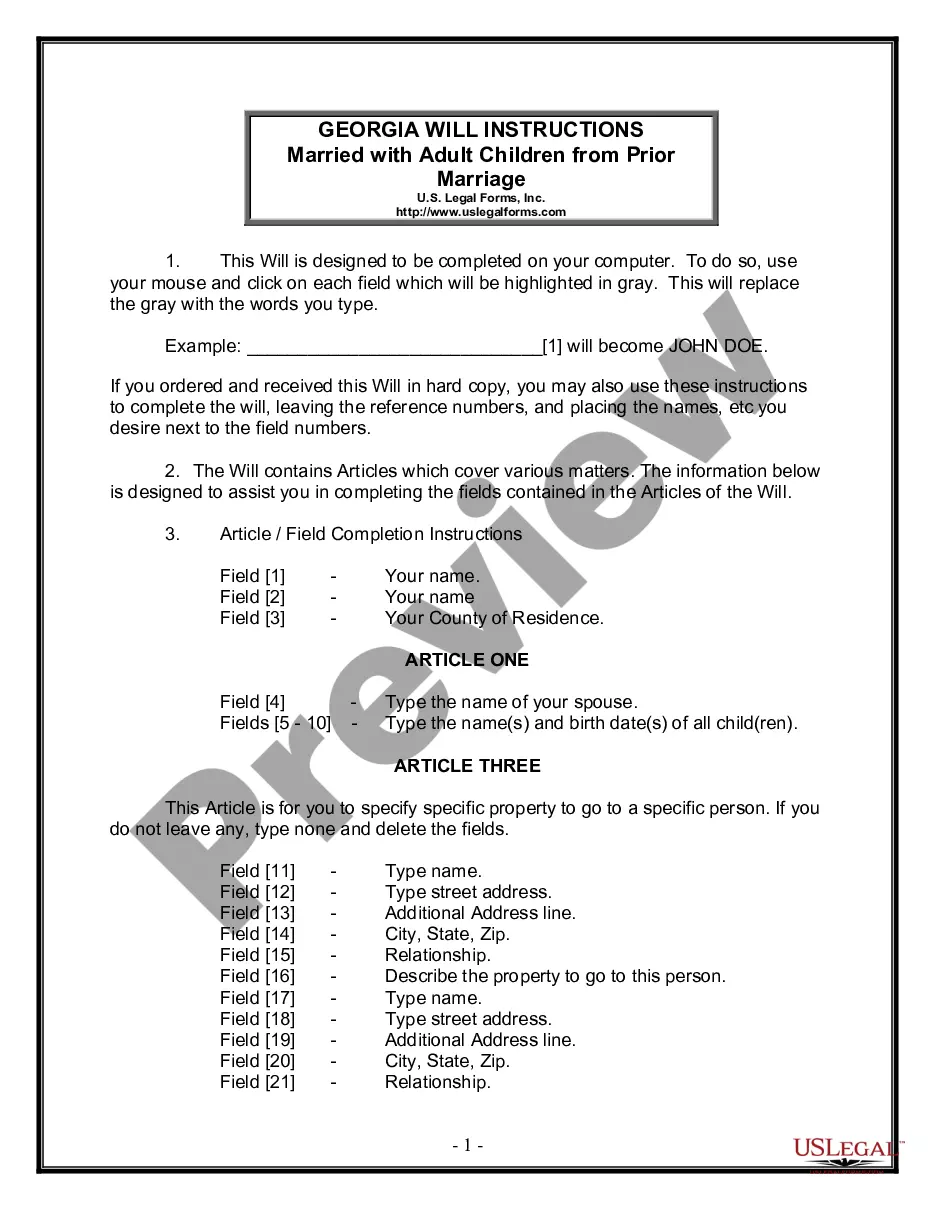
Georgia Last Will and Testament
A Last Will and Testament outlines how your assets are distributed. Attorney-drafted templates are quick and easy to complete.

Similar documents: key differences
- Will vs. Trust — a will outlines asset distribution, while a trust manages assets during life.
- Testamentary Will vs. Living Will — a testamentary will takes effect after death; a living will outlines healthcare preferences.
- Formal Will vs. Holographic Will — formal wills are typed and witnessed; holographic wills are handwritten and may not require witnesses.
- Self-Proving Will vs. Standard Will — self-proving wills streamline probate with notarized witness statements; standard wills require witness testimony.
Search for more forms
Types of Will forms
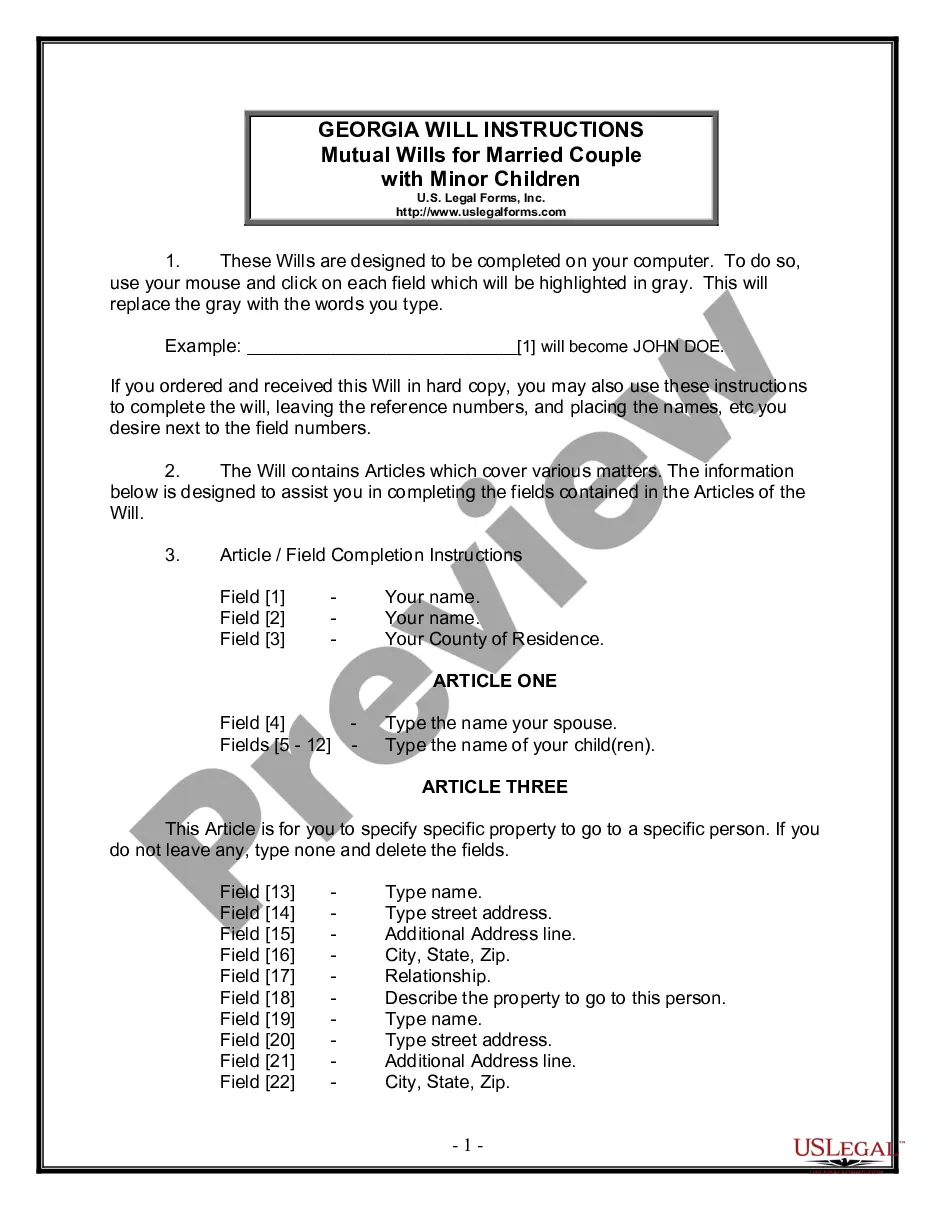
With Minor Children
Create a clear plan for your estate, ensuring your spouse and minor children are cared for after your passing.
With Minor Children (Prior Marriage)
Plan for your family's future by specifying how your assets will be distributed, including provisions for minor children from a previous relationship.
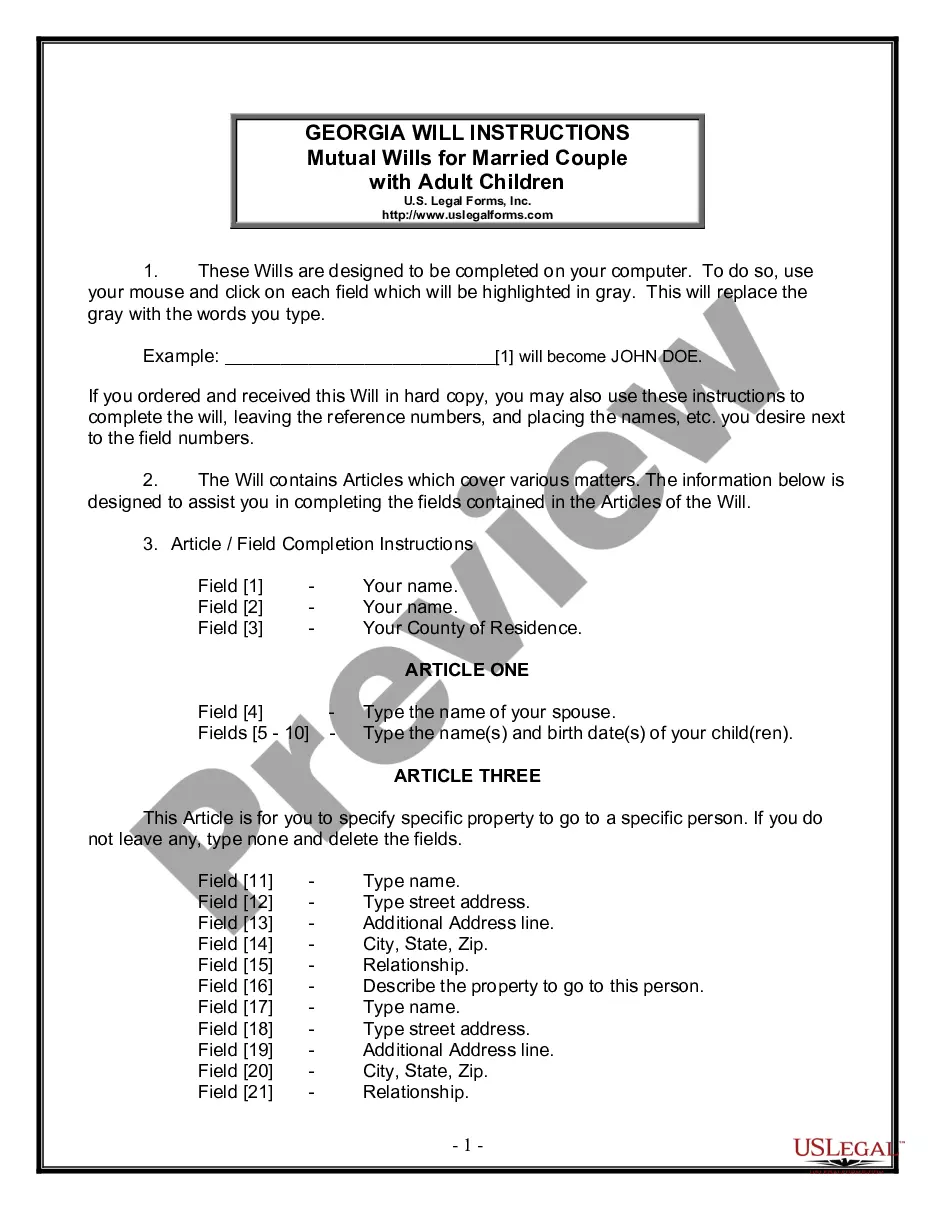
With Adult Children
Ensure your wishes are honored after passing by designating beneficiaries, managing estate distribution, and naming a personal representative.
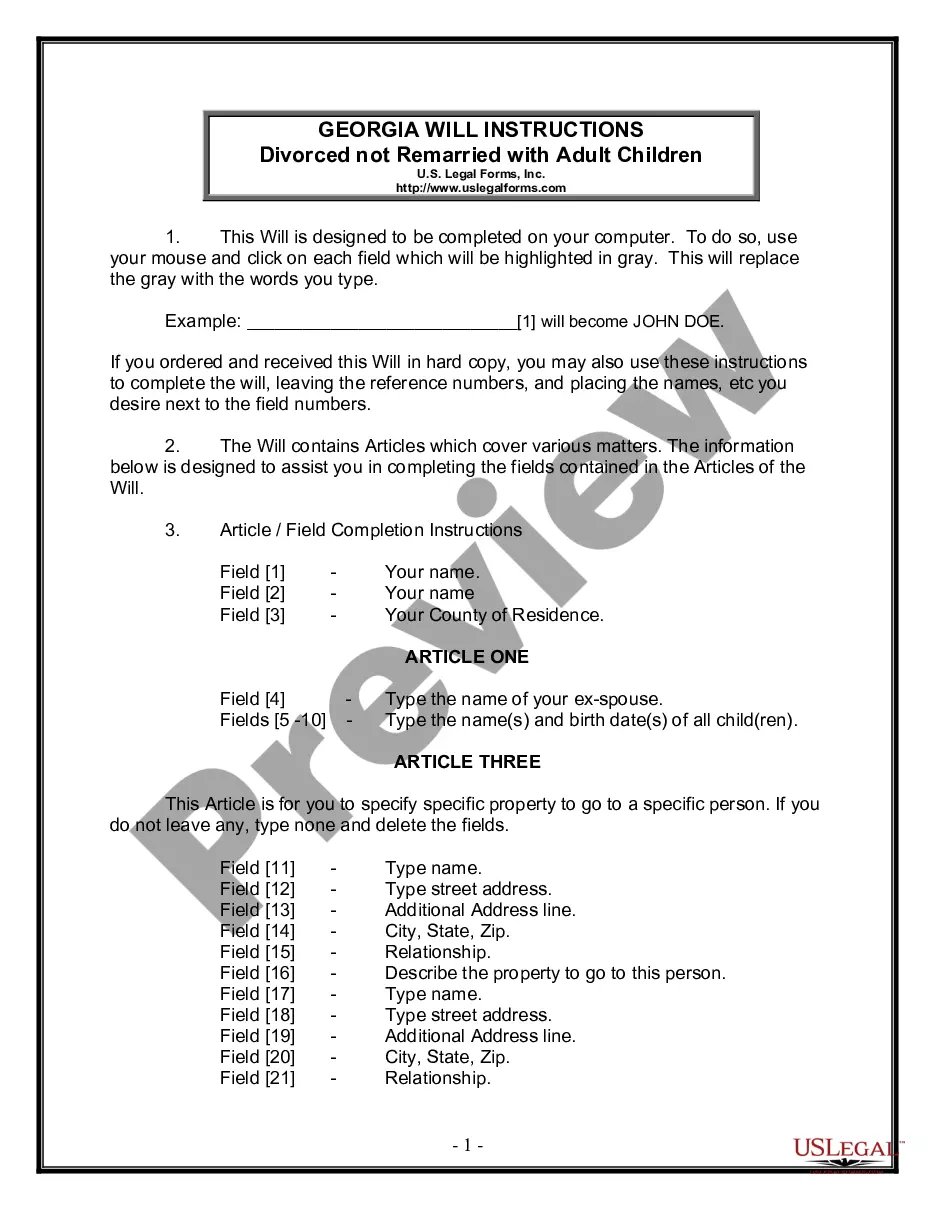
With Adult Children (Prior Marriage)
Plan your estate effectively by detailing how your assets will be distributed, especially when blending families.
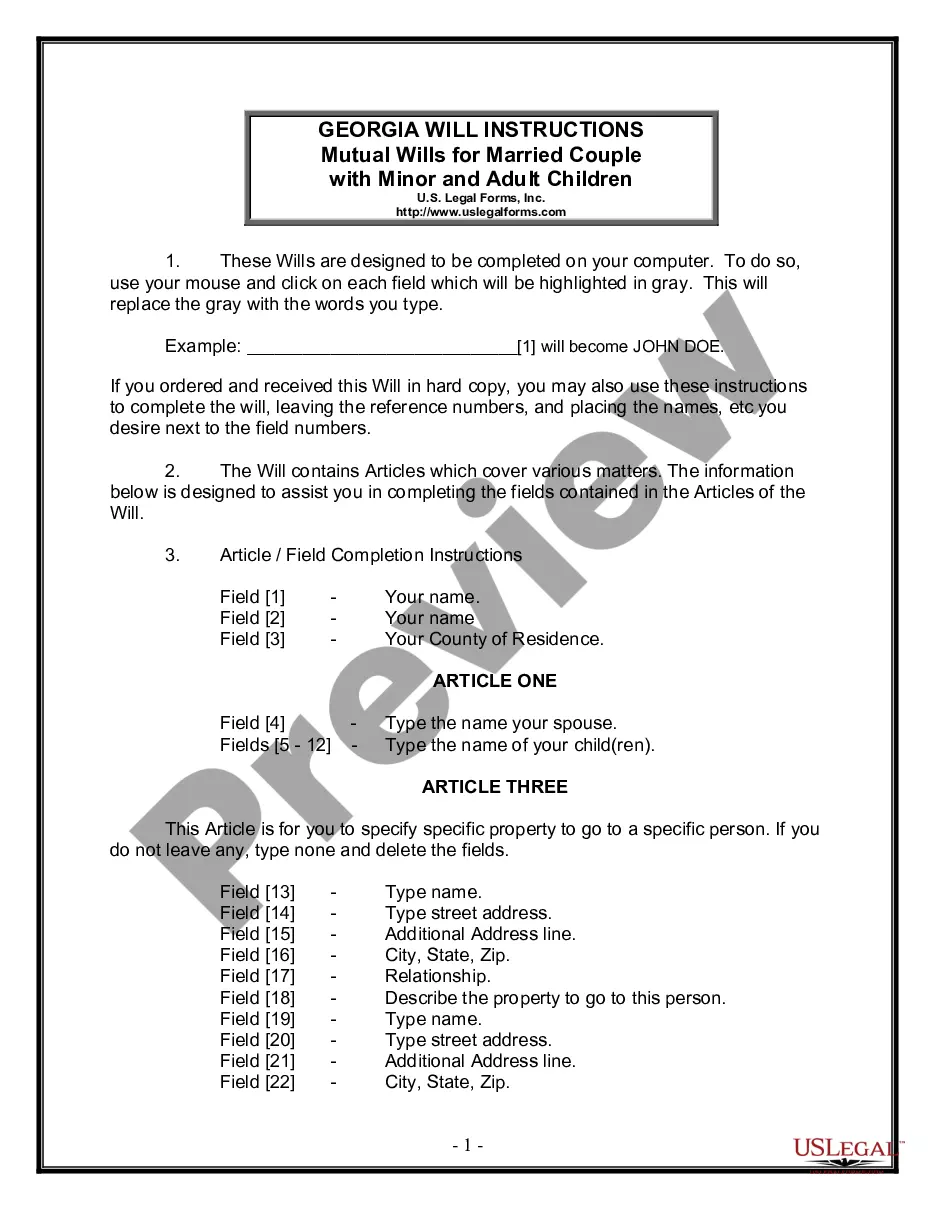
With Adult + Minor Children
Ensure your estate is distributed as you wish, protecting your spouse and children after your passing.
With Adult + Minor Children (Prior Marriage)
Ensure your estate is distributed according to your wishes, particularly important for those with children from previous marriages.
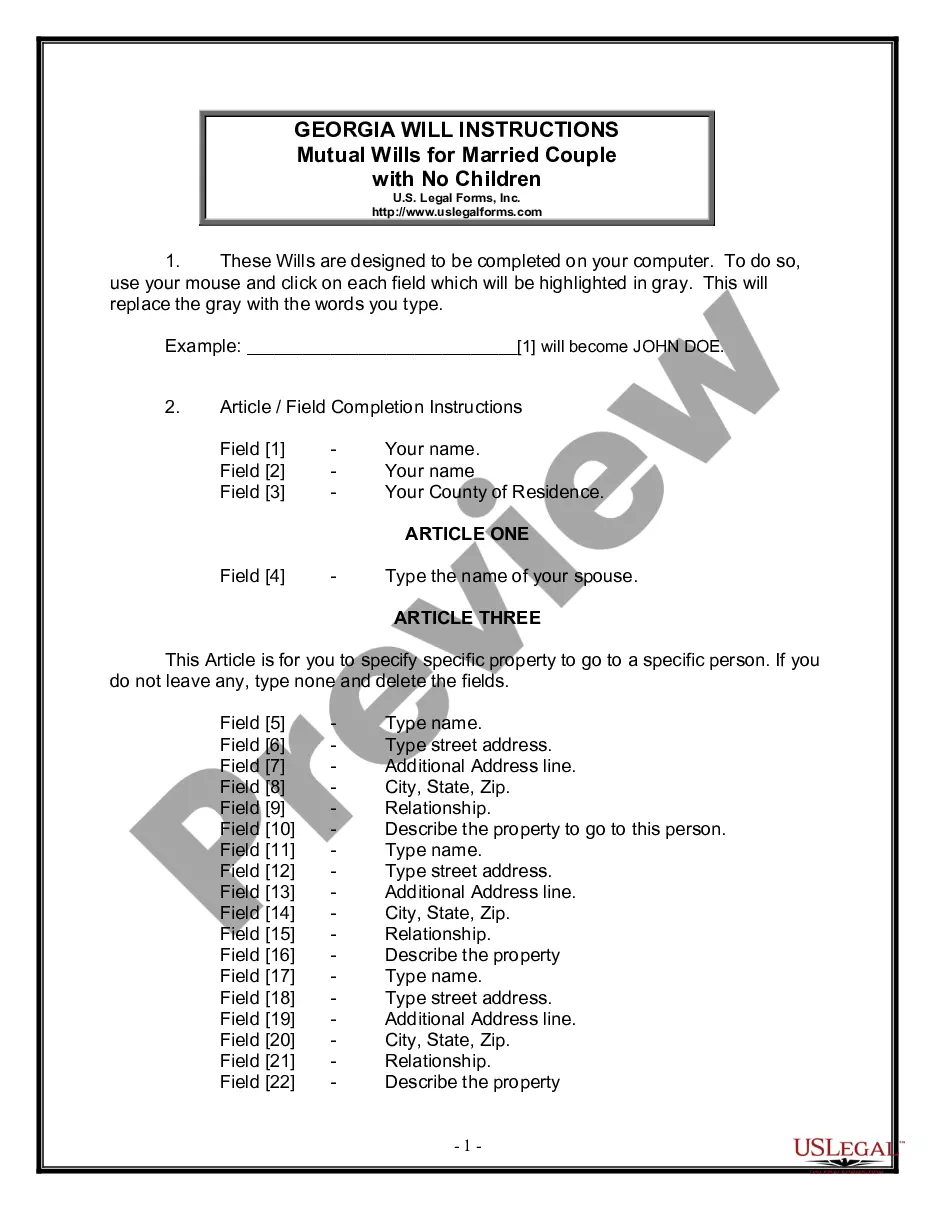
With No Children
Ensure your wishes are honored after your passing by outlining property distribution and appointing a personal representative.
Not Married with Minor Children
Create a will that protects your partner and children, specifying how your estate will be distributed.
Not Married with No Children
Create wills for partners living together without marriage, ensuring your wishes are honored.
Codicil / Amendment (General)
Easily amend your existing will to include changes or new beneficiaries, ensuring your final wishes are accurately reflected.
For Other Persons
Plan your estate and ensure your wishes are honored after death. Specify who inherits your property and appoint guardians or executors.
Pour-Over Will (to Trust)
Ensure all assets are transferred to your living trust after death with this essential estate planning tool.
Codicil / Amendment — Testamentary Pet Trust
Amend your last will to ensure your pets are cared for after your passing.
Complex Will with Credit-Shelter Marital Trust
Create a comprehensive estate plan for large family estates with tax benefits and provisions for your spouse and children.
Revocation of Will
Use this document to formally cancel any previous wills, ensuring your latest wishes are respected.
Estate Planning Questionnaire and Worksheets
Gather essential information for your estate plan, ensuring your wishes are clearly understood and documented for future needs.
With Minor Children
Establish your wishes for asset distribution and guardianship of minor children after your passing.
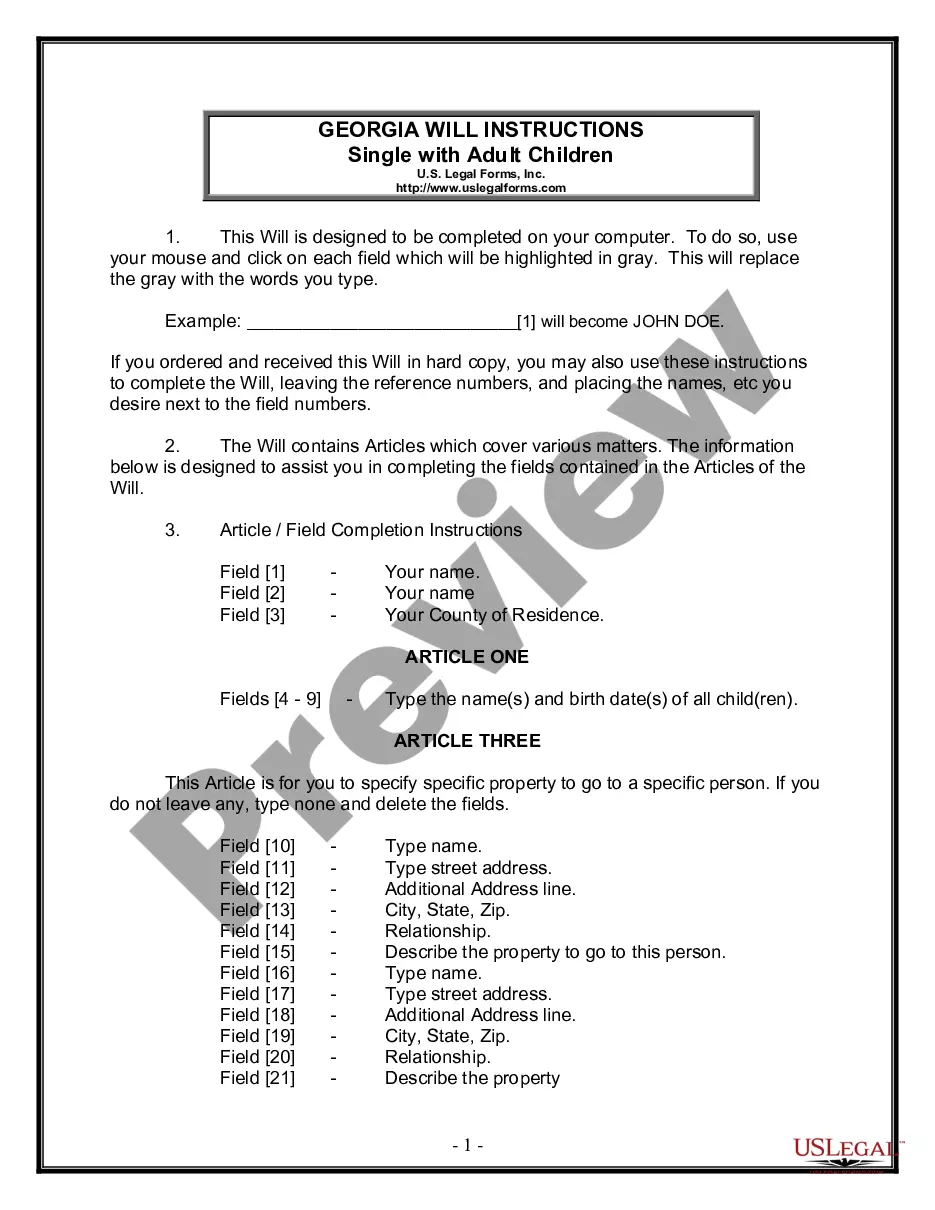
With Adult Children
Plan your estate effectively with a document that outlines asset distribution for a single person with adult children.
With Adult + Minor Children
Create a legally binding will that specifies how your assets and guardianship of children will be managed after your passing.
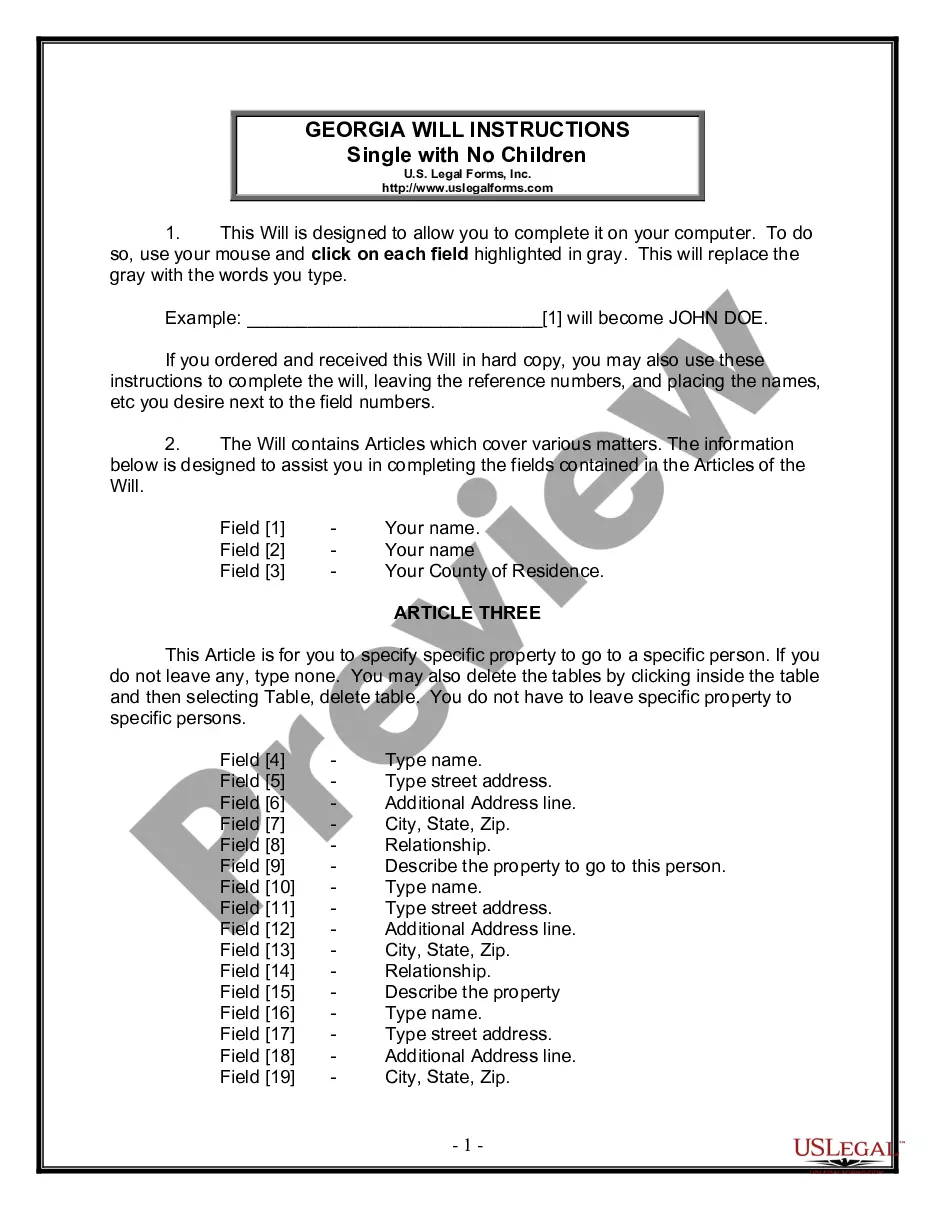
With No Children
Plan your estate effectively with this straightforward will, tailored for single individuals without children.
With Minor Children
Ensure your minor children are cared for by designating guardians and distributing your assets appropriately after death.
With Adult Children
Ensure your estate is distributed according to your wishes after separation, making provisions for adult children.
With Adult + Minor Children
Ensure your estate is distributed according to your wishes while providing for your children after divorce.
With Blended Children
Ideal for individuals with blended families, this document clarifies the distribution of assets among children from multiple marriages.
With No Children
For those who are divorced, this essential document outlines asset distribution and appoints a personal representative for your estate.
With Minor Children
Create a comprehensive will to ensure your minor children are cared for and your assets are distributed according to your wishes.
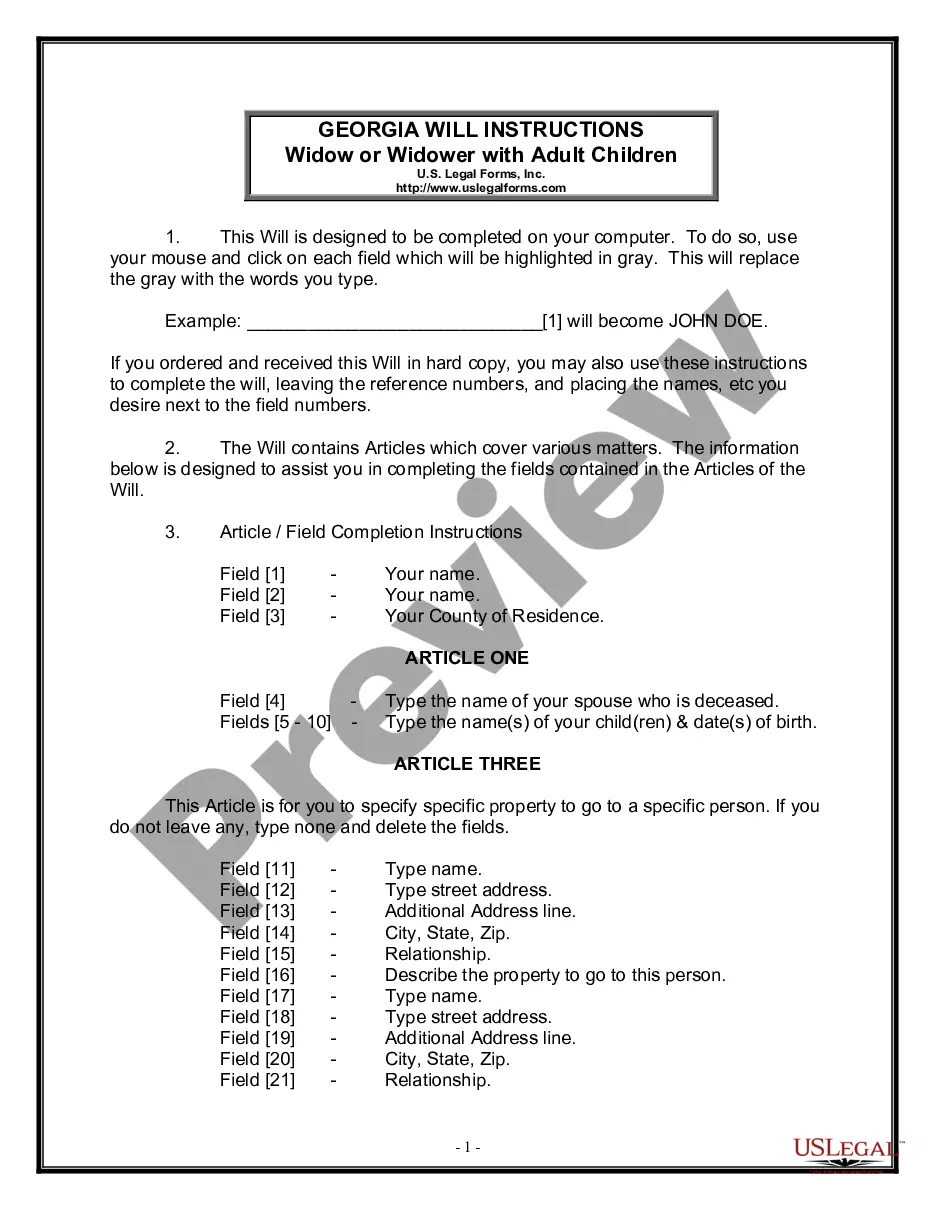
With Adult Children
Ensure your wishes are honored after passing with a legally binding document tailored for widows or widowers with adult children.
With Adult + Minor Children
Prepare a comprehensive will tailored for widows or widowers with children, detailing how to distribute assets and appoint guardians.
With No Children
A legal document for a widow or widower to designate beneficiaries and manage their estate after death, tailored for those without children.
Common Georgia Last Will and Testament documents
- Simple Will — a straightforward document for basic asset distribution.
- Self-Proving Will — includes self-verifying provisions for easier probate.
- Pour-Over Will — transfers assets into a trust upon death.
- Holographic Will — handwritten will that can be valid in certain situations.
- Joint Will — a single document for two people, typically spouses.
- Mutual Will — two wills made by two individuals reflecting mutual agreements.
- Statutory Will — a will created from a state-provided form.
FAQs
A trust is not necessary if a will meets your needs, but it offers benefits like avoiding probate.
If you do not create a will, state laws dictate how your assets are distributed.
It's wise to review and update your will every few years or after major life events.
Beneficiary designations on accounts typically override instructions in your will.
Yes, you can designate separate individuals for financial and healthcare decisions.
Key legal points
- A will can specify guardians for minor children.
- Beneficiaries are the individuals or entities that receive assets.
- Wills generally require signatures from witnesses to be valid.
- Not all wills need to be notarized, but it can simplify the process.
- A will can be amended through a codicil or replaced entirely.
- Living wills address healthcare preferences, separate from asset distribution.
- Wills are typically probated in the county where the deceased resided.
How to get started
Begin your planning with these simple steps.
- Find a template or package that suits your needs.
- Review the description, preview, and any signing requirements.
- Access the full features with a subscription.
- Complete the document using our online editor.
- Export or send your document via download, email, or mail.
Practical tip
Consider drafting a will before setting up a trust to ensure clear asset distribution.