Vermont Letter from Tenant to Landlord about Inadequacy of heating resources insufficient heat
What is this form?
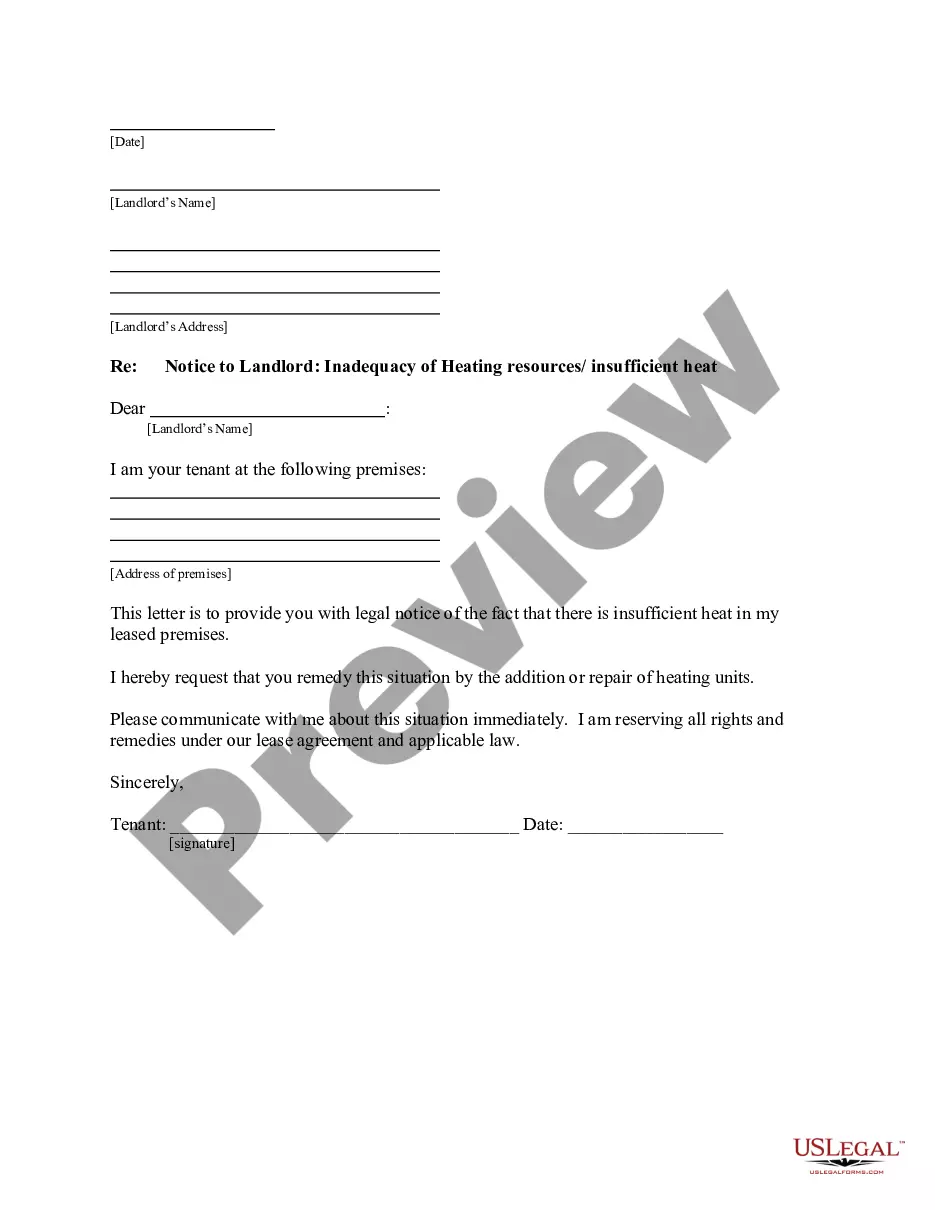
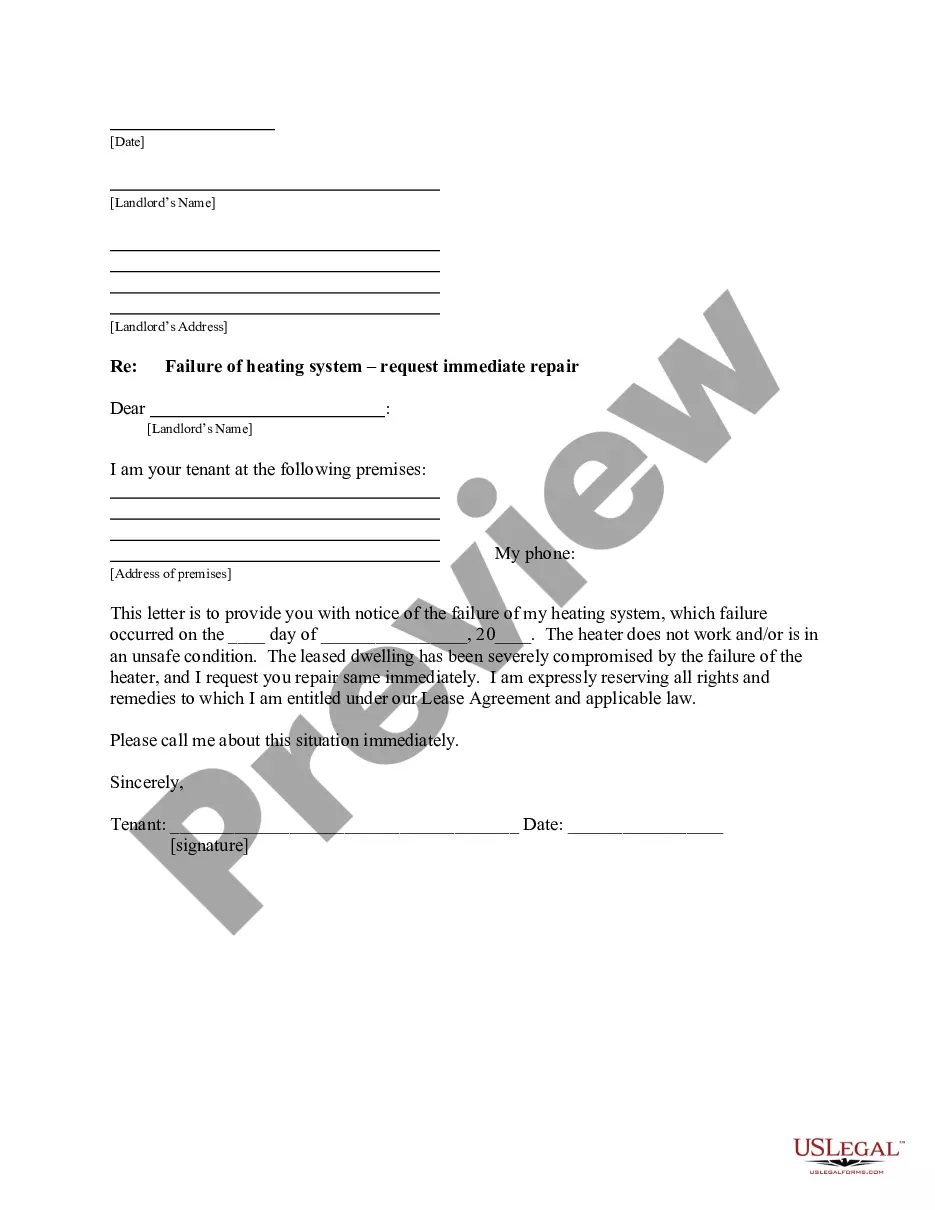
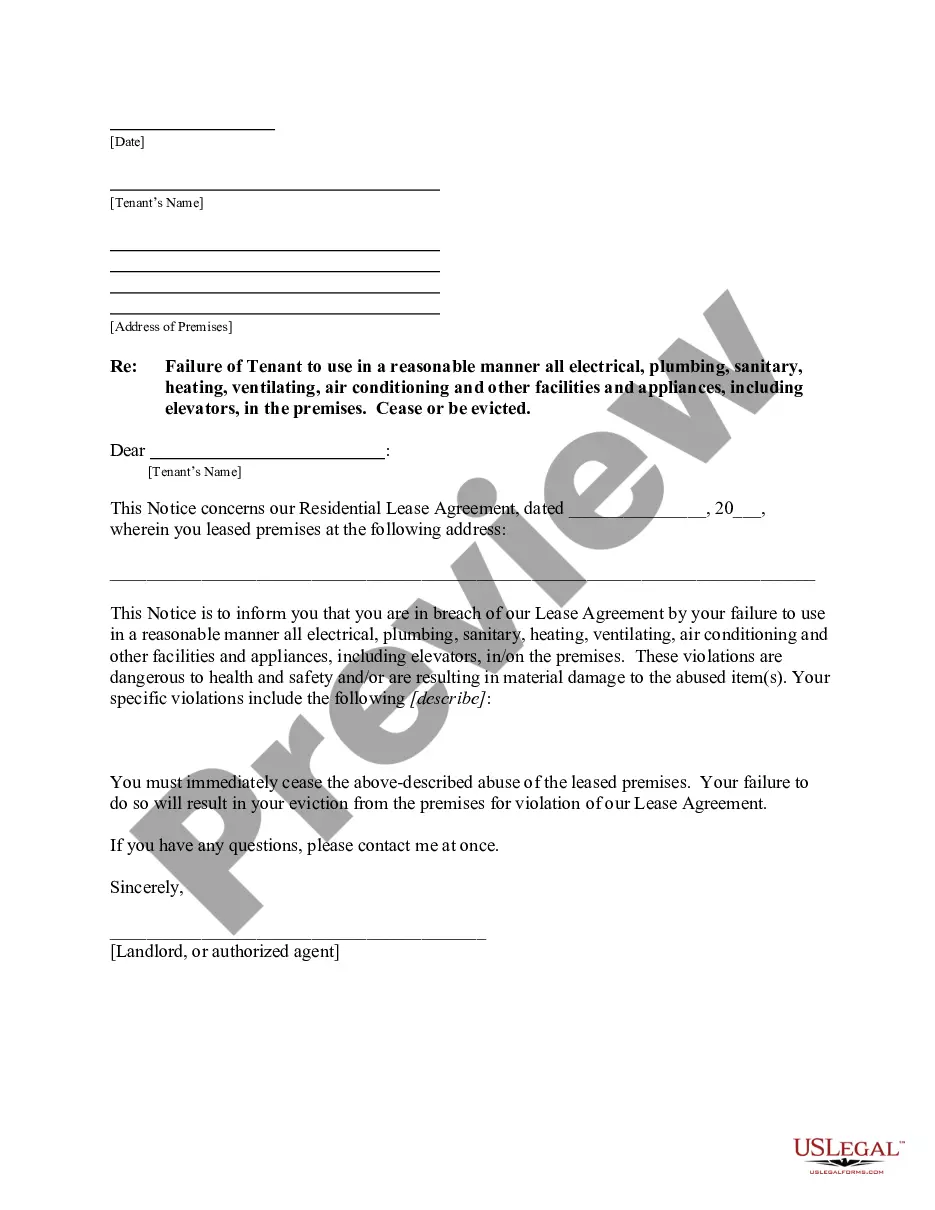
This form is a formal letter that a tenant can send to a landlord to notify them of inadequate heating resources in a leased property. It serves as legal notice that the tenant believes there is insufficient heat, prompting the landlord to take corrective action, such as repairing or adding heating units. This letter is distinct from other tenant-landlord communication forms, as it specifically addresses heating issues and requests a remedy.
Key parts of this document
- Recipient's details: Name and address of the landlord or authorized agent.
- Tenant's request: Clear statement requesting repair or addition of heating units.
- Communication expectation: Request for immediate communication regarding the situation.
- Reservation of rights: Declaration that the tenant reserves all rights under the lease agreement and applicable law.
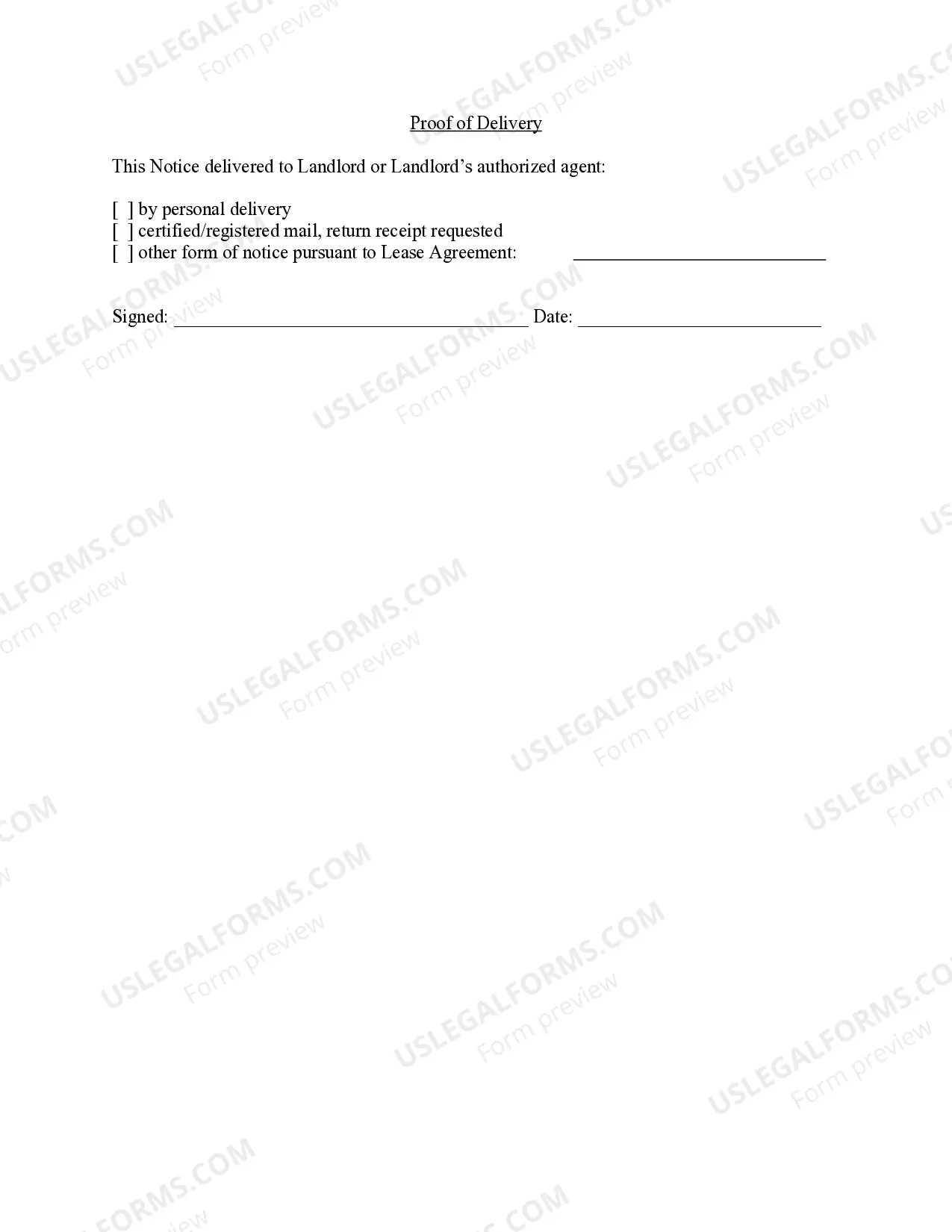
- Proof of delivery: A section to verify that the notice was delivered to the landlord.


Common use cases
This letter from tenant to landlord about inadequacy of heating resources should be used when a tenant experiences insufficient heating in their rental unit. It can be utilized in various scenarios, such as during the colder months when the heating system fails or is malfunctioning. This form is an important step in formally notifying the landlord and requesting a resolution if prior verbal or informal communications have been ignored.
Intended users of this form
- Tenants who are experiencing inadequate heating in their rental property.
- Individuals who have already attempted to resolve heating issues informally with their landlord.
- Renters looking to maintain a record of their formal communication regarding heating problems.
Steps to complete this form
- Identify the parties: Fill in your name and address as the tenant, and the name and address of your landlord.
- Specify the issues: Clearly describe the heating inadequacies you're experiencing.
- Request a remedy: State what actions you expect the landlord to take to resolve the heating issue.
- Reserve your rights: Include a statement reserving your rights under the lease agreement and applicable law.
- Sign and date: Provide your signature and the date of completion to officially send the notice.
Is notarization required?
This form usually doesn’t need to be notarized. However, local laws or specific transactions may require it. Our online notarization service, powered by Notarize, lets you complete it remotely through a secure video session, available 24/7.
Get your form ready online
Our built-in tools help you complete, sign, share, and store your documents in one place.
Make edits, fill in missing information, and update formatting in US Legal Forms—just like you would in MS Word.
Download a copy, print it, send it by email, or mail it via USPS—whatever works best for your next step.
Sign and collect signatures with our SignNow integration. Send to multiple recipients, set reminders, and more. Go Premium to unlock E-Sign.
If this form requires notarization, complete it online through a secure video call—no need to meet a notary in person or wait for an appointment.
We protect your documents and personal data by following strict security and privacy standards.

Make edits, fill in missing information, and update formatting in US Legal Forms—just like you would in MS Word.

Download a copy, print it, send it by email, or mail it via USPS—whatever works best for your next step.

Sign and collect signatures with our SignNow integration. Send to multiple recipients, set reminders, and more. Go Premium to unlock E-Sign.

If this form requires notarization, complete it online through a secure video call—no need to meet a notary in person or wait for an appointment.

We protect your documents and personal data by following strict security and privacy standards.
Common mistakes to avoid
- Failing to include accurate contact information for both tenant and landlord.
- Not clearly stating the issue or desired action to be taken.
- Neglecting to sign and date the letter, which invalidates the notice.
- Not keeping a copy for personal records or proof of delivery.
Benefits of using this form online
- Convenience: Downloadable formats allow you to complete the form at your own pace.
- Editability: Easily adjust the content to reflect your specific situation.
- Reliability: Form templates are drafted by licensed attorneys to ensure legal compliance.
Main things to remember
- This letter is a formal notice to the landlord regarding inadequate heating.
- Completing the form correctly is vital to protect tenant rights.
- Sufficient documentation ensures landlords address heating issues promptly.
Looking for another form?


Form popularity
FAQ
Make sure the repair is actually your landlord's responsibility. Document the problem thoroughly. Ask your landlord in writing to make the repair. Send your landlord a letter with return receipt requested. Wait for your landlord to respond.
Clearly, state what you demand to be repaired by the person. Mention the period since it has been causing a problem and that it is high time. Without being too harsh, the letter is written as a warning to the person. Address the person well.
To give you an idea, it's in good taste to start your letter "Dear Mr./Ms. Insert Name Here," as is the case with any polite letter. No matter how much you might want to give your landlord a piece of your mind, do yourself a favor and refrain from calling him a slumlord.
Dear (Name of landlord or manager), I am writing to request repairs to the (appliance, heating/air conditioning, plumbing issue be specific!) due to (reason for repair; this could include things such as broken handle, leaky sink hose, even normal wear-and-tear that would necessitate replacement).
Today's Date. Landlord's Name. Property Address and Unit Number. State Your Desire to Move Out of the Apartment. Include Desired Move-Out Date. That You Expect the Return of Your Security Deposit Under State Law. A Forwarding Address Where Your Security Deposit Can Be Sent.
When writing to your landlord, be specific in describing the problems you are having. Do not exaggerate or under-emphasize the extent of the problem. The landlord may show this letter to a judge if your problem is ever litigated.
Use an appropriate business letter format. Keep it simple. If appropriate, provide the recipient with pertinent information to help them remember who you are. Briefly explain what it is you want the reader to do.