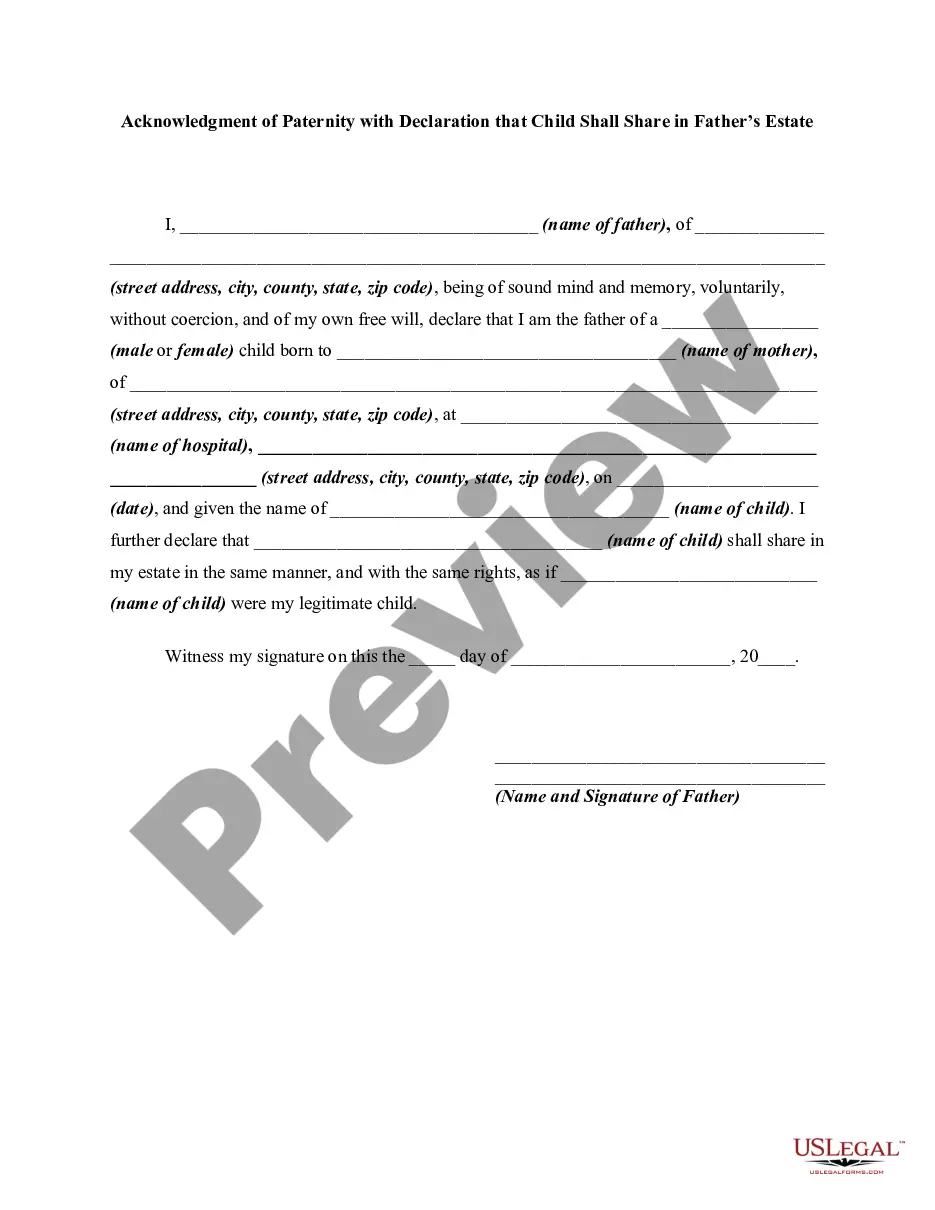
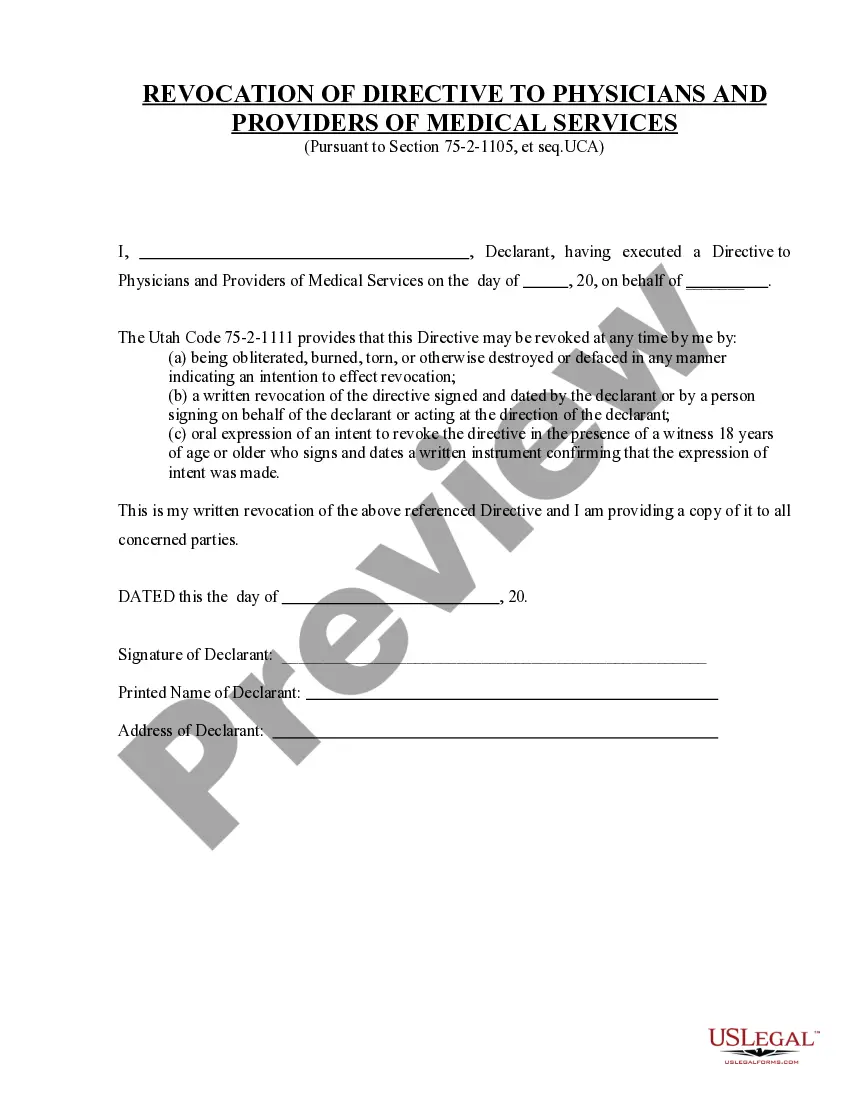
Utah Revocation of Directive to Physicians and Providers of Medical Services - for Persons Signing Instrument on Behalf of Declarant
What this document covers
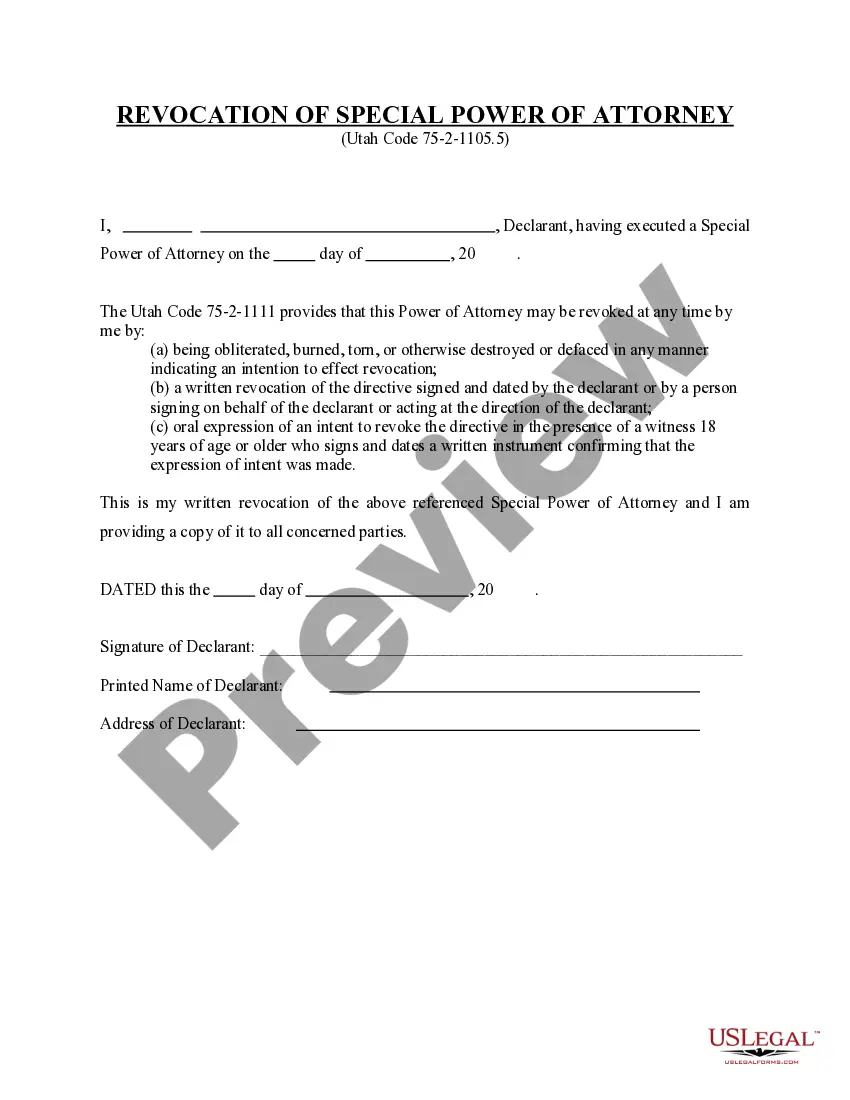
The Revocation of Directive to Physicians and Providers of Medical Services is a legal document allowing a person (the declarant) to revoke an existing directive related to medical treatment they had previously authorized. This form is specifically meant for individuals who may want to change or end a directive due to a change in circumstances or personal decision. Unlike similar forms that establish directives for medical care, this form focuses solely on revoking such directives, ensuring that the declarant retains control over their medical decisions.
What’s included in this form
- A written statement expressing the intention to revoke the directive, signed and dated by the declarant or their representative.
- Oral expression of revocation in the presence of a witness, who must confirm this in writing.
- Clear identification of the directive being revoked.
- Signature and date fields for parties involved in revocation.
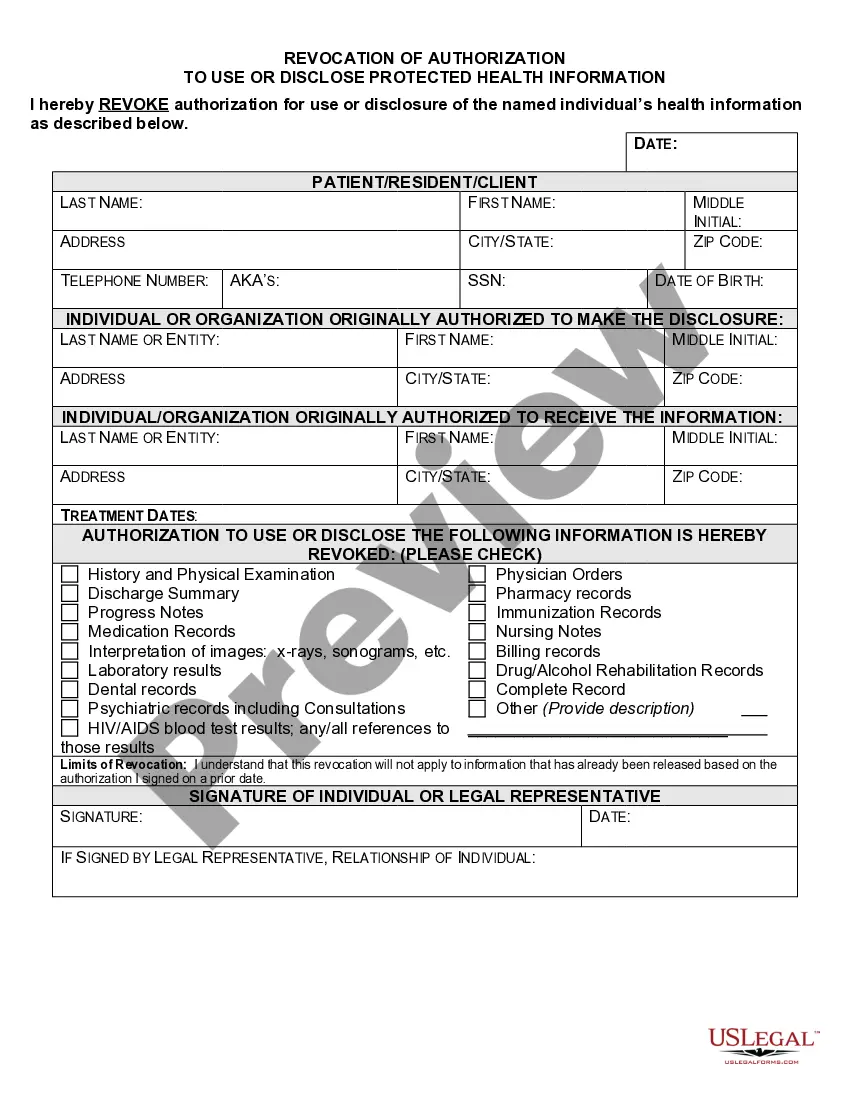
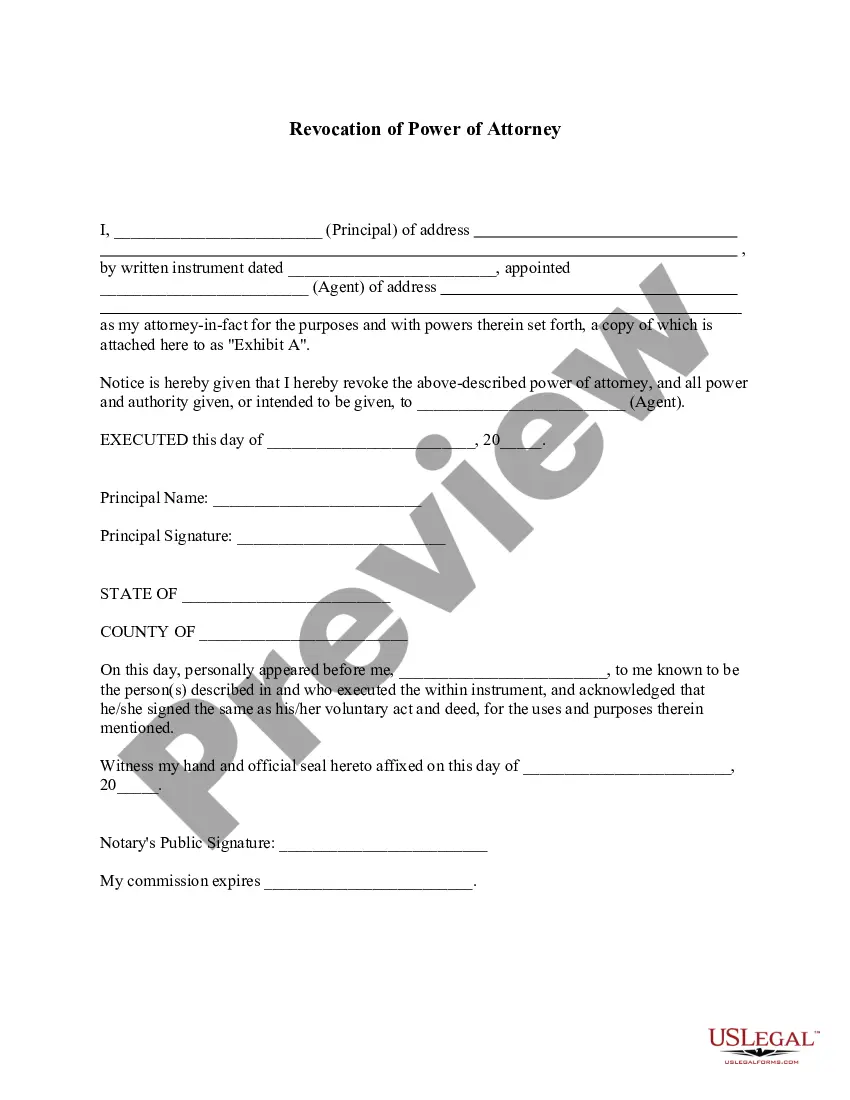
When this form is needed
This form is necessary when an individual wishes to revoke a previously signed medical directive due to changes in their health status, personal beliefs, or treatment preferences. It may be used after a serious illness or injury, or simply if the individual decides they no longer want the healthcare directives they initially authorized.
Who should use this form
- Individuals who have previously signed a medical directive (declarants).
- Persons acting on behalf of a declarant who has authorized them to manage their medical directives.
- Anyone who has experienced a change in their medical situation and wishes to update their medical care instructions.
How to prepare this document
- Review the existing medical directive you intend to revoke.
- Prepare a written statement indicating the intention to revoke the directive.
- Sign and date the written revocation or have an authorized individual do so on your behalf.
- If revoking orally, ensure a witness is present to confirm the statement in writing.
- Keep a copy of the signed revocation for your records and provide a copy to the relevant medical providers.
Does this document require notarization?
In most cases, this form does not require notarization. However, some jurisdictions or signing circumstances might. US Legal Forms offers online notarization powered by Notarize, accessible 24/7 for a quick, remote process.
Get your form ready online
Our built-in tools help you complete, sign, share, and store your documents in one place.
Make edits, fill in missing information, and update formatting in US Legal Forms—just like you would in MS Word.
Download a copy, print it, send it by email, or mail it via USPS—whatever works best for your next step.
Sign and collect signatures with our SignNow integration. Send to multiple recipients, set reminders, and more. Go Premium to unlock E-Sign.
If this form requires notarization, complete it online through a secure video call—no need to meet a notary in person or wait for an appointment.
We protect your documents and personal data by following strict security and privacy standards.

Make edits, fill in missing information, and update formatting in US Legal Forms—just like you would in MS Word.

Download a copy, print it, send it by email, or mail it via USPS—whatever works best for your next step.

Sign and collect signatures with our SignNow integration. Send to multiple recipients, set reminders, and more. Go Premium to unlock E-Sign.

If this form requires notarization, complete it online through a secure video call—no need to meet a notary in person or wait for an appointment.

We protect your documents and personal data by following strict security and privacy standards.
Common mistakes to avoid
- Failing to sign and date the revocation properly.
- Not having a witness present when expressing an oral revocation.
- Using vague language that does not clearly identify the directive being revoked.
Why complete this form online
- Convenience of downloading and completing the form from home.
- Editable fields make it easy to customize the form for your specific situation.
- Access to templates drafted by licensed attorneys ensures legal accuracy.
Legal use & context
- The revocation is effective immediately upon signing, provided it follows legal formalities.
- It protects the declarant's rights by ensuring their latest wishes regarding medical treatment are honored.
- Understanding the limits of this revocation is essential, as prior directives remain effective until legally revoked.
Main things to remember
- This form is essential for revoking any previous medical directives.
- Proper completion and distribution ensure your medical preferences are respected.
- Online access offers convenience and reliability in managing legal documents.
Looking for another form?
Form popularity
FAQ
No, generally your brother with a durable general power of attorney (DGPOA) does not have authority to supersede your father's advance directive.
Advance care directives are legally enforceable in NSW. Although NSW does not have specific legislation on advance care directives, the Supreme Court has said that valid advance care directives must be respected (as an extension to a person's right to determine their own medical treatment).
You can change your directives at any time. If you want to make changes, you must create a new form, distribute new copies and destroy all old copies. Specific requirements for changing directives may vary by state.
After I complete an advance directive, can I revoke it? Yes. You can revoke your living will or appointment of a health care representative at any time.
In most cases, your health care documents will be honored in other states.Most states accept health care directives from other states as long as the documents are legally valid in the state where they were made -- but this is not always the case.
A living will is a vital part of the estate plan.But your family cannot override your living will. They cannot take away your authority to make your own treatment and care plans. In fact, you always retain the right to override your own decisions.
Your advance health care directive should be witnessed by two people who can attest to your mental capacity or signed before a notary public. A witness may not be any of the following: a health care provider, an employee of a health care provider or health care facility, or your agent designated in the directive.
A medical or health care power of attorney is a type of advance directive in which you name a person to make decisions for you when you are unable to do so. In some states this directive may also be called a durable power of attorney for health care or a health care proxy.
A person can change an Individual Healthcare Instruction by writing a new Advance Directive with the changes in it that she wants to make.A person can also revoke their Advance Directive orally, by telling their healthcare provider that they no longer want either the entire document or any parts of it enforced.