Utah Landlord Tenant Closing Statement to Reconcile Security Deposit
About this form
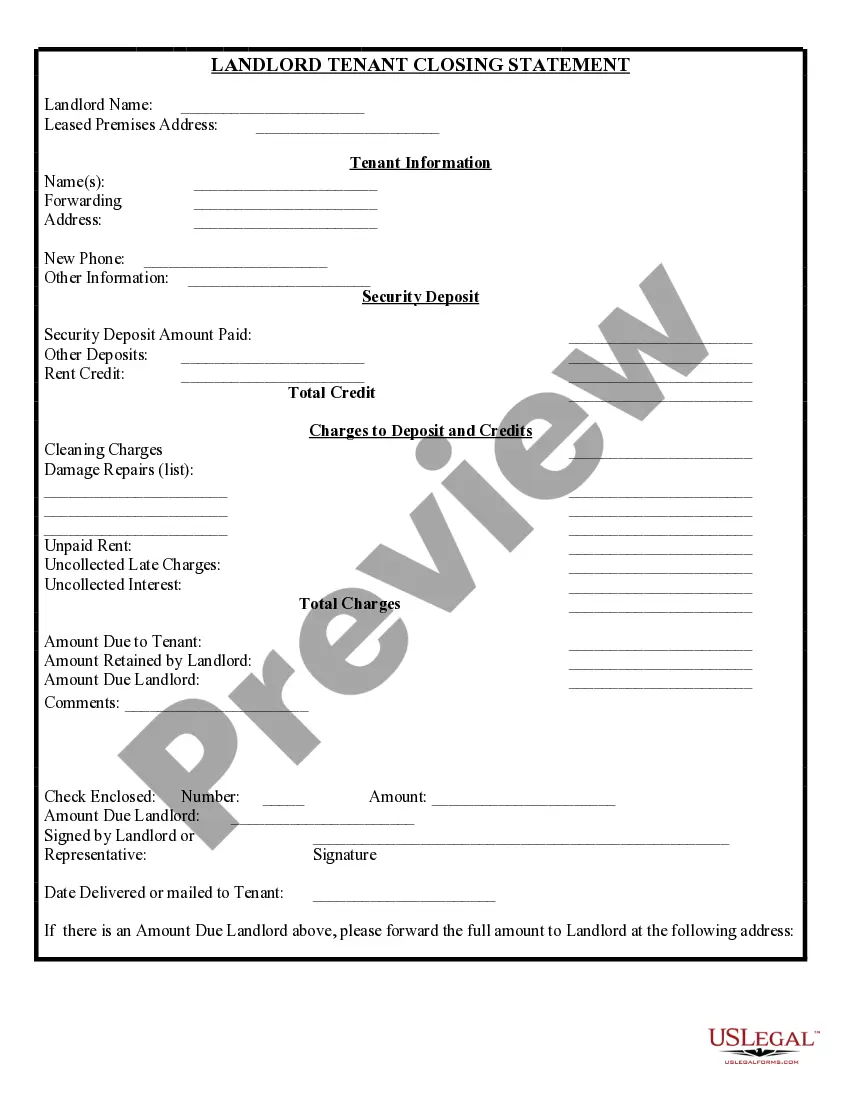
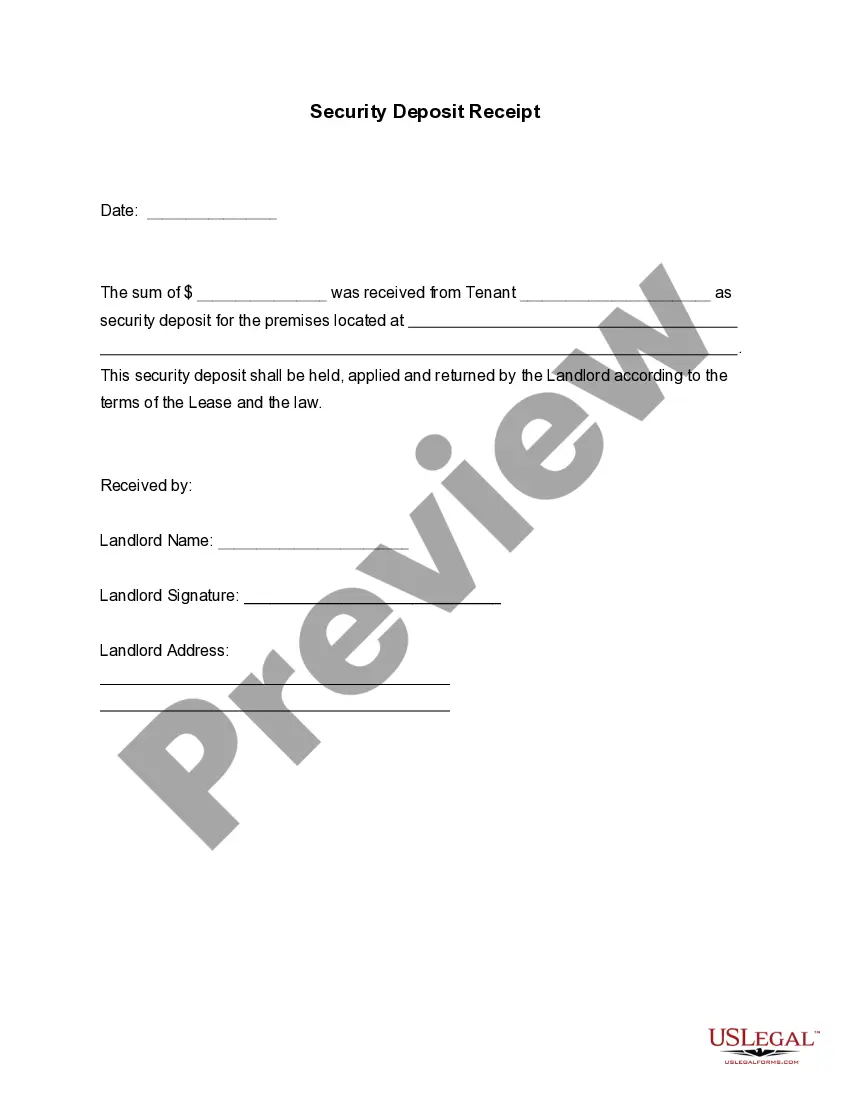
The Landlord Tenant Closing Statement to Reconcile Security Deposit is a crucial document that outlines the financial details regarding a tenant's security deposit. This form enables landlords to record the deposits and credits while accounting for any deductions due to damages beyond normal wear and tear. Unlike other rental documents, this closing statement specifically focuses on reconciling the security deposit, ensuring that both landlords and tenants have a clear understanding of the funds held and any amounts owed.
What’s included in this form
- Landlord's and tenant's details: Information about both parties involved.
- Deposits received: Total amount of security deposits collected from the tenant.
- Credits: Any payments or credits applied to the security deposit.
- Deductions: Specific reasons and amounts deducted from the deposit for damages.
- Net amount due: Calculation of what is owed to the tenant or landlord after deductions.
- Date of reconciliation: The date the closing statement is finalized.
When this form is needed
This form is typically used when a tenant vacates a rental property, allowing the landlord to provide a detailed account of the security deposit. It is essential in cases where the landlord needs to justify the return amount to the tenant or in disputes regarding damages and the handling of the security deposit. Utilizing this form ensures clarity and accountability for both parties involved.
Intended users of this form
- Landlords managing rental properties who require documentation of security deposits.
- Tenants looking to understand their security deposit reconciliation upon moving out.
- Property managers who handle rental transactions on behalf of property owners.
How to complete this form
- Identify the parties: Enter the names and contact information of both the landlord and tenant.
- Specify the financial details: Fill in the total deposits received and any payments made towards the security deposit.
- Document deductions: Clearly outline any deductions taken from the deposit along with reasons for each deduction.
- Calculate the net amount: Determine any amounts owed to the landlord or tenant after deductions.
- Include signatures: Ensure that both parties sign and date the document to confirm agreement on the reconciliation.
Does this document require notarization?
This form does not typically require notarization unless specified by local law. It is advisable to check your local regulations to confirm if notarization is necessary for this document.
Get your form ready online
Our built-in tools help you complete, sign, share, and store your documents in one place.
Make edits, fill in missing information, and update formatting in US Legal Forms—just like you would in MS Word.
Download a copy, print it, send it by email, or mail it via USPS—whatever works best for your next step.
Sign and collect signatures with our SignNow integration. Send to multiple recipients, set reminders, and more. Go Premium to unlock E-Sign.
If this form requires notarization, complete it online through a secure video call—no need to meet a notary in person or wait for an appointment.
We protect your documents and personal data by following strict security and privacy standards.

Make edits, fill in missing information, and update formatting in US Legal Forms—just like you would in MS Word.

Download a copy, print it, send it by email, or mail it via USPS—whatever works best for your next step.

Sign and collect signatures with our SignNow integration. Send to multiple recipients, set reminders, and more. Go Premium to unlock E-Sign.

If this form requires notarization, complete it online through a secure video call—no need to meet a notary in person or wait for an appointment.

We protect your documents and personal data by following strict security and privacy standards.
Mistakes to watch out for
- Failing to provide complete and accurate financial details.
- Not documenting the reasons for deductions clearly.
- Omitting signatures from either party.
- Using outdated forms that may not comply with current laws.
Why use this form online
- Convenient access: Download and complete the form from anywhere.
- Editable format: Easily modify the document to suit specific needs
- Legally vetted: Forms drafted by licensed attorneys ensure reliability and compliance.
Legal use & context
- This form serves as a legal record of the reconciliation process of a security deposit.
- It helps protect both the landlord and tenant by documenting agreed-upon deductions.
- Failure to use such a document may lead to misunderstandings or disputes that could escalate to legal issues.
Quick recap
- The Landlord Tenant Closing Statement is essential for reconciling a tenant's security deposit.
- Clear documentation helps prevent disputes regarding deposit deductions.
- State laws may impose specific rules on security deposits and their reconciliation.
Looking for another form?
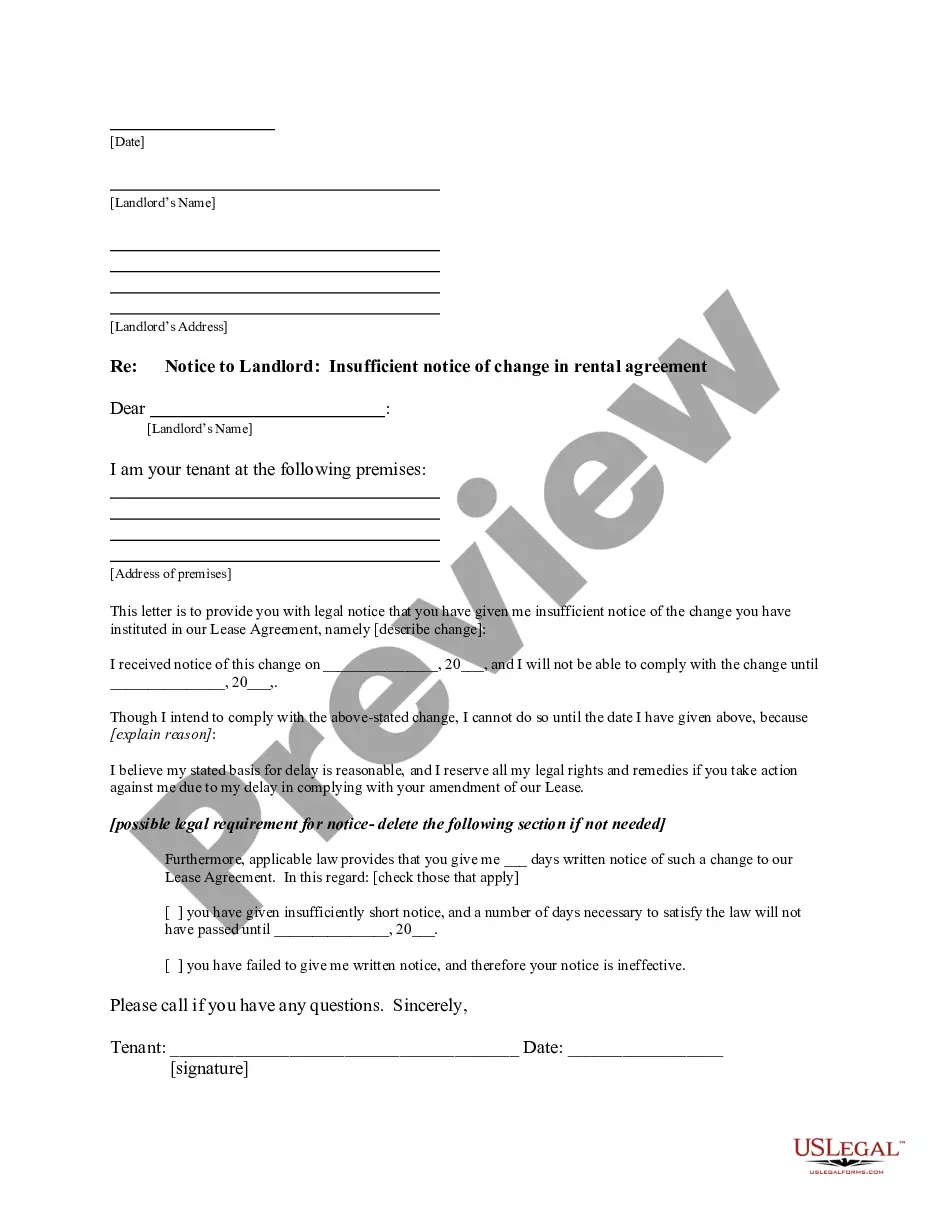
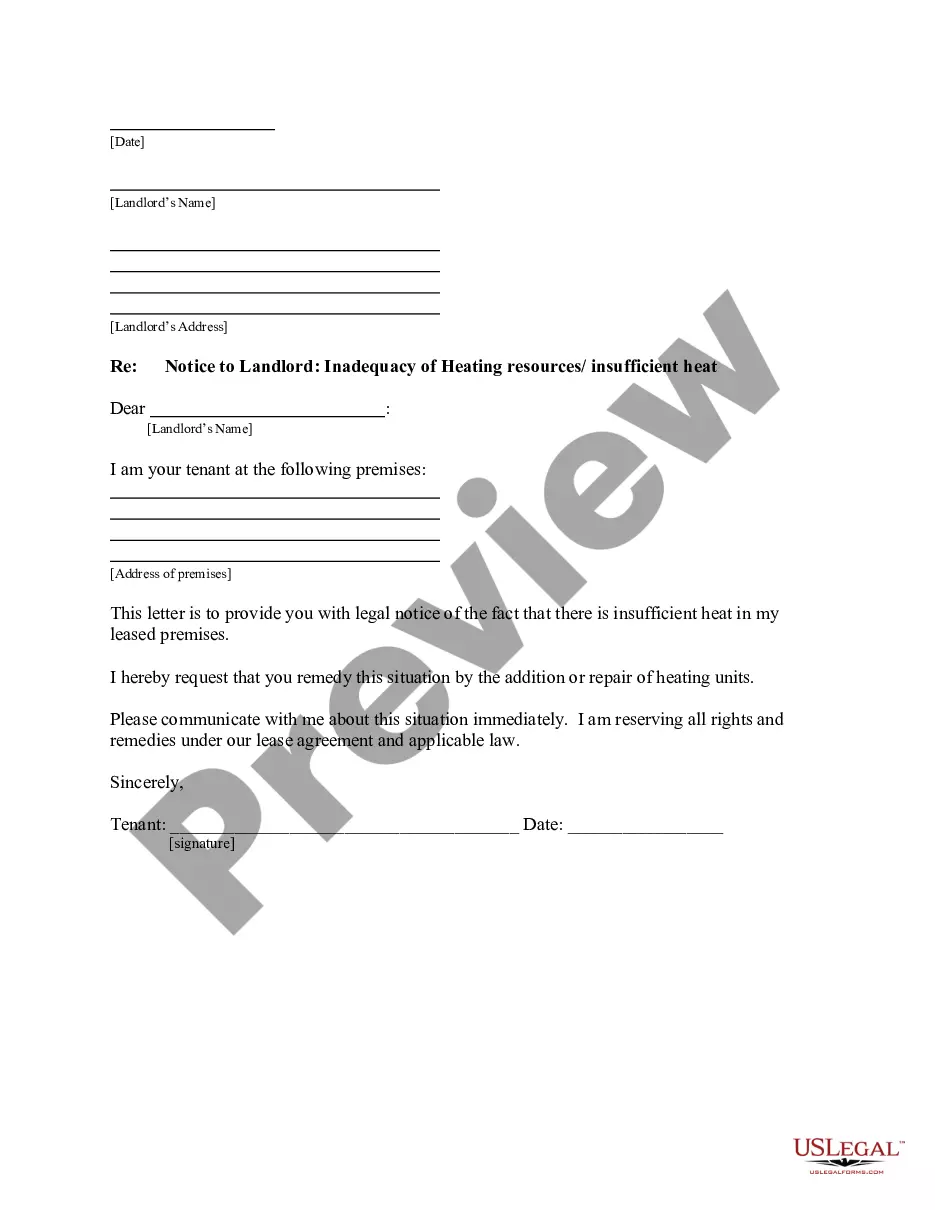
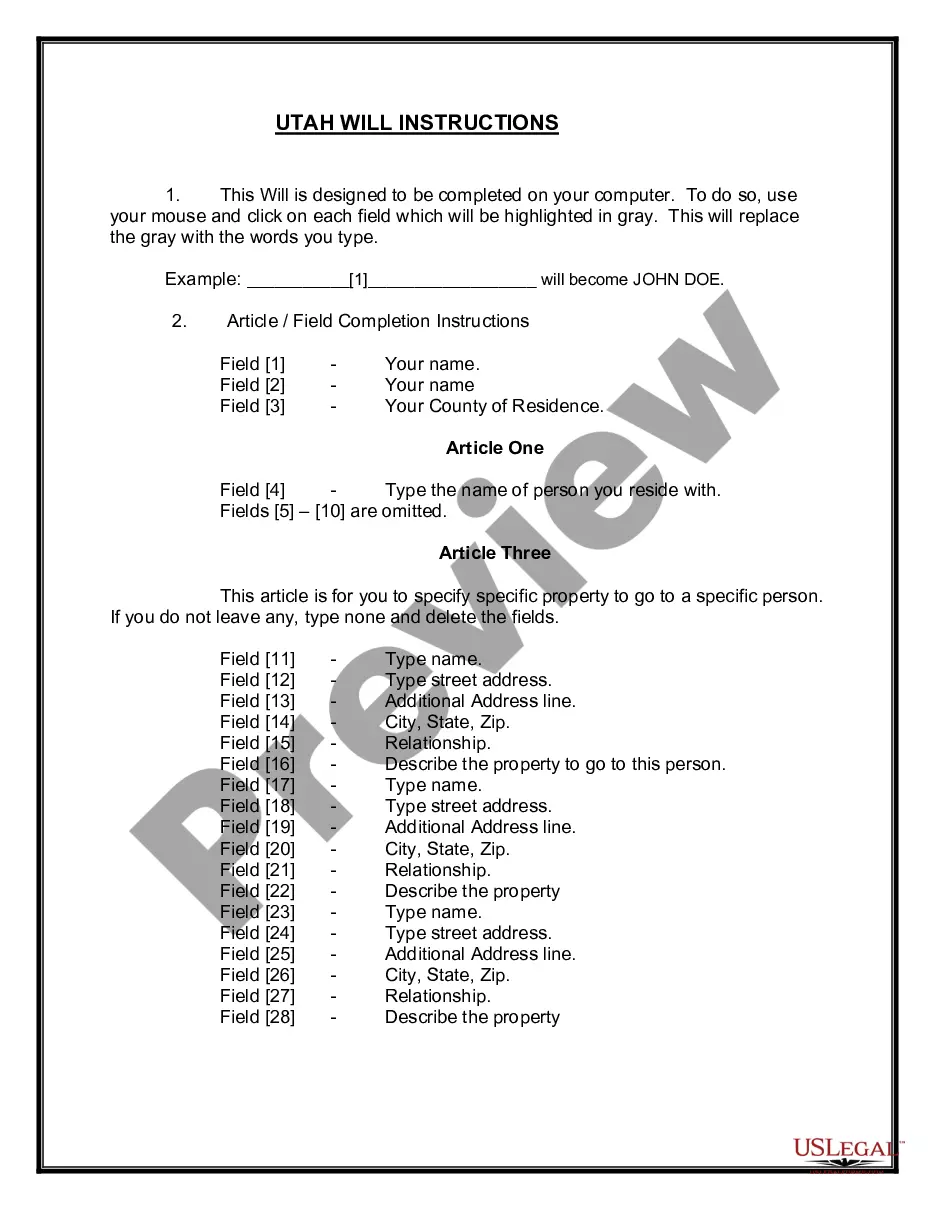
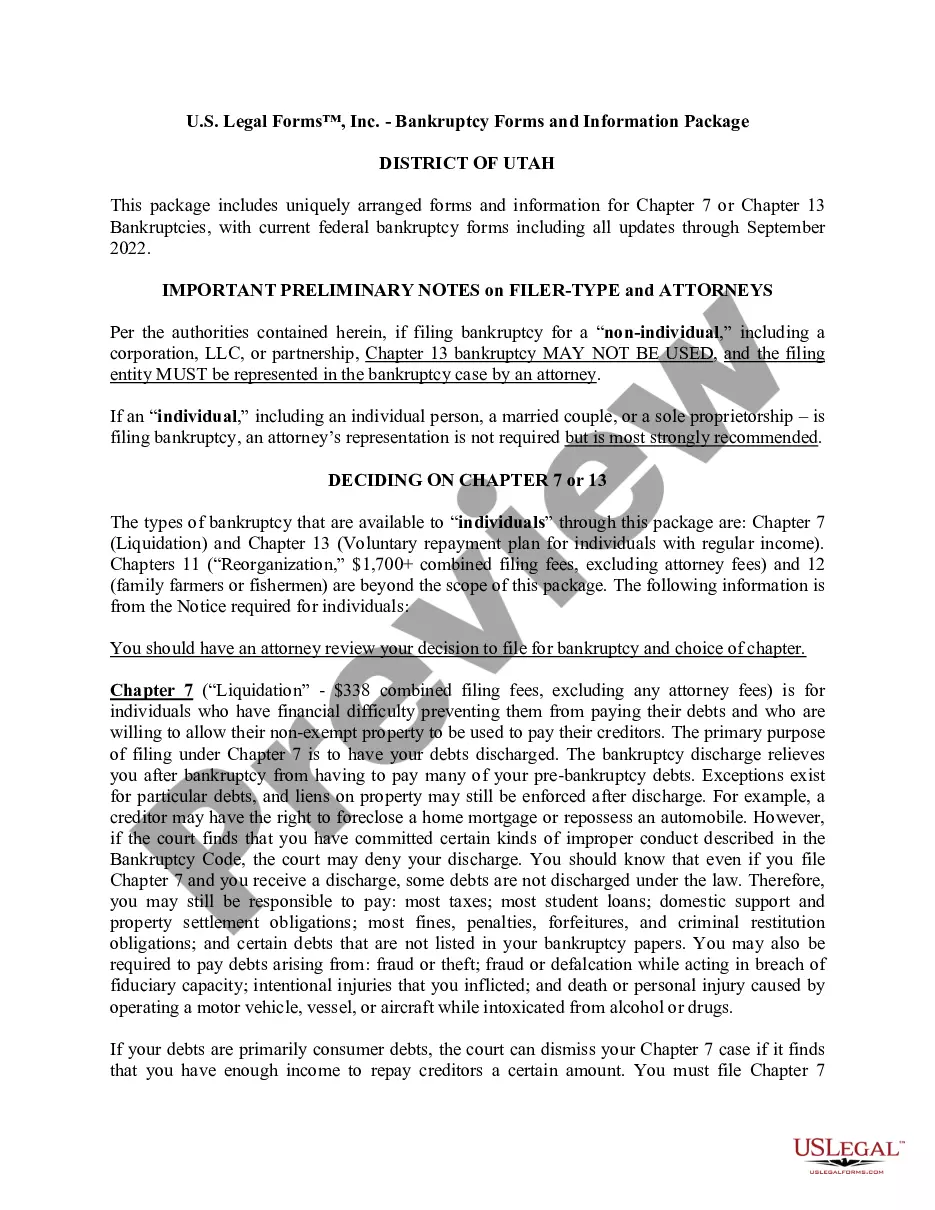
Form popularity
FAQ
Security deposits are assets or liabilities, so you cannot deduct them as expenses as a tenant and you need not declare them as income on income tax returns as a landlord until you use them.
Tenant's name and new address, or address he gave for return of the security deposit. Commencement date of the lease and date it ended. Amount of the security deposit when the tenant moved in. Amount of interest accrued.
Fill out the Request for Return of Security Deposit form (not interactive; you must print, then fill out the form). Send the form to your former landlord. Keep a photo-copy of the form for yourself. Hold on to the Return Receipt when it comes back in the mail.
Request deposit back You will need to request your deposit back in writing and give your landlord 10 days to respond to the request. An editable PDF letter for you to complete and send to your landlord or letting agent at the end of the tenancy in order to formally request the return of your deposit.
The cost of fixing any damages to the property caused by the tenant or the tenant's guests. The cost of cleaning the unit when the tenant moves out, but only to make the unit as clean as it was when the tenant first moved in (less reasonable wear and tear).
Unpaid rent at the end of the tenancy. Unpaid bills at the end of the tenancy. Stolen or missing belongings that are property of the landlord. Direct damage to the property and it's contents (owned by the landlord) Indirect damage due to negligence and lack of maintenance.
Mail your landlord a letter requesting that she return your deposit. Be polite and simply inform the landlord that you have vacated the property and would appreciate the return of your deposit once she has had a chance to complete any checks and paperwork.
A landlord should keep accurate accounting records related to a rental business, including the tenant security deposit. Again, many states have rules about how to handle the money. Some of them require the landlord to keep the tenant security deposit with a local bank in an interest-bearing account.
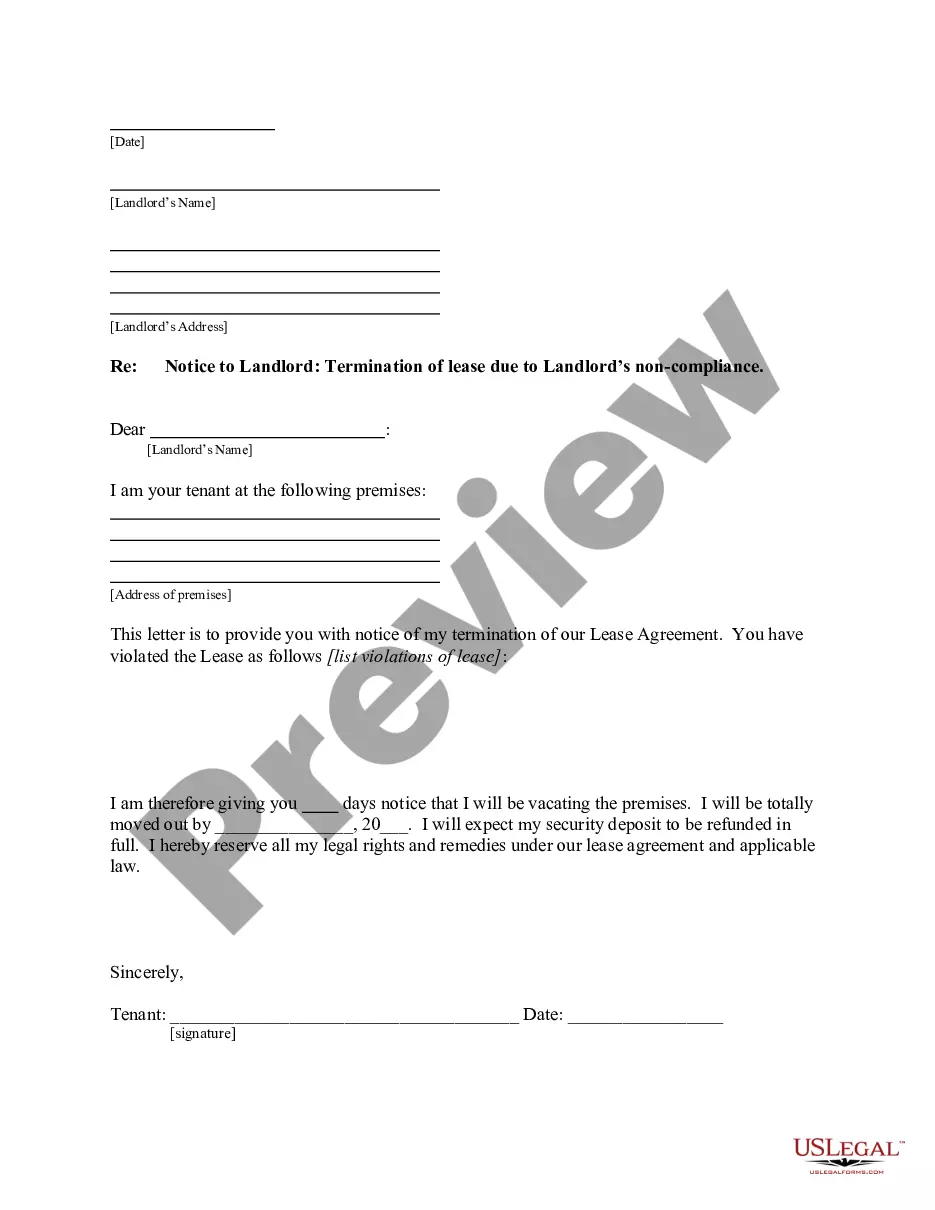
Dear Name: I am writing to provide notice of my request that you refund the security deposit paid in the amount of $1500.00 for the rental of Address, City, State Zip Code. I vacated the residence on 00/00/00 without any damages beyond oridnary wear and tear.