Permission To Disclose Health Billing Information
What this document covers
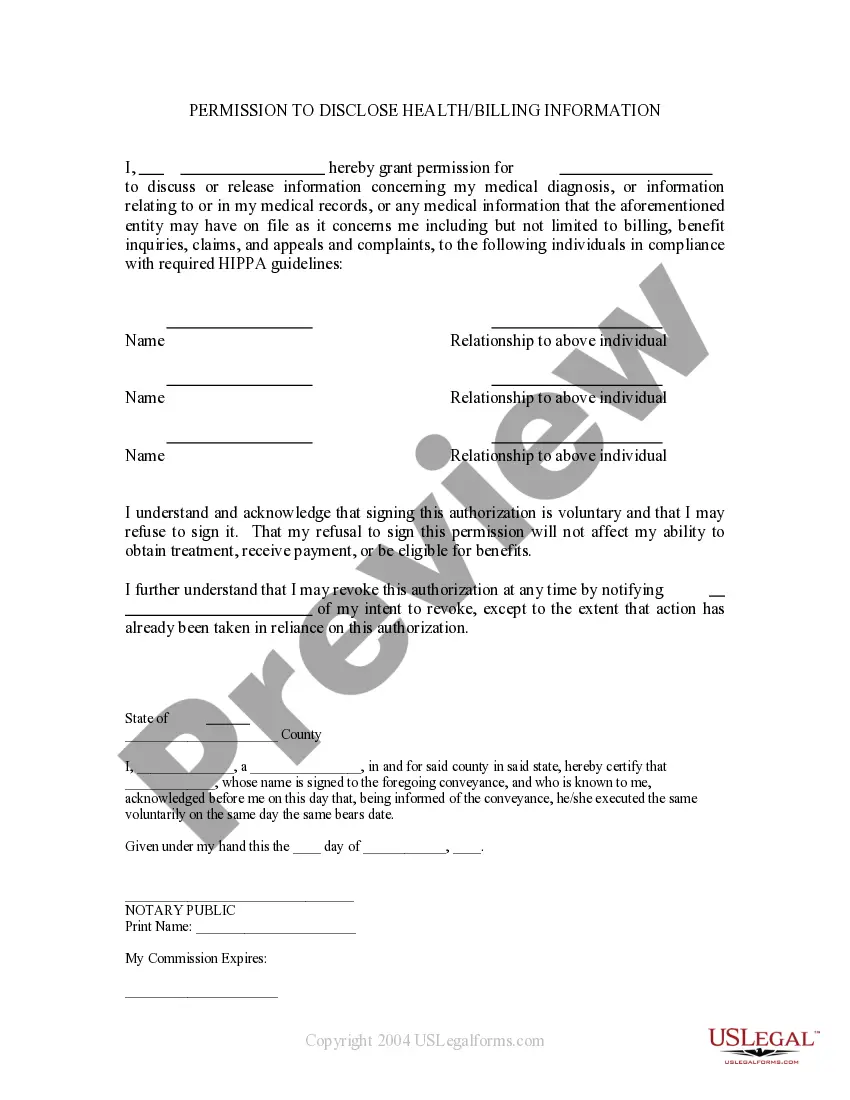
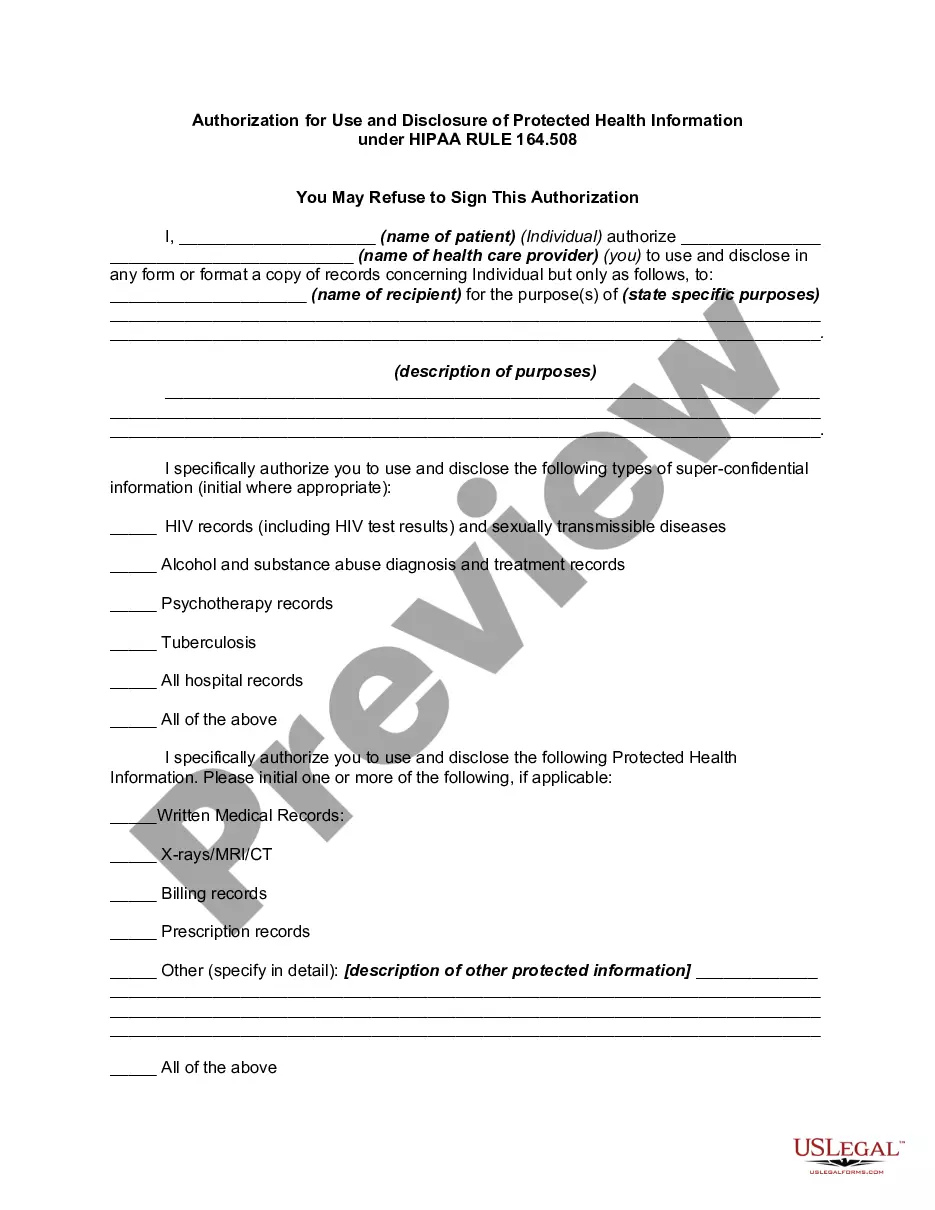
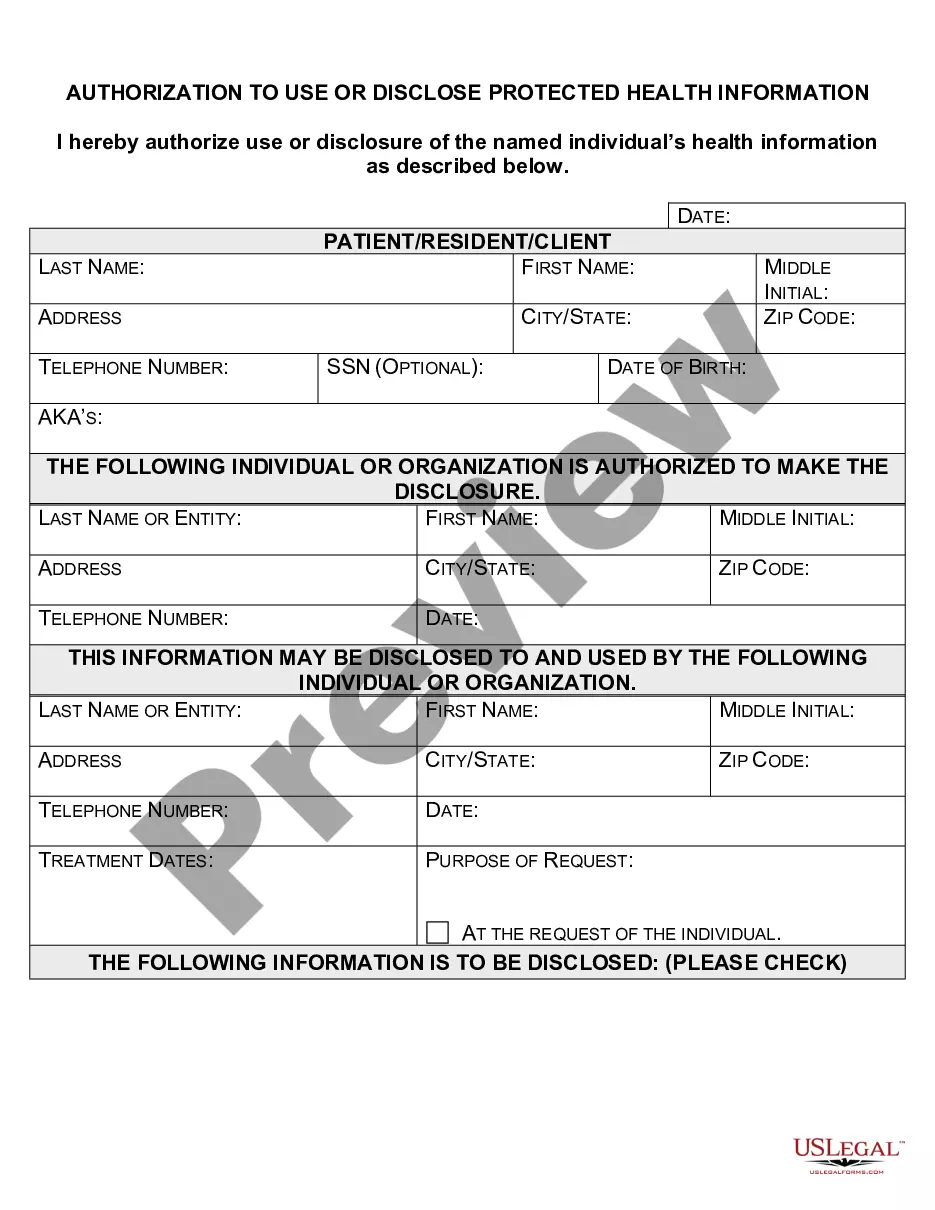
The Permission to Disclose Health Billing Information form allows an individual to authorize a healthcare provider or hospital to release their medical records and billing information to a designated third party. This form is essential for compliance with the Health Insurance Portability and Accountability Act (HIPAA), which protects patient confidentiality. Unlike other medical release forms, this document specifically pertains to billing information, making it crucial for financial or insurance-related matters.
Main sections of this form
- Identification of the patient granting permission.
- Details of the individual or entity authorized to receive the information.
- Specific types of medical records or billing information being disclosed.
- Date the authorization becomes effective and its expiration date.
- Signature of the patient along with a notary acknowledgment.
When to use this document
This form is typically used when a patient needs to allow their healthcare provider or hospital to share their billing information with another individual, such as a family member, caregiver, or insurance company. Situations may include managing medical expenses, handling insurance claims, or allowing someone else to oversee the patient's financial obligations related to their healthcare.
Who can use this document
This form is suitable for:
- Patients who want to provide access to their medical billing information to another party.
- Family members managing a patient's healthcare expenses.
- Caretakers or guardians handling financial matters for patients who are unable to do so.
- Individuals dealing with insurance claims that require specific billing information.
How to complete this form
- Identify the patient by providing their full name and contact information.
- Specify the name and relationship of the individual or organization that will receive the billing information.
- Detail the specific medical records or billing information to be disclosed.
- Indicate the effective date of the authorization and when it will expire.
- Sign and date the form in the designated areas, and have it notarized if required.
Does this form need to be notarized?
This form must be notarized to be legally valid. US Legal Forms provides secure online notarization powered by Notarize, allowing you to complete the process through a verified video call.
Get your form ready online
Our built-in tools help you complete, sign, share, and store your documents in one place.
Make edits, fill in missing information, and update formatting in US Legal Forms—just like you would in MS Word.
Download a copy, print it, send it by email, or mail it via USPS—whatever works best for your next step.
Sign and collect signatures with our SignNow integration. Send to multiple recipients, set reminders, and more. Go Premium to unlock E-Sign.
If this form requires notarization, complete it online through a secure video call—no need to meet a notary in person or wait for an appointment.
We protect your documents and personal data by following strict security and privacy standards.

Make edits, fill in missing information, and update formatting in US Legal Forms—just like you would in MS Word.

Download a copy, print it, send it by email, or mail it via USPS—whatever works best for your next step.

Sign and collect signatures with our SignNow integration. Send to multiple recipients, set reminders, and more. Go Premium to unlock E-Sign.

If this form requires notarization, complete it online through a secure video call—no need to meet a notary in person or wait for an appointment.

We protect your documents and personal data by following strict security and privacy standards.
Common mistakes to avoid
- Failing to specify the exact types of billing information being authorized for release.
- Not including a clear expiration date for the authorization.
- Overlooking the need for a notary signature if required by local law.
- Failing to provide complete identification information for both parties involved.
Benefits of completing this form online
- Convenience of accessing and downloading the form anytime, anywhere.
- Immediate editability to customize the form as needed.
- Reliability of having the form drafted by licensed attorneys to ensure compliance.
What to keep in mind
- The Permission to Disclose Health Billing Information form is essential for allowing others access to your medical billing records.
- Complete all sections accurately to avoid common mistakes.
- Ensure notarization for legal validity.
Looking for another form?





Form popularity
FAQ
Permission To Disclose Health Billing Information is a standard HIPAA-compliant form that authorizes a healthcare provider or hospital to release your medical billing information to a designated third party. It specifies the patient, the recipient, the types of billing data allowed, and the authorization’s effective and expiration dates. The patient’s signature and a notary acknowledgment may be required for validity.
Yes. HIPAA protects billing information as PHI. This form documents an authorized disclosure of that information to a named recipient, specifies what billing data may be shared, and sets when the authorization takes effect and expires, helping ensure the release complies with HIPAA’s privacy rules.
Authorization to disclose health information is a signed permission that allows a patient to designate who may receive their health records or billing information and what may be shared. This form provides that authorization specifically for health billing information, including the recipient, the data scope, and the authorization’s effective and expiration dates.
Authorization should be obtained before a healthcare provider discloses a patient's billing information to a named individual, such as a family member, caregiver, or insurer, unless a different disclosure rule applies. This form facilitates that process by capturing the patient’s identity, the recipient, the scope of data, and the authorization dates.
Signing authorization allows a designated party to access your billing information, which can aid with payment, insurance processing, or financial oversight. The form records your choice with your signature and a notary acknowledgment when required. If you’re unsure, seek guidance from a licensed attorney or advisor.
This form specifically targets health billing information—not the full medical record. It identifies the patient and recipient, lists the exact billing data allowed for disclosure, and includes an effective date, expiration date, and patient signature with a notary acknowledgment, making it a focused consent for billing matters.