Notice of Intent to Serve Subpoena on Nonparty - Personal Injury
What this document covers
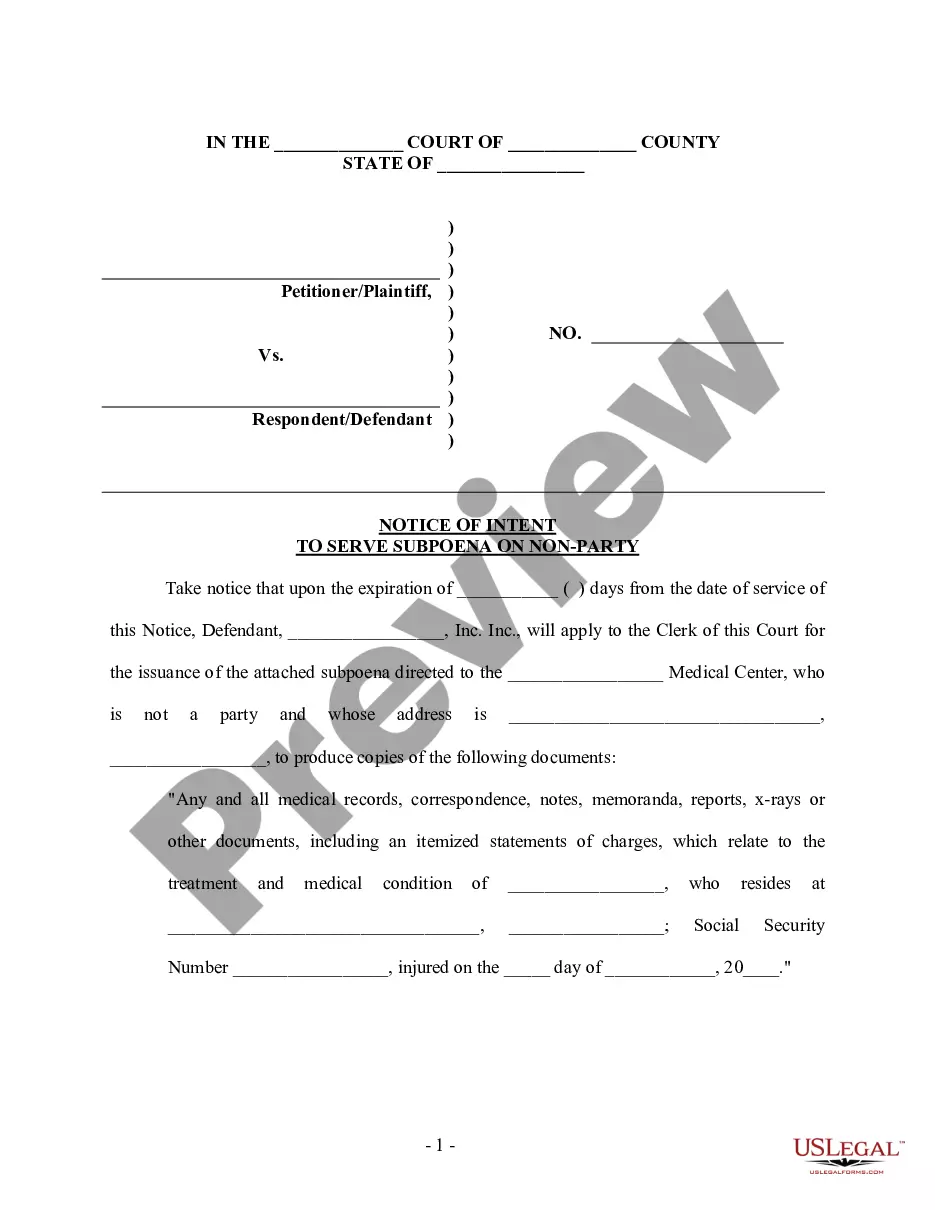
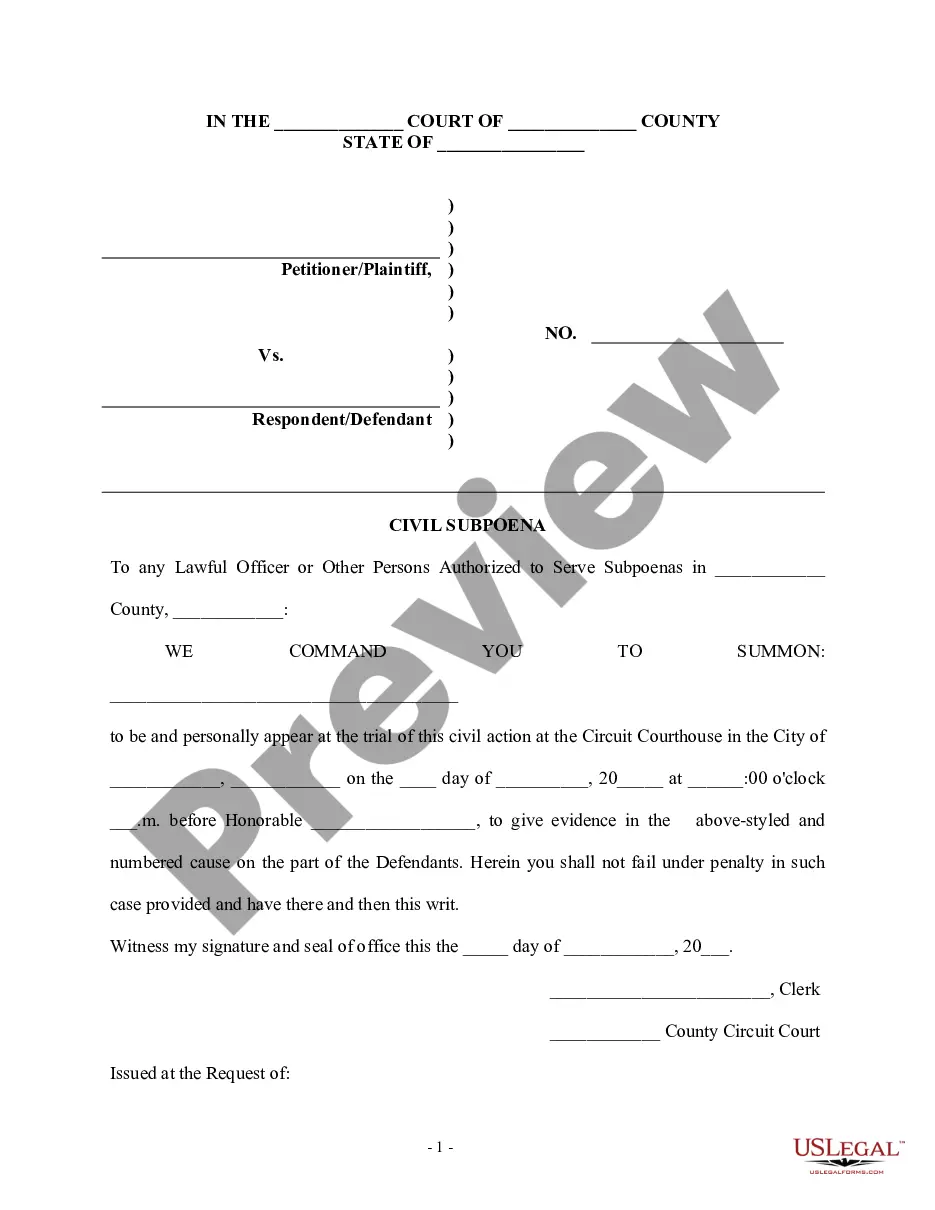
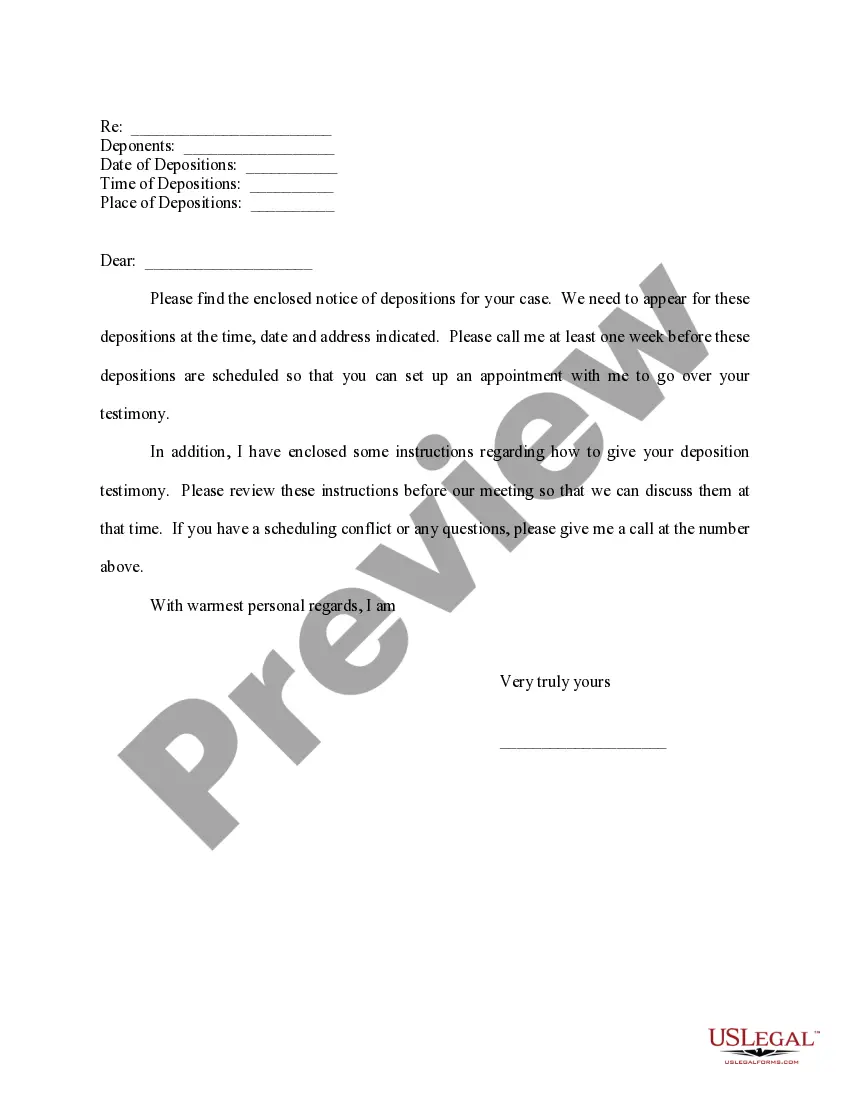
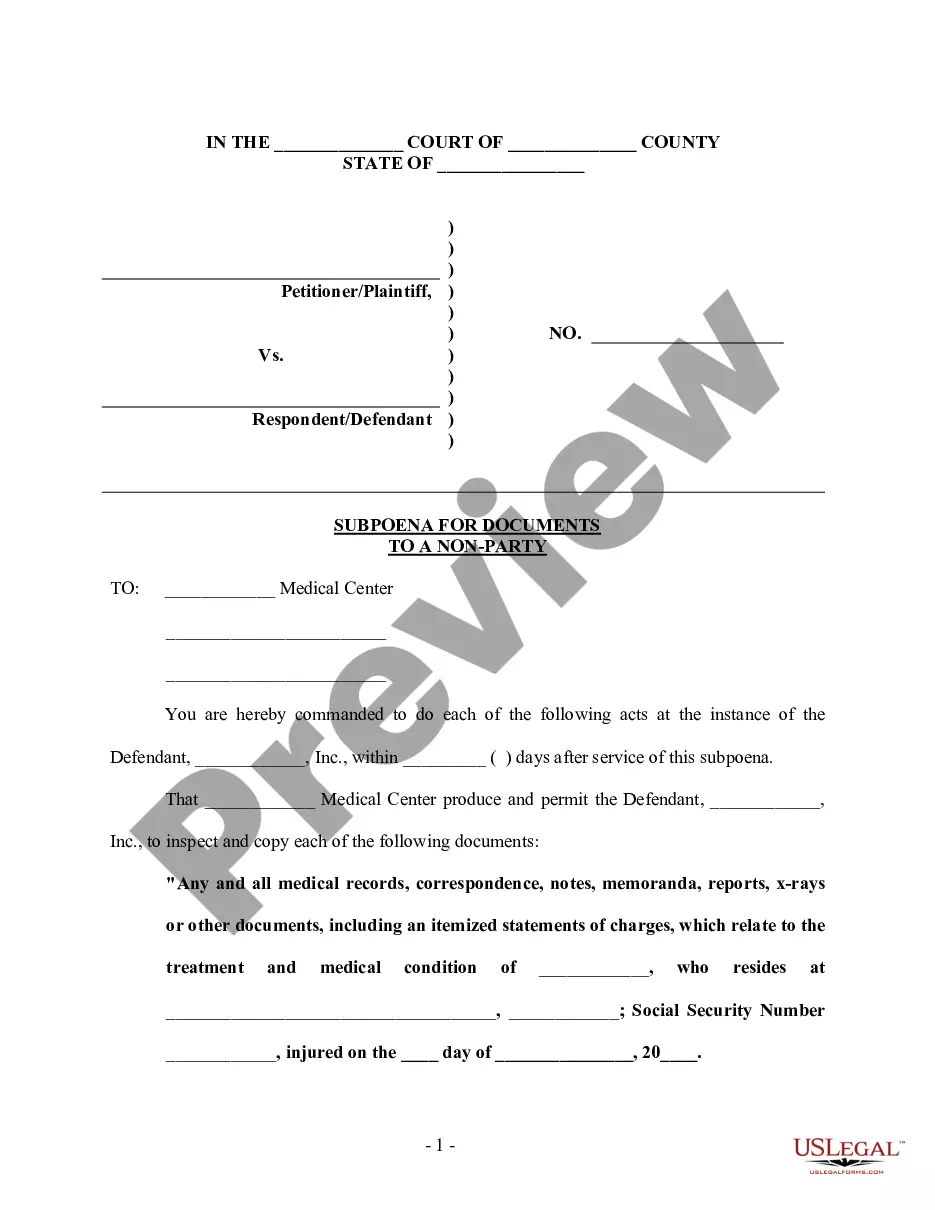
The Notice of Intent to Serve Subpoena on Nonparty - Personal Injury form is a legal document that notifies a third party of the defendant's intention to issue a subpoena for evidence or testimony. This form is essential in personal injury cases where evidence from nonparties is required to support or refute claims made by the involved parties. It differs from other subpoena forms as it specifically focuses on nonparties involved in personal injury cases.
What’s included in this form
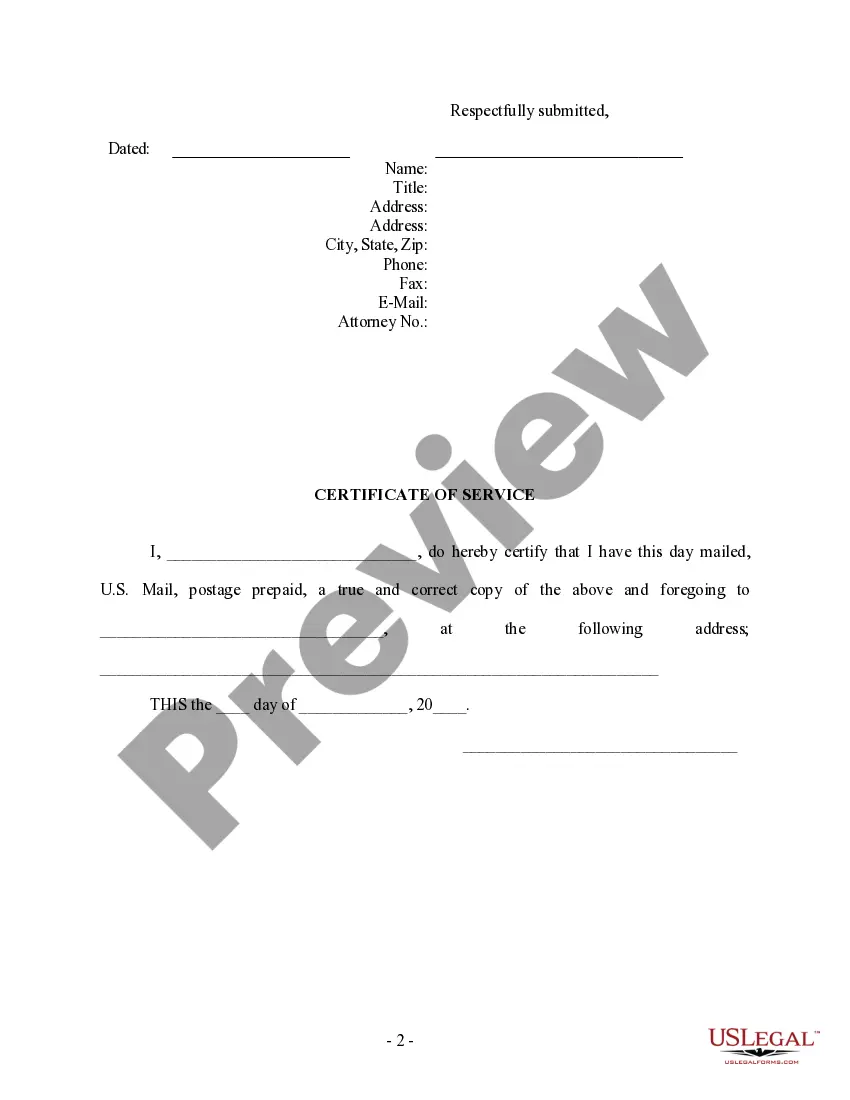
- Certificate of Service: Confirms that a copy of the notice was mailed to the nonparty.
- Defendant Information: Identifies the defendant who intends to issue the subpoena.
- Nonparty Details: Includes the name and address of the individual or entity receiving the notice.
- Date of Service: Specifies the date on which the notice is served.
- Signature Line: Provides space for the signature of the individual serving the notice.
When to use this document
This form should be used when a defendant in a personal injury lawsuit believes that evidence or testimony from a third party is necessary. It is typically utilized in the discovery phase of litigation to ensure that relevant information is obtained from nonparties that could impact the case outcome.
Who can use this document
This form is suitable for:
- Defendants in personal injury lawsuits seeking additional evidence.
- Attorneys representing defendants wishing to gather information from nonparties.
- Individuals familiar with the legal process who are engaging in self-representation.
How to complete this form
- Identify the parties: Clearly fill in the names of the defendant and the nonparty receiving the subpoena.
- Enter the nonparty's address: Provide the complete mailing address for accurate delivery.
- Specify the date of service: Write the date when you mail the notice.
- Sign the document: Add your signature where indicated to certify the form.
- Mail the notice: Send the completed form to the nonparty using U.S. Mail with appropriate postage.
Does this form need to be notarized?
This form usually doesn’t need to be notarized. However, local laws or specific transactions may require it. Our online notarization service, powered by Notarize, lets you complete it remotely through a secure video session, available 24/7.
Get your form ready online
Our built-in tools help you complete, sign, share, and store your documents in one place.
Make edits, fill in missing information, and update formatting in US Legal Forms—just like you would in MS Word.
Download a copy, print it, send it by email, or mail it via USPS—whatever works best for your next step.
Sign and collect signatures with our SignNow integration. Send to multiple recipients, set reminders, and more. Go Premium to unlock E-Sign.
If this form requires notarization, complete it online through a secure video call—no need to meet a notary in person or wait for an appointment.
We protect your documents and personal data by following strict security and privacy standards.

Make edits, fill in missing information, and update formatting in US Legal Forms—just like you would in MS Word.

Download a copy, print it, send it by email, or mail it via USPS—whatever works best for your next step.

Sign and collect signatures with our SignNow integration. Send to multiple recipients, set reminders, and more. Go Premium to unlock E-Sign.

If this form requires notarization, complete it online through a secure video call—no need to meet a notary in person or wait for an appointment.

We protect your documents and personal data by following strict security and privacy standards.
Typical mistakes to avoid
- Failing to include complete information for the nonparty.
- Not verifying the accuracy of the nonparty's address.
- Neglecting to sign the certificate of service.
- Missing the required date of service.
Benefits of using this form online
- Convenience: Download and complete the form from anywhere at any time.
- Editability: Make necessary adjustments easily before finalizing the document.
- Reliability: Access trusted templates drafted by licensed attorneys to ensure compliance with legal standards.
Looking for another form?



Form popularity
FAQ
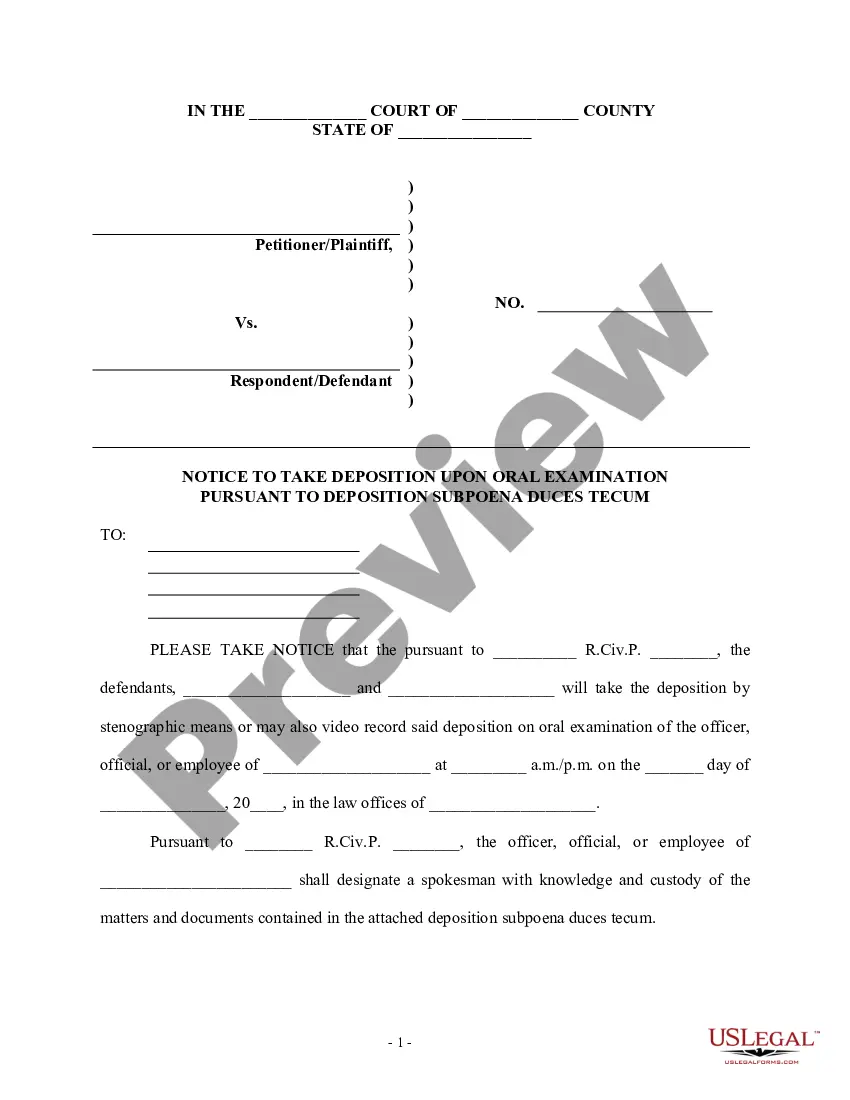
Unlike state court where the Code of Civil Procedure provides timing requirements, a deposition notice in federal court need only give reasonable written notice. (Rule 30(b)(1).)
These limits depend on the type of subpoena at issue. A subpoena generally may only command a non-party to testify at a deposition, hearing, or trial if the place of testimony is: Within 100 miles of where the witness: 2022 lives; 2022 works; or 2022 regularly transacts business in person.
Any person who is at least 18 years old and not a party may serve a subpoena. Serving a subpoena requires delivering a copy to the named person and, if the subpoena requires that person's attendance, tendering the fees for 1 day's attendance and the mileage allowed by law.
A subpoena is a court order and therefore there can not be a subpoena issued without a legal action pending. A party to the legal action requests the Court issue the subpoena and if the Court agrees, it will issue the subpoena with the... Thank you very much for your explanation of this to me.
In simple terms, a subpoena is issued by the Court to request documents from someone who is not a party to the proceedings. On the other hand, a notice to produce is issued by a party to the proceedings to request documents from another party.
Serve a copy of the Civil Subpoena on the person you want to come to court. It must be served within a reasonable time in order for the other person to be able to travel to the hearing (or trial). Anyone, even you, can serve your Subpoena, but this must be done IN PERSON (not by mail).
Under the current federal rule, you can issue a subpoena from the district court in which your action is pending and serve it anywhere in the United States; however, there are geographic limitations on where you can require the discovery to take place, and you will have to go to the district court with jurisdiction
What is a Subpoena?In federal court proceedings, a subpoena can take the following titles: Subpoena To Testify at a Deposition In A Civil Action; Subpoena To Appear And Testify At A Hearing Or Trial In A Civil Action; or Subpoena To Produce Documents, Information, Or Objects Or To Permit Inspection of Premises.
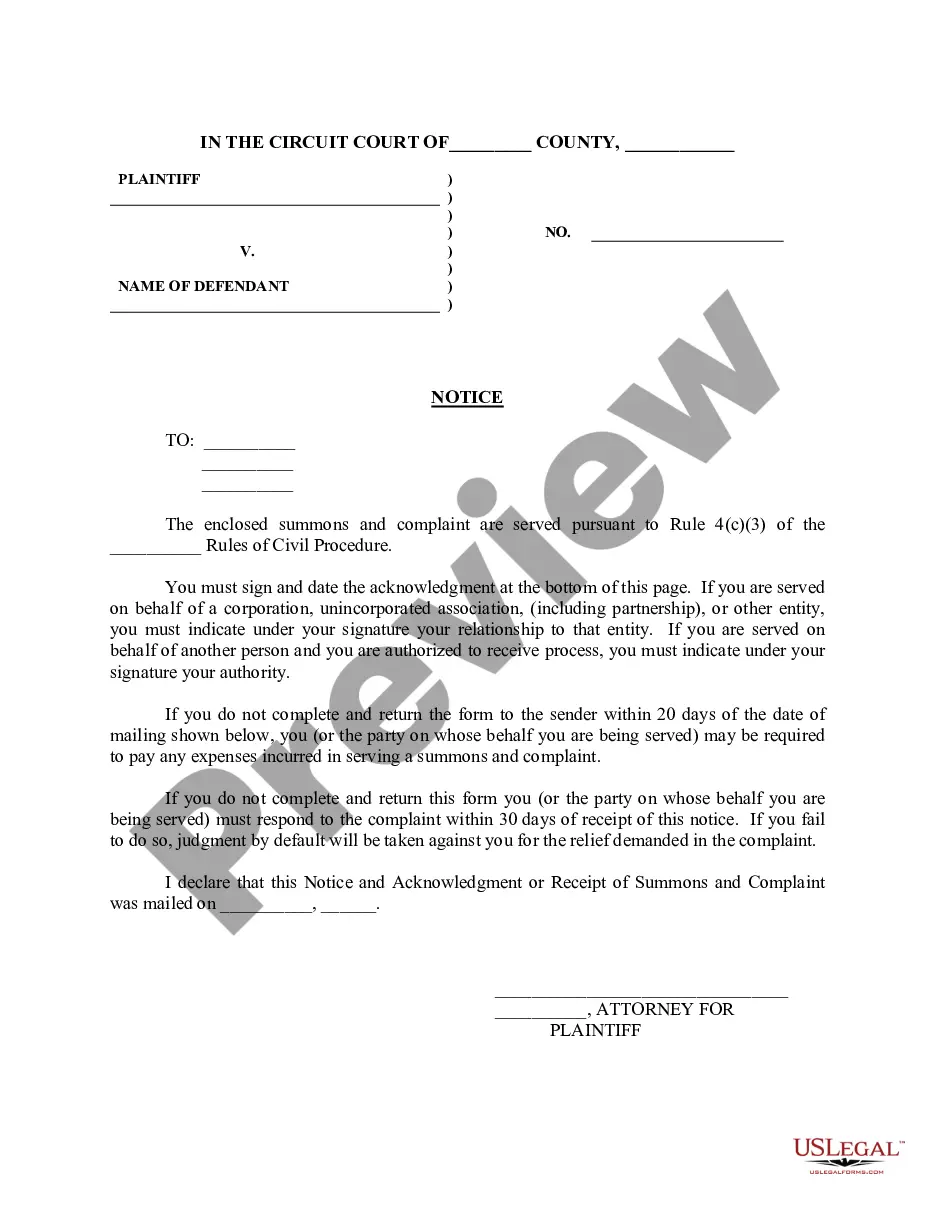
Specifically, the rule states that before it is served on the person to whom it is directed, a notice and a copy of the subpoena must be served on each party. FRCP(a)(4). This means that each party must be served with a notice of the subpoena and a copy of the subpoena itself.