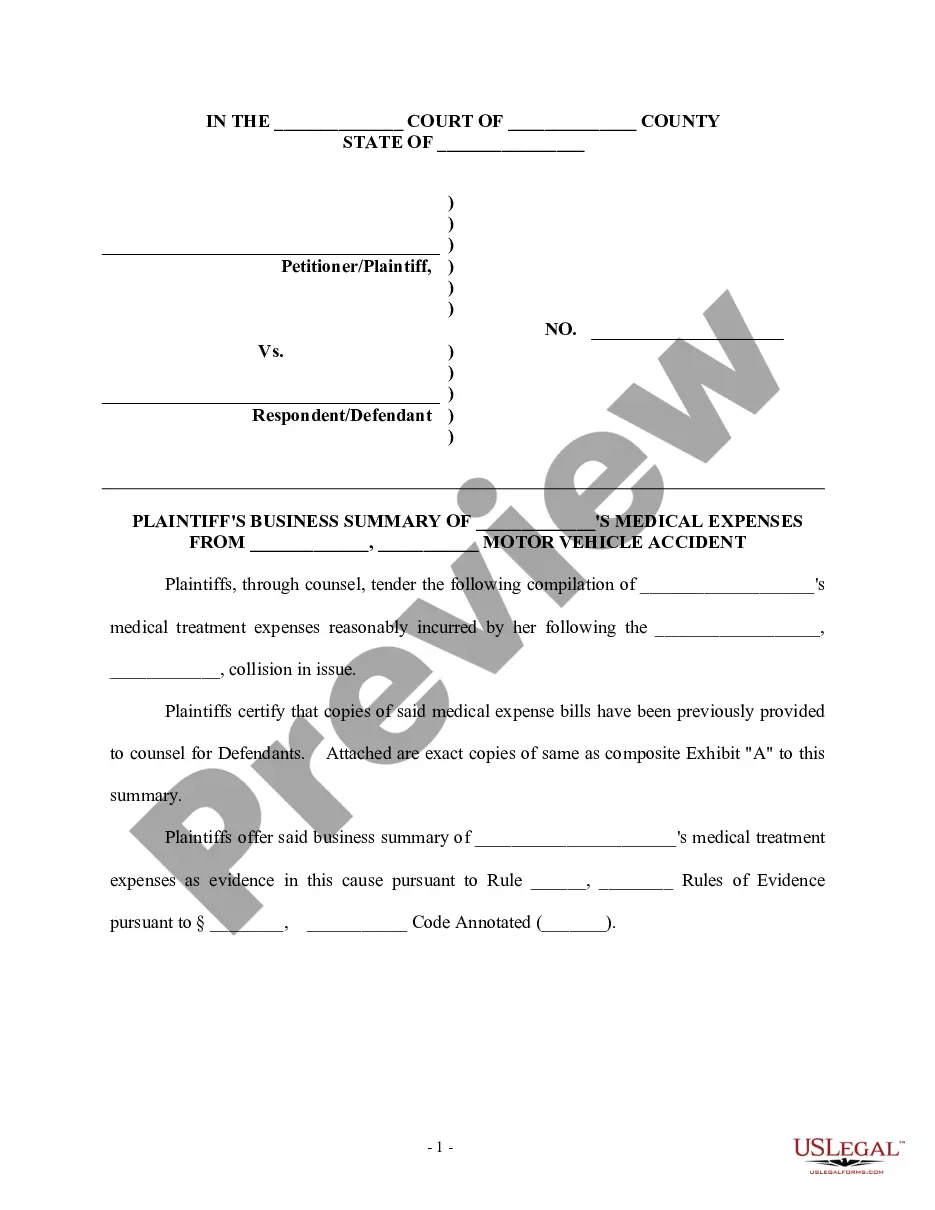
Plaintiff's Business Summary of Medical Expenses
What this document covers
The Plaintiff's Business Summary of Medical Expenses is a legal document that provides an organized overview of a plaintiff's medical costs in a personal injury case. This form serves as a crucial piece of evidence, differentiating it from standard medical bills by summarizing expenses specifically for legal proceedings. It helps present a clear case regarding the financial impact of injuries sustained.
Main sections of this form
- Certification of document copies provided to the defendant's legal counsel.
- Inclusion of a detailed list of medical expenses attached as Exhibit A.
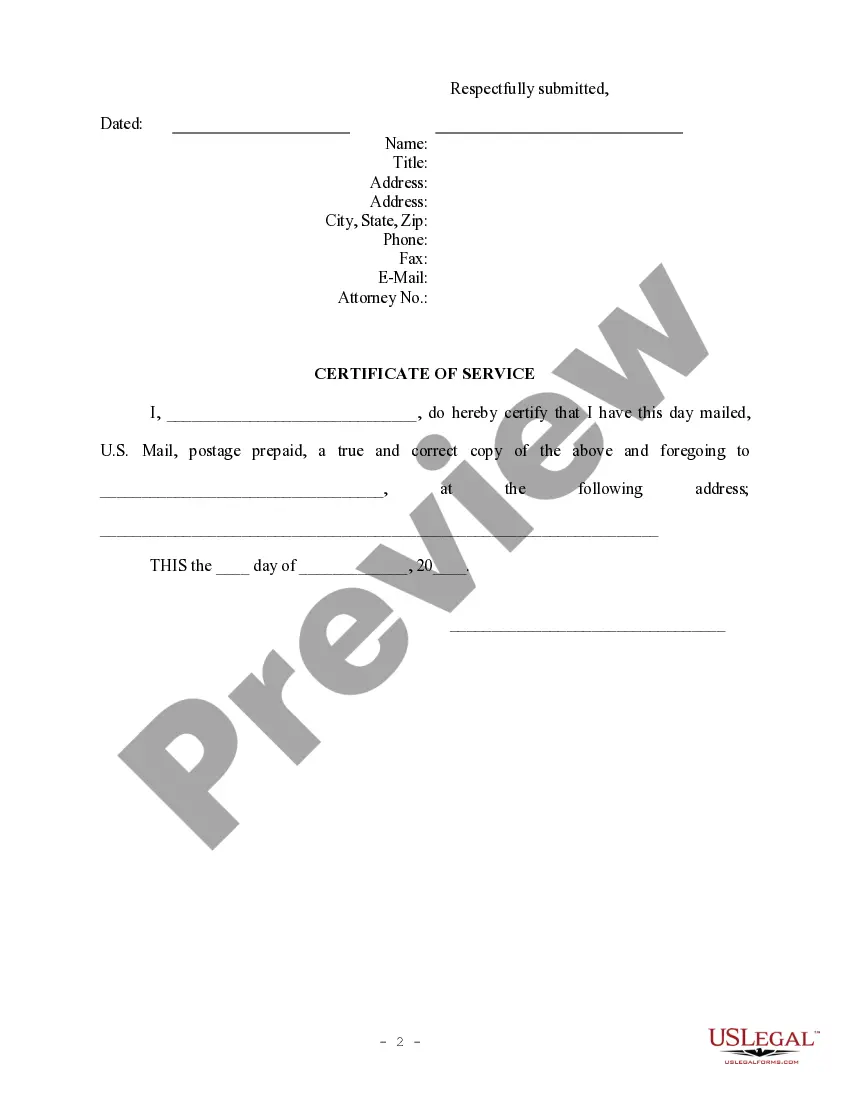
- Spaces for the date and signatures to validate the summary.
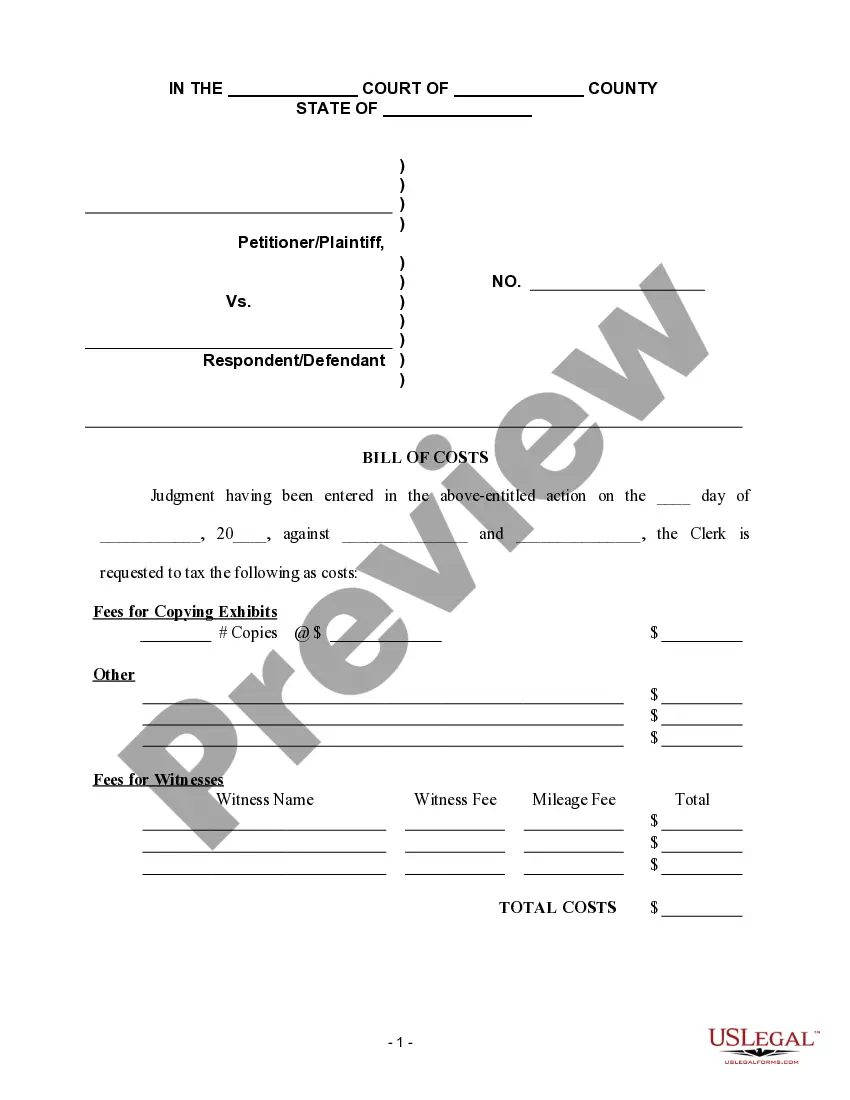

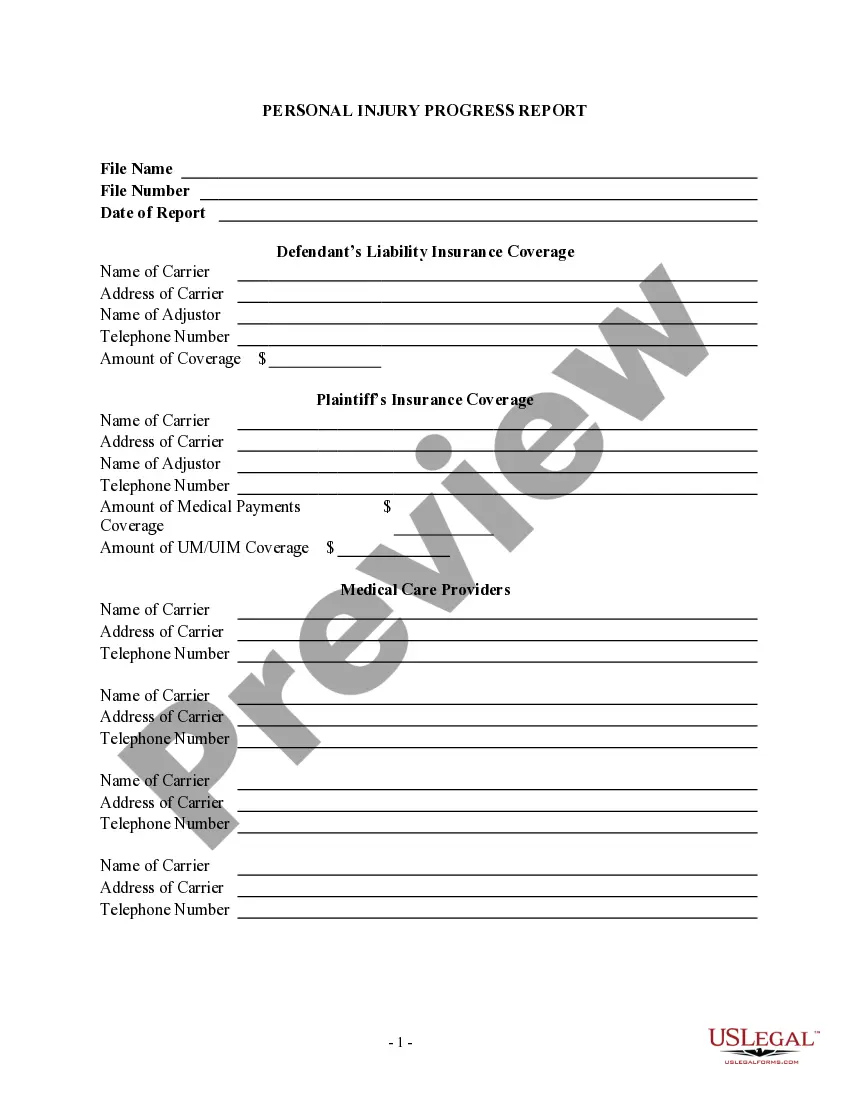
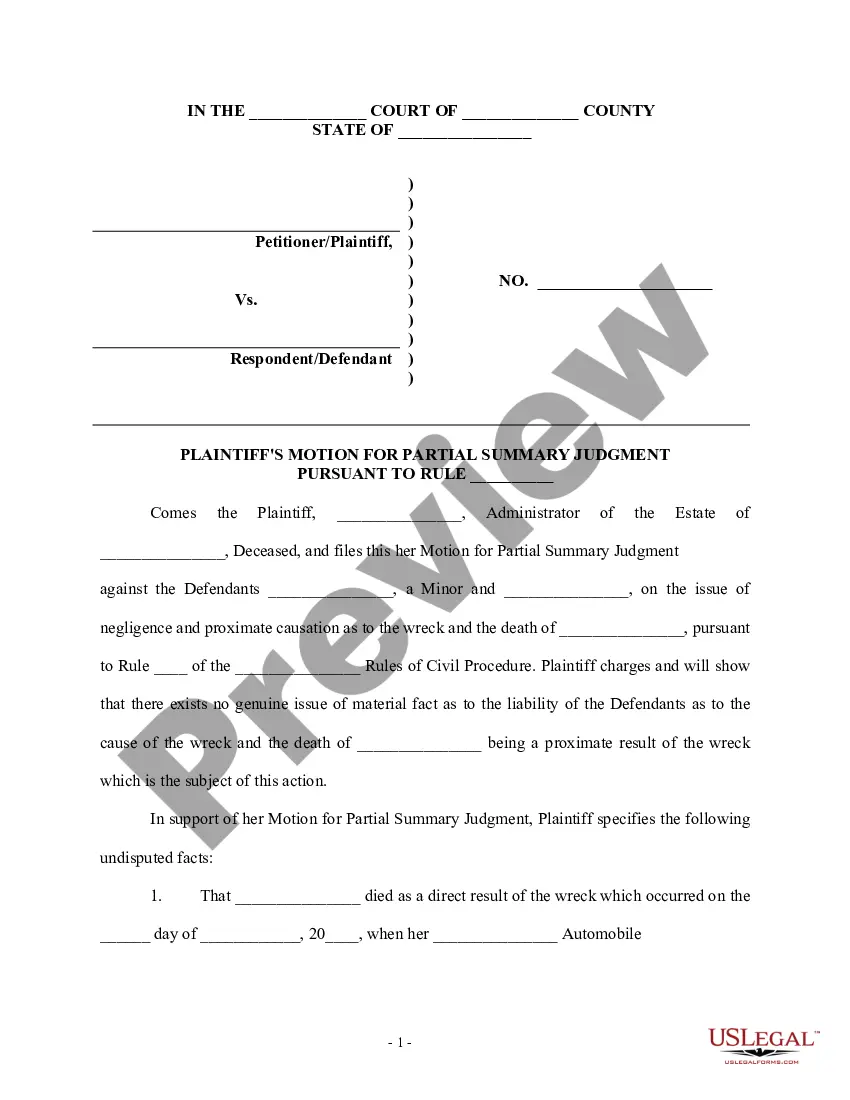
When to use this form
This form is used in personal injury cases when a plaintiff needs to present a summary of incurred medical expenses as part of their claim. It is particularly important when negotiating settlements or during court proceedings to demonstrate the financial burden caused by the injury.
Intended users of this form
- Individuals filing a personal injury lawsuit.
- Legal representatives of plaintiffs in a personal injury case.
- Anyone who needs to summarize medical expenses for legal documentation.
How to prepare this document
- Enter the plaintiff's name and case details at the top of the form.
- List all medical expenses incurred as a result of the injury.
- Attach copies of medical bills as Exhibit A.
- Sign and date the form to certify the accuracy of the information provided.
Notarization guidance
This form usually doesn’t need to be notarized. However, local laws or specific transactions may require it. Our online notarization service, powered by Notarize, lets you complete it remotely through a secure video session, available 24/7.
Get your form ready online
Our built-in tools help you complete, sign, share, and store your documents in one place.
Make edits, fill in missing information, and update formatting in US Legal Forms—just like you would in MS Word.
Download a copy, print it, send it by email, or mail it via USPS—whatever works best for your next step.
Sign and collect signatures with our SignNow integration. Send to multiple recipients, set reminders, and more. Go Premium to unlock E-Sign.
If this form requires notarization, complete it online through a secure video call—no need to meet a notary in person or wait for an appointment.
We protect your documents and personal data by following strict security and privacy standards.

Make edits, fill in missing information, and update formatting in US Legal Forms—just like you would in MS Word.

Download a copy, print it, send it by email, or mail it via USPS—whatever works best for your next step.

Sign and collect signatures with our SignNow integration. Send to multiple recipients, set reminders, and more. Go Premium to unlock E-Sign.

If this form requires notarization, complete it online through a secure video call—no need to meet a notary in person or wait for an appointment.

We protect your documents and personal data by following strict security and privacy standards.
Avoid these common issues
- Failing to attach required copies of medical bills.
- Inaccurate dates or signatures on the form.
- Neglecting to provide a detailed breakdown of medical expenses.
Why complete this form online
- Convenience of downloading and completing the form at your own pace.
- Editability allows for easy updates to information as needed.
- Reliable templates drafted by licensed attorneys ensure legal validity.
Looking for another form?






Form popularity
FAQ
Focus on providing a summary. Keep your language strong and positive. Keep it short - no more than two pages long. Polish your executive summary. Tailor it to your audience. Put yourself in your readers' place... and read your executive summary again.
When writing a summary, remember that it should be in the form of a paragraph. A summary begins with an introductory sentence that states the text's title, author and main point of the text as you see it. A summary is written in your own words. A summary contains only the ideas of the original text.
Executive summaries should include the following components: Write it last. Capture the reader's attention. Make sure your executive summary can stand on its own. Think of an executive summary as a more condensed version of your business plan. Include supporting research. Boil it down as much as possible.
The executive summary should be only a page or two. In it, you may include your mission and vision statements, a brief sketch of your plans and goals, a quick look at your company and its organization, an outline of your strategy, and highlights of your financial status and needs.
A company overview (also known as company information or a company summary) is an essential part of a business plan. It's an overview of the most important points about your companyyour history, management team, location, mission statement and legal structure.
Find the main idea. A useful summary distills the source material down to its most important point to inform the reader. Keep it brief. A summary is not a rewriteit's a short summation of the original piece. Write without judgment. Make sure it flows.
An executive summary (or management summary) is a short document or section of a document produced for business purposes. It summarizes a longer report or proposal or a group of related reports in such a way that readers can rapidly become acquainted with a large body of material without having to read it all.