USLegal Guide to Intellectual Property Rights
Overview of this form
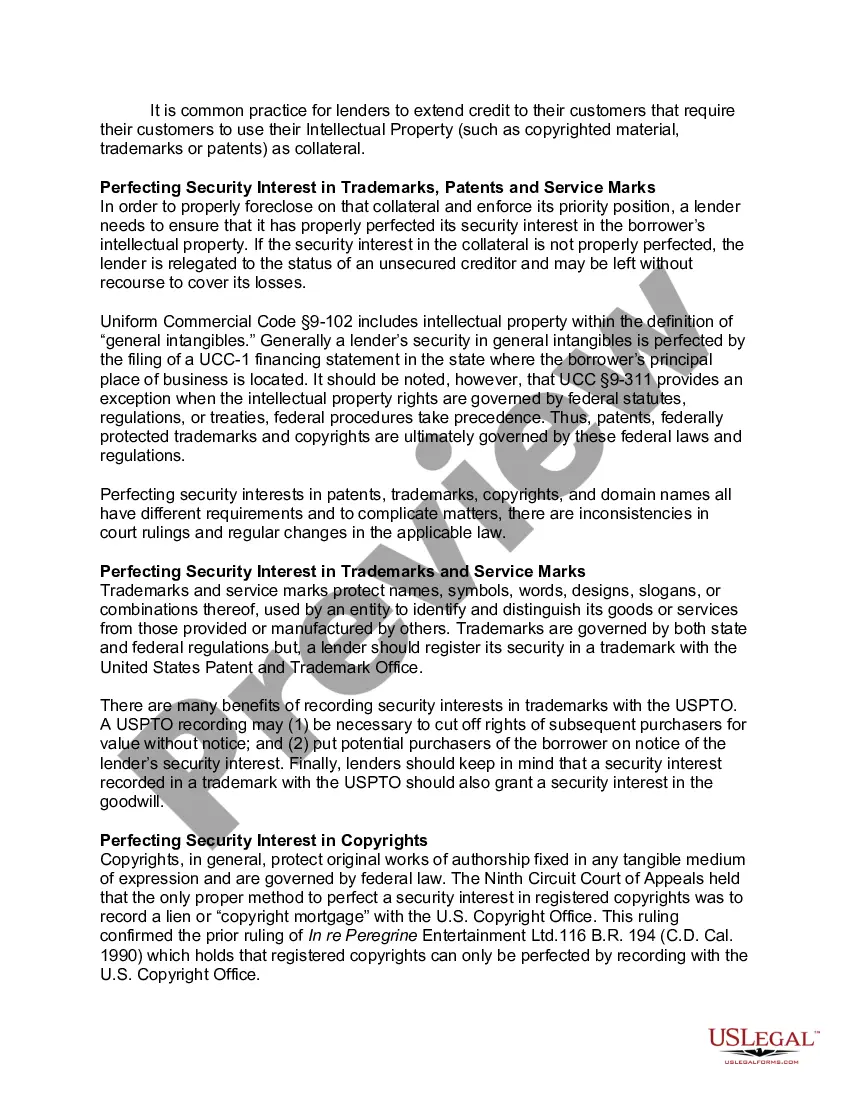
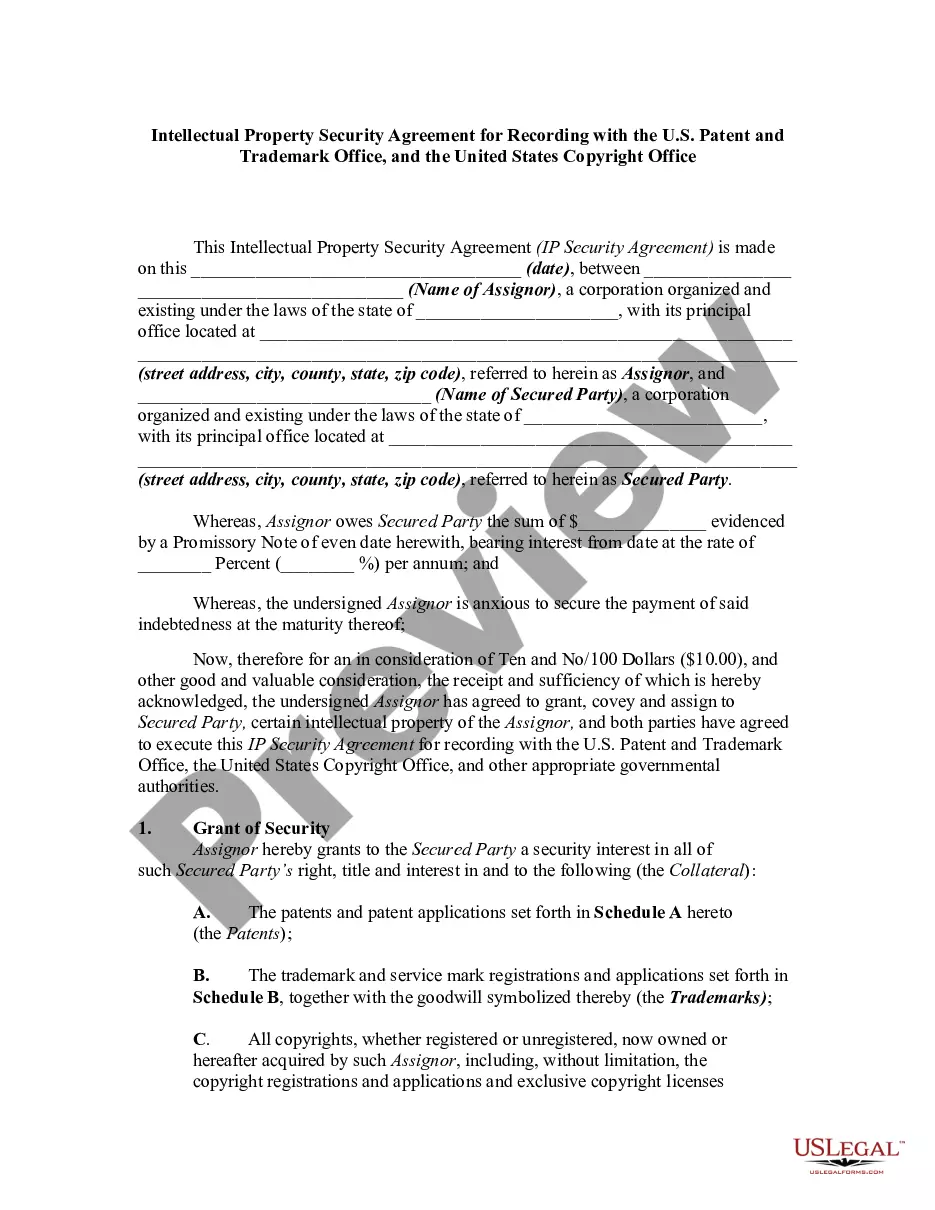
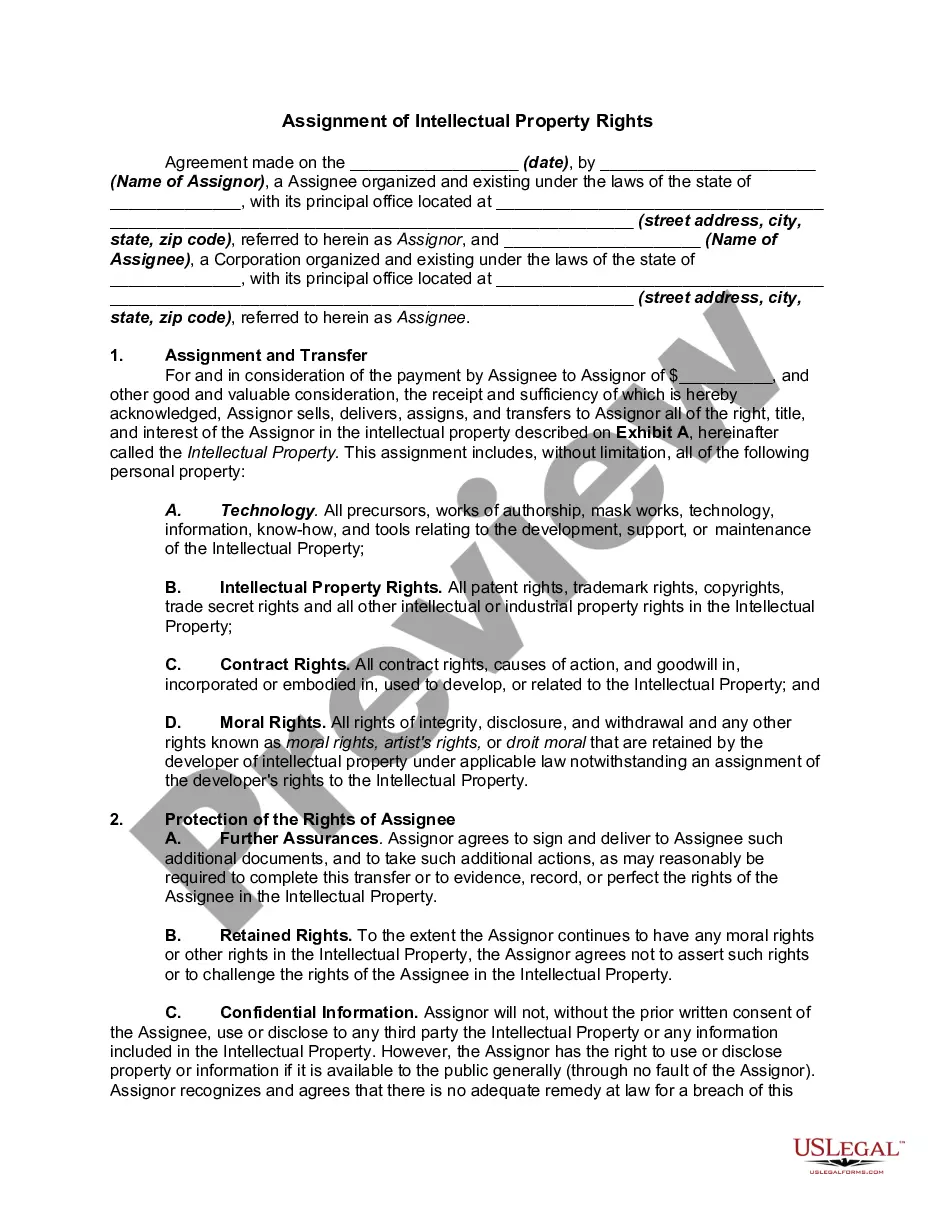
The USLegal Guide to Intellectual Property Rights is a comprehensive resource that outlines the various types of intellectual property rights, including trademarks, copyrights, patents, and trade secrets. This guide serves as a foundational document for understanding how to protect creative works and inventions legally, distinguishing it from other legal forms that may address specific transactions or agreements.
What’s included in this form
- Overview of intellectual property rights.
- Explanation of trademarks and service marks, including registration requirements.
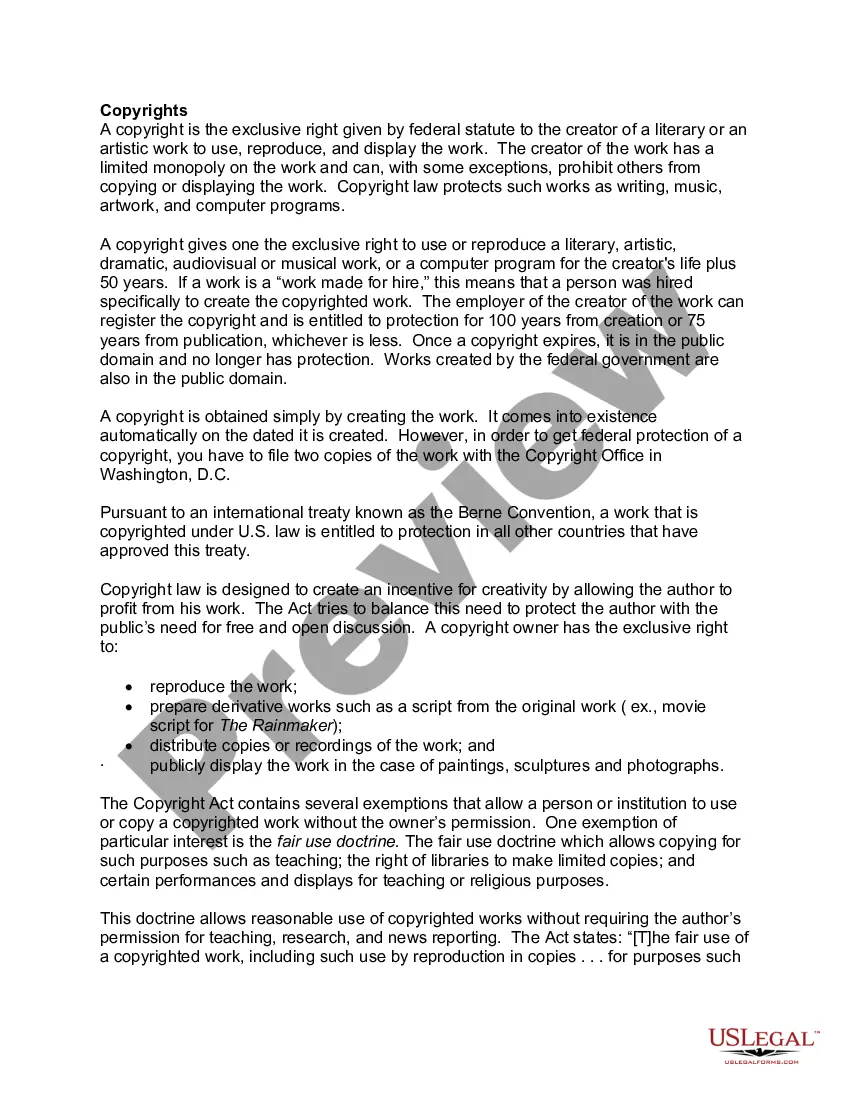
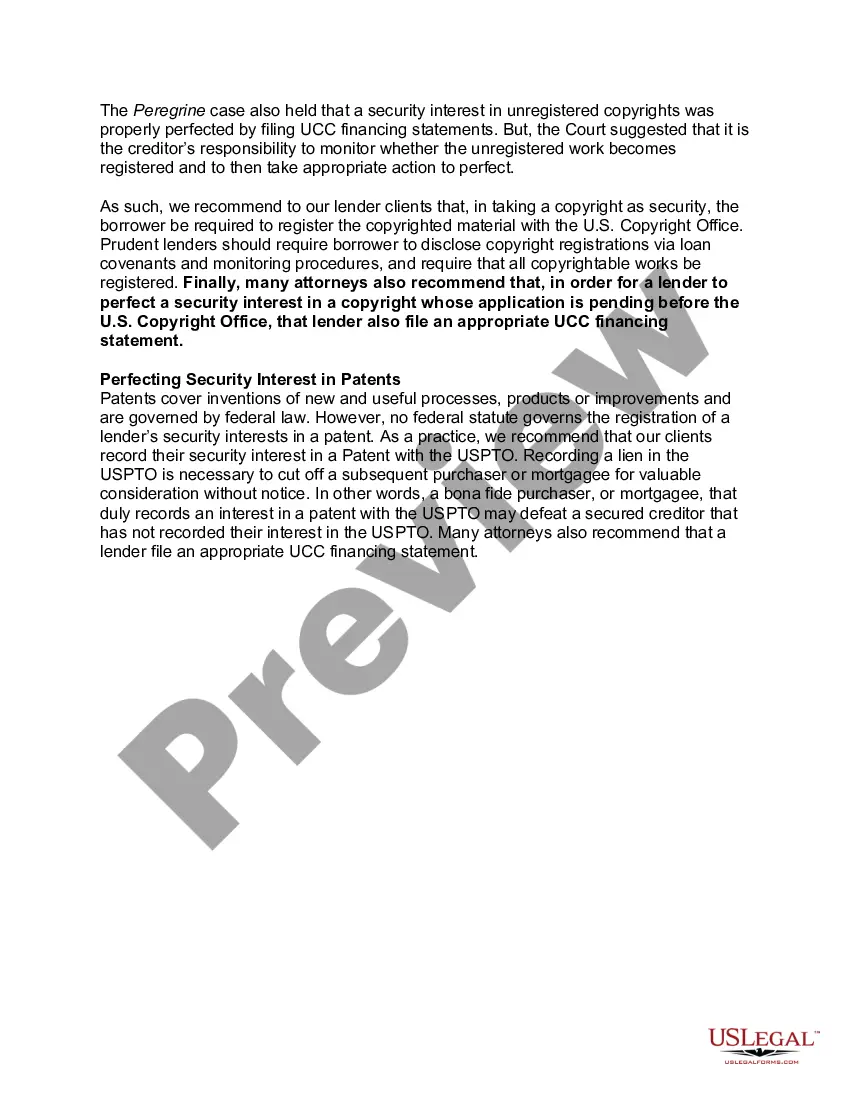
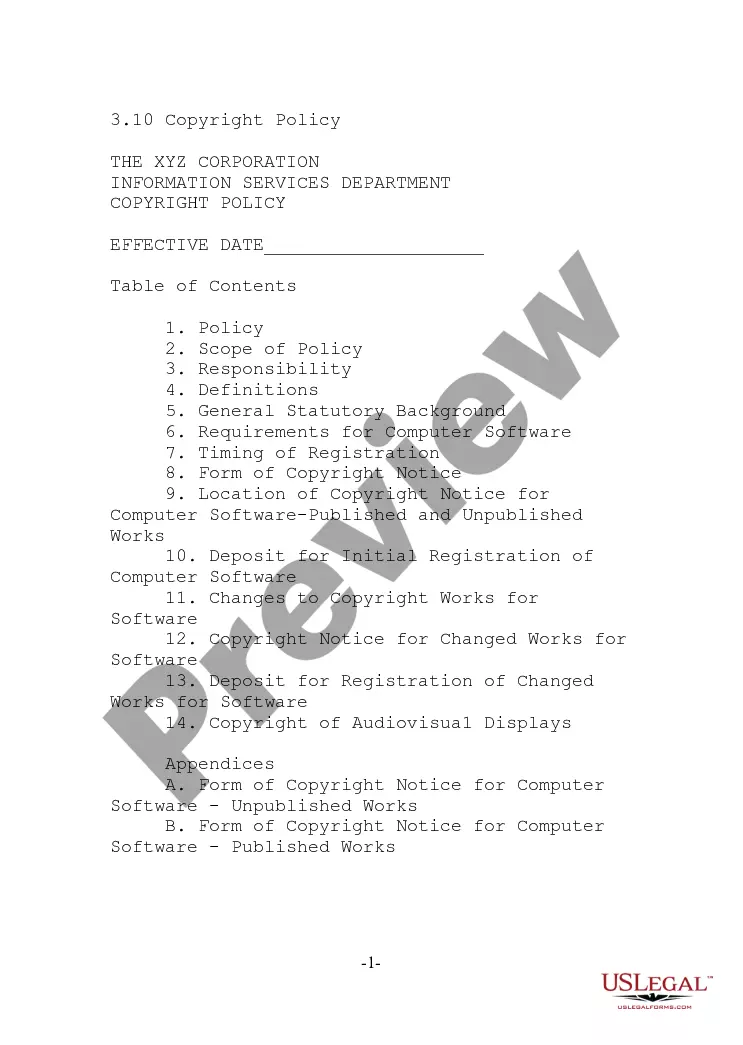
- Detailed description of copyrights, including the process of obtaining federal protection.
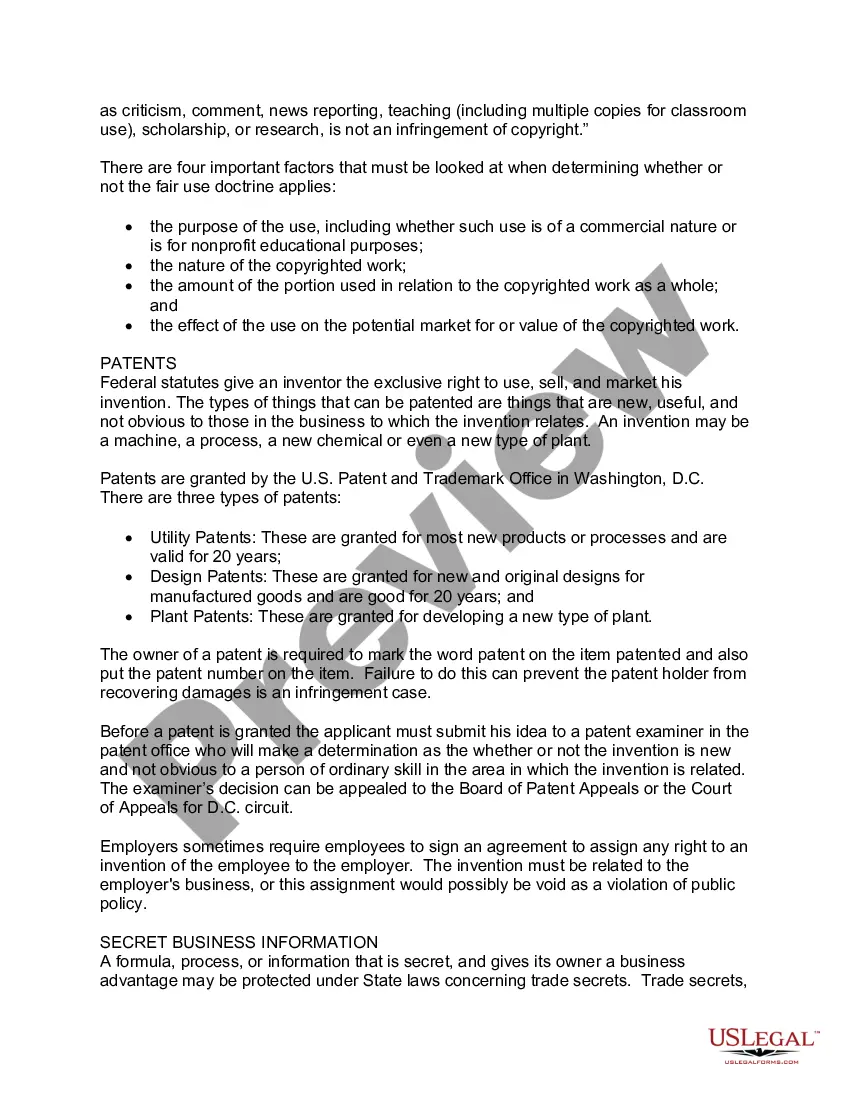
- Types of patents and associated requirements for obtaining them.
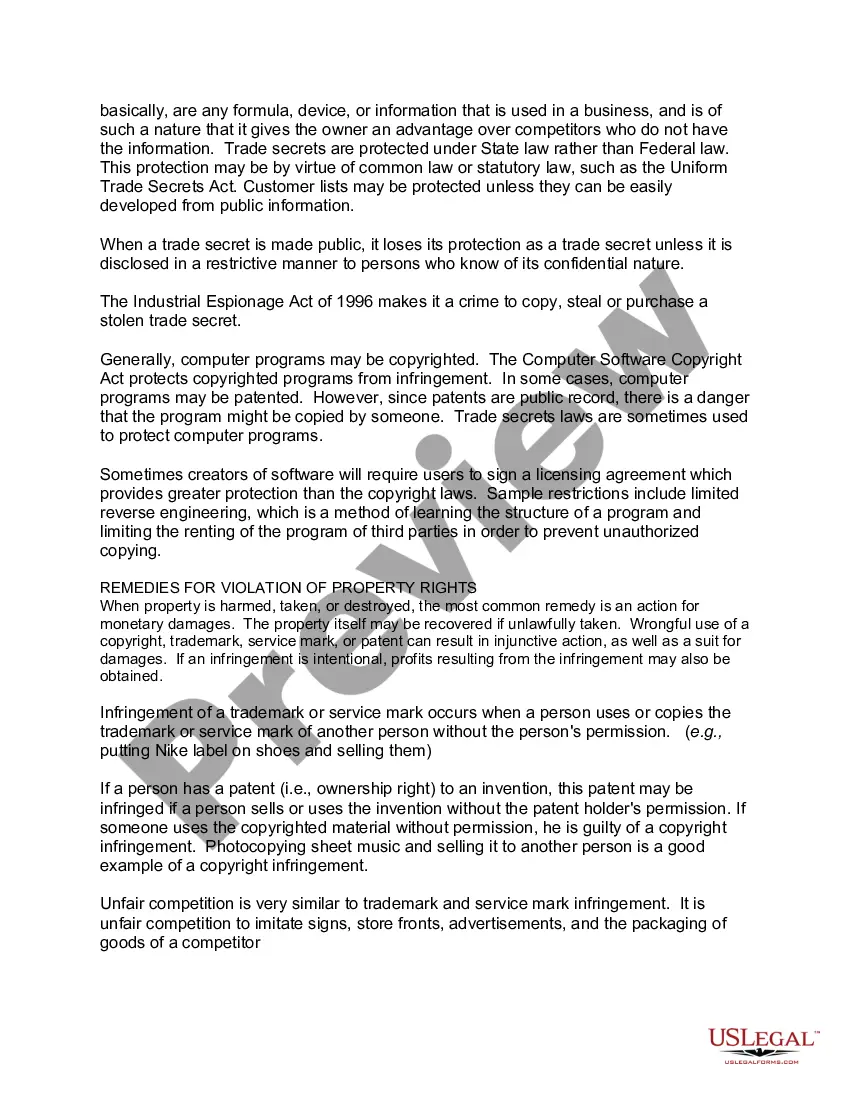
- Definition of trade secrets and the laws governing their protection.
- Remedies for violations of intellectual property rights.


When to use this form
This guide should be utilized when you need to understand the basics of intellectual property rights, whether you are starting a business, creating original content, or developing new inventions. It is particularly useful for individuals or businesses looking to protect their intellectual property from infringement or to navigate the registration processes involved.
Who should use this form
- Entrepreneurs needing guidance on trademarks and business identities.
- Writers, artists, and musicians seeking to understand copyright protections.
- Inventors searching for information on patent applications and rights.
- Business owners looking to secure trade secrets and competitive advantages.
- Legal professionals seeking a foundational resource on intellectual property law.
How to prepare this document
- Read through the overview of intellectual property rights included in the guide.
- Identify the type of intellectual property relevant to your needs (trademark, copyright, patent, trade secret).
- Follow the specific guidelines for registration or protection outlined for each type of intellectual property.
- Gather any required documentation and prepare to submit your application to the appropriate office.
- Review potential remedies for any violations you may be facing or anticipating.
Does this form need to be notarized?
In most cases, this form does not require notarization. However, some jurisdictions or signing circumstances might. US Legal Forms offers online notarization powered by Notarize, accessible 24/7 for a quick, remote process.
Get your form ready online
Our built-in tools help you complete, sign, share, and store your documents in one place.
Make edits, fill in missing information, and update formatting in US Legal Forms—just like you would in MS Word.
Download a copy, print it, send it by email, or mail it via USPS—whatever works best for your next step.
Sign and collect signatures with our SignNow integration. Send to multiple recipients, set reminders, and more. Go Premium to unlock E-Sign.
If this form requires notarization, complete it online through a secure video call—no need to meet a notary in person or wait for an appointment.
We protect your documents and personal data by following strict security and privacy standards.

Make edits, fill in missing information, and update formatting in US Legal Forms—just like you would in MS Word.

Download a copy, print it, send it by email, or mail it via USPS—whatever works best for your next step.

Sign and collect signatures with our SignNow integration. Send to multiple recipients, set reminders, and more. Go Premium to unlock E-Sign.

If this form requires notarization, complete it online through a secure video call—no need to meet a notary in person or wait for an appointment.

We protect your documents and personal data by following strict security and privacy standards.
Common mistakes
- Failing to conduct a proper trademark search before applying for registration.
- Not understanding the differences between copyright and patents.
- Overlooking the need for timely registration to maintain protections.
- Neglecting to document the creation date of a work for copyright purposes.
Benefits of completing this form online
- Easy access to a comprehensive guide tailored to educate users about their rights.
- Editable format allowing for personalized notes and annotations.
- Reliability of information drafted by licensed attorneys.
- Convenience of downloading and using the form at your own pace.
Legal use & context
- This guide serves as a reference and is not a substitute for legal advice.
- Understanding intellectual property rights is crucial for protecting creative works.
- Failure to register or protect intellectual property can lead to loss of rights.
- The laws governing intellectual property can vary widely by state and industry.
Quick recap
- Intellectual property rights are essential for protecting creative efforts and business interests.
- Each type of intellectual property has its own rules and benefits.
- Awareness and timely action are key to successfully securing intellectual property rights.
Looking for another form?


Form popularity
FAQ
Trade Secrets. Trade secrets refer to specific, private information that is important to a business because it gives the business a competitive advantage in its marketplace. Patents. Copyrights. Trademarks.
Copyrights. Copyright protection is available for written and artistic works. Trademarks. Patents. Trade Secrets.
Keep it under scrutiny. Be aware of your Intellectual Property Rights. Consult an expert. Double check if your idea is unique. Hire an auditor. Keep a record of almost everything related. Protect your IP without delay.
Trade Secrets. Trade secrets refer to specific, private information that is important to a business because it gives the business a competitive advantage in its marketplace. Patents. Copyrights. Trademarks.
To obtain a patent in the U.S., the inventor must file a patent application with the United States Patent and Trademark Office (USPTO), which includes (1) a written document comprising a description and claims, (2) drawings when necessary, (3) an oath or declaration, and (4) filing, search, and examination fees.
Keep it under scrutiny. Be aware of your Intellectual Property Rights. Consult an expert. Double check if your idea is unique. Hire an auditor. Keep a record of almost everything related. Protect your IP without delay.
IP is protected in law by, for example, patents, copyright and trademarks, which enable people to earn recognition or financial benefit from what they invent or create.
There are three primary types of Intellectual Property: copyrights, trademarks, and patents. A copyright is a legal term that is used to describe a person's ownership rights to an original expression of creativity.