Option License Agreement for a Multimedia Product
What this document covers
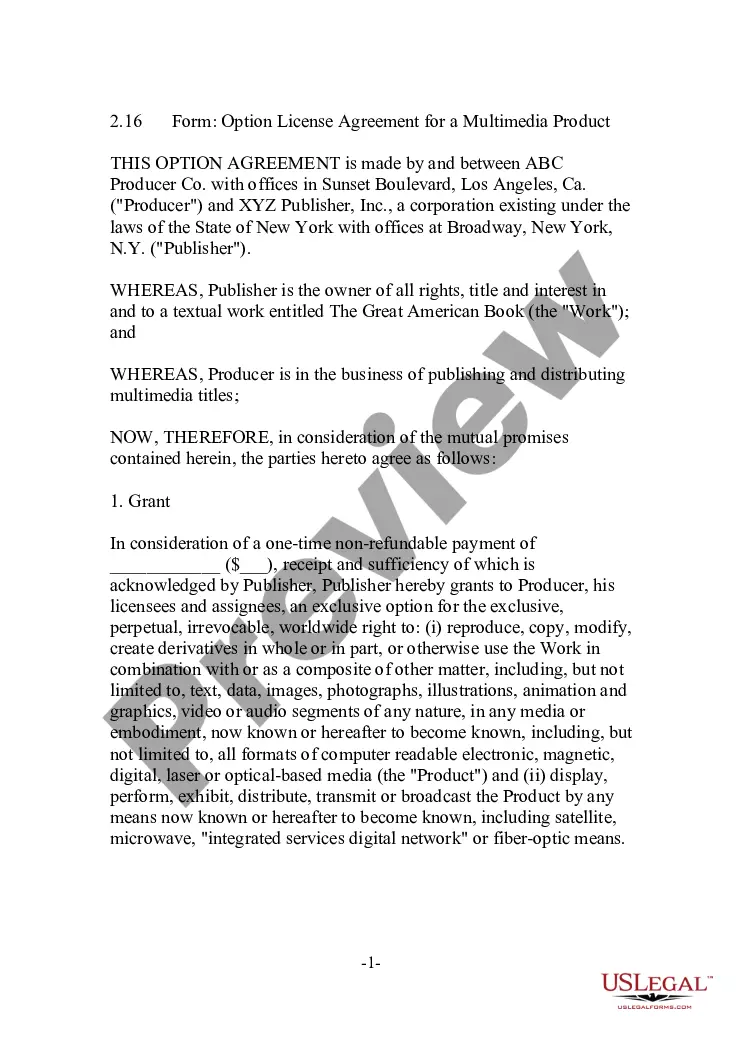
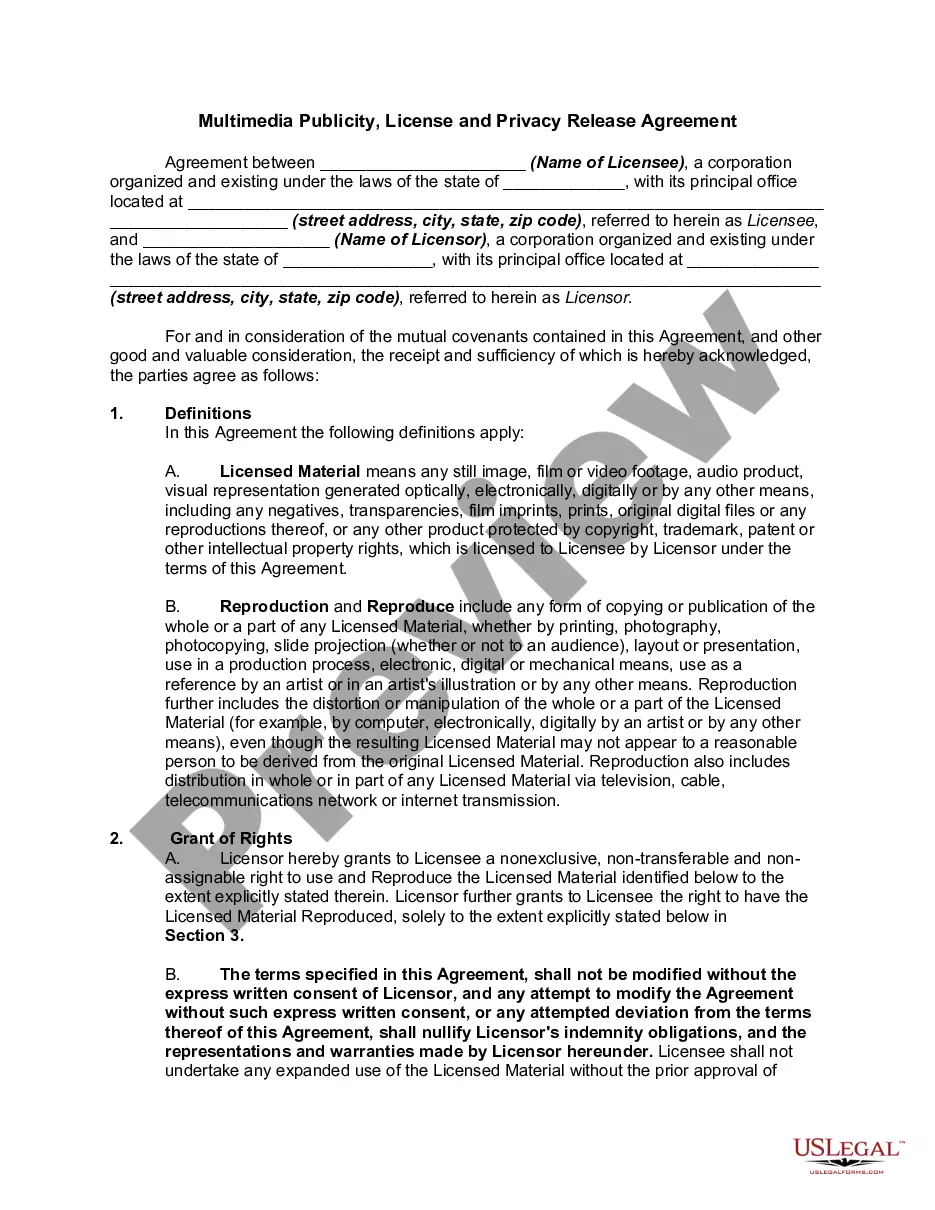
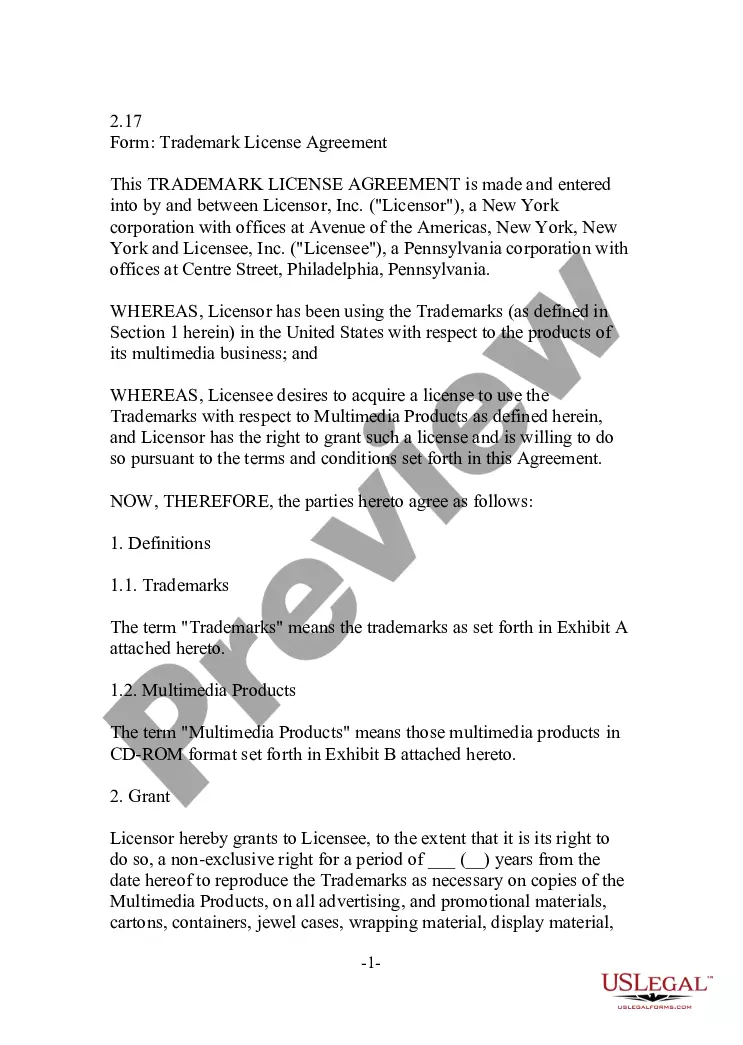
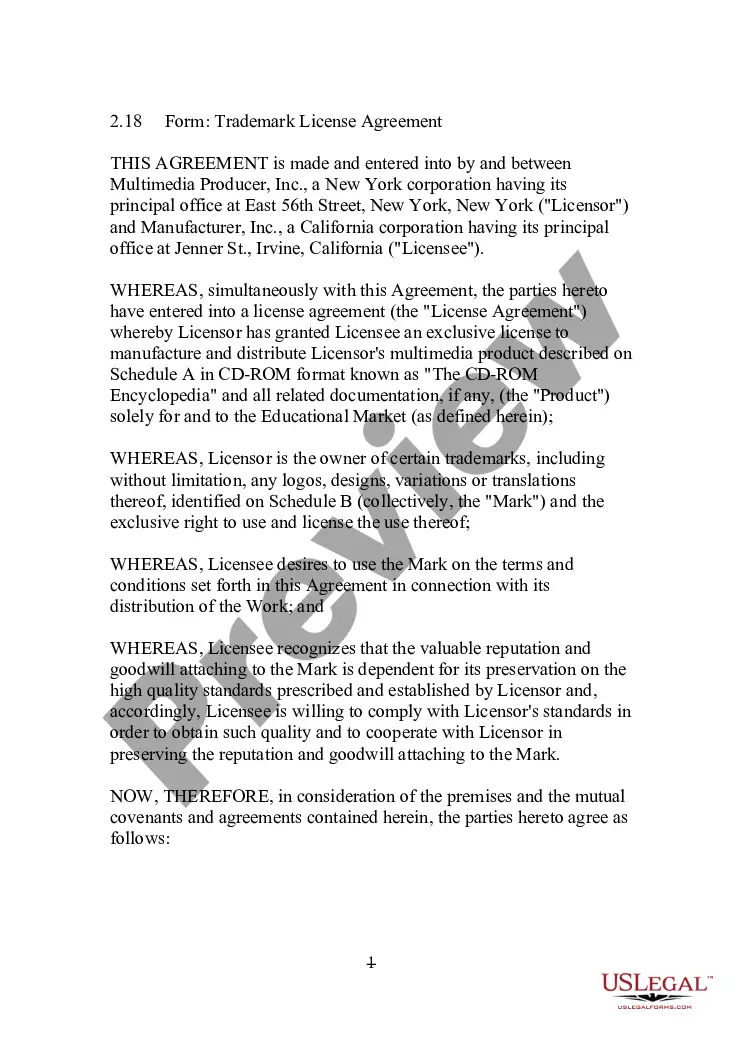
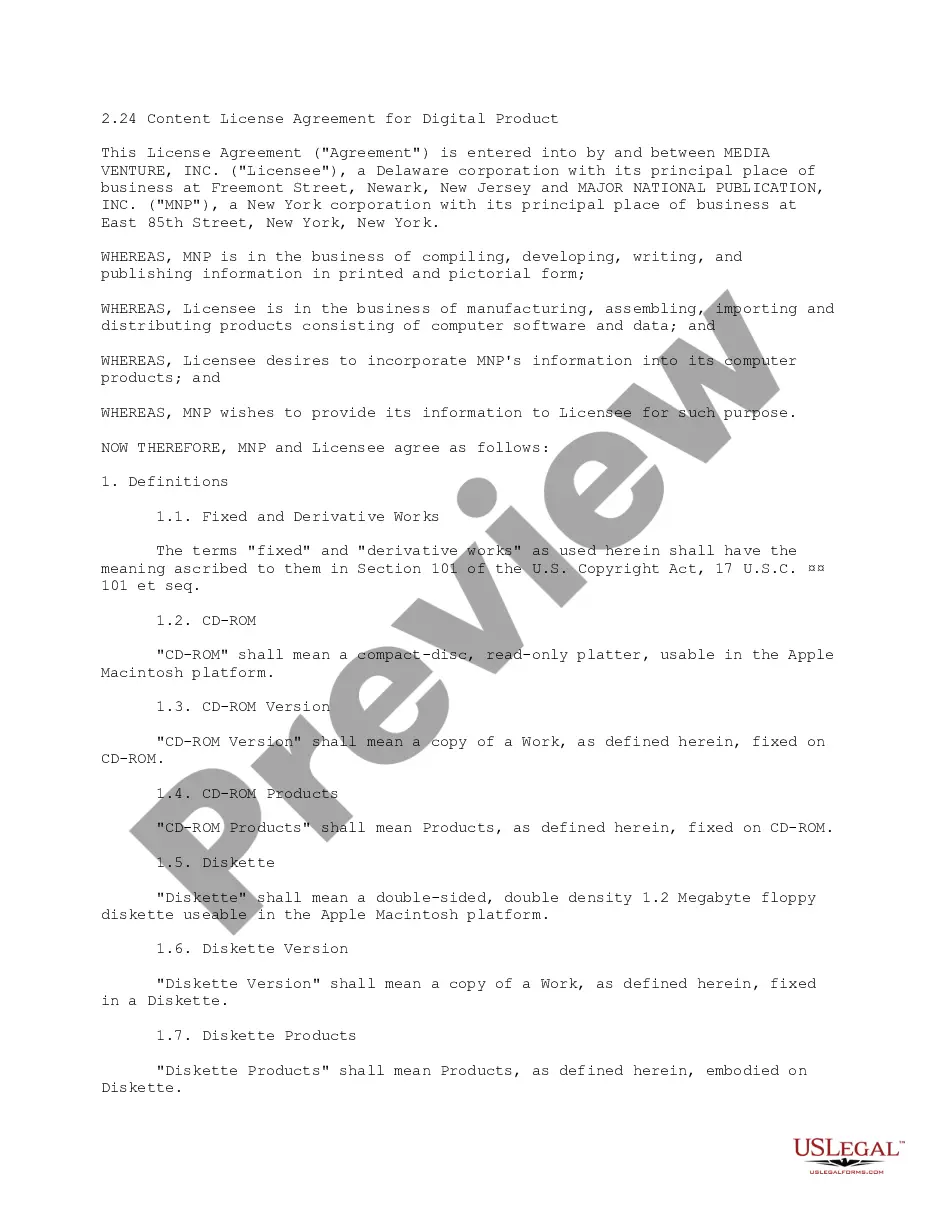
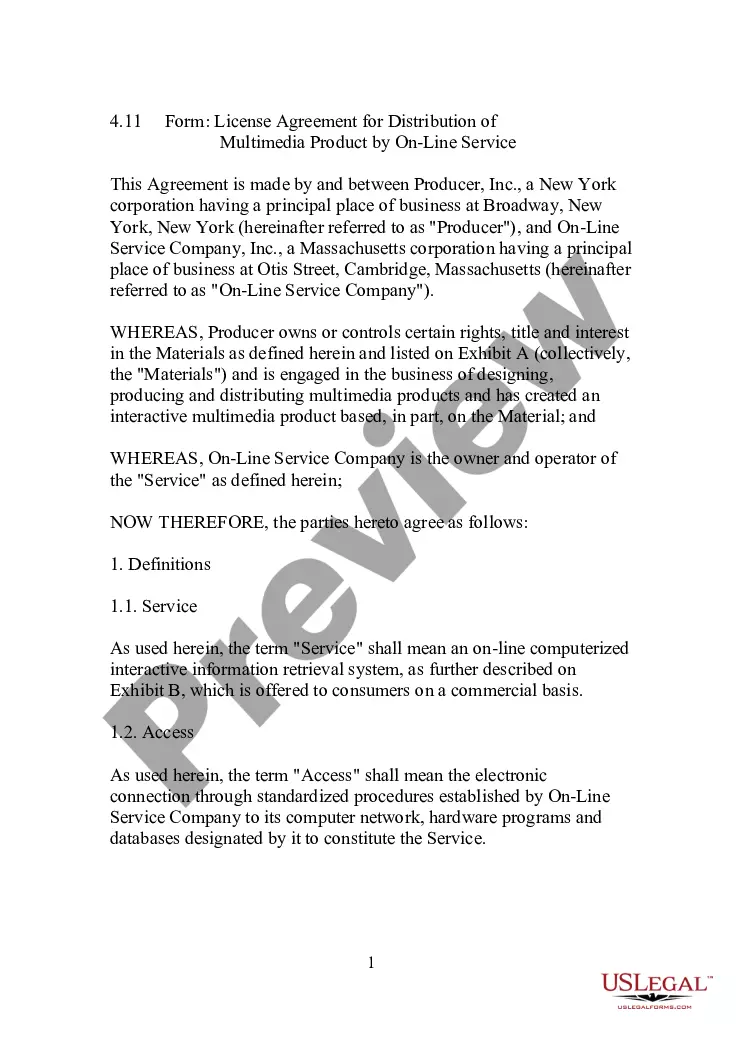
The Option License Agreement for a Multimedia Product is a legal document that allows a producer to obtain exclusive rights to utilize a textual work in various multimedia formats. This option agreement distinctively grants the producer the ability to create derivatives, reproduce, and distribute a piece of intellectual property, ensuring both parties have a defined understanding of their rights and obligations. It serves a specific purpose in the world of multimedia, particularly for those involved in publishing and distributing creative works.
Key components of this form
- Parties involved: Identifies the producer and publisher, including their business addresses.
- Grant of rights: Outlines the exclusive rights granted to the producer regarding the multimedia product.
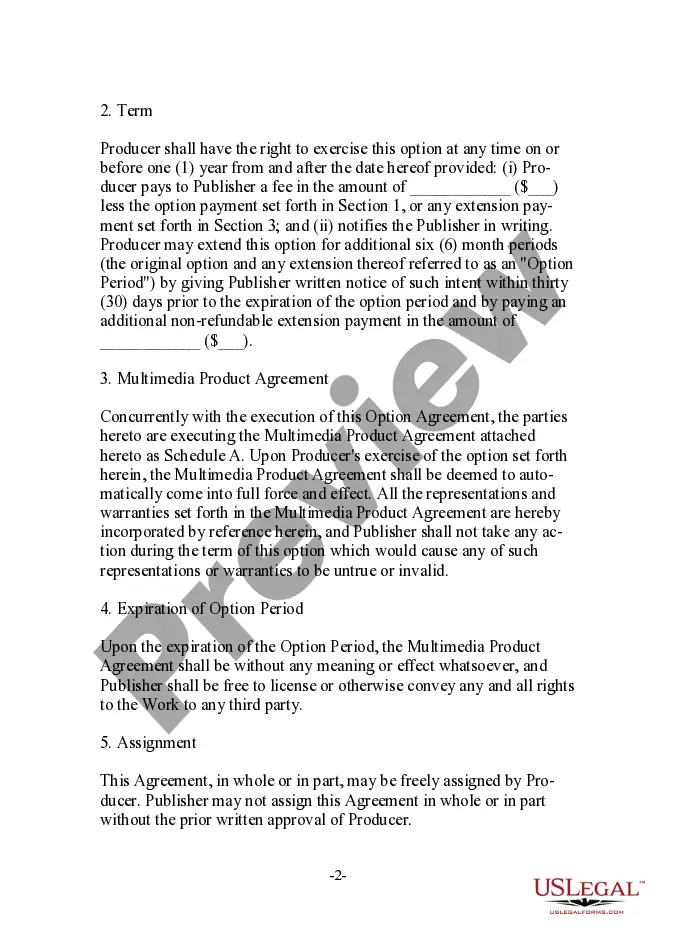
- Term of the agreement: States the duration of the option period and conditions for exercising it.
- Multimedia Product Agreement: Describes the link between this option agreement and the accompanying product agreement.
- Expiration clause: Covers what happens at the end of the option period, including the rights of the publisher.
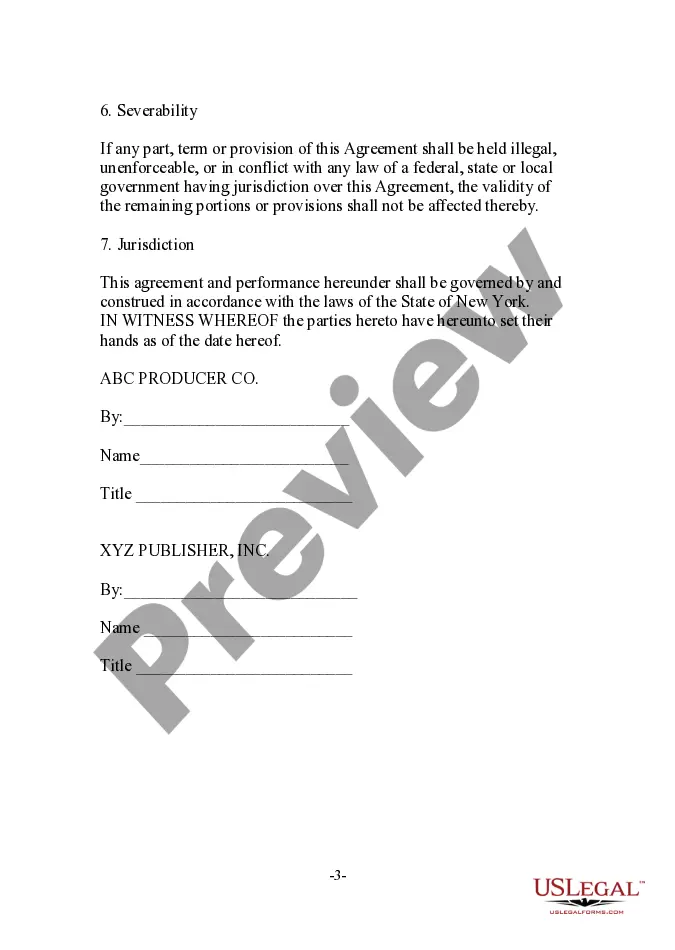
- Severability and jurisdiction: Specifies details on legal jurisdiction and enforceability of the agreement.
When this form is needed
This form is useful when a producer wants to secure the rights to utilize a specific textual work for multimedia purposes. It is particularly relevant for those in the business of adapting books, scripts, or other written content into formats like films, video games, or interactive digital media. It sets clear terms for the licensing and use of creative works, which is essential for avoiding disputes over intellectual property rights.
Intended users of this form
- Producers seeking to license a textual work for multimedia adaptation.
- Publishers wanting to provide exclusive options to producers for their intellectual property.
- Legal professionals advising clients in the entertainment or publishing industry.
- Entrepreneurs involved in creating or distributing multimedia content.
How to complete this form
- Identify and enter the names and addresses of the producer and publisher.
- Fill in the one-time non-refundable payment amount for the license.
- Specify the length of the option period, including extension options if desired.
- Complete the attached Multimedia Product Agreement as referenced in the main document.
- Ensure that both parties sign and date the agreement to make it enforceable.
Notarization guidance
Notarization is not commonly needed for this form. However, certain documents or local rules may make it necessary. Our notarization service, powered by Notarize, allows you to finalize it securely online anytime, day or night.
Get your form ready online
Our built-in tools help you complete, sign, share, and store your documents in one place.
Make edits, fill in missing information, and update formatting in US Legal Forms—just like you would in MS Word.
Download a copy, print it, send it by email, or mail it via USPS—whatever works best for your next step.
Sign and collect signatures with our SignNow integration. Send to multiple recipients, set reminders, and more. Go Premium to unlock E-Sign.
If this form requires notarization, complete it online through a secure video call—no need to meet a notary in person or wait for an appointment.
We protect your documents and personal data by following strict security and privacy standards.

Make edits, fill in missing information, and update formatting in US Legal Forms—just like you would in MS Word.

Download a copy, print it, send it by email, or mail it via USPS—whatever works best for your next step.

Sign and collect signatures with our SignNow integration. Send to multiple recipients, set reminders, and more. Go Premium to unlock E-Sign.

If this form requires notarization, complete it online through a secure video call—no need to meet a notary in person or wait for an appointment.

We protect your documents and personal data by following strict security and privacy standards.
Typical mistakes to avoid
- Failing to specify the payment amounts clearly.
- Not defining the multimedia formats or platforms where the work will be used.
- Overlooking the requirement to notify the publisher in writing to exercise the option.
- Neglecting to include signatures from authorized representatives of both parties.
Why use this form online
- Convenience of immediate access and downloadable format, allowing for quick use.
- Editable fields to tailor the agreement to specific needs without legal jargon.
- Reliability of templates created by licensed attorneys ensuring compliance with legal standards.
Legal use & context
- This form is enforceable as a contract under New York law, provided both parties engage willingly and with understanding.
- It is important that terms are clear and accepted by both parties to avoid potential legal conflicts.
- Property rights and licenses must be respected in accordance with intellectual property laws.
What to keep in mind
- The Option License Agreement secures exclusive rights for multimedia adaptations.
- Clear term limits and payment structures are essential to avoid misunderstandings.
- This form is tailored to adhere to New York's legal requirements, making it suitable for use within the state.
Looking for another form?








Form popularity
FAQ
The 3 P's of collegiate licensing are protection, promotion, and profit.
Download a template for a licensing agreement. Choose your role as the licensor or licensee. Define the license(s) in the agreement. Decide whether the license is exclusive or not. Settle the matter of fees and payment schedule. Add a renewal date and rules.
An example of a licensing agreement is a contract between the copyright holders of software and another company, allowing the latter to use the computer software for their daily business operations.
A license agreement is a business contract between two parties. The licensor (the seller of the license) owns the asset being licensed and the licensee (the buyer) pays for the right to use the license. The licensee pays royalties to the owner in exchange for the right to sell the product or use the technology.
A licensing agreement is a legal contract between two parties, known as the licensor and the licensee. In a typical licensing agreement, the licensor grants the licensee the right to produce and sell goods, apply a brand name or trademark, or use patented technology owned by the licensor.
Exclusive or non-exclusive. In an exclusive license, the intellectual property holder is licensing the work only to one person, for that particular use/territory. Territory. Use. Attribution. Derivative works. Confidentiality. Time frame. Termination.
What is a Licensing Agreement? A licensing agreement is a contract between two parties (the licensor and licensee) in which the licensor grants the licensee the right to use the brand name, trademark, patented technology, or ability to produce and sell goods owned by the licensor.
An example of a licensing agreement is a contract between the copyright holders of software and another company, allowing the latter to use the computer software for their daily business operations.