Complaint for Injunction - Covenant not to compete
Overview of this form
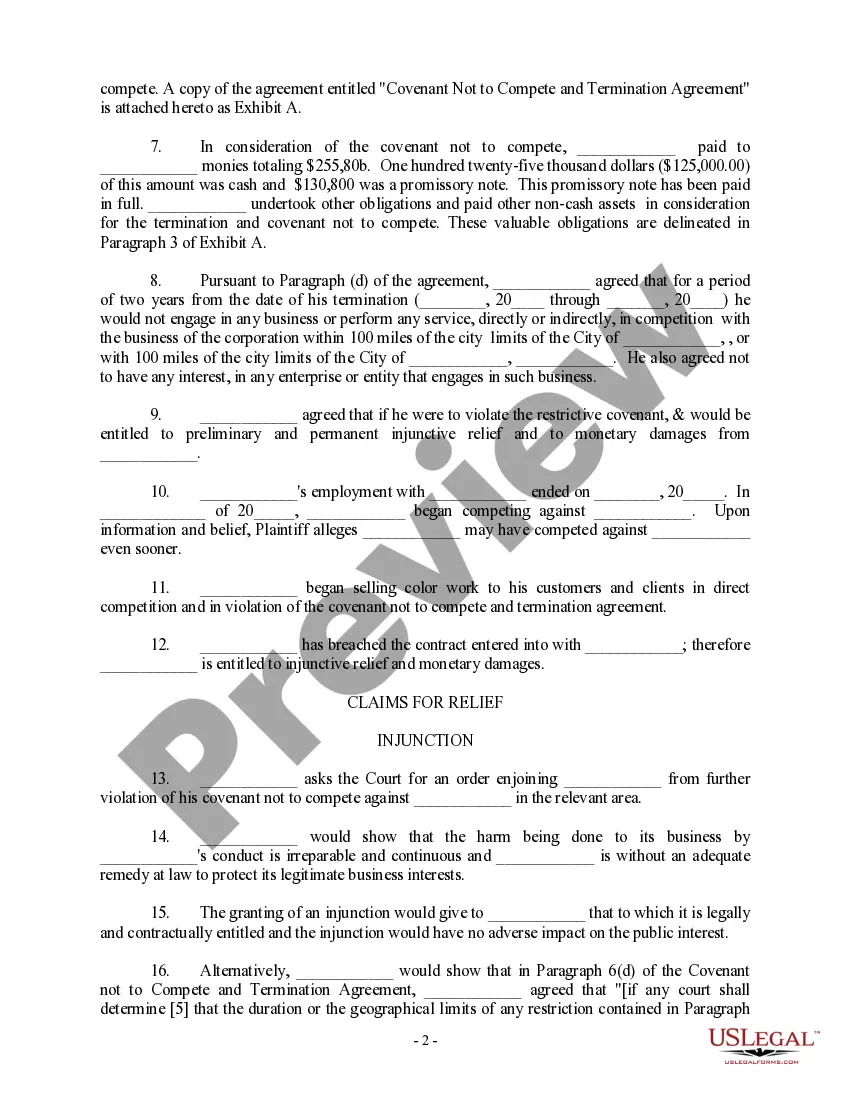
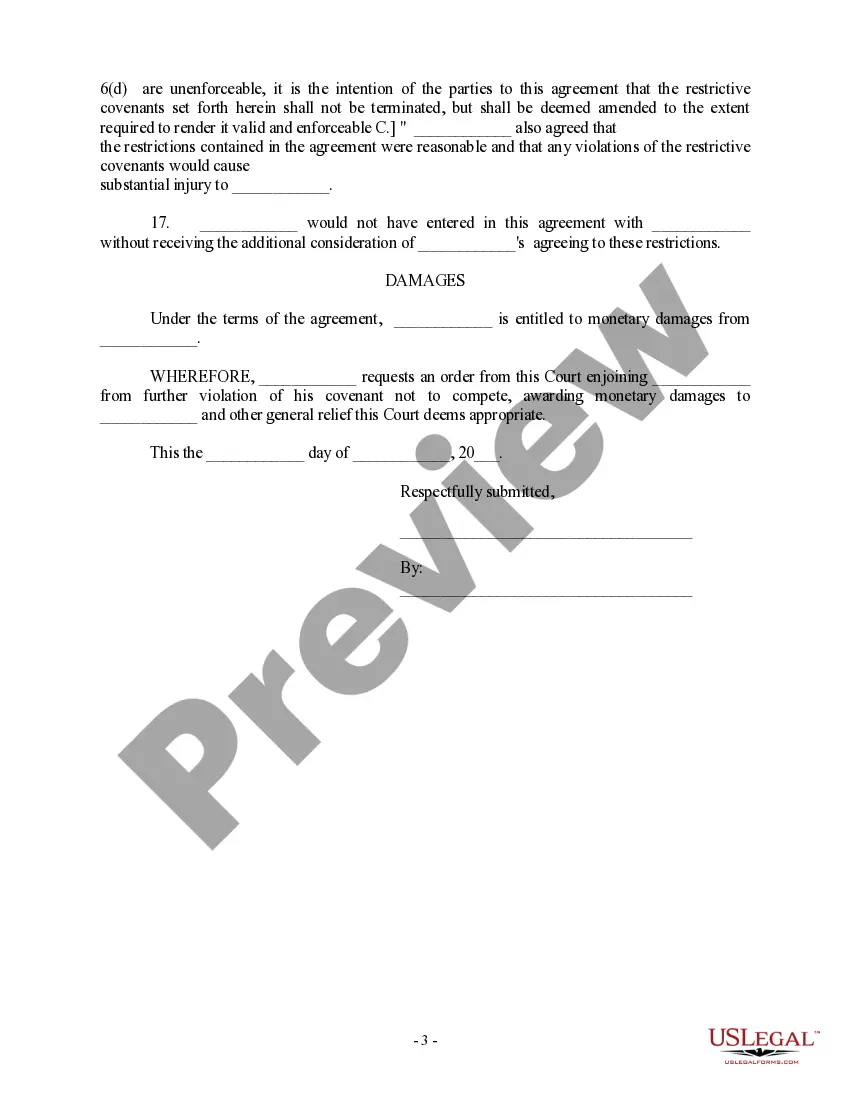
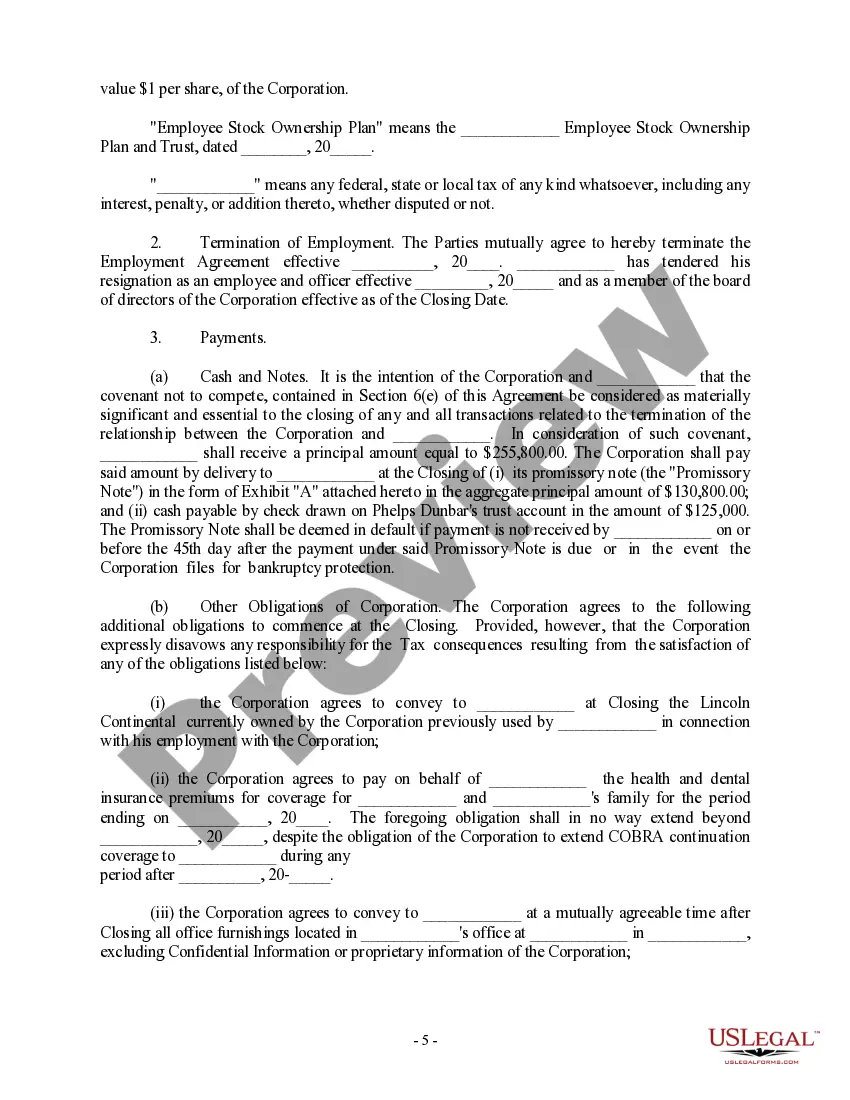
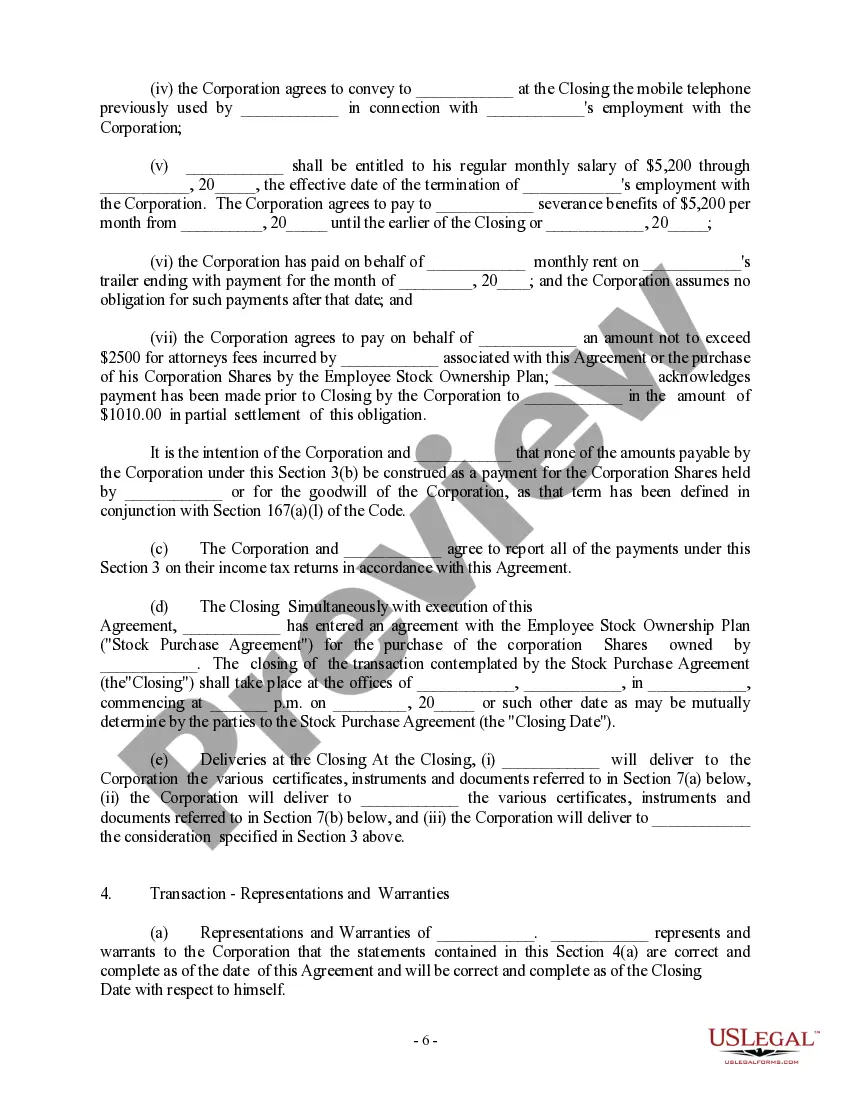
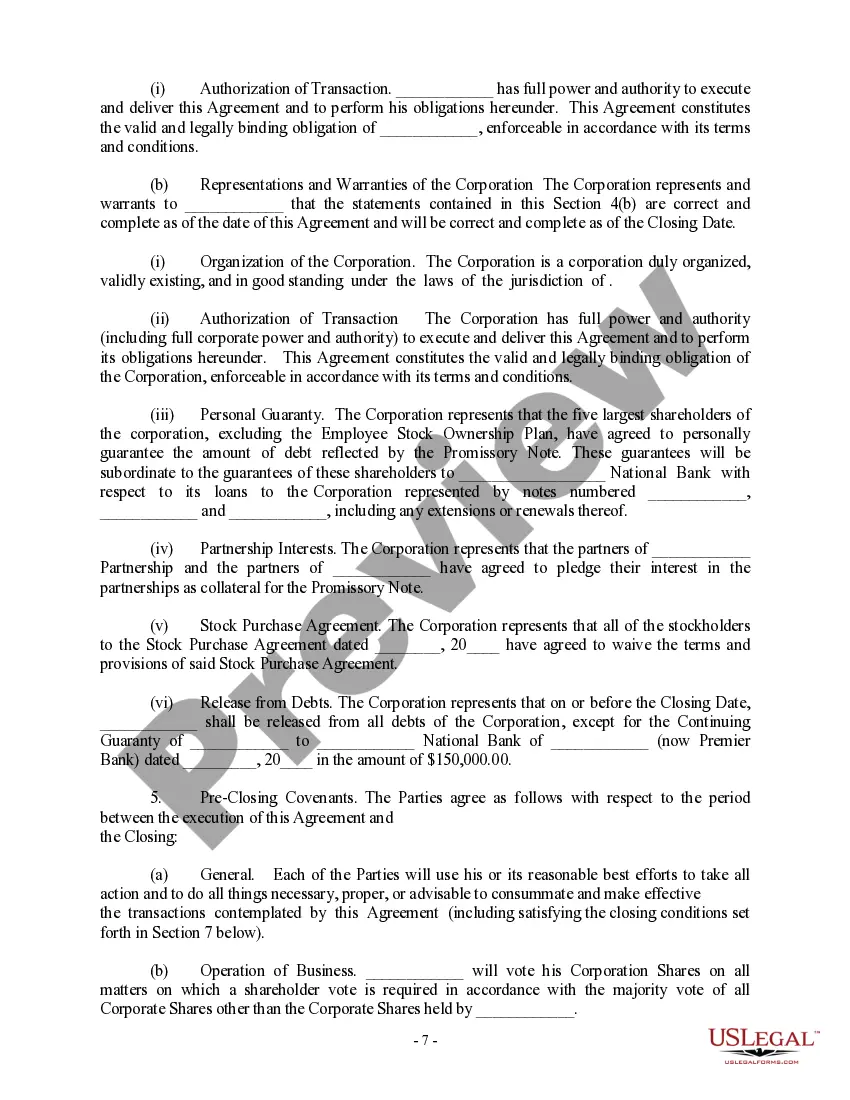
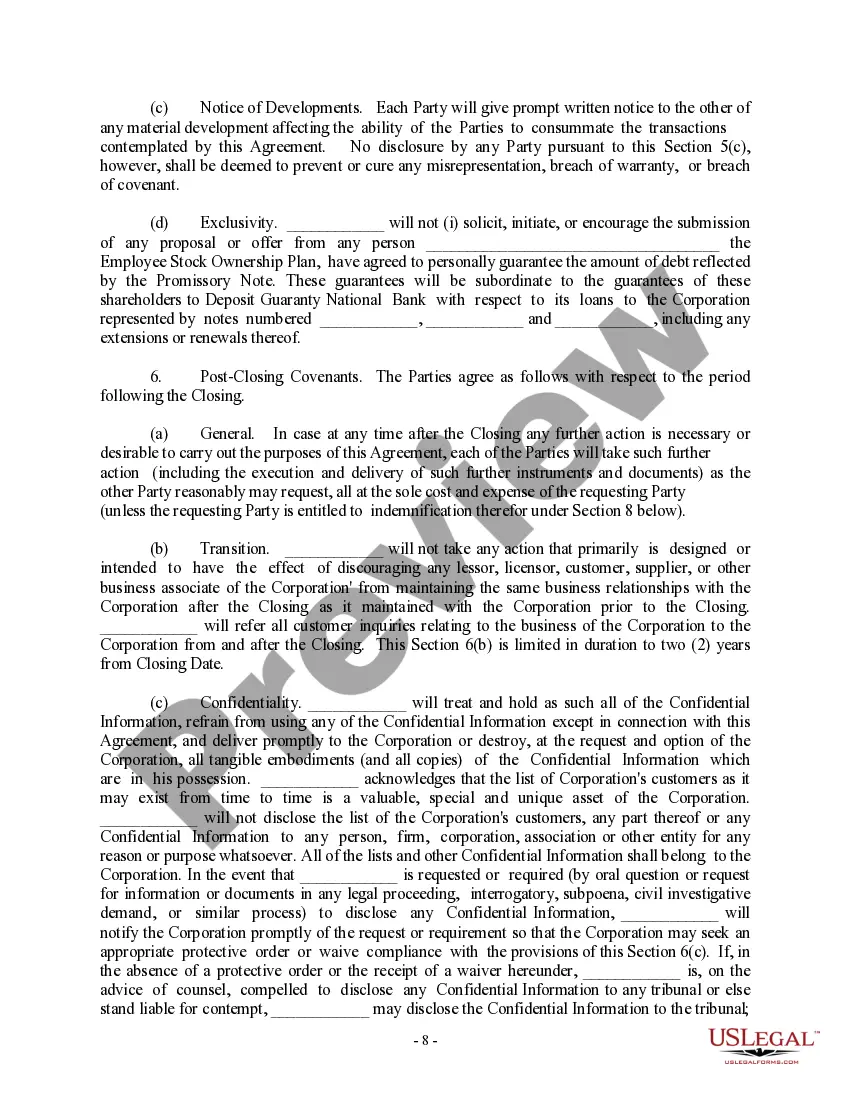
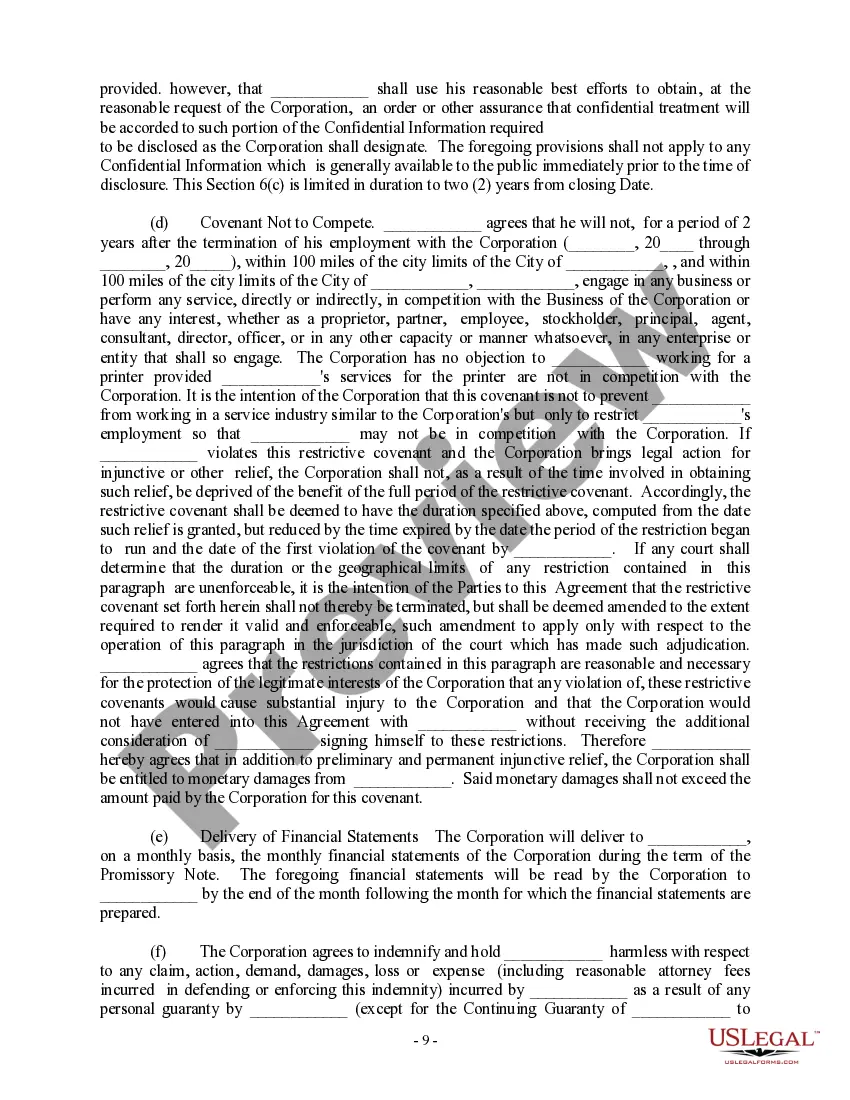
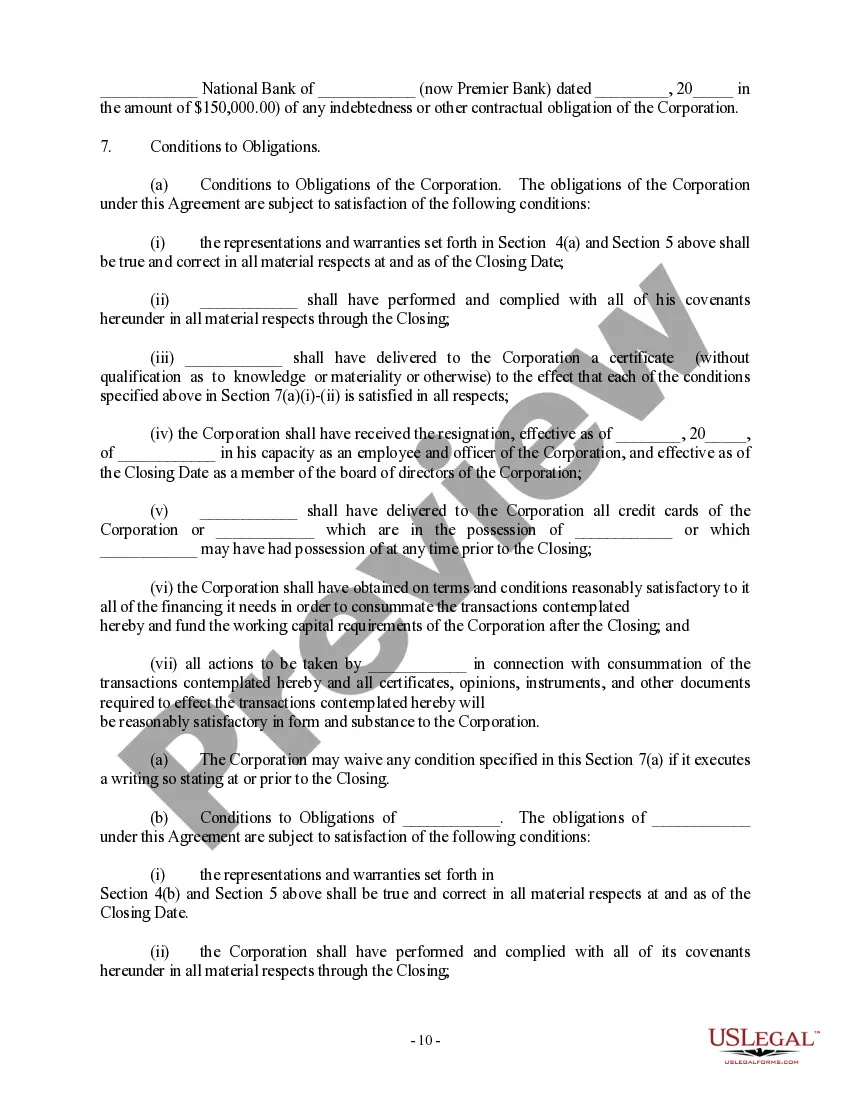
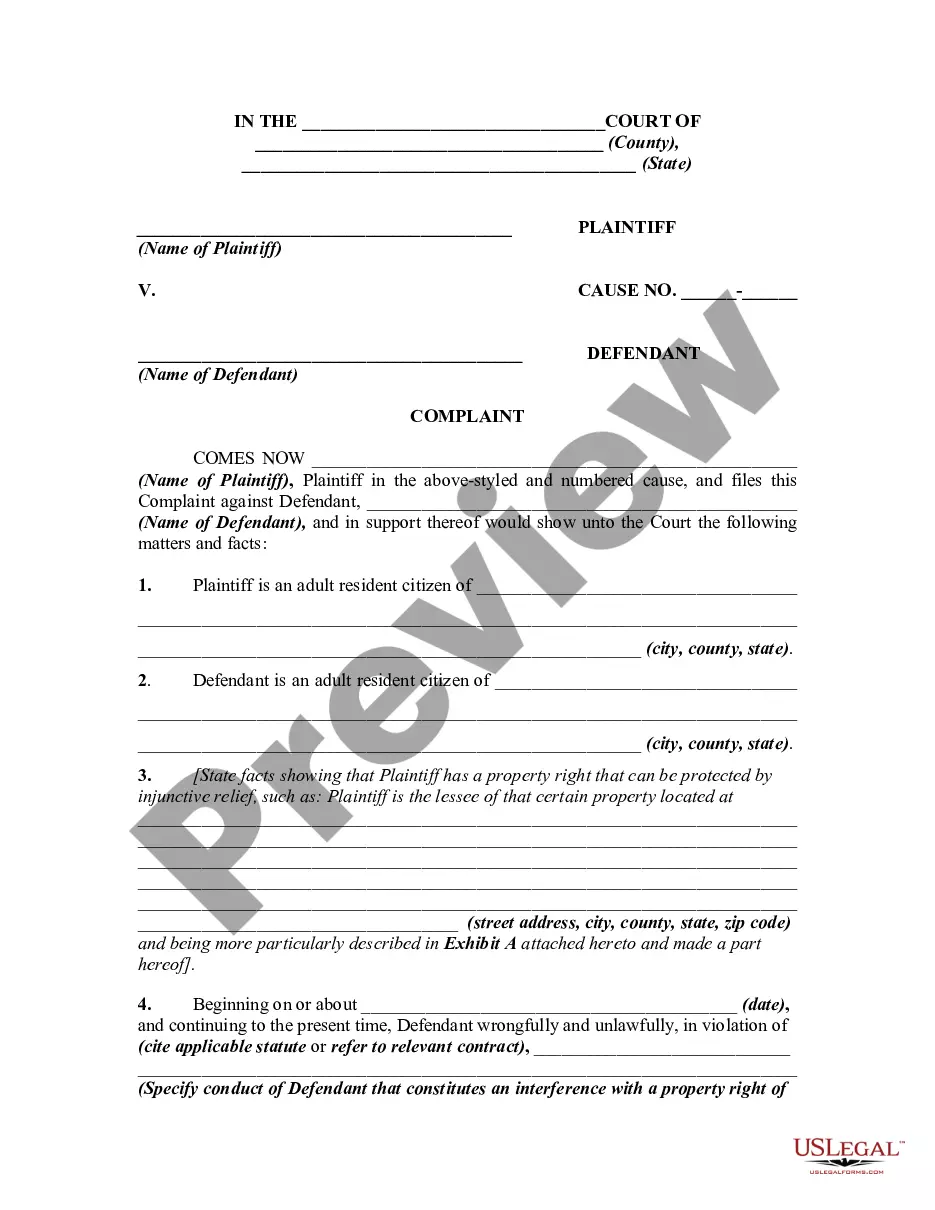
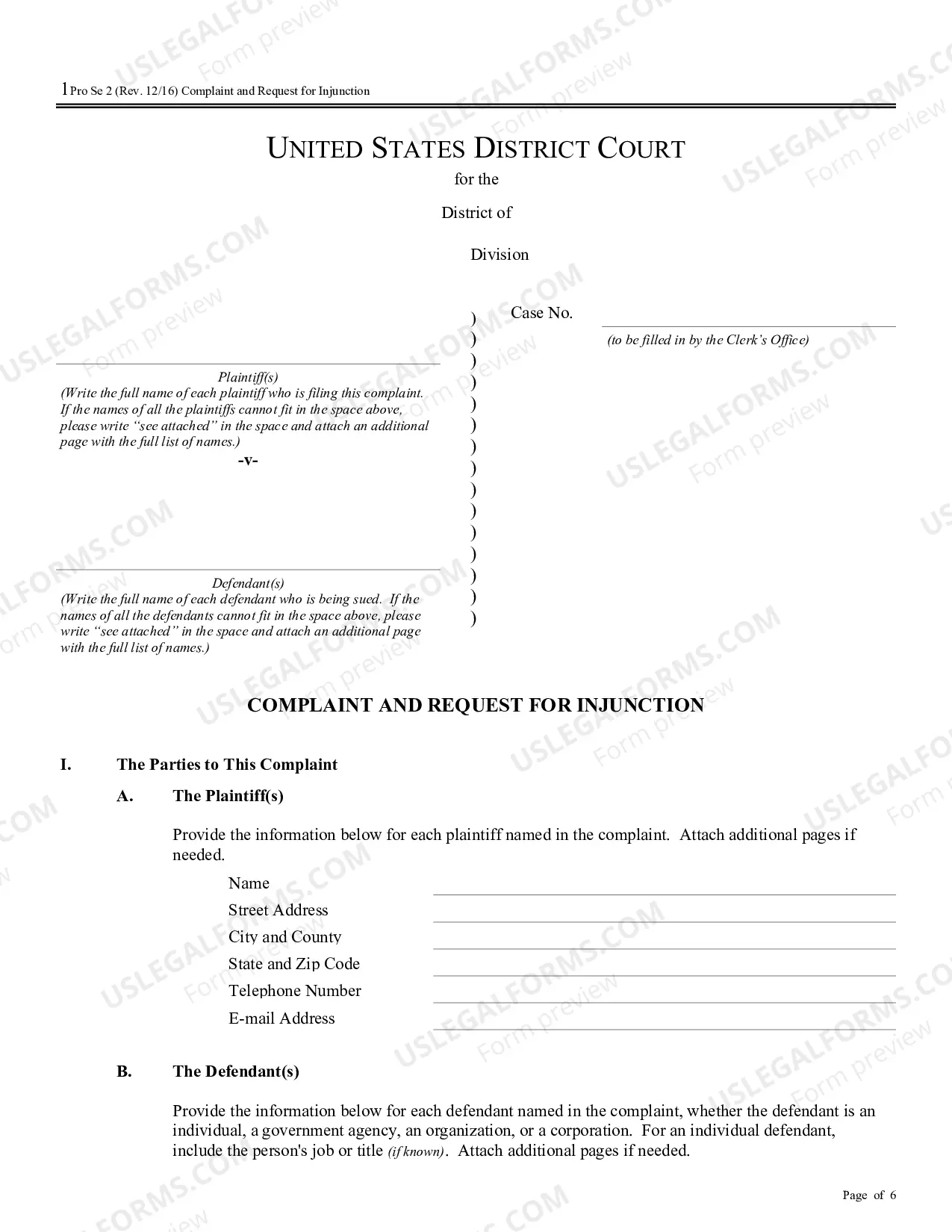
The Complaint for Injunction - Covenant not to compete is a legal document that allows a plaintiff to seek a court order to stop a defendant from violating a non-compete agreement. This form outlines the plaintiff's claims against the defendant for breach of contract and aims to protect the plaintiff's business interests by preventing unfair competition. It is distinct from other forms of injunctions primarily due to its focus on covenants not to compete, which are agreements restricting one's ability to engage in business activities that compete with the business of another party.
What’s included in this form
- Parties involved: Identification of the plaintiff and defendant.
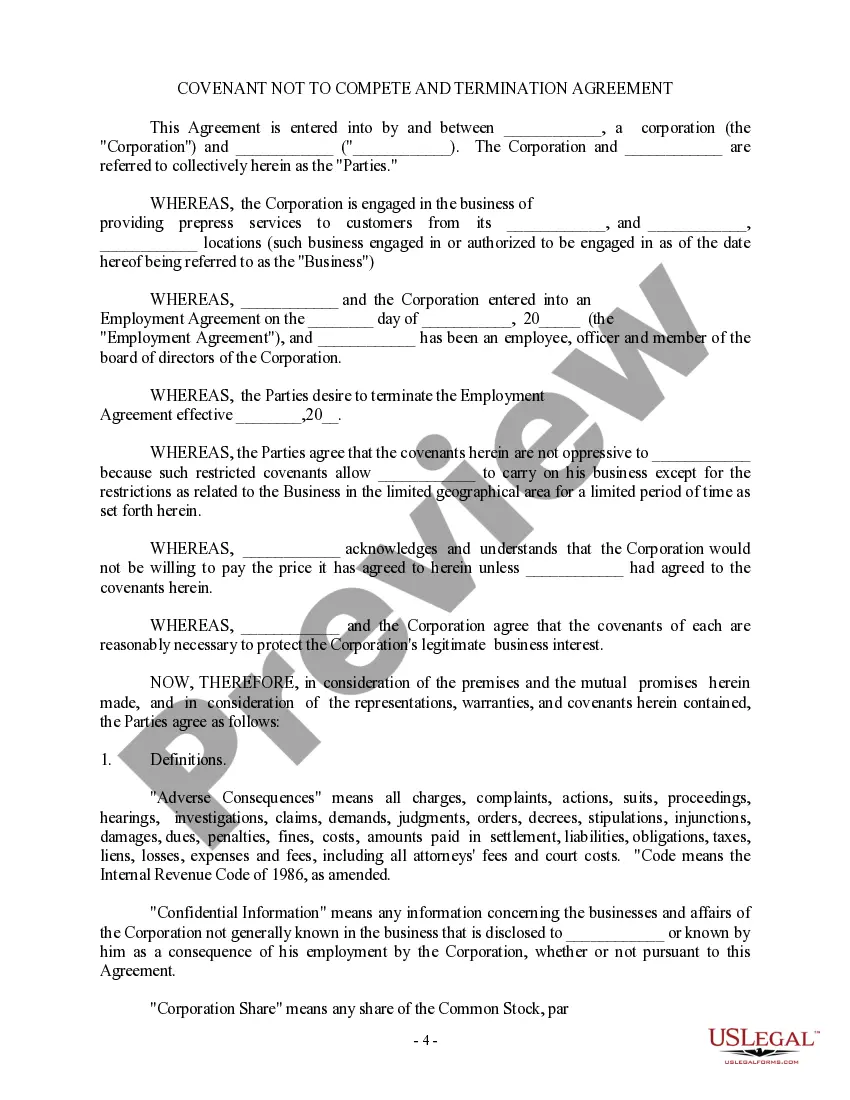
- Business description: Overview of the plaintiff's business and the defendant's role.
- Contract details: Information regarding the employment and termination agreements, including the non-compete clause.
- Allegations: Specific claims regarding the breach of contract and the actions of the defendant.
- Legal relief sought: Requests for injunction and monetary damages.




Common use cases
This form should be used when a business believes that a former employee or partner is violating a non-compete agreement by engaging in competitive activities against the business. It is particularly relevant when the plaintiff wishes to seek immediate court intervention to prevent further harm to their business interests and potentially recover damages for past violations.
Who needs this form
Individuals or businesses that have entered into a non-compete agreement and believe that the other party has breached this agreement should consider using this form. Specifically, this includes:
- Business owners who have employable candidates under a non-compete agreement.
- Former employees who have signed non-compete clauses and are being accused of violating them.
- Legal representatives handling contract disputes for businesses or individuals.
How to complete this form
- Identify the parties involved by filling in the names of the plaintiff and defendant.
- Provide the relevant details about the plaintiff's business and its operations.
- Include specifics about the non-compete agreement, including dates and terms of the contract.
- Clearly outline the allegations against the defendant related to the breach of contract.
- Specify the type of relief sought, including an injunction and damages.
- Sign and date the form before submitting it to the appropriate court.
Is notarization required?
This form usually doesn’t need to be notarized. However, local laws or specific transactions may require it. Our online notarization service, powered by Notarize, lets you complete it remotely through a secure video session, available 24/7.
Get your form ready online
Our built-in tools help you complete, sign, share, and store your documents in one place.
Make edits, fill in missing information, and update formatting in US Legal Forms—just like you would in MS Word.
Download a copy, print it, send it by email, or mail it via USPS—whatever works best for your next step.
Sign and collect signatures with our SignNow integration. Send to multiple recipients, set reminders, and more. Go Premium to unlock E-Sign.
If this form requires notarization, complete it online through a secure video call—no need to meet a notary in person or wait for an appointment.
We protect your documents and personal data by following strict security and privacy standards.

Make edits, fill in missing information, and update formatting in US Legal Forms—just like you would in MS Word.

Download a copy, print it, send it by email, or mail it via USPS—whatever works best for your next step.

Sign and collect signatures with our SignNow integration. Send to multiple recipients, set reminders, and more. Go Premium to unlock E-Sign.

If this form requires notarization, complete it online through a secure video call—no need to meet a notary in person or wait for an appointment.

We protect your documents and personal data by following strict security and privacy standards.
Avoid these common issues
- Failing to provide complete and accurate information for both parties.
- Overlooking the importance of including specific details about the non-compete agreement.
- Not including supporting evidence or documentation of the breach.
- Submitting the complaint without proper signatures or dates.
Why complete this form online
- Convenience of downloading and filling out the form at your own pace.
- Access to templates that have been prepared by licensed attorneys.
- Ability to edit the form easily to ensure all necessary details are included.
- Increased reliability through the use of standardized legal language that meets compliance standards.
Looking for another form?

Form popularity
FAQ
The simple answer is that if you violate a non-compete agreement that is legally valid and enforceable under state law you may end up having to pay money to your former employer.In addition, the employer can also file a lawsuit against you for both money damages and an injunction.
In California, however, covenants not to compete are almost always not enforceable. California state law says that a covenant that restrains someone from engaging in a lawful profession, trade, or business is void.
In other words, non-compete agreements are not enforceable in California.Employees can void any non-competes that require a court outside of California to decide disputes. In other words, the company cannot enforce an employee's non-compete agreement in a state that allows these agreements.
It is a threat letter from a lawyer. The threat is that if you do not cease and desist (in layman's terms stop) doing something like working for a competitor your former employer will sue you. Most of the time, the matter ends there. Often the parties can work things out short of legal action.
Courts consider several elements when determining the reasonableness of a covenant not to compete, including (1) the time and territory encompassed by the covenant, (2) the territory in which the employee worked, (3) the area in which the employer operated, (4) the nature of the business and (5) the nature of the
The seller's ability to compete. The seller's intent to compete. The seller's economic resources. Potential damage posed by the seller's competition. The seller's expertise in the industry in question.
Voiding a non-compete contract is possible in certain circumstances. For instance, if you can prove that you never signed the contract, or if you can demonstrate that the contract is against the public interest, you may be able to void the agreement.
Generally, if you violate a valid and enforceable non-compete agreement, it is likely that your employer will file a lawsuit against you.In very rare cases, the court may prevent you from working for a competitor for the duration specified in the non-compete.
The value of a non-competition agreement is represented by the present value of the cash flows that would be lost if the covenanter were to compete, adjusted for the effective probability that the covenanter would compete, and compete successfully.