Proposed Amendment to create a class of Common Stock that has 1-20th vote per share
What this document covers
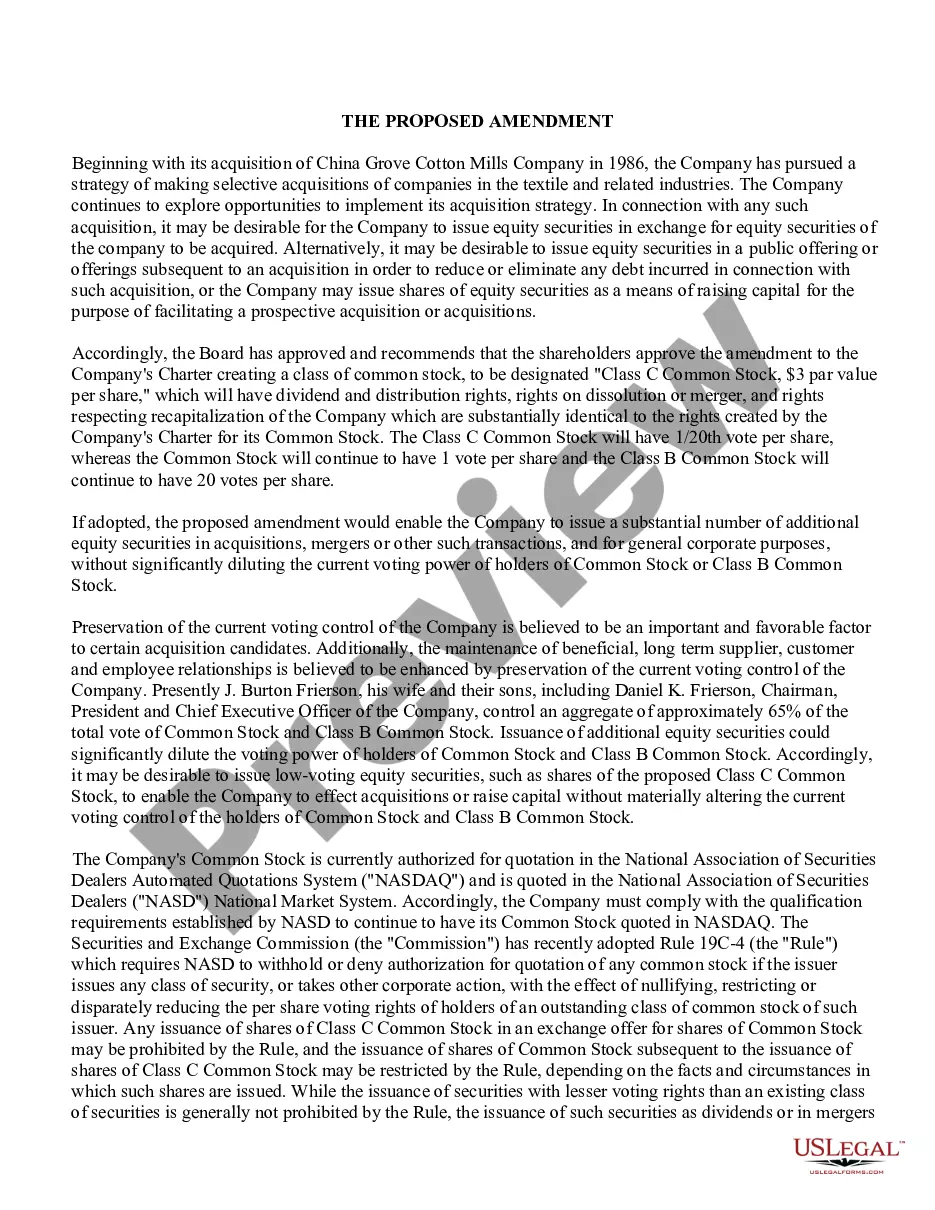
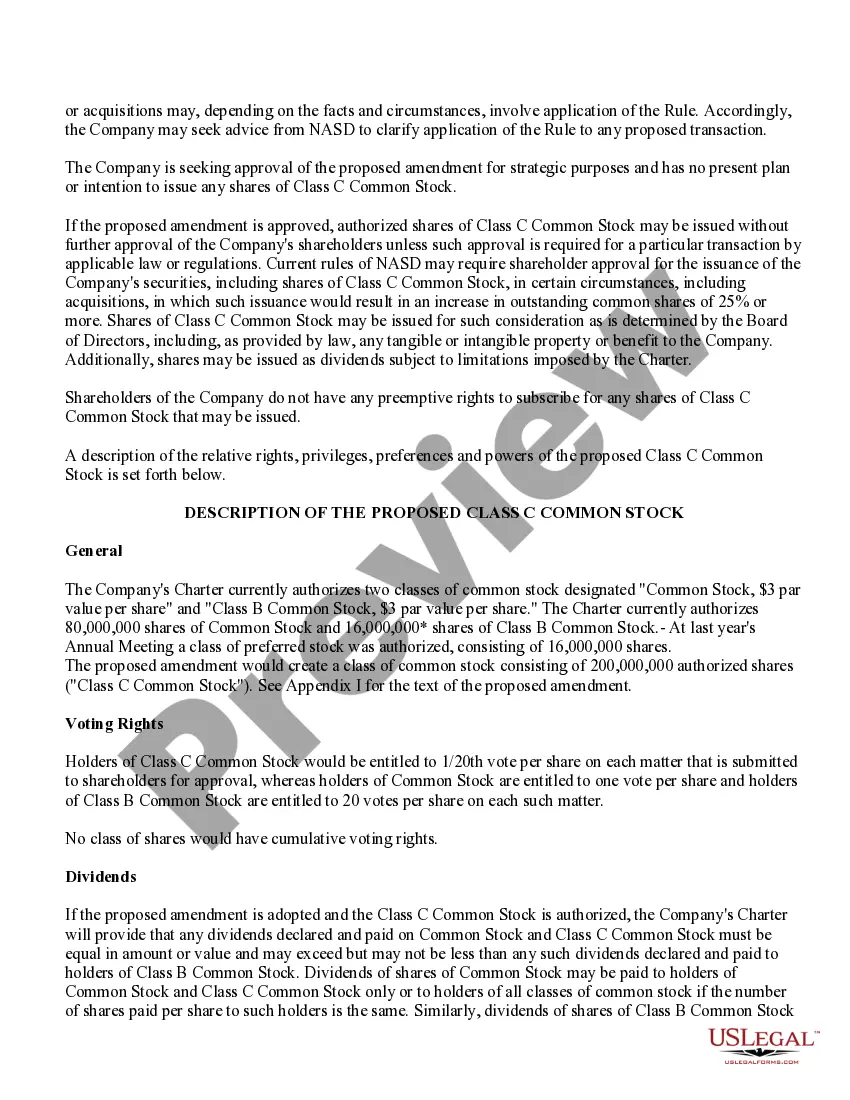
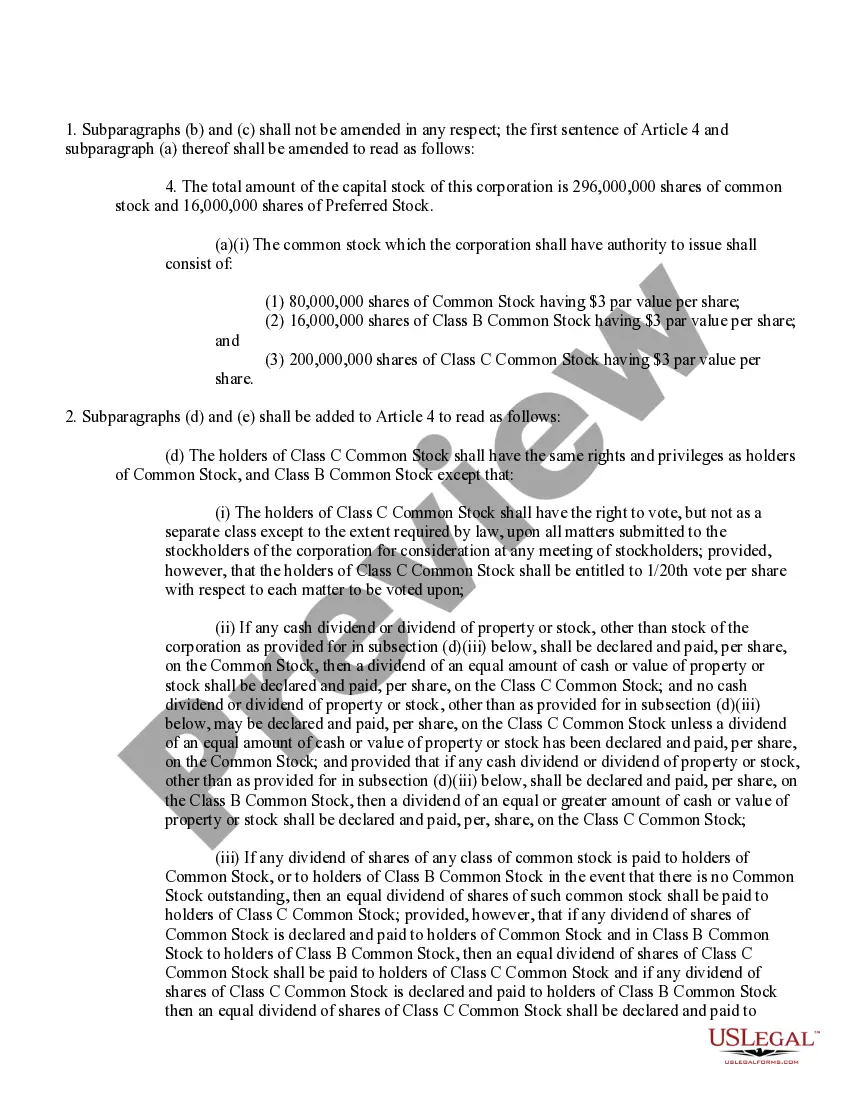
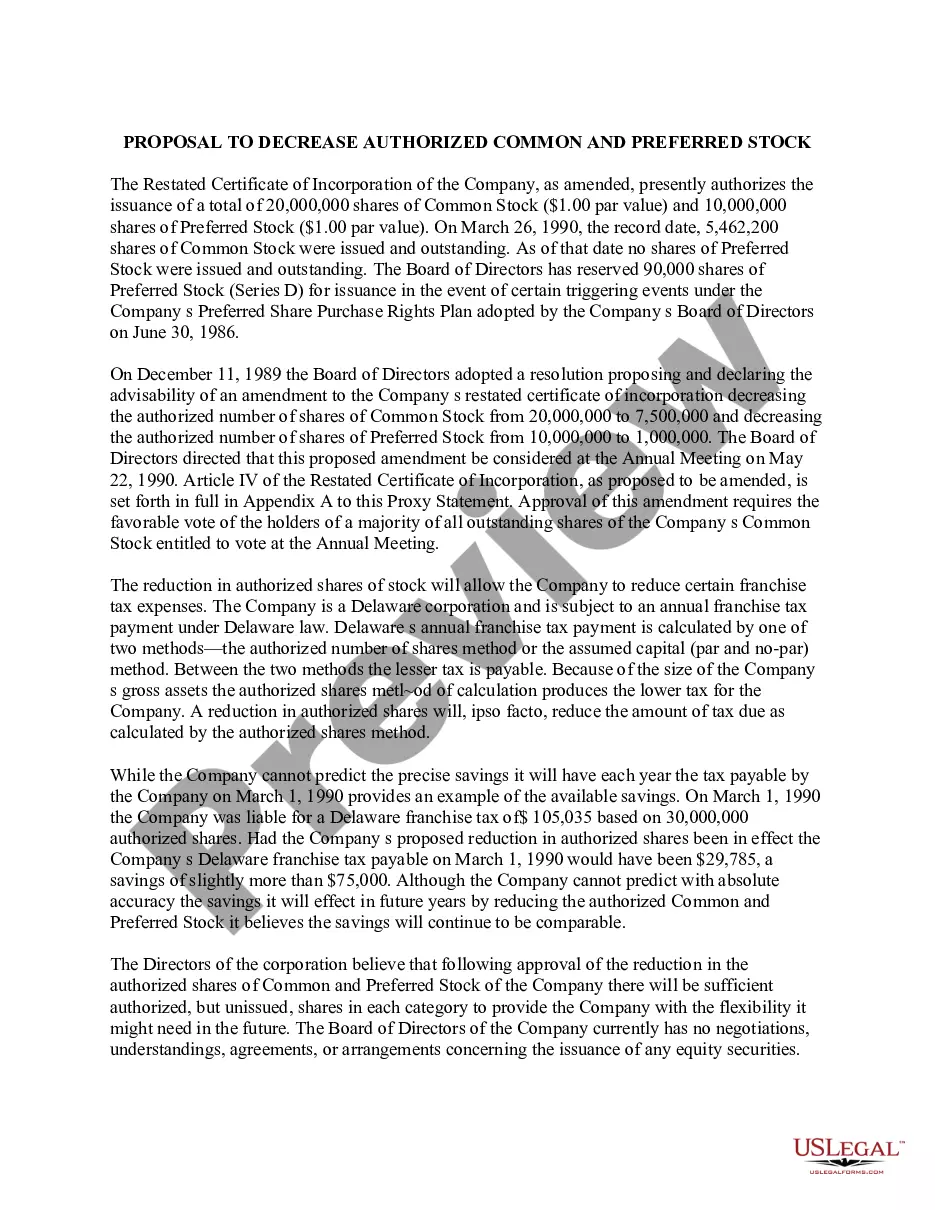
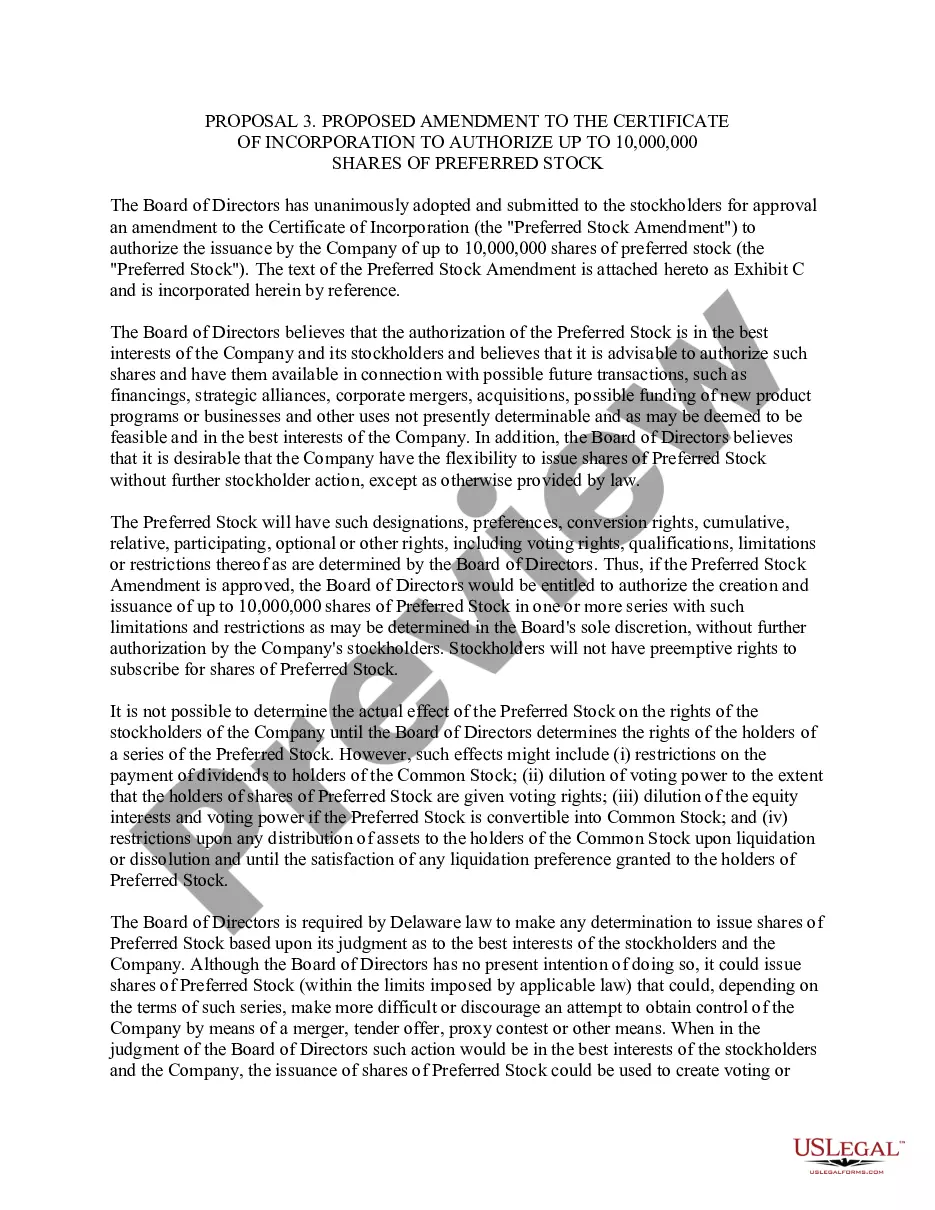
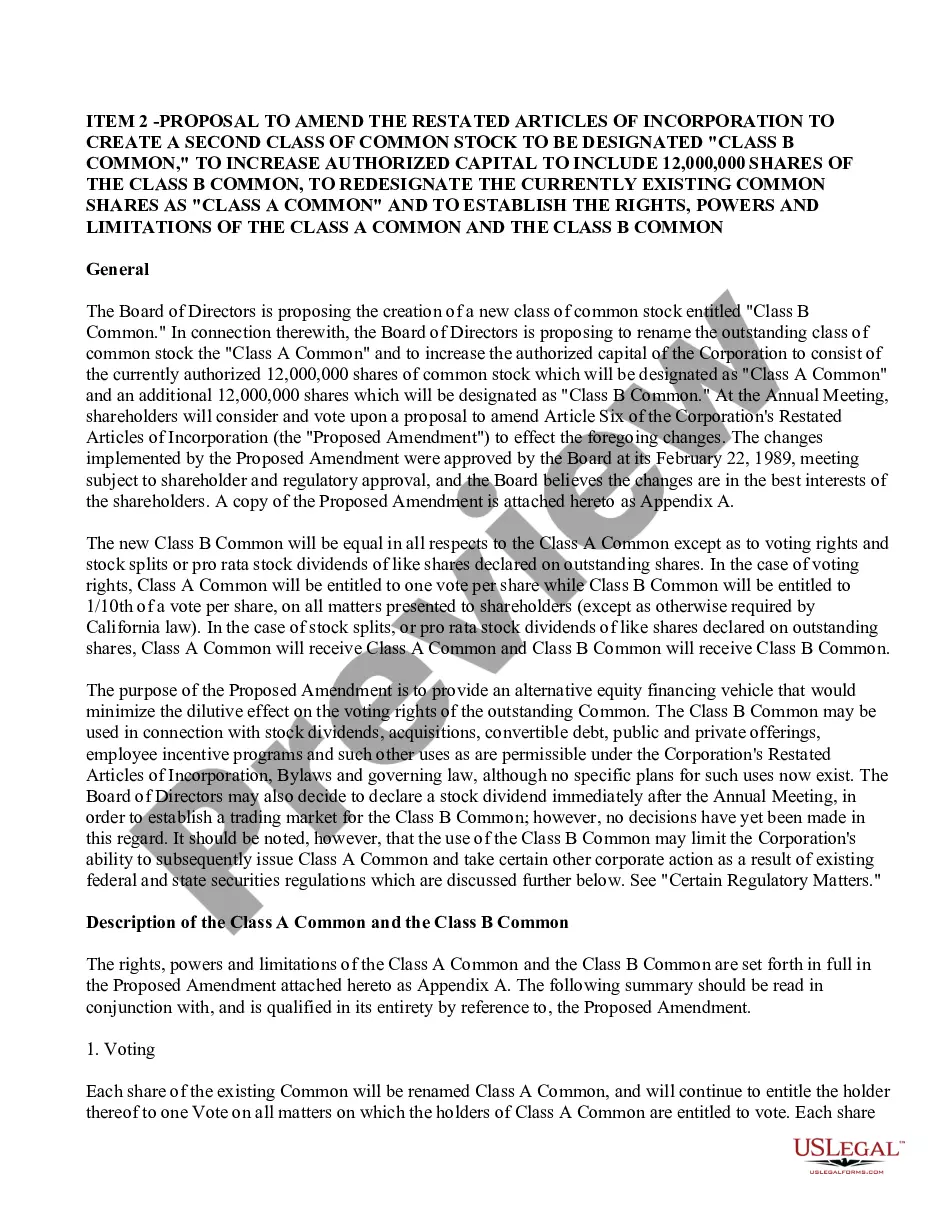
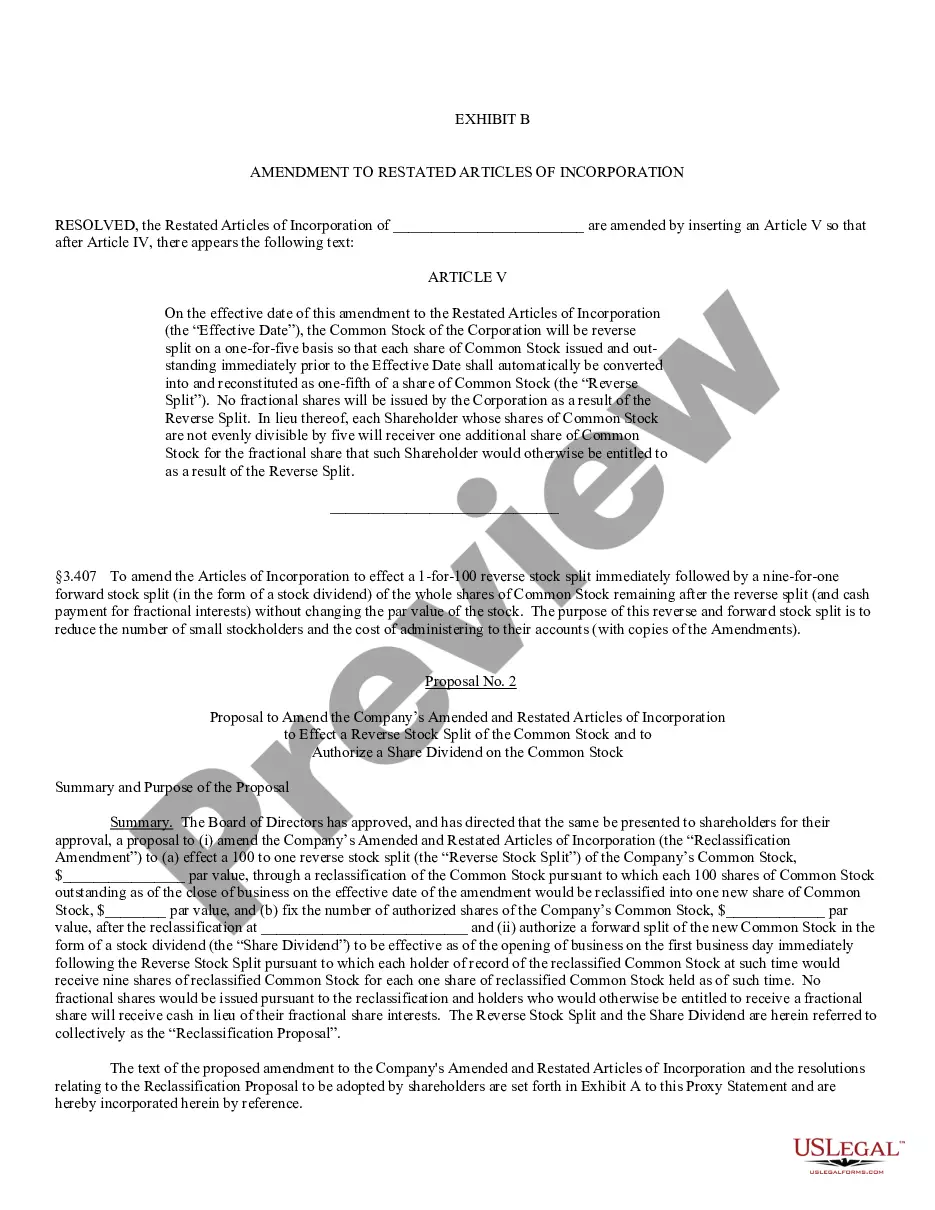
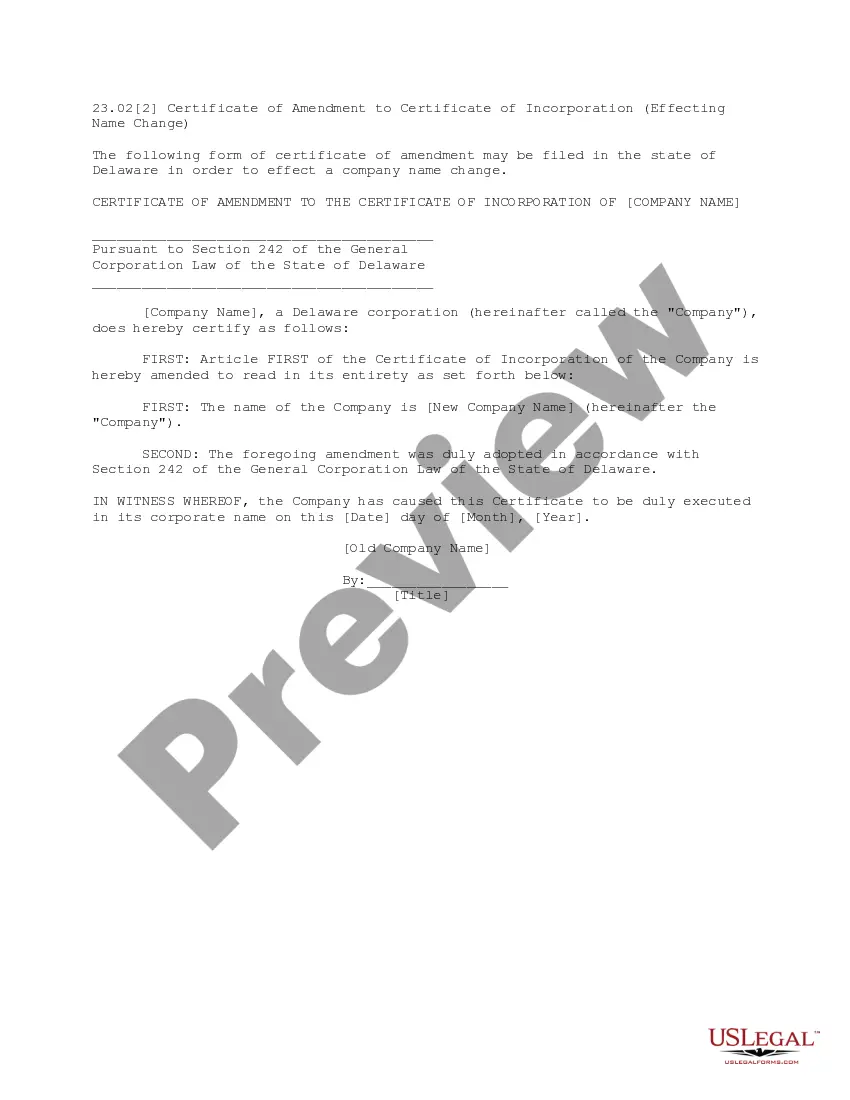
The Proposed Amendment to Create a Class of Common Stock That Has 1/20th Vote Per Share is a legal document used by corporations to amend their charters. This amendment allows for the creation of a new class of stock with reduced voting rights, specifically designed to facilitate corporate strategies around acquisitions and capital raising, without undermining the voting power of existing shareholders. This form is particularly useful for companies looking to issue more equity while preserving control among current shareholders.
Main sections of this form
- Board recommendation for amendment approval by shareholders.
- Description of the rights attached to the new Class C Common Stock.
- Voting rights comparison between Common Stock, Class B Common Stock, and Class C Common Stock.
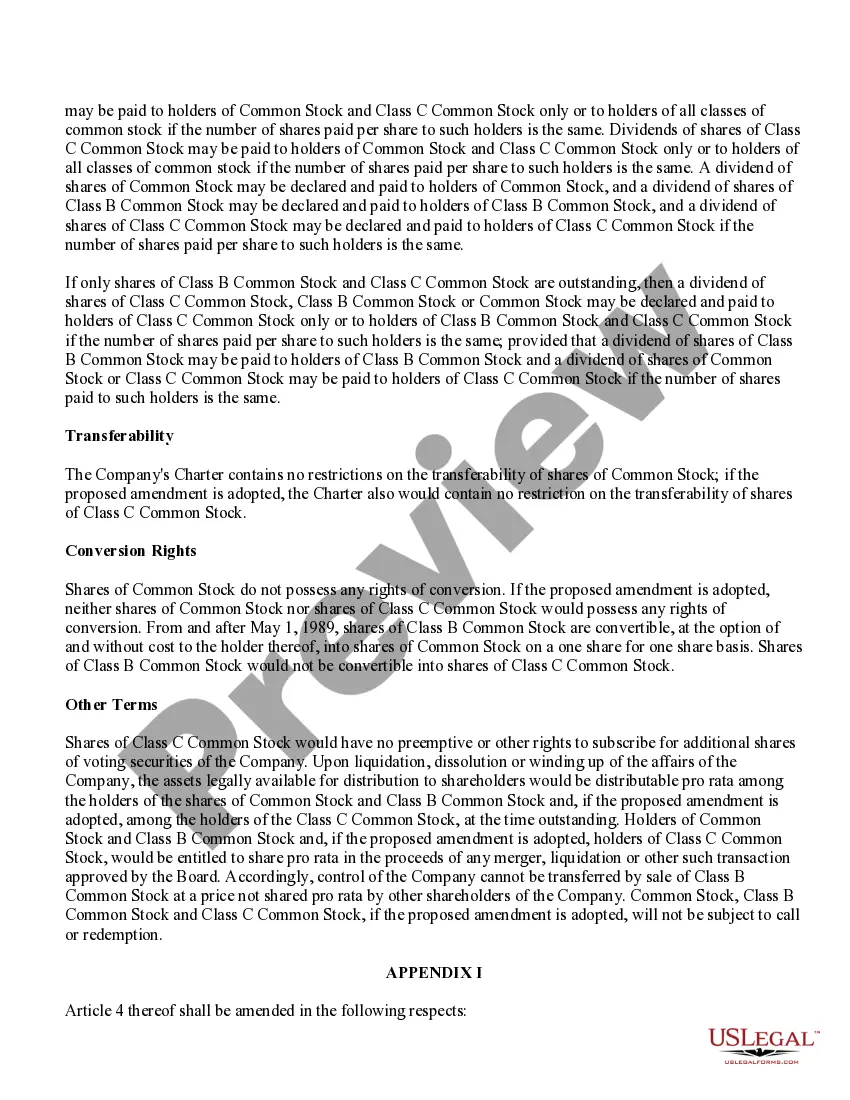
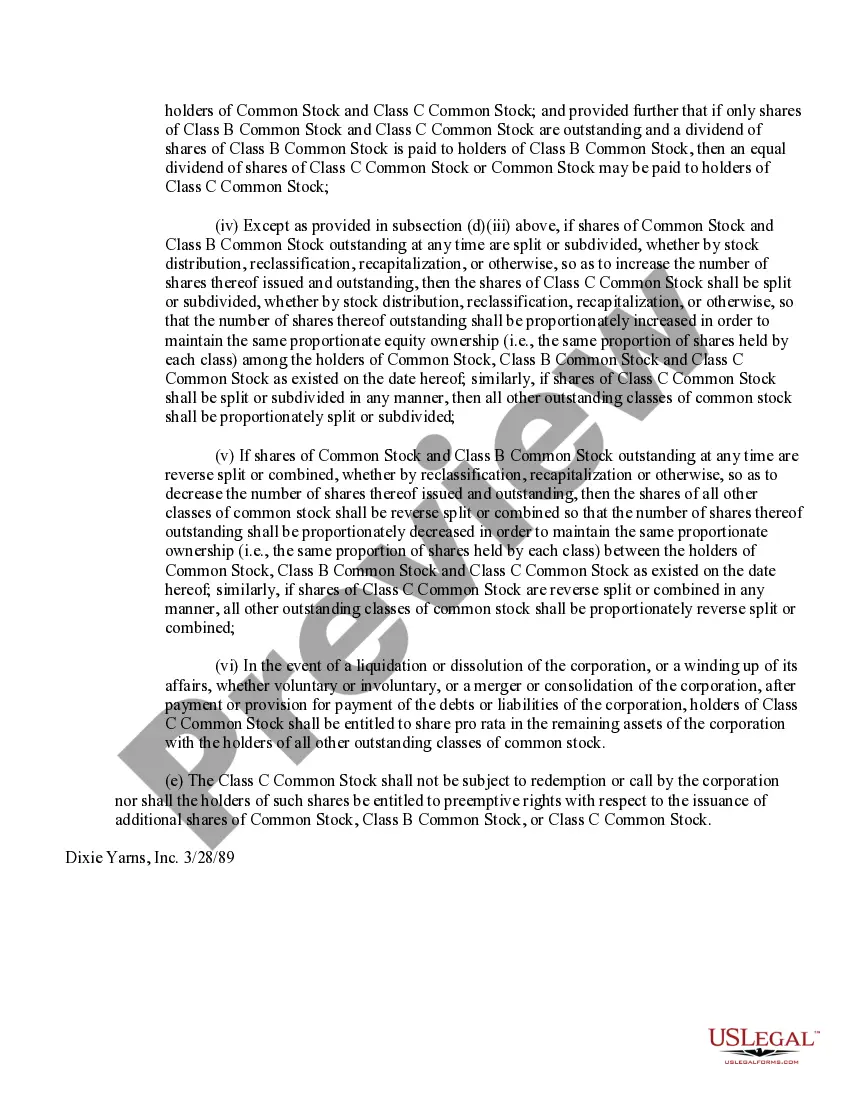
- Dividend rights and distribution clauses for different stock classes.
- Provisions regarding the transferability and liquidation rights of Class C Common Stock.
When to use this form
This form is useful when a corporation intends to create a new class of common stock with altered voting rights. Companies may use this when planning to attract new investment, complete major acquisitions, or restructure corporate governance in a way that preserves current voting power while increasing liquidity or capital. Moreover, if a corporation anticipates rapid growth or needs to manage existing shareholder relationships, this amendment can be pivotal.
Who this form is for
This form is intended for:
- Corporations considering alterations to their capital structure.
- Corporate boards seeking to issue new classes of stock for acquisitions.
- Shareholders interested in understanding changes to company voting powers.
- Legal professionals assisting companies in drafting and filing corporate amendments.
How to prepare this document
- Gather necessary information about current stock classes and voting rights.
- Draft the amendment language to reflect the proposed Class C Common Stock provisions.
- Obtain approval from the Board of Directors for the proposed amendment.
- Present the amendment to shareholders for voting approval.
- File the approved amendment with the appropriate state regulatory agency.
Notarization guidance
This form does not typically require notarization to be legally valid. However, some jurisdictions or document types may still require it. US Legal Forms provides secure online notarization powered by Notarize, available 24/7 for added convenience.
Get your form ready online
Our built-in tools help you complete, sign, share, and store your documents in one place.
Make edits, fill in missing information, and update formatting in US Legal Forms—just like you would in MS Word.
Download a copy, print it, send it by email, or mail it via USPS—whatever works best for your next step.
Sign and collect signatures with our SignNow integration. Send to multiple recipients, set reminders, and more. Go Premium to unlock E-Sign.
If this form requires notarization, complete it online through a secure video call—no need to meet a notary in person or wait for an appointment.
We protect your documents and personal data by following strict security and privacy standards.

Make edits, fill in missing information, and update formatting in US Legal Forms—just like you would in MS Word.

Download a copy, print it, send it by email, or mail it via USPS—whatever works best for your next step.

Sign and collect signatures with our SignNow integration. Send to multiple recipients, set reminders, and more. Go Premium to unlock E-Sign.

If this form requires notarization, complete it online through a secure video call—no need to meet a notary in person or wait for an appointment.

We protect your documents and personal data by following strict security and privacy standards.
Common mistakes to avoid
- Failing to obtain proper board approval before presenting to shareholders.
- Overlooking potential shareholder minority rights when altering voting structures.
- Not adhering to state-specific filing requirements, which could invalidate the amendment.
Advantages of online completion
- Convenient access to legal form templates without needing to draft from scratch.
- Editability allows for quick customization to fit specific corporate needs.
- Reliability of professionally drafted forms ensures compliance with legal standards.
Legal use & context
- This amendment must comply with corporate governance standards set forth in the relevant state laws.
- Approval from shareholders is often required to enact changes in stock structures.
- Maintaining clear records of the stock issuance process is critical to avoid legal disputes.
- Understanding the implications of voting rights is crucial for stakeholder management.
Quick recap
- The amendment allows the introduction of a new class of stock with specified voting rights.
- It is essential for ensuring equitable treatment of shareholders during corporate actions.
- Completion involves careful consideration of existing corporate bylaws and state laws.
- Utilizing this form online simplifies the process and enhances legal compliance.
Glossary of terms used in this form
- Common Stock: A class of share capital with voting rights and the right to dividends.
- Class B Common Stock: A diluted class of stock that usually has enhanced voting rights compared to regular common stock.
- Equity Securities: Financial instruments such as stocks that signify ownership in a corporation.
- Capital Raising: The process of gathering funds for business expansions or acquisitions.
Looking for another form?
Form popularity
FAQ
1 Ordinary shares. These carry no special rights or restrictions. 2 Deferred ordinary shares. 3 Non-voting ordinary shares. 4 Redeemable shares. 5 Preference shares. 6 Cumulative preference shares. 7 Redeemable preference shares.
Usually, GOOGL's stock price is trading at a premium to GOOG stock because GOOGL shareholders have voting rights. However, the price difference is often less than 1 percent of the stock price. GOOG stock has gained 1,152 percent in the last five years, while GOOGL stock has gained 1,124 percent.
Hold a board meeting to approve the applications for new shares via board resolution, and produce a minute of the meeting. Issue share certificates. Complete a return of allotment via Companies House form SH01.
Class A shares involve a front-end, or up-front, sales charge that is deducted from your initial investment. This means that, when you buy Class A shares, a portion of your investment is actually not invested, but rather applied to the sales charge.
Class A shares refer to a classification of common stock that was traditionally accompanied by more voting rights than Class B shares.Then, one Class A share might be accompanied by five voting rights, while one Class B share could have only one right to vote.
This benefits the investor because Class A shares have lower annual expense ratios than Class B shares. Class C mutual fund shares are best for investors who have a short time horizon and plan on redeeming their shares soon.Additionally, investors who purchase Class C shares could pay a high annual management fee.
Hold a board meeting to approve the applications for new shares via board resolution, and produce a minute of the meeting. Issue share certificates. Complete a return of allotment via Companies House form SH01.