Agreement and Plan of Merger for conversion of corporation into Maryland Real Estate Investment Trust
Understanding this form
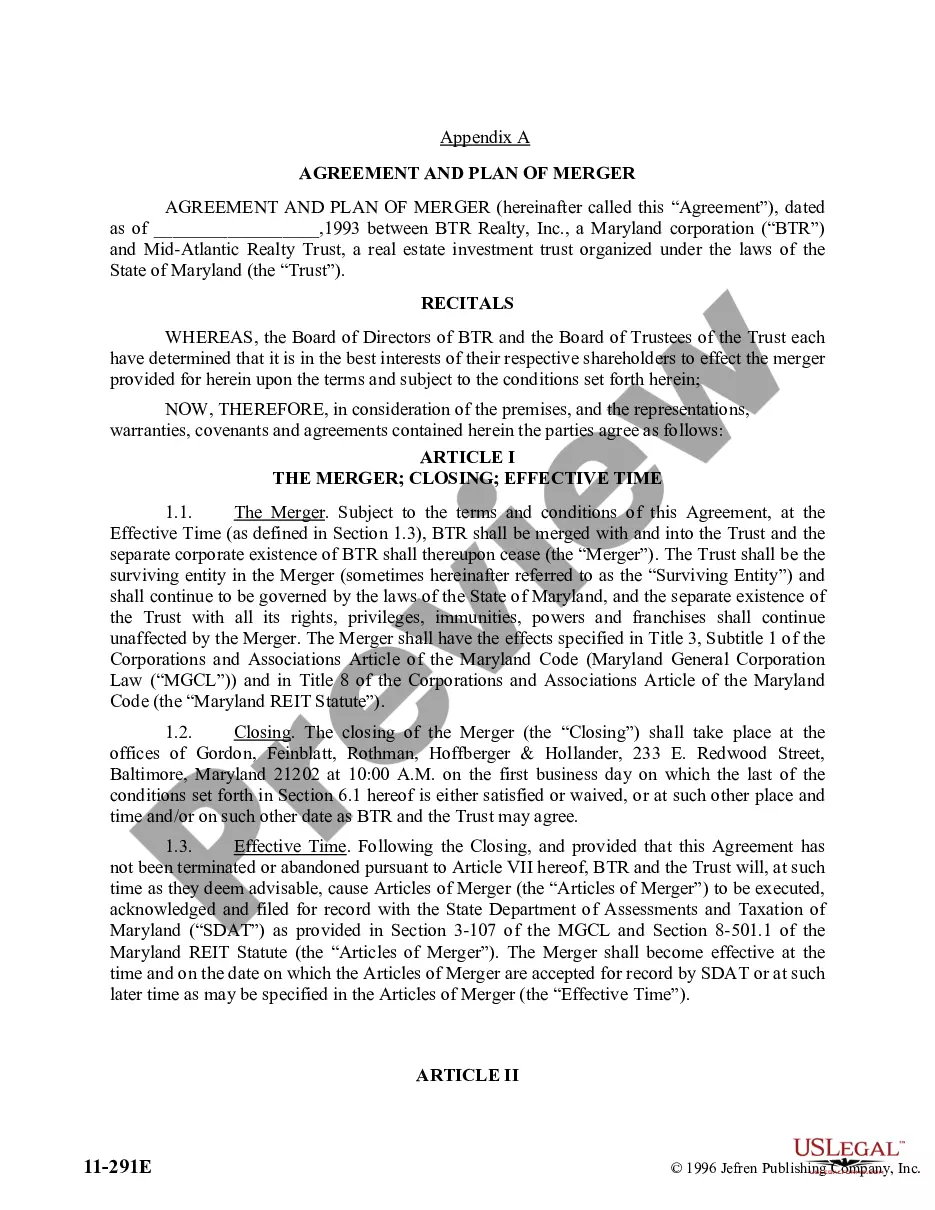
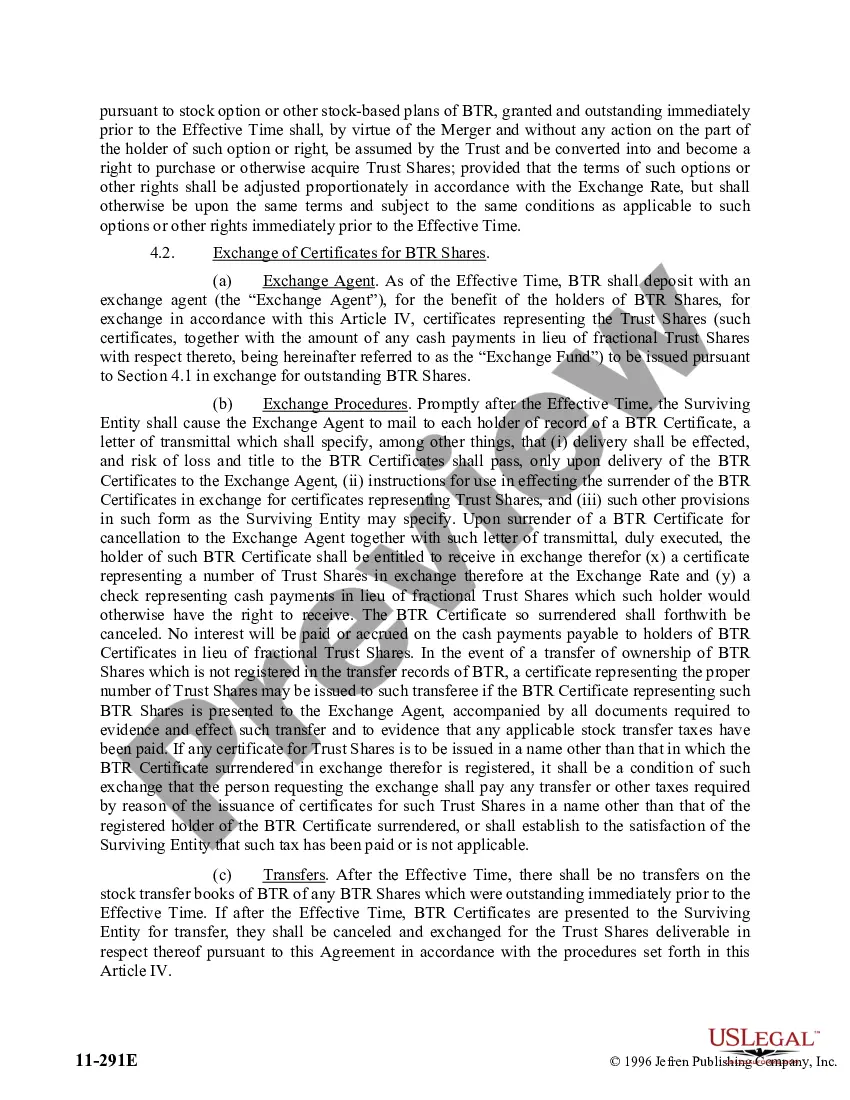
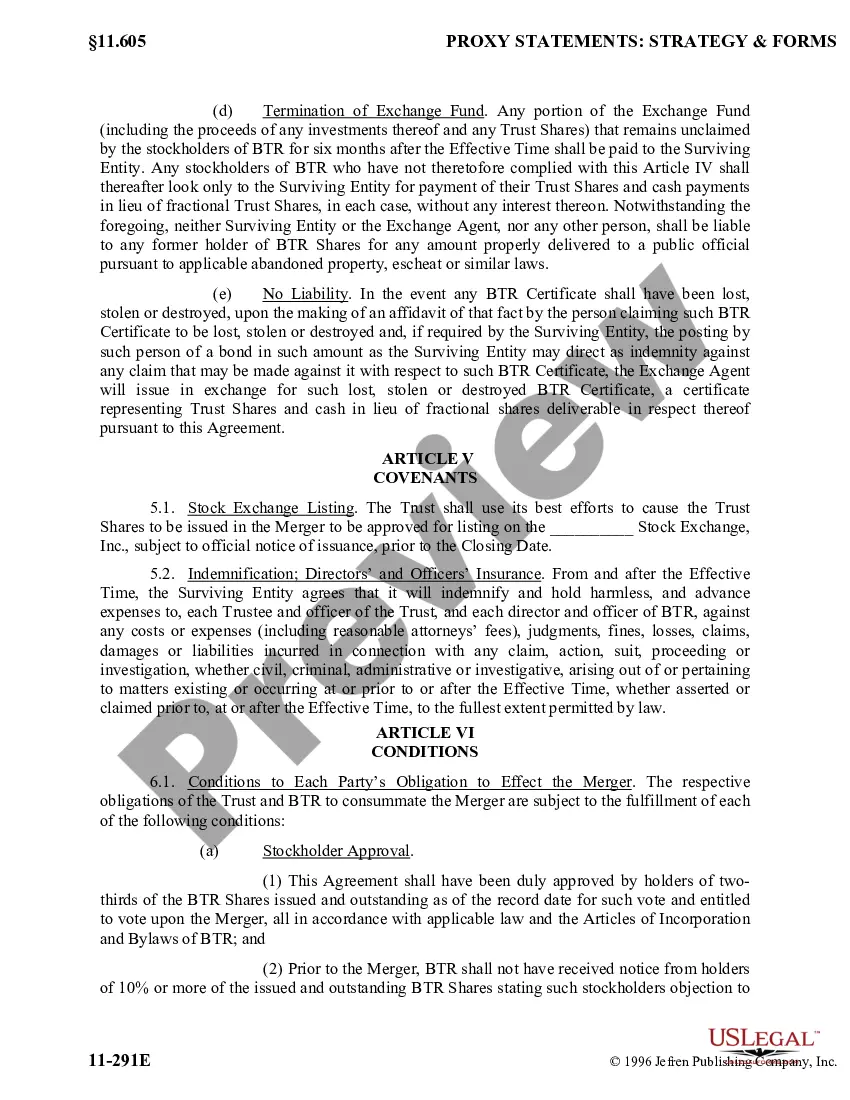
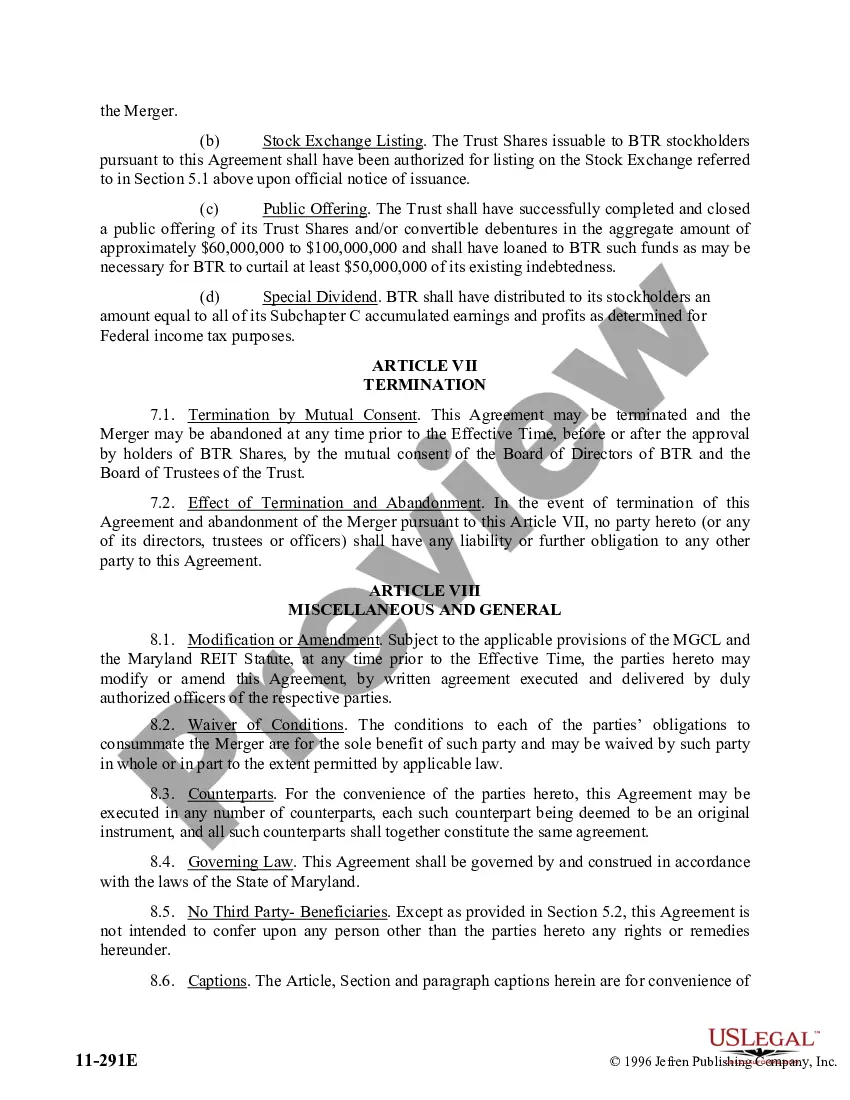
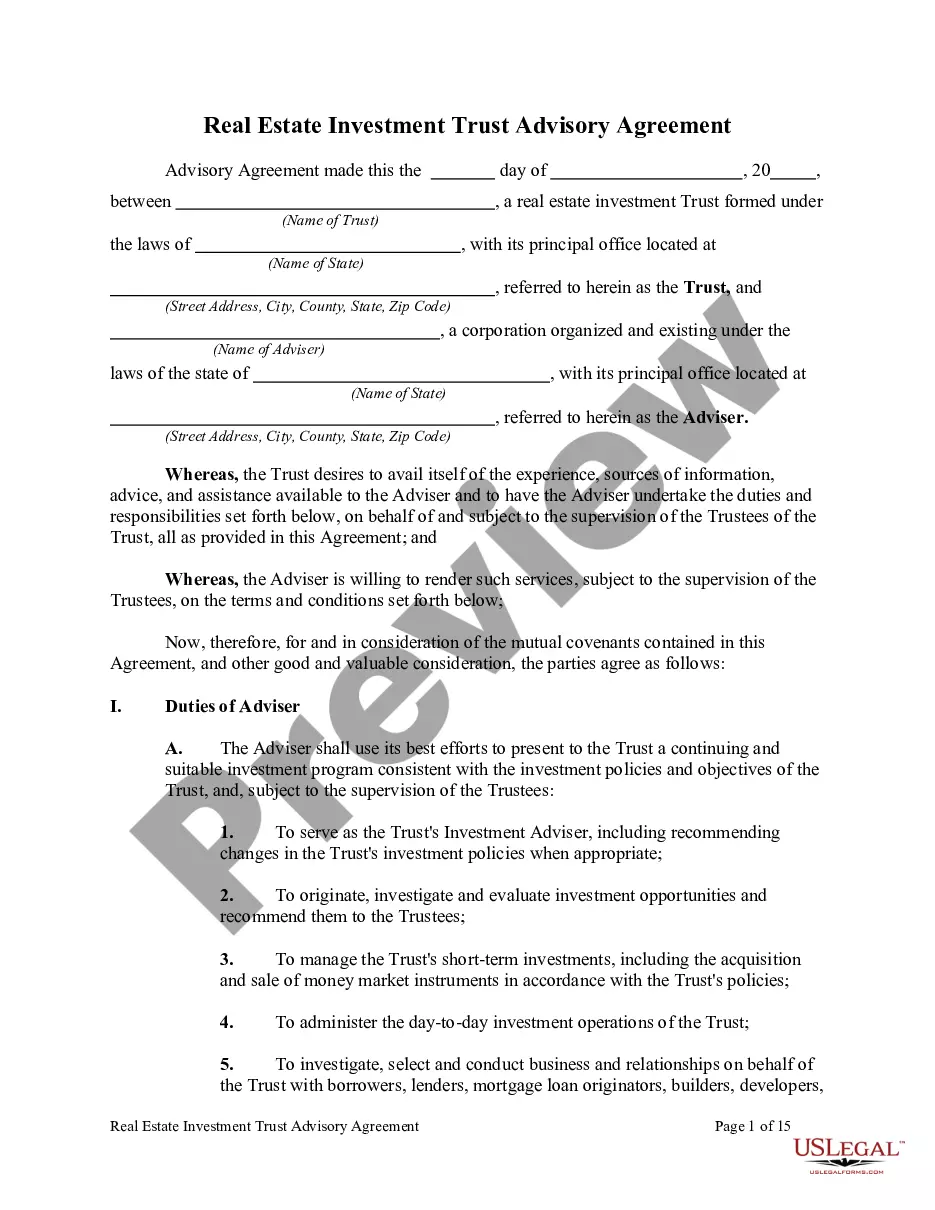
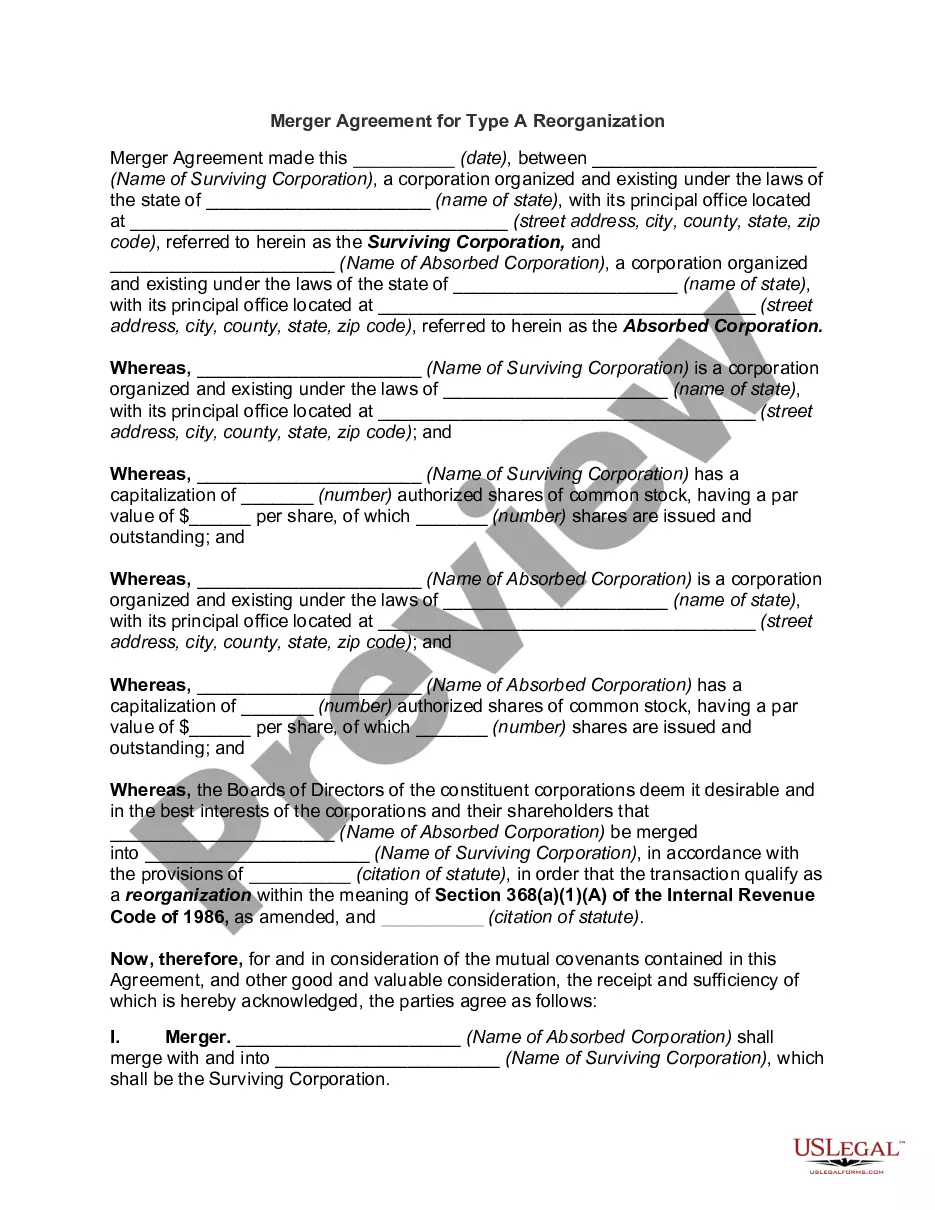
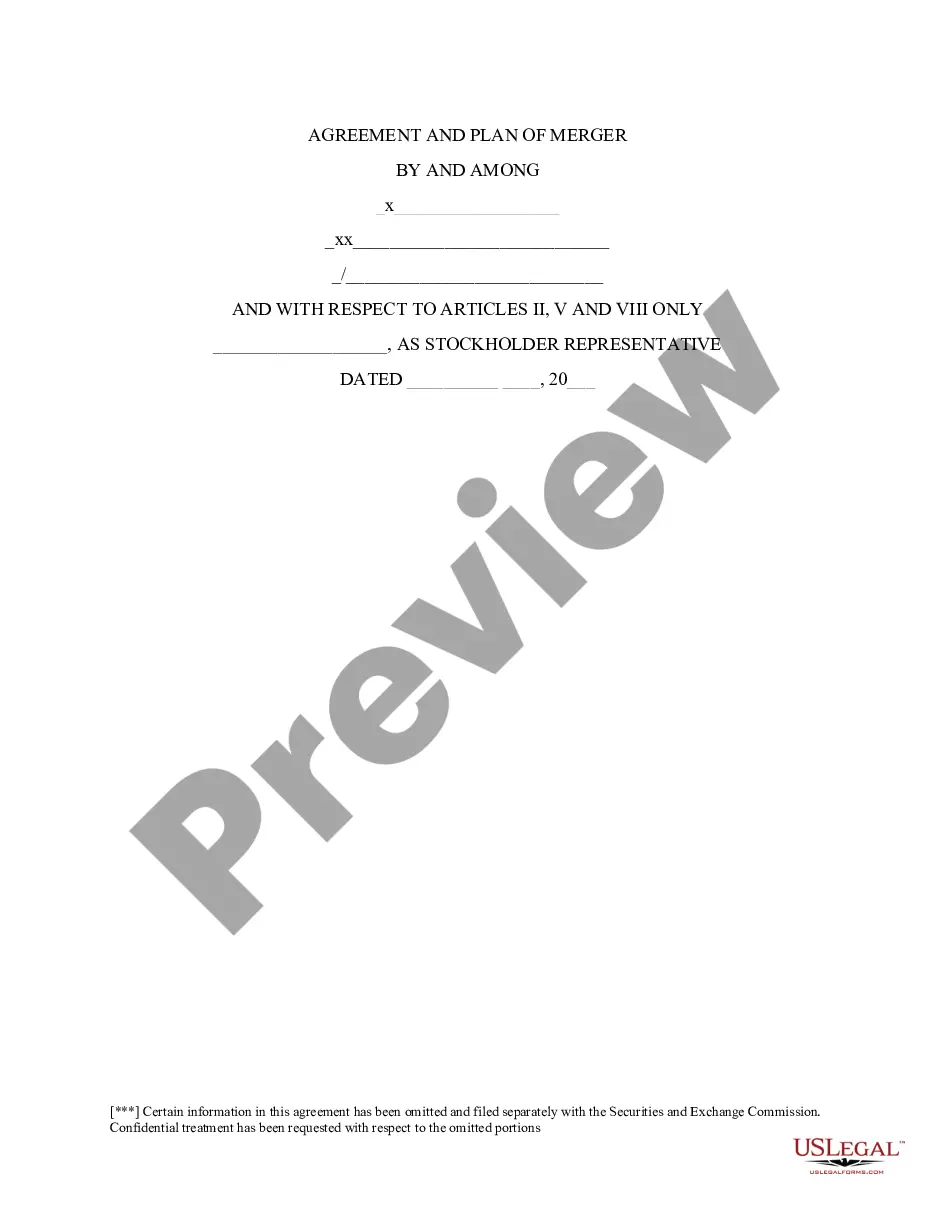
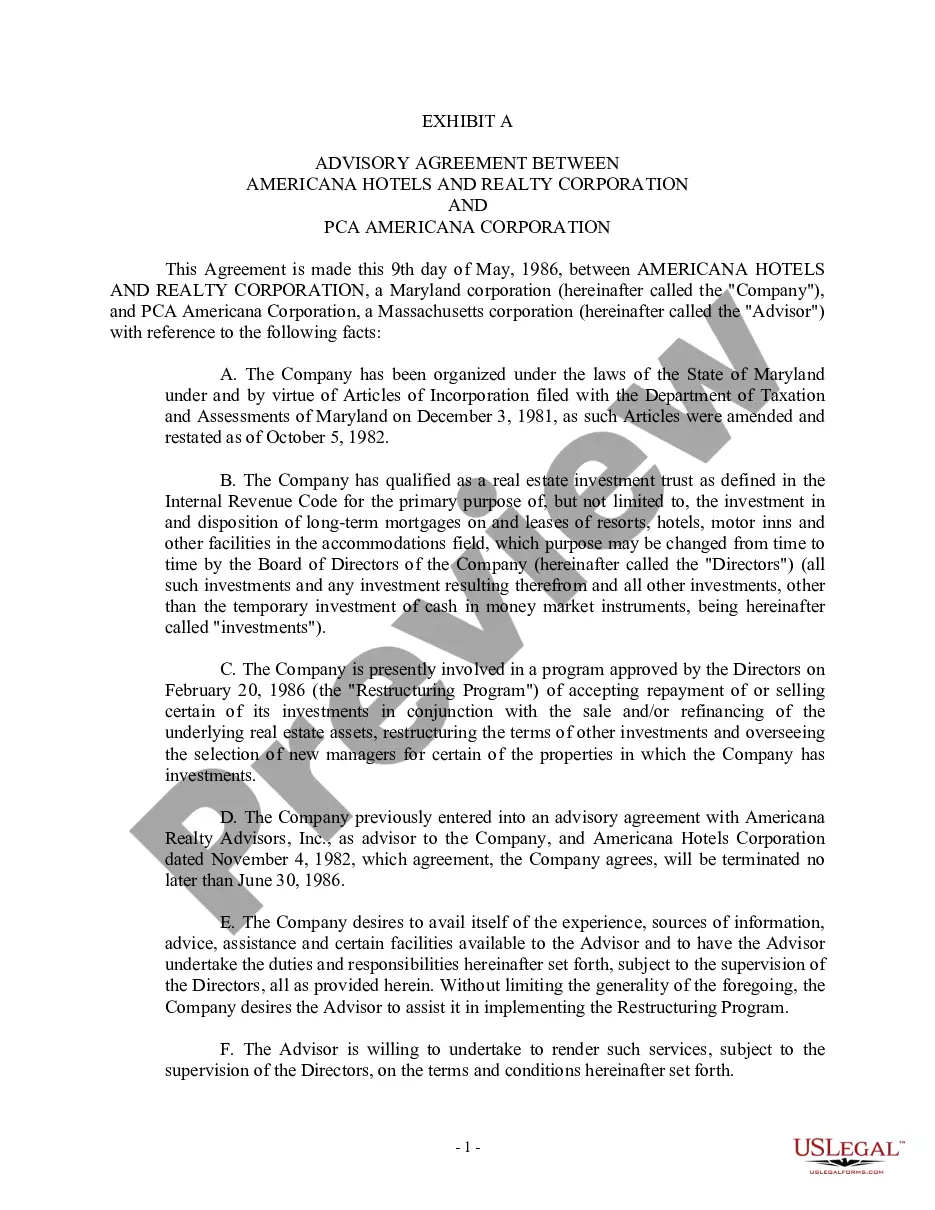
This Agreement and Plan of Merger is a legal document designed for the conversion of a corporation into a Maryland Real Estate Investment Trust (REIT). This form outlines the terms and conditions under which one entity merges with another, effectively transferring and merging assets and liabilities. It serves a distinct purpose compared to other merger agreements by specifying the unique needs and legal requirements associated with Maryland REITs.
Key components of this form
- Recitals: Background information regarding the merger and the intentions of both parties.
- The Merger: Details on how the merger will be executed, including definitions of effective time and closing.
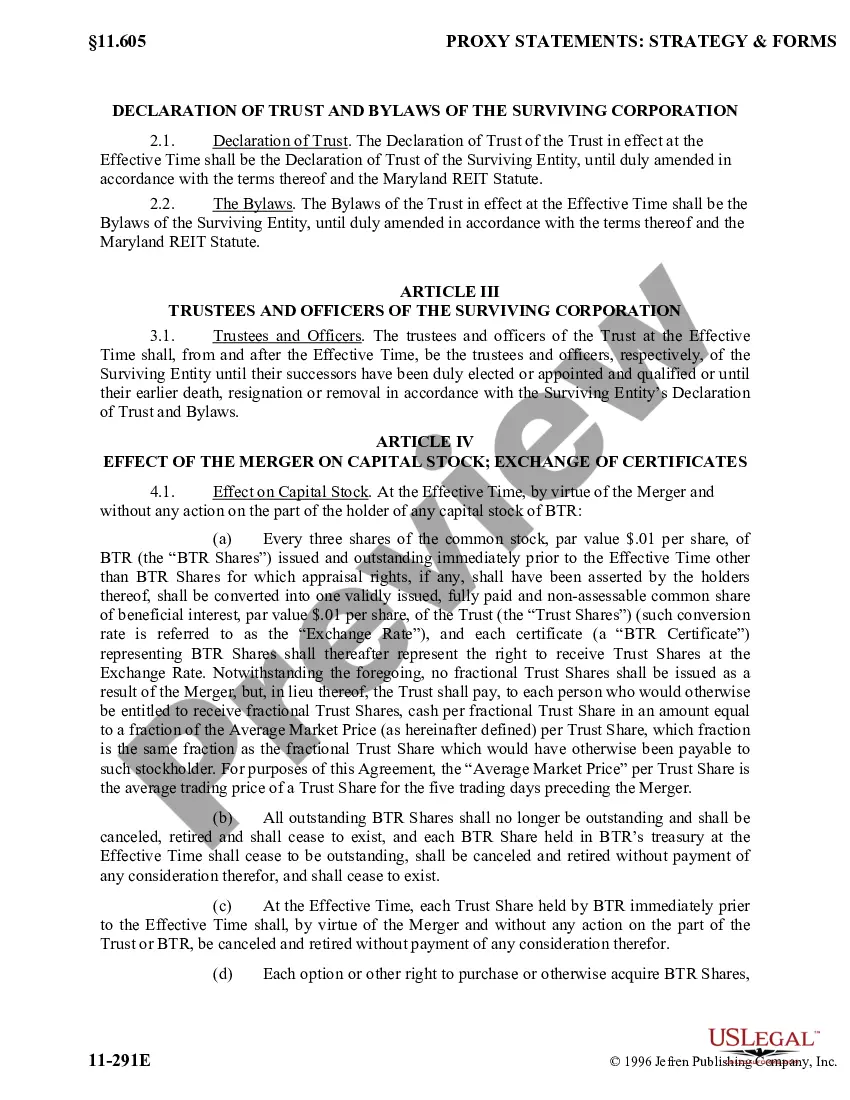
- Trustees and Officers: Information on the governance of the surviving entity post-merger.
- Effect on Capital Stock: Explanation of the conversion of shares and the exchange process.
- Conditions: Specific conditions required for the merger to take place, including shareholder approval.
Common use cases
This form is needed when a corporation wishes to merge with a real estate investment trust in Maryland, converting its structure for specific operational and tax benefits associated with real estate investment. It is particularly applicable when the boards of both entities agree that merging serves the best interests of their respective shareholders.
Who should use this form
- Corporate owners considering a merger into a Maryland REIT.
- Executives or board members involved in the merger decision-making process.
- Legal representatives assisting in the preparation and execution of the Agreement and Plan of Merger.
How to complete this form
- Identify the parties involved: Clearly state the name of the corporation merging and the name of the Maryland REIT.
- Specify the merger details: Include the effective time and date of the merger as well as any specific conditions to the merger.
- Fill in share exchange information: Outline how shares will be converted and exchanged during the merger.
- Incorporate necessary approvals: Ensure all required approvals are documented, including shareholder votes.
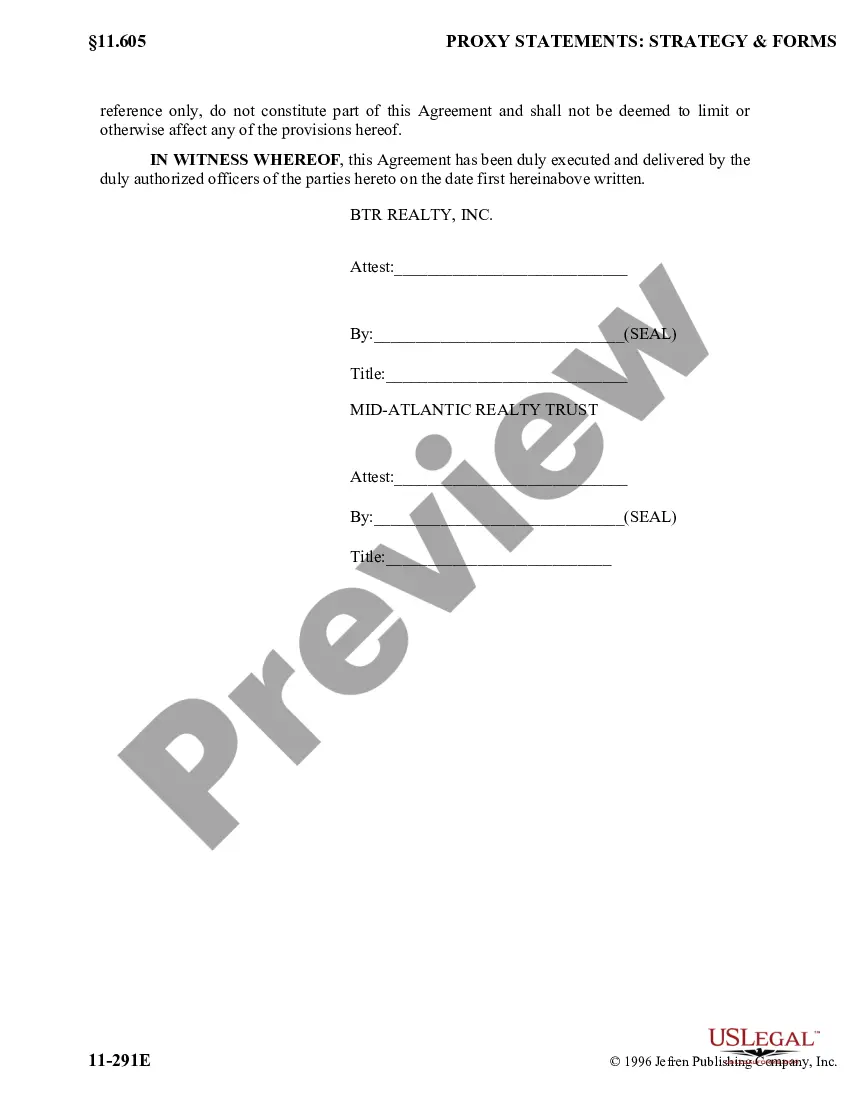
- Finalize signatures: Obtain signatures from authorized representatives of both parties to formalize the agreement.
Is notarization required?
Notarization is not commonly needed for this form. However, certain documents or local rules may make it necessary. Our notarization service, powered by Notarize, allows you to finalize it securely online anytime, day or night.
Get your form ready online
Our built-in tools help you complete, sign, share, and store your documents in one place.
Make edits, fill in missing information, and update formatting in US Legal Forms—just like you would in MS Word.
Download a copy, print it, send it by email, or mail it via USPS—whatever works best for your next step.
Sign and collect signatures with our SignNow integration. Send to multiple recipients, set reminders, and more. Go Premium to unlock E-Sign.
If this form requires notarization, complete it online through a secure video call—no need to meet a notary in person or wait for an appointment.
We protect your documents and personal data by following strict security and privacy standards.

Make edits, fill in missing information, and update formatting in US Legal Forms—just like you would in MS Word.

Download a copy, print it, send it by email, or mail it via USPS—whatever works best for your next step.

Sign and collect signatures with our SignNow integration. Send to multiple recipients, set reminders, and more. Go Premium to unlock E-Sign.

If this form requires notarization, complete it online through a secure video call—no need to meet a notary in person or wait for an appointment.

We protect your documents and personal data by following strict security and privacy standards.
Typical mistakes to avoid
- Failure to obtain the necessary shareholder approvals before finalizing the merger.
- Incorrectly detailing share conversion rates, leading to disputes among shareholders.
- Neglecting to review state-specific regulations that may affect the merger.
- Omitting critical terms and conditions that could result in legal complications later.
Why use this form online
- Convenient access: Download and complete the form at your convenience, without the need for in-person appointments.
- Editability: Adjust the form as needed to suit your specific corporate circumstances or requirements.
- Reliability: Ensure that the document is drafted based on current legal standards, reducing the risk of errors.
Looking for another form?


Form popularity
FAQ
If a contract with a dissolved company exists, the contract will stay legally valid.Dissolving a company will not terminate any lease the company has including those for a real estate property, company vehicles, or other creditors.
On average, roughly 30% of employees are deemed redundant after a merger or acquisition in the same industry. In such situations, most people tend to fixate on what they can't control: decisions about who is let go, promoted, reassigned, or relocated.
A merger agreement (or definitive merger agreement) is the legal contract that is drawn up and signed by both parties when two companies merge. Its terms and conditions can be quite detailed, and it usually spells out several parameters regarding staffing actions to be implemented.
Types of Mergers. The three main types of mergers are horizontal, vertical, and conglomerate. In a horizontal merger, companies at the same stage in the same industry merge to reduce costs, expand product offerings, or reduce competition.
Mergers combine two companies into one surviving company. Consolidations combine several companies into a new, larger organization. For instance, if Company ABC and Company XYC were to consolidate, they might create Company MNO.
A merger is an agreement that unites two existing companies into one new company.Mergers and acquisitions are commonly done to expand a company's reach, expand into new segments, or gain market share. All of these are done to increase shareholder value.
In contract law, agreements are merged when one contract is absorbed into another. The merger of contracts is generally based on the language of the agreement and the intent of the parties.
If the company changes owners in whole or in part, it is still the same company and this will not terminate any contracts. If, instead, the company sells its business (which is an asset of the company that it can sell like a car or a building), then the contracts are transferred as part of that sale.