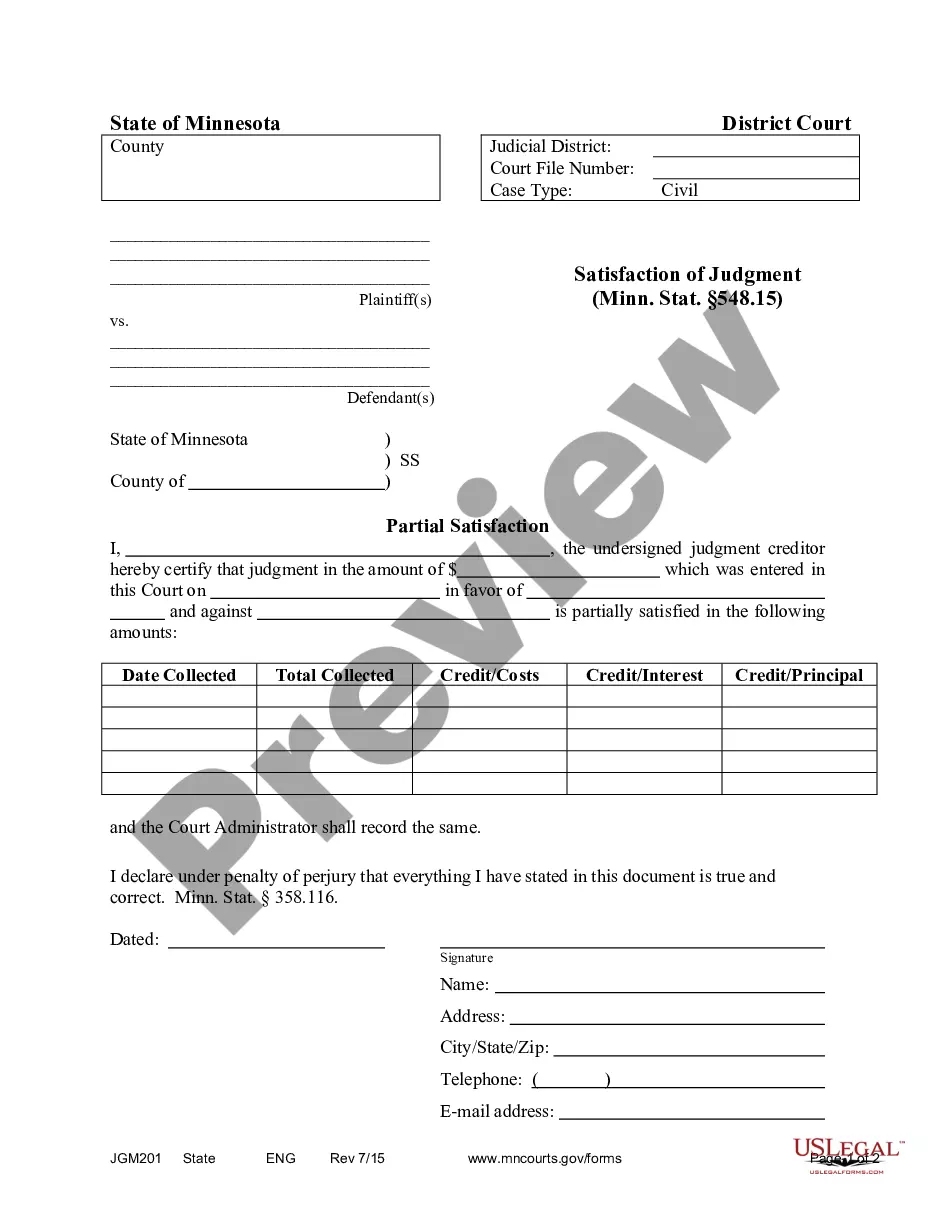
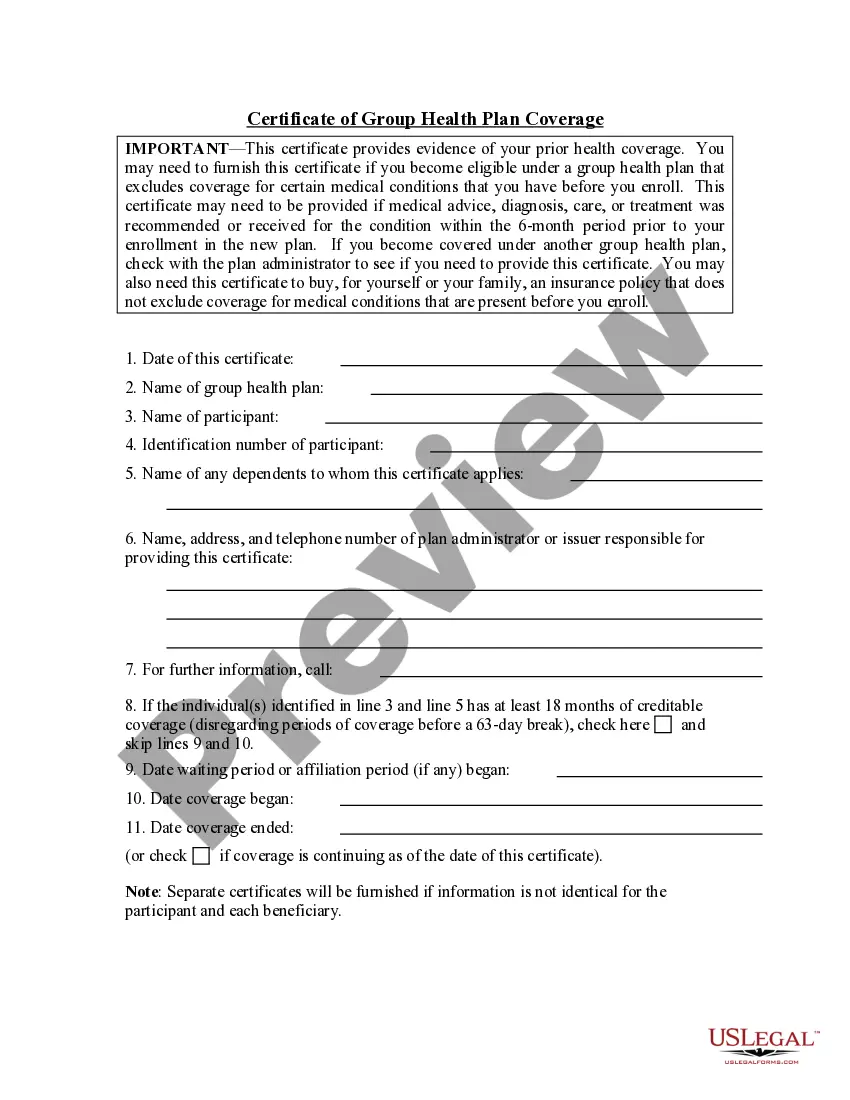
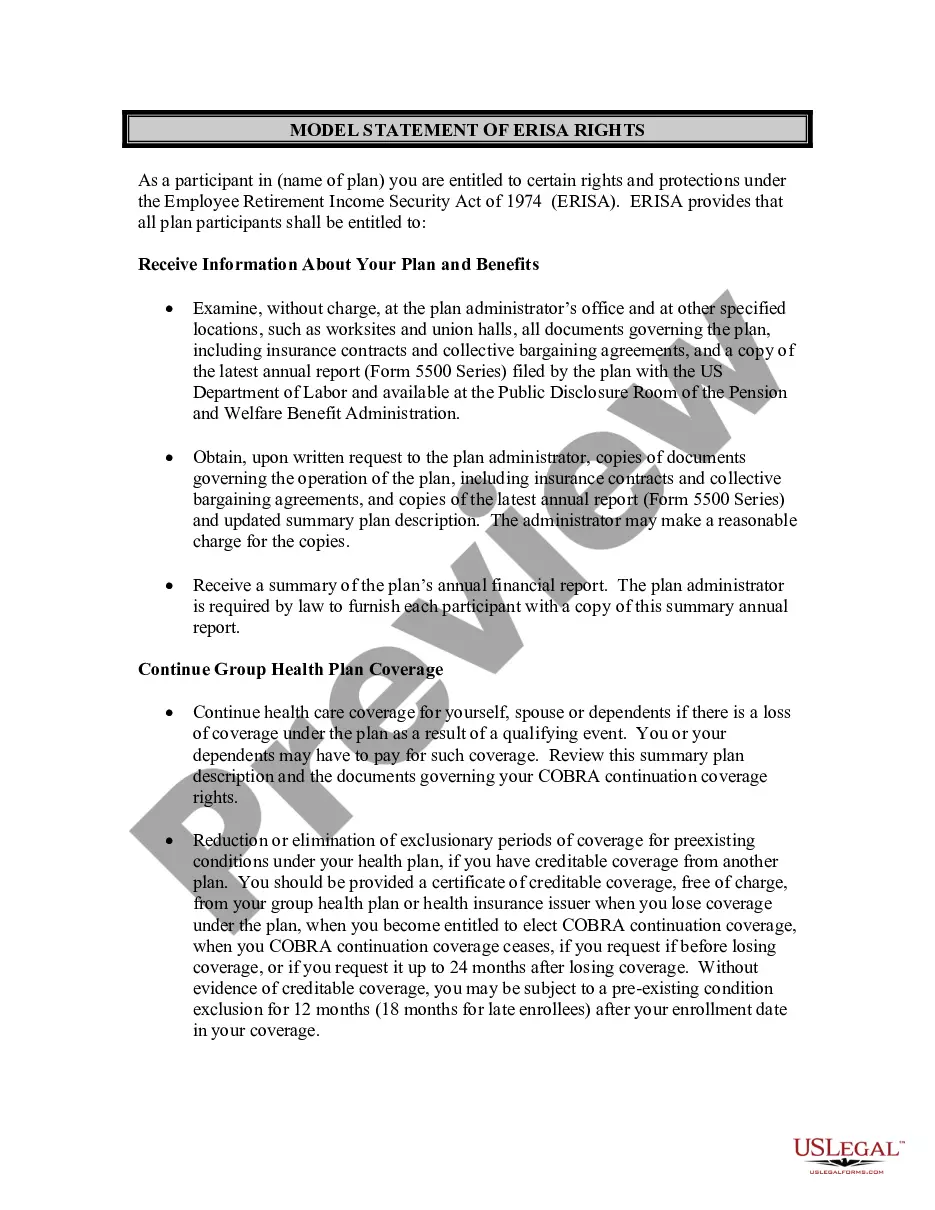
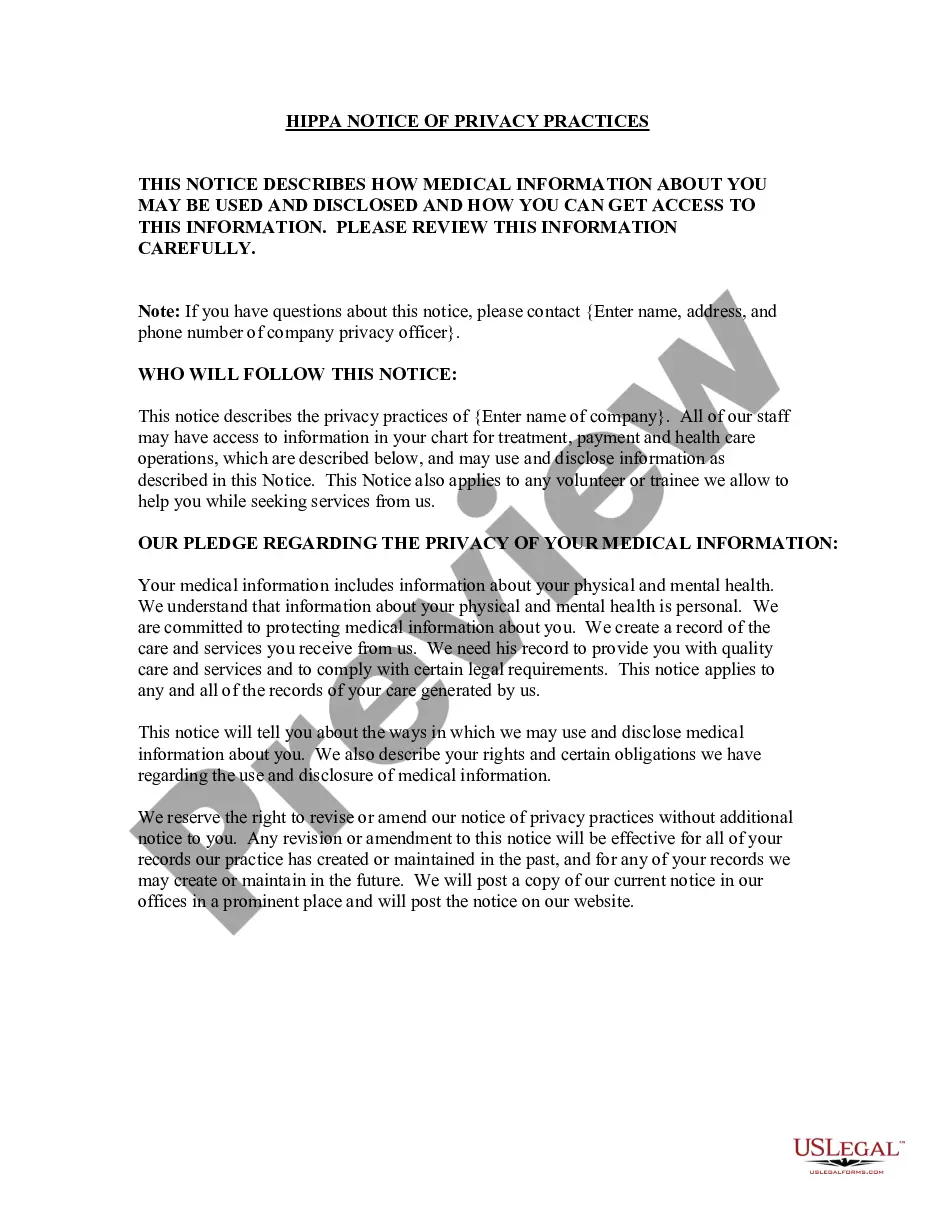
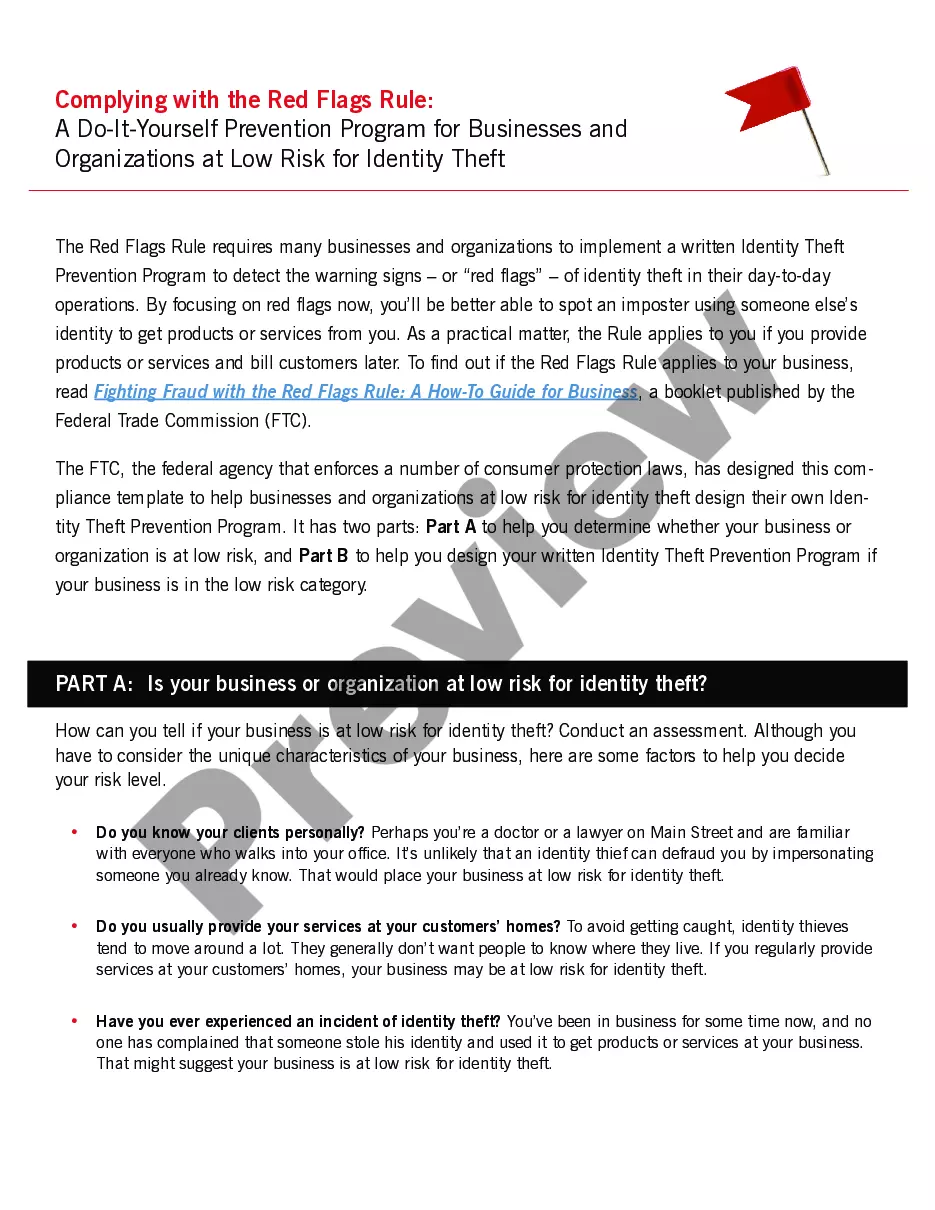
Certificate of Group Health Plan Coverage with Statement of HIPAA Portability Rights
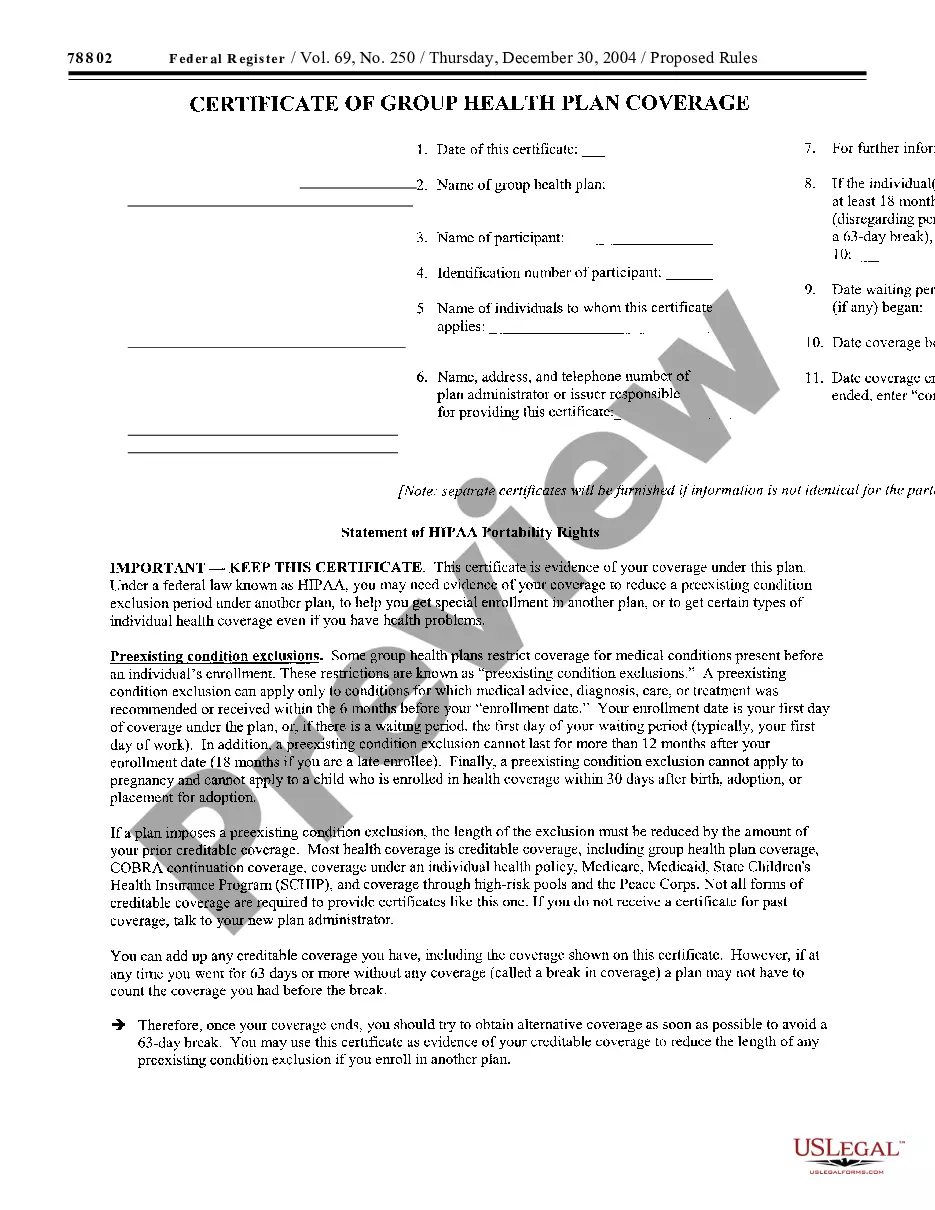

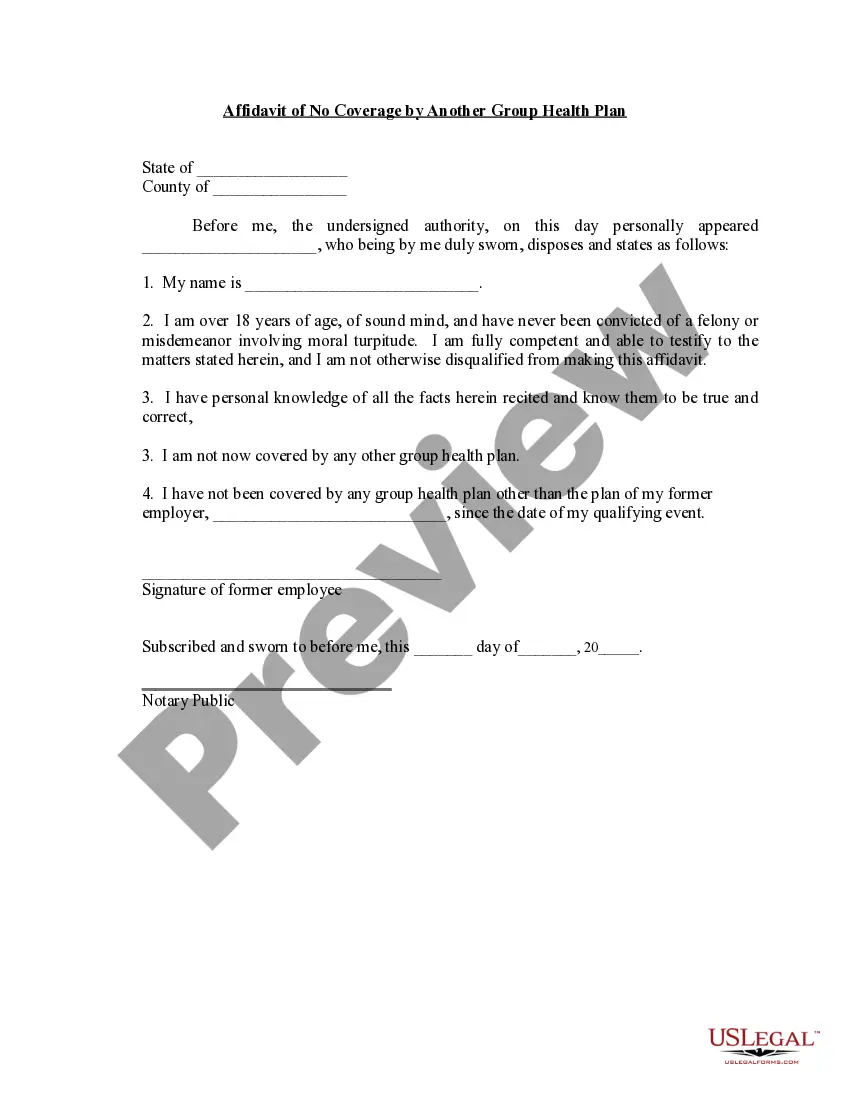
Notarization requirements for this form
Notarization is not commonly needed for this form. However, certain documents or local rules may make it necessary. Our notarization service, powered by Notarize, allows you to finalize it securely online anytime, day or night.
Get your form ready online
Our built-in tools help you complete, sign, share, and store your documents in one place.
Make edits, fill in missing information, and update formatting in US Legal Forms—just like you would in MS Word.
Download a copy, print it, send it by email, or mail it via USPS—whatever works best for your next step.
Sign and collect signatures with our SignNow integration. Send to multiple recipients, set reminders, and more. Go Premium to unlock E-Sign.
If this form requires notarization, complete it online through a secure video call—no need to meet a notary in person or wait for an appointment.
We protect your documents and personal data by following strict security and privacy standards.

Make edits, fill in missing information, and update formatting in US Legal Forms—just like you would in MS Word.

Download a copy, print it, send it by email, or mail it via USPS—whatever works best for your next step.

Sign and collect signatures with our SignNow integration. Send to multiple recipients, set reminders, and more. Go Premium to unlock E-Sign.

If this form requires notarization, complete it online through a secure video call—no need to meet a notary in person or wait for an appointment.

We protect your documents and personal data by following strict security and privacy standards.
Looking for another form?


Form popularity
FAQ
When you apply for a HIPAA plan, you should provide a Certificate of Creditable Coverage from your last health plan. This is a letter that says how long you have been covered and provides proof that you have had at least 18 months of coverage.
The HIPAA rules allow disclosure of information that is relevant to the caregiver's involvement in the patient's care.Unfortunately, although all release forms must be HIPAA-compliant, there is no standard form.
The HIPAA privacy form is a document that outlines the manner in which a patient's PHI (protected health information) may be disclosed to third parties (e.g. health clearinghouses). Patients who sign one of these forms legally acknowledge that they have understood the provider's privacy practices.
Health care providers will ask patients to sign a form saying that they received a copy of the notice of privacy practices. The law does not require patients to sign this. However, signing does not waive a patient's rights under HIPAA, and does not mean that the patient agrees with the privacy policy.
A HIPAA authorization form is a document in that allows an appointed person or party to share specific health information with another person or group. Your appointed person can be a doctor, a hospital, or a health care provider, as well as certain other entities such as an attorney.