Request for Accounting of Disclosures of Protected Health Information
What this document covers
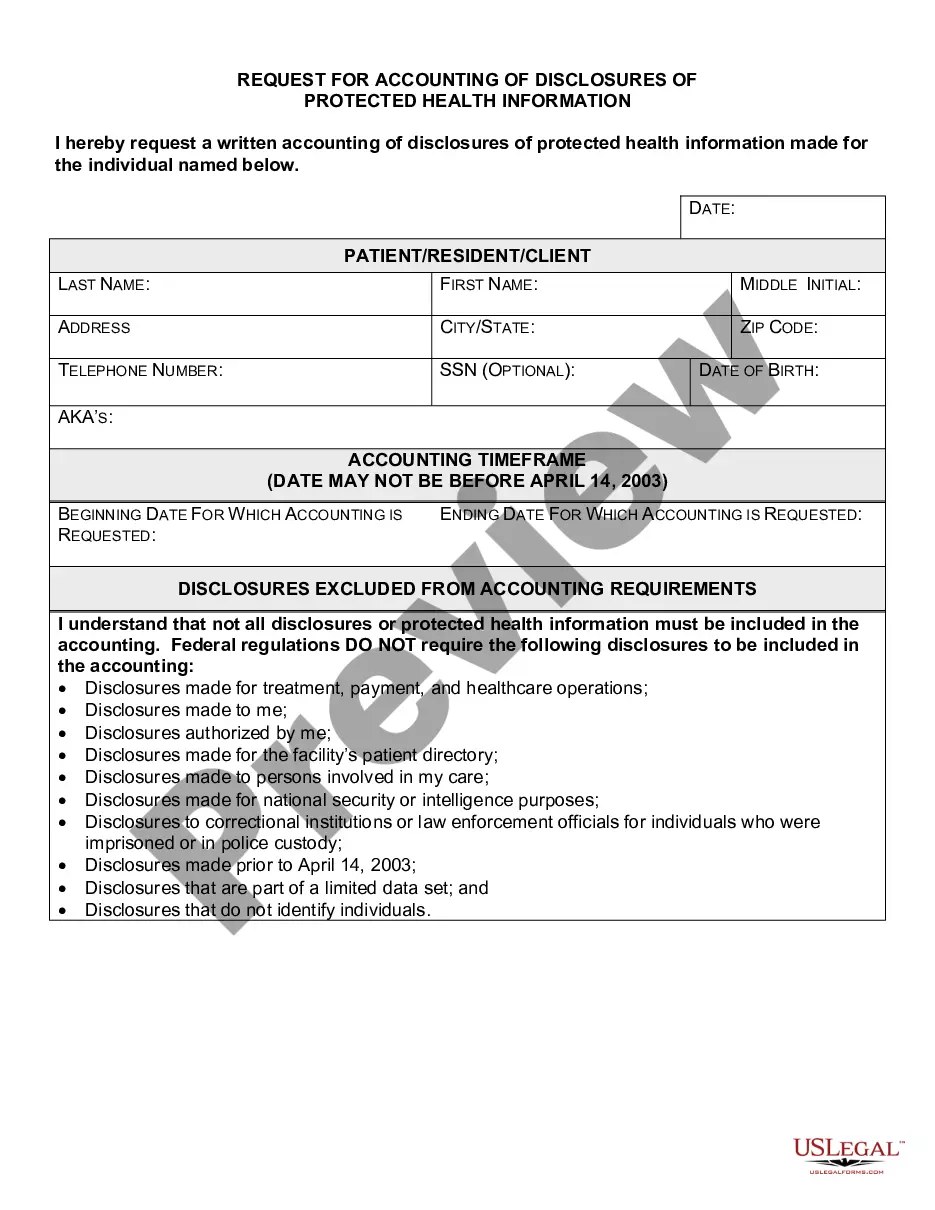
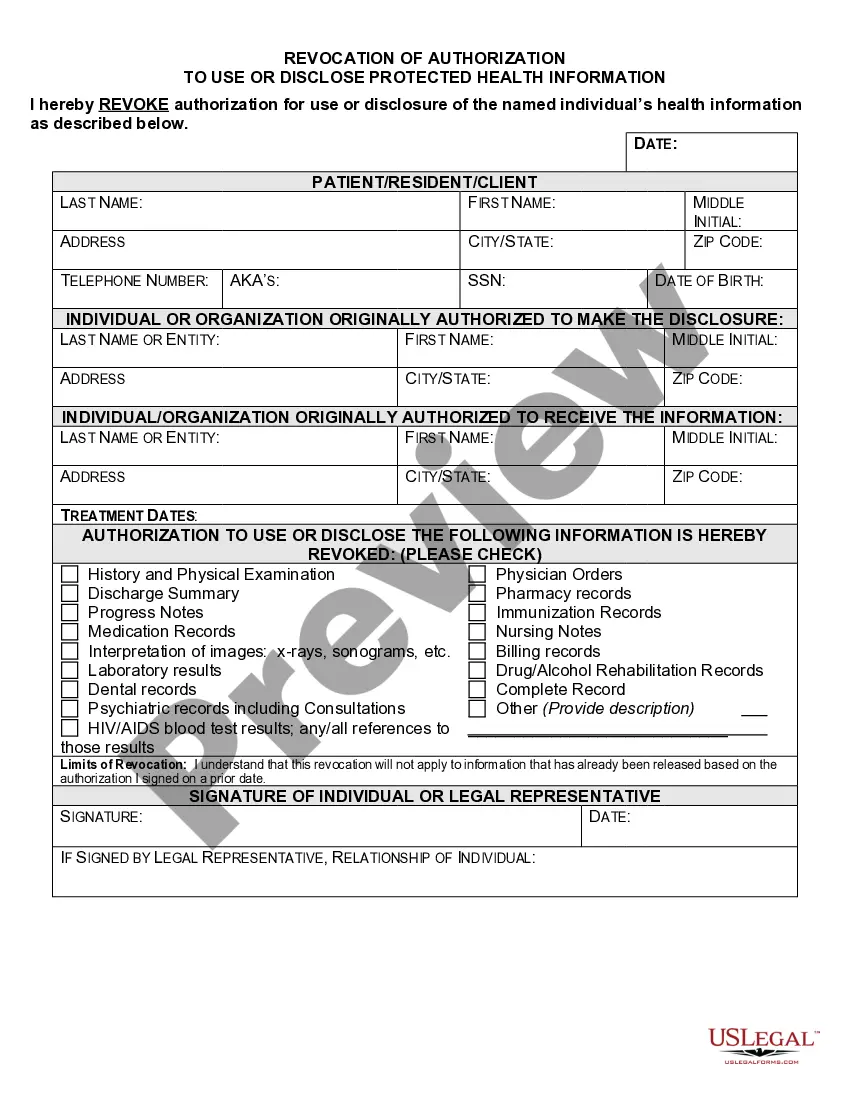
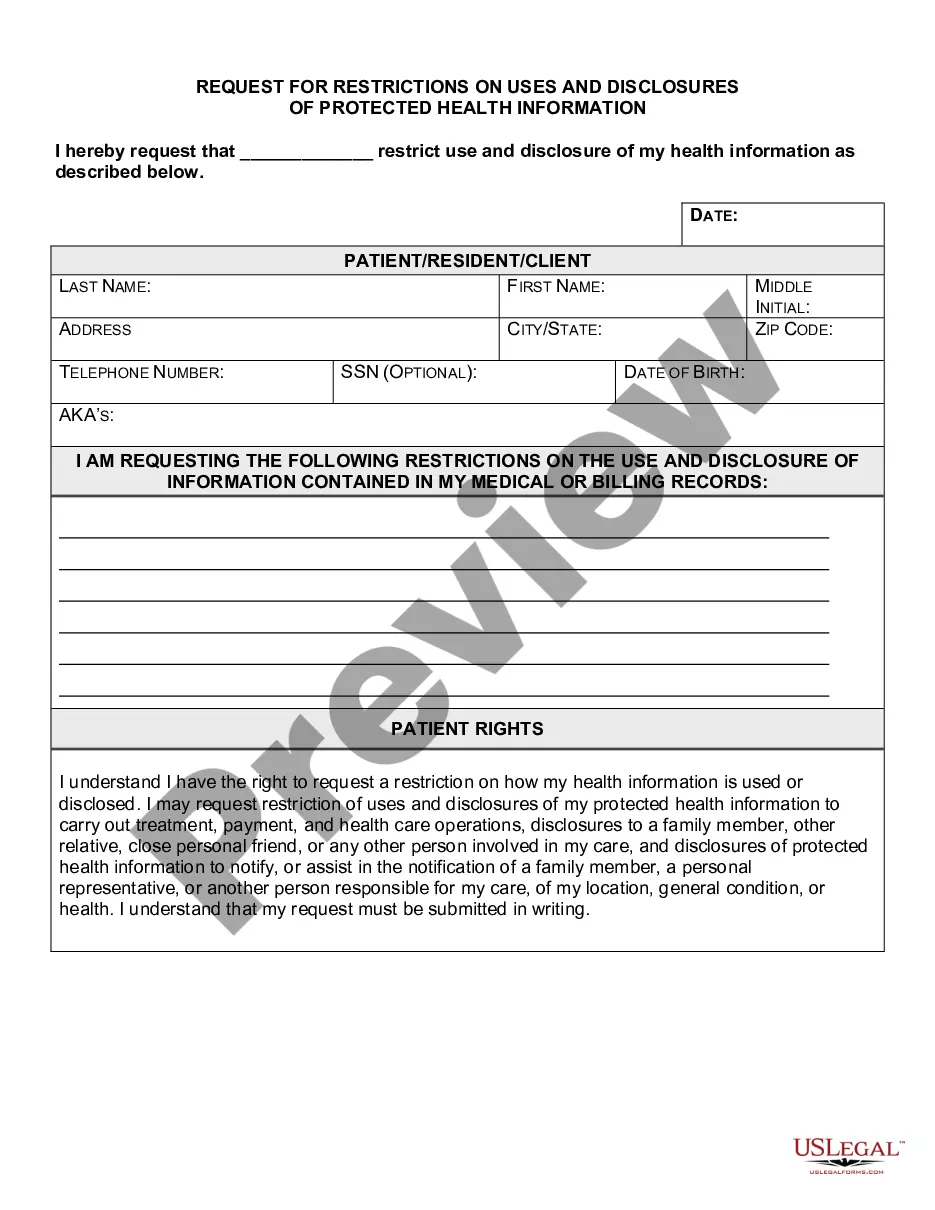
The Request for Accounting of Disclosures of Protected Health Information is a legal document that allows individuals to obtain a record of the entities or people to whom their protected health information (PHI) has been disclosed. This form serves to increase transparency and control for patients regarding their health data. Unlike other health information forms, this specific request focuses only on disclosures made and does not provide copies of the health information itself.
Key components of this form
- Disclosure categories: treatment, payment, healthcare operations, and more.
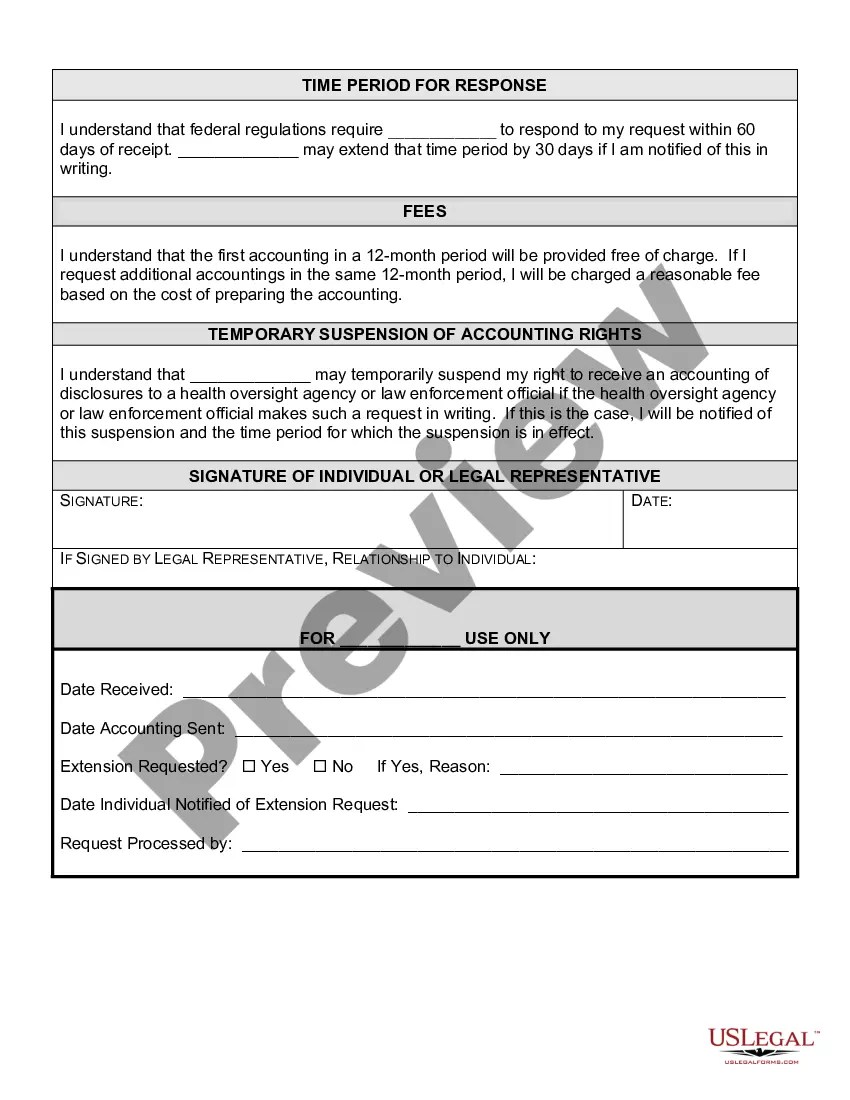
- Timeframe for response: 60 days, with a possible 30-day extension.
- Fees: first accounting provided at no charge; subsequent requests may incur a fee.
- Temporary suspension of accounting rights notification.
- Signature and date fields for request submission.

Situations where this form applies
This form should be used when an individual seeks to understand how their protected health information has been shared. Scenarios for using this form include wanting to verify compliance with health privacy laws, checking for unauthorized disclosures, or simply staying informed about personal health data management.
Intended users of this form
- Patients who want to track their protected health information disclosures.
- Individuals concerned about the privacy of their health data.
- People who have received treatment and wish to know where their information has been shared.
Steps to complete this form
- Fill in your personal information at the top of the form.
- Specify the timeframe for which you are requesting an accounting of disclosures.
- Indicate whether you are requesting an extension; if so, provide a reason.
- Sign and date the form to certify your request.
- Submit the form following appropriate healthcare facility protocols.
Notarization requirements for this form
This form does not typically require notarization to be legally valid. However, some jurisdictions or document types may still require it. US Legal Forms provides secure online notarization powered by Notarize, available 24/7 for added convenience.
Get your form ready online
Our built-in tools help you complete, sign, share, and store your documents in one place.
Make edits, fill in missing information, and update formatting in US Legal Forms—just like you would in MS Word.
Download a copy, print it, send it by email, or mail it via USPS—whatever works best for your next step.
Sign and collect signatures with our SignNow integration. Send to multiple recipients, set reminders, and more. Go Premium to unlock E-Sign.
If this form requires notarization, complete it online through a secure video call—no need to meet a notary in person or wait for an appointment.
We protect your documents and personal data by following strict security and privacy standards.

Make edits, fill in missing information, and update formatting in US Legal Forms—just like you would in MS Word.

Download a copy, print it, send it by email, or mail it via USPS—whatever works best for your next step.

Sign and collect signatures with our SignNow integration. Send to multiple recipients, set reminders, and more. Go Premium to unlock E-Sign.

If this form requires notarization, complete it online through a secure video call—no need to meet a notary in person or wait for an appointment.

We protect your documents and personal data by following strict security and privacy standards.
Common mistakes to avoid
- Failing to specify the time frame for disclosures.
- Not signing the form, making it invalid.
- Overlooking any specific state requirements that may apply.
- Neglecting to keep a copy for personal records.
Advantages of online completion
- Immediate access to a professionally drafted form for convenience.
- Easy to customize for your specific needs.
- Secure and reliable process for managing your health information.
Legal use & context
- This form aligns with federal regulations that mandate accounting of disclosures for health information.
- It is important for maintaining patient rights regarding health information privacy.
- The form provides a formal request that healthcare entities must respond to under law.
What to keep in mind
- The form allows patients to track their health information disclosures.
- First requests for accounting are free within a twelve-month period.
- Completion requires careful attention to details and signature for validity.
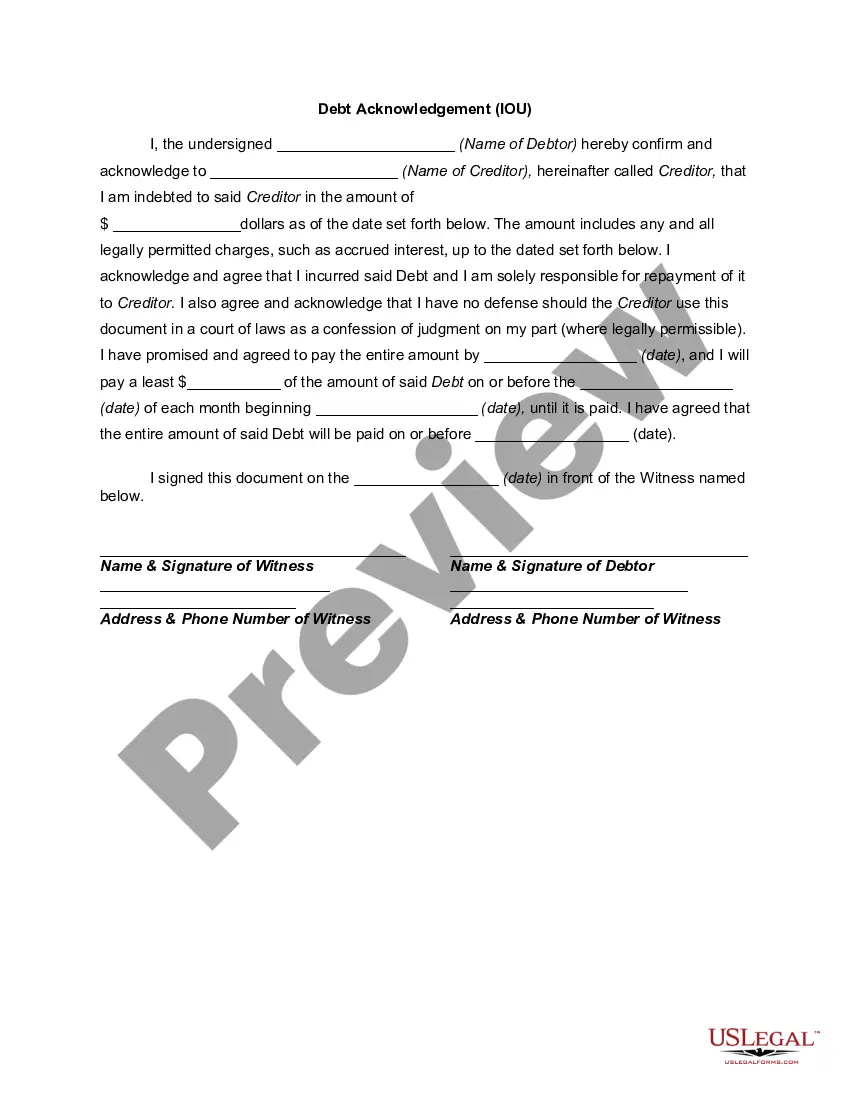
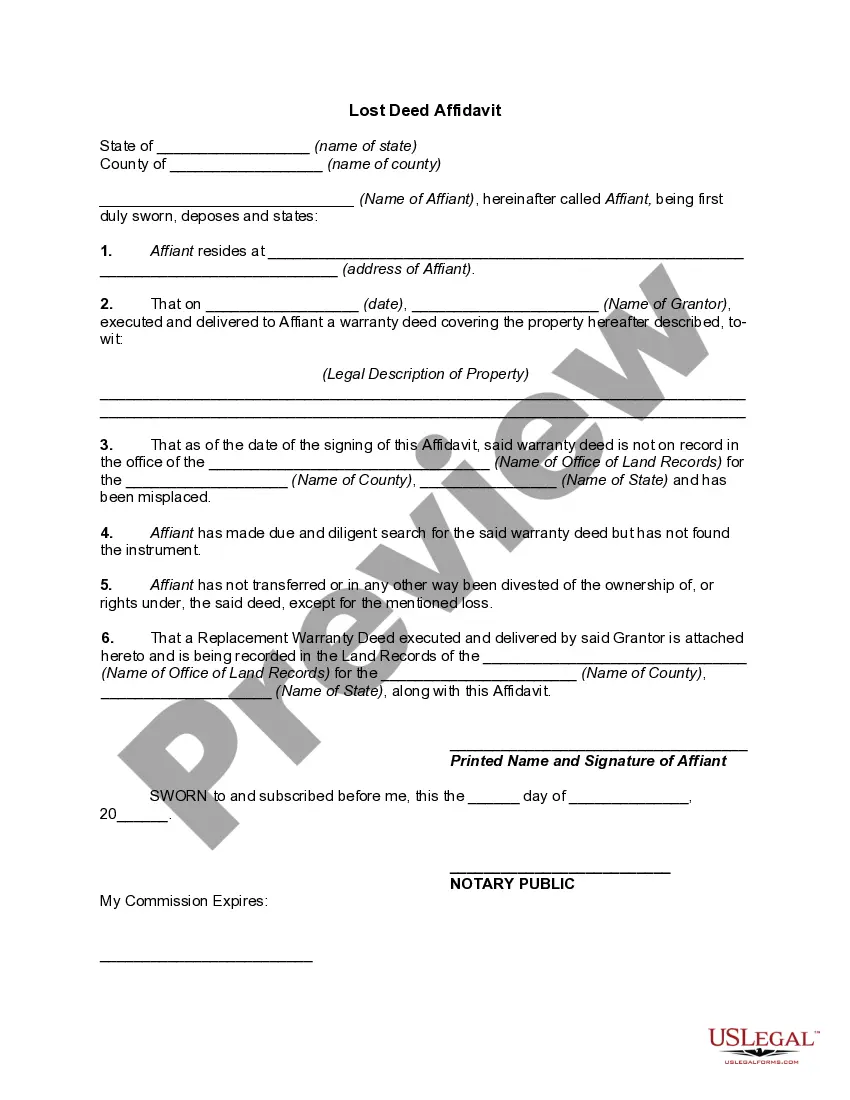
Looking for another form?




Form popularity
FAQ
A covered entity must disclose protected health information in only two situations: (a) to individuals (or their personal representatives) specifically when they request access to, or an accounting of disclosures of, their protected health information; and (b) to HHS when it is undertaking a compliance investigation or
Generally speaking, covered entities may disclose PHI to anyone a patient wants. They may also use or disclose PHI to notify a family member, personal representative, or someone responsible for the patient's care of the patient's location, general condition, or death.
Electronic transactions and code sets standards requirements. Privacy requirements. Security requirements. National identifier requirements.
A covered entity must disclose protected health information in only two situations: (a) to individuals (or their personal representatives) specifically when they request access to, or an accounting of disclosures of, their protected health information; and (b) to HHS when it is undertaking a compliance investigation or
The accounting is required to include the following: (1) disclosures of protected health information that occurred during the six years prior to the date of the request for an accounting; and (2) for each disclosure: the date of the disclosure; the name of the entity or person who received the protected health
For each disclosure, the accounting must include: (1) The date of the disclosure; (2) the name (and address, if known) of the entity or person who received the protected health information; (3) a brief description of the information disclosed; and (4) a brief statement of the purpose of the disclosure (or a copy of the
Assure health insurance portability by eliminating job-lock due to pre-existing medical conditions. Reduce healthcare fraud and abuse. Enforce standards for health information. Guarantee security and privacy of health information.
HIPAA Disclosure Accounting or Accounting of Disclosures (AOD) is the action or process of keeping records of disclosures of PHI for purposes other than Treatment, Payment, or Healthcare Operations. You are required by law to provide patients a list of all the disclosures of their PHI that you have made outside of TPO.
The law requires that a HIPAA authorization form contain specific core elements to be valid. These elements include: A description of the specific information to be used or disclosed. The name or other specific identification of the person(s), or class of persons, authorized to make the requested use or disclosure.