Pay in Lieu of Notice Guidelines
Understanding this form
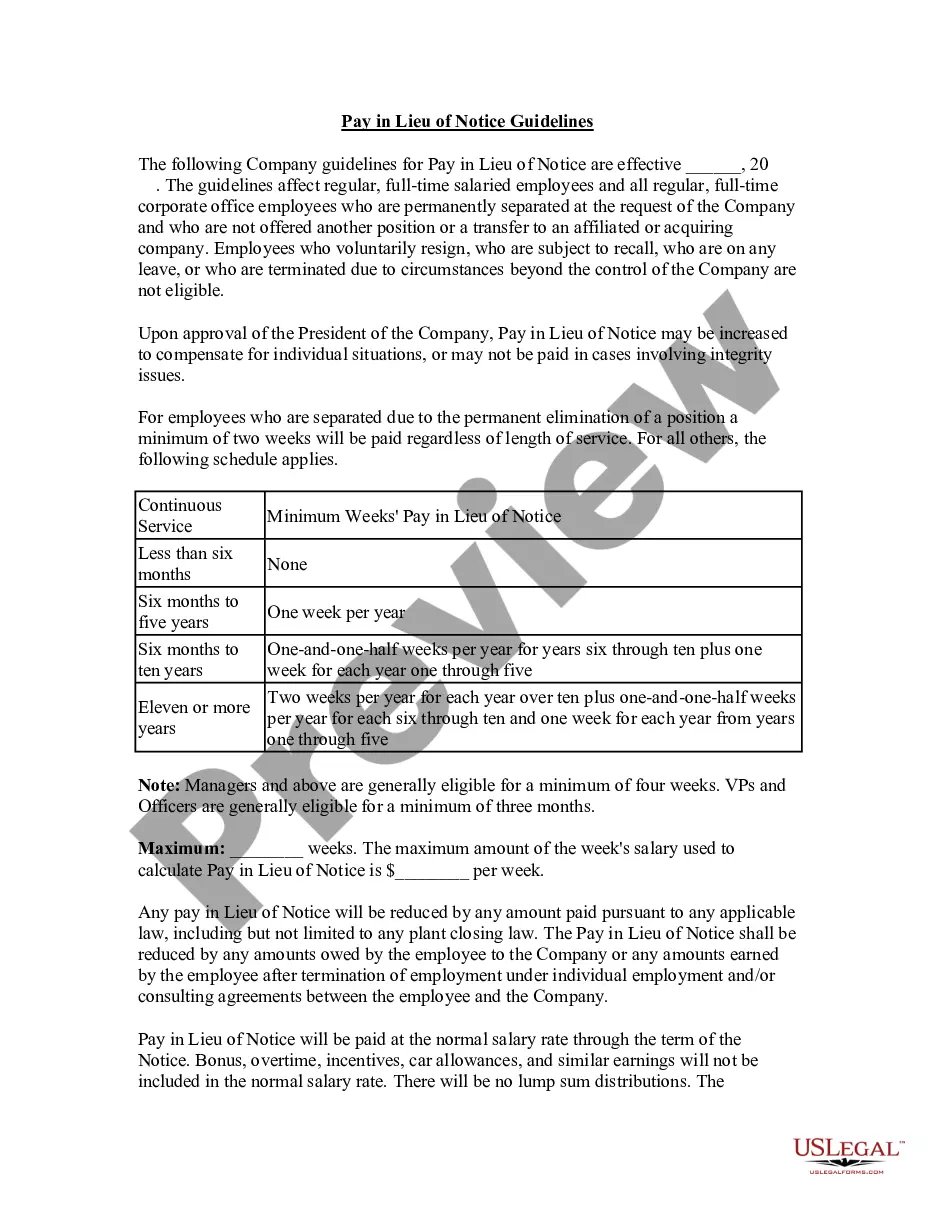
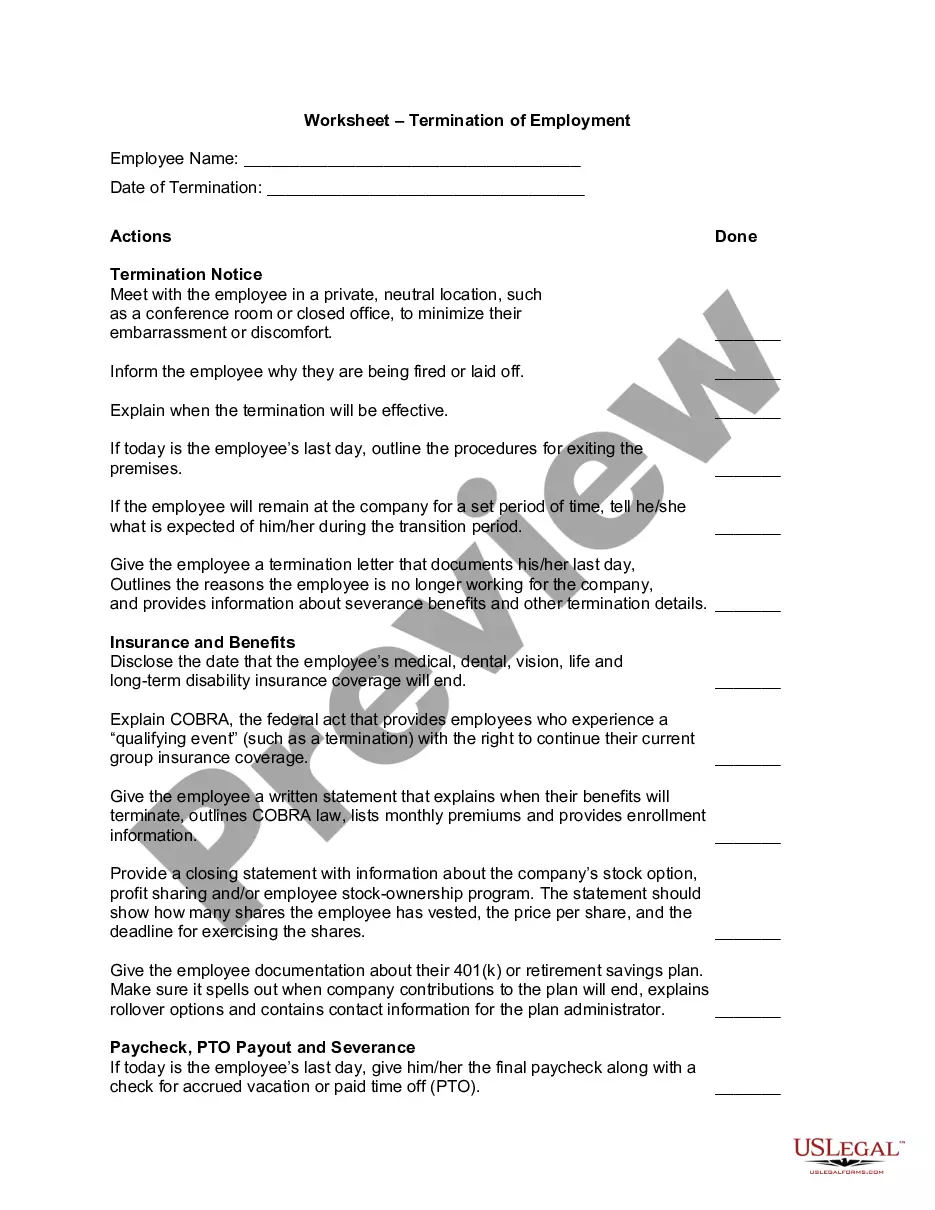
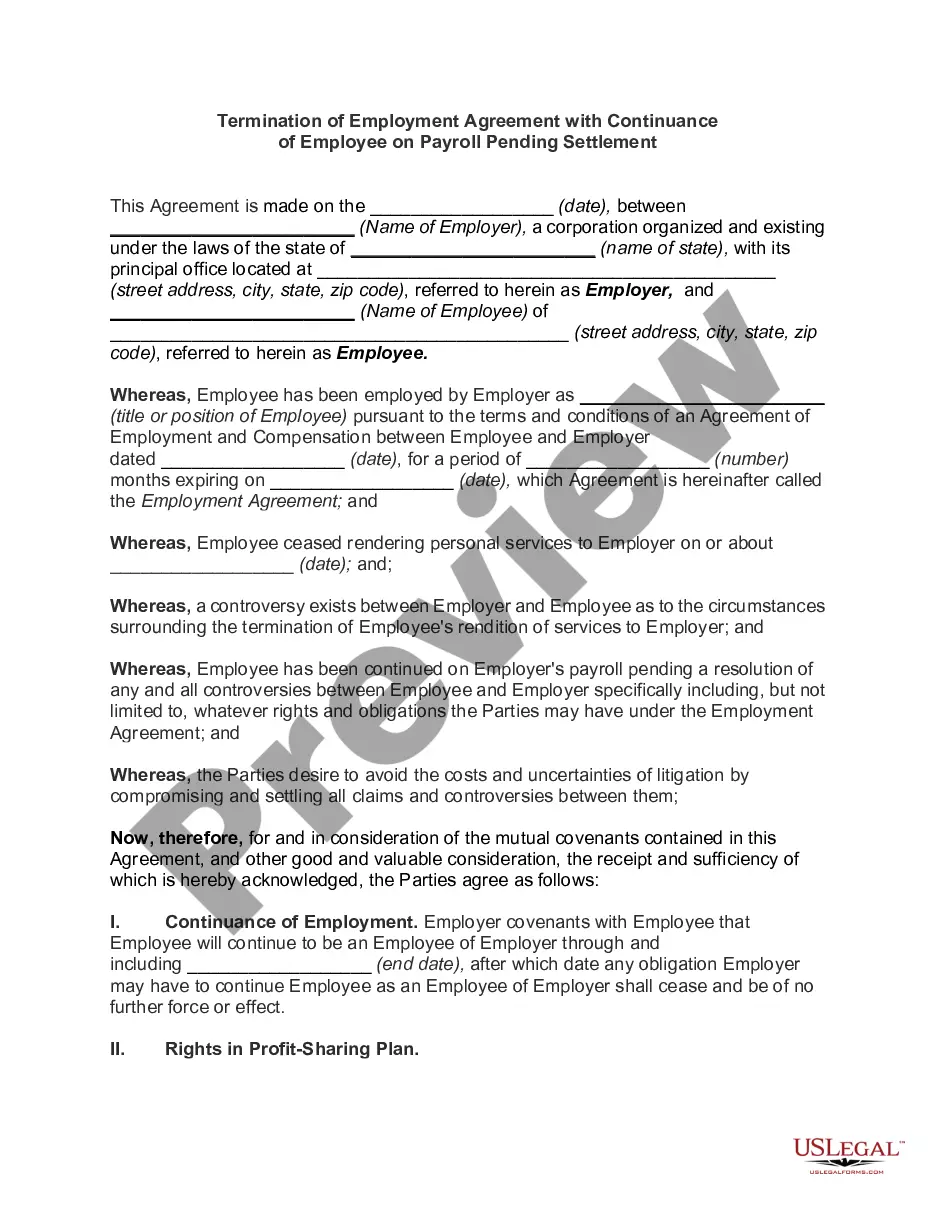
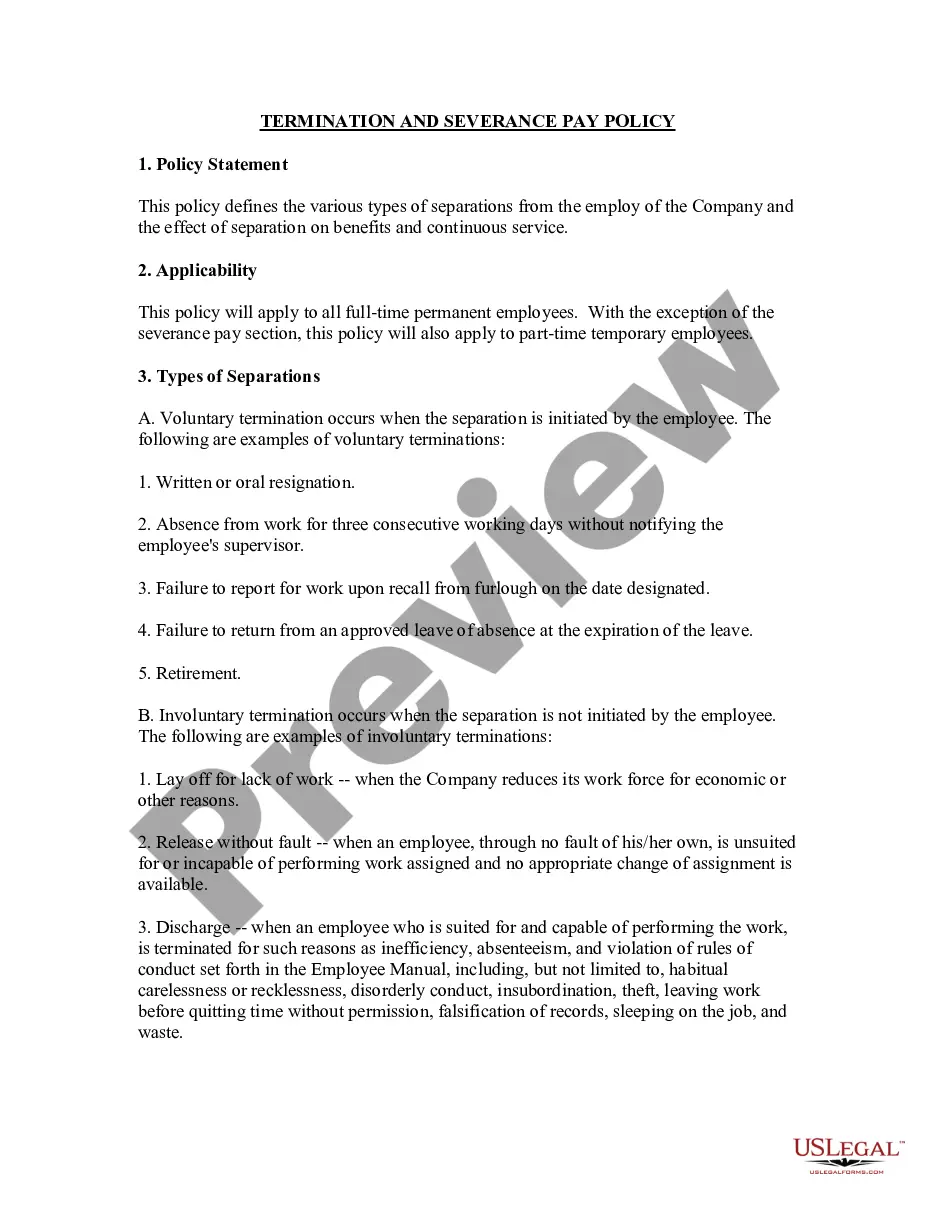
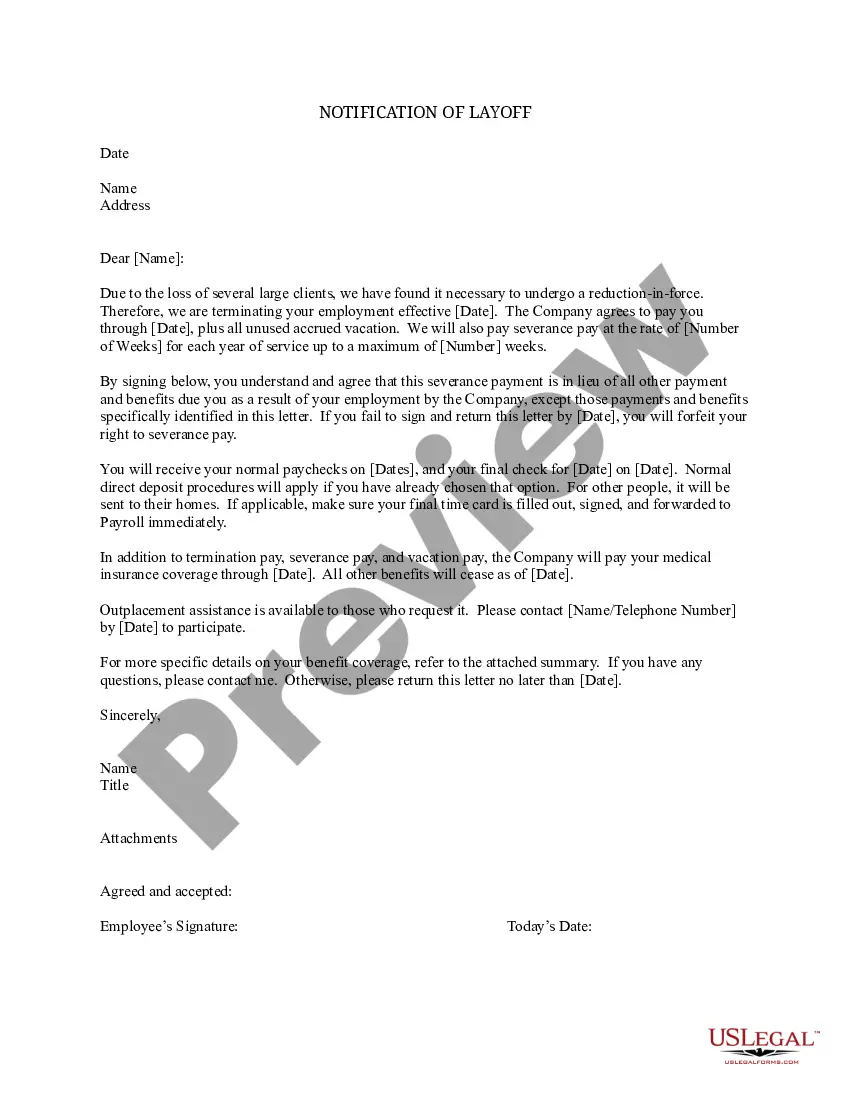
The Pay in Lieu of Notice Guidelines is a policy document that outlines the procedures for compensating employees who are terminated without prior notice. This form provides essential details on the terms and conditions under which pay in lieu of notice may be granted. It differs from general termination guidelines by specifically addressing the compensation employees may receive when their employment is terminated unexpectedly.
Main sections of this form
- Eligibility for pay in lieu of notice based on length of service.
- Compensation scale detailing minimum weeks of pay.
- Conditions under which pay may be modified or withheld.
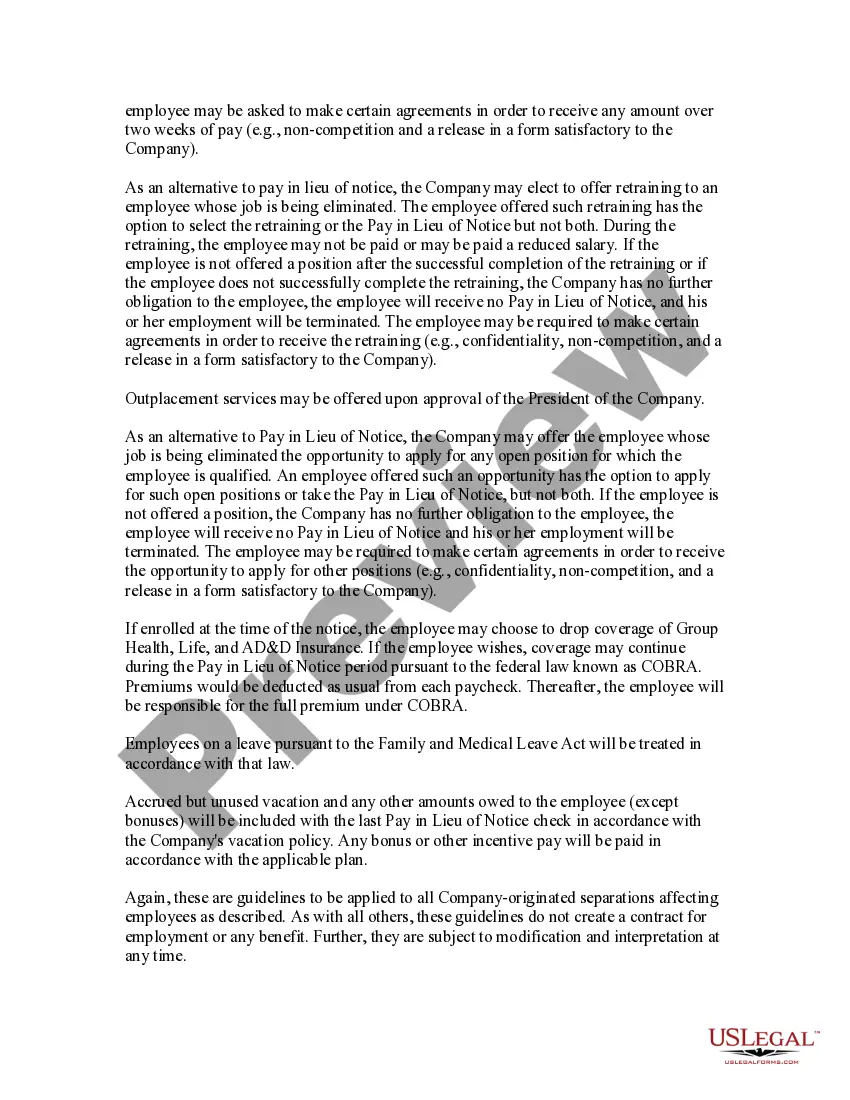
- Guidance on retraining options available to employees.
- Information regarding the treatment of benefits and unused vacation pay.
- Requirements for receiving pay over a specified amount.

When to use this document
This form is essential when an employee is terminated without notice and the company opts to offer financial compensation instead. It applies in situations such as position eliminations or other unexpected job separations where employees qualify for financial assistance according to company policy.
Who can use this document
This form is intended for:
- Human resources personnel responsible for employee separations.
- Company executives or managers making termination decisions.
- Employees who have received termination notices and wish to understand their compensation options.
Instructions for completing this form
- Ensure you have the correct employee information, including name and position.
- Determine the employee's length of service to apply the correct compensation scale.
- Review the reasons for termination to assess eligibility for pay in lieu of notice.
- Document any agreements required for the employee to receive additional compensation.
- Provide information about retraining options or other benefits that may apply.
Notarization requirements for this form
Notarization is not commonly needed for this form. However, certain documents or local rules may make it necessary. Our notarization service, powered by Notarize, allows you to finalize it securely online anytime, day or night.
Get your form ready online
Our built-in tools help you complete, sign, share, and store your documents in one place.
Make edits, fill in missing information, and update formatting in US Legal Forms—just like you would in MS Word.
Download a copy, print it, send it by email, or mail it via USPS—whatever works best for your next step.
Sign and collect signatures with our SignNow integration. Send to multiple recipients, set reminders, and more. Go Premium to unlock E-Sign.
If this form requires notarization, complete it online through a secure video call—no need to meet a notary in person or wait for an appointment.
We protect your documents and personal data by following strict security and privacy standards.

Make edits, fill in missing information, and update formatting in US Legal Forms—just like you would in MS Word.

Download a copy, print it, send it by email, or mail it via USPS—whatever works best for your next step.

Sign and collect signatures with our SignNow integration. Send to multiple recipients, set reminders, and more. Go Premium to unlock E-Sign.

If this form requires notarization, complete it online through a secure video call—no need to meet a notary in person or wait for an appointment.

We protect your documents and personal data by following strict security and privacy standards.
Mistakes to watch out for
- Failing to assess all eligibility criteria for pay in lieu of notice.
- Incorrectly calculating the compensation based on the employee's length of service.
- Not documenting required agreements or conditions for additional compensation.
- Overlooking local laws that might impact the terms of pay in lieu of notice.
Why complete this form online
- Immediate access to a ready-to-use legal template.
- Editability allows for customization based on specific company policies.
- Reliable format ensures compliance with employment regulations.
- Convenient download option for quick distribution within your organization.
Legal use & context
- The form serves as a guideline for the application of pay in lieu of notice in employment settings.
- It outlines the legal frameworks under which such remuneration can be considered enforceable.
- Non-compliance with established policies may lead to potential legal disputes.
What to keep in mind
- The Pay in Lieu of Notice Guidelines define compensation for terminated employees without standard notice.
- Both employers and employees should understand eligibility and conditions that apply to the compensation.
- Using this form helps clarify the company's policies and provides transparency during layoffs.
Looking for another form?








Form popularity
FAQ
Under the PILON tax rules, employers have to calculate the amount of basic pay that the employee would have received if they had worked their notice period, and split the termination payment between amounts treated as earnings and amounts paid in compensation for loss of employment which may benefit from the £30,000
Tax on Payments In Lieu of Notice (PILON) All contractual and non-contractual PILON payments are subject to income tax and National Insurance deductions. It's up to your employer to identify what you would have earned in basic pay if you had worked through your notice period.
If there is a payment in lieu of notice contract clause, the payment should follow what is set out in the contract. Otherwise, PILON is calculated by working out what the employee would have earned during their notice period.
Yes. Any payment made by your employer under your contract of employment will be taxable as earnings and this includes any pay received during the notice period and any notice pay received as a lump sum, known as a payment in lieu of notice (PILON).
The PILON clause must state that a dismissal can be made immediately by making a payment in lieu of basic salary for the notice period. It should detail how, when and what will be paid to the individual in the instance that you choose to invoke it.
If your employer decides to pay you in lieu of notice (known as PILON), then you may not receive all your benefits as your contract comes to an end immediately, depending on what your contract of employment states.
The remainder of your ETP is concessionally taxed up to certain limits, called 'caps'.The concessional tax rate is 17% if you've reached your preservation age and 32% if you haven't, up to the relevant cap. Amounts above the caps are taxed at 47% (see Table A: Withholding rates for ETPs).
Payment in lieu of notice You get all of the basic pay you would've received during the notice period. You may get extras such as pension contributions or private health care insurance if they're in your contract.If you accept, you should receive full pay and any extras that are in your contract.
If a notice period such as one month is required for an employer to terminate a contract, a 'payment in lieu of notice' is immediate compensation at an amount equal to that an employee would have earned as salary or wages by working through the whole notice period: for example, one month's salary.