Assignment of a Claim for Damages
What this document covers
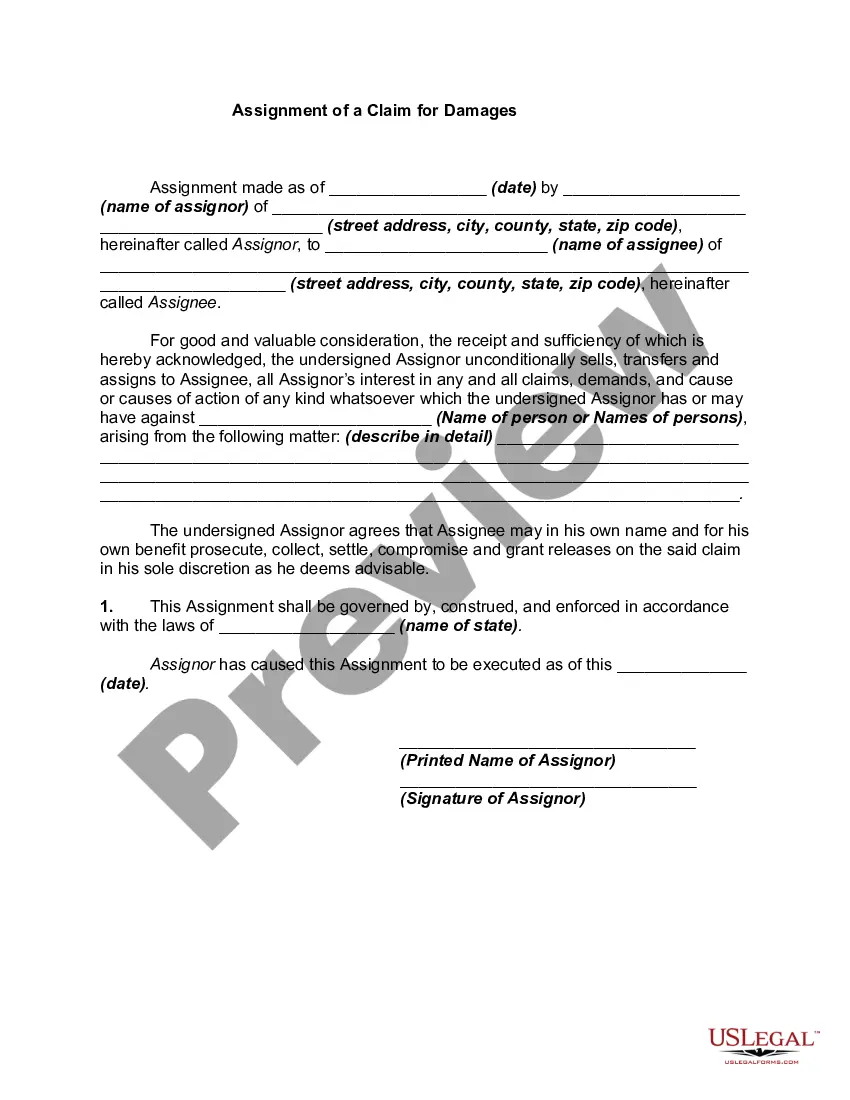
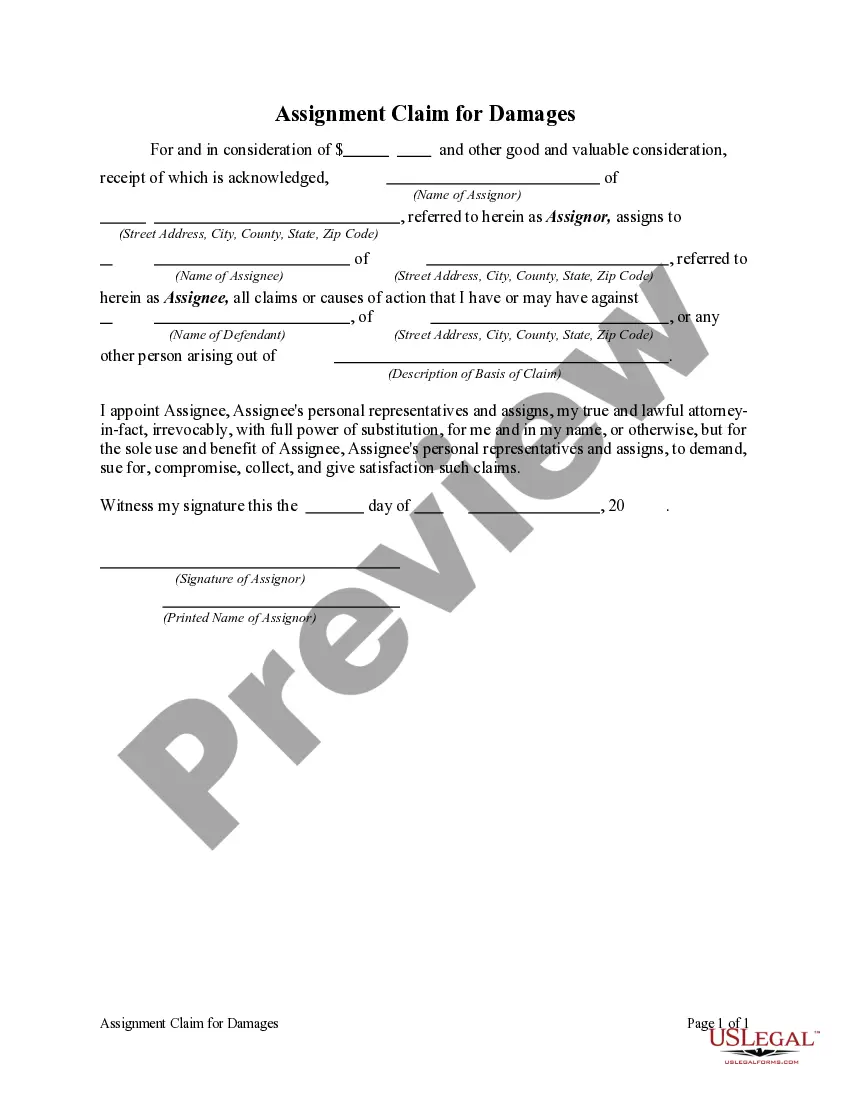
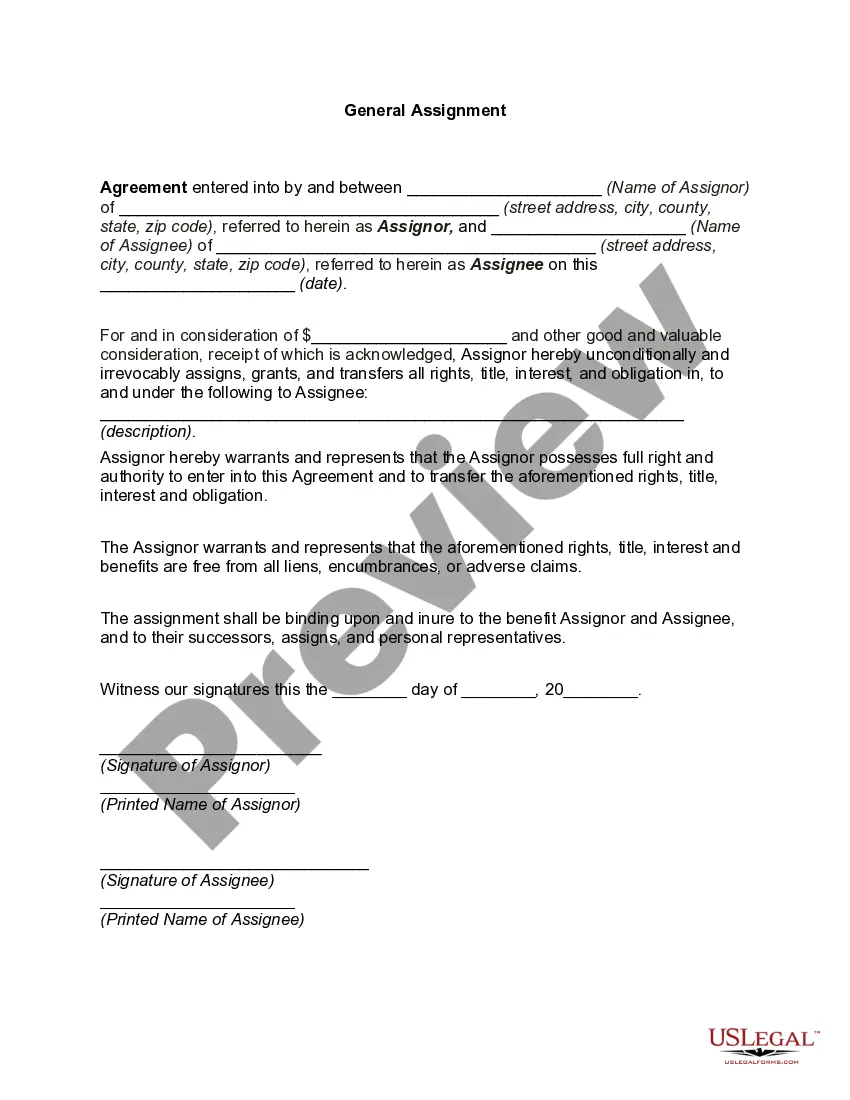
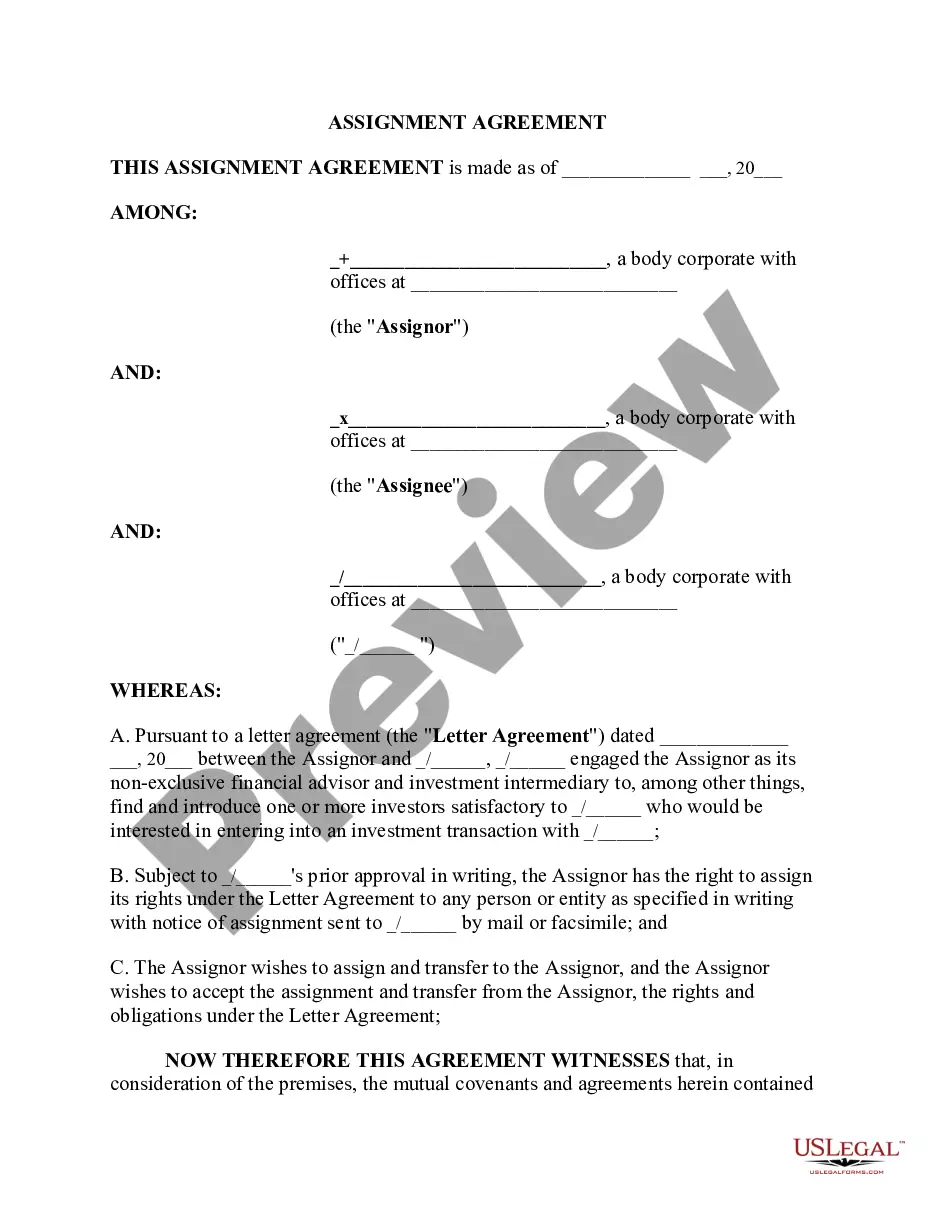
The Assignment of a Claim for Damages is a legal document that facilitates the transfer of a claim or right from one individual (the assignor) to another (the assignee). This form allows the assignor to convey any rights they hold in a claim for damages arising from a specific situation. Unlike other contracts, this assignment primarily focuses on the transfer of interests regarding claims, enabling the assignee to enforce those claims or take further legal action as they see fit.
Form components explained
- Date of the assignment
- Name and address of the assignor
- Name and address of the assignee
- Detailed description of the claim being assigned
- Clause allowing the assignee to act on behalf of the assignor
- Governing law clause indicating applicable state law
When to use this document
You should use the Assignment of a Claim for Damages when you wish to transfer your legal rights to a specific claim for damages to another party. This situation may arise, for example, if you are involved in a personal injury case and wish to assign your claim to a lawyer or another person who can assist you in pursuing the claim further. This form is also useful in business contexts where claims may be transferred as part of asset management or financial settlement processes.
Who should use this form
- Individuals involved in a legal dispute who want to transfer their claim for damages.
- Lawyers representing clients who need to formalize the assignment of a claim.
- Business owners looking to assign any rights related to claims for damages.
- Anyone needing to consolidate claims under a single party for administrative purposes.
Instructions for completing this form
- Enter the date of the assignment at the top of the form.
- Fill in the name and address of the assignor.
- Provide the name and address of the assignee.
- Clearly describe the claim being assigned, including relevant details.
- Sign and date the document to finalize the assignment.
Does this form need to be notarized?
This form does not typically require notarization to be legally valid. However, some jurisdictions or document types may still require it. US Legal Forms provides secure online notarization powered by Notarize, available 24/7 for added convenience.
Get your form ready online
Our built-in tools help you complete, sign, share, and store your documents in one place.
Make edits, fill in missing information, and update formatting in US Legal Forms—just like you would in MS Word.
Download a copy, print it, send it by email, or mail it via USPS—whatever works best for your next step.
Sign and collect signatures with our SignNow integration. Send to multiple recipients, set reminders, and more. Go Premium to unlock E-Sign.
If this form requires notarization, complete it online through a secure video call—no need to meet a notary in person or wait for an appointment.
We protect your documents and personal data by following strict security and privacy standards.

Make edits, fill in missing information, and update formatting in US Legal Forms—just like you would in MS Word.

Download a copy, print it, send it by email, or mail it via USPS—whatever works best for your next step.

Sign and collect signatures with our SignNow integration. Send to multiple recipients, set reminders, and more. Go Premium to unlock E-Sign.

If this form requires notarization, complete it online through a secure video call—no need to meet a notary in person or wait for an appointment.

We protect your documents and personal data by following strict security and privacy standards.
Avoid these common issues
- Failing to clearly describe the claim being assigned.
- Not including accurate names and addresses for both parties.
- Omitting the date of the assignment.
- Not signing the document, which may render it unenforceable.
Advantages of online completion
- Convenient access to a legal document from anywhere.
- Editable templates that allow for customization to meet specific needs.
- Reliable and accurate forms drafted by licensed attorneys.
- Ability to download and complete forms at your own pace.
Legal use & context
- The form serves to transfer rights effectively and is legally enforceable upon proper completion.
- It provides a clear record of the transaction, protecting both the assignor and assignee in the future.
What to keep in mind
- The Assignment of a Claim for Damages is crucial for transferring rights associated with a claim.
- Complete and accurate information is essential to avoid legal issues.
- Using this form ensures that the assignee has the necessary legal authority to act on the claim.
Looking for another form?

Form popularity
FAQ
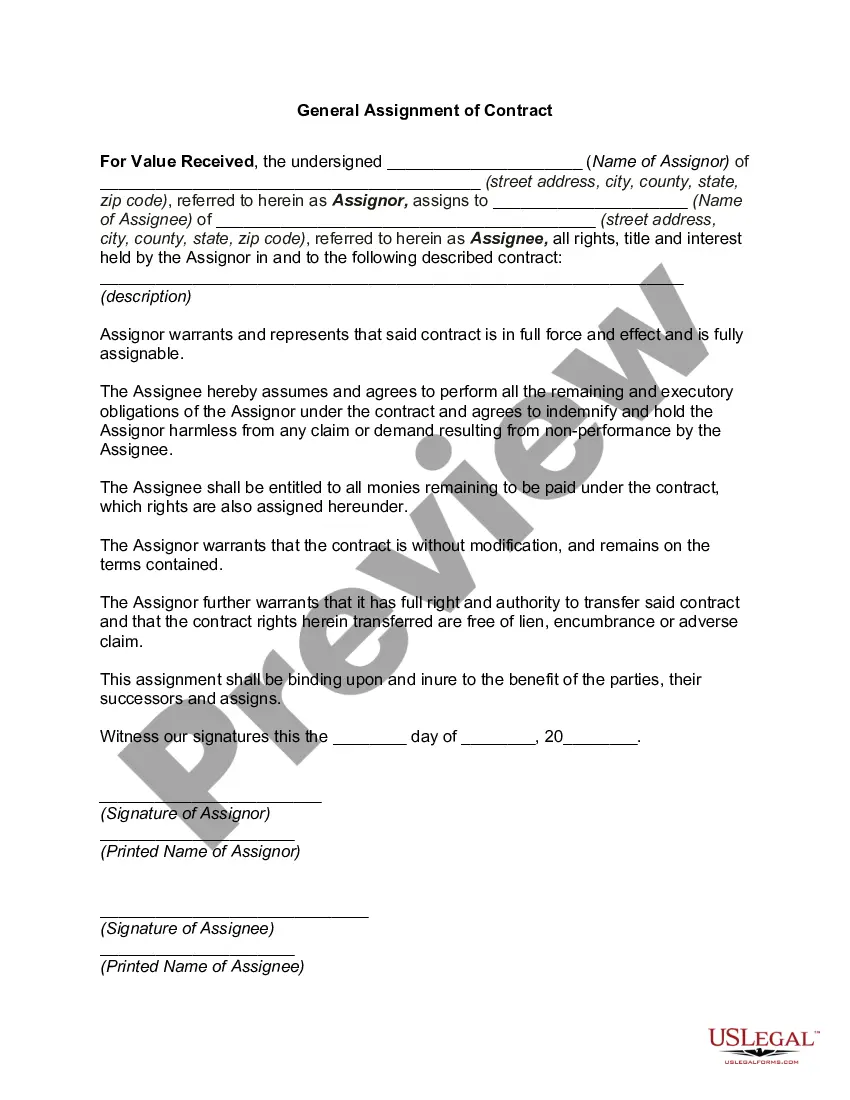
Almost any legal right can be assigned, subject to certain legal exceptions and/or restrictions. This can include property rights, shareholdings, contractual rights and rights to issue and prosecute legal claims and litigation proceedings.
A chose in action is capable of being assigned both at law and in equity. The transfer of property at law in NSW is governed by section 12 of the Conveyancing Act 1919 (NSW).Be absolute, meaning that the transfer must be unconditional; Be in writing and signed by the assignor (section 23C);
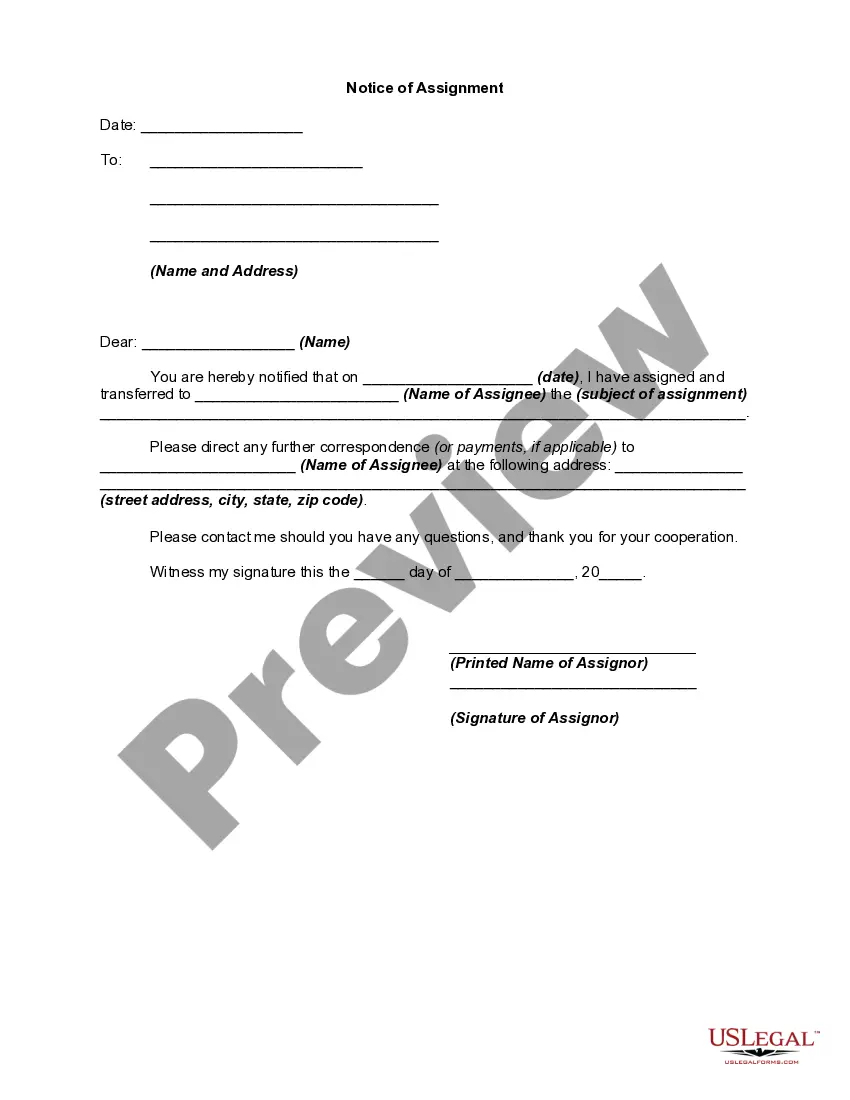
An assignment of claims is a legal and financial process that allows one party to transfer or assign a claim to someone else, provided that the other party is in full knowledge of the assignment and agrees to it.
This means that the insured business cannot cede its right to collect claim payments to another party.However, laws in most states permit policyholders to transfer their rights to another party under certain circumstances.
16. As statutory claims are not 'property of the company'16, an official liquidator cannot assign his power to apply to court to have transactions at undervalue avoided/preferences set aside17 or to assign claims for fraudulent trading18, for example.
Tort claims are generally not assignable.According to the California Supreme Court, personal tort claims for emotional distress and for punitive damages are not assignable.
California Supreme Court Finds Liability Policies Are Assignable in Some Circumstances. In a sharp U-Turn, the California Supreme Court decided last week that rights under liability insurance policies for harm that has already happened are assignable without the insurer's consent.
An assignment of a bare cause of action involves the outright sale of a cause of action which is then pursued by the assignee (who has no interest or connection to the action other than that created by the assignment) to the exclusion of the assignor.