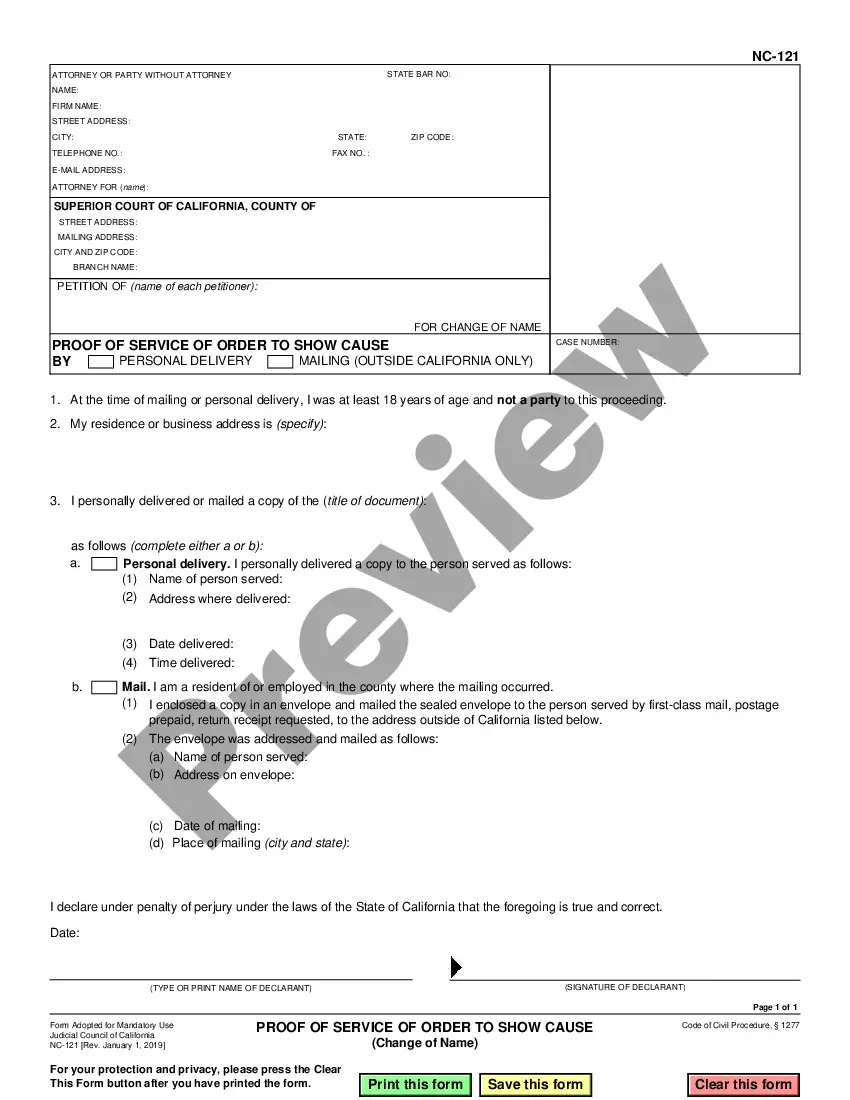
Motion to Release Defendant and Set Reasonable Bond
What this document covers
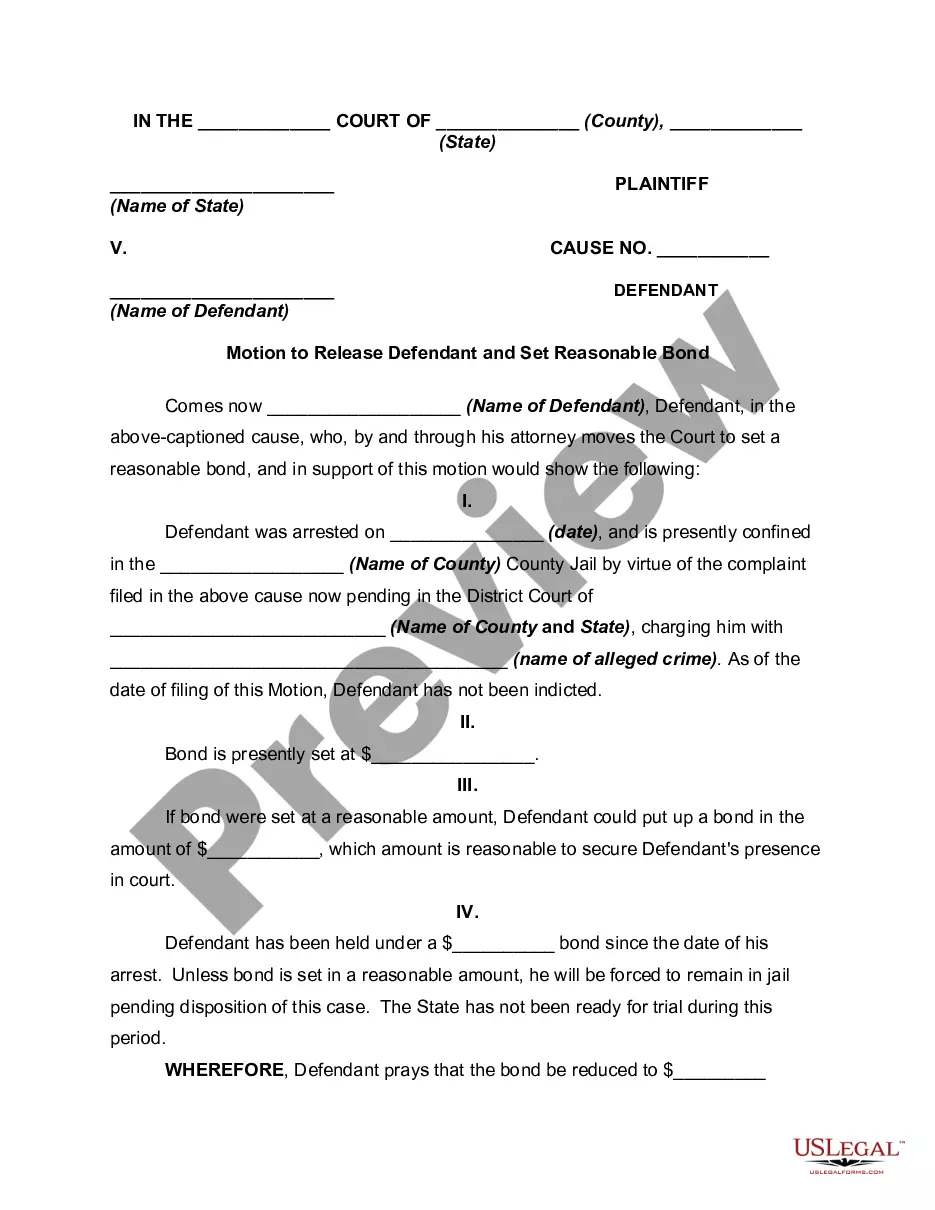
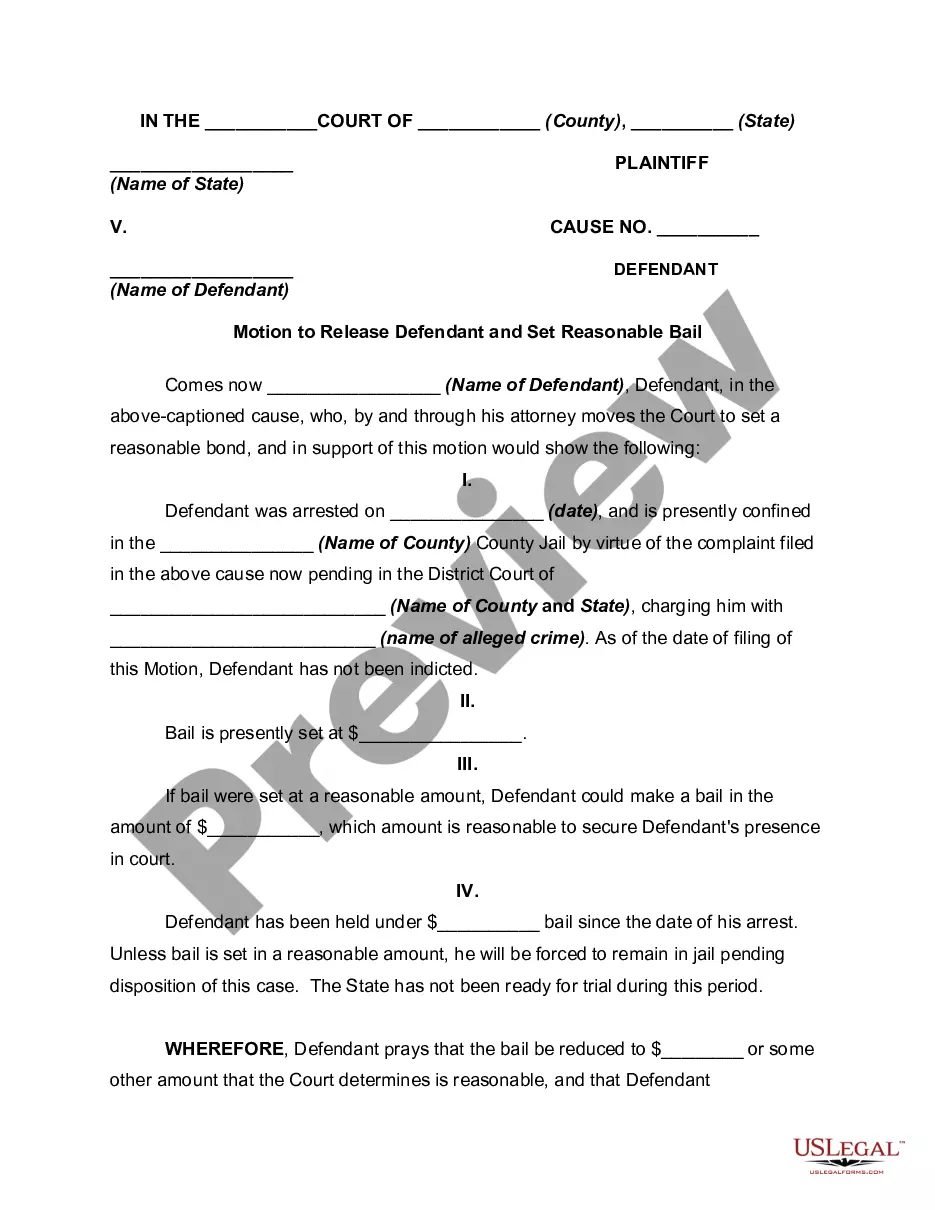
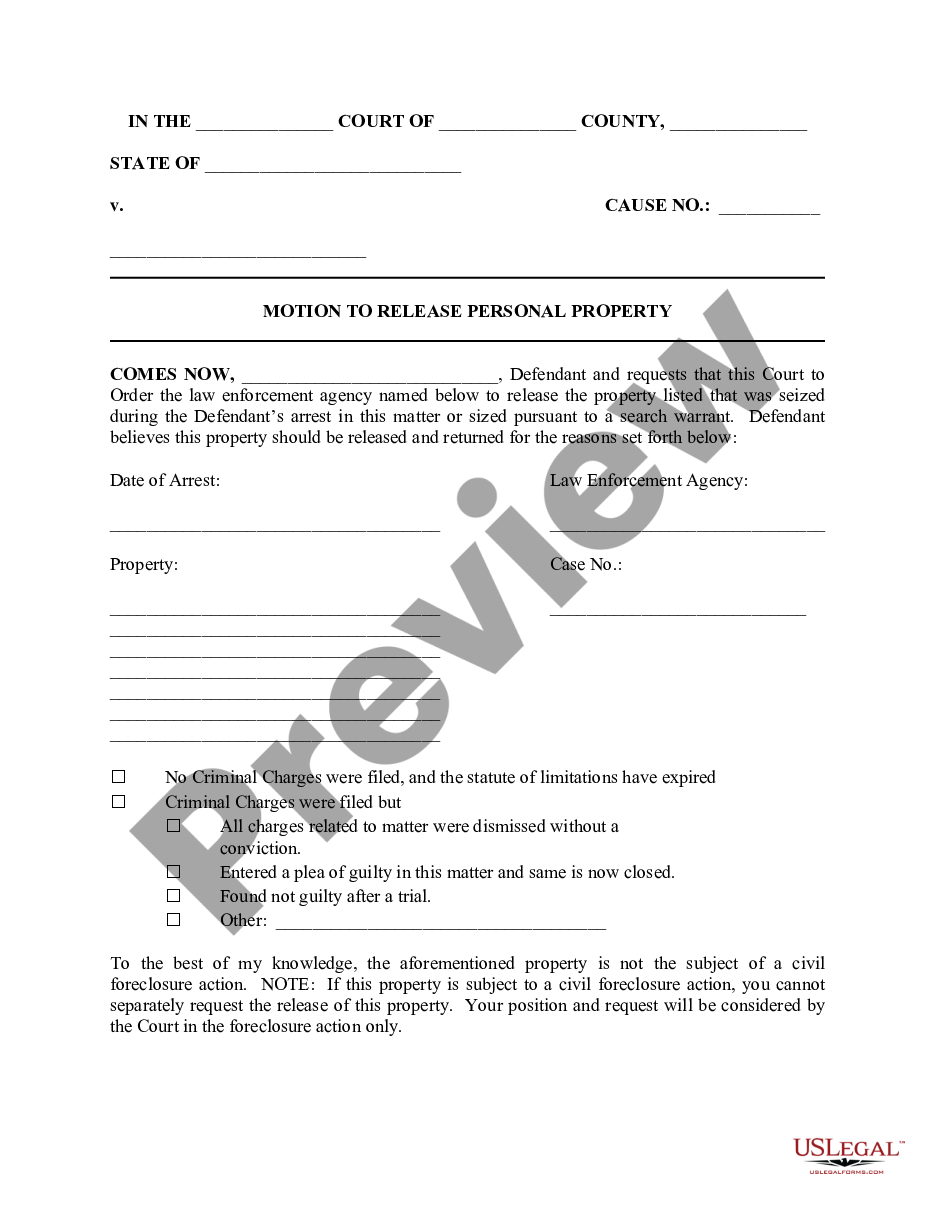
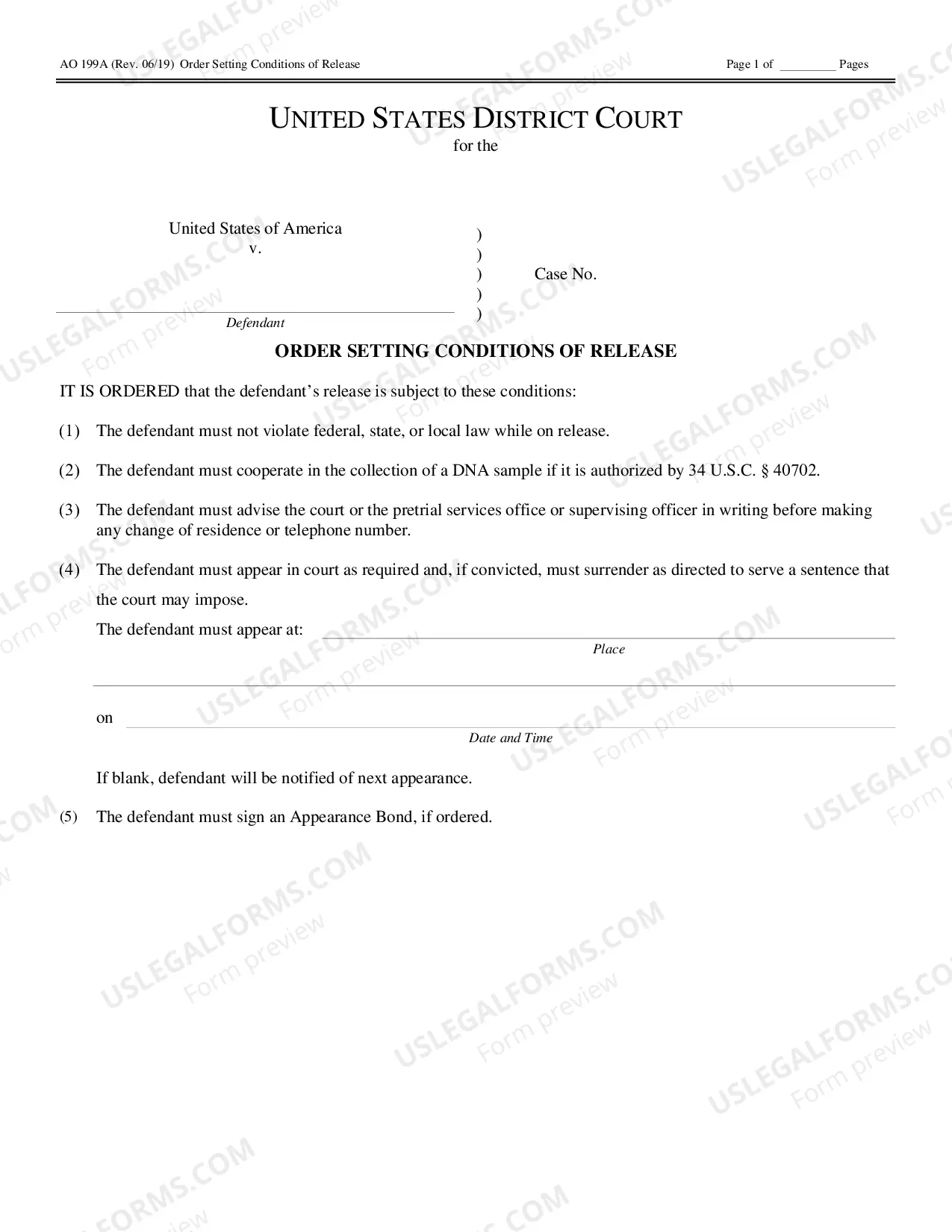
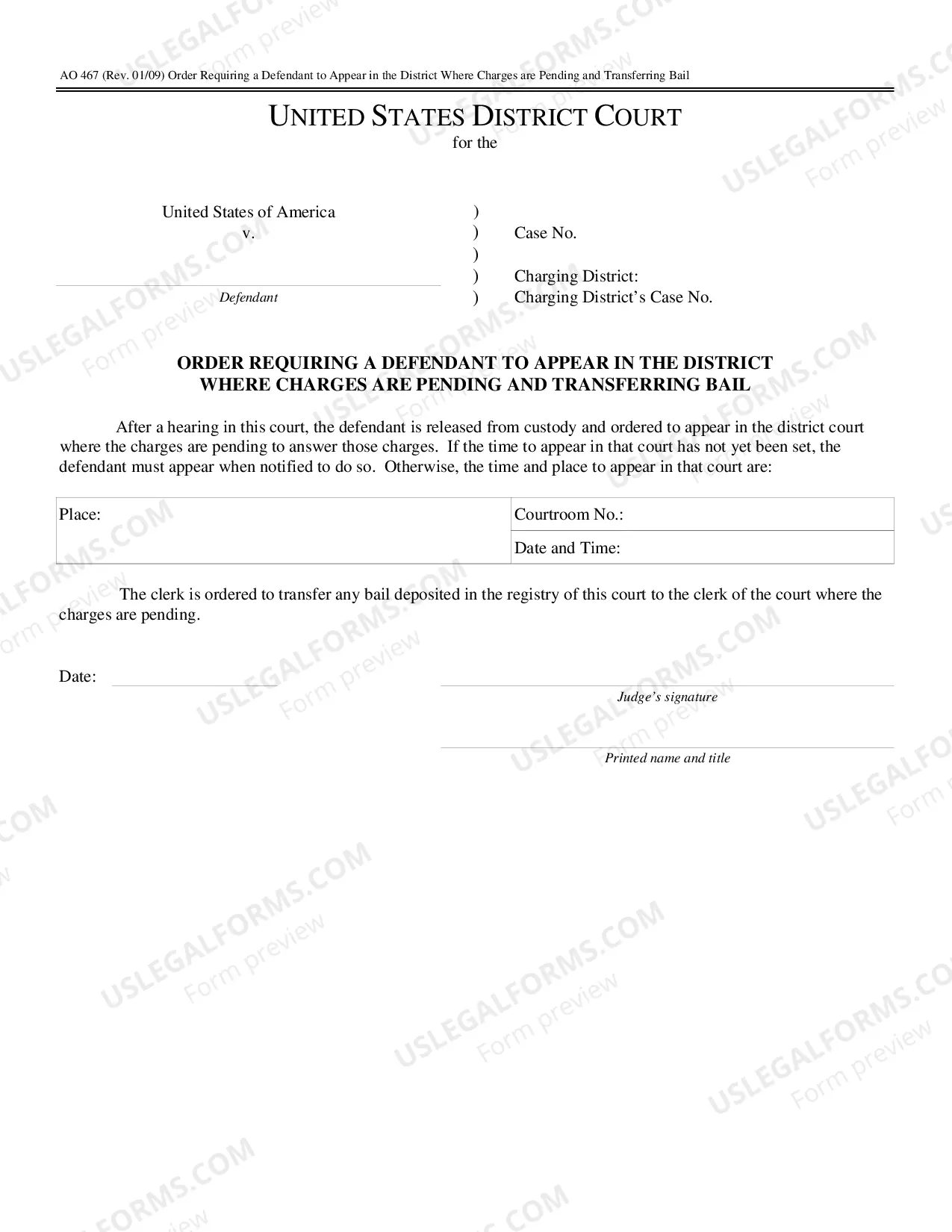
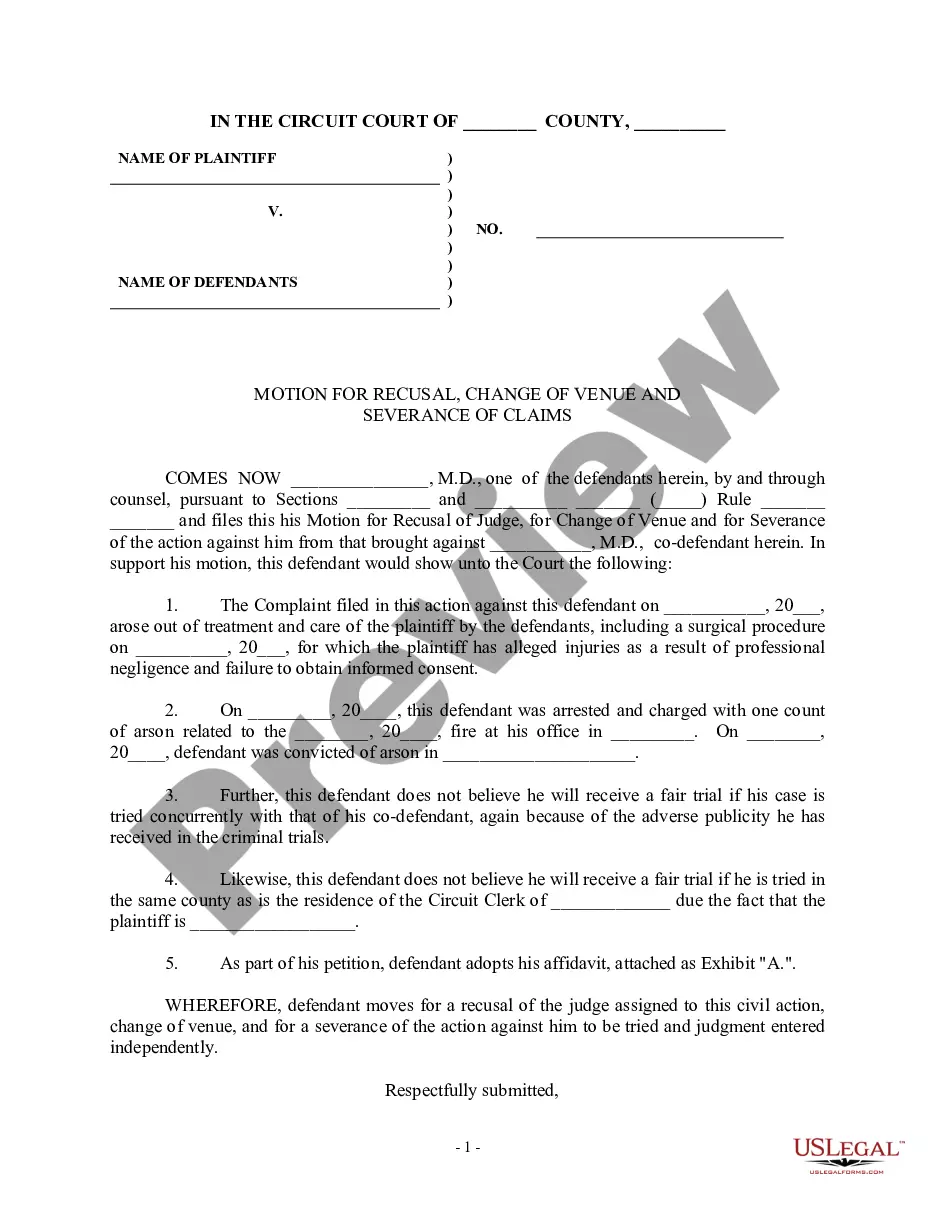
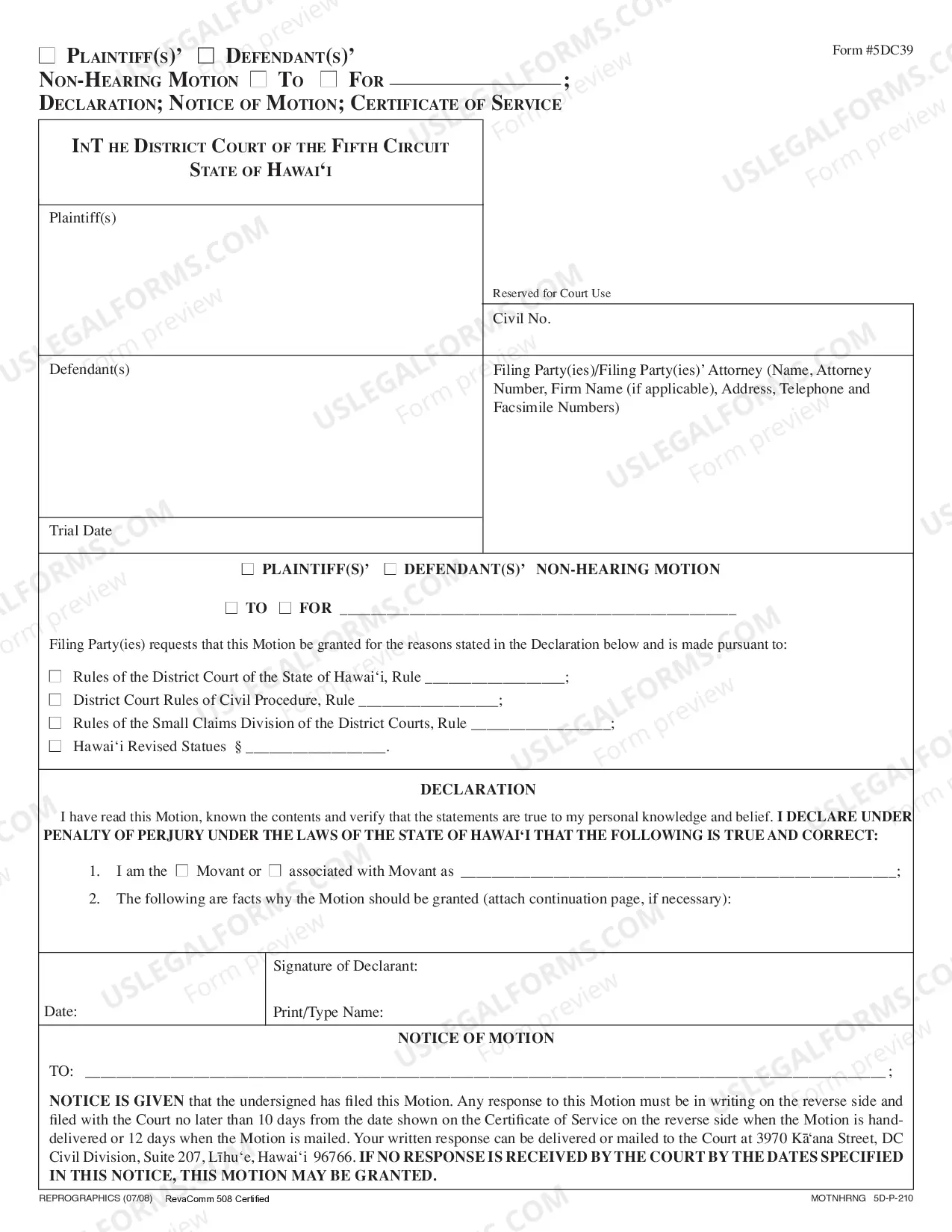
The Motion to Release Defendant and Set Reasonable Bond is a legal document used to request the reduction of bail for a defendant who is awaiting trial. This form is essential for individuals who have been arrested and are currently held in custody, allowing them to seek a more reasonable bond amount and potentially gain their freedom until their court date. Unlike standard bail applications, this motion specifically highlights the need for a bond reduction based on current circumstances surrounding the defendant's case.
Key components of this form
- Defendant Information: Includes the name of the defendant and the charges against them.
- Current Bond Amount: Specifies the existing bond set by the court.
- Proposed Bond Amount: Suggests a reasonable bond amount the defendant can afford.
- Details of Arrest: Outlines the date of arrest and the current status of the defendant.
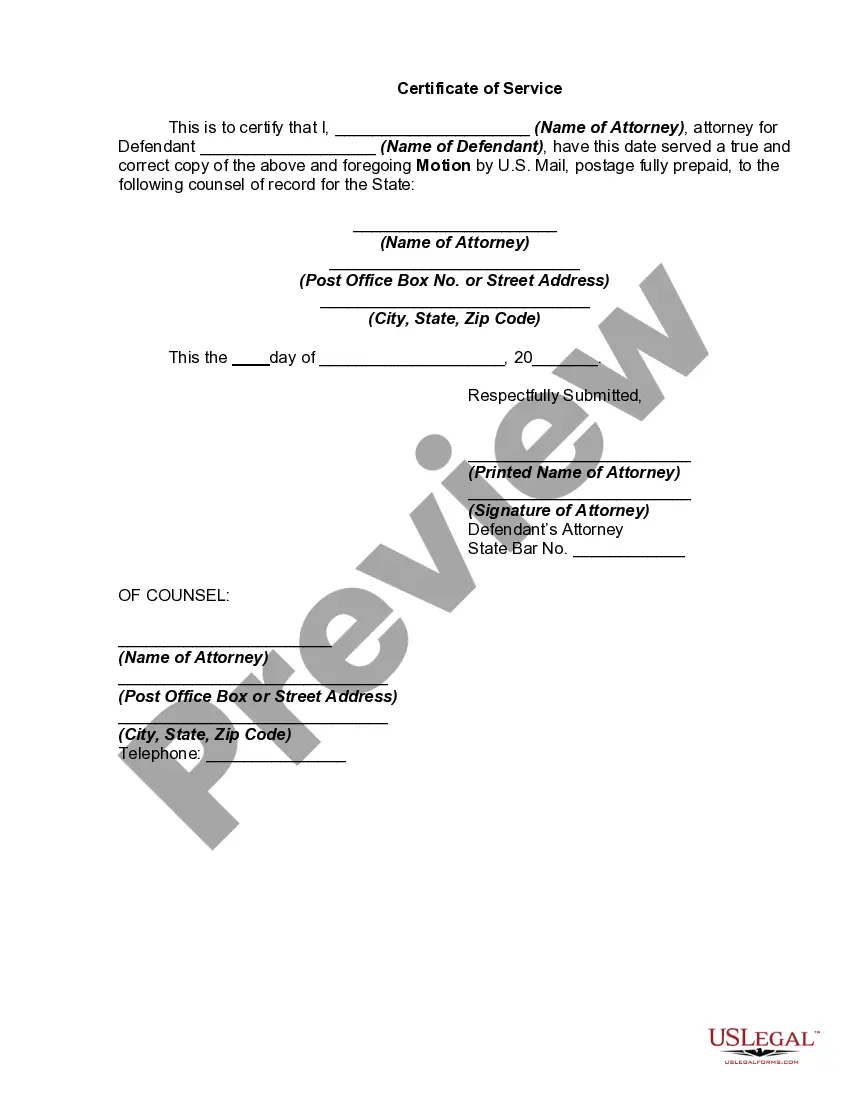
- Certification of Service: Confirms that the necessary parties have been notified of the motion.
When to use this document
This form should be used when a defendant is seeking to have their bail reduced while awaiting trial. It is particularly relevant in cases where the defendant has not yet been indicted or where the prosecution has delayed readiness for trial. The motion serves to ensure that the defendant is not unnecessarily detained and highlights the need for a bond that reflects their financial situation.
Who should use this form
- Defendants who have been arrested and are awaiting trial.
- Attorneys representing defendants in criminal cases.
- Family members or co-signers looking to assist the defendant with bond matters.
How to complete this form
- Identify the parties: Enter the names of the plaintiff (State) and defendant.
- Fill in arrest details: Specify the date of arrest and the name of the county jail.
- State bond information: Provide the current bond amount and propose a reasonable bond amount.
- Include supporting statements: Articulate reasons why the bond amount should be adjusted.
- Certify service: Fill in the name and address of the attorney and confirm that all parties have been notified of the motion.
Notarization requirements for this form
This form usually doesn’t need to be notarized. However, local laws or specific transactions may require it. Our online notarization service, powered by Notarize, lets you complete it remotely through a secure video session, available 24/7.
Get your form ready online
Our built-in tools help you complete, sign, share, and store your documents in one place.
Make edits, fill in missing information, and update formatting in US Legal Forms—just like you would in MS Word.
Download a copy, print it, send it by email, or mail it via USPS—whatever works best for your next step.
Sign and collect signatures with our SignNow integration. Send to multiple recipients, set reminders, and more. Go Premium to unlock E-Sign.
If this form requires notarization, complete it online through a secure video call—no need to meet a notary in person or wait for an appointment.
We protect your documents and personal data by following strict security and privacy standards.

Make edits, fill in missing information, and update formatting in US Legal Forms—just like you would in MS Word.

Download a copy, print it, send it by email, or mail it via USPS—whatever works best for your next step.

Sign and collect signatures with our SignNow integration. Send to multiple recipients, set reminders, and more. Go Premium to unlock E-Sign.

If this form requires notarization, complete it online through a secure video call—no need to meet a notary in person or wait for an appointment.

We protect your documents and personal data by following strict security and privacy standards.
Common mistakes to avoid
- Failing to provide accurate defendant information, which can delay proceedings.
- Neglecting to justify the requested bond amount adequately.
- Not certifying service to all necessary parties, potentially impacting the motion's acceptance.
Benefits of using this form online
- Convenience: Easily download and fill out the form at your convenience.
- Editability: Customize the form to match specific circumstances of the case.
- Reliability: Forms are drafted by licensed attorneys, ensuring legal compliance.
Looking for another form?
Form popularity
FAQ
A person who has been arrested and charged with a crime has a constitutional right to be granted release from custody on reasonable bail. This involves posting a sum of money or bond in an amount adequate to ensure that the person will show up at all court ordered proceedings.
Cash Bail. You can use cash to post bail for a friend or loved one. Collateral Bail. You can post bail using real property, such as a house, land, vehicles, jewelry, firearms or anything else of value. PR Bond. Bail Bondsman.
In addition to the seriousness of the charged crime, the amount of bail usually depends on factors such as a defendant's past criminal record, whether a defendant is employed, and whether a defendant has close ties to relatives and the community.
A judge is guided in setting bail by considering the public's safety if an individual is released on bail. Defendant's threats to a witness, for example, may be considered on this issue.
How long does it take to set bail? It depends on the severity of the crime. Lesser offenses, like misdemeanors, have set fees or bail schedules, where you can post bond right after being processed. More serious offenses require an appearance before a judge to set bail, which may take up to three days.
Yes, a motion to set a reasonable bond means that the attorney is attempting to get the court to set a bond (if no bond has been given) or to reduce the bond that was set. The motion to set bond is what establishes the actual bond hearing with the judge.
In a Nutshell: One can request that a judge reduce bail by explaining the individual's ties to community through employment and family, history of never failing to appear and, if applicable, tendering one's passport or visa to the court clerk.
After the initial court appearance when the bail is set, the bail will usually be posted and the defendant will be released from jail. At that initial court arraignment, the court will set another follow-up date for a conference or for a hearing.
A bail bond is an agreement by a criminal defendant to appear for trial or pay a sum of money set by the court. The bail bond is cosigned by a bail bondsman, who charges the defendant a fee in return for guaranteeing the payment.The commercial bail bond system exists only in the United States and the Philippines.