Motion to Dismiss for Misconduct of Police
About this form
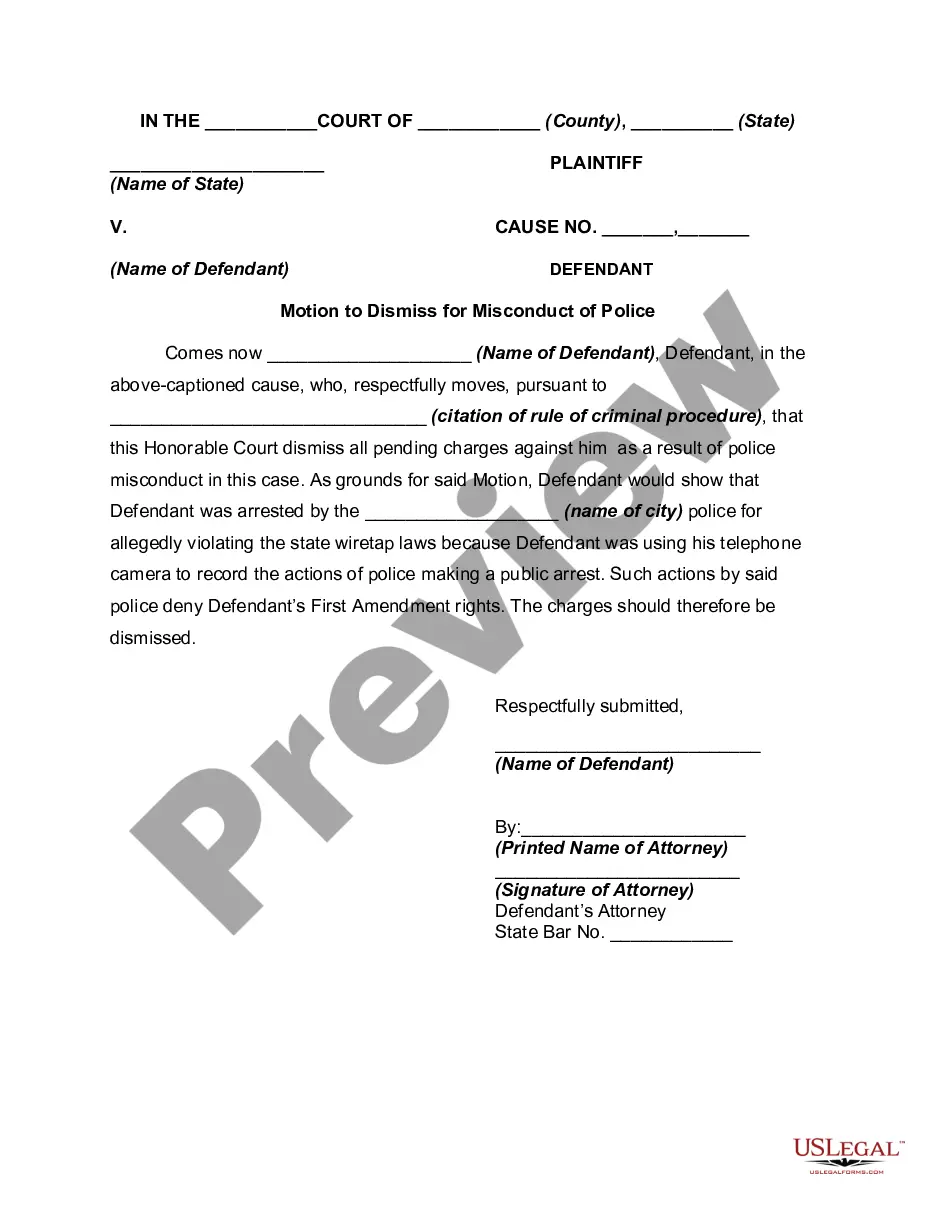
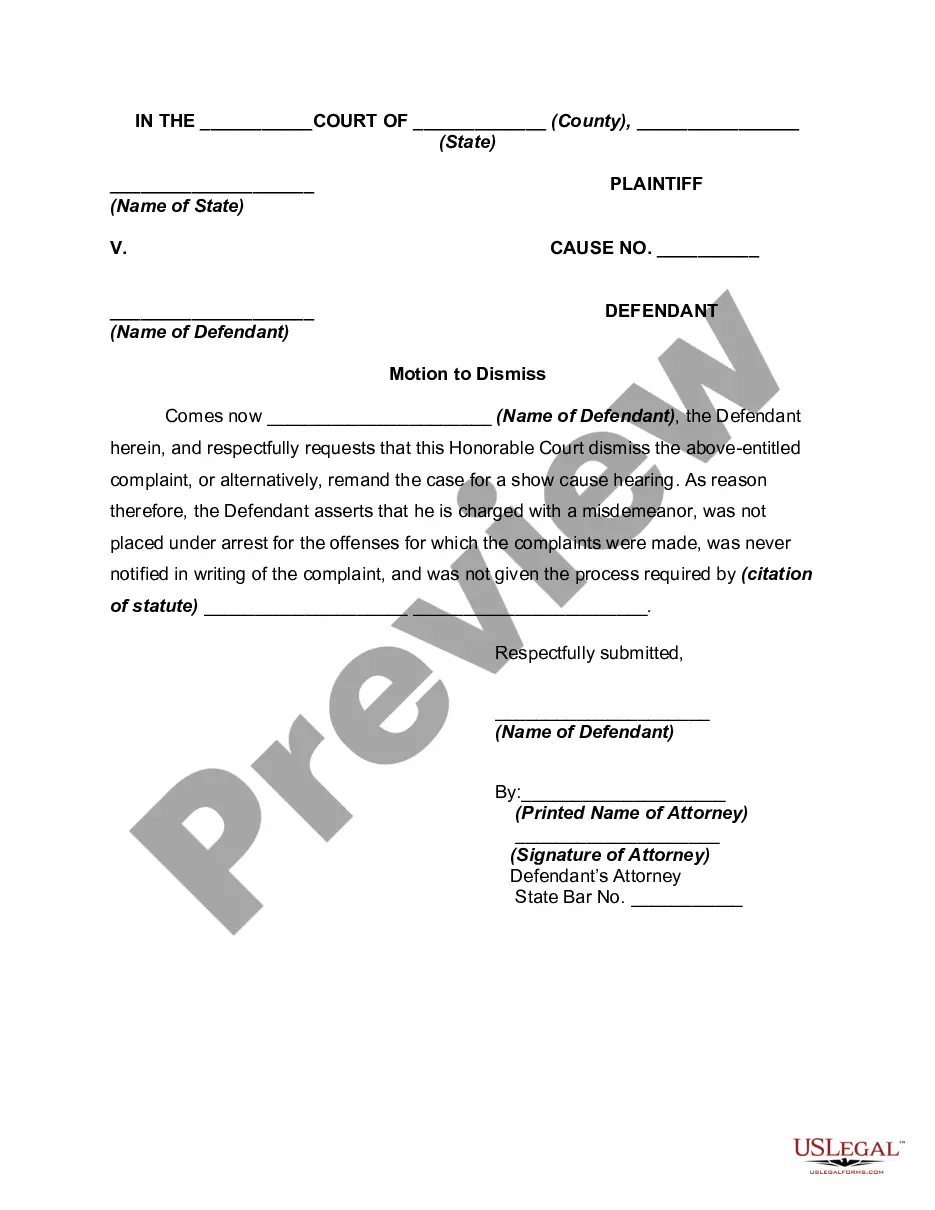
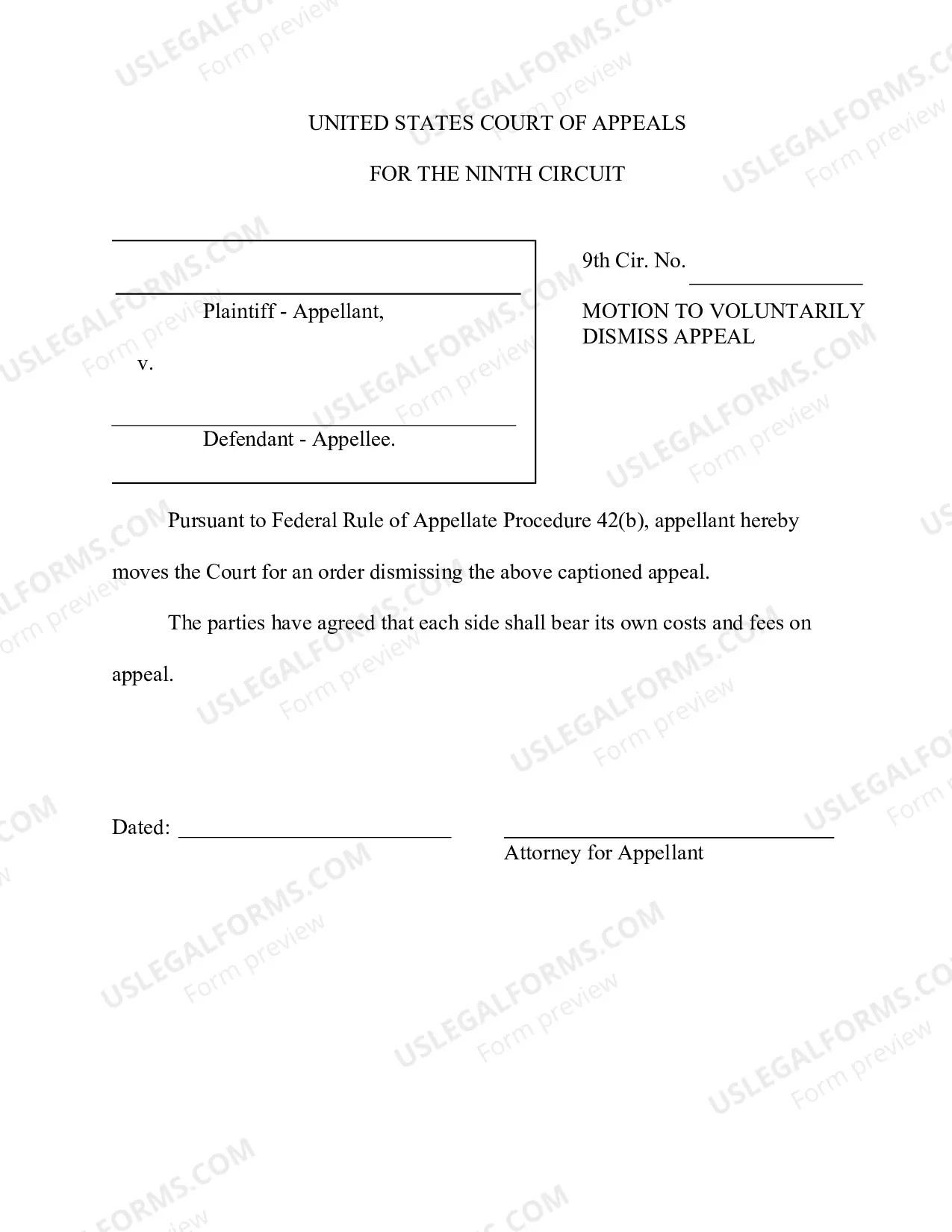
The Motion to Dismiss for Misconduct of Police is a legal document that requests a court to dismiss charges against a defendant due to inappropriate actions taken by law enforcement during an arrest. This form specifically addresses violations of constitutional rights, such as the First Amendment, when police misconduct occurs. It is important to note that this form adopts the "notice pleadings" format, which is a simplified approach to legal petitions favored by many jurisdictions, streamlining the legal process for defendants facing unwarranted charges.
Main sections of this form
- Caption: Identifies the parties involved in the case.
- Motion: Establishes the grounds for dismissal based on police misconduct.
- Case Citation: References the relevant rule of criminal procedure supporting the motion.
- Defendant's Statement: Details how the police actions violated the defendant's rights.
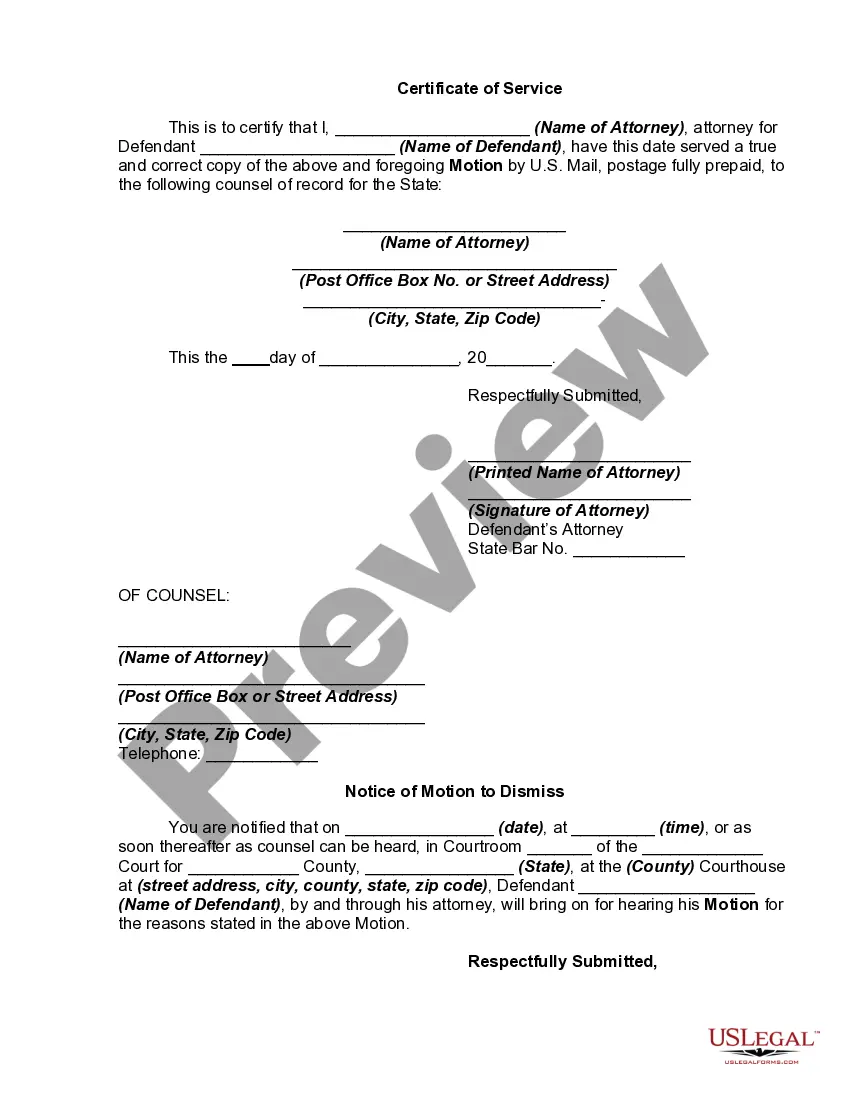
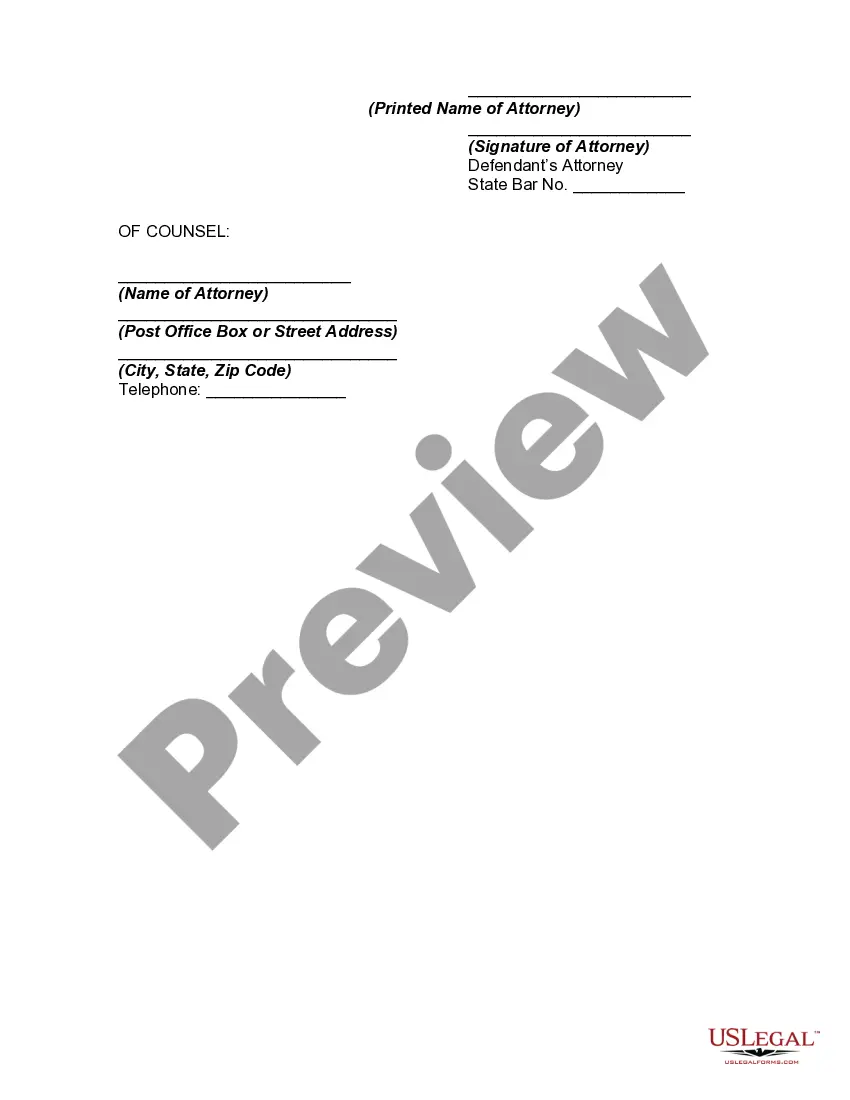
- Attorney Information: Required details for the attorney representing the defendant.
- Notice of Motion: Specifies the hearing date and location for the motion.
When this form is needed
This form should be used when a defendant believes that the charges against them are a result of police misconduct. For example, if law enforcement improperly interfered with the defendantâs right to document their public actions, such as by recording an arrest, this motion can be submitted to seek dismissal of the charges. It is particularly relevant in situations where police actions infringe upon constitutional rights, leading to wrongful charges.
Who this form is for
- Defendants facing criminal charges related to police actions.
- Individuals who believe their constitutional rights were violated during an arrest.
- Legal representatives of defendants who need to file motions regarding police misconduct.
Instructions for completing this form
- Identify the parties: Fill in the names of the plaintiff (state) and the defendant.
- Specify the rule: Enter the citation of the relevant rule of criminal procedure.
- Detail the misconduct: Describe the police misconduct being alleged and how it affects the charges.
- Provide attorney details: Include the name, signature, and state bar number of the defendant's attorney.
- Set the hearing date: Include the date and time for the motion hearing.
Does this document require notarization?
This form does not typically require notarization unless specified by local law. However, it is always advisable to check local court requirements to ensure compliance with jurisdictional standards.
Get your form ready online
Our built-in tools help you complete, sign, share, and store your documents in one place.
Make edits, fill in missing information, and update formatting in US Legal Forms—just like you would in MS Word.
Download a copy, print it, send it by email, or mail it via USPS—whatever works best for your next step.
Sign and collect signatures with our SignNow integration. Send to multiple recipients, set reminders, and more. Go Premium to unlock E-Sign.
If this form requires notarization, complete it online through a secure video call—no need to meet a notary in person or wait for an appointment.
We protect your documents and personal data by following strict security and privacy standards.

Make edits, fill in missing information, and update formatting in US Legal Forms—just like you would in MS Word.

Download a copy, print it, send it by email, or mail it via USPS—whatever works best for your next step.

Sign and collect signatures with our SignNow integration. Send to multiple recipients, set reminders, and more. Go Premium to unlock E-Sign.

If this form requires notarization, complete it online through a secure video call—no need to meet a notary in person or wait for an appointment.

We protect your documents and personal data by following strict security and privacy standards.
Avoid these common issues
- Failing to properly identify the relevant rule of criminal procedure.
- Neglecting to include attorney information where required.
- Omitting vital details regarding the alleged police misconduct.
Benefits of completing this form online
- Convenience: Download the form at your convenience without the need to visit a physical location.
- Editability: Fill out the form digitally, ensuring clarity and legibility.
- Reliability: Access templates created by attorneys familiar with legal standards in your jurisdiction.
Legal use & context
- This motion can be used to challenge criminal charges based on police misconduct.
- The form must be submitted to the appropriate court and should adhere to local procedural rules.
- Failure to comply with court rules may result in dismissal of the motion.
Looking for another form?
Form popularity
FAQ
The Motion to Dismiss for Misconduct of Police is a legal document requesting a court to drop charges when police acted improperly during an arrest, especially if rights—such as the First Amendment—were violated. This form uses a notice-pleadings approach and guides filers through the main sections—caption, motion, case citation, defendant's statement, attorney information, and notice of motion scheduling the hearing.
The Motion to Dismiss for Misconduct of Police provides a formal path to seek dismissal when police misconduct occurred and violated constitutional rights during an arrest. The form guides filers through the main sections—caption, motion, case citation, defendant's statement, attorney information, and a Notice of Motion to schedule the hearing.
Proving misconduct depends on the facts, but this form helps by requiring a Defendant's Statement detailing how police actions violated rights and by citing a Case Citation that supports the grounds for dismissal. The filing includes the caption, motion, case citation, defendant's statement, attorney information, and Notice of Motion with hearing details.
Police misconduct generally encompasses rights violations during an arrest and other improper actions that infringe constitutional protections. The Motion to Dismiss for Misconduct of Police specifically targets misconduct that undermines constitutional rights and seeks dismissal, using sections such as Caption, Motion, Case Citation, Defendant's Statement, Attorney Information, and Notice of Motion for the hearing.
Penalties for police misconduct are determined by the court and applicable law, not by this form. The Motion to Dismiss for Misconduct of Police does not set penalties; it seeks dismissal of charges when misconduct occurred. The process includes a caption, motion, case citation, defendant's statement, attorney information, and a Notice of Motion to schedule the hearing.
This form is unique in its focus on police misconduct during an arrest and constitutional rights violations, such as those addressed by the First Amendment. It uses a notice pleadings format and includes specific sections—Caption, Motion, Case Citation, Defendant's Statement, Attorney Information, and Notice of Motion—to request a hearing and dismissal.