Temporary Residential Lease or Early Possession Agreement with Occupation
Overview of this form
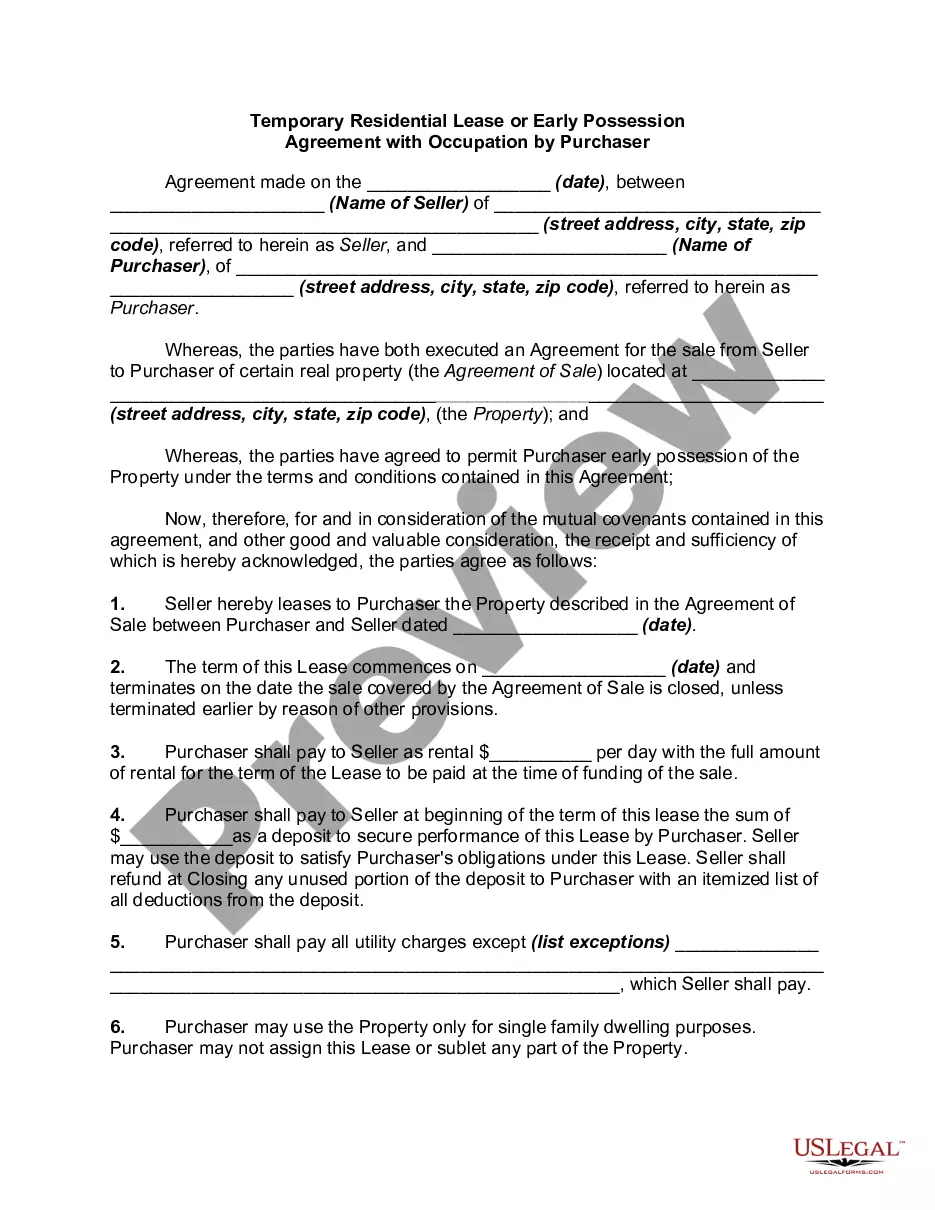
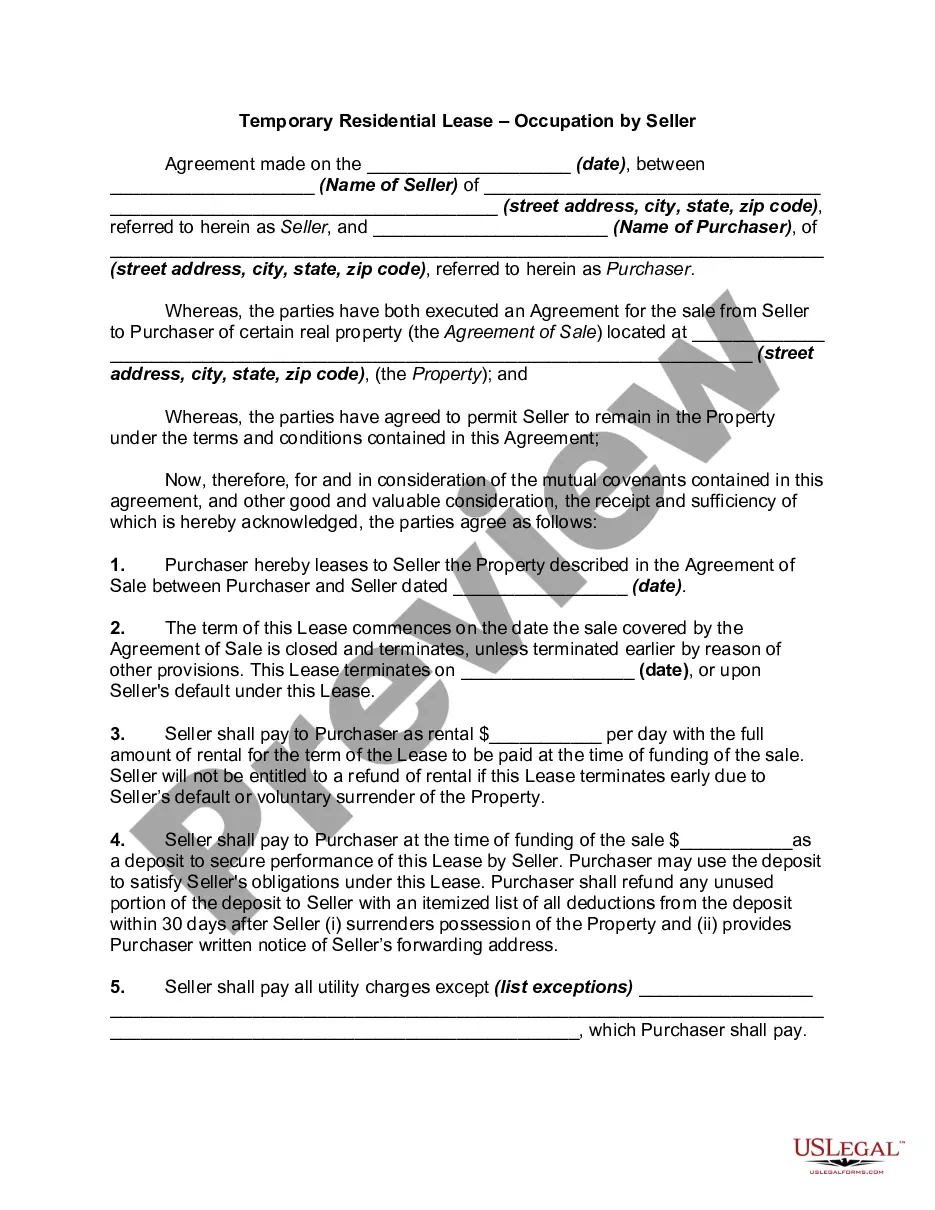
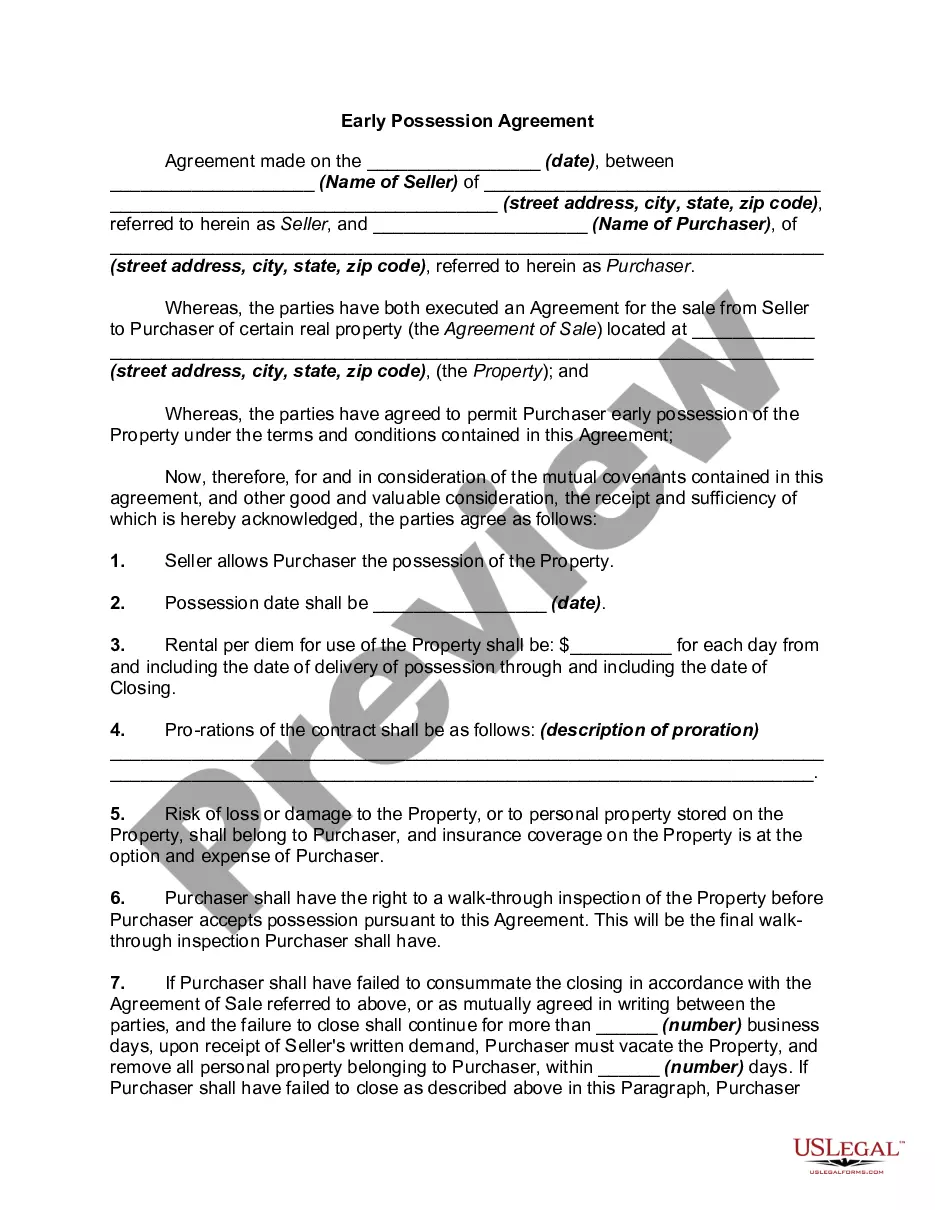
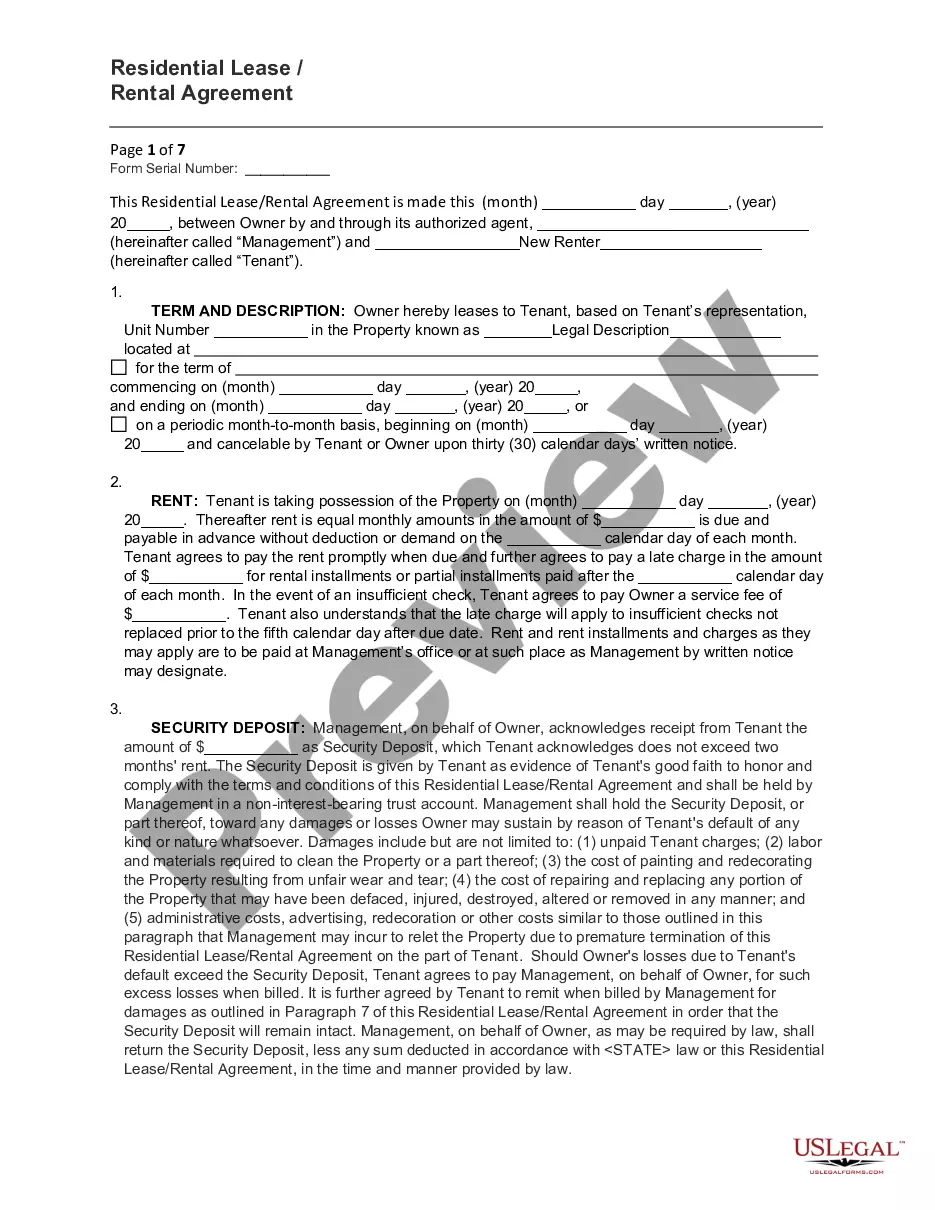
The Temporary Residential Lease or Early Possession Agreement with Occupation is a legal document that allows a purchaser to take early possession of a property before the official closing date. This form outlines the terms and conditions under which the purchaser can temporarily occupy the property, including rent payment and responsibilities. Unlike standard rental agreements, this form is specifically designed for situations involving an impending sale, making it suitable for both sellers and buyers who agree on early occupancy arrangements.
What’s included in this form
- Date of agreement and identification of parties involved (Seller and Purchaser).
- Description of the property being leased.
- Term of the lease and conditions for early possession.
- Agreed rental amount and deposit conditions.
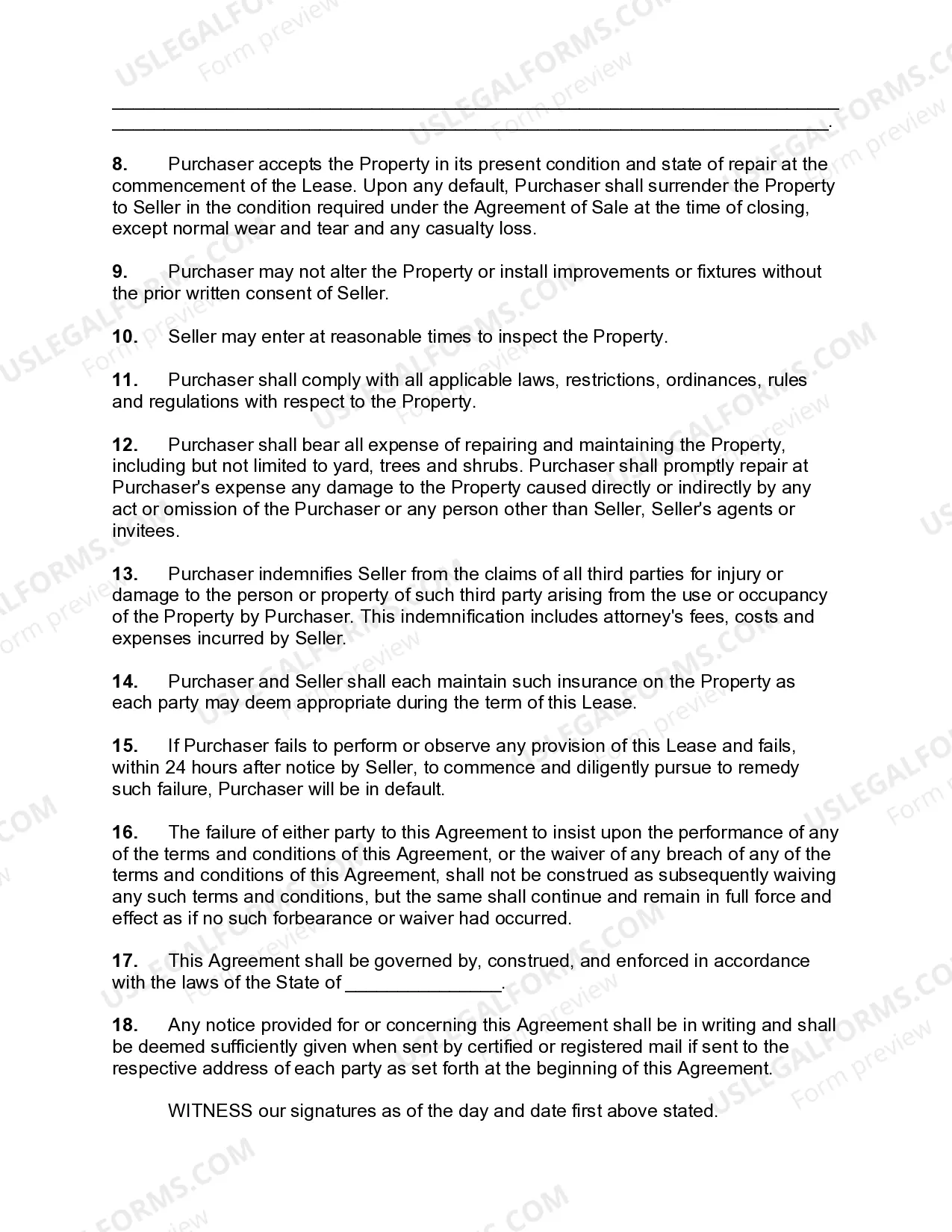
- Responsibilities regarding utilities and property maintenance.
- Indemnification clauses and insurance requirements.
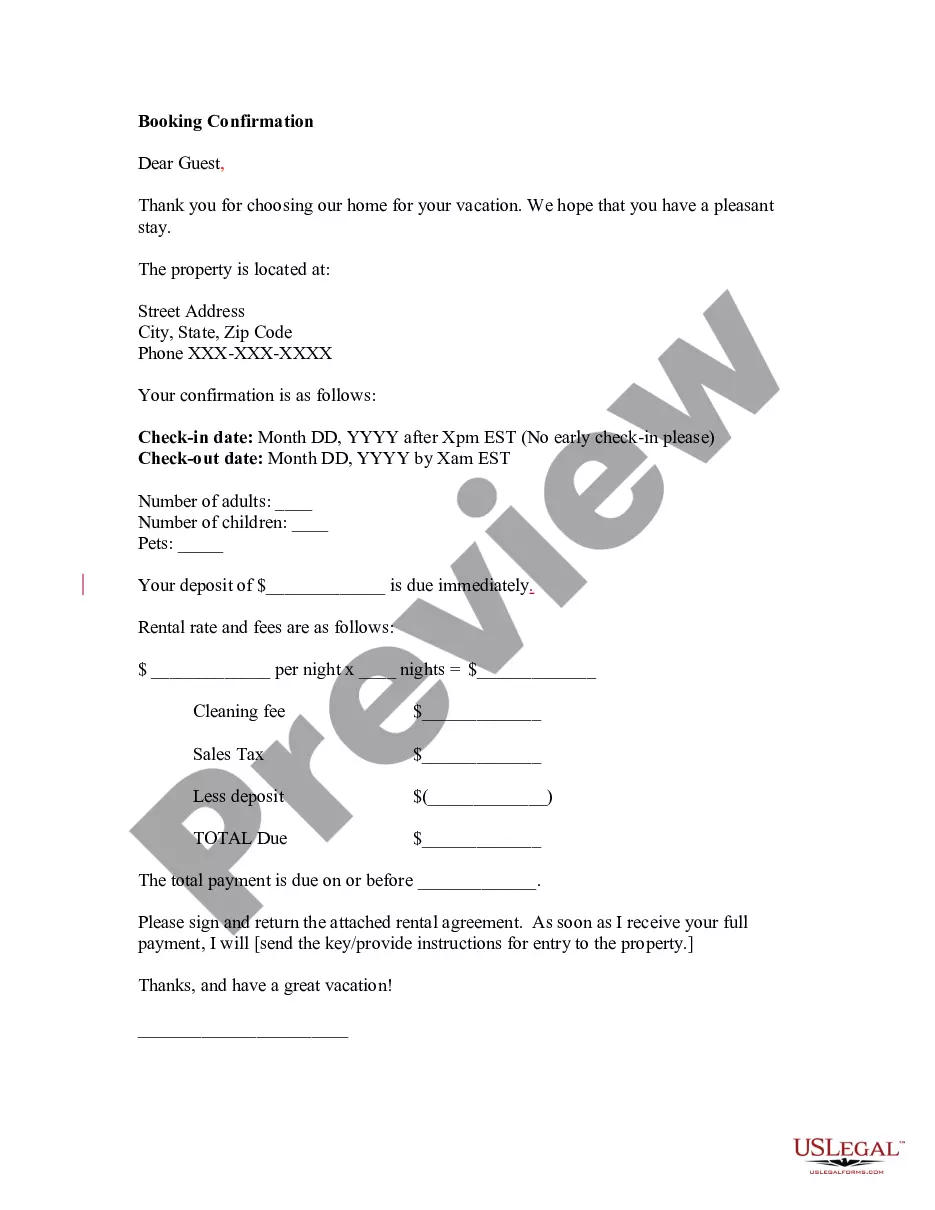
When to use this document
This form is typically used when a buyer wishes to occupy a property before the sale is officially completed. Scenarios include when the seller is willing to allow the buyer early access for moving in or renovations, or when a buyer needs to secure housing before a specified closing date. This agreement helps clarify expectations and responsibilities during the transitional period.
Who can use this document
- Home buyers who wish to move in before the sale closing.
- Home sellers who agree to let the purchaser occupy the property early.
- Real estate agents facilitating early possession arrangements.
- Individuals looking to clarify terms of temporary occupancy.
How to prepare this document
- Identify the date of the agreement and enter the names and addresses of the Seller and Purchaser.
- Specify the address of the property being leased.
- Outline the terms of occupancy, including rental amount and the lease term.
- Detail any responsibilities for utilities and property maintenance.
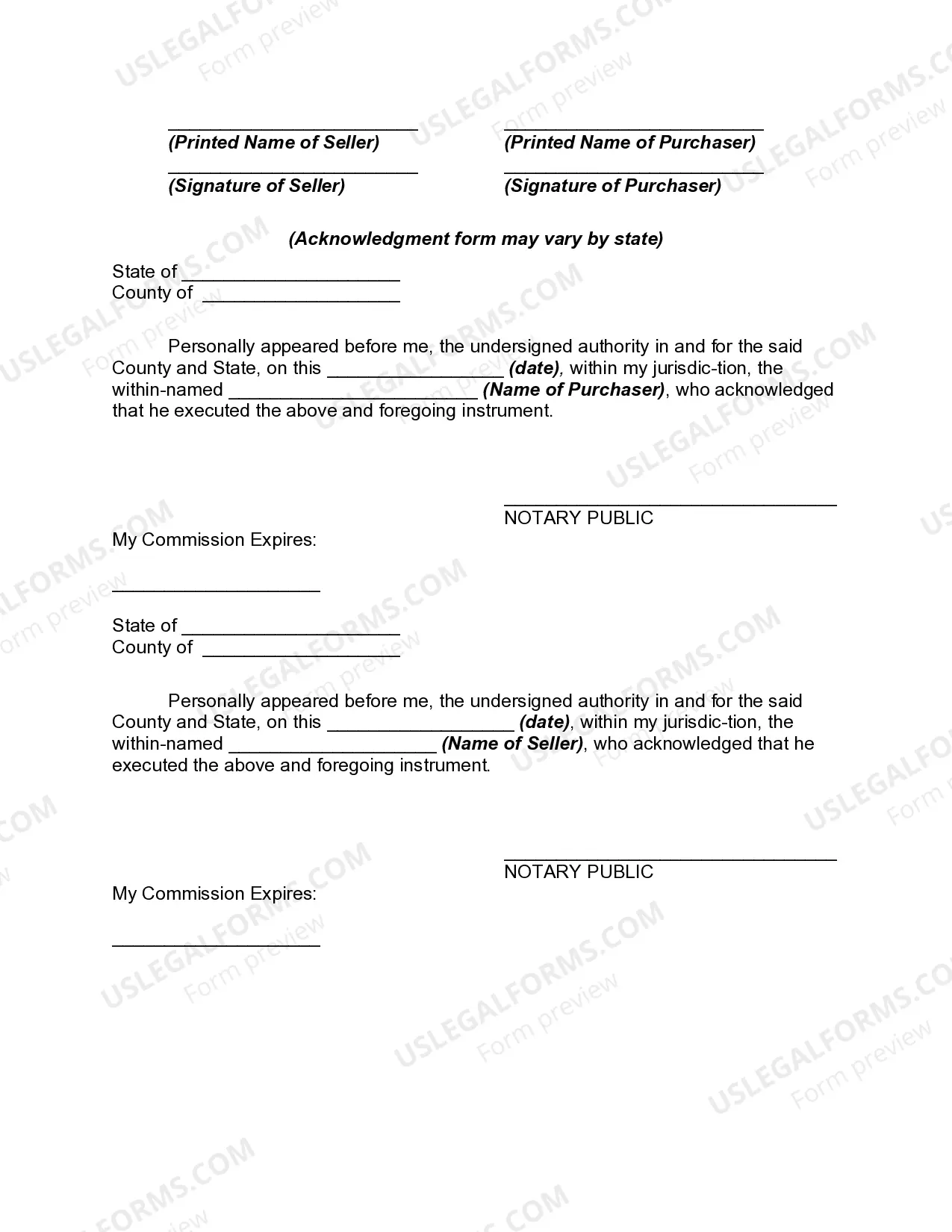
- Have both parties sign the agreement and ensure notarization if required by state law.
Notarization requirements for this form
Notarization is required for this form to take effect. Our online notarization service, powered by Notarize, lets you verify and sign documents remotely through an encrypted video session, available 24/7.
Get your form ready online
Our built-in tools help you complete, sign, share, and store your documents in one place.
Make edits, fill in missing information, and update formatting in US Legal Forms—just like you would in MS Word.
Download a copy, print it, send it by email, or mail it via USPS—whatever works best for your next step.
Sign and collect signatures with our SignNow integration. Send to multiple recipients, set reminders, and more. Go Premium to unlock E-Sign.
If this form requires notarization, complete it online through a secure video call—no need to meet a notary in person or wait for an appointment.
We protect your documents and personal data by following strict security and privacy standards.

Make edits, fill in missing information, and update formatting in US Legal Forms—just like you would in MS Word.

Download a copy, print it, send it by email, or mail it via USPS—whatever works best for your next step.

Sign and collect signatures with our SignNow integration. Send to multiple recipients, set reminders, and more. Go Premium to unlock E-Sign.

If this form requires notarization, complete it online through a secure video call—no need to meet a notary in person or wait for an appointment.

We protect your documents and personal data by following strict security and privacy standards.
Mistakes to watch out for
- Failing to specify the rental amount clearly.
- Not including the term of the lease or conditions for termination.
- Omitting details regarding utilities and maintenance responsibilities.
- Neglecting to have the agreement notarized when required.
- Not ensuring both parties sign the document before the move-in date.
Why use this form online
- Convenient access allows for easy download and printing.
- Editable templates allow for customization according to specific needs.
- Quick assembly of the required legal documentation, saving time.
- Reliability of forms prepared by licensed attorneys, ensuring adherence to legal standards.
Looking for another form?
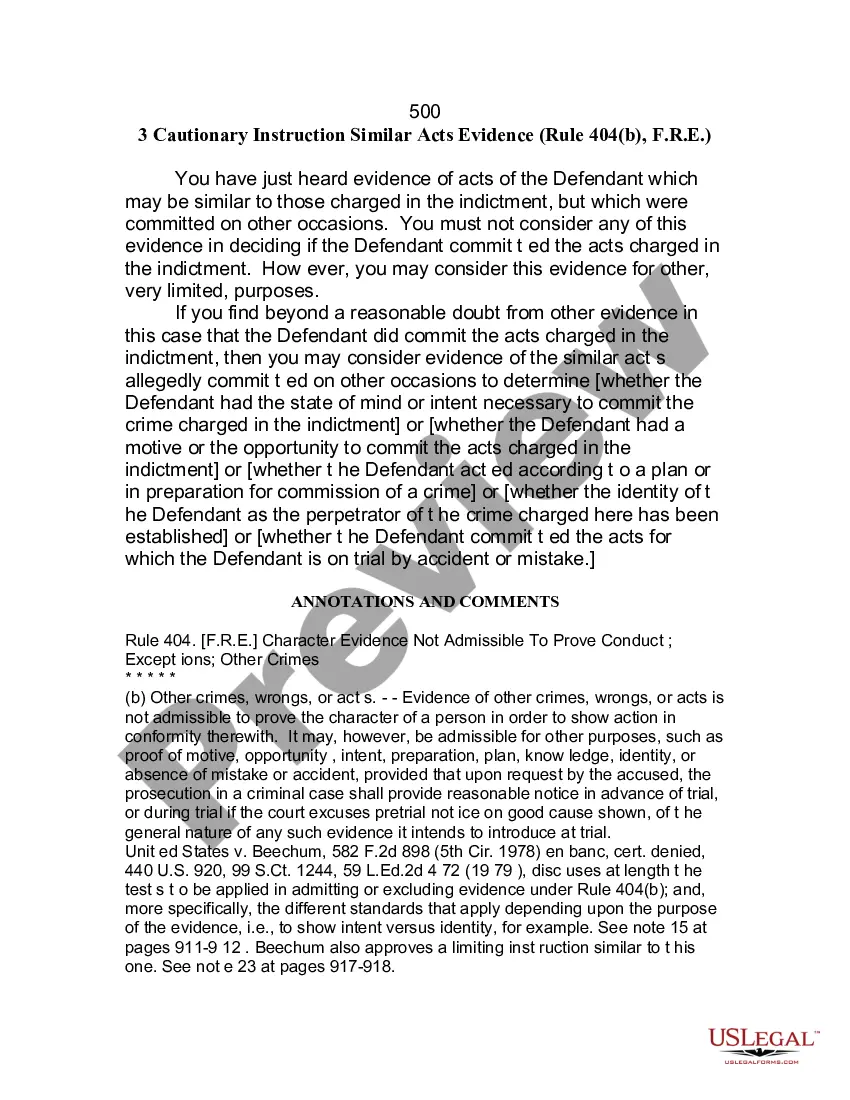
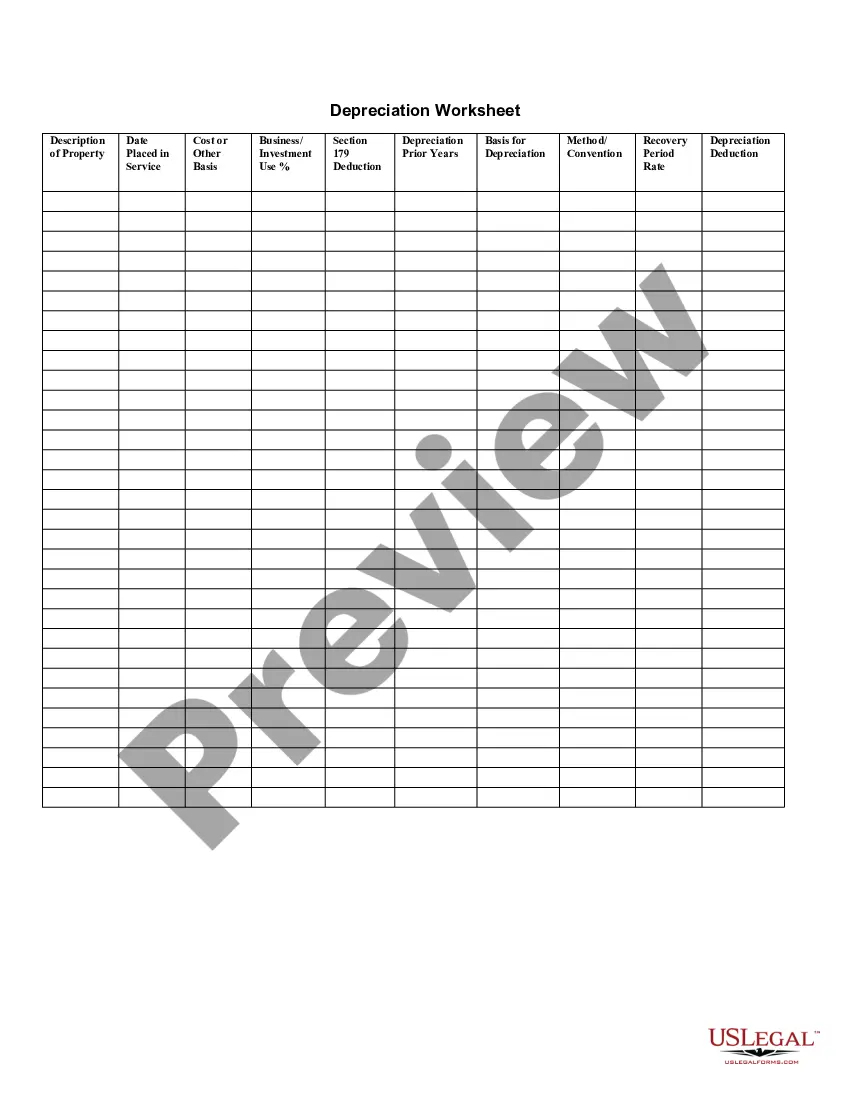
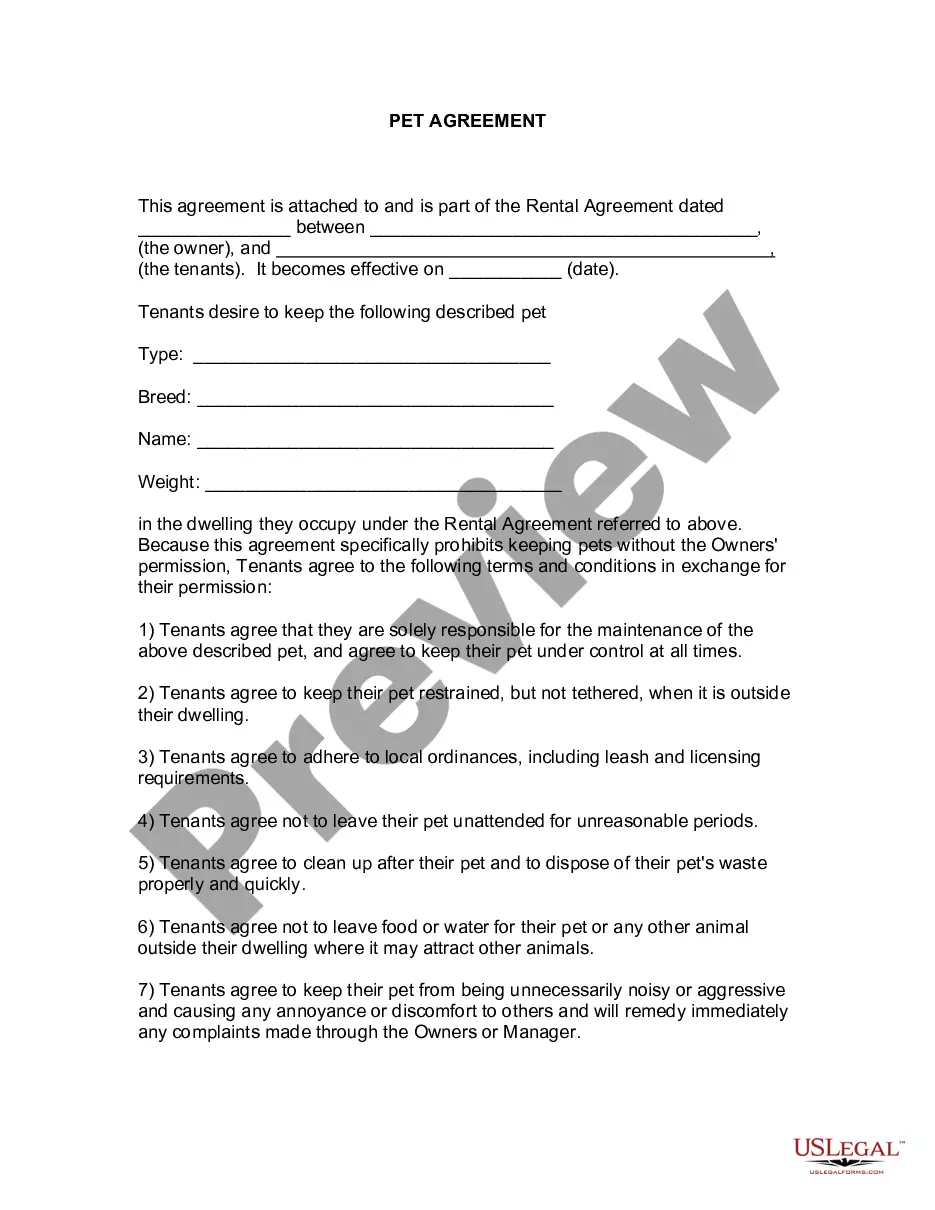
Form popularity
FAQ
A cardinal rule to live by is to never, ever let the buyers take possession of a property prior to closing. Put your buyers up at a hotel, work out a leaseback on their existing property, or figure out any other option but keep them out of the property.
Early occupancy is a term that is used to describe when a seller of a home allows the buyer to move into that home before the actual sale is closed. This type of arrangement can be a very positive selling method for a seller who needs to make a quick sale, but it can also have its drawbacks.
Moving in before the closing date is also known as taking early possession of the property. It's generally not feasible to move in early unless the seller has already vacated the property.Buyers who start moving into the property before closing may discover certain drawbacks or problems with the property.
While contracts often address the possibility of a buyer trying to renegotiate the deal before closing, early possession can still result in headaches for both the buyer and seller.As such, they may not be willing to let a buyer start moving in until the sale has been completed.
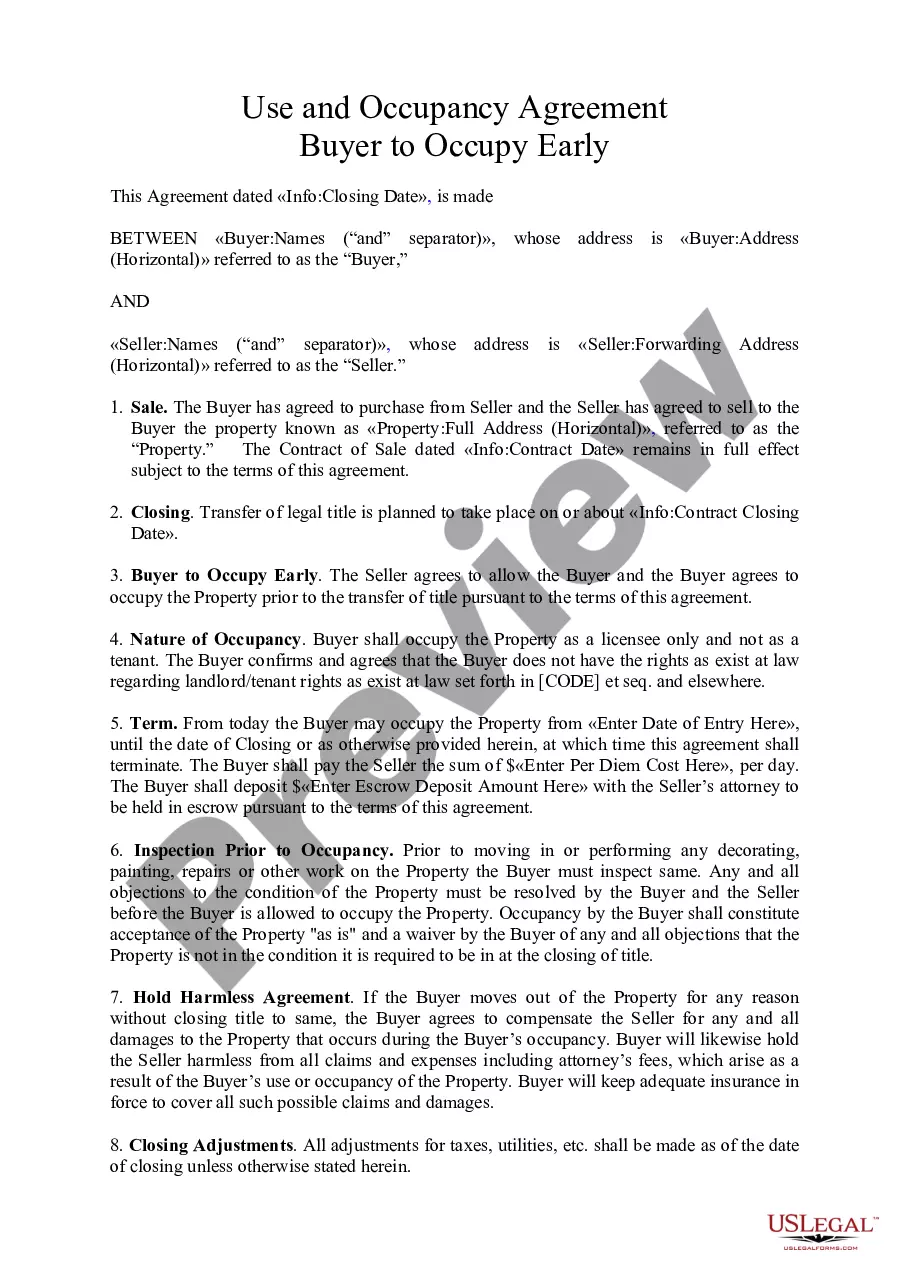
A use and occupancy agreement - sometimes referred to as a U&O - is a temporary agreement between the buyer and the seller that allows one party the right to use and occupy the property for a set period of time. It's usually put in place if the buyer needs to move into the property before ownership can be transferred.
The contract terms will determine when you can move in after closing. In some cases, it will be immediately after the closing appointment. You will receive the keys and head straight to your new home. In other situations, the seller may request 30, 45 or even 60 days of occupancy after the closing of the home.
Temporary Lease means any Tenant Lease entered into for seasonal or temporary uses, carts, kiosks, directory and other advertising or marketing agreements with a term of 1 year or less that cannot be automatically extended at the option of the tenant party thereto.
It's usually put in place if the buyer needs to move into the property before ownership can be transferred. One important thing to understand is that this agreement is not the same as a lease.The agreement solely allows them the right to use the property.