Notice to Buyer Objecting to Confirmation of Sale made by Buyer and Denying the Existence of an Agreement
Overview of this form
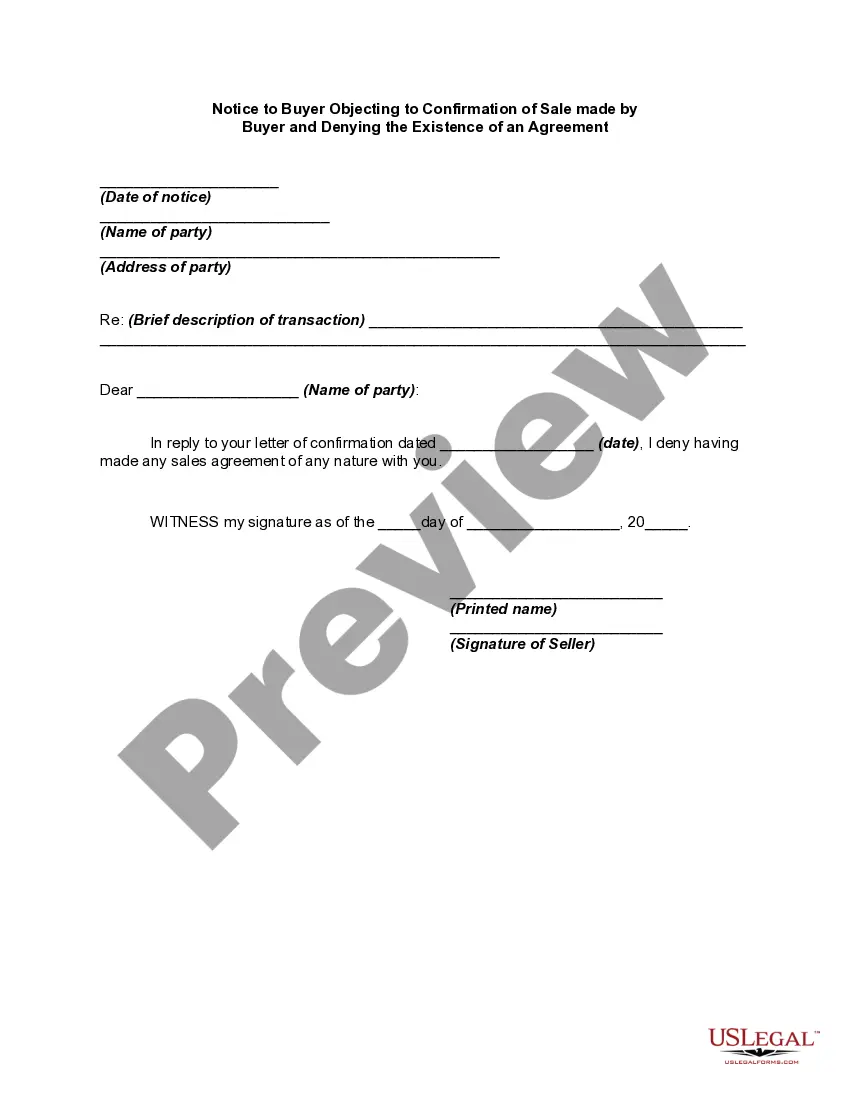
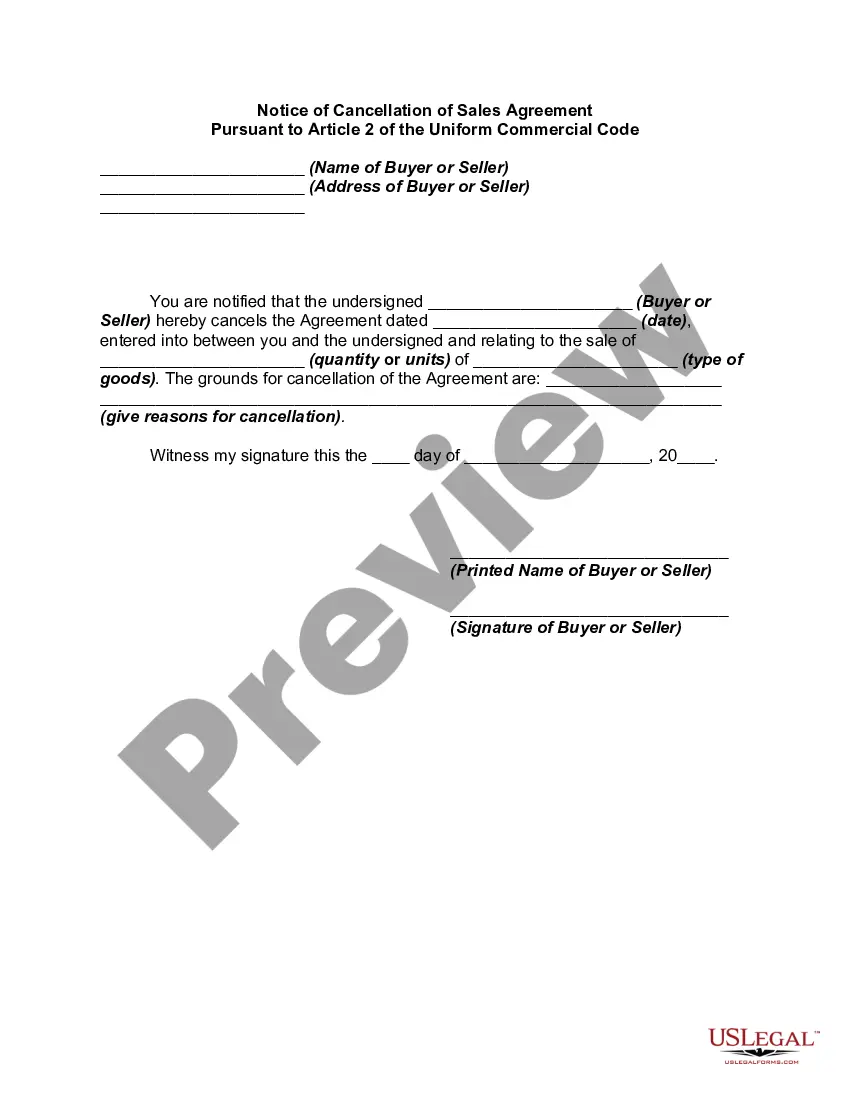
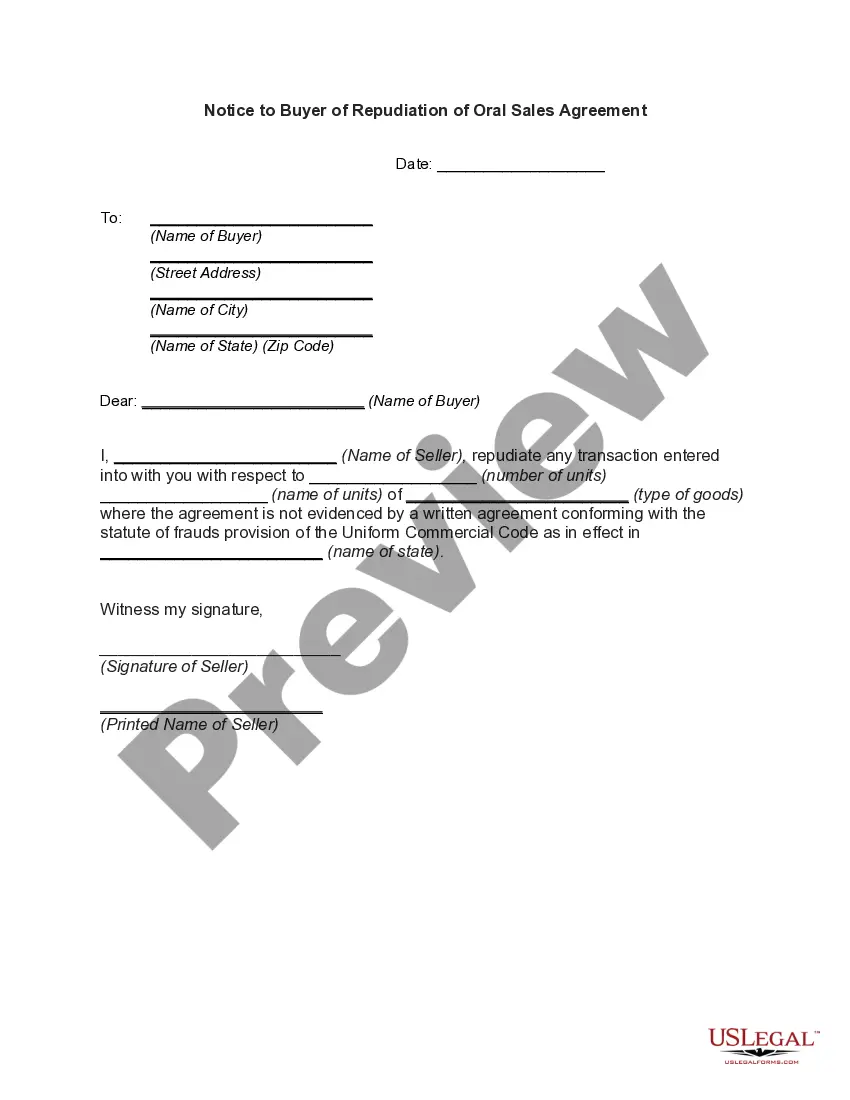
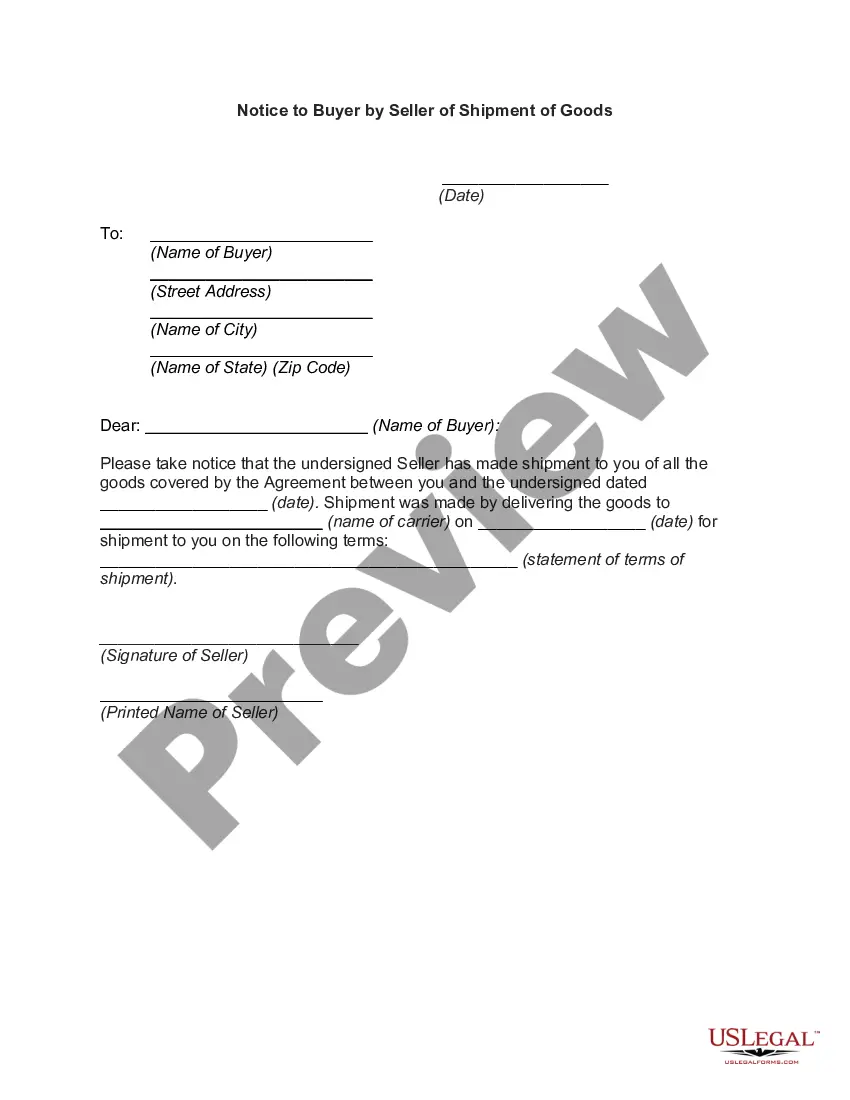
The Notice to Buyer Objecting to Confirmation of Sale made by Buyer and Denying the Existence of an Agreement is a legal document used under the Uniform Commercial Code (UCC). Its primary purpose is to formally notify a buyer disputing the confirmation of a sale that the seller denies any existing agreement regarding that sale. This document is crucial in transactions involving goods priced at $500 or more and serves as evidence in legal proceedings by establishing the seller's position clearly.
Main sections of this form
- Date of the notice
- Name and address of the party being notified
- Description of the transaction in question
- Response to the confirmation letter including denial of agreement
- Signature and printed name of the seller
Situations where this form applies
This form should be used when a seller receives a confirmation letter from a buyer regarding the sale of goods, but the seller disputes the existence of any agreement. It is particularly relevant when the sale price of the goods is $500 or more, and the seller wishes to protect their interests by formally documenting their denial of the agreement. It can also be useful when negotiations remain unresolved and the seller wants to ensure there is no ambiguity about their stance.
Who should use this form
Individuals or businesses involved in the sale of goods who wish to dispute a confirmation of sale should use this form. Specifically, it is intended for:
- Sellers who have received a confirmation letter from a buyer
- Merchants engaged in transactions subject to the UCC
- Parties who want to formally document their denial of an agreement
How to prepare this document
- Identify and enter the date of the notice at the top of the form.
- Provide the name and address of the party receiving the notice.
- Clearly describe the transaction that is being disputed, including relevant details.
- State the denial of any agreement in response to the confirmation letter.
- Sign and print your name, and include the date of signature to finalize the form.
Does this form need to be notarized?
Notarization is generally not required for this form. However, certain states or situations might demand it. You can complete notarization online through US Legal Forms, powered by Notarize, using a verified video call available anytime.
Get your form ready online
Our built-in tools help you complete, sign, share, and store your documents in one place.
Make edits, fill in missing information, and update formatting in US Legal Forms—just like you would in MS Word.
Download a copy, print it, send it by email, or mail it via USPS—whatever works best for your next step.
Sign and collect signatures with our SignNow integration. Send to multiple recipients, set reminders, and more. Go Premium to unlock E-Sign.
If this form requires notarization, complete it online through a secure video call—no need to meet a notary in person or wait for an appointment.
We protect your documents and personal data by following strict security and privacy standards.

Make edits, fill in missing information, and update formatting in US Legal Forms—just like you would in MS Word.

Download a copy, print it, send it by email, or mail it via USPS—whatever works best for your next step.

Sign and collect signatures with our SignNow integration. Send to multiple recipients, set reminders, and more. Go Premium to unlock E-Sign.

If this form requires notarization, complete it online through a secure video call—no need to meet a notary in person or wait for an appointment.

We protect your documents and personal data by following strict security and privacy standards.
Mistakes to watch out for
- Failing to include the date of the notice.
- Not providing enough details in the transaction description.
- Neglecting to sign the document before sending.
Why complete this form online
- Convenience of downloading and filling out the form at your own pace.
- Editable format that allows customization to fit your specific needs.
- Access to professionally drafted templates ensuring legal compliance.
Looking for another form?









Form popularity
FAQ
A contract is either express or implied. The parties state the terms and show their intentions in words, either oral or written. Most real estate contracts are express contracts and are written.
Generally in a home sale contract, the Buyer does have the right of Specific Performance, meaning they can force the Seller to sell them the home.A Seller must specifically perform the contract and sell the property to the Buyer if the contract so indicates.
UCC § 2-608 provides that after a buyer has accepted goods, the acceptance may be revoked under the following circumstances: "(1) The buyer may revoke his acceptance of a lot or commercial unit whose non-conformity substantially impairs its value to him if he has accepted it (a) on the reasonable assumption that its
(2) Revocation of acceptance must occur within a reasonable time after the buyer discovers or should have discovered the ground for it and before any substantial change in condition of the goods which is not caused by their own defects. It is not effective until the buyer notifies the sellerof it.
Once the time limit has expired on the contingencies, you can still walk away from the house right up until closing, although you may lose your deposit. This is called liquidated damages. The seller could potentially sue you for specific performance, which means that you would be required to complete the contract.
To be perfectly clear, you can always back out of a real estate purchase contract at any time before closing. There's no way the seller can force you to actually purchase the home. However, if there's no valid reason for backing out as defined in the contract, you'll likely lose your earnest deposit.
But unlike buyers, sellers can't back out and forfeit their earnest deposit money (usually 1-3 percent of the offer price). If you decide to cancel a deal when the home is already under contract, you can be either legally forced to close anyway or sued for financial damages.
If the seller is the party refusing to complete the transaction, the buyer can seek specific performance.The courts may order the seller to pay for any money the buyer lost as a result of the failed transaction, including mortgage application fees or appraisal and inspection costs.
It's up to the seller to pay the liens (or fight them in court), which can delay closing by weeks, if not months.Closing dates aren't always pushed back. Sometimes buyers might want to speed things up to get into their new home faster (and can you blame them?).