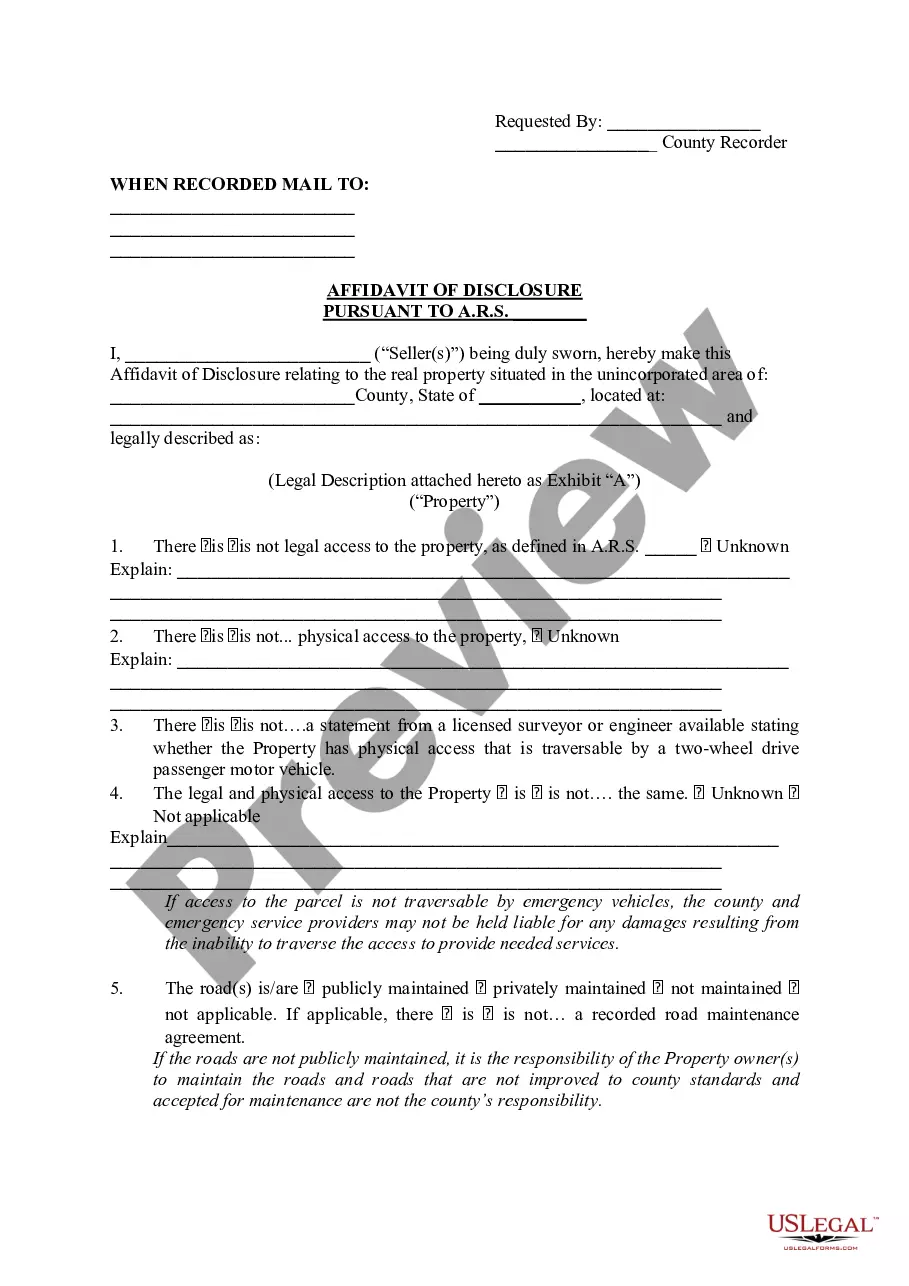
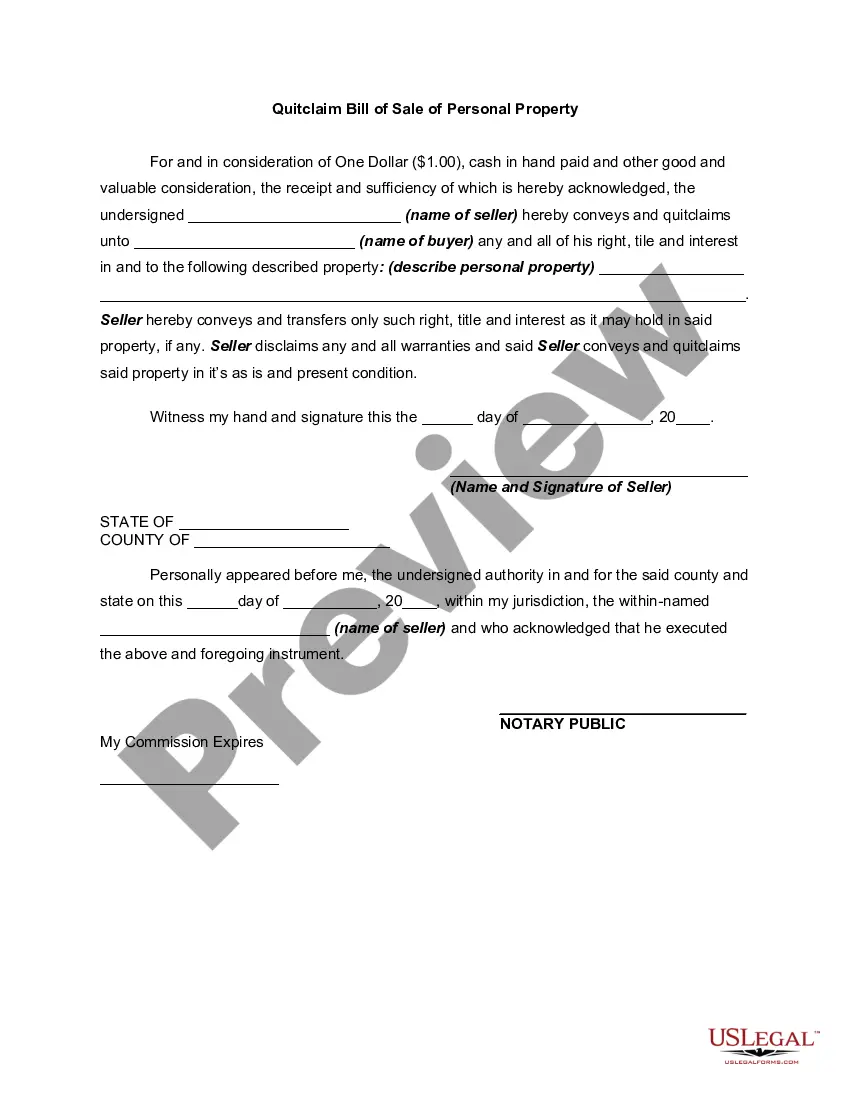
Quitclaim Bill of Sale of Personal Property
Understanding this form
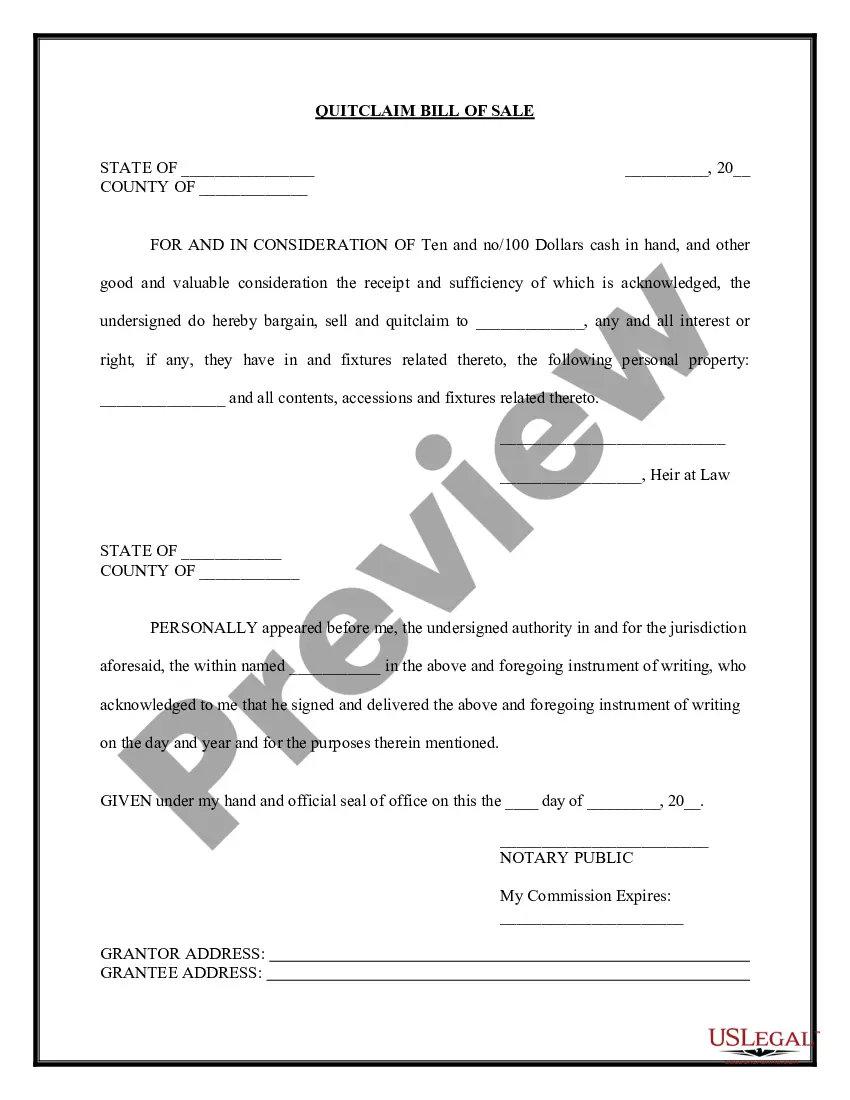
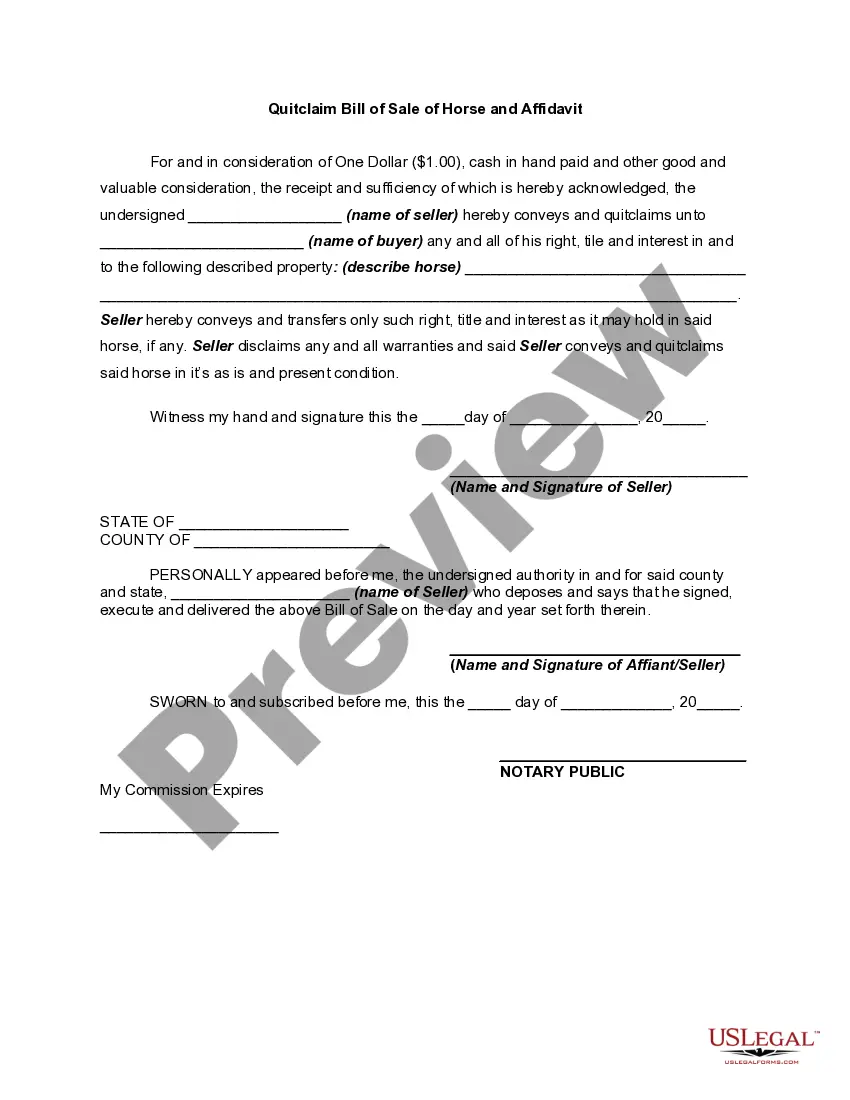
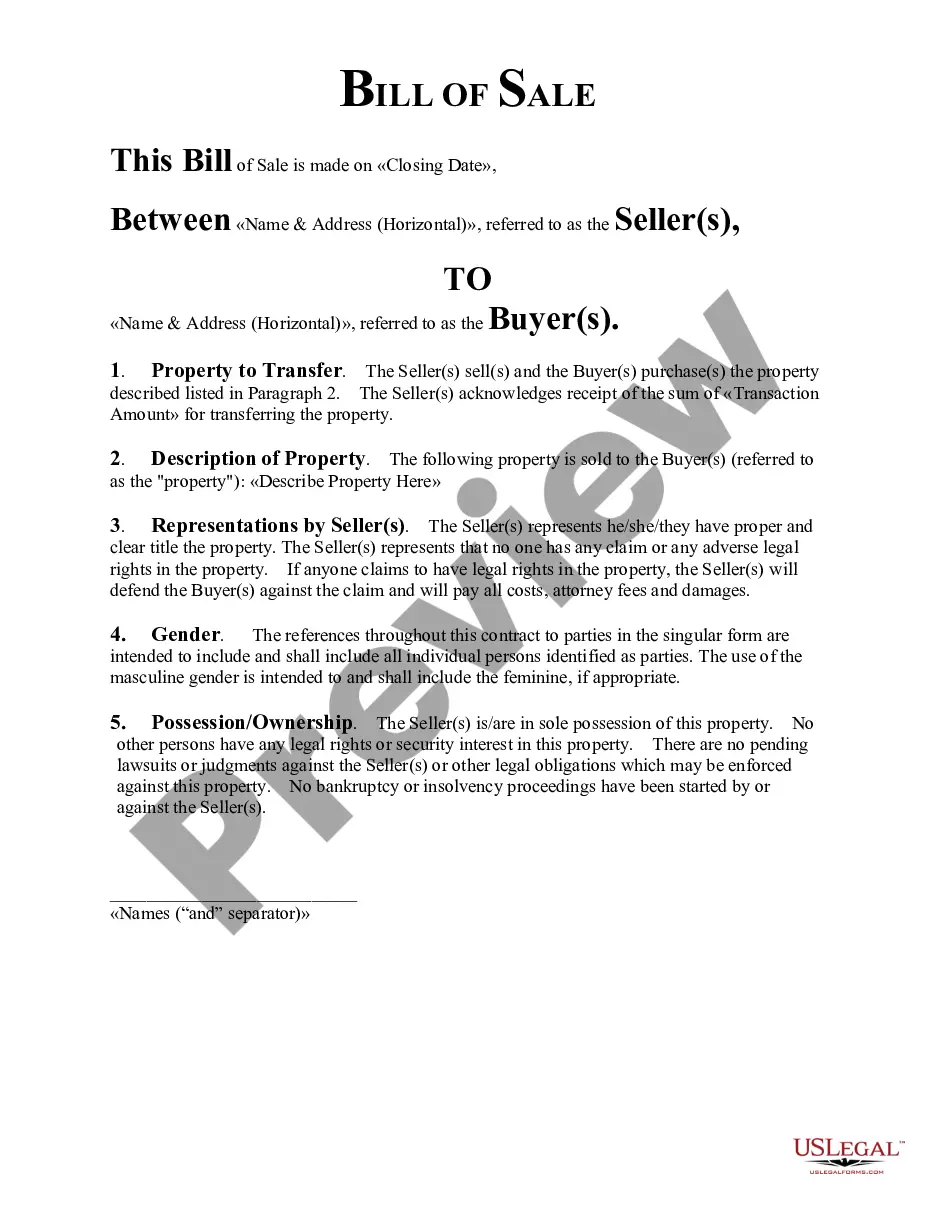
The Quitclaim Bill of Sale of Personal Property is a legal document used to transfer ownership of personal property from one party to another without providing any warranties regarding the item's condition or ownership. Unlike other types of bills of sale, a quitclaim bill of sale conveys only whatever interest the seller may have in the property, making it a straightforward and no-frills option for transferring personal property.
What’s included in this form
- Seller information: Name of the seller who is transferring the property.
- Buyer information: Name of the buyer who will receive the property.
- Description of property: Detailed description of the personal property being transferred.
- Consideration: Stipulation that the transfer is made for a nominal amount (e.g., One Dollar) or other good and valuable consideration.
- As-is clause: A statement indicating the property is conveyed in its current condition, without any warranties.
- Notarization: Space for a notary public's acknowledgment of the seller's signature.
When to use this document
This form is typically used when a seller wants to transfer personal property to a buyer without making any guarantees about the property itself. It may be suitable in situations such as transferring used furniture, vehicles, or other movable assets where the seller does not wish to assume liability or offer warranties for the property's condition.
Intended users of this form
Who should consider using this form:
- Individuals looking to sell or transfer personal property without warranties.
- People wanting a simple, straightforward method for documenting a property transfer.
- Sellers who wish to disclaim any representations about the propertyâs condition.
- Anyone engaged in informal transactions where a formal warranty is not necessary.
Instructions for completing this form
Steps to complete this form:
- Identify the parties involved: Fill in the names of both the seller and buyer.
- Describe the property: Provide a detailed description of the personal property being transferred.
- Specify consideration: Indicate the amount (e.g., One Dollar) or state the good and valuable consideration involved in the transaction.
- Enter the date: Fill in the date of the transaction and the signature of the seller.
- Obtain notarization: If required or preferred, have the document notarized by a qualified individual.
Notarization requirements for this form
This form does not typically require notarization unless specified by local law. However, having the signature notarized can enhance the document's validity and enforceability, depending on the jurisdiction.
Get your form ready online
Our built-in tools help you complete, sign, share, and store your documents in one place.
Make edits, fill in missing information, and update formatting in US Legal Forms—just like you would in MS Word.
Download a copy, print it, send it by email, or mail it via USPS—whatever works best for your next step.
Sign and collect signatures with our SignNow integration. Send to multiple recipients, set reminders, and more. Go Premium to unlock E-Sign.
If this form requires notarization, complete it online through a secure video call—no need to meet a notary in person or wait for an appointment.
We protect your documents and personal data by following strict security and privacy standards.

Make edits, fill in missing information, and update formatting in US Legal Forms—just like you would in MS Word.

Download a copy, print it, send it by email, or mail it via USPS—whatever works best for your next step.

Sign and collect signatures with our SignNow integration. Send to multiple recipients, set reminders, and more. Go Premium to unlock E-Sign.

If this form requires notarization, complete it online through a secure video call—no need to meet a notary in person or wait for an appointment.

We protect your documents and personal data by following strict security and privacy standards.
Avoid these common issues
- Failing to provide a clear description of the property, which may lead to confusion.
- Not having the document notarized when required in the jurisdiction.
- Leaving out the consideration amount, which is necessary for the validity of the transfer.
- Not ensuring both parties have a copy of the completed form for their records.
Advantages of online completion
- Convenient online access allows for easy completion and printing.
- Edit and customize the form to suit specific needs without legal jargon.
- Provides legal security by documenting the transaction between parties.
What to keep in mind
- The Quitclaim Bill of Sale transfers ownership without warranties about the property's title.
- Itâs ideal for informal or family transactions where the buyer knows the seller's intent.
- Ensure notarization and accurate completion to avoid disputes.
Looking for another form?

Form popularity
FAQ
But you might be wondering if an owner can transfer a deed to another person without a real estate lawyer. The answer is yes. Parties to a transaction are always free to prepare their own deeds.A quitclaim deed, for example, is far simpler than a warranty deed.
When you own a home, you own both the deed and title for that property. In real estate, title means you have ownership and a right to use the property.The deed is the physical legal document that transfers ownership. It shows who you bought your house from, and when you sell it, it shows who you sold it to.
Taxes. Quitclaim deeds do not rid the grantor of tax obligations.However, once a grantee accepts a clear title on the property, they inherit the responsibility of paying the newly acquired property taxes. The grantor no longer is obligated to pay future taxes on the property.
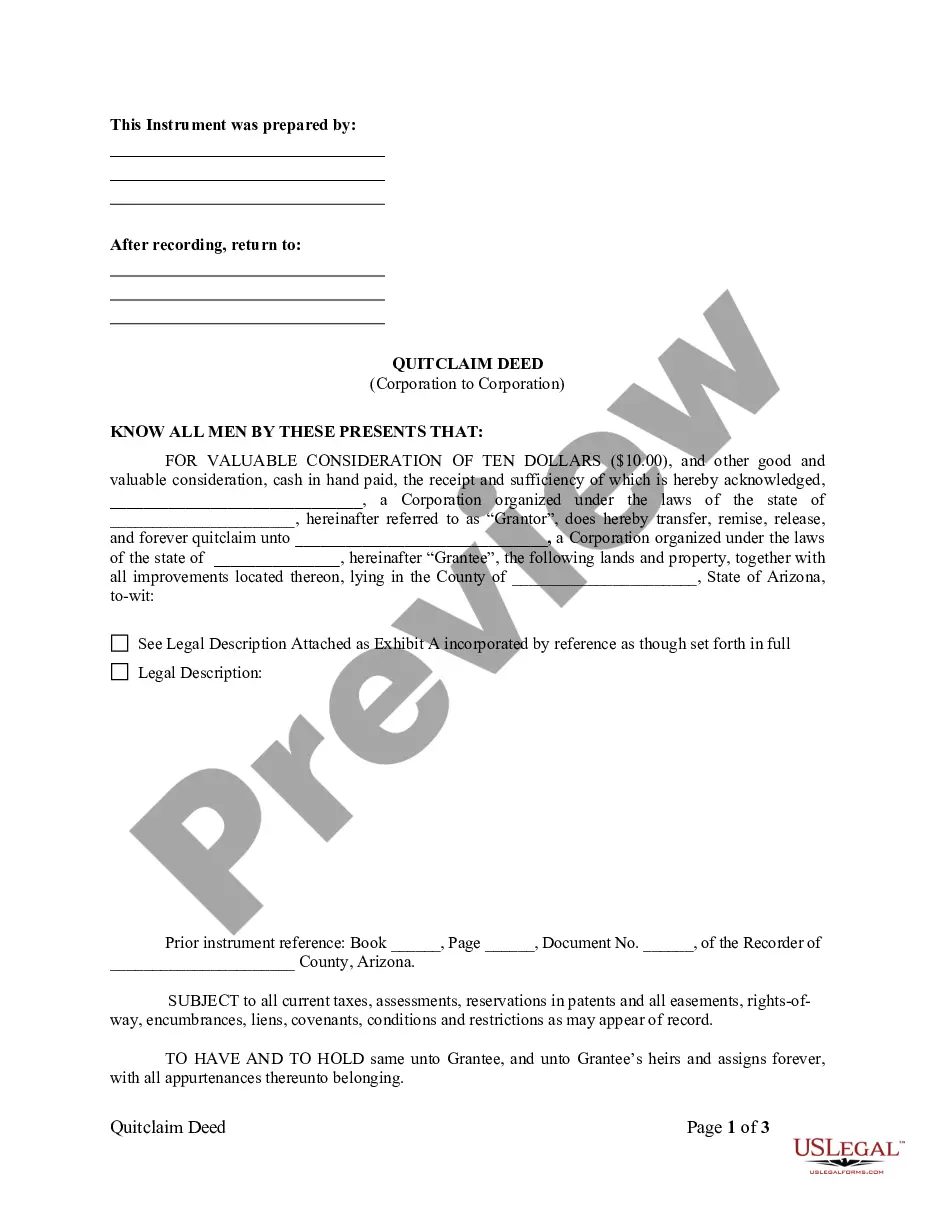
A person who signs a quitclaim deed to transfer property they do not own results in no title at all being transferred since there is no actual ownership interest. The quitclaim deed only transfers the type of title you own.
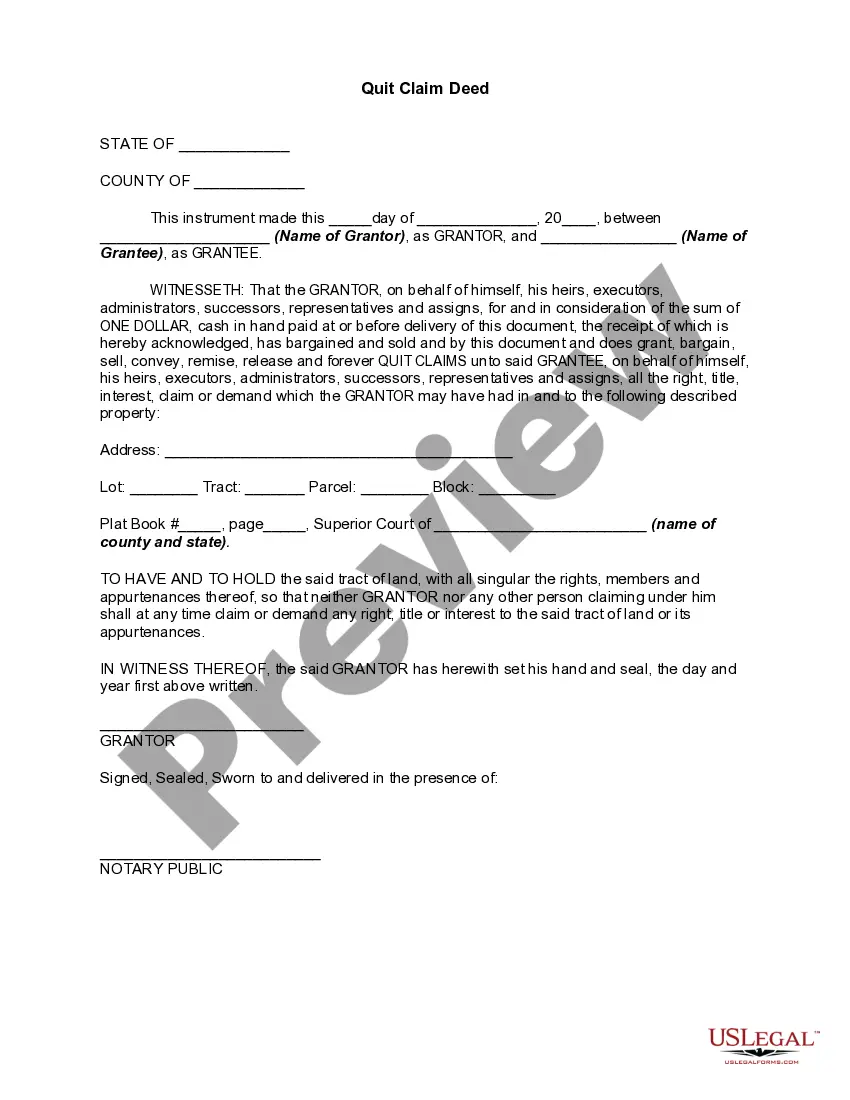
Quitclaim deeds are most often used to transfer property between family members. Examples include when an owner gets married and wants to add a spouse's name to the title or deed, or when the owners get divorced and one spouse's name is removed from the title or deed.
Once the quitclaim deed is signed and notarized, it is a valid legal document. But the grantee must also have the quitclaim deed recorded in the county recorder's office, or with the county clerk -- whoever has the authority to record deeds and property transfers.
A quitclaim deed affects ownership and the name on the deed, not the mortgage. Because quitclaim deeds expose the grantee to certain risks, they are most often used between family members and where there is no exchange of money.Quitclaim deeds transfer title but do not affect mortgages.