Motion to Quash, Dismiss, or Set Aside Criminal Charges for Failure to Prosecute
Overview of this form
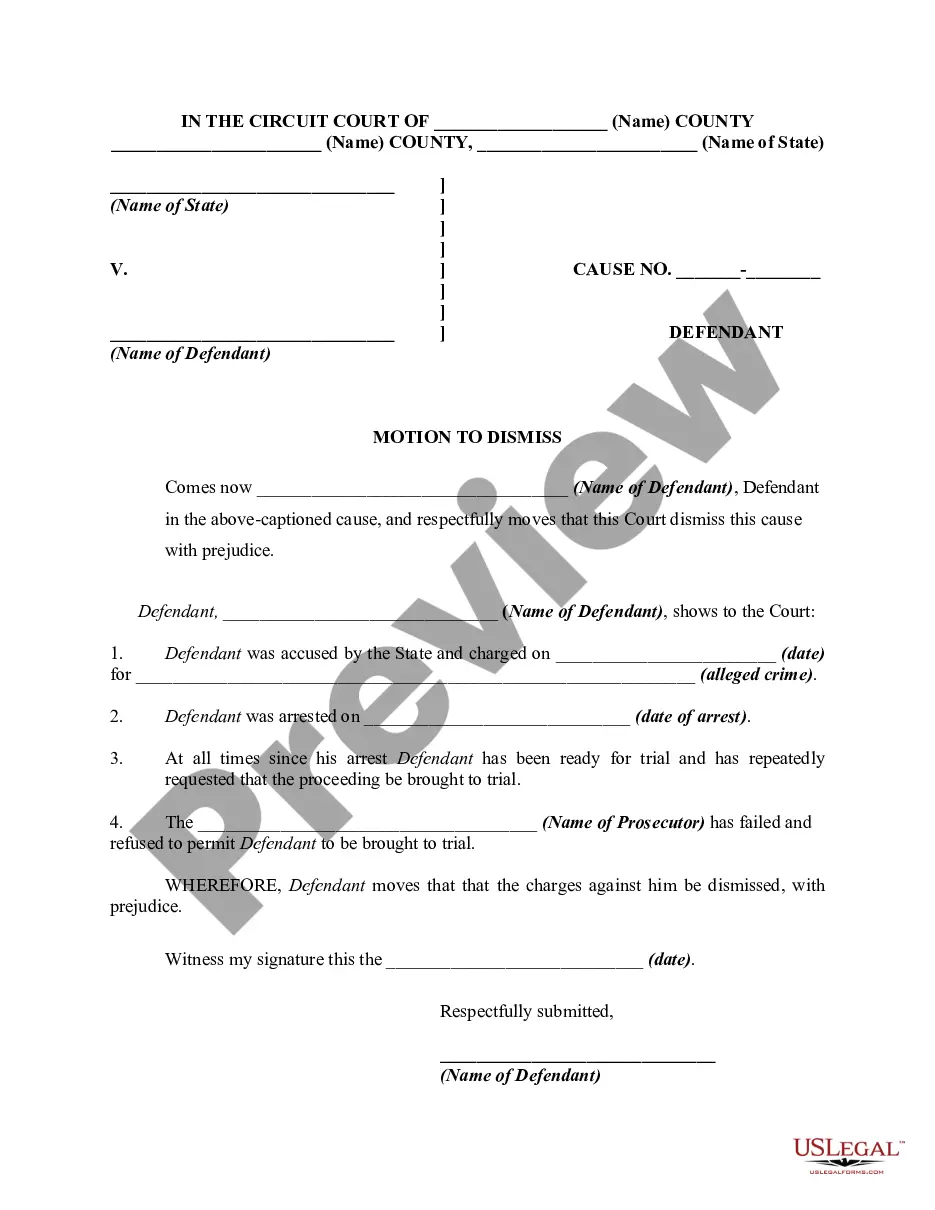
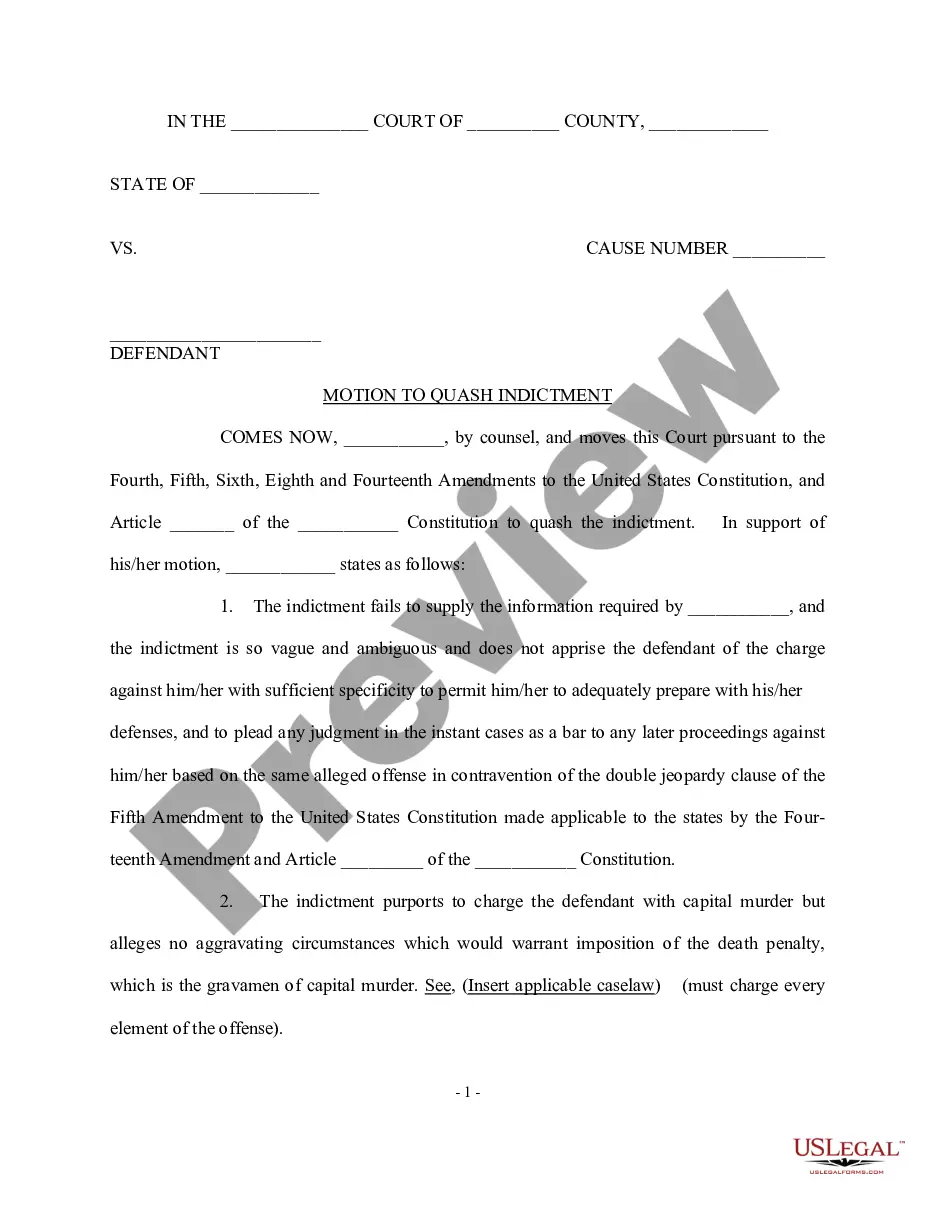
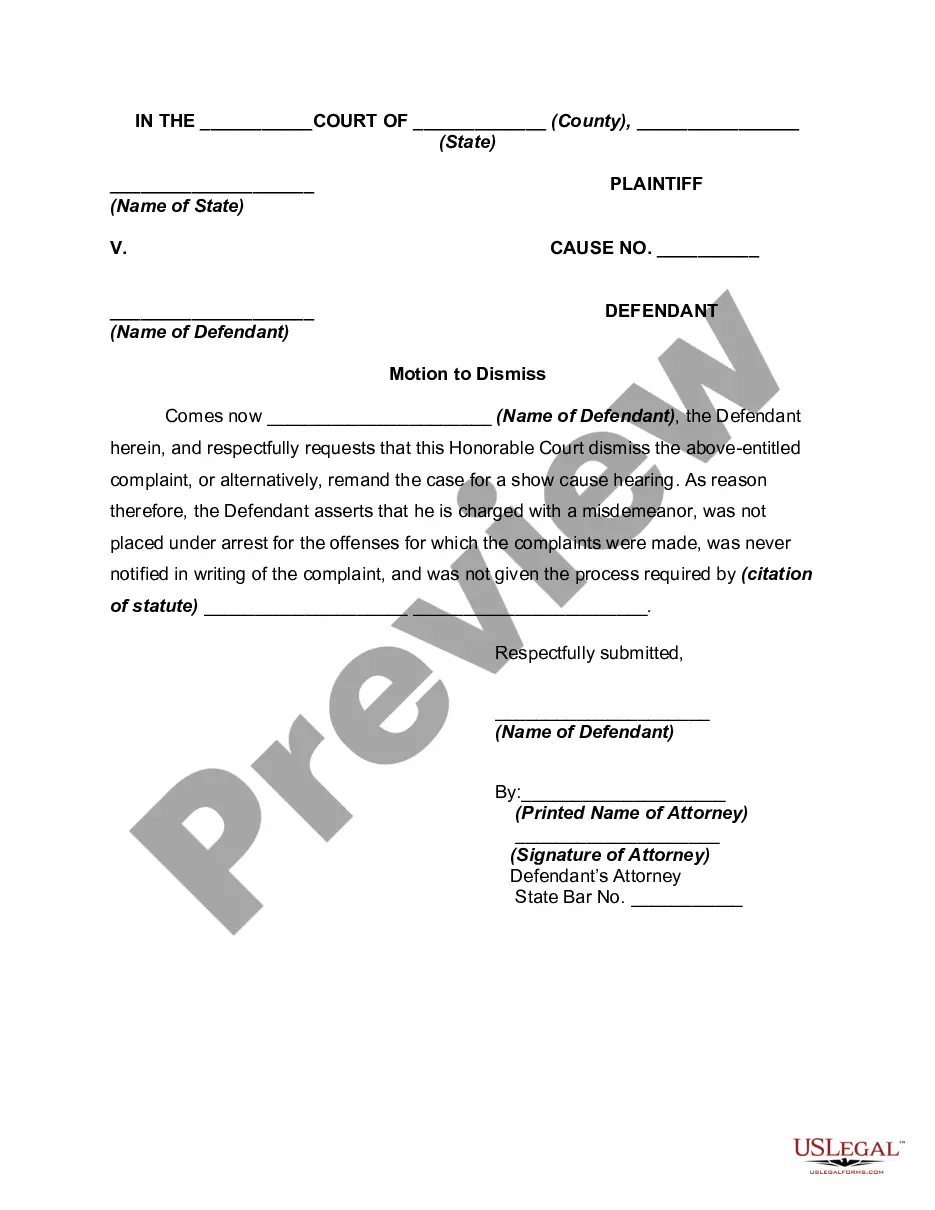
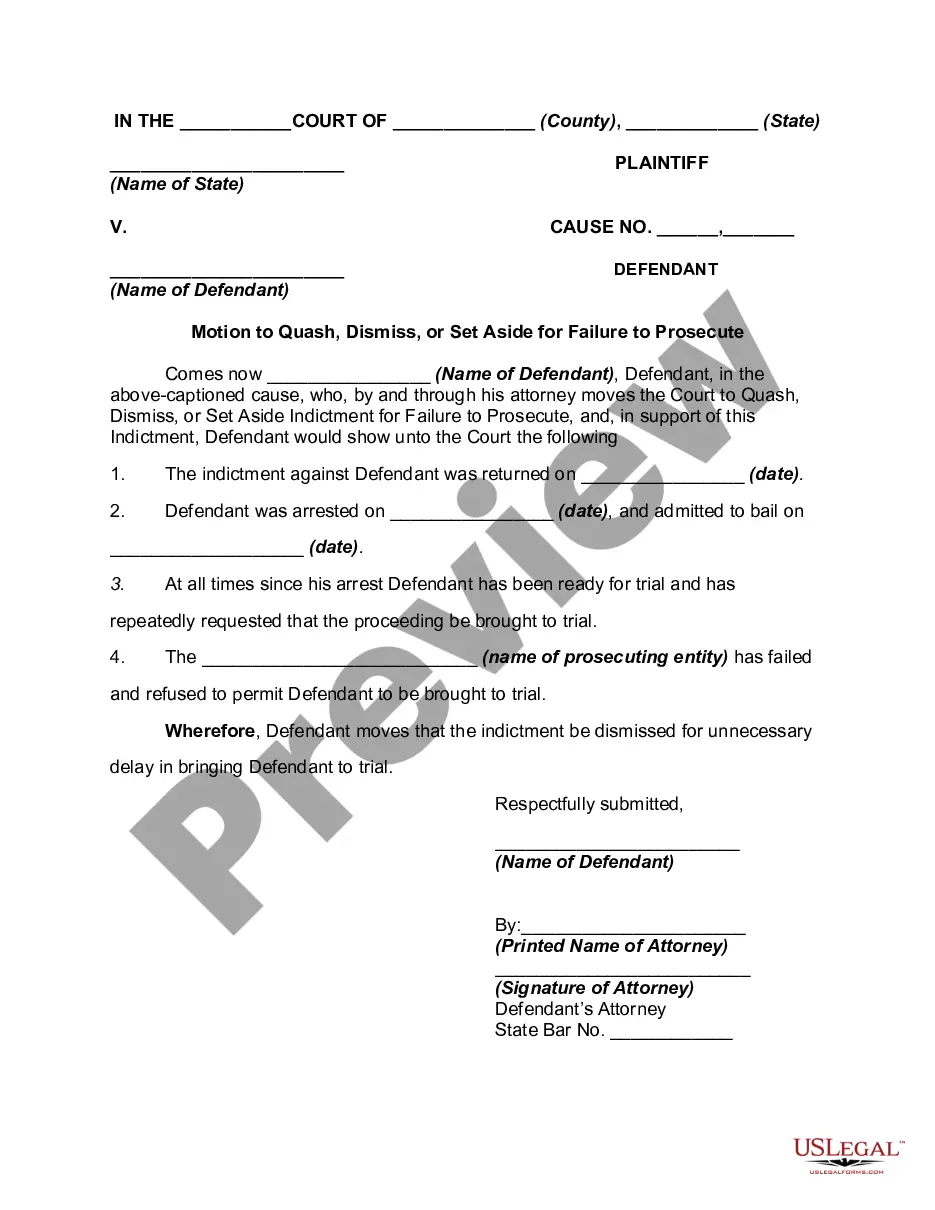
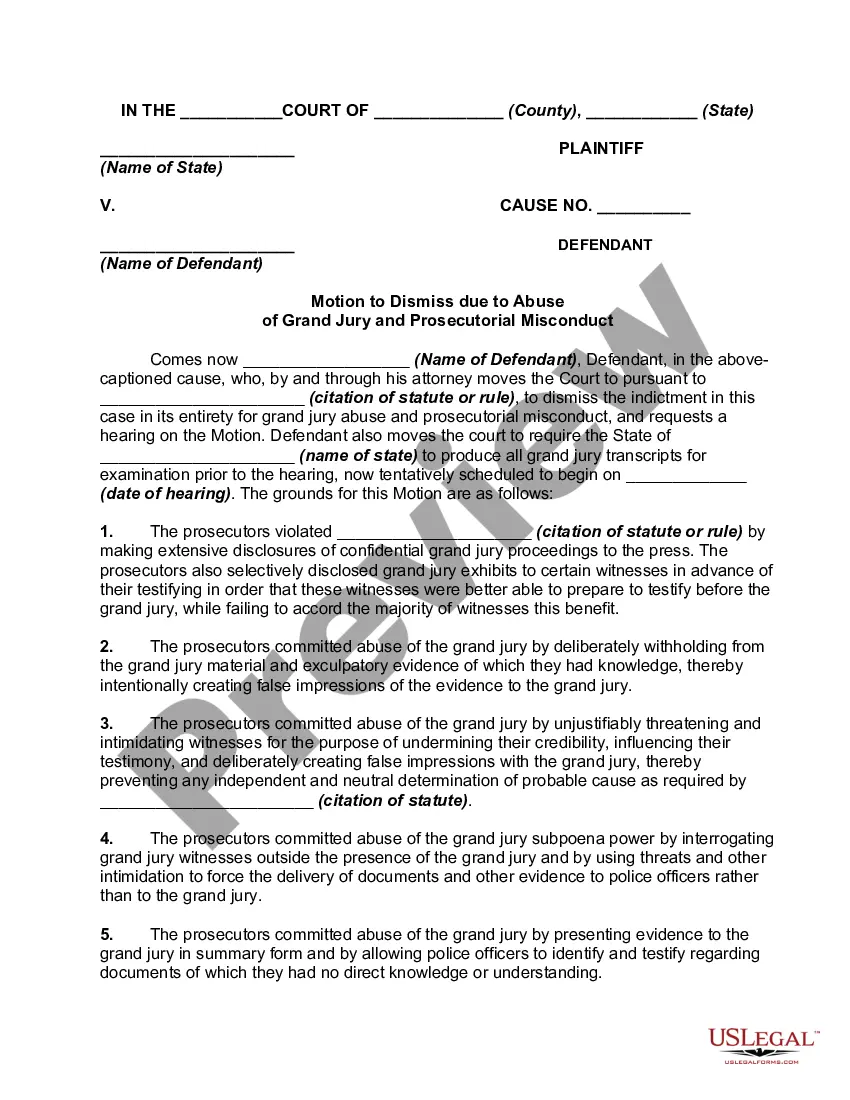
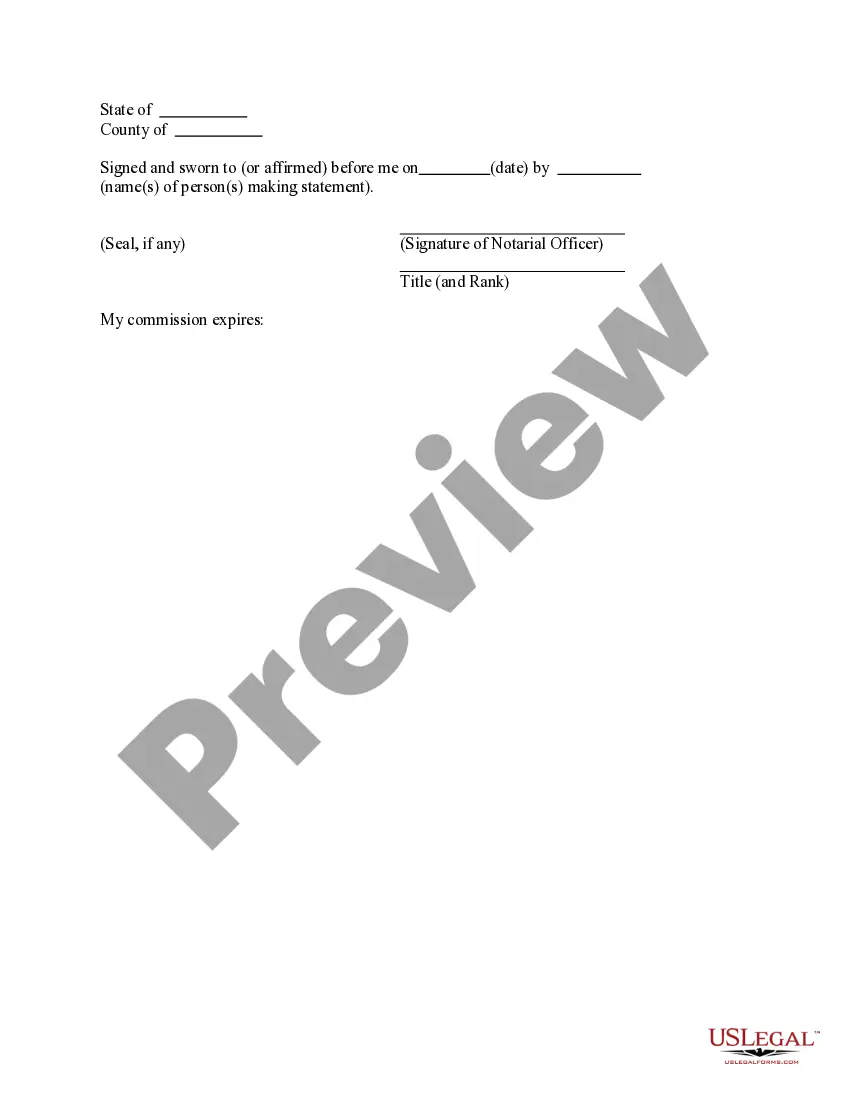
The Motion to Quash, Dismiss, or Set Aside Criminal Charges for Failure to Prosecute is a legal document used by defendants to request the dismissal of criminal charges when the prosecution has failed to take necessary actions to advance the case. This form adopts the notice pleadings format used in federal civil procedure, making it applicable in many jurisdictions. It significantly differs from other motions by focusing specifically on the failure to prosecute, which can protect a defendantâs rights and facilitate a fair trial process.
Key parts of this document
- Heading with court details and cause number.
- Name of the defendant and the motion to dismiss statement.
- Accusation and charge details, including dates of charge and arrest.
- Readiness for trial statement, emphasizing the defendant's request for a timely hearing.
- Signature section for the defendant and certificate of service.
- Notice of motion to dismiss section, indicating hearing details.


Common use cases
This form is useful in scenarios where a defendant has been formally charged with a crime but the prosecution has not moved forward with the case in a timely manner. If you have been waiting for the trial and believe that the prosecution is unjustly delaying, you can file this motion to assert your right to a speedy trial and potentially have the charges dismissed altogether.
Who can use this document
- Defendants in criminal cases who wish to challenge the length of prosecution delays.
- Individuals accused of a crime and ready for trial but facing undue delays.
- Lawyers representing clients who are facing unchallenged delays in their criminal cases.
How to prepare this document
- Fill in the court name, state, and cause number at the top of the form.
- Provide your name as the defendant and the specific crime you were charged with.
- Include the dates of the charge and your arrest, showing your readiness for trial.
- State the prosecutor's name and reference their failure to proceed with the case.
- Sign the form, ensuring you also complete the certificate of service section to notify other parties.
- Complete the notice of motion to dismiss with the hearing details, including date and time.
Notarization guidance
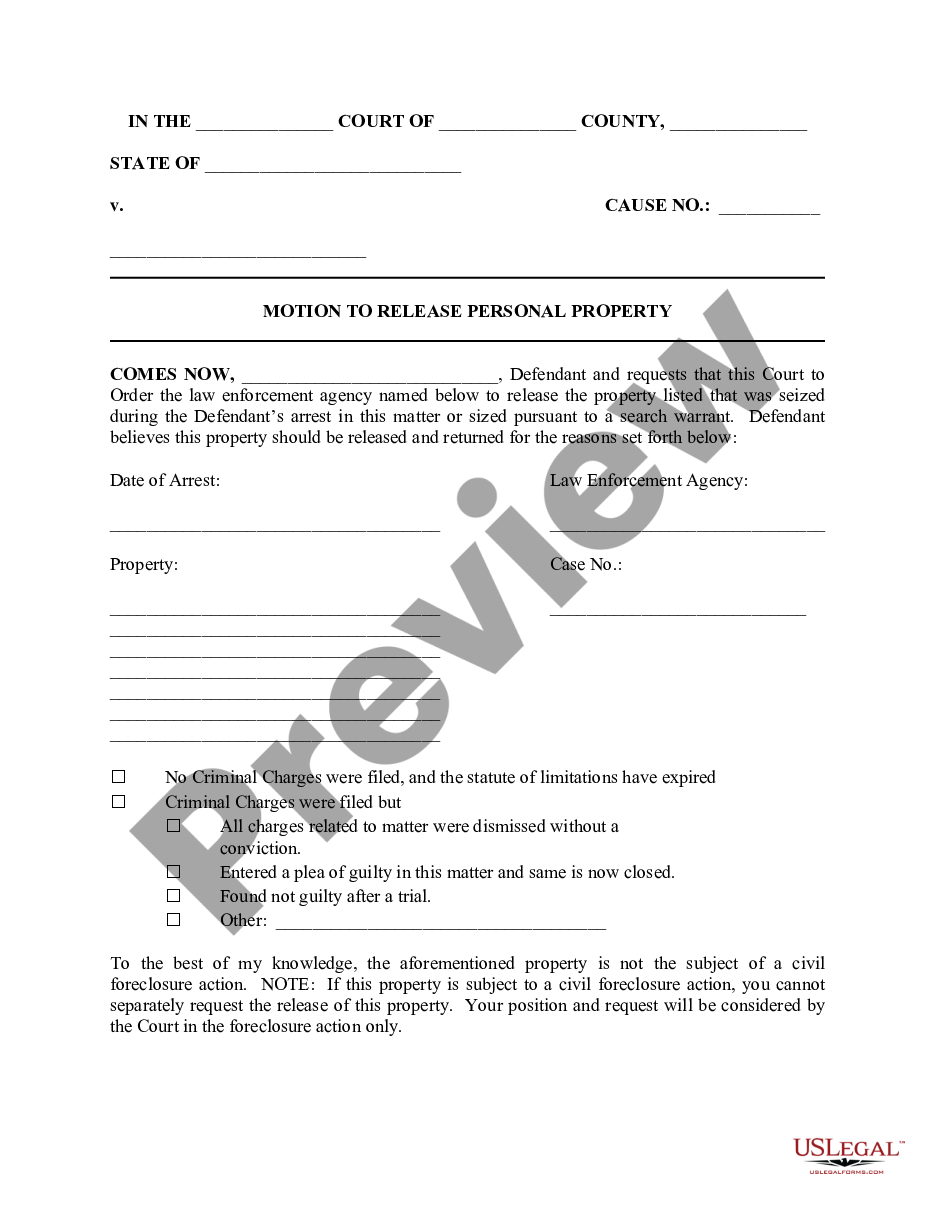
This form does not typically require notarization unless specified by local law. It is always best to check with local statutes to ensure compliance with your jurisdiction's requirements.
Get your form ready online
Our built-in tools help you complete, sign, share, and store your documents in one place.
Make edits, fill in missing information, and update formatting in US Legal Forms—just like you would in MS Word.
Download a copy, print it, send it by email, or mail it via USPS—whatever works best for your next step.
Sign and collect signatures with our SignNow integration. Send to multiple recipients, set reminders, and more. Go Premium to unlock E-Sign.
If this form requires notarization, complete it online through a secure video call—no need to meet a notary in person or wait for an appointment.
We protect your documents and personal data by following strict security and privacy standards.

Make edits, fill in missing information, and update formatting in US Legal Forms—just like you would in MS Word.

Download a copy, print it, send it by email, or mail it via USPS—whatever works best for your next step.

Sign and collect signatures with our SignNow integration. Send to multiple recipients, set reminders, and more. Go Premium to unlock E-Sign.

If this form requires notarization, complete it online through a secure video call—no need to meet a notary in person or wait for an appointment.

We protect your documents and personal data by following strict security and privacy standards.
Typical mistakes to avoid
- Failing to include all required dates related to charges and arrest.
- Not notifying the prosecutor or the court of the motion properly.
- Leaving out the signature or necessary contact information in the certificate of service.
- Not checking local laws for additional requirements before submitting the motion.
Why use this form online
- Convenient access to the form anytime, which allows for quick downloads.
- Editability ensures you can customize the form to fit your specific case requirements.
- Reliability of documents prepared by licensed attorneys, ensuring legal compliance.
Legal use & context
- The Motion to Quash is enforceable in court; if granted, it may lead to the dismissal of the charges against the defendant.
- Using this motion aids in protecting the defendant's rights to a speedy trial as guaranteed by law.
- Consideration must be given to the legal context of your jurisdiction as certain laws may affect how this motion is applied.
Main things to remember
- The Motion to Quash allows defendants to challenge delays in prosecution.
- Correctly completing the form is crucial for a successful motion.
- Understanding local rules can significantly impact the outcome of the motion.
Looking for another form?
Form popularity
FAQ
It is a legal request asking the court to quash, dismiss, or set aside criminal charges when the prosecution has failed to advance the case, effectively protecting the defendant’s right to a speedy trial. The form’s key parts include a heading with court details, the defendant’s name and motion to dismiss, charge details, a readiness for trial statement, a signature section, and a notice of hearing.
Delays or inaction by the prosecution that prevent timely progress to trial—such as postponements, missed deadlines, or failure to pursue charges—can justify this motion. The form requires a clear assertion of those delays and a readiness for trial, and asks the court to dismiss the charges if such failure to prosecute harms the defendant’s right to a timely trial.
After filing, the court receives the motion and issues a notice of hearing under the form’s 'Notice of motion to dismiss' section. The defendant (or attorney) signs and serves the document, and a timely hearing is scheduled to determine whether the failure to prosecute justifies quashing, dismissing, or setting aside the charges.
Record visibility and sealing rules vary by jurisdiction. If the court grants the motion, the charges may be dismissed, which can limit public access in some cases, but local rules determine whether the case remains on a public docket or can be sealed or expunged. Consult a licensed attorney for jurisdiction-specific guidance.
Once filed, the court may schedule a hearing consistent with the 'Notice of motion to dismiss' section, during which the judge considers whether the delay or other facts justify setting aside the charges. The form also records the defendant’s readiness for trial and requires service on all parties.
This form uniquely targets failure to prosecute, focusing on prosecution delays and readiness for trial. It uses a notice-pleadings format aligned with federal procedure and includes a specific 'Notice of motion to dismiss' and a readiness-for-trial statement, distinguishing it from general motions to dismiss based on other grounds.