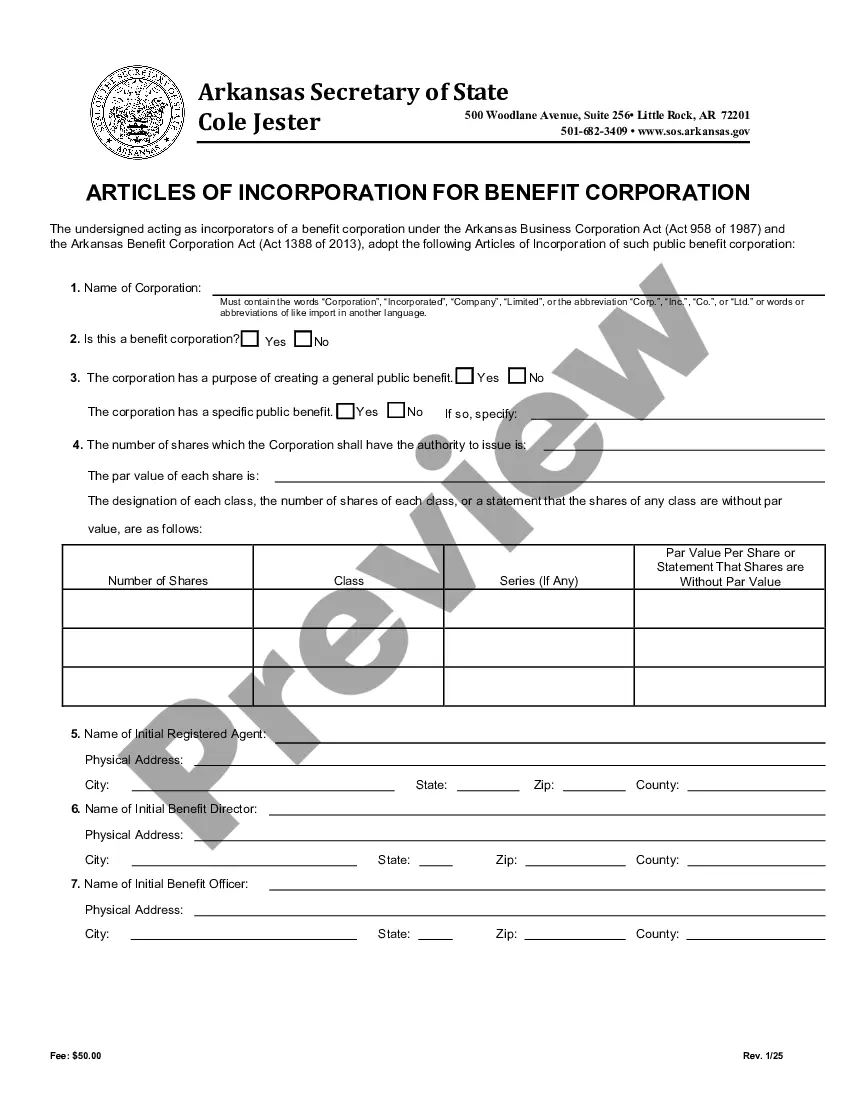
Pledge of Shares of Stock
Overview of this form
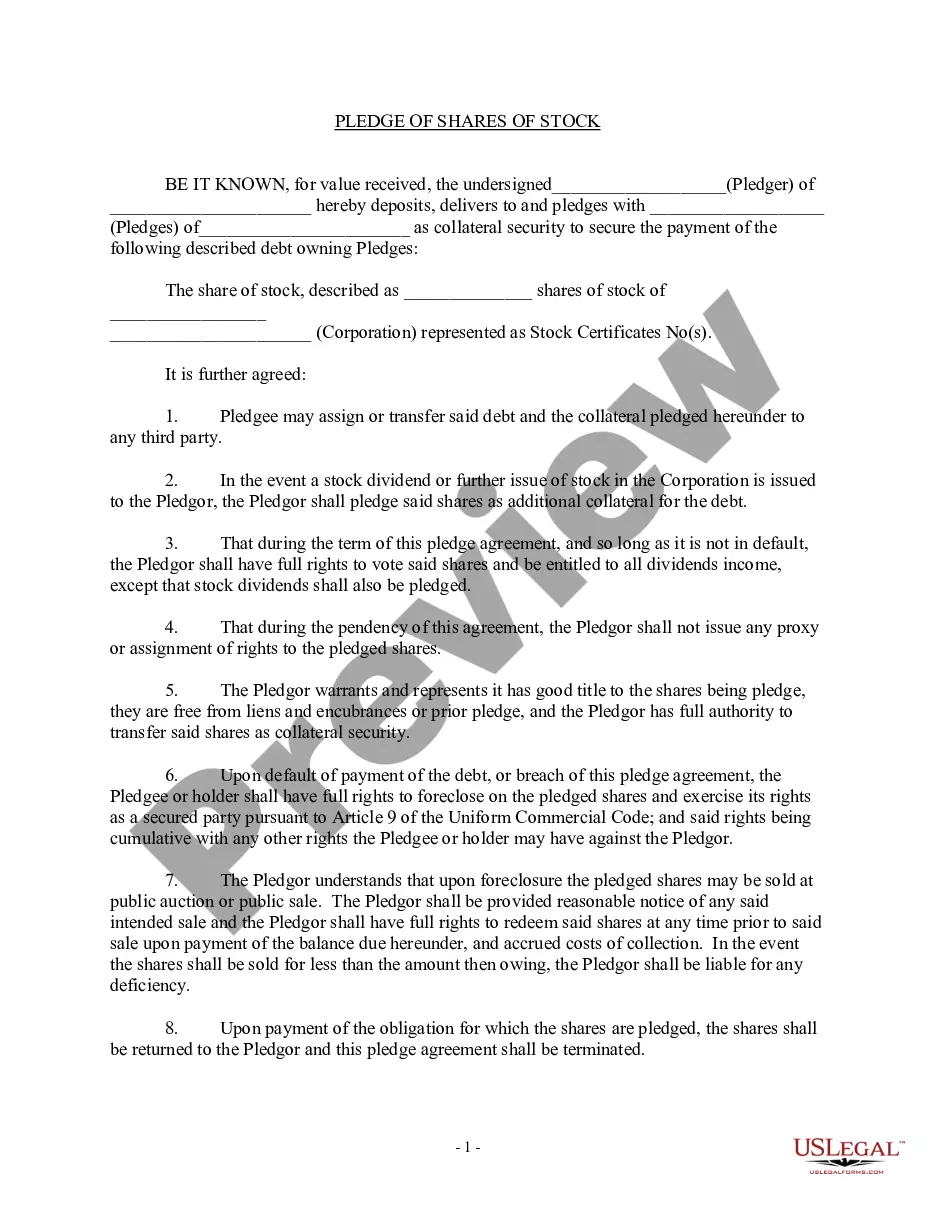
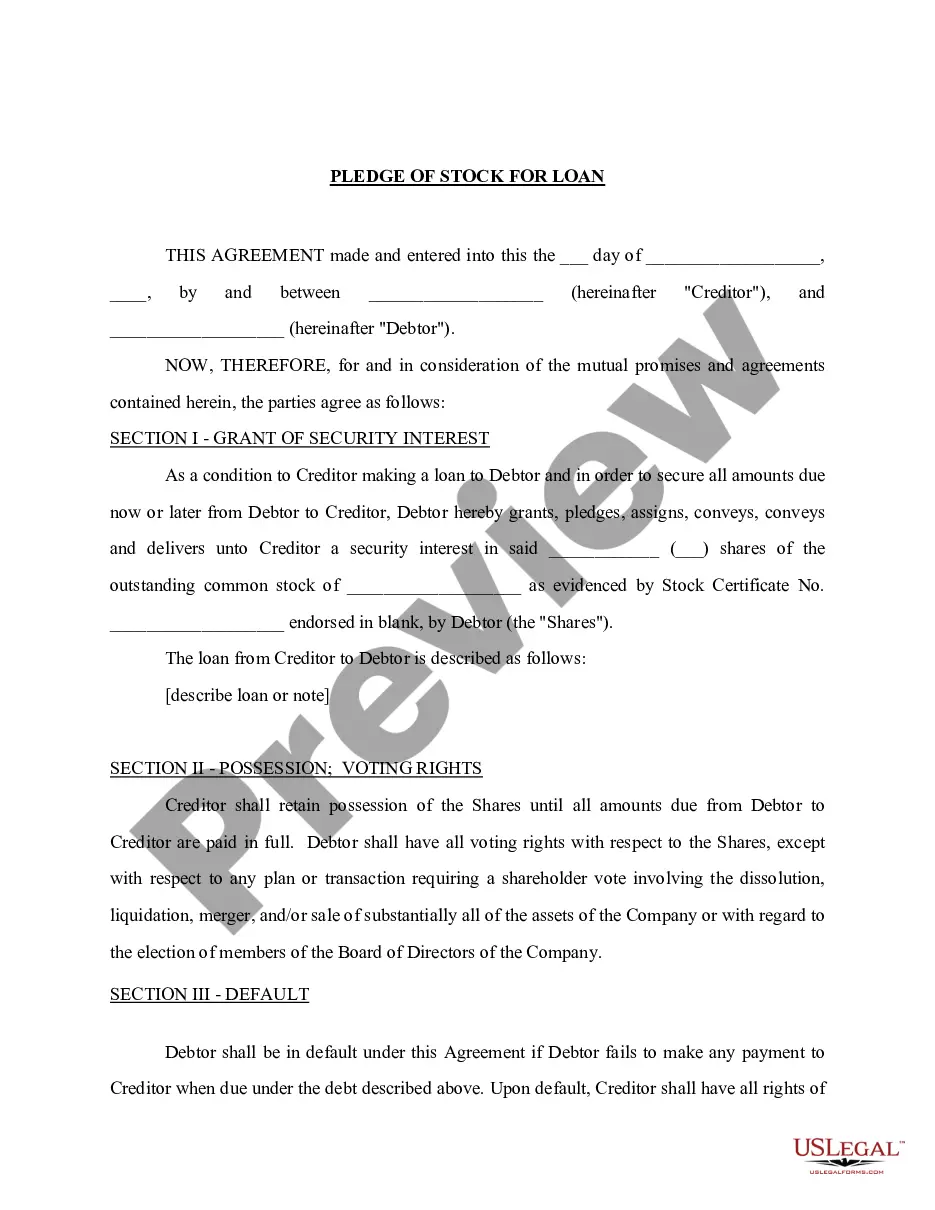
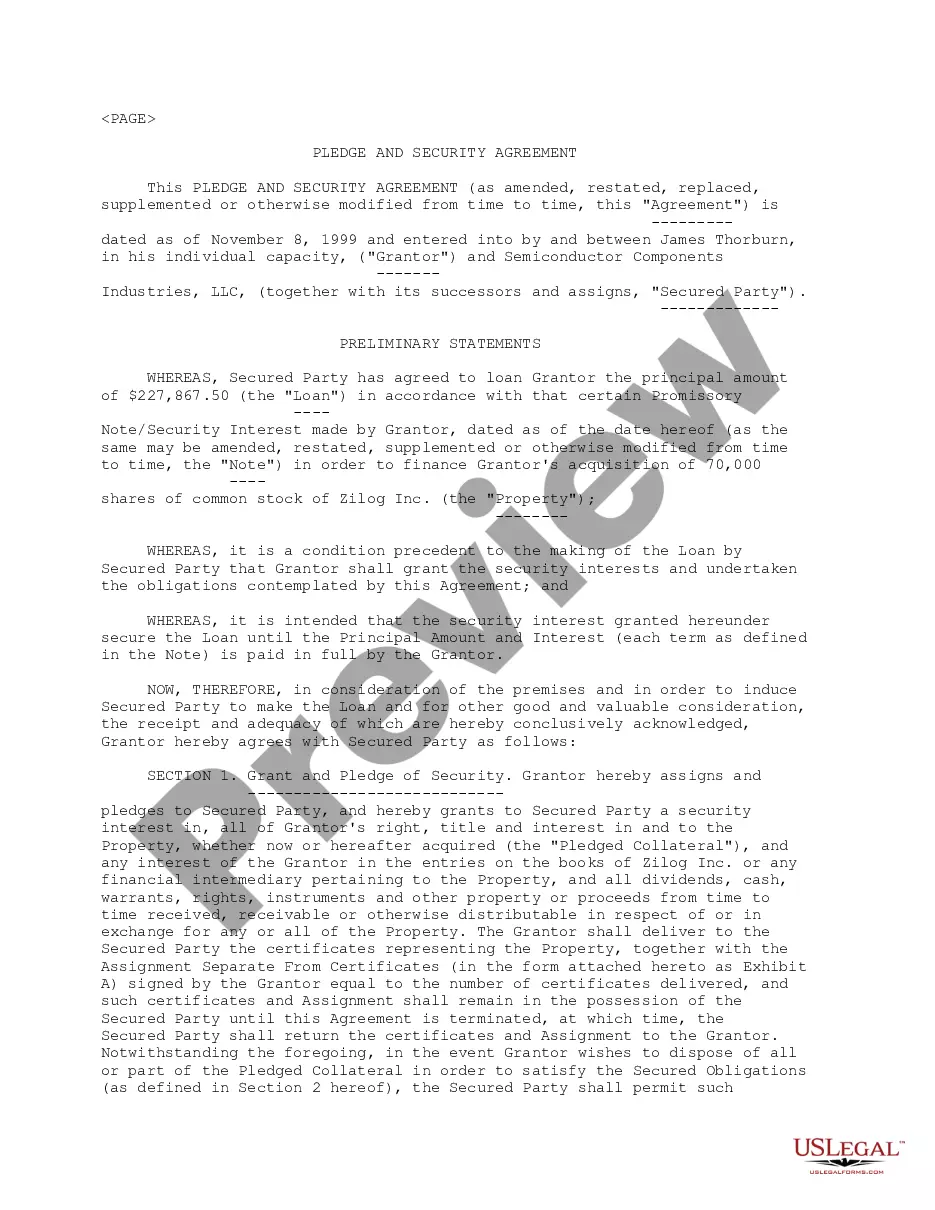
The Pledge of Shares of Stock is a legal document used to secure a loan or debt by offering shares of stock as collateral. This form enables a pledgor to pledge their ownership in specific shares to a pledgee, ensuring that the lender has a claim on the stock if the debt is not repaid. It differs from other forms of collateral agreements by specifically involving shares of stock rather than personal property or real estate.
Form components explained
- Identification of the pledgor (the person pledging the stock) and pledgee (the lender).
- Description of the shares being pledged, including the stock certificates involved.
- Terms regarding the rights of the pledgor to vote shares and receive dividends.
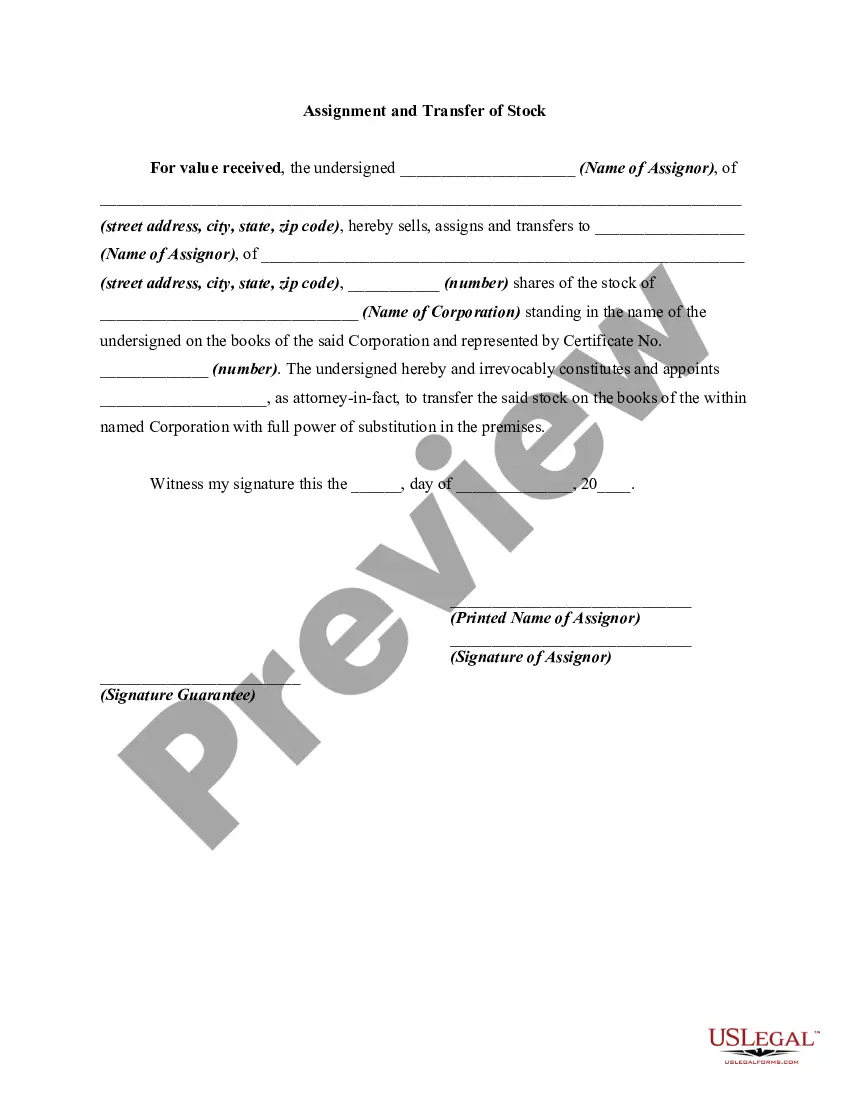
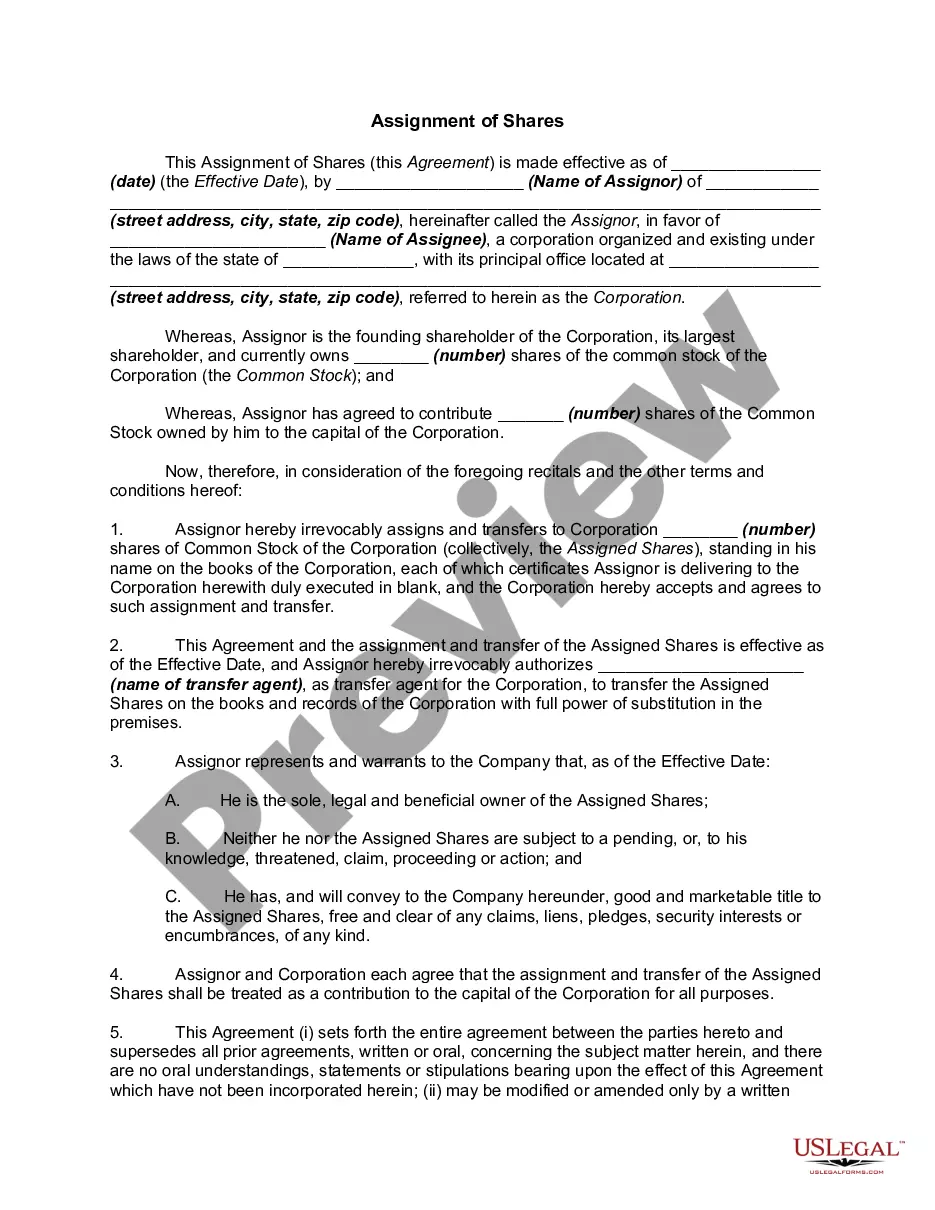
- Provisions for transferring the pledge to third parties and conditions upon default.
- Details on what happens to the collateral in the event of foreclosure.
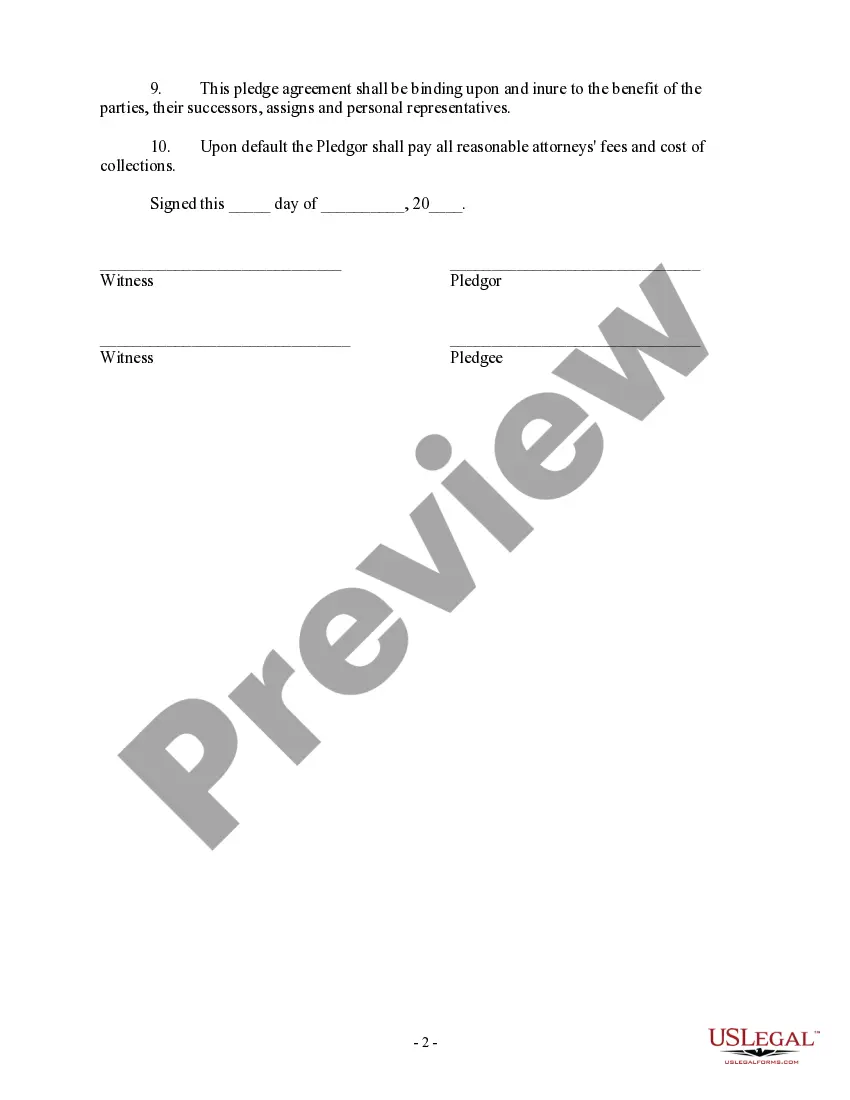
- Signatures and witness sections to validate the agreement.
Common use cases
This form is necessary when a borrower wishes to secure a loan with shares of stock. It is commonly utilized in business transactions, personal loans, or investments where the lender seeks added assurance against non-payment. The Pledge of Shares of Stock can provide a crucial layer of security for the lender while allowing the pledgor to access necessary funds.
Who this form is for
- Individuals or businesses seeking to borrow money secured by shares of stock.
- Lenders requiring collateral for agreement, including financial institutions or private lenders.
- Stockholders who want to leverage their investments while retaining rights to their shares.
How to complete this form
- Identify and enter the names and addresses of both the pledgor and pledgee at the top of the document.
- Specify the number and type of shares being pledged, including the stock certificates associated with them.
- Fill in the details regarding the debt being secured, including any relevant dollar amounts.
- Read and understand all clauses before signing, ensuring both parties agree to the terms.
- Sign and date the agreement in the presence of witnesses, if required.
Notarization guidance
In most cases, this form does not require notarization. However, some jurisdictions or signing circumstances might. US Legal Forms offers online notarization powered by Notarize, accessible 24/7 for a quick, remote process.
Get your form ready online
Our built-in tools help you complete, sign, share, and store your documents in one place.
Make edits, fill in missing information, and update formatting in US Legal Forms—just like you would in MS Word.
Download a copy, print it, send it by email, or mail it via USPS—whatever works best for your next step.
Sign and collect signatures with our SignNow integration. Send to multiple recipients, set reminders, and more. Go Premium to unlock E-Sign.
If this form requires notarization, complete it online through a secure video call—no need to meet a notary in person or wait for an appointment.
We protect your documents and personal data by following strict security and privacy standards.

Make edits, fill in missing information, and update formatting in US Legal Forms—just like you would in MS Word.

Download a copy, print it, send it by email, or mail it via USPS—whatever works best for your next step.

Sign and collect signatures with our SignNow integration. Send to multiple recipients, set reminders, and more. Go Premium to unlock E-Sign.

If this form requires notarization, complete it online through a secure video call—no need to meet a notary in person or wait for an appointment.

We protect your documents and personal data by following strict security and privacy standards.
Avoid these common issues
- Failing to fully describe the shares being pledged, leading to potential disputes.
- Not understanding the implications of the rights retained during the pledge period.
- Omitting the signatures of witnesses and the date, which can invalidate the document.
Why complete this form online
- Convenience of immediate access and download in multiple formats.
- Editability to tailor the document to specific needs easily.
- Reliability by using templates drafted by licensed attorneys.
Looking for another form?
Form popularity
FAQ
Facility to sell pledged stocks: This is a feature we're working on making available, allowing you to sell pledged stocks without having to request for unpledge and wait until they are received to your demat account.
Pledging of shares has been made mandatory in the capital markets effective September 1, 2020.
An investor can keep extra cash/pledge other holdings for the stipulated margin required. In addition, the shares bought one day cannot be sold the next day. So, if an investor bought shares on, say, Monday, then he can only sell them after receiving the delivery of shares. So, in T+2, they can sell these on Wednesday.
An investor can keep extra cash/pledge other holdings for the stipulated margin required. In addition, the shares bought one day cannot be sold the next day. So, if an investor bought shares on, say, Monday, then he can only sell them after receiving the delivery of shares. So, in T+2, they can sell these on Wednesday.
Remember, the pledging of promoter's shares is not necessarily bad. Even if a company has a high percentage of promoter's shares being pledged, if its operating cash flow is constantly increasing and the company has good prospects, it can be worth investing in.
Promoters can pledge their shares to avoid losing trade opportunities due to low cash margins. They can get a loan after haircut deduction. The collateral margin received from these pledged shares can be used for equity trading, futures, and options writing.
If you fail to initiate the Pledge request or clear the debit balance by making the requisite payment, then the debit balance will be cleared by us on T+7day by selling the shares from our CUSA account.
Definition: Pledging of shares is one of the options that the promoters of companies use to secure loans to meet working capital requirement, personal needs and fund other ventures or acquisitions.In case promoters fail to make up for the difference, lenders can sell the shares in the open market to recover the money.