Agreement for Sale - Residential
What is this form?
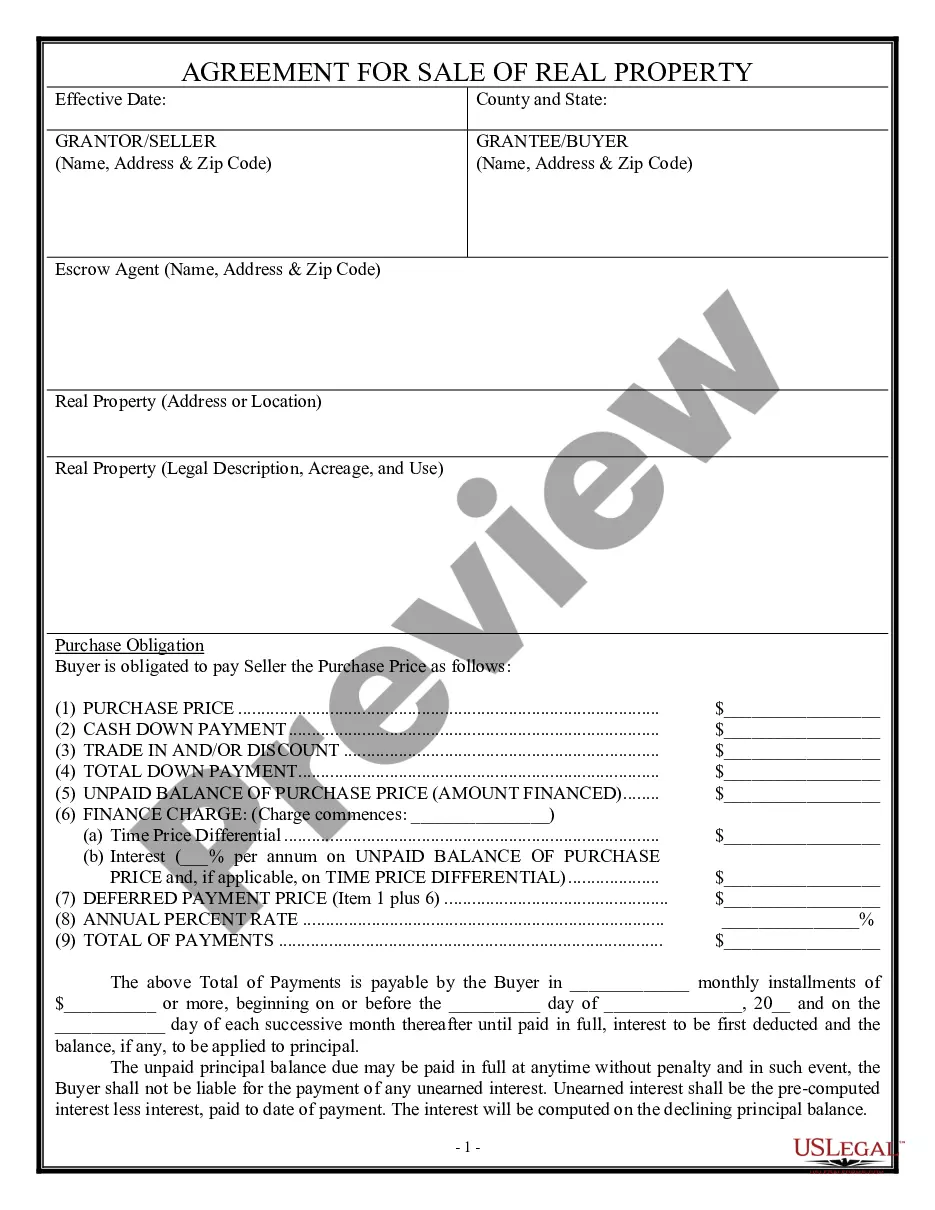
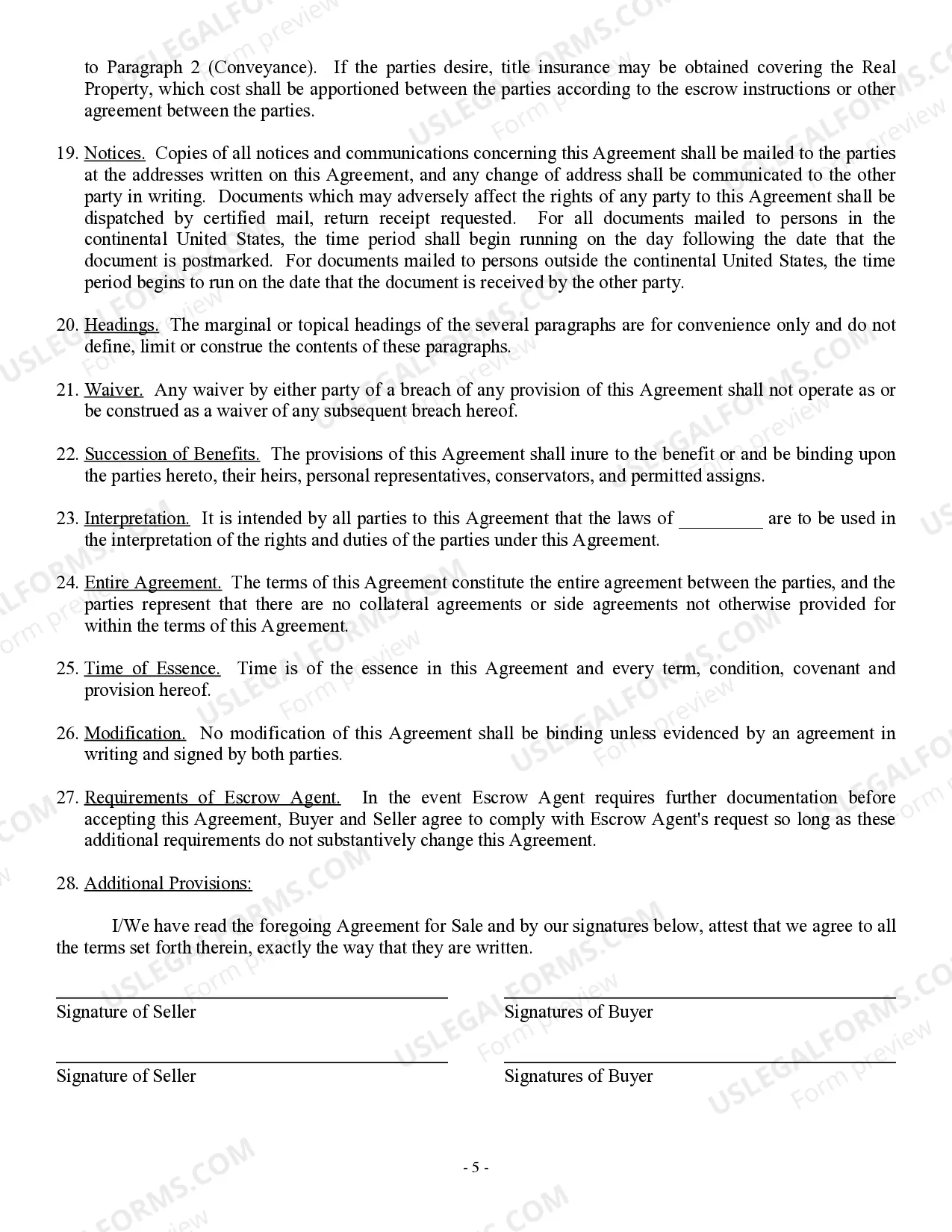
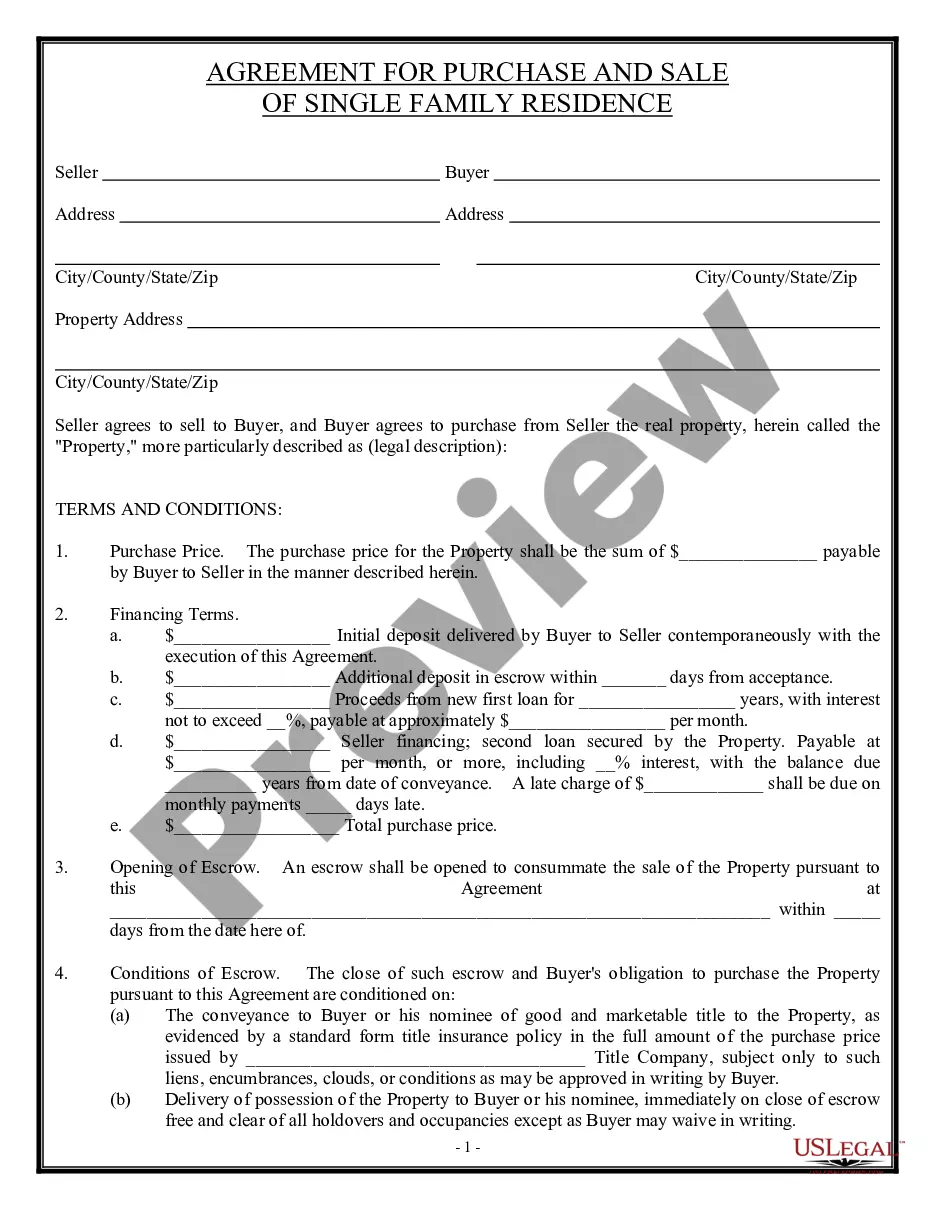
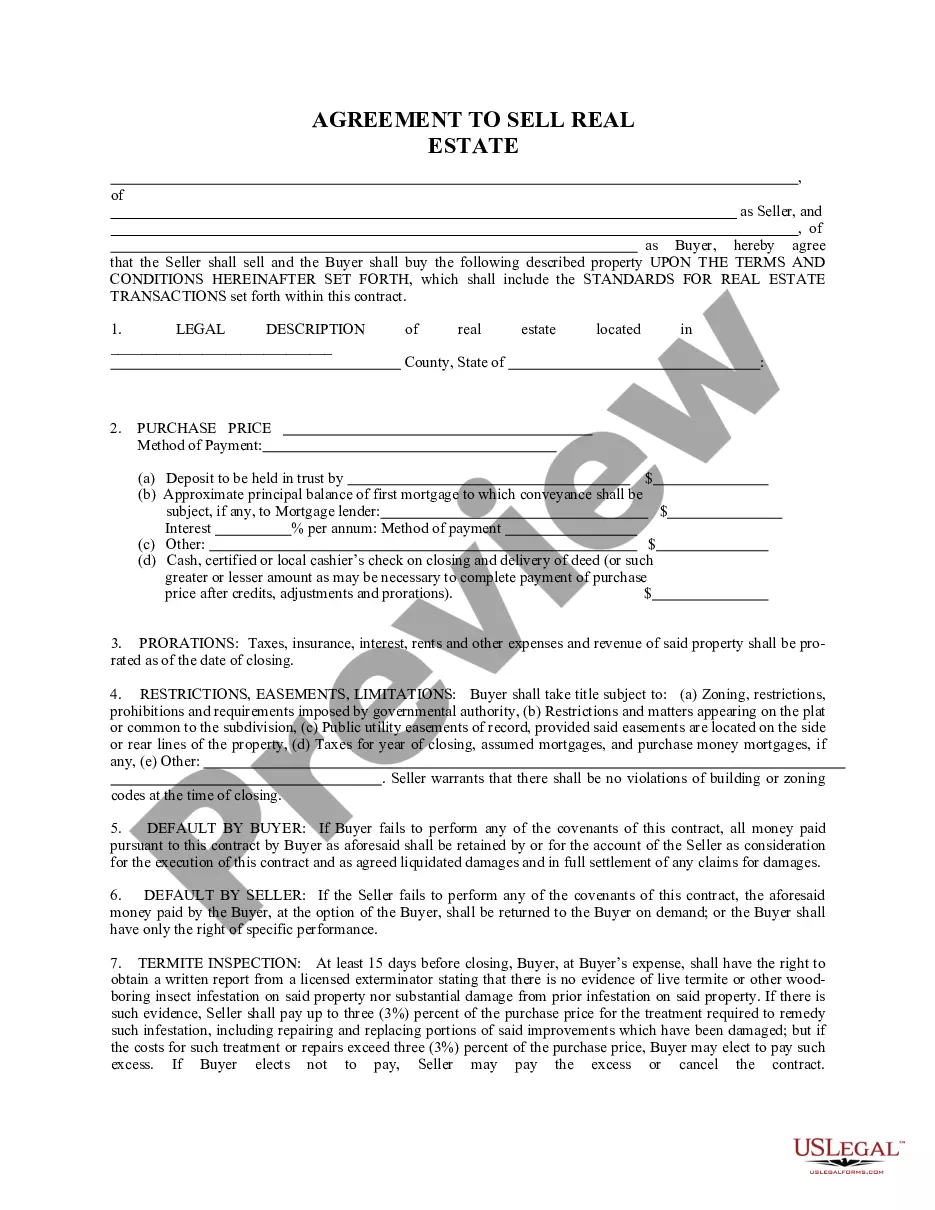
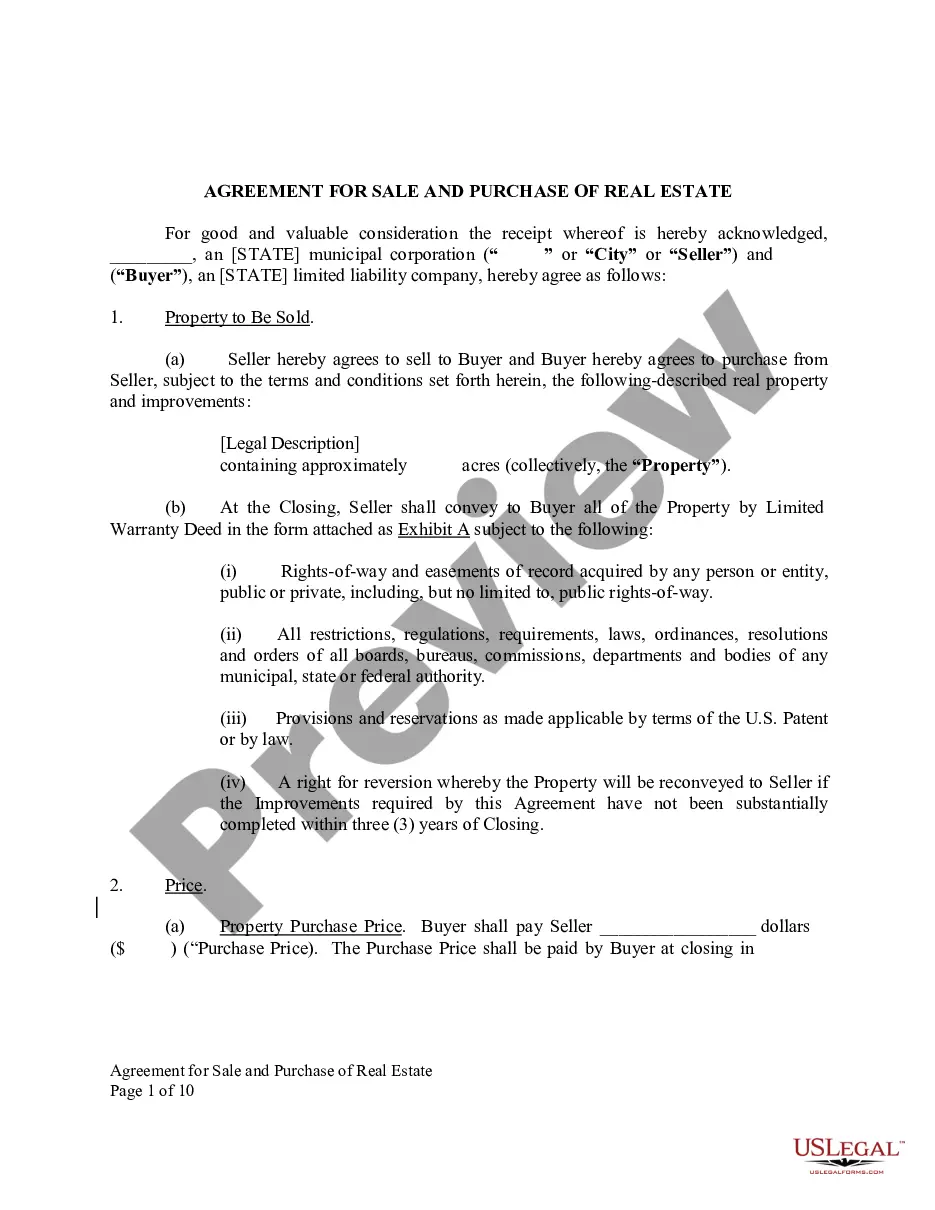
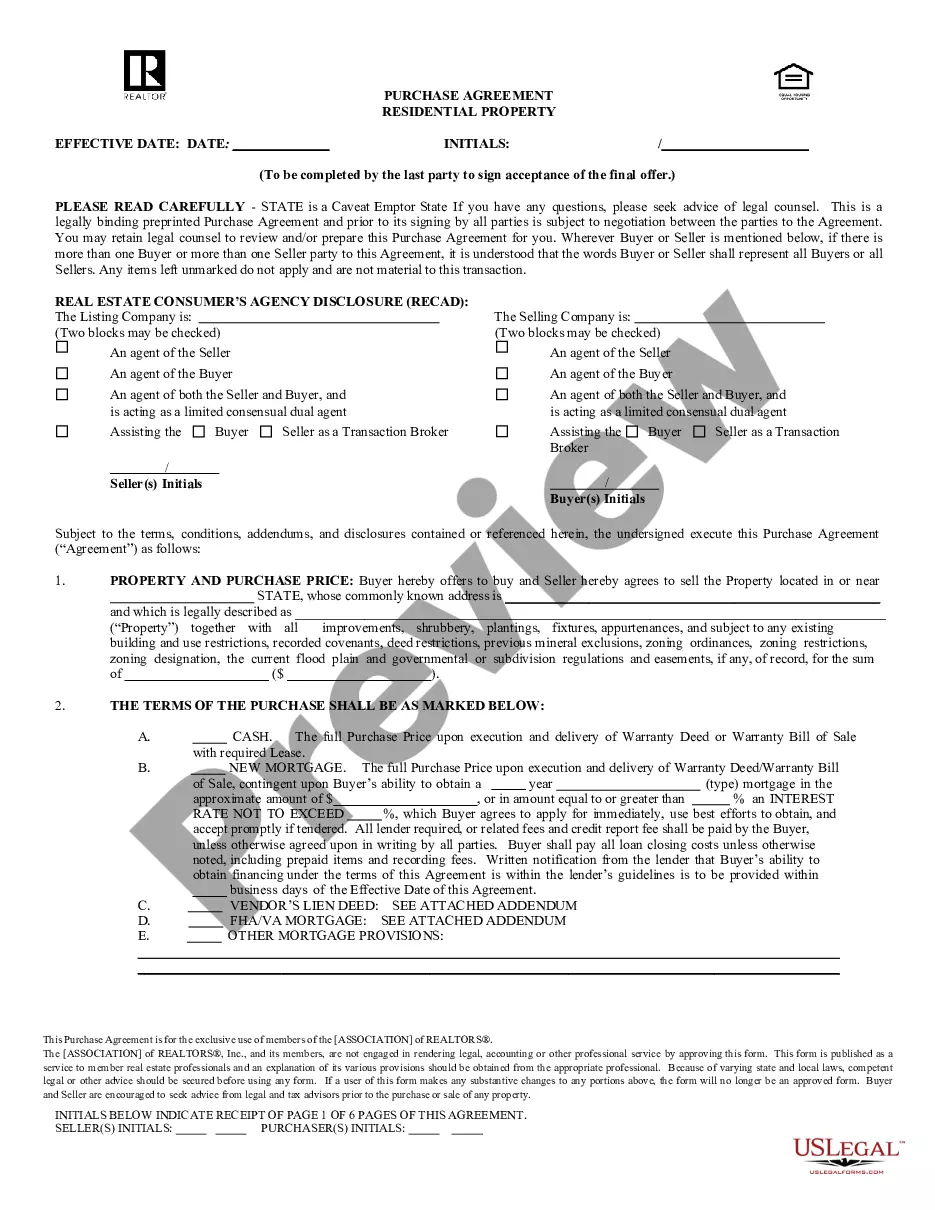
The Agreement for Sale - Residential is a legal document used to outline the terms and conditions under which a seller agrees to sell a residential property to a buyer. This agreement details vital components such as the total purchase price, payment terms, and the responsibilities of both parties involved. Unlike other real estate agreements that may involve different types of properties or conditions, this form specifically addresses residential transactions, ensuring clarity and legal protection for both sellers and buyers.
Key components of this form
- Identification of the grantor (seller) and grantee (buyer)
- Legal description of the property being sold
- Terms of the down payment and unpaid balance
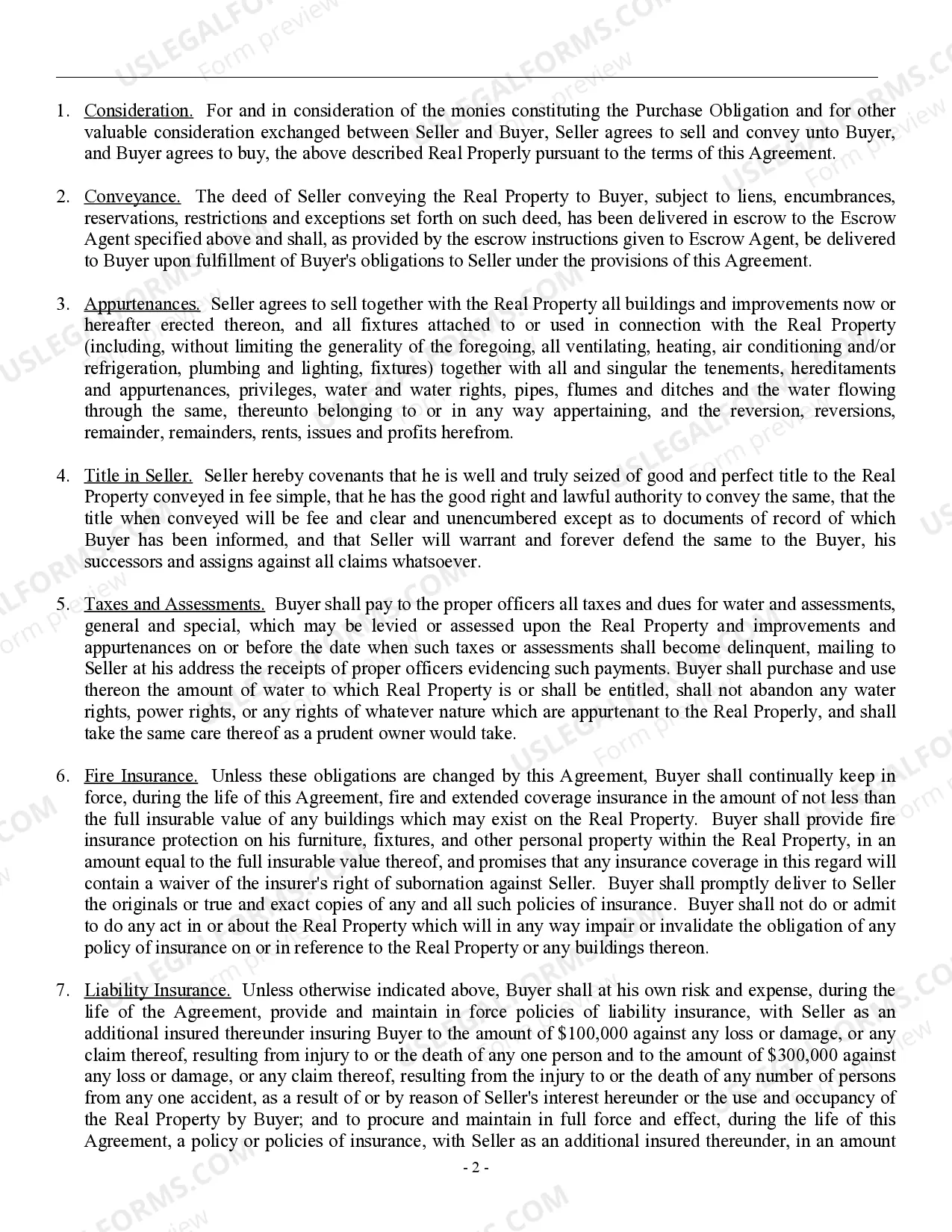
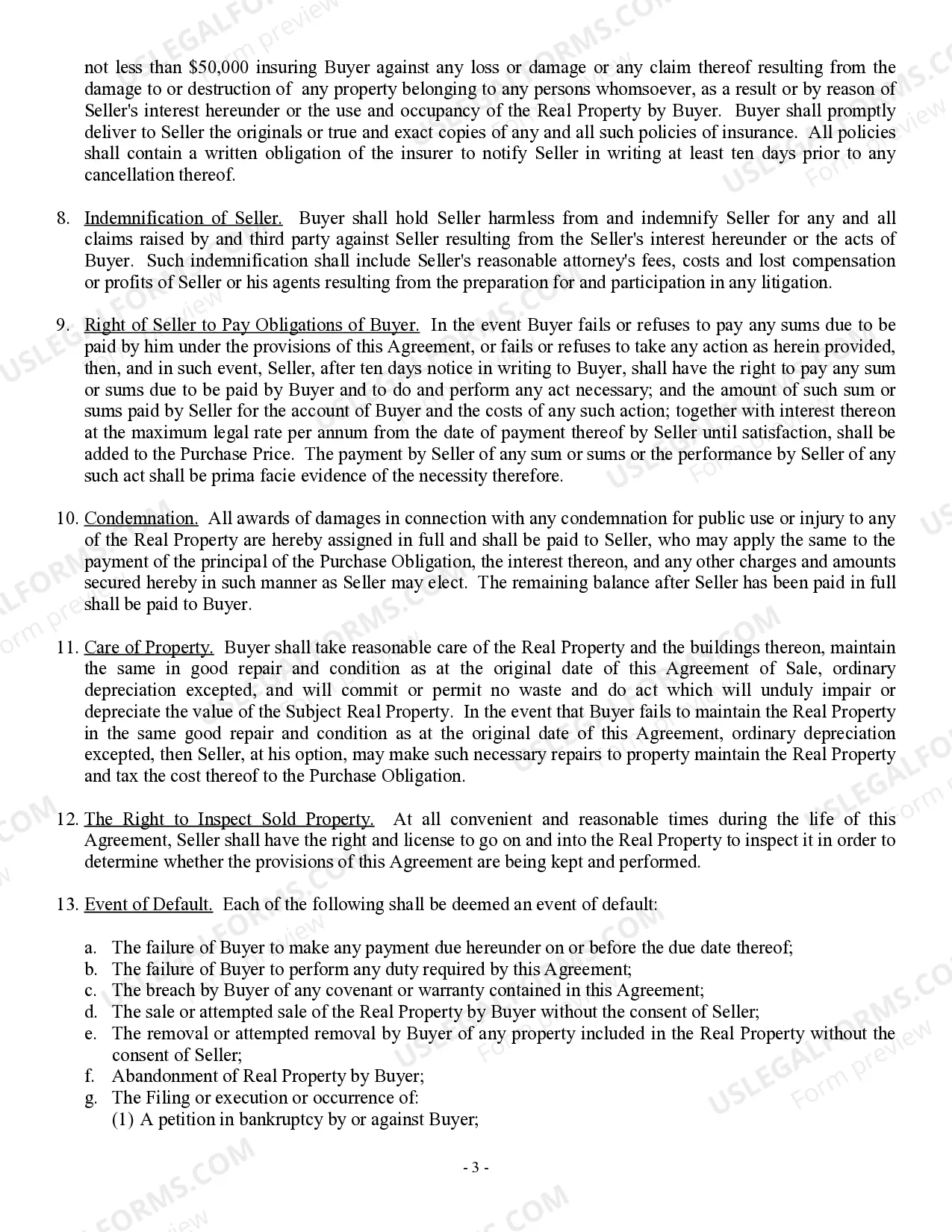
- Provisions for taxes, insurance requirements, and maintenance responsibilities
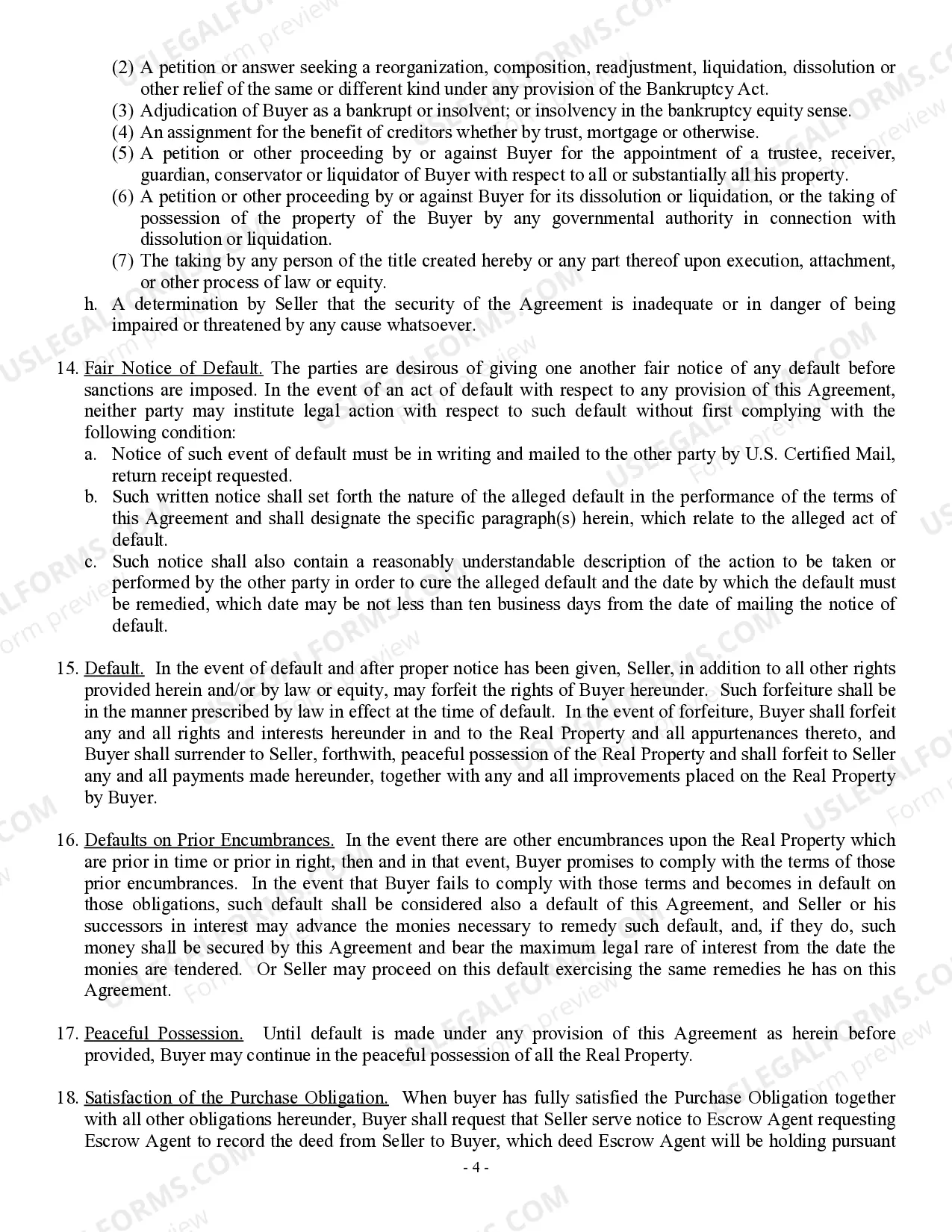
- Clauses outlining the rights of both parties in the event of default

When this form is needed
This form is essential when entering into a residential real estate transaction. You should use this agreement when a seller agrees to sell their property to a buyer, specifying the terms of sale, such as the down payment, remaining balance, and other obligations. It is particularly useful in scenarios involving private sales, where buyers and sellers negotiate terms without a real estate agent.
Who this form is for
- Homeowners selling their residential property
- Individuals or entities looking to purchase residential real estate
- Real estate investors involved in residential properties
- Any party interested in formalizing the terms of a property sale
Steps to complete this form
- Identify the parties involved: Clearly state the names of the seller (grantor) and buyer (grantee).
- Specify the property: Provide a legal description of the residential property being sold.
- Detail the financial terms: Enter the total down payment, unpaid balance, and any applicable finance charges.
- Outline insurance responsibilities: Include provisions for fire and liability insurance, stipulating coverage amounts.
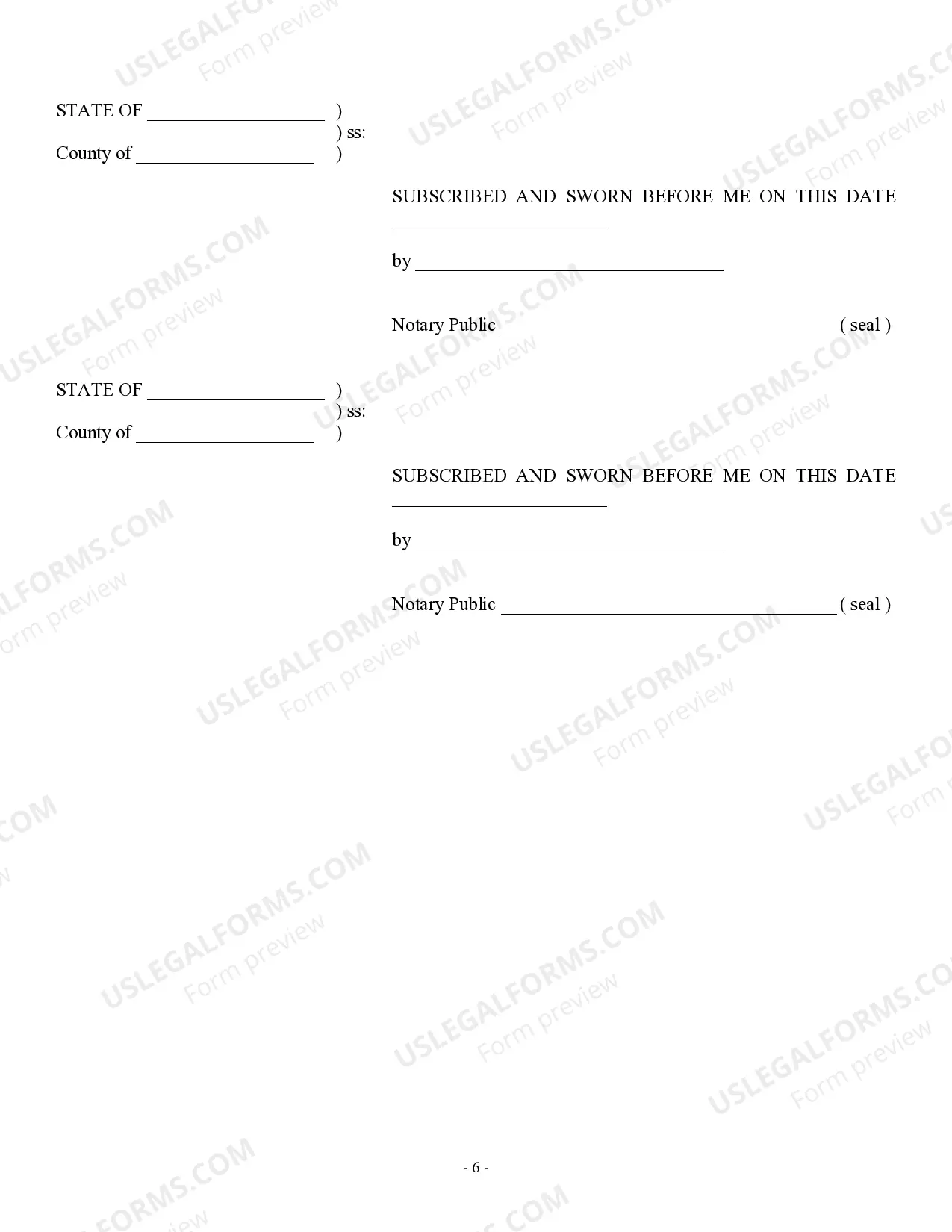
- Signature and notarization: Ensure that both parties sign the agreement, and if required, have the document notarized for legal validity.
Notarization guidance
This form must be notarized to be legally valid. US Legal Forms provides secure online notarization powered by Notarize, allowing you to complete the process through a verified video call.
Get your form ready online
Our built-in tools help you complete, sign, share, and store your documents in one place.
Make edits, fill in missing information, and update formatting in US Legal Forms—just like you would in MS Word.
Download a copy, print it, send it by email, or mail it via USPS—whatever works best for your next step.
Sign and collect signatures with our SignNow integration. Send to multiple recipients, set reminders, and more. Go Premium to unlock E-Sign.
If this form requires notarization, complete it online through a secure video call—no need to meet a notary in person or wait for an appointment.
We protect your documents and personal data by following strict security and privacy standards.

Make edits, fill in missing information, and update formatting in US Legal Forms—just like you would in MS Word.

Download a copy, print it, send it by email, or mail it via USPS—whatever works best for your next step.

Sign and collect signatures with our SignNow integration. Send to multiple recipients, set reminders, and more. Go Premium to unlock E-Sign.

If this form requires notarization, complete it online through a secure video call—no need to meet a notary in person or wait for an appointment.

We protect your documents and personal data by following strict security and privacy standards.
Typical mistakes to avoid
- Failing to provide a complete legal description of the property.
- Not specifying payment terms clearly, including dates and amounts.
- Omitting signatures or notarization, when required.
- Neglecting to communicate legal obligations regarding property maintenance and taxes.
Benefits of completing this form online
- Convenience of downloading and filling out the form at your own pace.
- Editability allows customization to fit specific needs and circumstances.
- Access to legal templates drafted by licensed attorneys, ensuring compliance.
Key takeaways
- The Agreement for Sale - Residential is essential for formalizing real estate transactions.
- Accurate information and signatures are critical for enforceability.
- Understanding state-specific regulations is vital to avoid legal issues.
Looking for another form?

Form popularity
FAQ
Residential property is property zoned specifically for living or dwelling for individuals or households; it may include standalone single-family dwellings to large, multi-unit apartment buildings.
In economics and political economy, there are three broad forms of property: private property, public property, and collective property (also called cooperative property).
The term 'property' is commonly used to describe types of property, both real and personal. 'Real' property encompasses interests in land and fixtures or structures upon the land. 'Personal' property encompasses tangible or 'corporeal' thingschattels or goods, like a car or a table.
Buildings. Canals. Crops. Fences. Land. Landscaping. Machinery. Minerals.
Real property is generally defined as land and things permanently attached to the land. Things that are permanently attached to the land include homes, garages, office buildings, fences, and other types of buildings often referred to as improvements.
Examples of property, which may be tangible or intangible, include automotive vehicles, industrial equipment, furniture, and real estate--the last of which is often referred to as "real property." Most properties hold current or potential monetary value and are therefore considered to be assets.
Residential property is any building or unit zoned and purposed as living space. By real estate industry convention, any properties with fewer than five units none of which are for commercial use are classified as residential.
There are 3 main types of real estate investment; Commercial Real Estate, Residential Real Estate, and Land. Each type has multiple sub categories.
The point is, there are many types of real property to build your real estate investing business from. These six types of real property can be agricultural, residential, commercial, industrial, mixed-use, and special use.