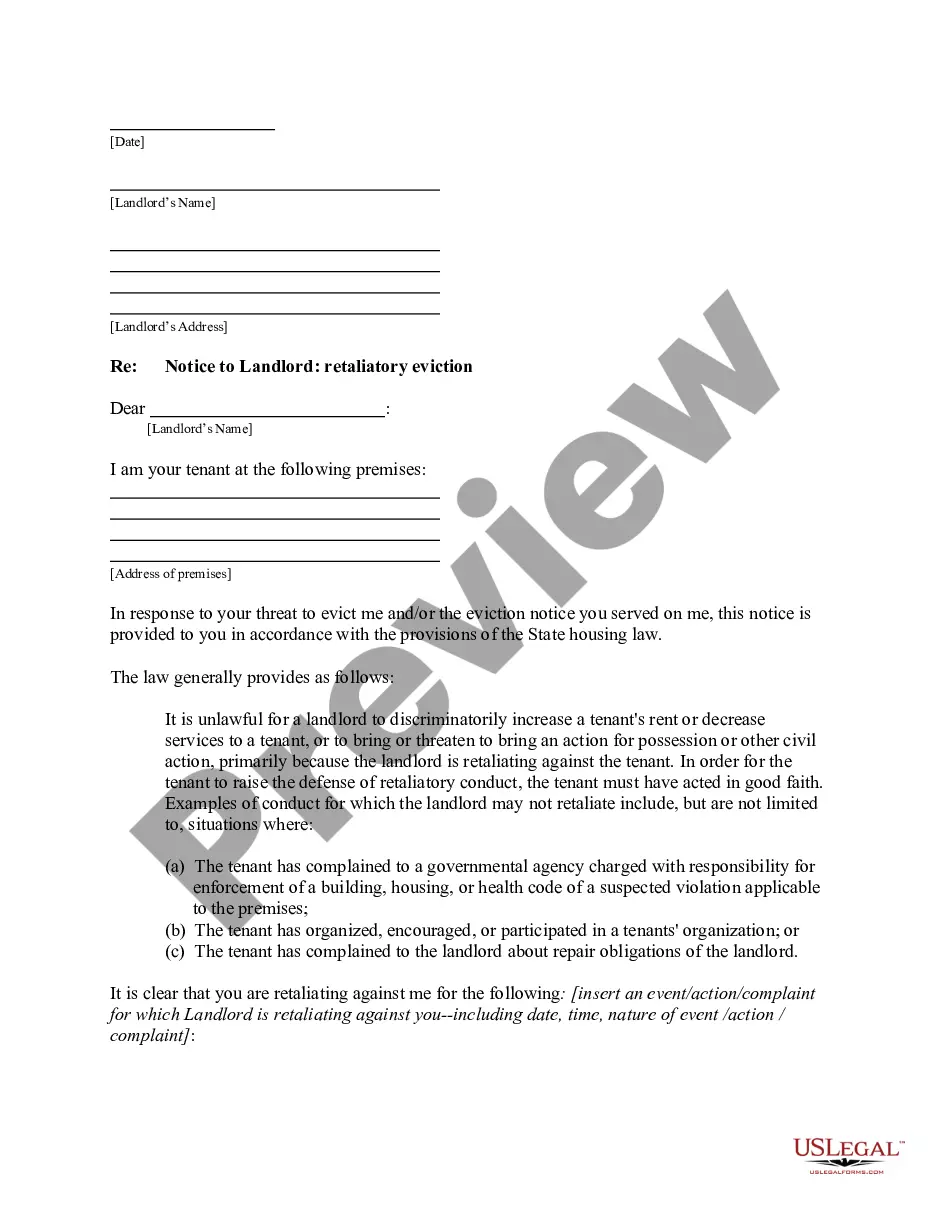
Release and Waiver of Liability Given in Favor of Owner of Stable by Those Who Ride Horses of Owner including Assumption of all Risks of Personal Bodily Injury - Horseback Riding
Understanding this form
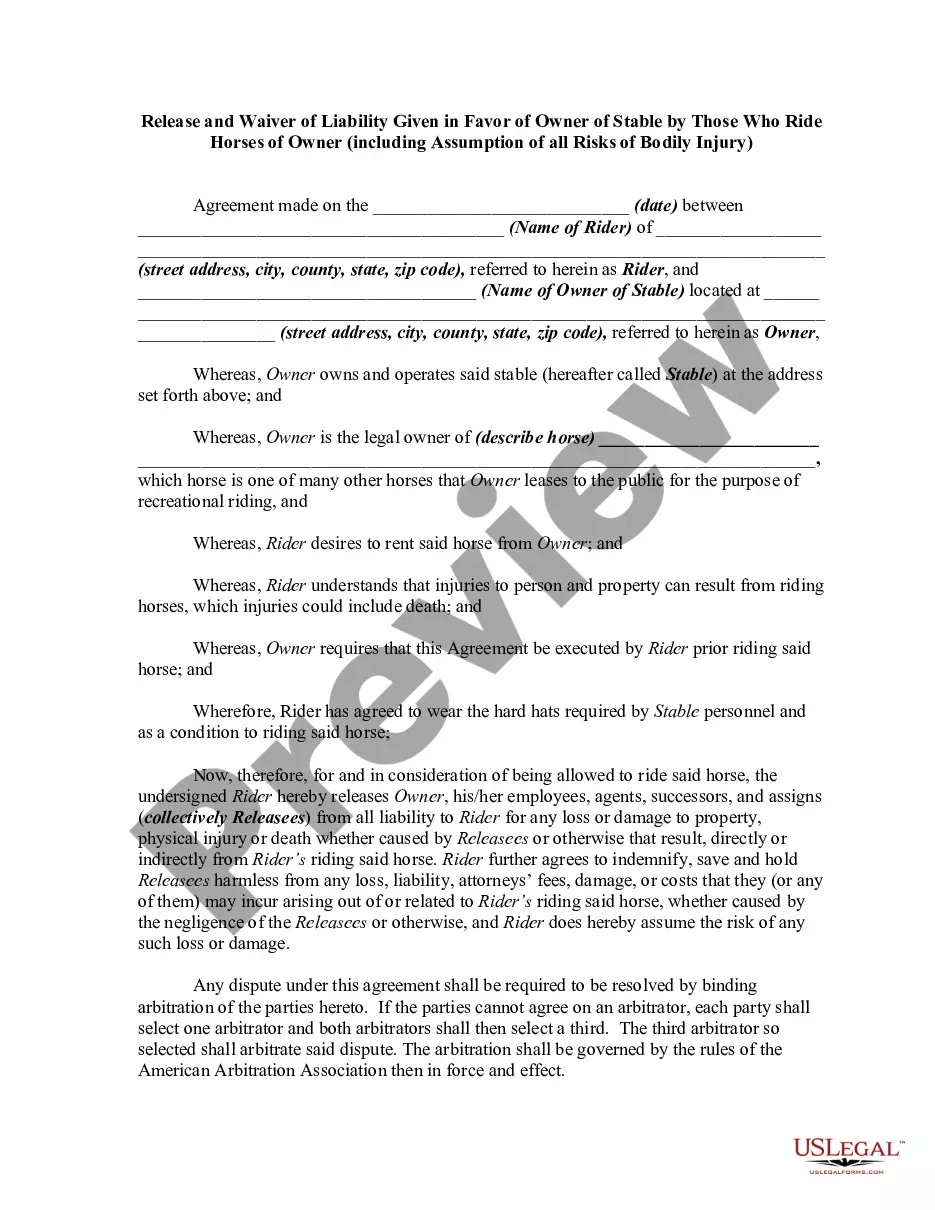
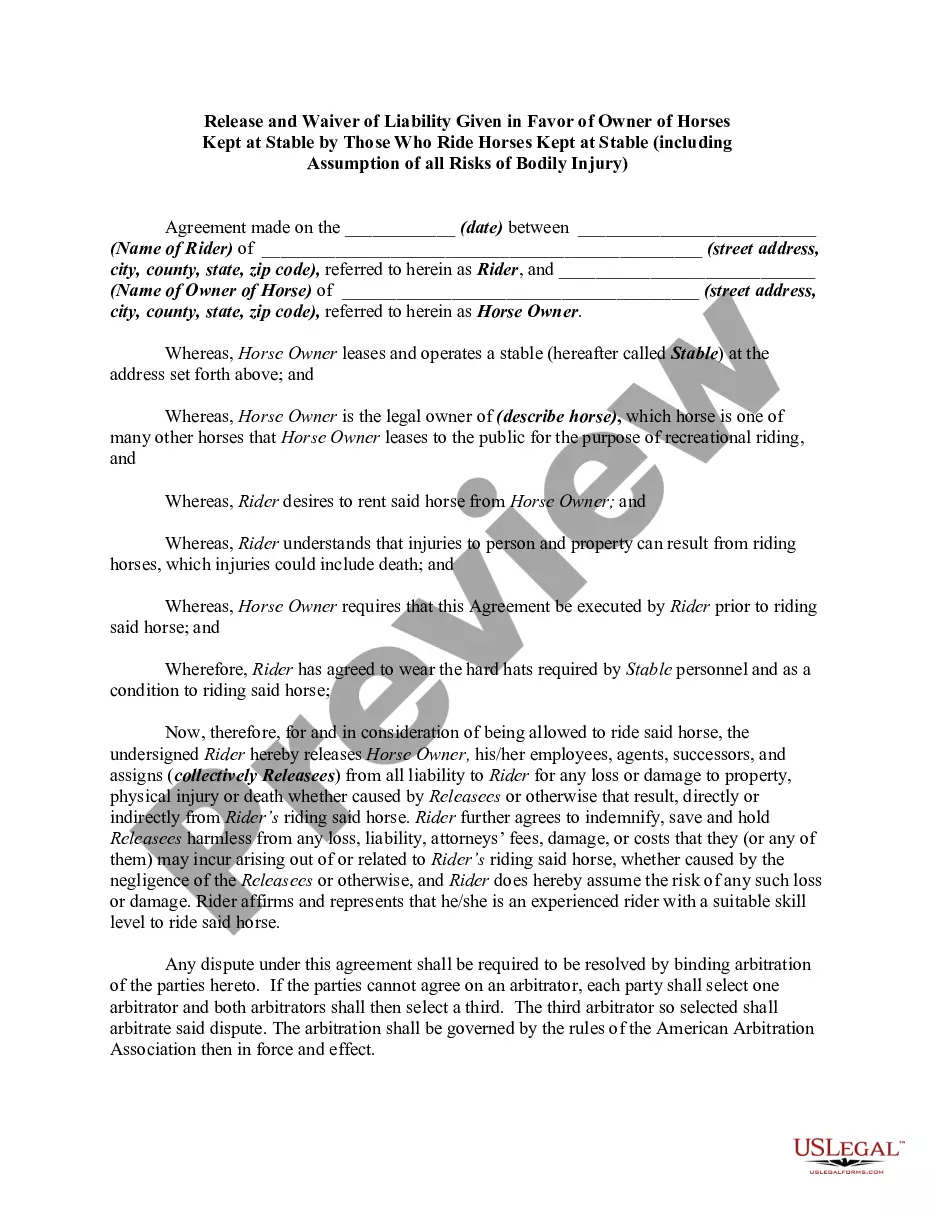
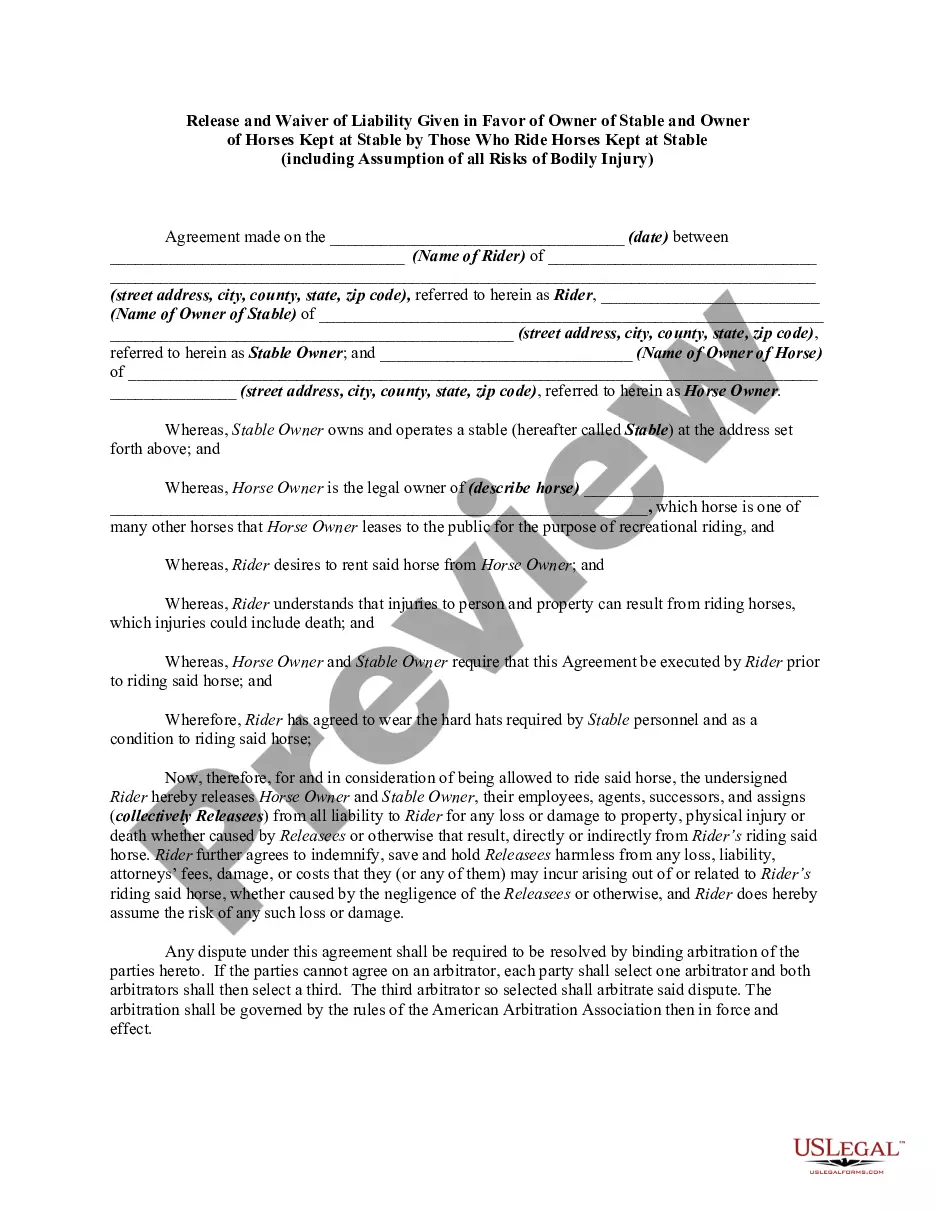
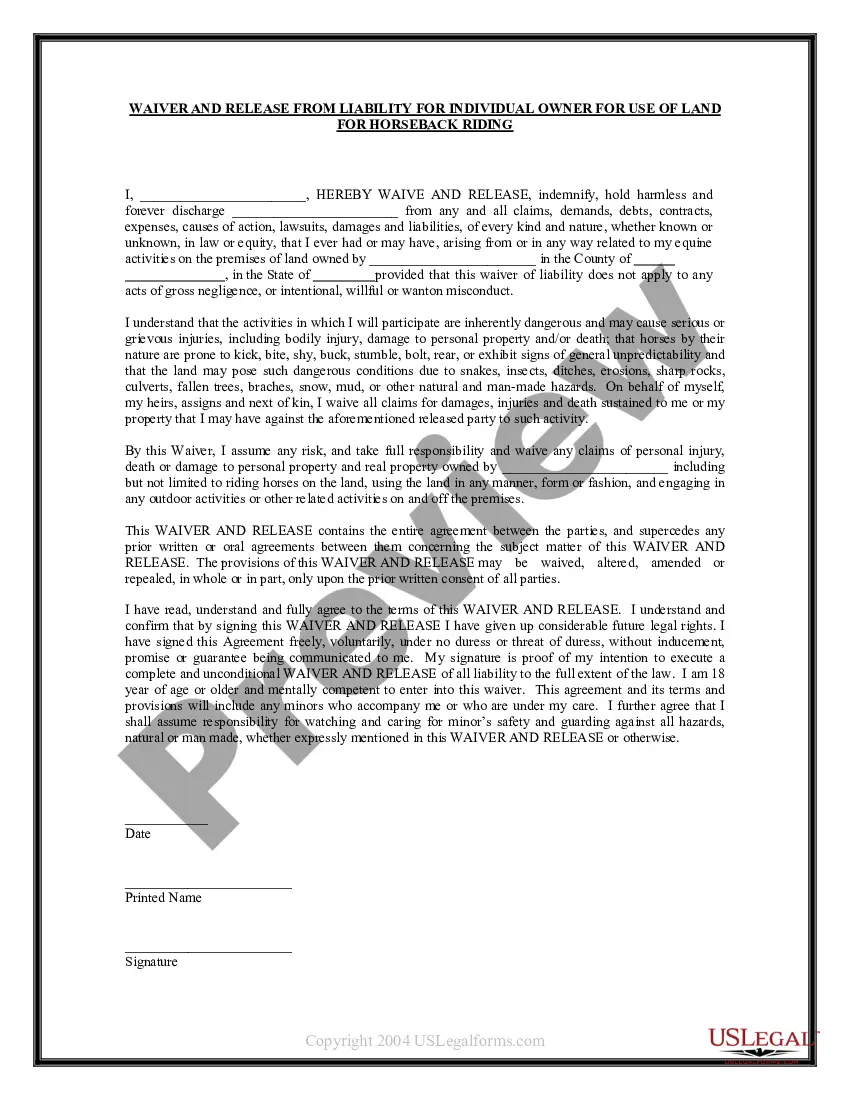
The Release and Waiver of Liability Given in Favor of Owner of Stable by Those Who Ride Horses of Owner is a legal document designed to protect horse stable owners from liability claims related to horseback riding. By signing this waiver, riders acknowledge the inherent risks associated with horse riding, including personal injury and property damage, and agree not to hold the stable owner responsible for such incidents. This form is distinct from other liability waivers as it specifically addresses horseback riding activities and the unique risks involved.
Form components explained
- Acknowledgment of the inherent risks of horseback riding.
- Identification of the rider and the stable owner.
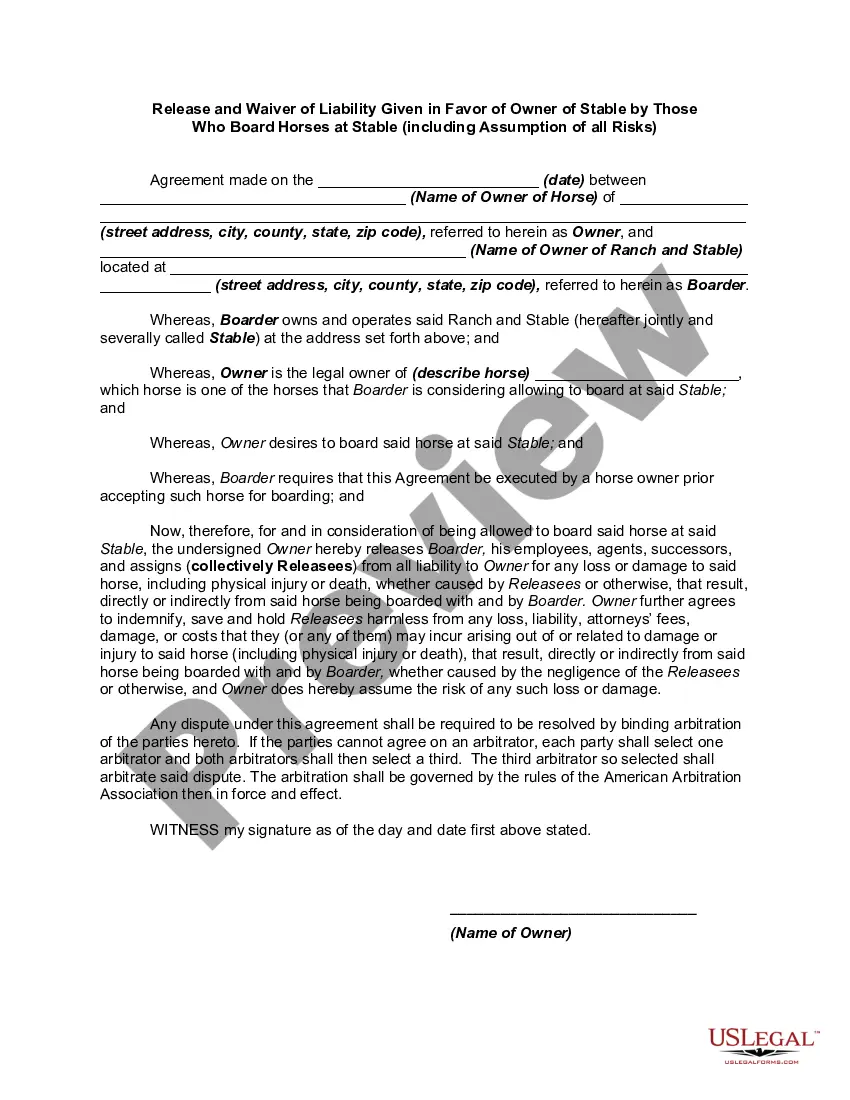
- Release of liability for the owner and their agents.
- Indemnification clause protecting the owner from claims.
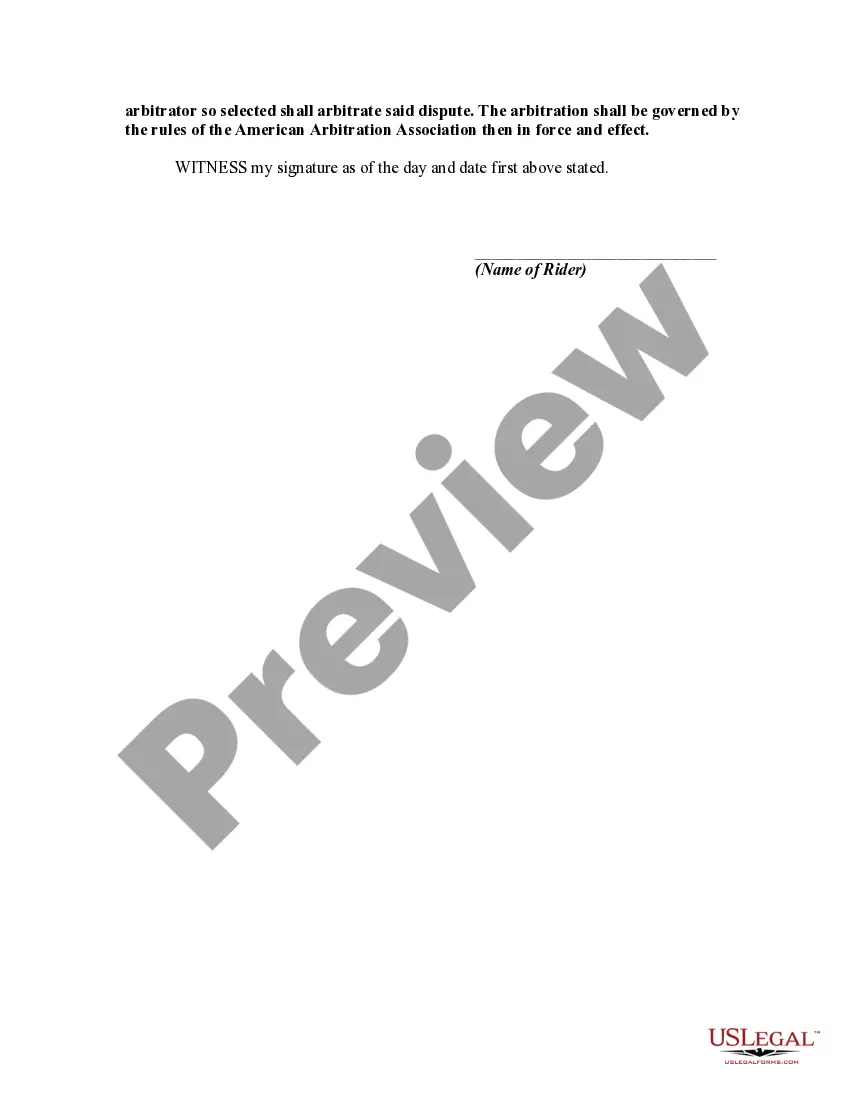
- Arbitration agreement for dispute resolution.
Situations where this form applies
This form should be used when a rider intends to participate in horseback riding activities at a stable and wants to ensure that the stable owner is protected from legal liability. It is particularly useful in situations where the rider is aware of the risks and voluntarily chooses to assume them. This waiver is essential before riding a horse that is leased or rented from a stable, as it formalizes the rider's understanding and acceptance of potential risks involved in the activity.
Who can use this document
This form is intended for:
- Individuals (riders) who wish to ride horses at a stable.
- Stable owners who lease their horses for recreational riding.
- Legal guardians of minors who intend to allow their children to ride horses.
Instructions for completing this form
- Identify the parties involved: the rider and the owner of the stable.
- Enter the date of the agreement and the address of the stable.
- Describe the horse being ridden.
- Sign the document to acknowledge understanding and acceptance of risks.
- Ensure that all necessary parties (including guardians for minors) sign the waiver before riding.
Notarization requirements for this form
Notarization is generally not required for this form. However, certain states or situations might demand it. You can complete notarization online through US Legal Forms, powered by Notarize, using a verified video call available anytime.
Get your form ready online
Our built-in tools help you complete, sign, share, and store your documents in one place.
Make edits, fill in missing information, and update formatting in US Legal Forms—just like you would in MS Word.
Download a copy, print it, send it by email, or mail it via USPS—whatever works best for your next step.
Sign and collect signatures with our SignNow integration. Send to multiple recipients, set reminders, and more. Go Premium to unlock E-Sign.
If this form requires notarization, complete it online through a secure video call—no need to meet a notary in person or wait for an appointment.
We protect your documents and personal data by following strict security and privacy standards.

Make edits, fill in missing information, and update formatting in US Legal Forms—just like you would in MS Word.

Download a copy, print it, send it by email, or mail it via USPS—whatever works best for your next step.

Sign and collect signatures with our SignNow integration. Send to multiple recipients, set reminders, and more. Go Premium to unlock E-Sign.

If this form requires notarization, complete it online through a secure video call—no need to meet a notary in person or wait for an appointment.

We protect your documents and personal data by following strict security and privacy standards.
Mistakes to watch out for
- Failing to read the entire waiver before signing.
- Not providing accurate descriptions of parties or the horse.
- Neglecting to have a guardian sign if the rider is a minor.
- Not keeping a copy of the signed waiver for personal records.
Advantages of online completion
- Convenience of immediate access to a professionally drafted waiver.
- Editability allows users to customize the form to fit specific needs.
- Reliable protection against potential liability for stable owners.
Legal use & context
- Waivers may not be enforceable for gross negligence or intentional misconduct.
- Courts may treat waivers signed by minors differently.
- The legal standing of the form can vary by jurisdiction, emphasizing the need for regional consideration.
Summary of main points
- The Release and Waiver of Liability is essential for protecting stable owners from legal claims.
- All riders must understand the risks involved in horseback riding before signing.
- Proper completion of the form includes all required details and signatures.
Looking for another form?
Form popularity
FAQ
Well, the good news is that you're never too old to ride a horse! As long as you can manage to get in and out of the saddle, you'll be able to embark on all the equine adventures you could wish for.
Writing your own release of liability waiver As tempting as it may be, you should never write your own liability waiver. Unless you're a fully qualified lawyer with experience in this area, it's likely that you'll omit critical language that puts your business at risk for lawsuits.
Side Leg Lifts. Great for strengthening up the legs and stabilizer muscles of hips as well as spine. Bridges. Bridges are a great way to strengthen the lower back, glutes and hamstrings. Single Leg Bridges. Single Leg Toe Taps. Clams. Backward Lunge.
There are many types of riding one can pursue. Here are a few of the popular disciplines you may have heard of. English. Eventing. Dressage. Cross Country. Show Jumping. Wikipedia. Hunt-Seat Riding (Hunter/Jumpers)
Always wear sturdy boots in the vicinity of horses - if trodden on, feet are easily crushed by the horse's weight. When mounted wear riding boots (smooth soled, heeled, elastic-sided or long). Use stirrups 2-3cm wider than the boot. Consider safety stirrups for children and novice riders.
The two most common horse riding- related injuries are long bone fractures and head injury. Although most injuries occur during recreational riding, approximately 15% of injuries occur in nonriding activities such as feed- ing, handling, shoeing and saddling.
Equestrianism (from Latin equester, equestr-, equus, 'horseman', 'horse'), commonly known as horse riding (British English) or horseback riding (American English), includes the disciplines of riding, driving, or vaulting with horses.
Apply Ice. Icing your muscles and joints after a ride can help to relieve pain and prevent you from becoming sore from horseback riding. Ice can reduce swelling and helps your body to recover. Never place ice directly on your body; always wrap it in a towel so that you don't damage your skin.
Horse riding is the activity of riding a horse, especially for enjoyment or as a form of exercise.