Complaint by Owner of Dog against Bailee for Damages for Failure to Return Animal
What this document covers
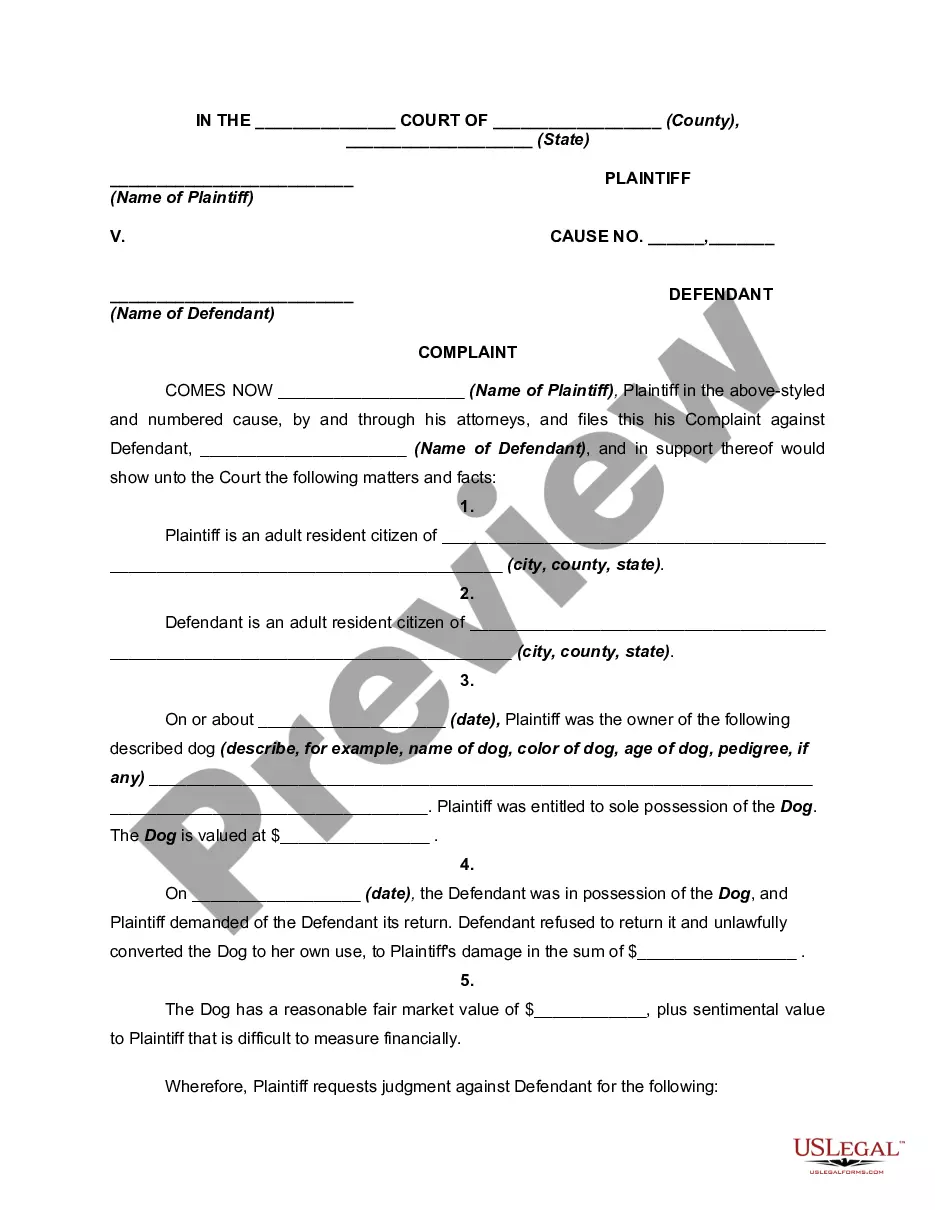
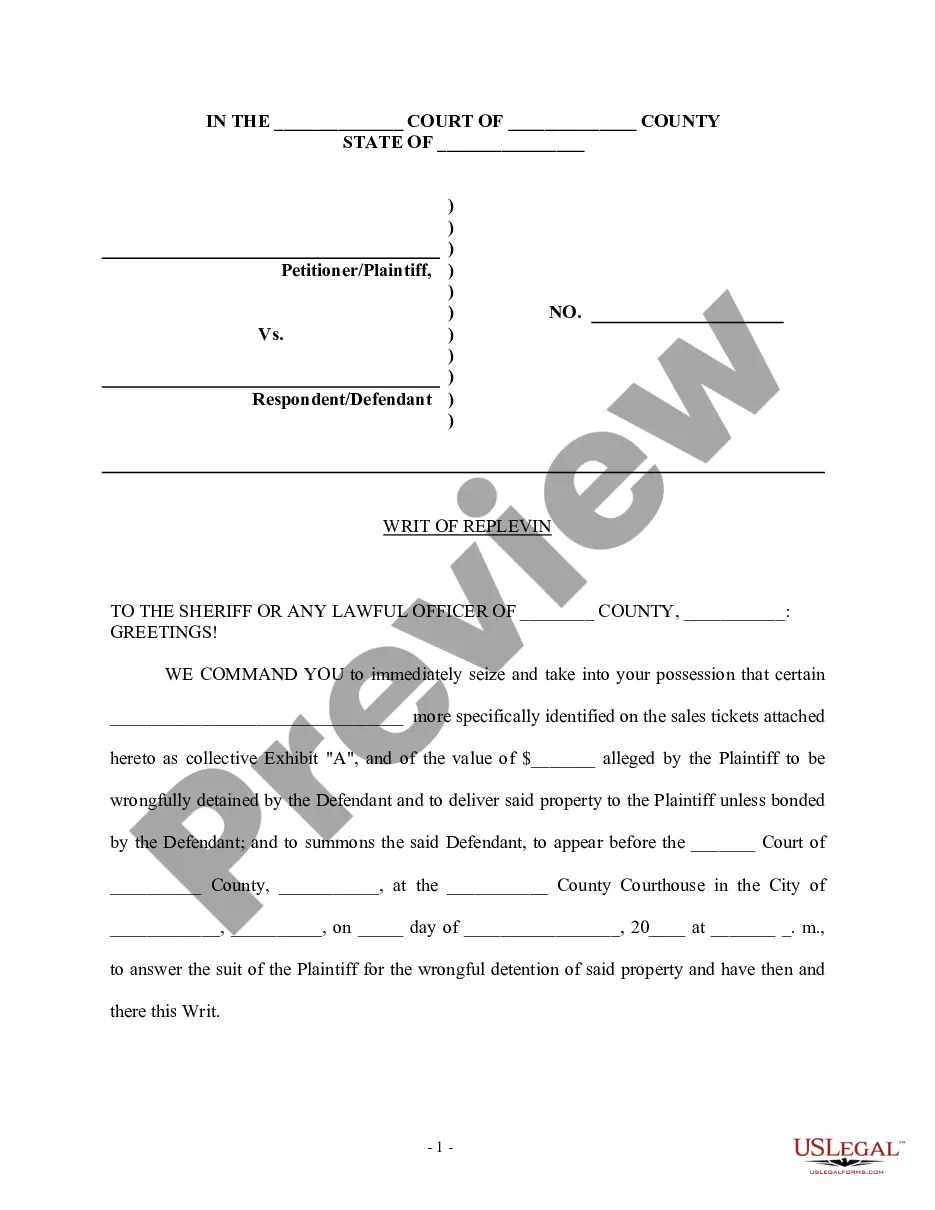
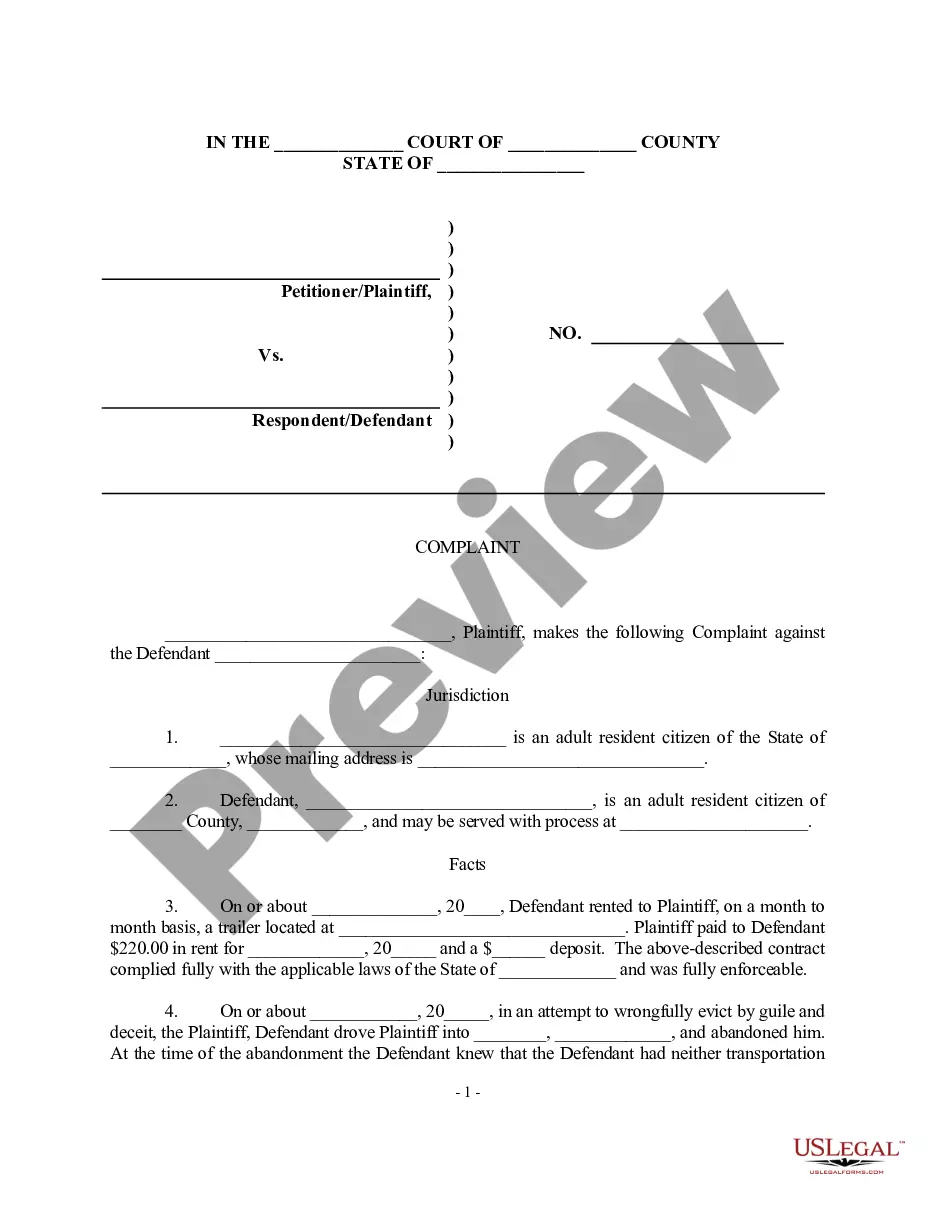
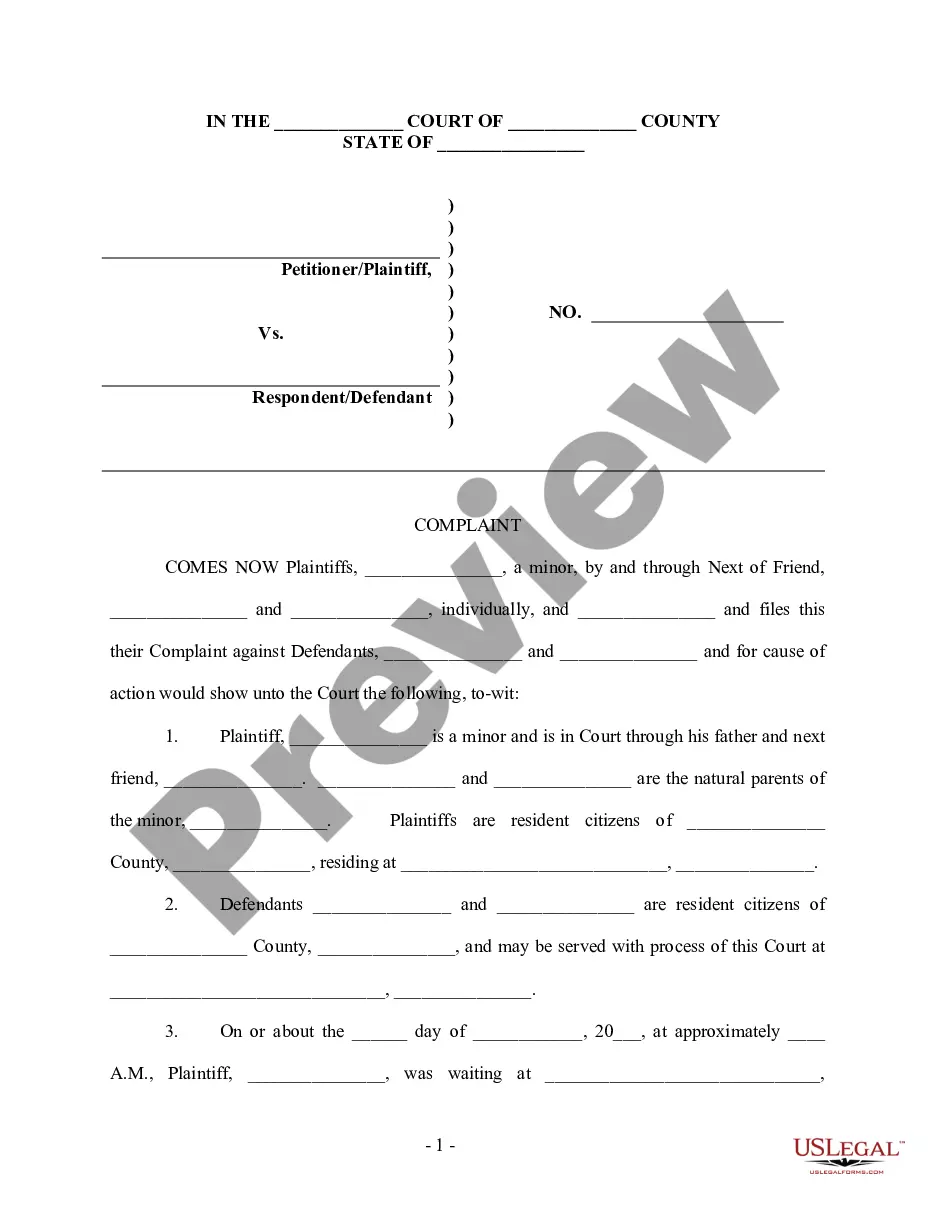
This Complaint by Owner of Dog against Bailee for Damages for Failure to Return Animal is a legal document used by dog owners to seek the return of their animal or compensation for its unlawful detention. This form allows the owner to outline their property rights under common law, specify the value of the dog, and demand damages resulting from the refusal to return the animal. It serves as a formal complaint to the court, differing from other legal forms that might only address general property disputes.
Form components explained
- Identification of the plaintiff and defendant, including their state of residence.
- Details about the dog, including name, description, and estimated value.
- Chronology of events leading to the complaint, including the demand for return and refusal.
- Claims for damages, including the market value of the dog and sentimental value.
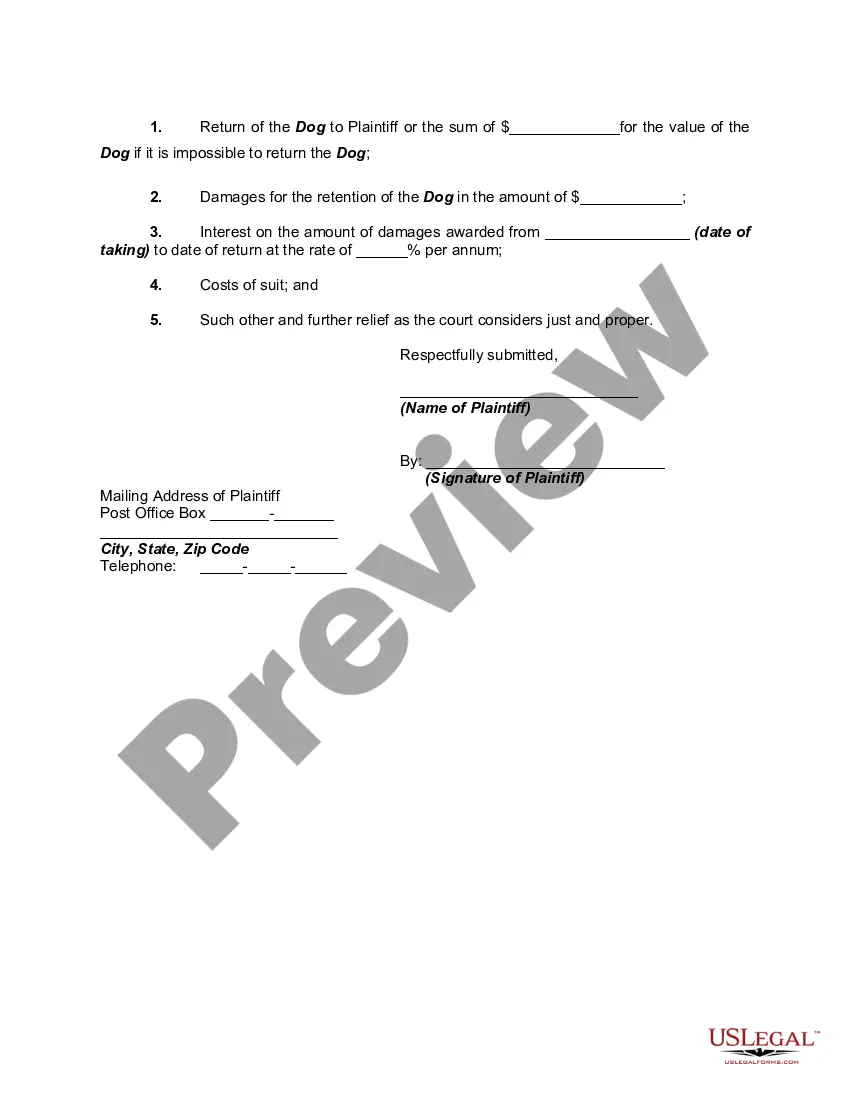
- Requested relief, including the return of the dog and any associated costs.

When to use this document
This form is necessary when a dog owner finds themselves in a situation where their pet has been unlawfully kept or not returned by another party (the bailee). Typical instances include when a friend or family member is looking after the dog and refuses to return it, or if the dog has been taken without consent and the owner seeks legal recourse. It is essential for asserting one's rights to the animal and seeking damages for any hardship caused.
Who can use this document
- Dog owners who are facing issues of unlawful possession of their pets.
- Individuals who have lent their dog to someone who is now refusing to return it.
- Pet owners seeking to recover financial damages related to the lack of possession of their dog.
- Residents in jurisdictions where laws support claims for conversion or replevin actions concerning pets.
Completing this form step by step
- Identify and fill in the names and addresses of the plaintiff and defendant.
- Describe the dog clearly, including its name, breed, and any identifying features.
- Specify the dates when the dog was taken and when the demand for return was made.
- Enter the value of the dog and any additional damages sought.
- Sign the form to affirm that all provided information is accurate and complete.
Notarization requirements for this form
This form does not typically require notarization unless specified by local law. However, confirming local regulations is always recommended to ensure compliance with legal requirements.
Get your form ready online
Our built-in tools help you complete, sign, share, and store your documents in one place.
Make edits, fill in missing information, and update formatting in US Legal Forms—just like you would in MS Word.
Download a copy, print it, send it by email, or mail it via USPS—whatever works best for your next step.
Sign and collect signatures with our SignNow integration. Send to multiple recipients, set reminders, and more. Go Premium to unlock E-Sign.
If this form requires notarization, complete it online through a secure video call—no need to meet a notary in person or wait for an appointment.
We protect your documents and personal data by following strict security and privacy standards.

Make edits, fill in missing information, and update formatting in US Legal Forms—just like you would in MS Word.

Download a copy, print it, send it by email, or mail it via USPS—whatever works best for your next step.

Sign and collect signatures with our SignNow integration. Send to multiple recipients, set reminders, and more. Go Premium to unlock E-Sign.

If this form requires notarization, complete it online through a secure video call—no need to meet a notary in person or wait for an appointment.

We protect your documents and personal data by following strict security and privacy standards.
Common mistakes to avoid
- Failing to provide sufficient details about the dog, which may weaken the case.
- Not specifying all relevant dates, which can confuse the timelines of events.
- Overlooking to sign the complaint, rendering it invalid.
- Underestimating the value of the dog or damages suffered.
Why complete this form online
- Quick and convenient access to legal templates without needing in-person appointments.
- Editable forms allow you to customize your complaint to fit your unique situation.
- Structured guidance through the legal requirements, ensuring you don't miss important details.
- Reliability of documents drafted in accordance with current legal standards.
Quick recap
- This form is essential for dog owners seeking legal action for the return of an animal.
- It outlines specific damages that can be claimed in addition to the return of the dog.
- Proper completion and attention to detail in the complaint can significantly impact the case outcome.
Looking for another form?
Form popularity
FAQ
The Top 10 Responsibilities of a Pet Owner. As February is Responsible Pet Owners Month, now is a great time to take stock of ourselves as pet parents or as prospective pet parents. Give Them Regular Exercise. Schedule Annual Check-Ups. Socialize Your Pet. Feed Them Properly. Keep Them Safe. Dental Health. Proper Training.
Every healthy cat or dog is worth saving, because of the mere joy and satisfaction they can bring to a person, for example some dogs can be trained as guides for blind people or help out in rescue and police work, they can even detect certain illnesses nowadays for example cancer, tuberculosis and even help coma
Be a responsible pet owner: Keep only the type and number of pets for which you can provide appropriate food, water, shelter, health care and companionship. Commit to the relationship for the life of your pet(s). Provide appropriate exercise and mental stimulation. Properly socialize and train your pet.
Going for walks and exercising your pet. Physical activity is important for both dogs and cats. Research the breed. Keep them up to date on their vaccinations. Be attentive at dog parks. Clean up after their messes. Don't leave them alone too often. Buy safe toys for them.
In determining proof of ownership, a judge will consider the following: Registration and license: The most likely document to be recognized by the court is the initial registration required for the majority of household pets.Veterinary records: The court may also consider veterinary medical records.
Being a responsible dog owner means keeping your dog happy, healthy, and safe by taking care of their basic dietary, medical, physical, and psychological needs. It also means monitoring your dog's behavior and environmental impact in public spaces so that you and your pooch are good members of your community.
Yes! If your veterinarian commits malpractice, you can sue them for damages related to the injury of your pet. Veterinary malpractice is a lot like medical malpractice.
Yes, you absolutely can and you should! Thus, it is in your best interest if you are worried about pet custody to either agree about the issue beforehand or in a separation agreement (if possible) to avoid a lengthy and costly dispute.
7 § 3913 . The owner then has six days to reclaim the dog from the shelter. Two things become apparent from these two statutes.