Settlement Agreement and Release of Claims - Pending Litigation - General Form
Overview of this form
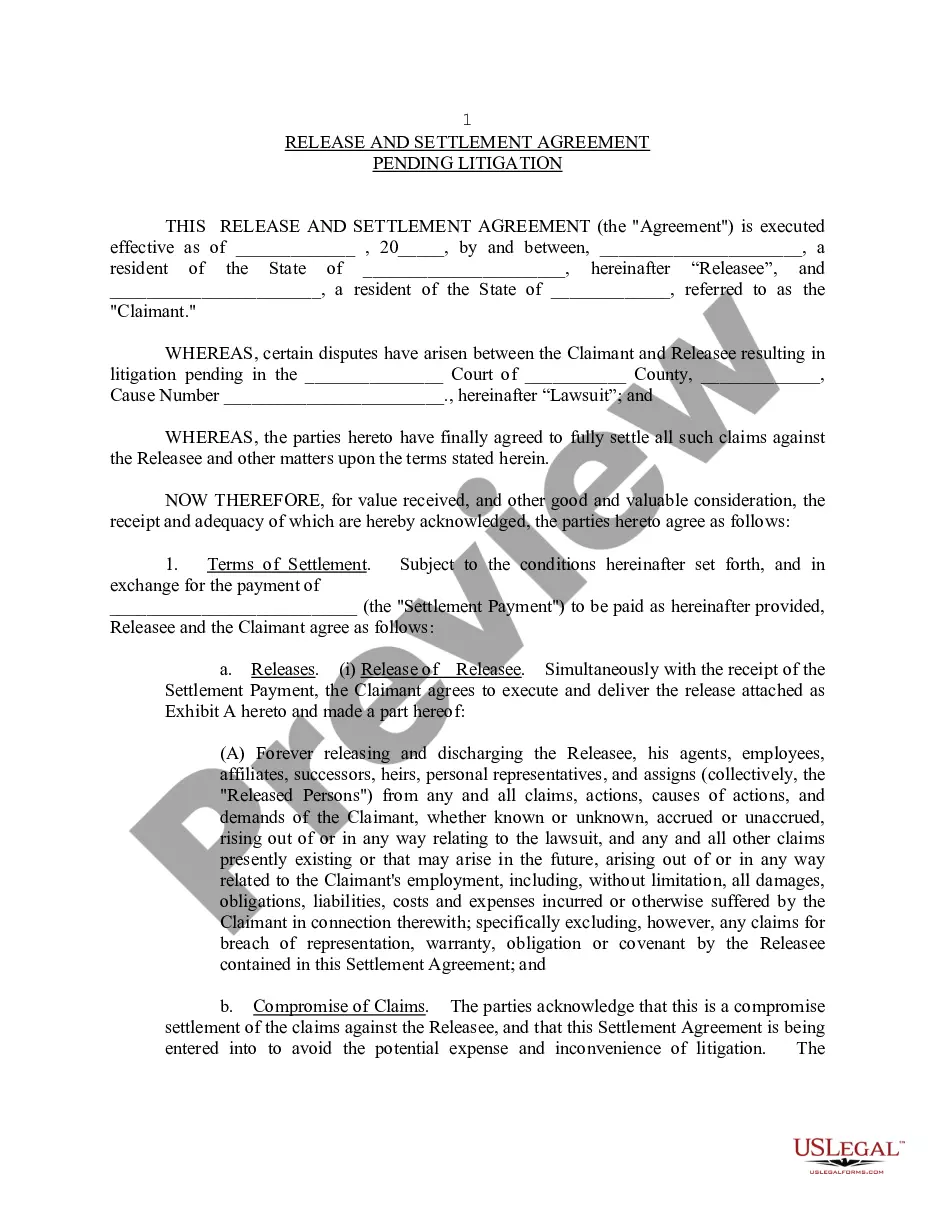
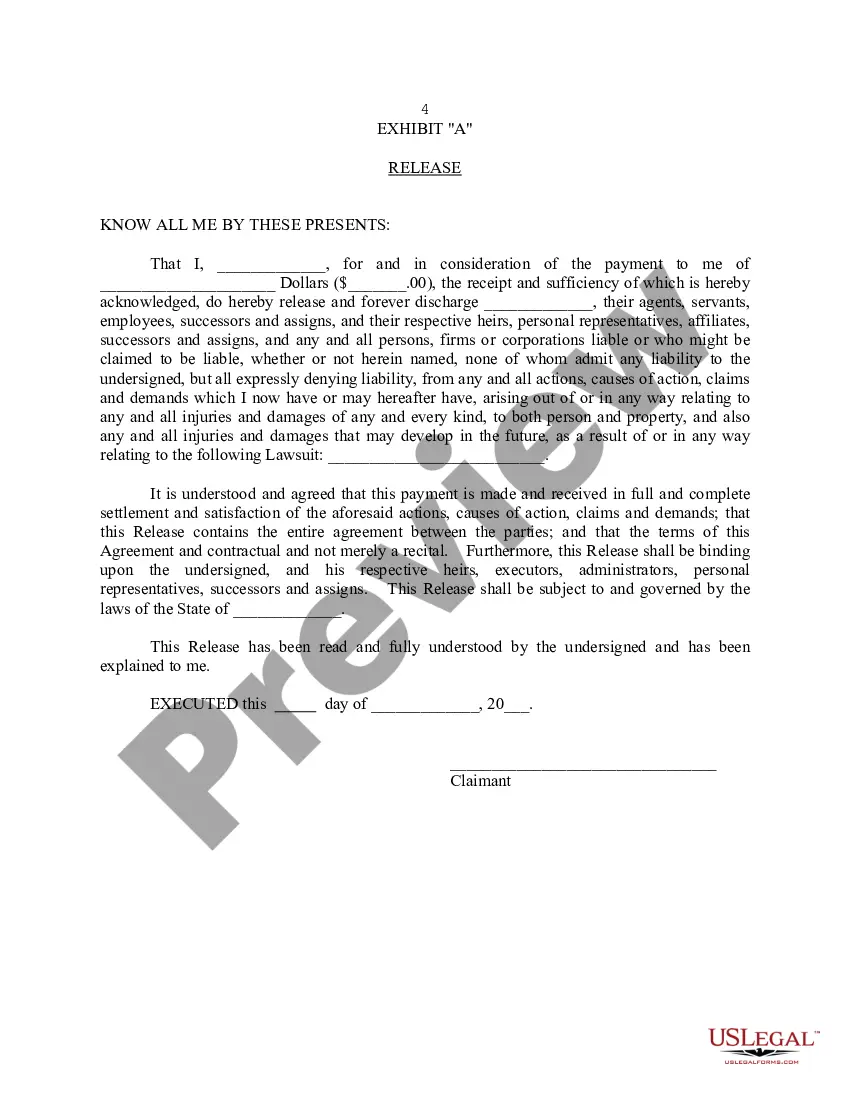
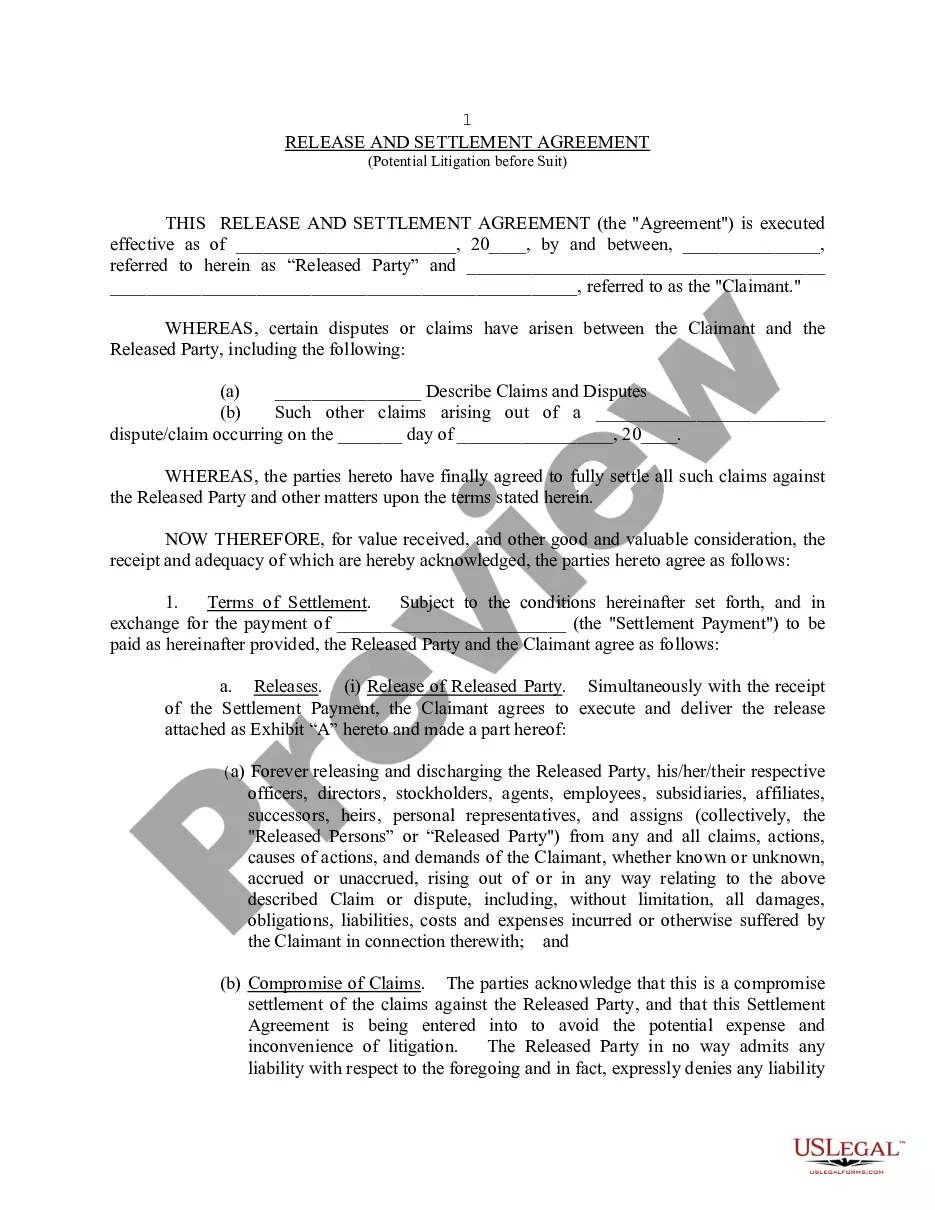
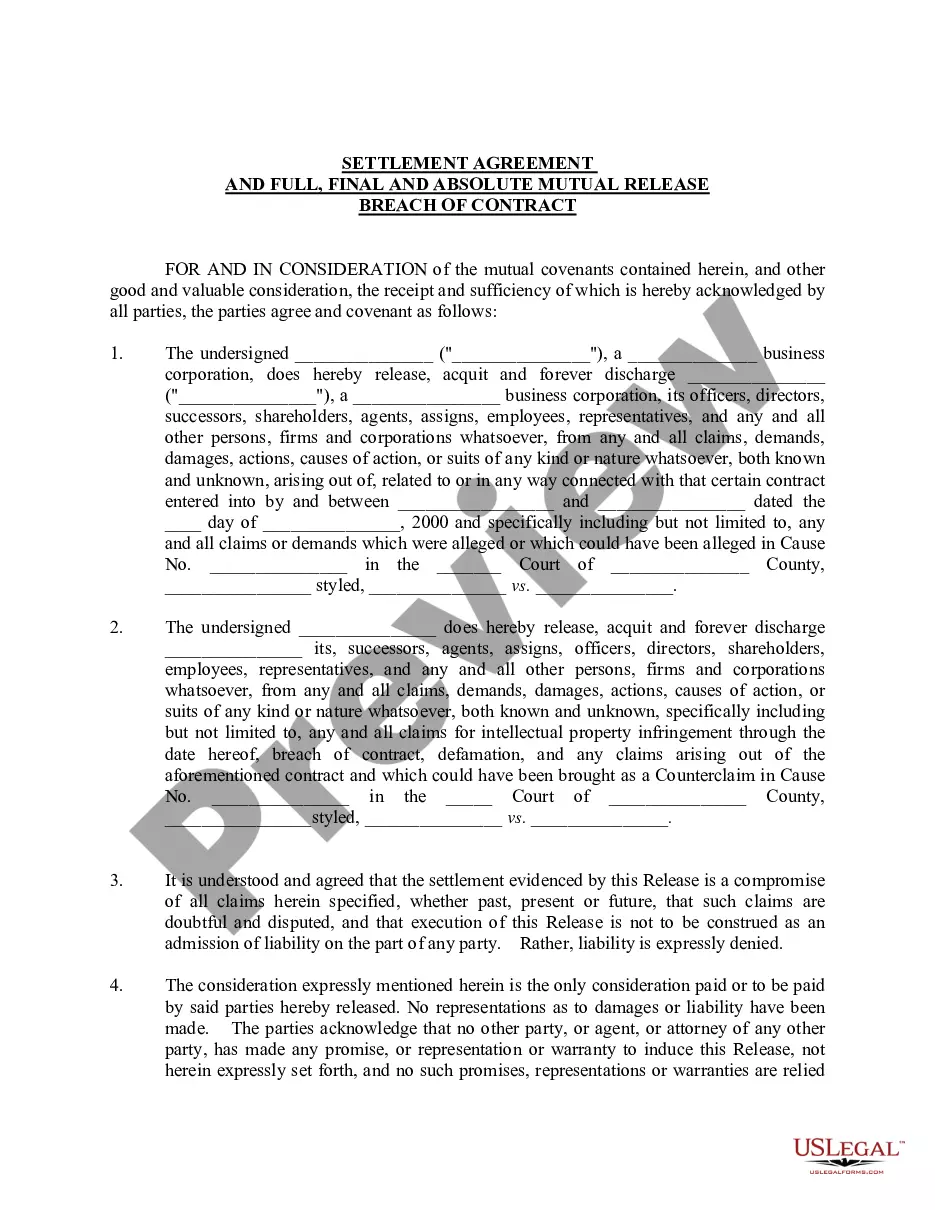
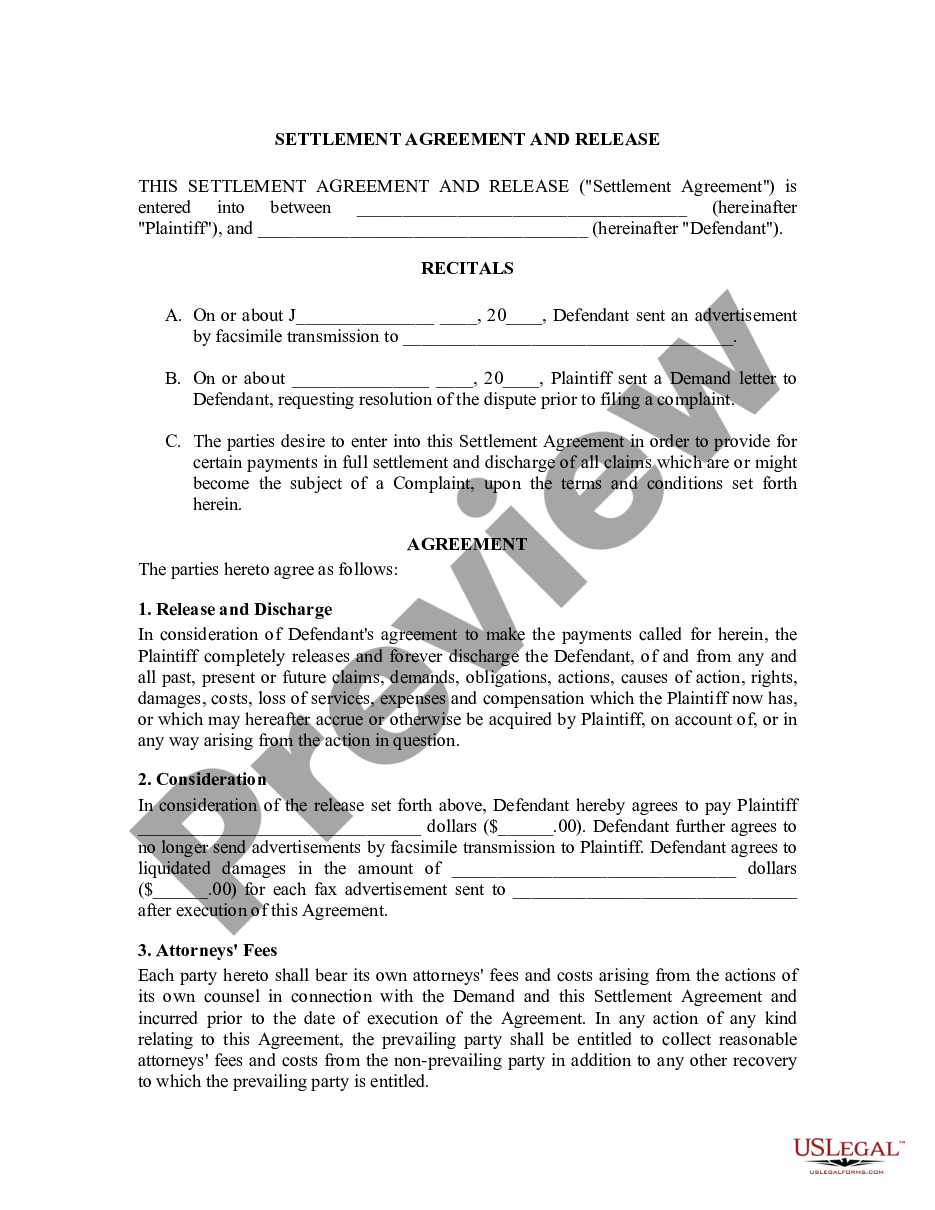
The Settlement Agreement and Release of Claims - Pending Litigation is a legal document designed to finalize disputes and release claims related to an existing lawsuit. This form is distinct from similar forms because it specifically addresses claims arising from employment-related issues in pending litigation, ensuring all parties agree to resolve their disputes without further legal action.
Key parts of this document
- Effective date and definitions of parties involved.
- Terms of settlement, including the amount to be paid and release of claims.
- Compromise of claims and acknowledgment of liability denial by the releasee.
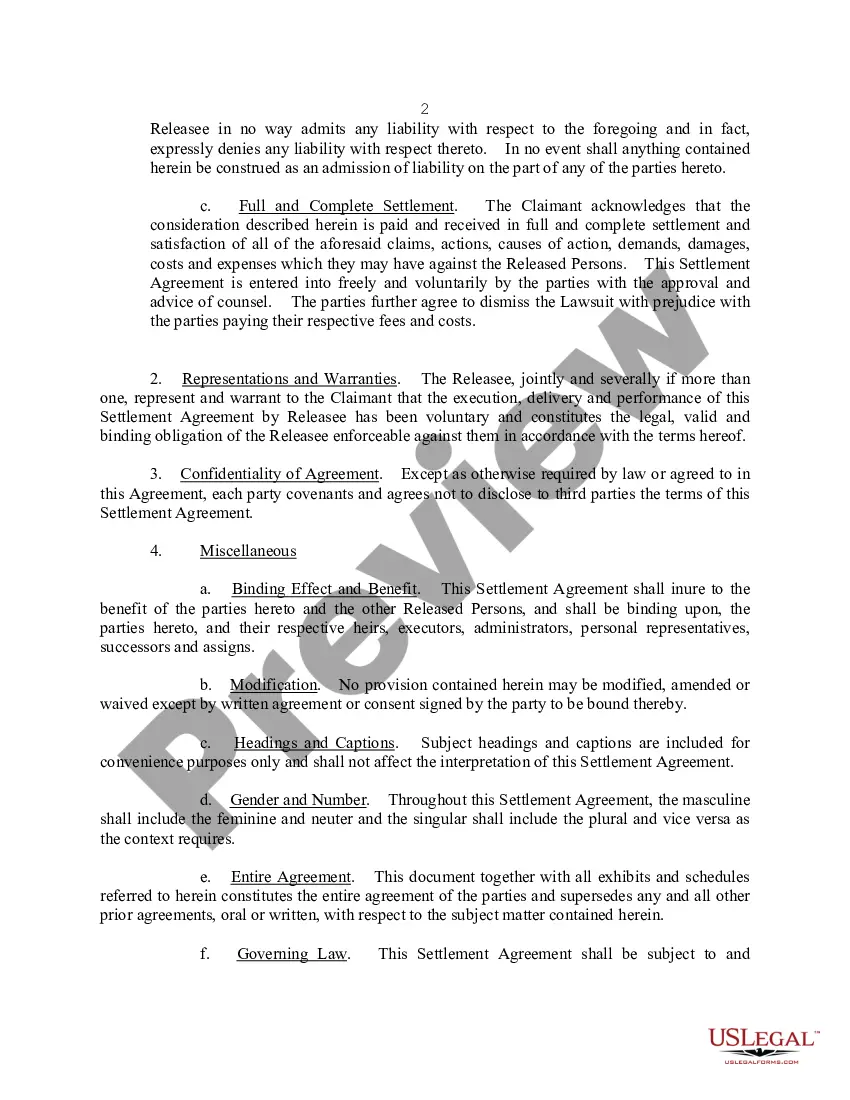
- Confidentiality of the agreement terms.
- Binding effect on the parties and their successors.
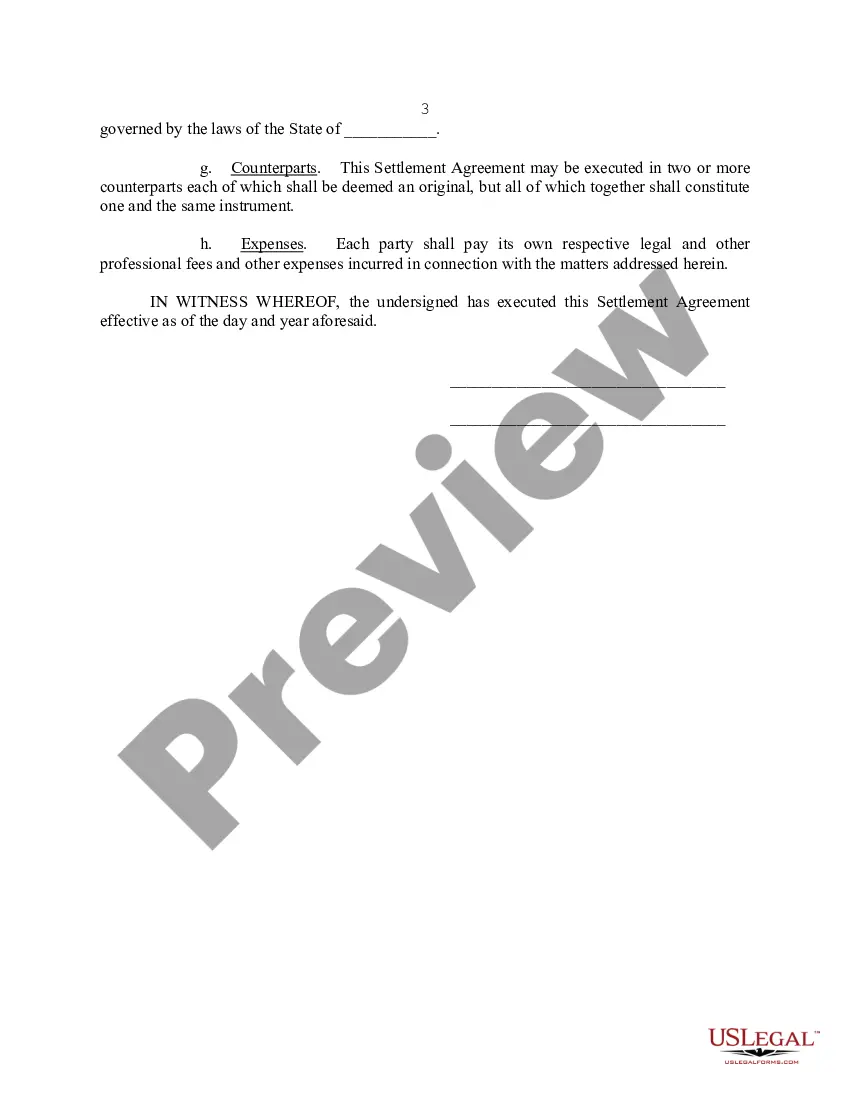
- Governing law of the state in which the agreement is executed.
Situations where this form applies
This form should be used when parties involved in a lawsuit have reached a settlement agreement and wish to formalize the resolution of their claims. It is particularly applicable in employment disputes where the claimant agrees to release any further claims against the releasee in exchange for a settlement payment.
Who can use this document
- Claimants who have been involved in pending litigation against their employer.
- Releasees who wish to finalize settlement agreements without admitting liability.
- Attorneys representing either party to ensure legal compliance and protection of rights.
How to prepare this document
- Identify and enter the names and addresses of the claimant and releasee.
- Specify the effective date of the agreement.
- Detail the terms of settlement, including the agreed settlement payment amount.
- Ensure both parties sign the agreement to validate their acceptance of terms.
- Complete Exhibit A to include specifics of claims being released.
Does this form need to be notarized?
This form does not typically require notarization to be legally valid. However, some jurisdictions or document types may still require it. US Legal Forms provides secure online notarization powered by Notarize, available 24/7 for added convenience.
Get your form ready online
Our built-in tools help you complete, sign, share, and store your documents in one place.
Make edits, fill in missing information, and update formatting in US Legal Forms—just like you would in MS Word.
Download a copy, print it, send it by email, or mail it via USPS—whatever works best for your next step.
Sign and collect signatures with our SignNow integration. Send to multiple recipients, set reminders, and more. Go Premium to unlock E-Sign.
If this form requires notarization, complete it online through a secure video call—no need to meet a notary in person or wait for an appointment.
We protect your documents and personal data by following strict security and privacy standards.

Make edits, fill in missing information, and update formatting in US Legal Forms—just like you would in MS Word.

Download a copy, print it, send it by email, or mail it via USPS—whatever works best for your next step.

Sign and collect signatures with our SignNow integration. Send to multiple recipients, set reminders, and more. Go Premium to unlock E-Sign.

If this form requires notarization, complete it online through a secure video call—no need to meet a notary in person or wait for an appointment.

We protect your documents and personal data by following strict security and privacy standards.
Common mistakes to avoid
- Failing to accurately complete all party names and effective dates.
- Not specifying the settlement payment amount clearly.
- Overlooking the need for both parties' signatures.
- Underestimating the importance of the confidentiality clause.
- Neglecting to attach Exhibit A if required.
Why complete this form online
- Convenience of downloading and filling out the form at your pace.
- Editability, allowing users to adjust terms as necessary before finalizing the agreement.
- Reliability of professionally drafted templates that comply with legal standards.
Legal use & context
- This form serves as a legally binding agreement once signed by both parties.
- It is important to ensure that the context of the claims being released is fully understood before signing.
- The form helps mitigate the risk of lengthy and expensive litigation by offering a clear resolution.
Summary of main points
- The Settlement Agreement and Release of Claims is vital for resolving employment-related disputes.
- Both parties benefit by avoiding further litigation costs and settling their differences amicably.
- Proper completion and understanding of this form are essential for legal enforceability.
Looking for another form?
Form popularity
FAQ
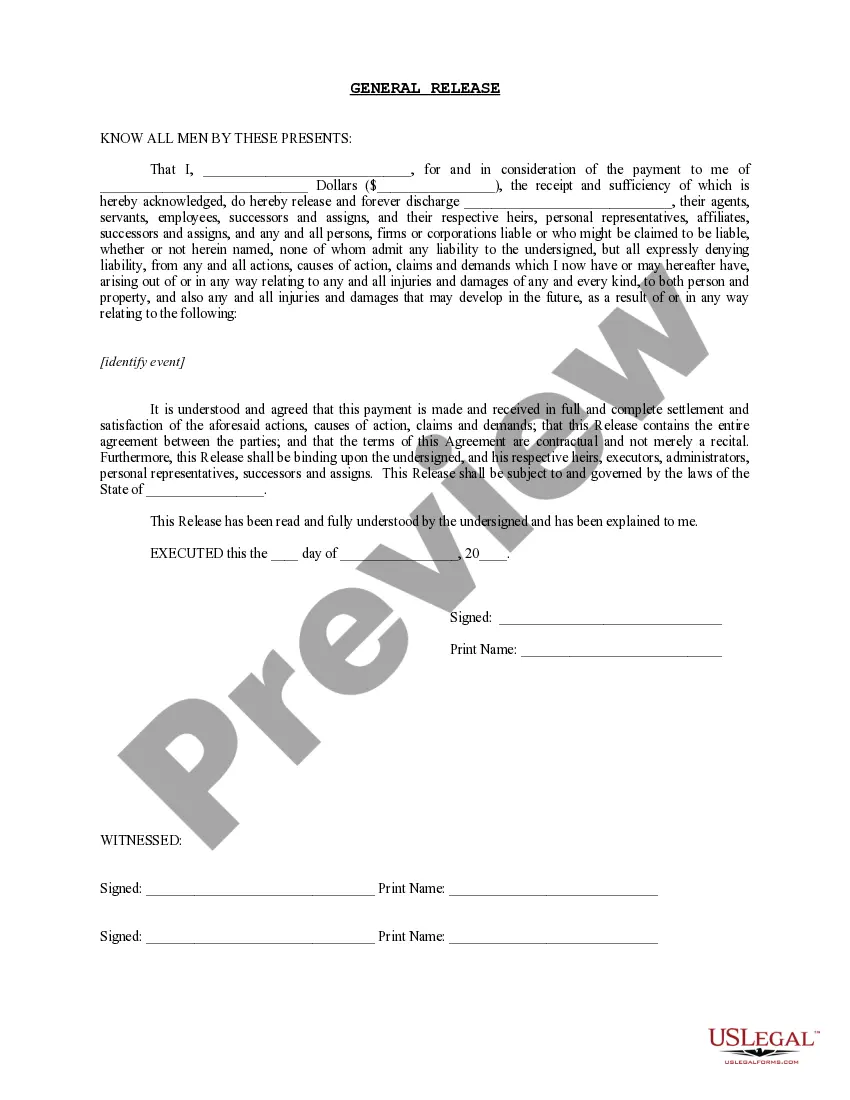
A release is an agreement not to sue; it waives your right to sue and company and "releases" your employer from legal liability for claims you may have against it. A release may be as broad or as narrow as the parties agree to make it.
In practice, there is little difference between a Compromise Agreement and a Settlement Agreement. However, under the terms of the new Settlement Agreements, discussions about the offer of such an Agreement can not be used in an ordinary unfair dismissal claim unless there has been improper behaviour by the employer.
Lawyers call an agreement to settle a dispute a "release," because in exchange for some act (often the payment of money), one person gives up (or releases) his or her claim against another.
In most cases, the parties enter into an agreement settling their dispute before the court issues a final judgment in the case.
A release of all claims form may be included as part of a settlement agreement, which is a document agreeing to resolve the parties' differences, dismiss their claims, and release the opposing parties from liability. Release of all claims forms are also called liability waiver forms.
Some people wonder if they can save even more by money by writing their own settlement agreement and not seeking the help of a divorce attorney at all. While there is no legal requirement that you have a lawyer draft your settlement agreement, it is certainly a good idea to do so.
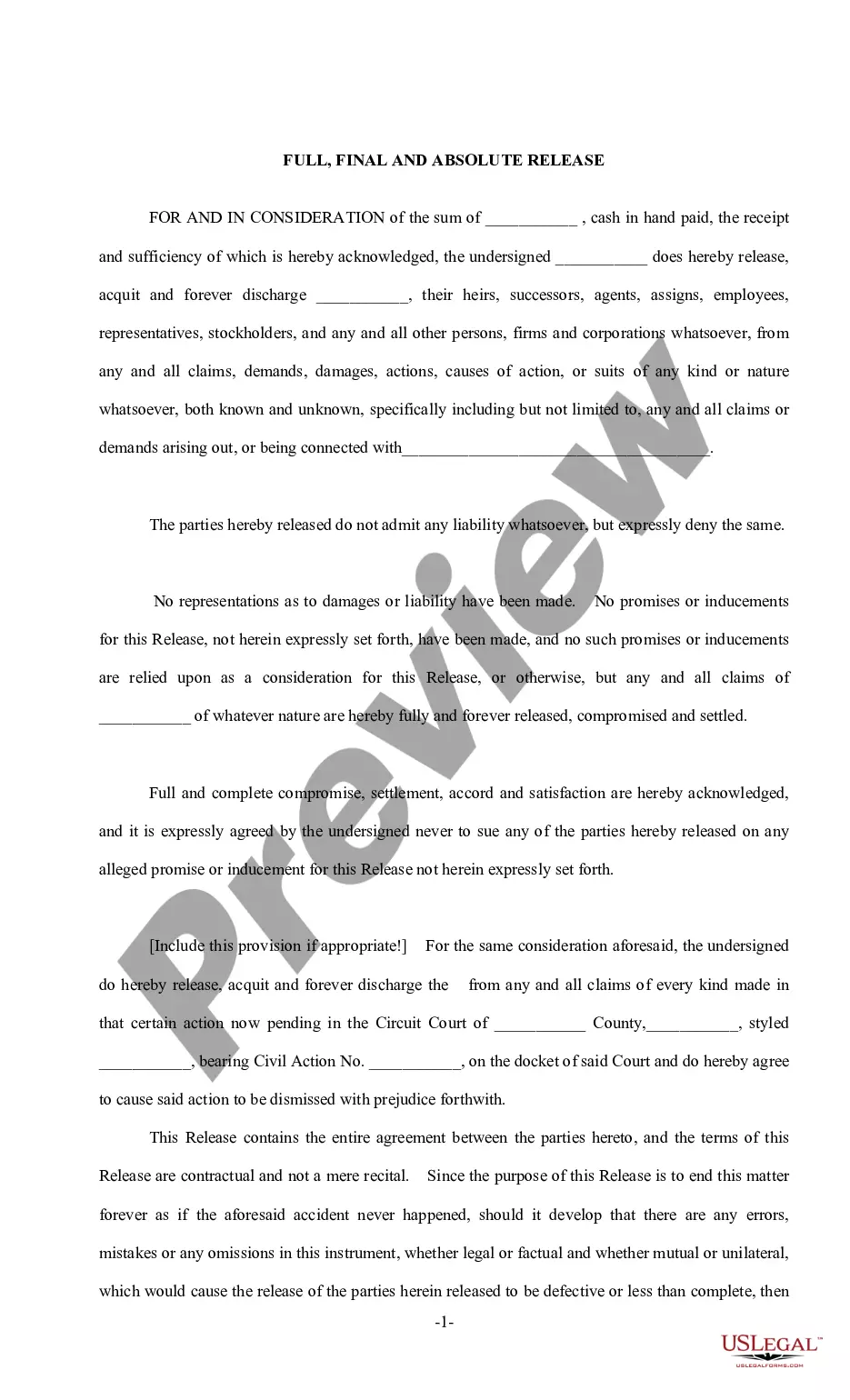
The purpose of a full and final release is simple. It is an explicit acknowledgement by the settling Plaintiff that it has agreed to resolve its claims as against one or more Defendants, and as a result of that settlement, it is releasing those Defendants from the claims at issue.
This includes releasing the Released Party from all claims for damages, costs, expenses, and compensation.This release and discharge shall be a fully binding and complete settlement among all Parties to this Agreement and their heirs, assigns, and successors.
It is possible to back out of a settlement agreement if both parties consent and it has not been incorporated into a court order. However, the issue arises if the other party does not agree.