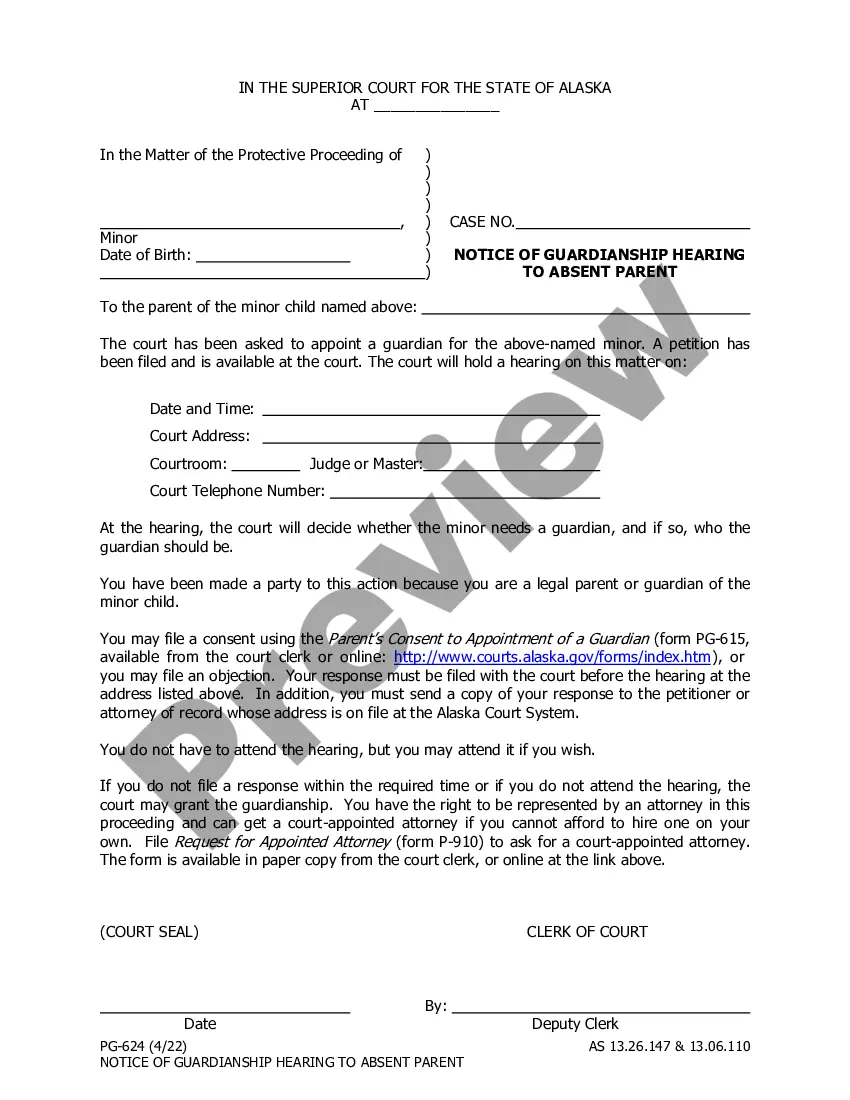
Trademark License Agreement with College or University
Understanding this form
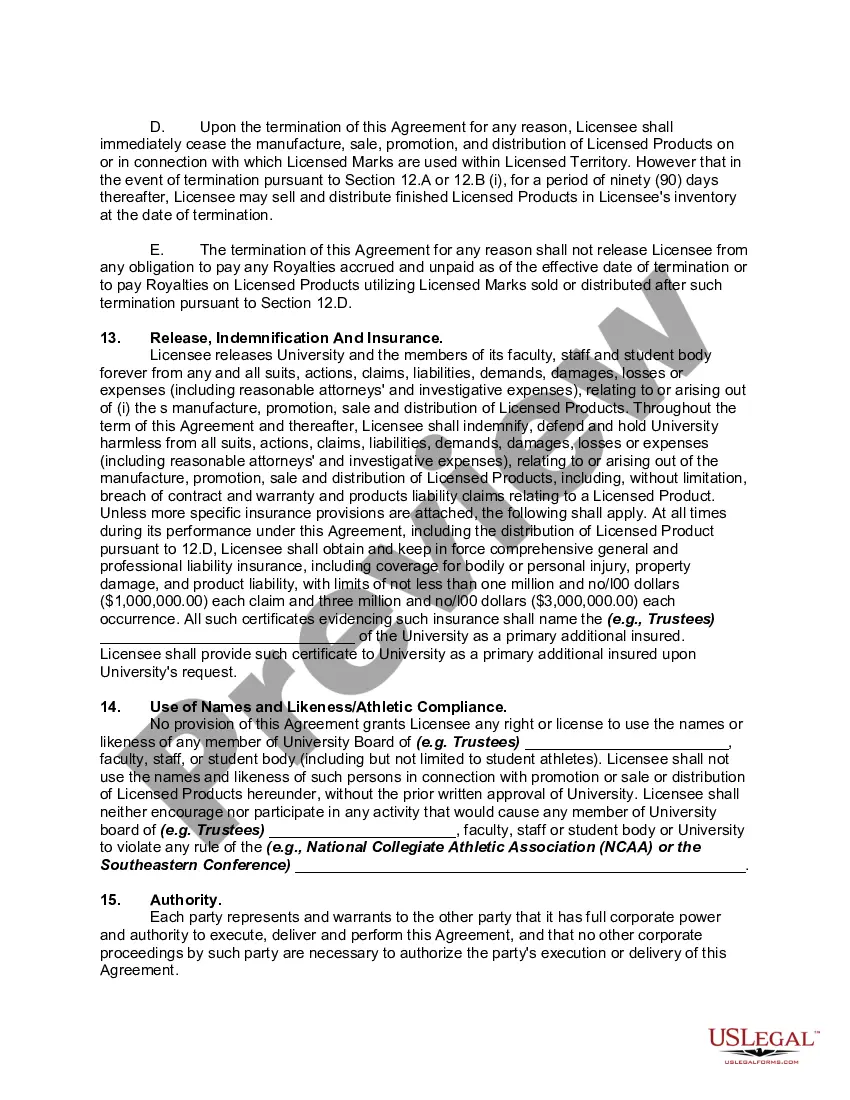
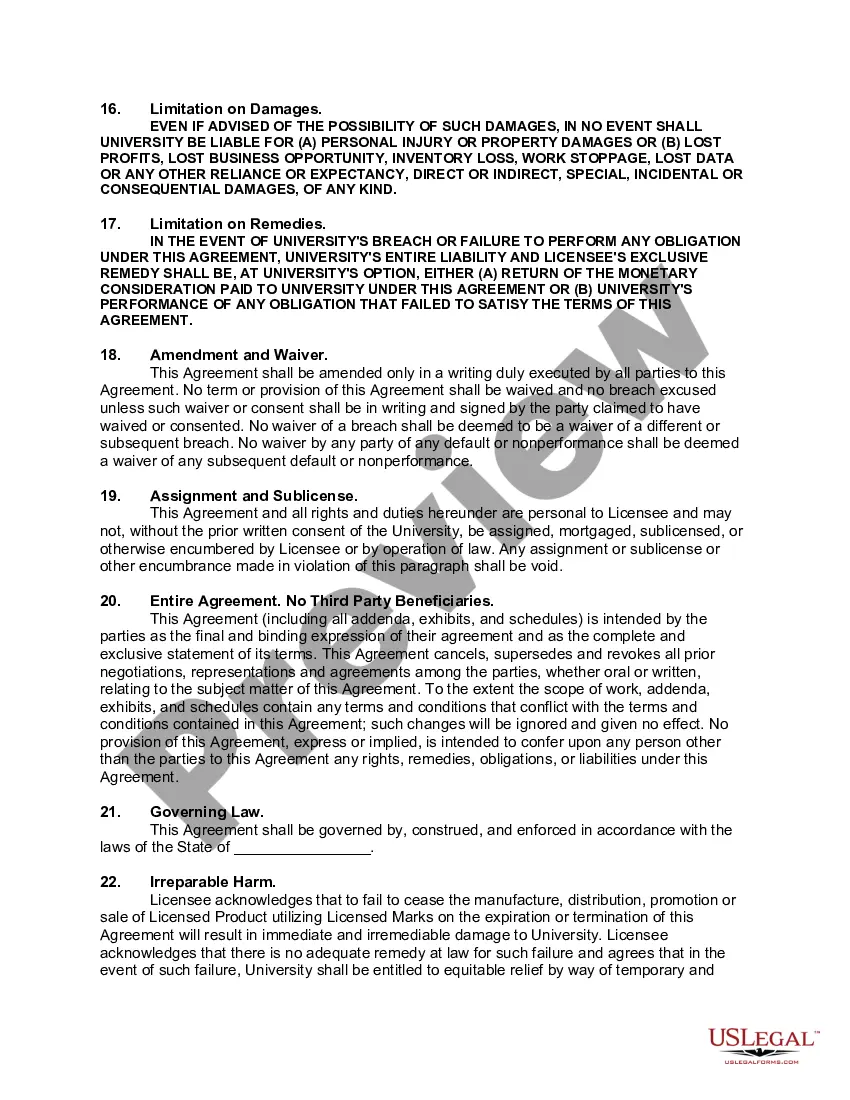
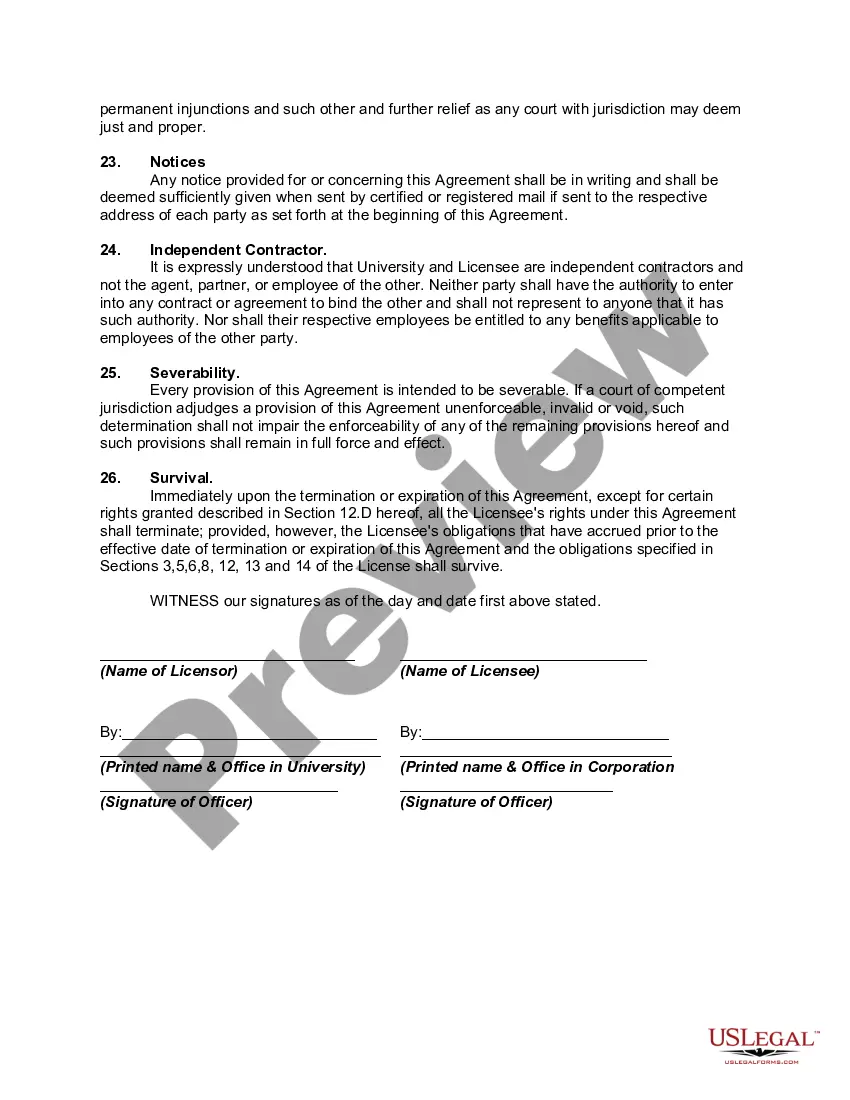
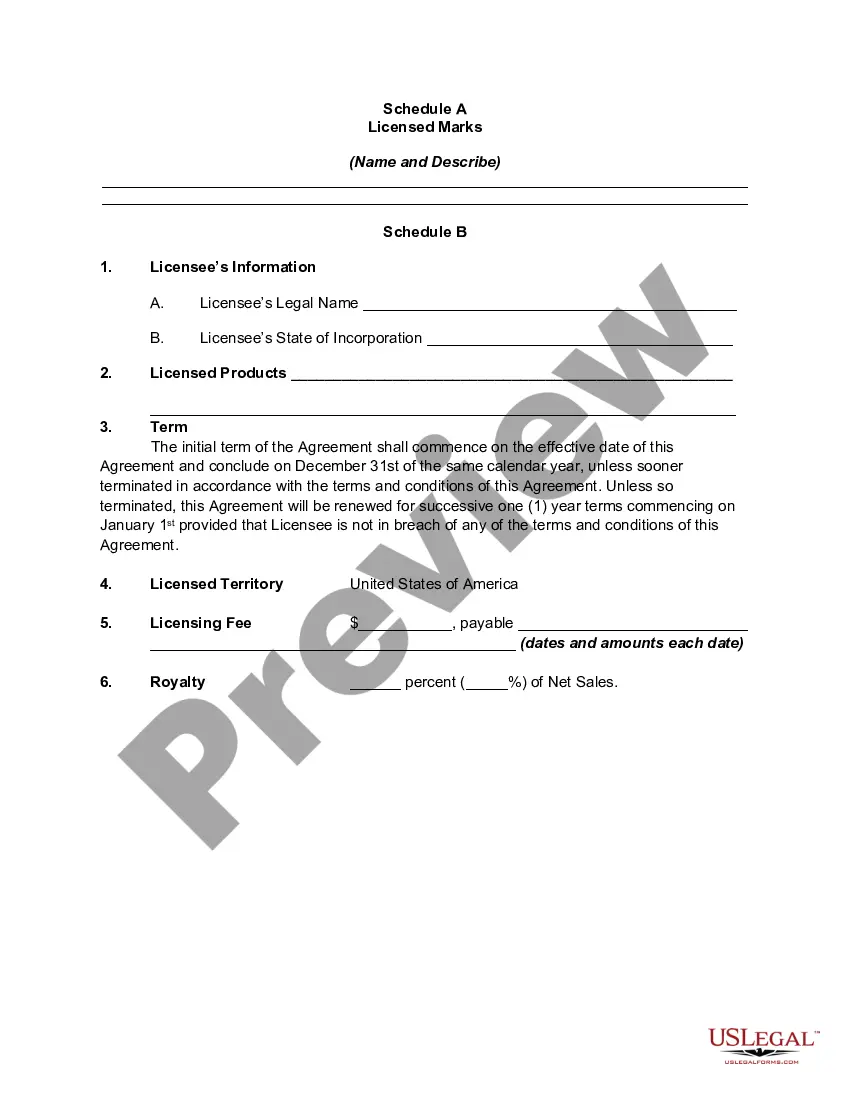
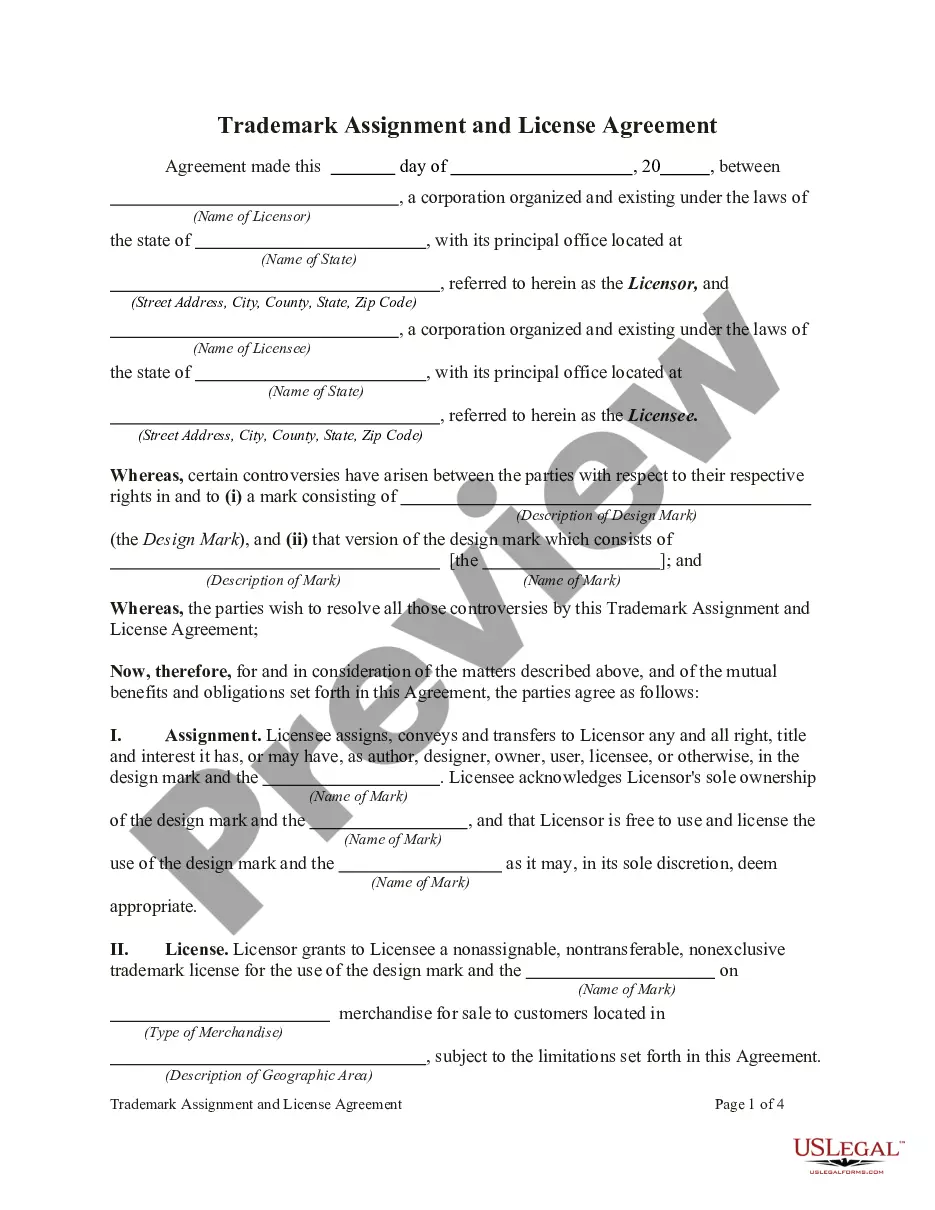
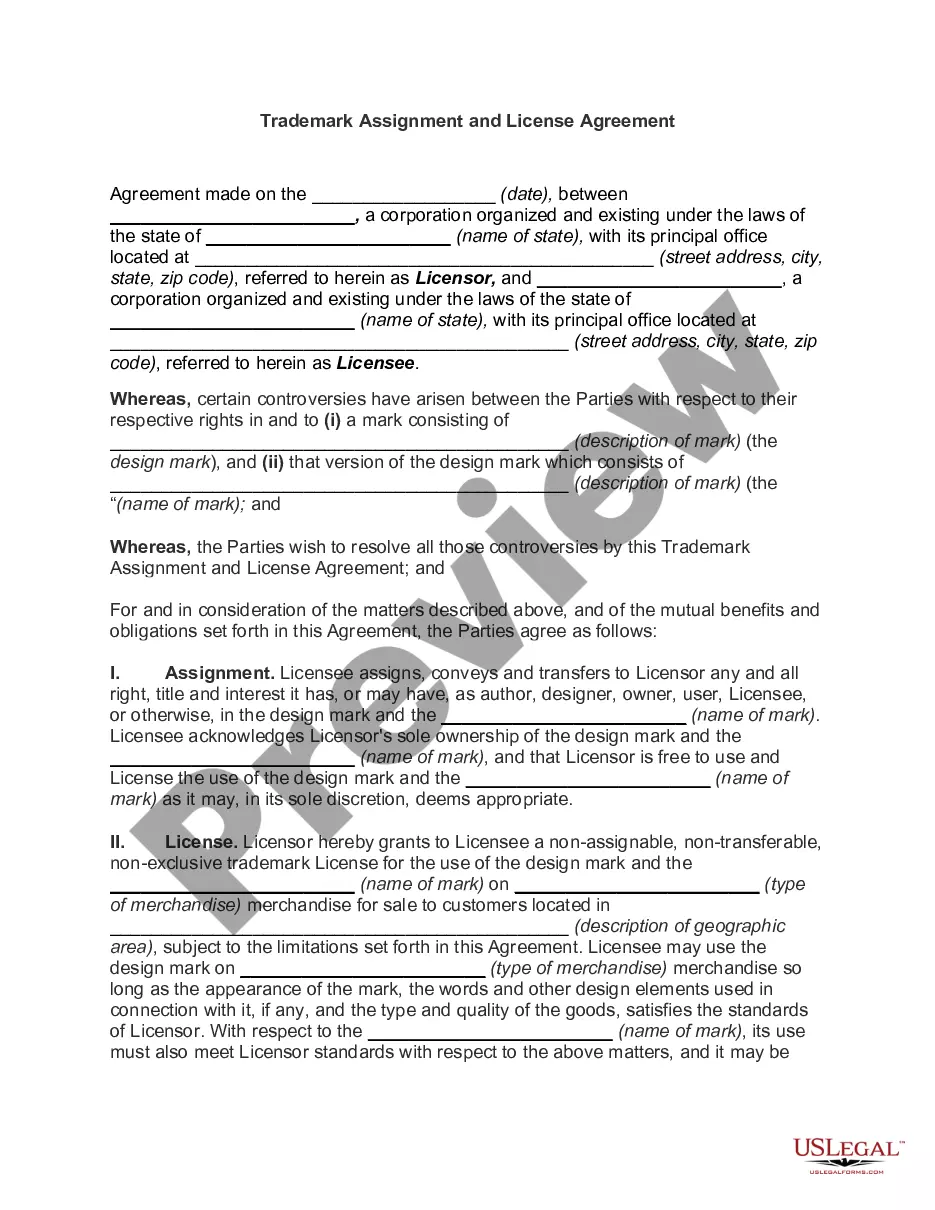
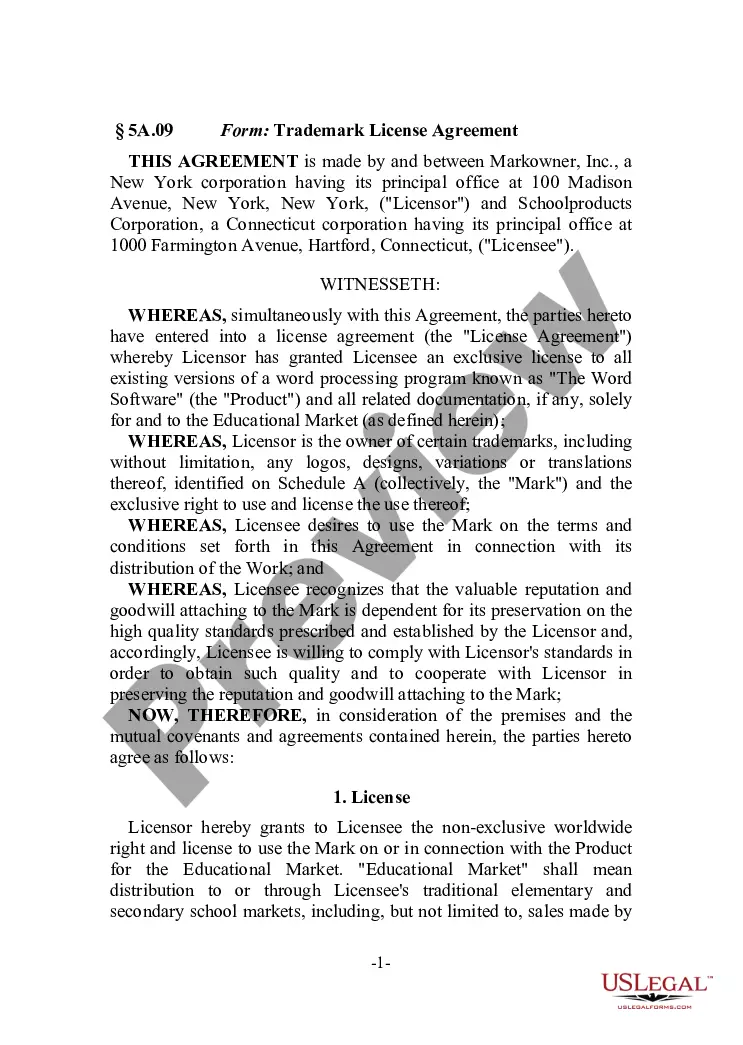
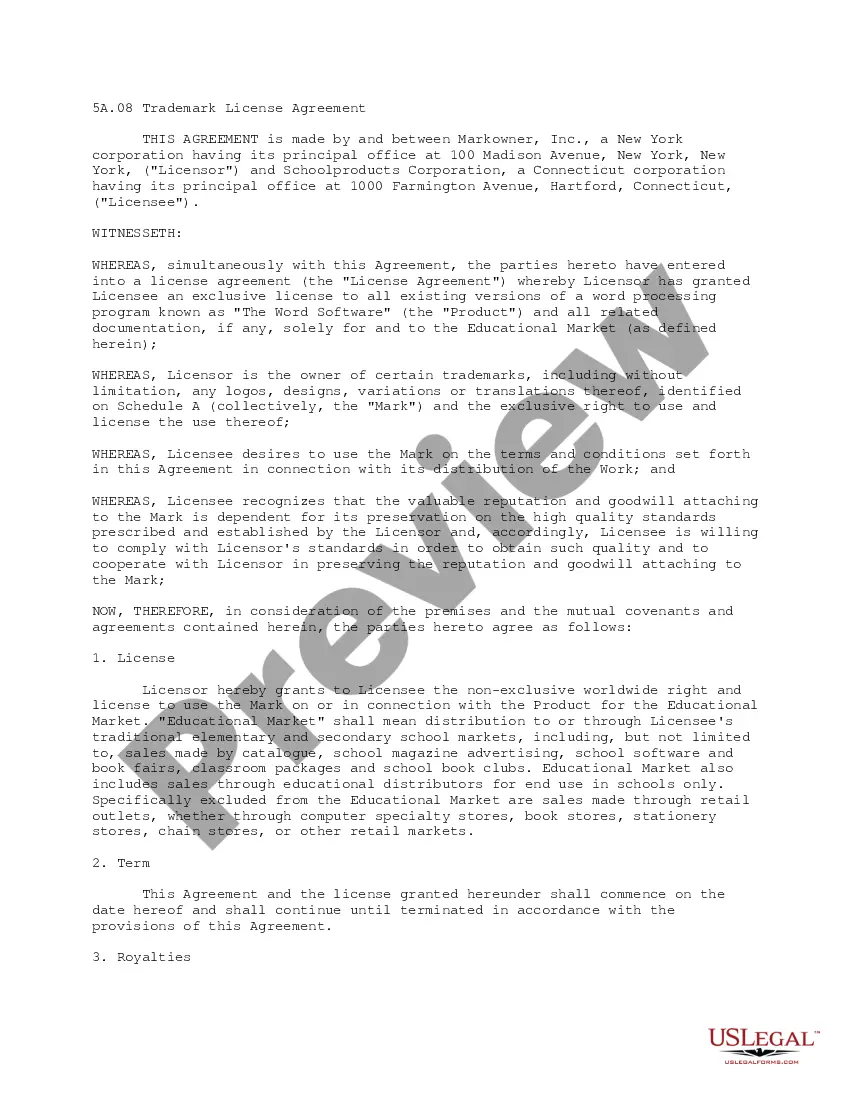
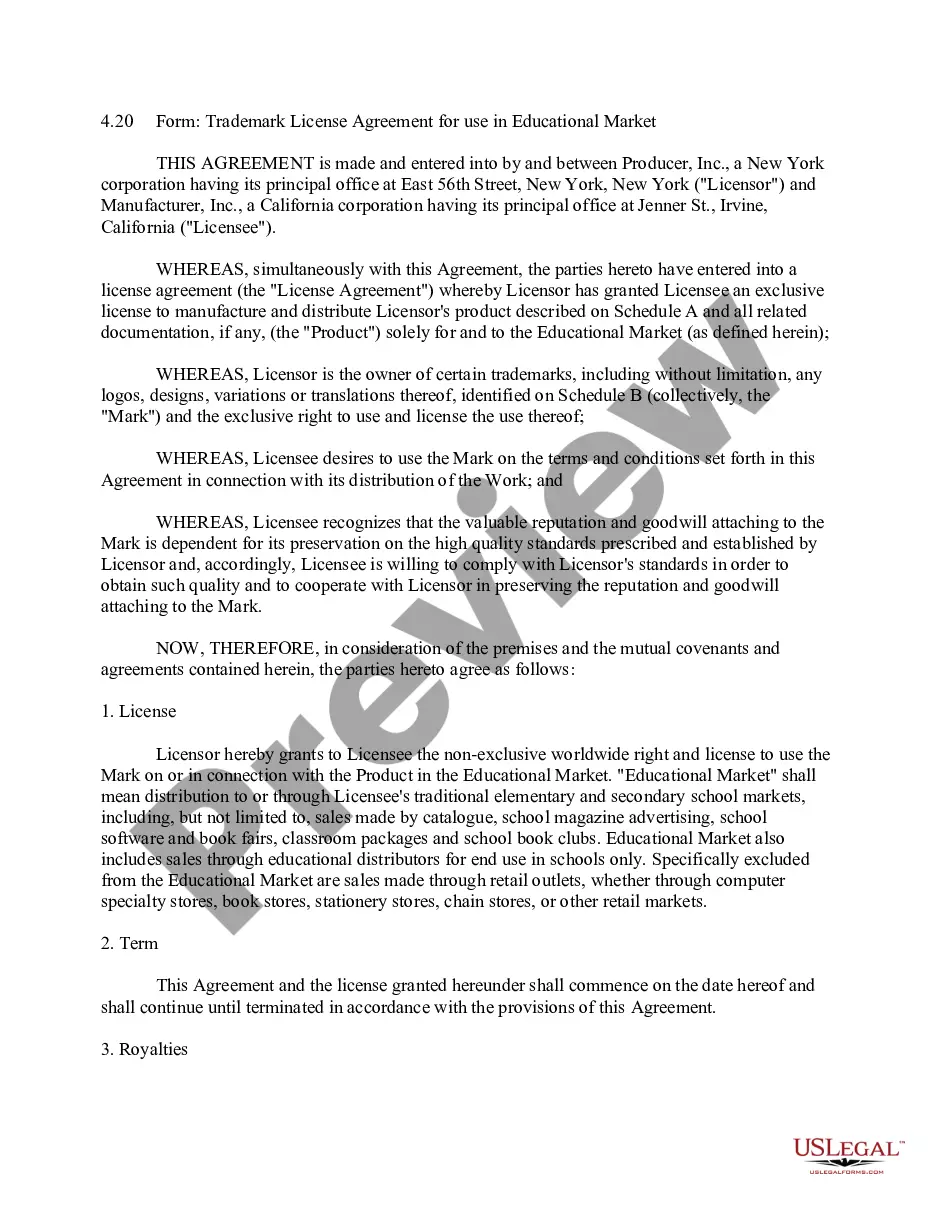
A Trademark License Agreement with College or University is a legally binding document that authorizes one party, known as the licensee, to use the trademark of another party, the licensor, typically a college or university, in connection with specific products or services. This form establishes the terms and conditions under which the trademark can be used, protecting the rights of the university while allowing the licensee to promote and sell licensed products. Unlike other agreements, this form focuses on intellectual property rights specific to trademarks associated with educational institutions.
Key components of this form
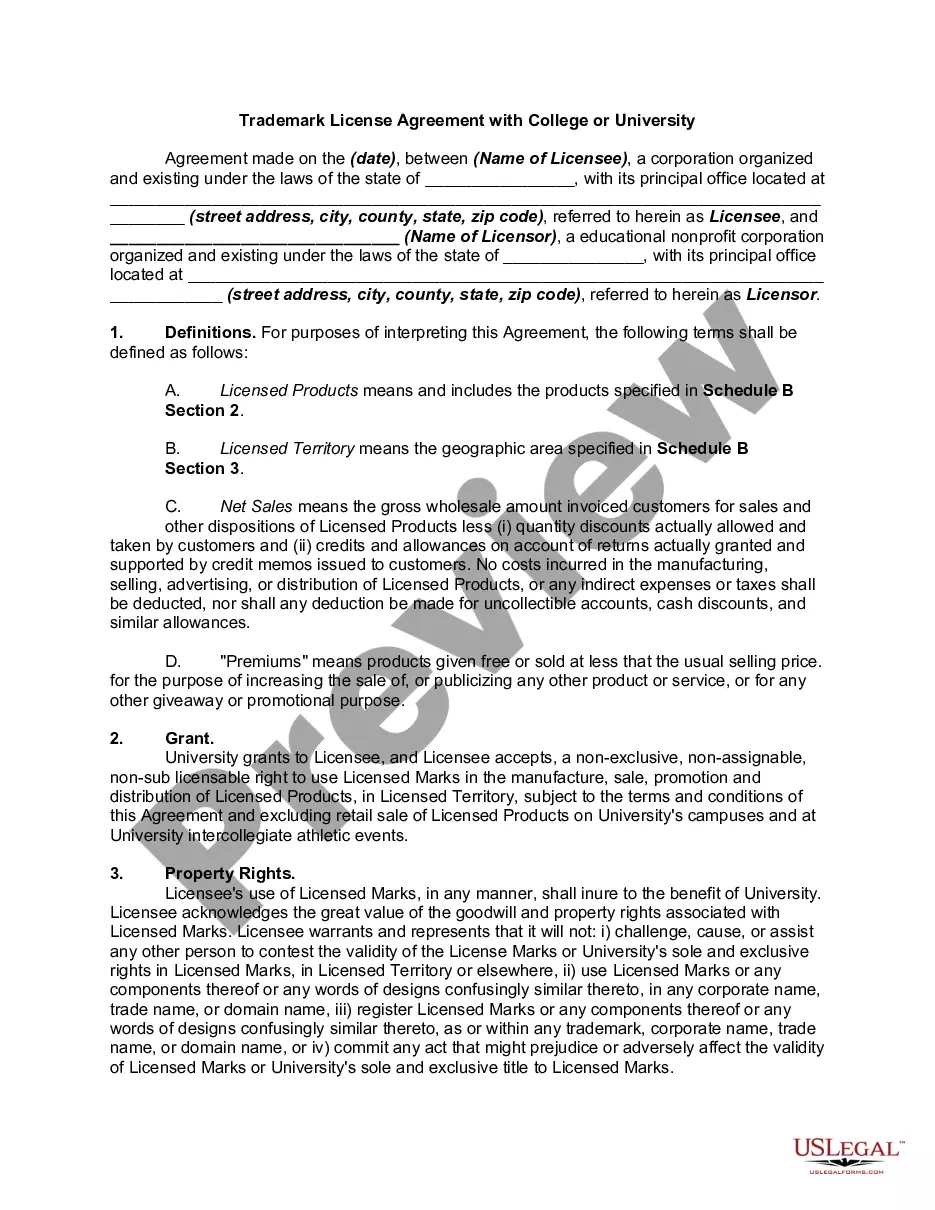
- Definitions: Key terms such as "Licensed Products" and "Net Sales" are defined for clarity.
- Grant: Outlines the rights granted to the licensee regarding the use of trademarked materials.
- Property Rights: Affirms that the trademark ownership remains with the university.
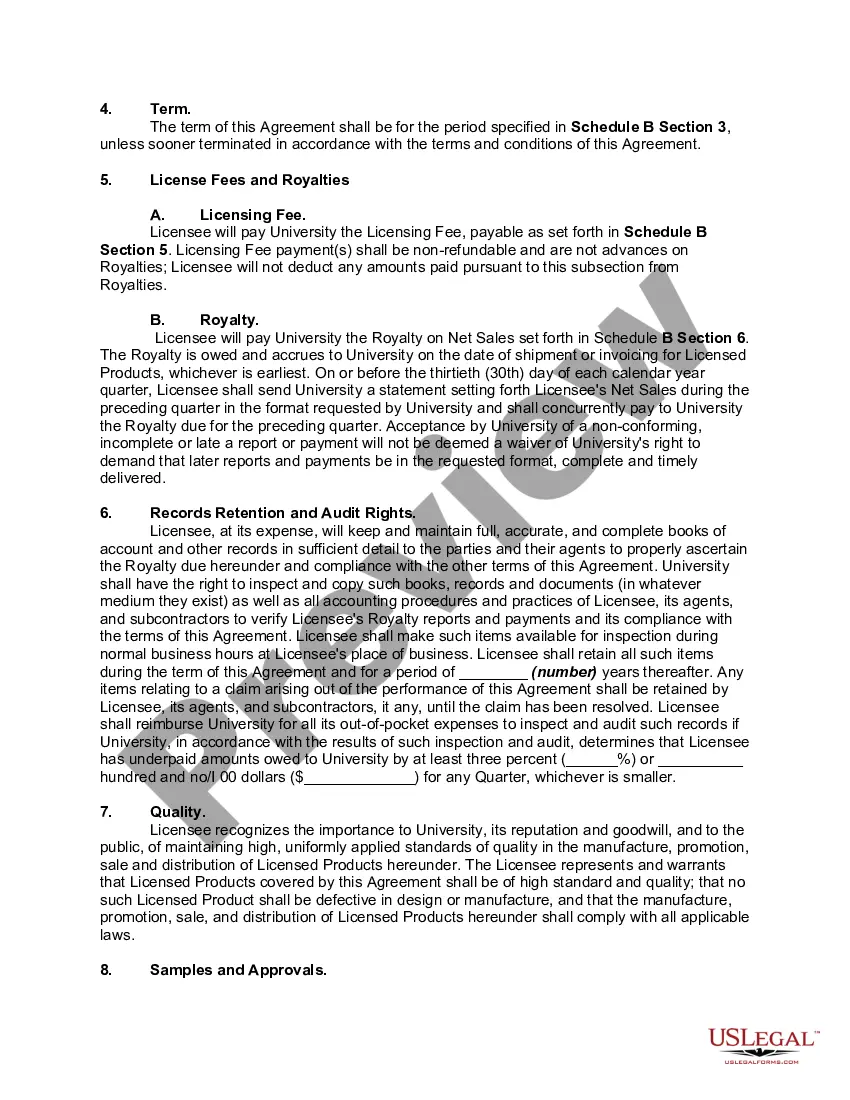
- Term: Specifies the duration of the agreement and conditions for renewal or termination.
- Licensing Fees and Royalties: Details the financial obligations of the licensee, including payments based on sales.
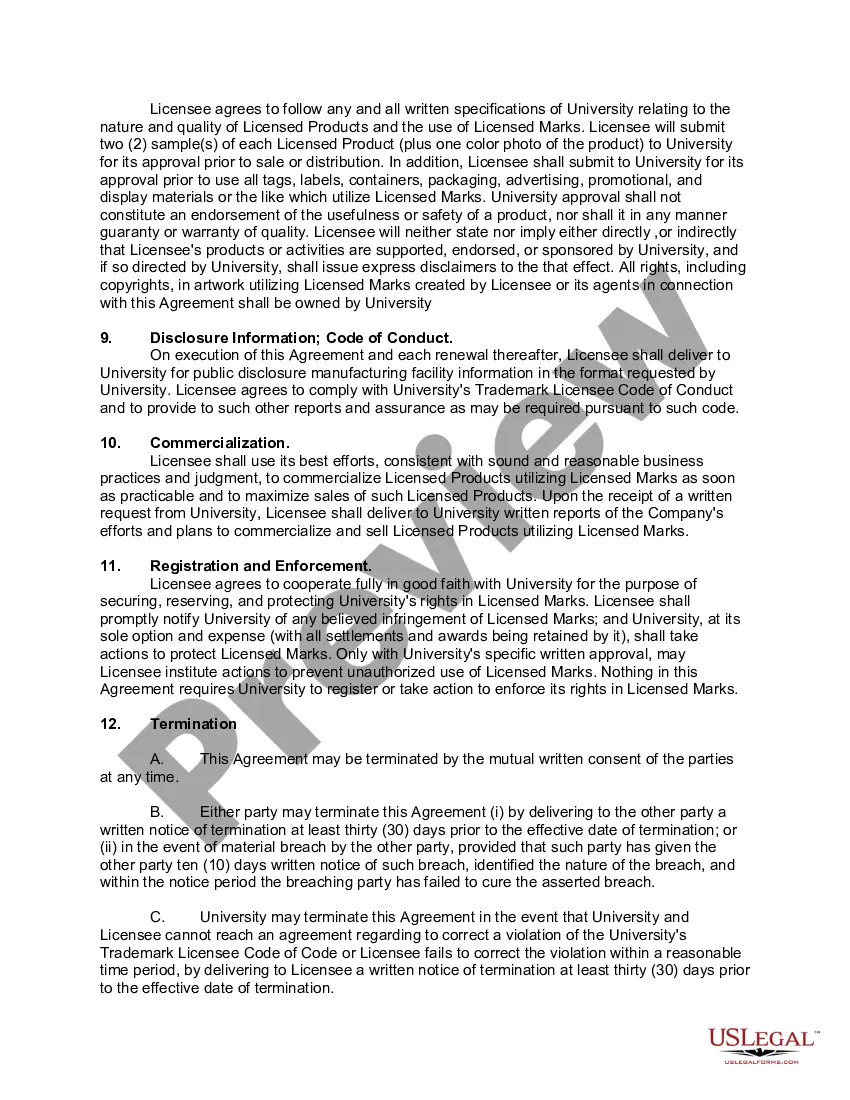
- Quality Standards: Requires the licensee to maintain high standards for goods sold under the trademark.
When this form is needed
This form is necessary when a college or university wishes to allow another entity to use its trademark in marketing products or services. It is typically used when merchandise such as clothing, memorabilia, or educational materials featuring the university's branding is to be produced and sold. Utilizing this form helps in managing the trademark's integrity, ensuring that the quality of products aligns with the institution's reputation.
Who this form is for
This form is suitable for:
- Colleges and universities that own trademarks and want to license them to commercial entities.
- Businesses or organizations seeking to produce products associated with a college or university trademark.
- Legal representatives and administrators responsible for negotiating and maintaining licensing agreements.
Steps to complete this form
- Identify the parties involved: Clearly state the names and addresses of the licensor (the educational institution) and the licensee (the business entity).
- Define the terms: Fill out the definitions section, detailing what constitutes "Licensed Products" and "Licensed Territory."
- Set the financial terms: Specify the licensing fees and royalties to be paid based on net sales.
- Review quality standards: Include any requirements for maintaining quality and receive approvals on products and promotional materials.
- Include a termination clause: Clarify under what conditions the agreement can be terminated by either party.
Notarization guidance
This form does not typically require notarization unless specified by local law. However, having the agreement notarized may add an additional layer of legitimacy.
Get your form ready online
Our built-in tools help you complete, sign, share, and store your documents in one place.
Make edits, fill in missing information, and update formatting in US Legal Forms—just like you would in MS Word.
Download a copy, print it, send it by email, or mail it via USPS—whatever works best for your next step.
Sign and collect signatures with our SignNow integration. Send to multiple recipients, set reminders, and more. Go Premium to unlock E-Sign.
If this form requires notarization, complete it online through a secure video call—no need to meet a notary in person or wait for an appointment.
We protect your documents and personal data by following strict security and privacy standards.

Make edits, fill in missing information, and update formatting in US Legal Forms—just like you would in MS Word.

Download a copy, print it, send it by email, or mail it via USPS—whatever works best for your next step.

Sign and collect signatures with our SignNow integration. Send to multiple recipients, set reminders, and more. Go Premium to unlock E-Sign.

If this form requires notarization, complete it online through a secure video call—no need to meet a notary in person or wait for an appointment.

We protect your documents and personal data by following strict security and privacy standards.
Common mistakes
- Failing to properly define the "Licensed Products" and "Licensed Territory."
- Neglecting to include clear royalty payment structures that could lead to disputes.
- Omitting quality control measures, which could result in products that harm the university's reputation.
- Not specifying conditions for termination, leading to confusion about the continuation of rights post-agreement.
Why complete this form online
- Convenience: Instantly download and customize the form at any time.
- Editability: Modify the content to suit specific needs and circumstances.
- Reliability: Use a template drafted by licensed attorneys to ensure legal compliance.
Legal use & context
- This agreement establishes a legally binding relationship between the university and the licensee, ensuring both parties meet their obligations.
- Proper completion of this form aids in the protection of the university's trademarks and upholds its reputation.
- It is important to ensure compliance with local trademark laws to ensure enforceability.
Key takeaways
- The Trademark License Agreement allows for legal use of university trademarks while securing revenue for the institution.
- Clear definitions and terms are crucial for compliance and protection of both parties involved.
- Quality standards must be maintained to protect the university's reputation.
Looking for another form?
Form popularity
FAQ
Virtually every college or university, public or private, has both trademarked and copyrighted the logo, the font, the name, maybe even the color combination. Use of these materials without their written permission or license is cause for suit.
$100 non-refundable application fee. Completed application. Institutional fees vary between $250 and $5,000+ FLA (Fair Labor Association) fees vary greatly. Credit report. Factory/Supplier information form. Product samples. Label samples.
Give three examples of sport licensees. A company that wants to manufacture and sell products using trademarked property.What kinds of products can be licensed? Keychains, mugs, banners, magnets, boxer shorts, even furniture and jewelry.
The 3 P's of collegiate licensing are protection, promotion, and profit.
Patent Licensing. Patents cover science and innovation. Trademark Licensing. Trademarks are signifiers of commercial source, namely, brand names and logos or slogans. Copyright Licensing. Trade Secret Licensing. Exclusive. Non-exclusive. Sole. Perpetual.
Example: An example would include Walt Disney granting McDonalds a license for McDonalds to co-brand its McDonalds Happy Meals with a Disney trademarked character; (b) A license where a technology company, as licensor, grants a license to an individual or company, as licensee, to use a particular technology.
The athletic team logos of colleges and universities are trademarks and as such cannot be legally copied without express written permission in a license. A business or individual wanting to use university sports logos on merchandise must first obtain official permission from the proper authorities.
Download a template for a licensing agreement. Choose your role as the licensor or licensee. Define the license(s) in the agreement. Decide whether the license is exclusive or not. Settle the matter of fees and payment schedule. Add a renewal date and rules.
In a typical licensing agreement, the licensor agrees to provide the licensee with intellectual property rights such as the licensor's technology, brand name, or product creation know-how.