Release and Authorization to Use Name in Book to be Published
About this form
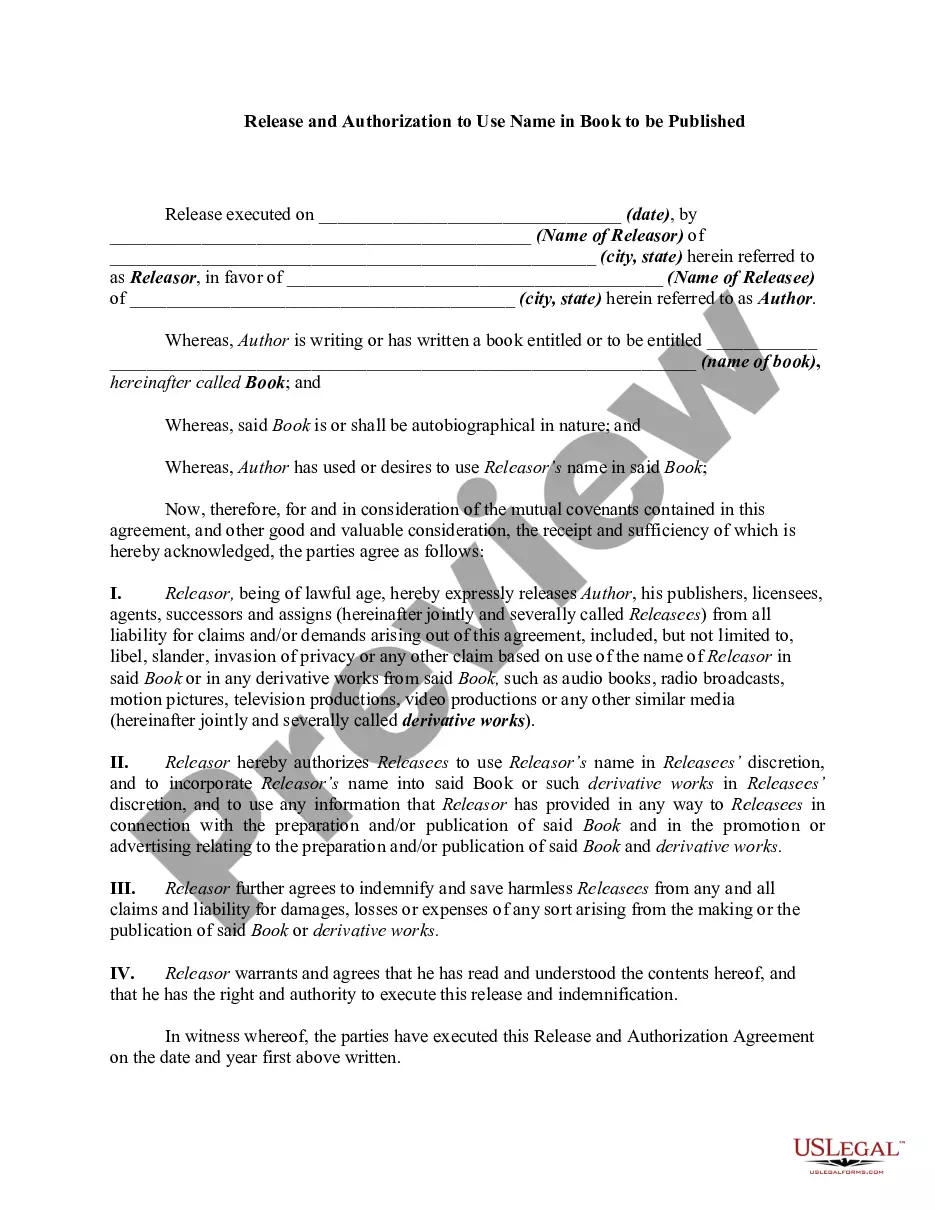
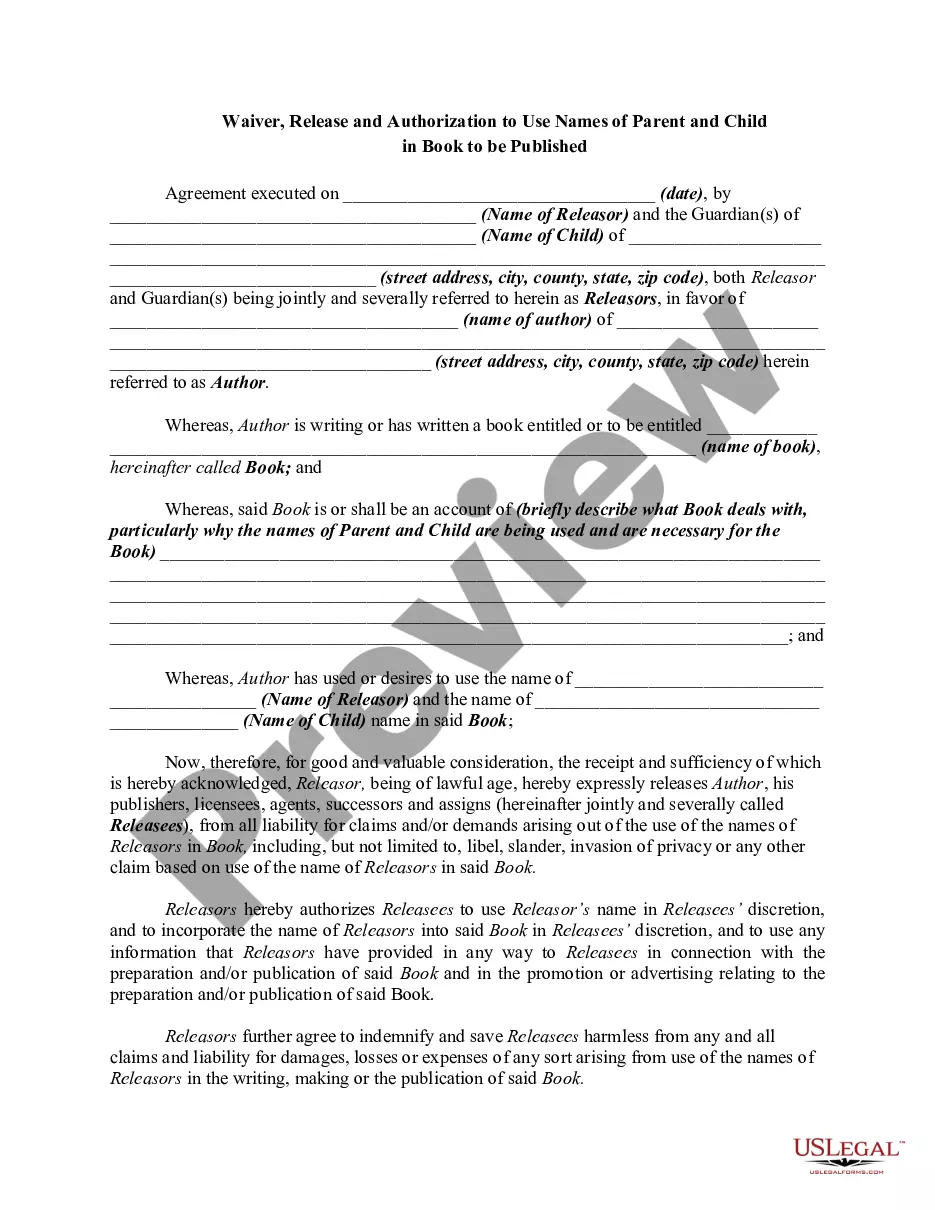
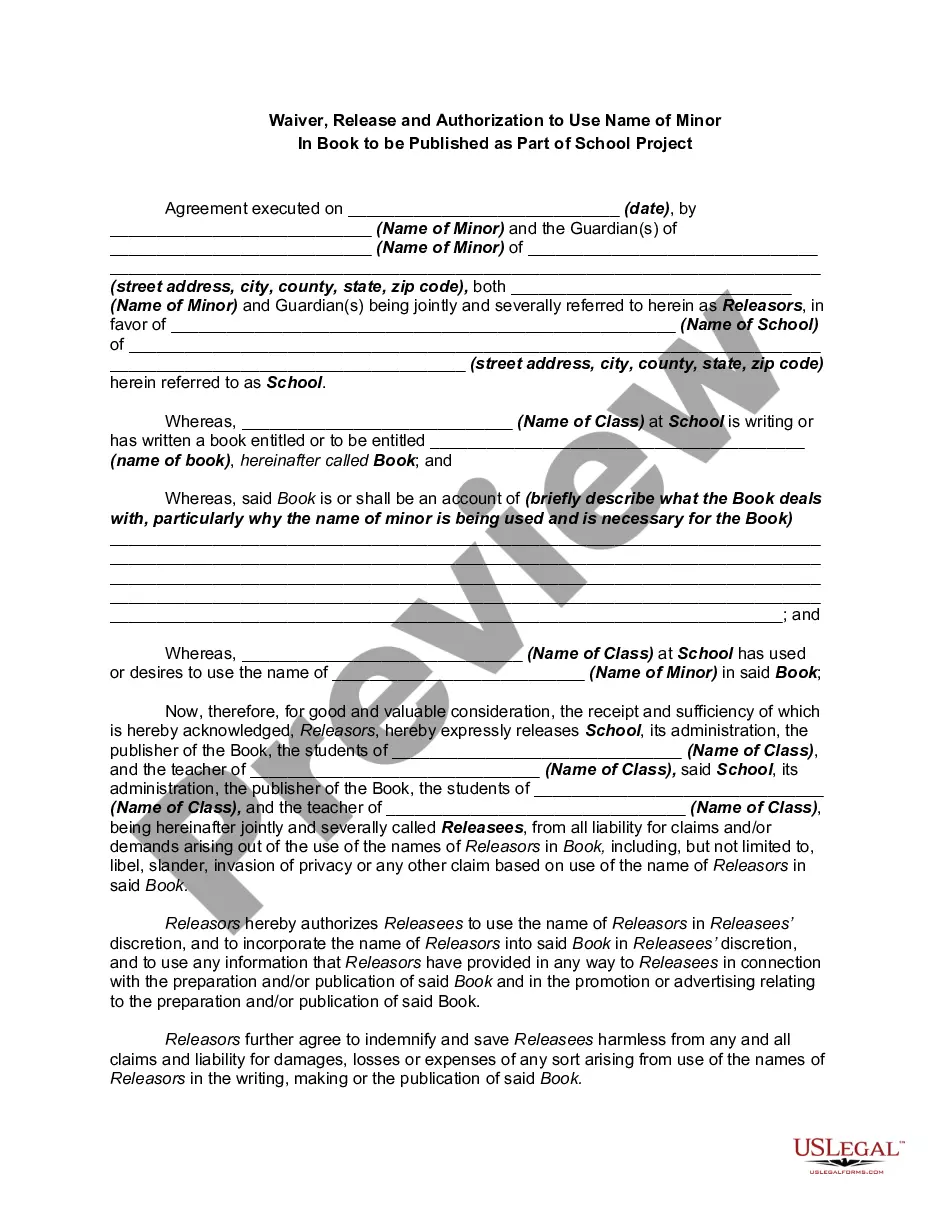
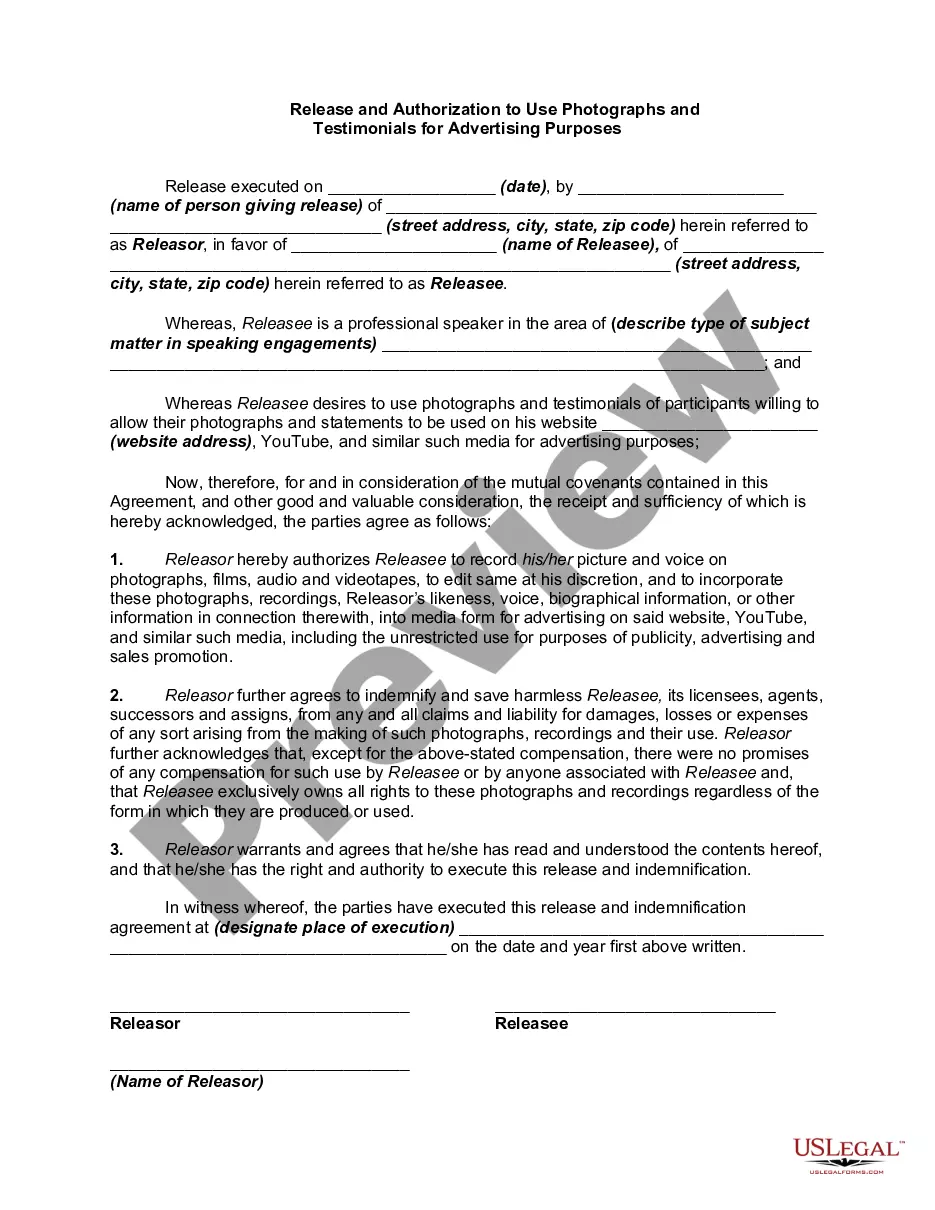
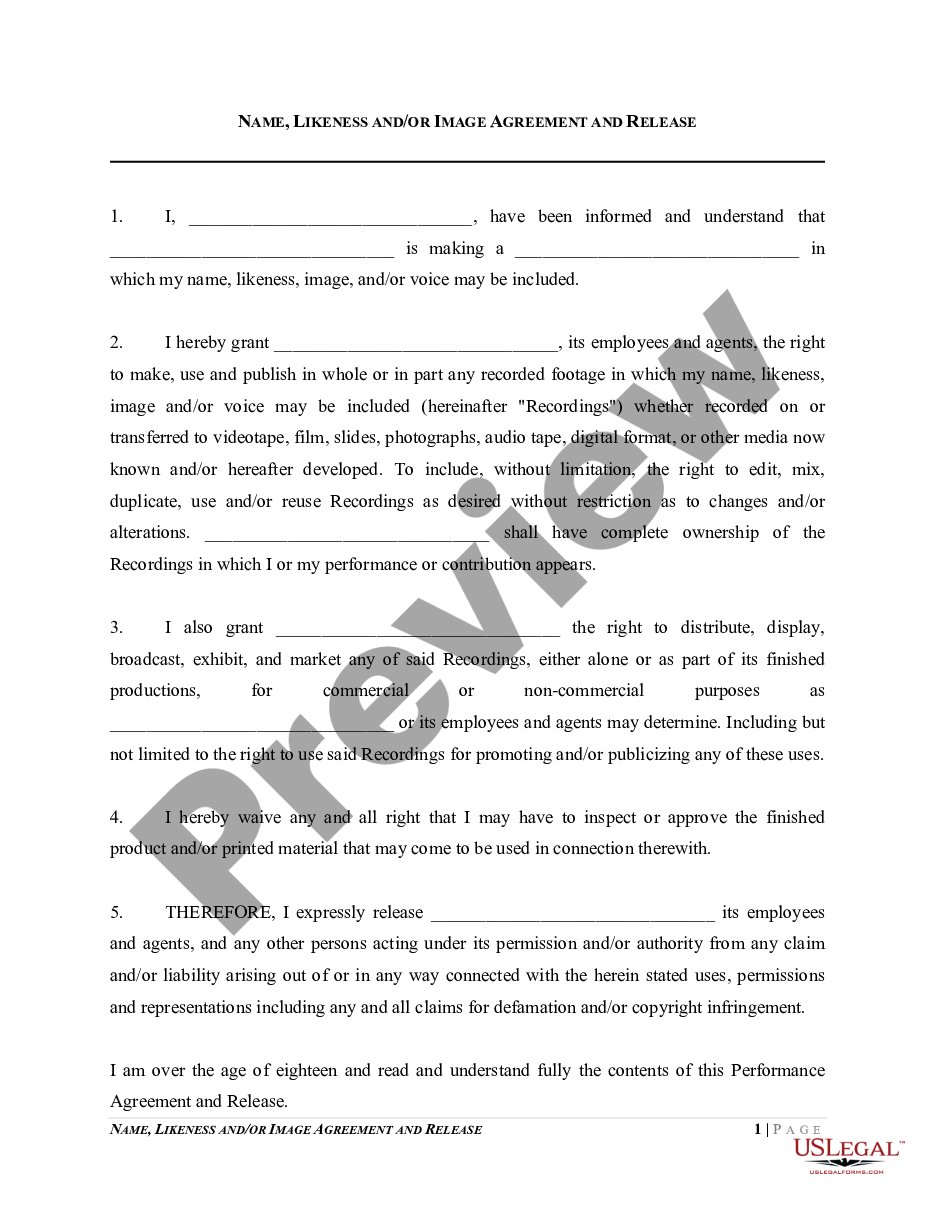
The Release and Authorization to Use Name in Book to be Published is a legal document that allows authors to use the names of individuals in autobiographical works. This form is essential for safeguarding both the author and the individuals whose names appear in the book, ensuring that the author can publish the work without facing legal repercussions related to privacy or defamation. Unlike other release forms, this one specifically addresses the use of names in a literary context.
Form components explained
- Date of execution
- Name and address of the Releasor (the individual granting the release)
- Name and address of the Releasee (the author)
- Title of the book
- Release of liability for claims related to name use
- Authorization to use provided information in promotion
- Indemnification clause against claims
Situations where this form applies
This form should be used when an author intends to include the names of specific individuals in their autobiography. It is particularly relevant in instances where the author wishes to ensure legal protection against potential claims regarding the use of those names, such as libel, slander, or invasion of privacy, throughout the process of writing and publishing the book.
Who can use this document
- Authors writing autobiographies
- Individuals granting permission for their names to be used in literary works
- Publishers seeking legal protection for books that include third-party names
How to prepare this document
- Fill in the date of execution at the top of the form.
- Provide the full name and address of the Releasor.
- Enter the name and address of the Releasee (the author).
- Specify the title of the book.
- Read through the clauses, ensuring you understand the release and authorization statements.
- Sign and date the form to finalize the agreement.
Notarization requirements for this form
Notarization is generally not required for this form. However, certain states or situations might demand it. You can complete notarization online through US Legal Forms, powered by Notarize, using a verified video call available anytime.
Get your form ready online
Our built-in tools help you complete, sign, share, and store your documents in one place.
Make edits, fill in missing information, and update formatting in US Legal Forms—just like you would in MS Word.
Download a copy, print it, send it by email, or mail it via USPS—whatever works best for your next step.
Sign and collect signatures with our SignNow integration. Send to multiple recipients, set reminders, and more. Go Premium to unlock E-Sign.
If this form requires notarization, complete it online through a secure video call—no need to meet a notary in person or wait for an appointment.
We protect your documents and personal data by following strict security and privacy standards.

Make edits, fill in missing information, and update formatting in US Legal Forms—just like you would in MS Word.

Download a copy, print it, send it by email, or mail it via USPS—whatever works best for your next step.

Sign and collect signatures with our SignNow integration. Send to multiple recipients, set reminders, and more. Go Premium to unlock E-Sign.

If this form requires notarization, complete it online through a secure video call—no need to meet a notary in person or wait for an appointment.

We protect your documents and personal data by following strict security and privacy standards.
Common mistakes
- Failing to provide complete names and addresses for both parties.
- Not specifying the title of the book accurately.
- Leaving out the date of execution.
- Not reading through the release clauses thoroughly before signing.
Advantages of online completion
- Easy access and immediate download of the form.
- Ability to edit the form to meet specific needs before printing.
- Clear and concise language that simplifies the legal process.
- Professional templates drafted by licensed attorneys ensure legal validity.
Legal use & context
- Releases the author from liability related to claims from the releasor.
- Establishes clear terms regarding the use of names and personal information.
- Protects both parties by creating a legally binding agreement.
Summary of main points
- This form is essential for authors including real names in autobiographical works.
- It protects authors from future legal claims related to name usage.
- Ensure all parties clearly understand the rights and obligations before signing.
Looking for another form?



Form popularity
FAQ
Your authorization allows the Health Plan (your health insurance carrier or HMO) to release your protected health information to a person or organization that you choose.Revoking this authorization will not affect any action taken prior to receipt of your written request.
A legal release is a legal instrument that acts to terminate any legal liability between the releasor and the releasee(s), signed by the releasor. A release may also be made orally in some circumstances.A general release may release any claims known or unknown that the releasor may have against the releasee.
A Personal Release form is a document that gives you, the filmmaker, the rights to film another person for your project and then to use that footage in your film.
Your name and business name. Your business address. A release of all claims against your company. Whether you want to release claims from other companies that buy, use, or obtain the licenses for your photos.
Identify the releasor. Describe the photo, image, likeness, or video. Address any payment the model receives for the release. Address royalties. Address whether the model has the ability to revoke their authorization. The parties sign and date the release.
Standard Releases and Volunteer Acknowledgment. Standard standard releases and the standard volunteer acknowledgment are documents that have been approved for use by the President, appropriate Vice President, and the Office of the General Counsel.
The standard talent release form is designed for the purpose of an individual to grant full permission to have images of their likeness and the sound of their voice to be recorded on audio or video and used at the user's discretion and without payment, other compensation or legal repercussion to the grantee.