General Assignment of Contract Rights with Warranty
What this document covers
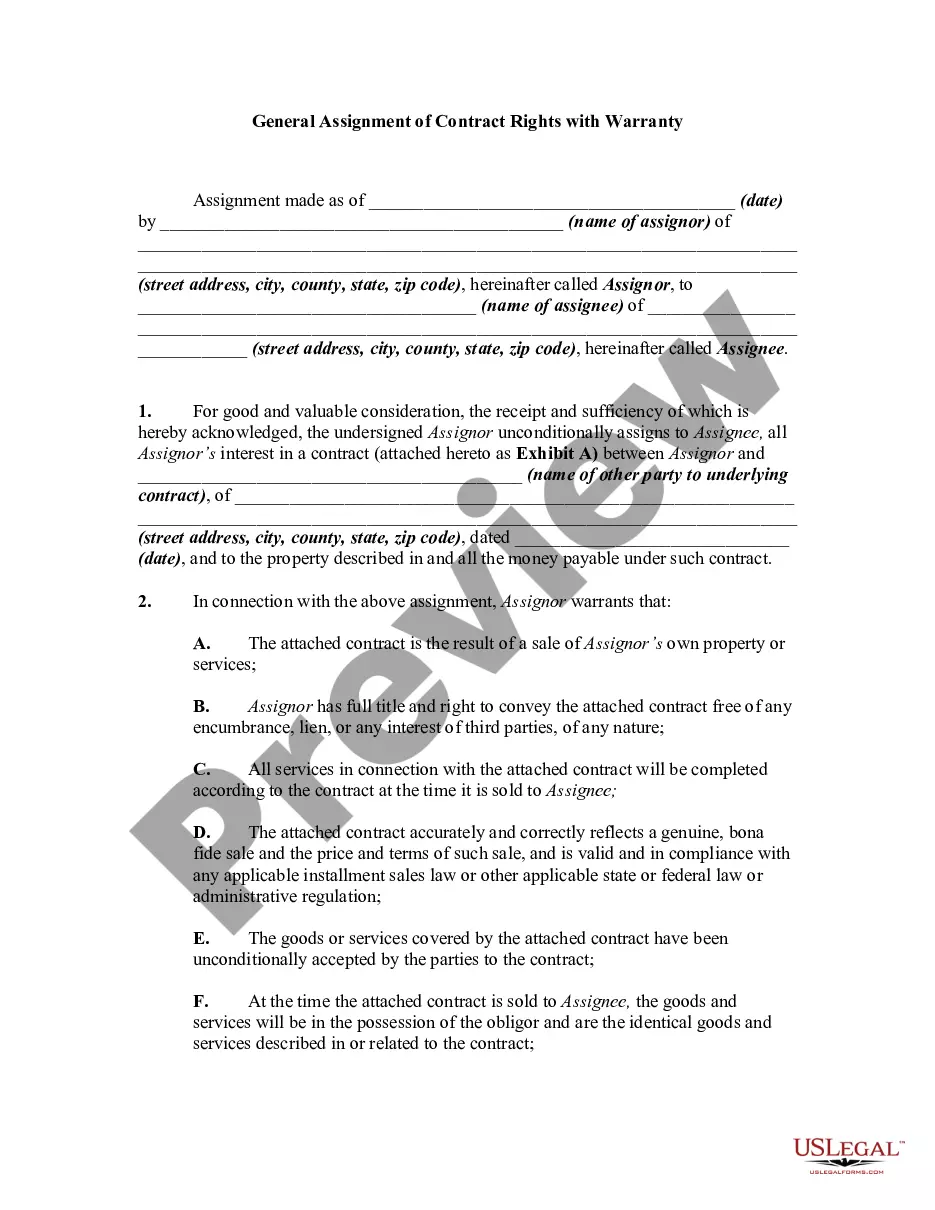
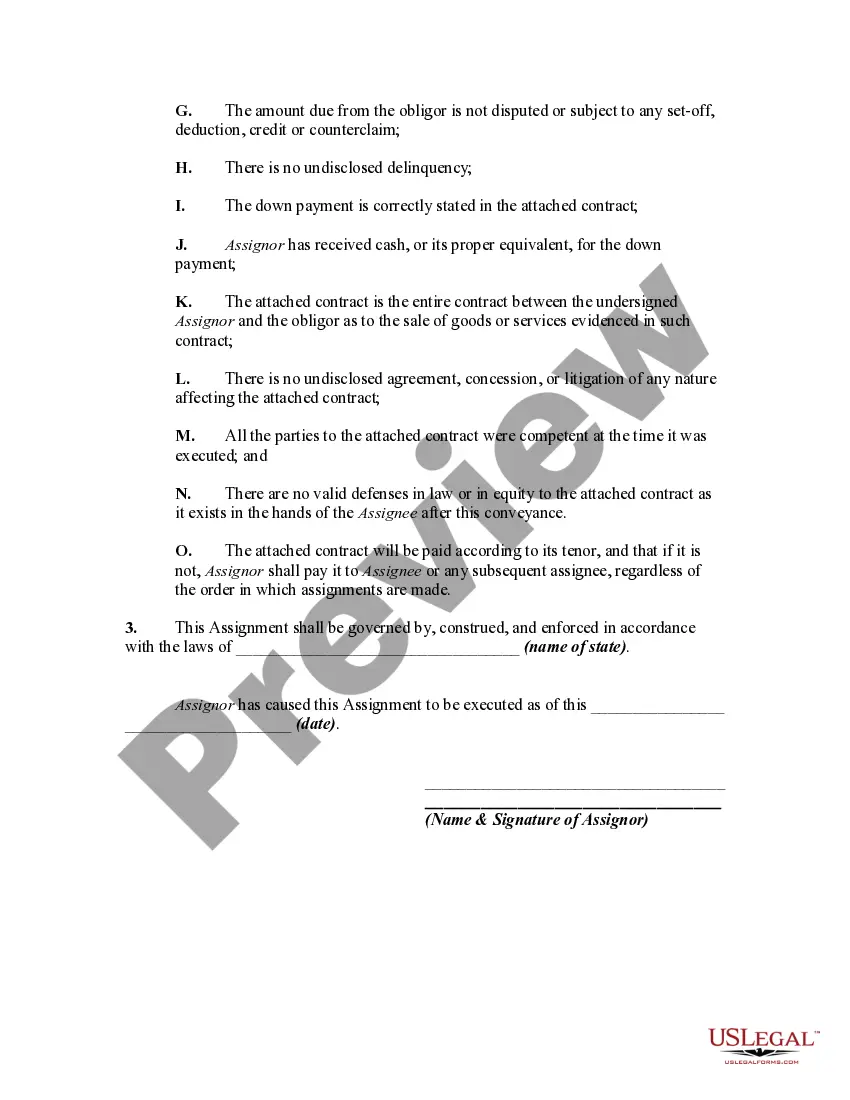
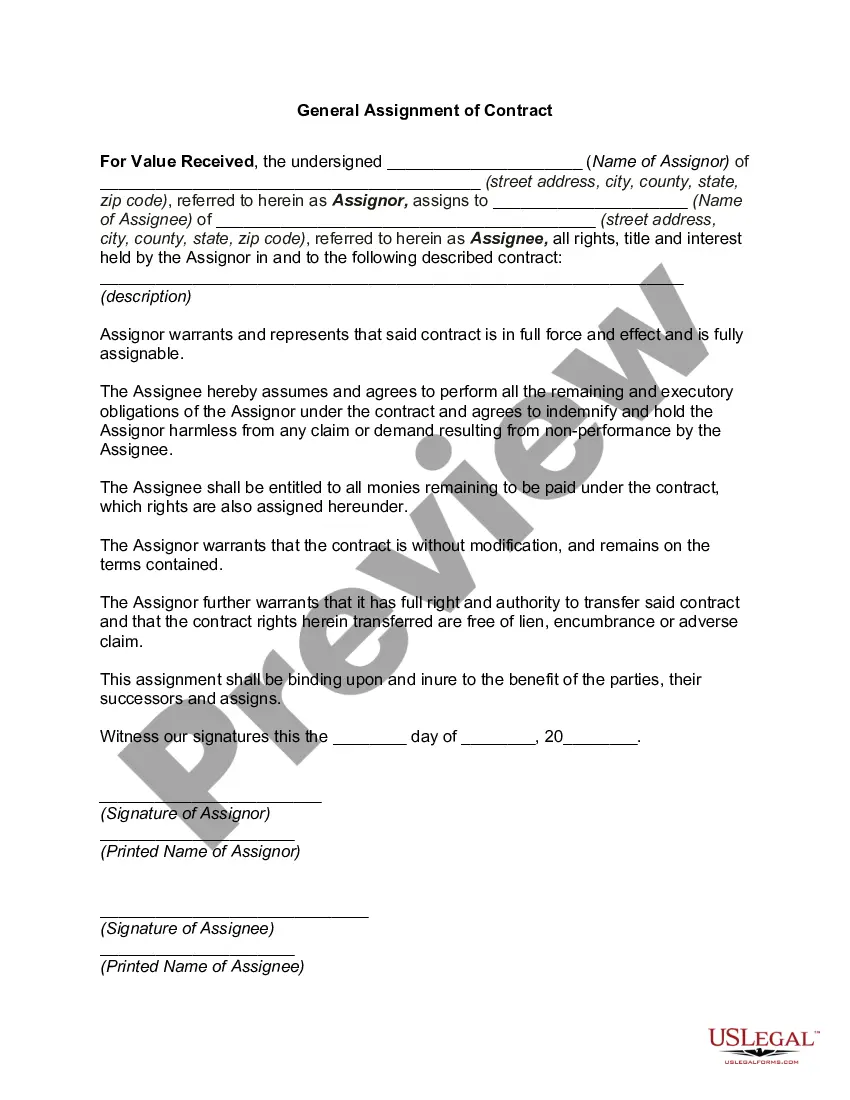
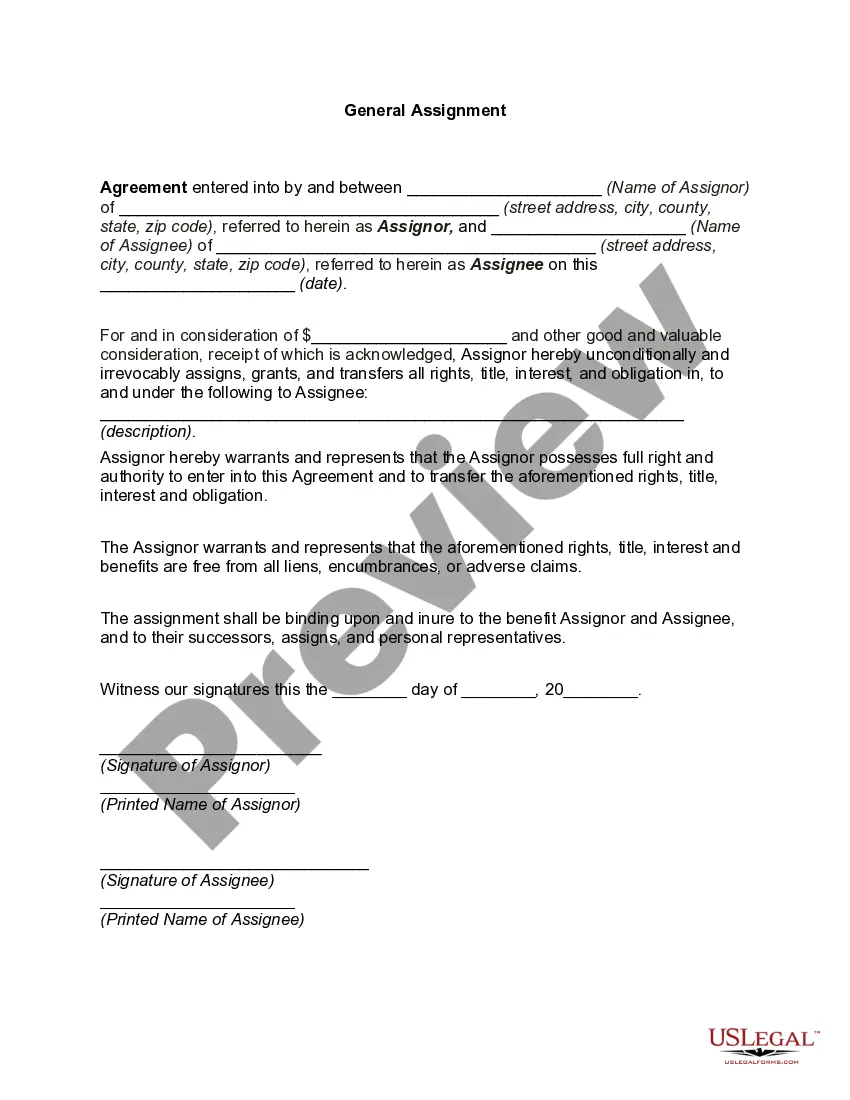
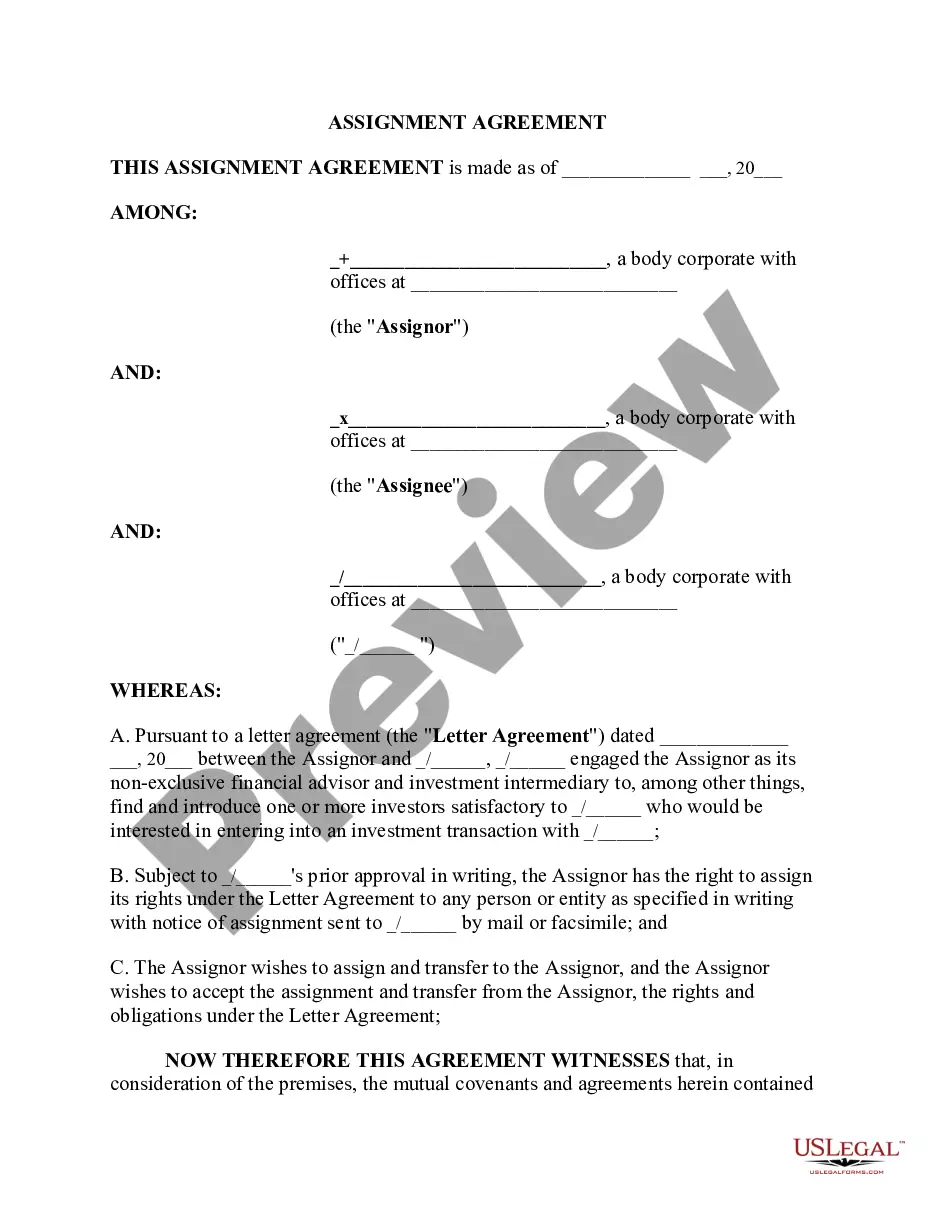
The General Assignment of Contract Rights with Warranty is a legal document used to transfer rights or interests from one party (the Assignor) to another (the Assignee) in relation to an existing contract. This form ensures that the Assignee receives all rights associated with the contract and includes warranties from the Assignor regarding the validity of the contract and the absence of encumbrances. Unlike other forms of assignment, this document includes important warranties, making it ideal for parties seeking security in the assignment process.
Key parts of this document
- Date of assignment
- Names and addresses of the Assignor and Assignee
- Details of the original contract being assigned
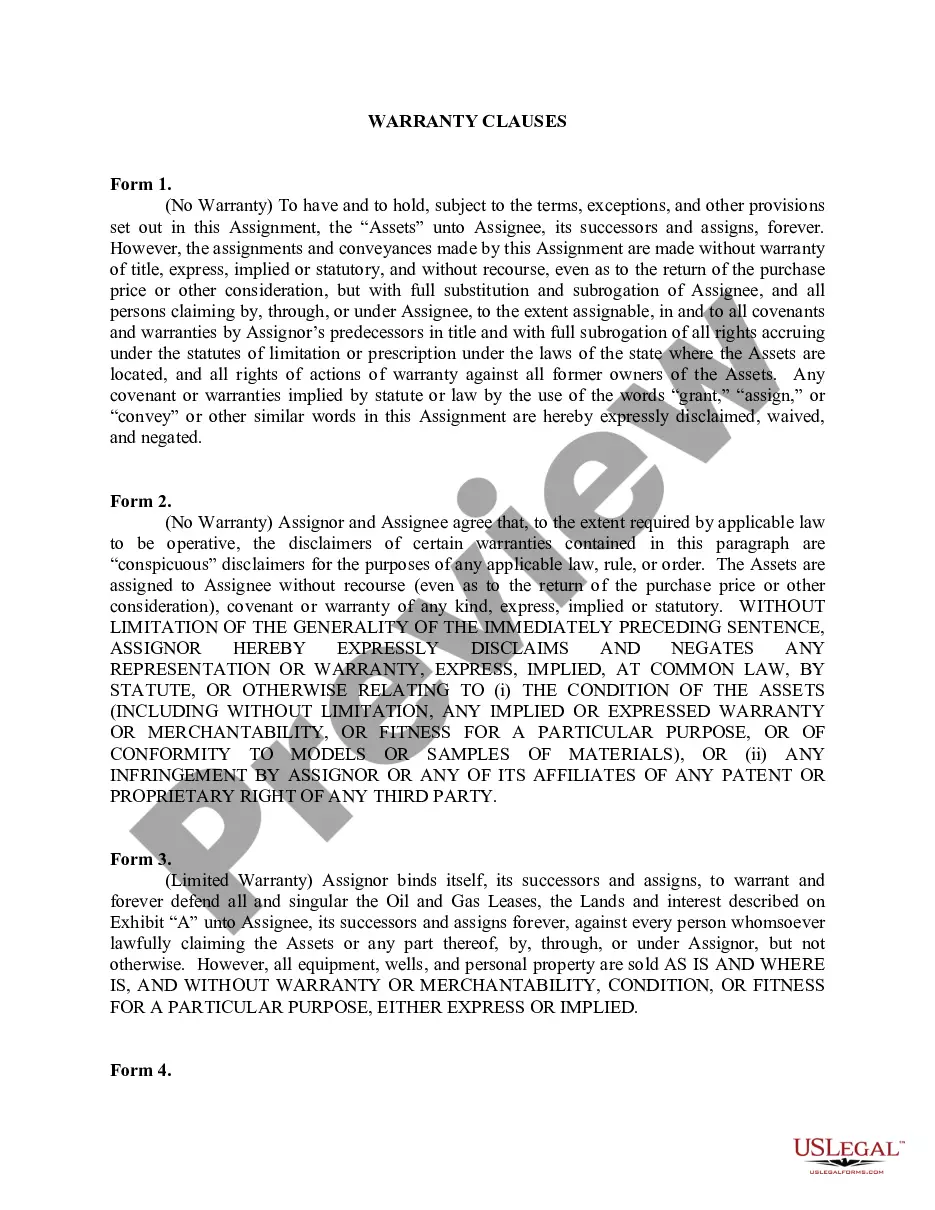
- Warranties provided by the Assignor about the contract
- Governing law clause
- Signatures of the Assignor
Situations where this form applies
This form is typically used when an individual or entity needs to transfer their rights in a contract to another party. Situations may include selling a business contract, transferring a lease, or assigning contractual obligations to another party. It is particularly useful when the Assignor wants to ensure the Assignee is protected from any issues regarding the validity or enforceability of the contract.
Who this form is for
This form is suitable for:
- Business owners transferring contractual rights
- Individuals looking to assign contracts for services or goods
- Individuals or entities requiring assurance on the contract's validity and warranties
Instructions for completing this form
- Identify and enter the date of the assignment.
- Fill in the names and addresses of both the Assignor and Assignee.
- Describe the original contract, including the date and names of the other parties involved.
- Complete the warranties section to assert the rights and obligations related to the contract.
- Sign and date the assignment to make it legally binding.
Does this form need to be notarized?
This form does not typically require notarization to be legally valid. However, some jurisdictions or document types may still require it. US Legal Forms provides secure online notarization powered by Notarize, available 24/7 for added convenience.
Get your form ready online
Our built-in tools help you complete, sign, share, and store your documents in one place.
Make edits, fill in missing information, and update formatting in US Legal Forms—just like you would in MS Word.
Download a copy, print it, send it by email, or mail it via USPS—whatever works best for your next step.
Sign and collect signatures with our SignNow integration. Send to multiple recipients, set reminders, and more. Go Premium to unlock E-Sign.
If this form requires notarization, complete it online through a secure video call—no need to meet a notary in person or wait for an appointment.
We protect your documents and personal data by following strict security and privacy standards.

Make edits, fill in missing information, and update formatting in US Legal Forms—just like you would in MS Word.

Download a copy, print it, send it by email, or mail it via USPS—whatever works best for your next step.

Sign and collect signatures with our SignNow integration. Send to multiple recipients, set reminders, and more. Go Premium to unlock E-Sign.

If this form requires notarization, complete it online through a secure video call—no need to meet a notary in person or wait for an appointment.

We protect your documents and personal data by following strict security and privacy standards.
Typical mistakes to avoid
- Failing to properly identify the parties involved in the assignment.
- Not including all necessary warranties, which can lead to disputes later.
- Omitting the governing law section, which is critical for legal enforcement.
Benefits of completing this form online
- Easy to download and print, allowing for quick access.
- Editable fields make it simple to customize according to specific needs.
- Drafted by licensed attorneys, ensuring legal reliability.
Legal use & context
- The form is enforceable as long as it contains clear language indicating the intent to assign.
- Warranties provided help protect the Assignee from potential legal issues.
Quick recap
- The General Assignment of Contract Rights with Warranty facilitates the transfer of rights in a contract.
- It includes important protections for the Assignee through warranties provided by the Assignor.
- This form is versatile and applicable across multiple jurisdictions, but state laws should always be reviewed for specific requirements.
Looking for another form?



Form popularity
FAQ
Assignment is valid even though there is an anti-assignment provision, unless it substantially changes the obligor's duty or risk or prohibited by law. what makes the assignment ineffective? if the clause provides that any attempt to assign will be VOID.
An assignment of rights agreement refers to a situation in which one party, known as the assignor, shifts contract rights to another party. The party taking on the rights is known as the assignee.
Primary tabs. Assignment is a legal term whereby an individual, the assignor, transfers rights, property, or other benefits to another known as the assignee. This concept is used in both contract and property law. The term can refer to either the act of transfer or the rights/property/benefits being transferred.
An assignable contract has a provision allowing the holder to give away the obligations and rights of the contract to another party or person before the contract's expiration date. The assignee would be entitled to take delivery of the underlying asset and receive all of the benefits of that contract before its expiry.
The right or benefit being assigned may be a gift (such as a waiver) or it may be paid for with a contractual consideration such as money. The rights may be vested or contingent, and may include an equitable interest. Mortgages and loans are relatively straightforward and amenable to assignment.
An assignment of contract occurs when one party to an existing contract (the "assignor") hands off the contract's obligations and benefits to another party (the "assignee"). Ideally, the assignor wants the assignee to step into his shoes and assume all of his contractual obligations and rights.
Under an assignment, one party (the assignor) keeps performing their obligations under the contract, but transfers some or all rights to a third party (the assignee).The main point to remember is that you cannot assign obligations under a contract to another party you can only assign your benefits or rights.
An assignment of rights agreement refers to a situation in which one party, known as the assignor, shifts contract rights to another party. The party taking on the rights is known as the assignee.