Confidential Job Offer to Executive
About this form
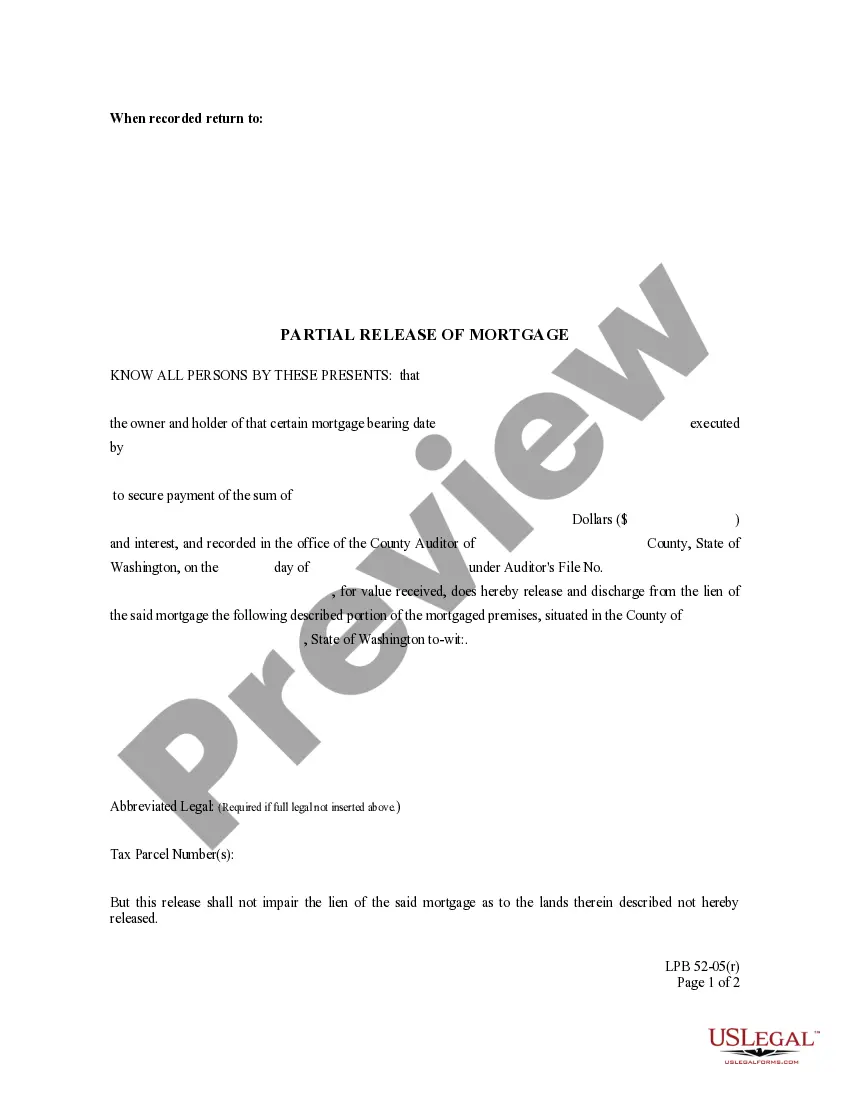
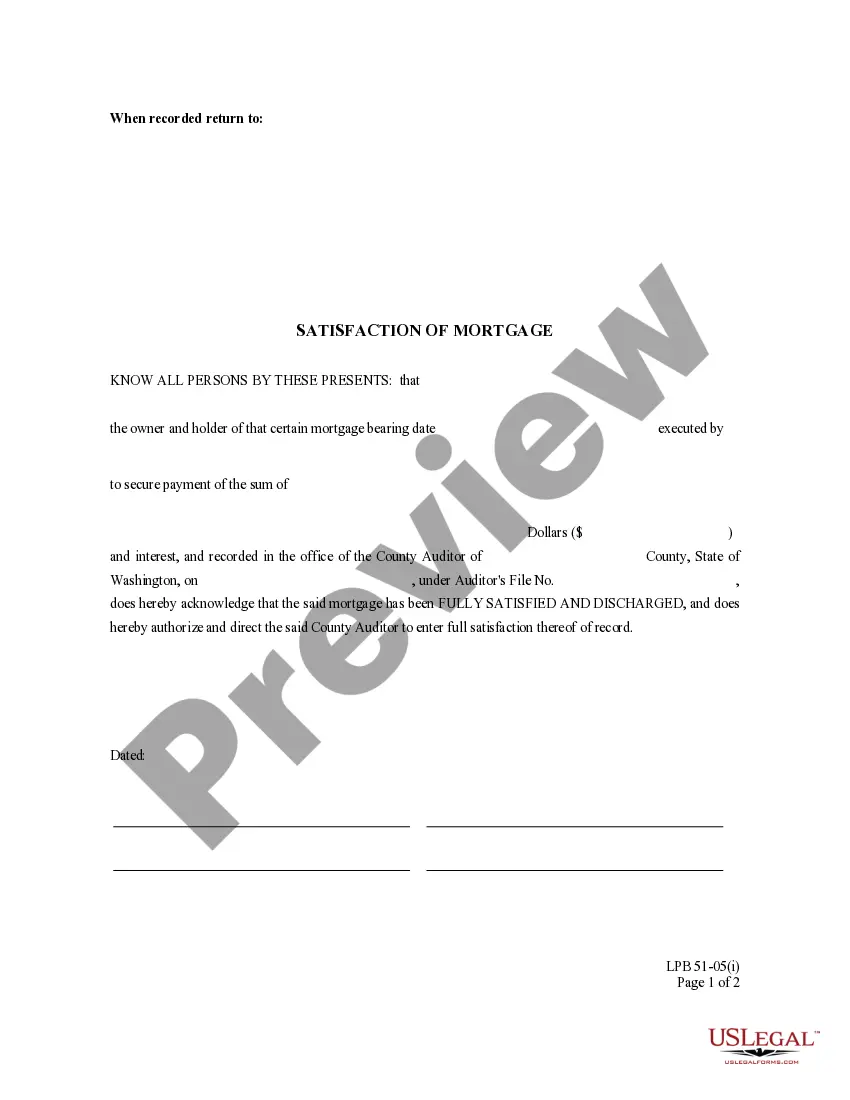
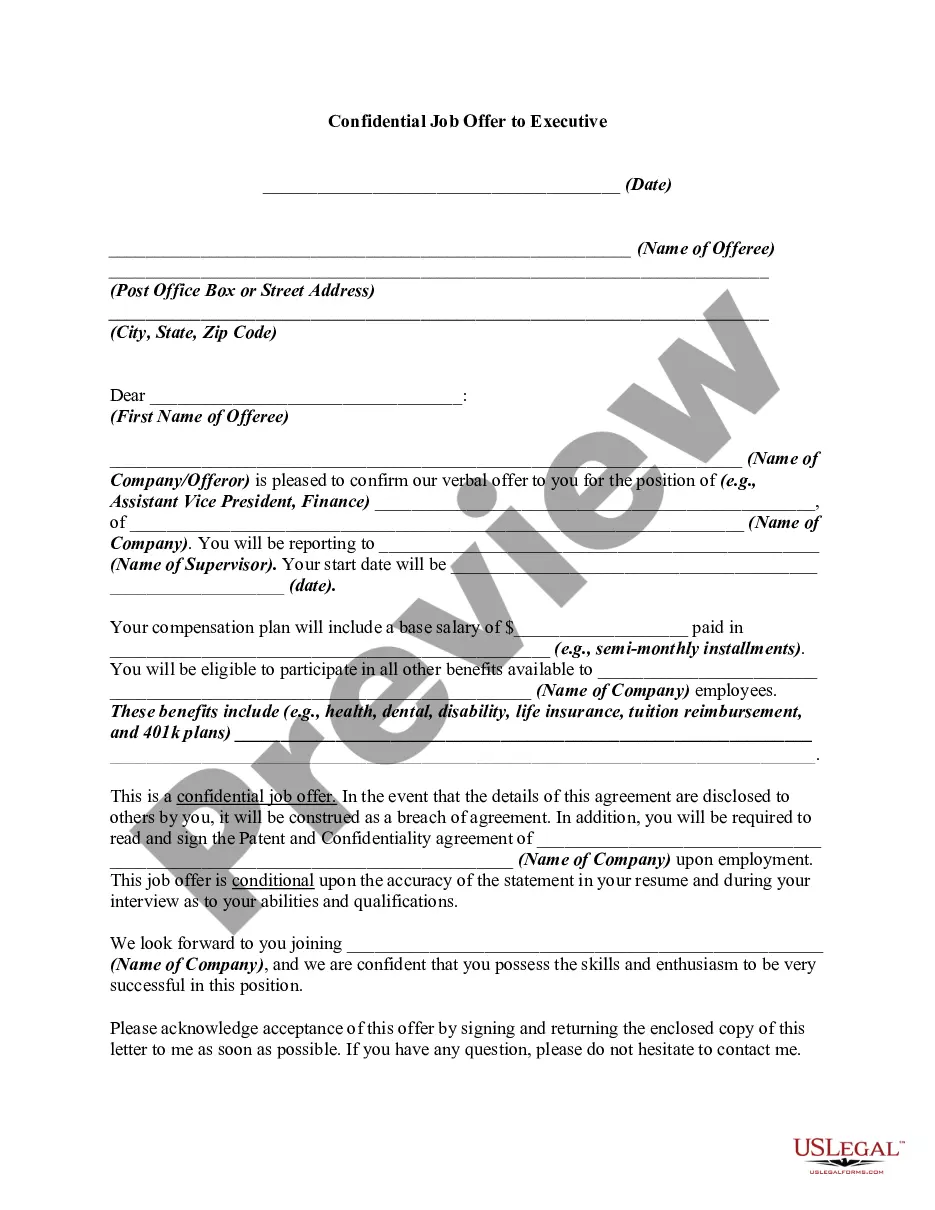
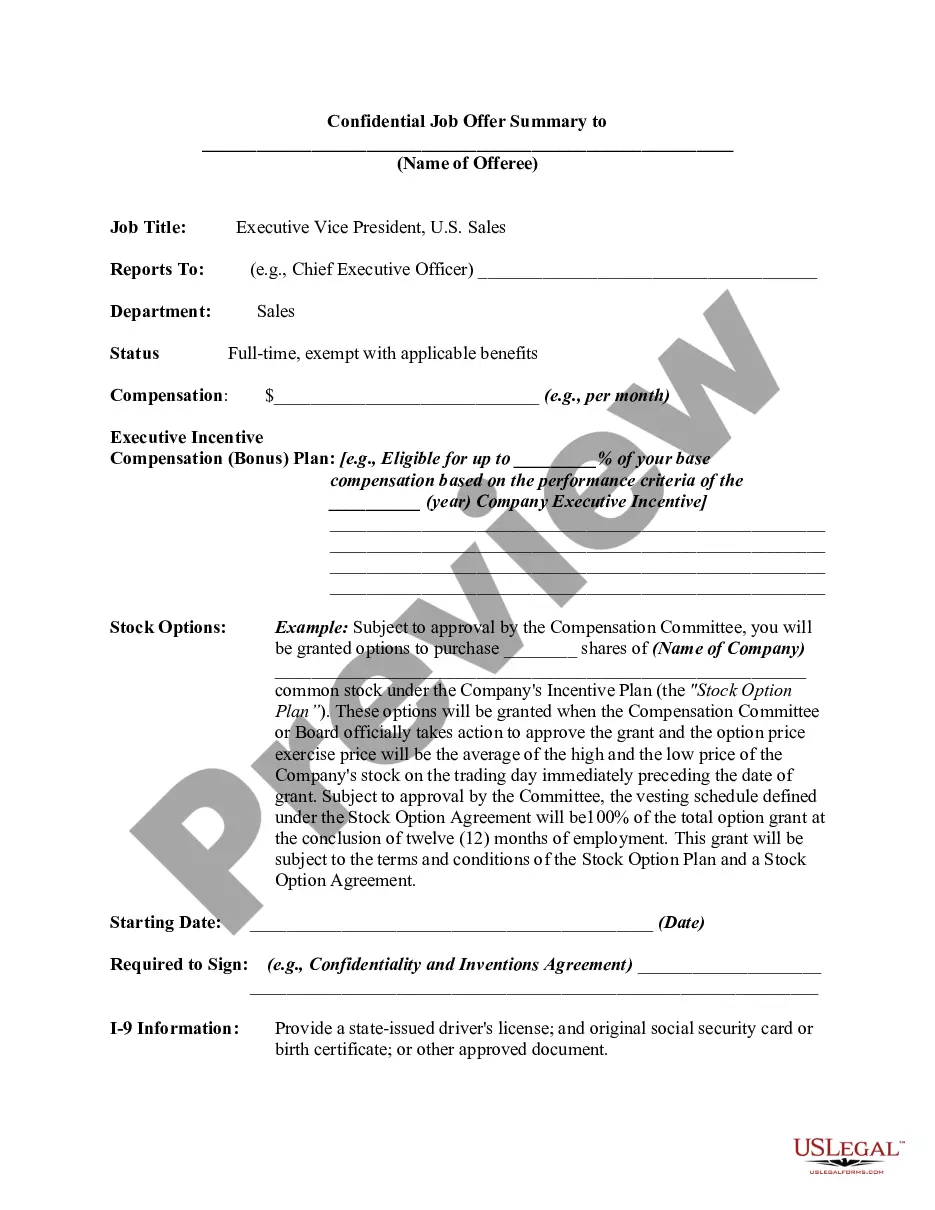
The Confidential Job Offer to Executive is a formal document used by employers to outline and confirm a job offer presented to an executive candidate. This form is essential for ensuring clear communication regarding the job position, compensation, and conditions related to the offer, differentiating it from standard job offers by emphasizing confidentiality and specific conditions of acceptance.
What’s included in this form
- Date of the offer
- Name and address of the offeree
- Position title and reporting supervisor
- Start date of employment
- Compensation details
- Confidentiality clause
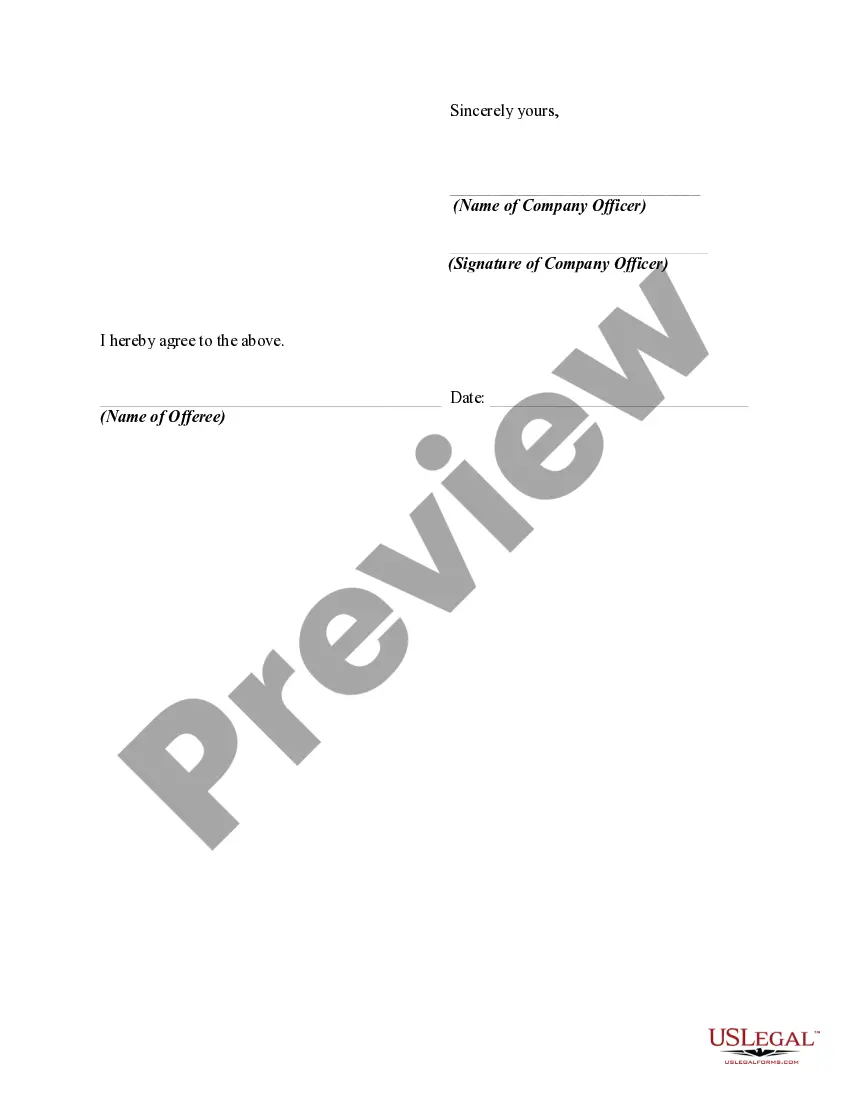
- Signature section for acceptance

When to use this document
This form should be used when an employer is ready to formally offer an executive position to a candidate. It is particularly important in situations where discretion is required, and the employer wishes to protect sensitive information regarding the offer and the terms surrounding it.
Who this form is for
This form is intended for:
- Employers or hiring managers offering executive positions.
- Human resources professionals involved in the hiring process.
- Candidates who receive a job offer and need to understand the terms before acceptance.
Completing this form step by step
Follow these steps to complete the form:
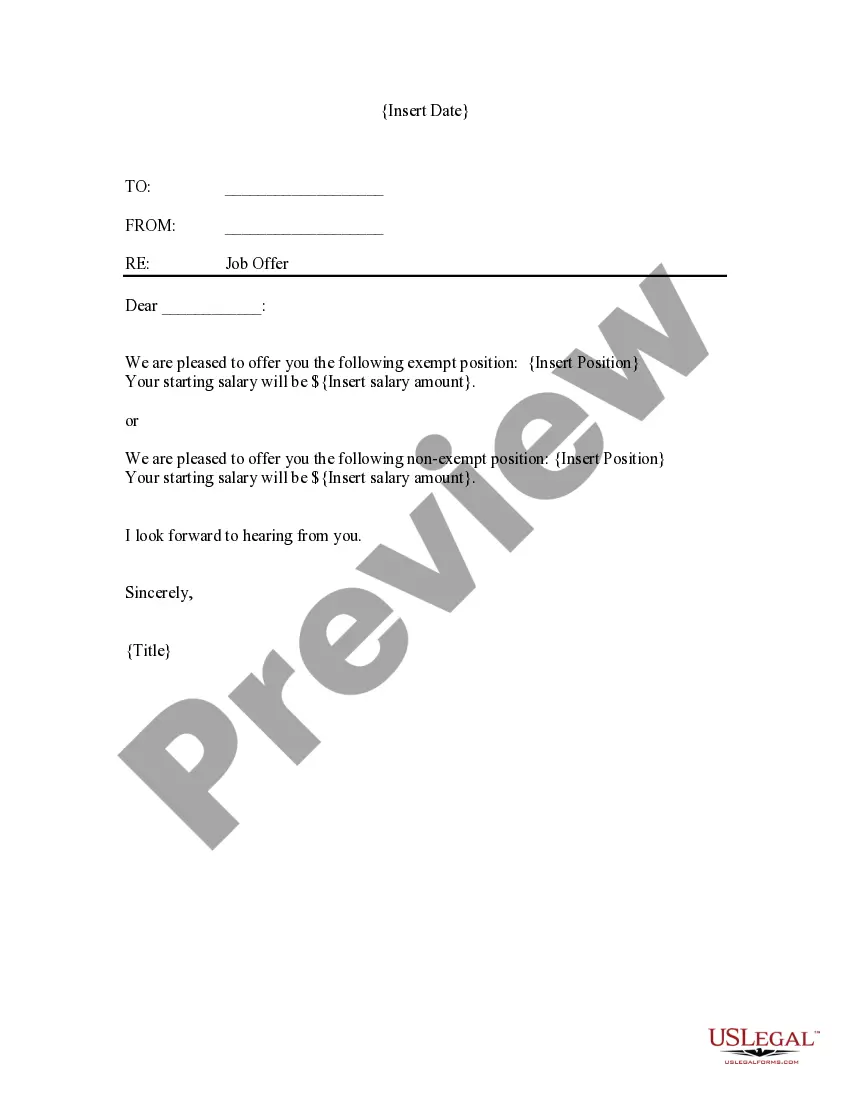
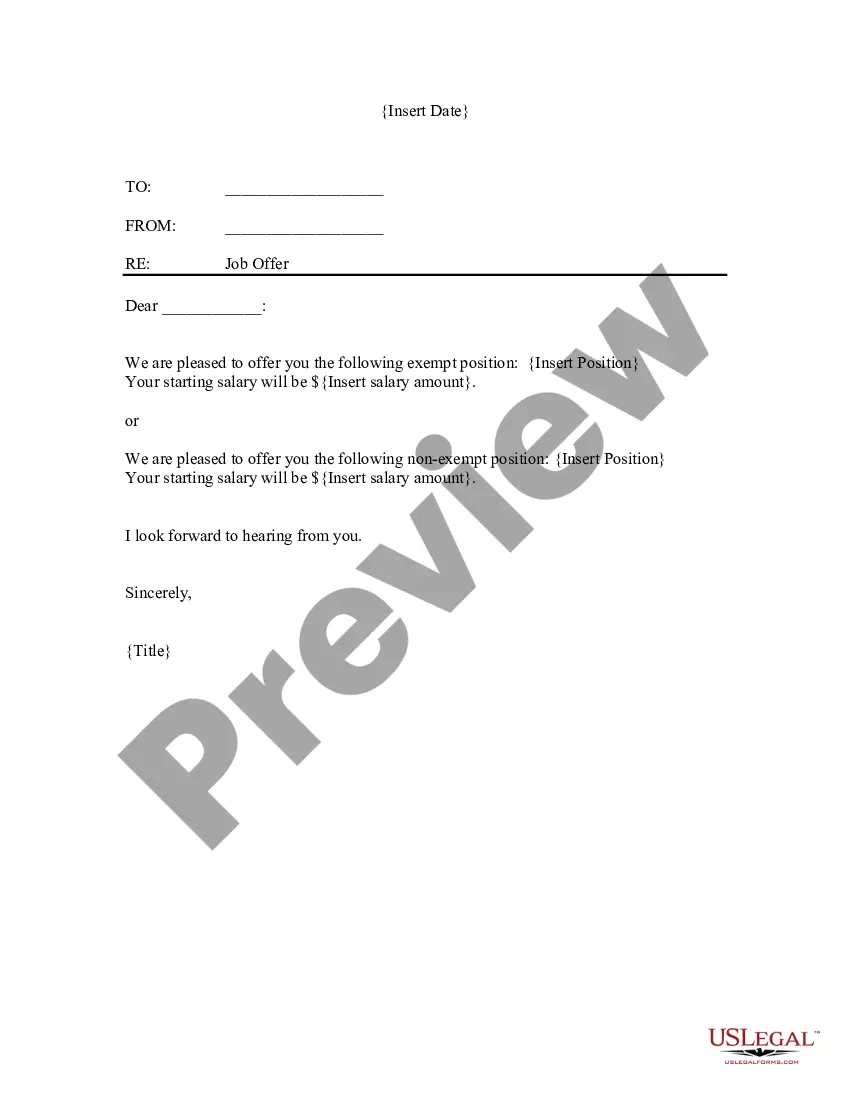
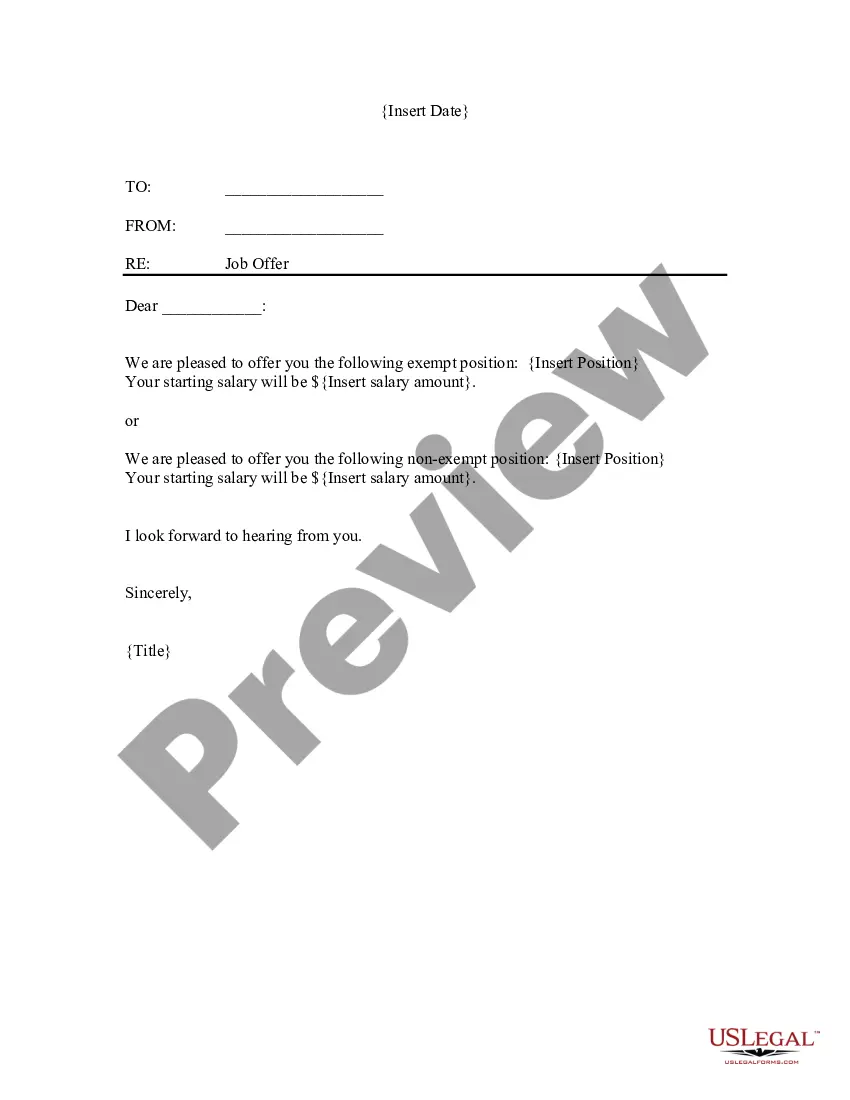
- Enter the date of the offer at the top.
- Fill in the name and address of the offeree.
- Specify the job title and the name of the supervisor.
- Indicate the start date of employment.
- Outline the compensation plan and associated benefits.
- Ensure the offeree acknowledges the confidentiality clause and signs at the bottom.
Does this document require notarization?
This form does not typically require notarization unless specified by local law. However, it is recommended to consult legal guidance if there are state-specific requirements regarding the notarization of employment contracts.
Get your form ready online
Our built-in tools help you complete, sign, share, and store your documents in one place.
Make edits, fill in missing information, and update formatting in US Legal Forms—just like you would in MS Word.
Download a copy, print it, send it by email, or mail it via USPS—whatever works best for your next step.
Sign and collect signatures with our SignNow integration. Send to multiple recipients, set reminders, and more. Go Premium to unlock E-Sign.
If this form requires notarization, complete it online through a secure video call—no need to meet a notary in person or wait for an appointment.
We protect your documents and personal data by following strict security and privacy standards.

Make edits, fill in missing information, and update formatting in US Legal Forms—just like you would in MS Word.

Download a copy, print it, send it by email, or mail it via USPS—whatever works best for your next step.

Sign and collect signatures with our SignNow integration. Send to multiple recipients, set reminders, and more. Go Premium to unlock E-Sign.

If this form requires notarization, complete it online through a secure video call—no need to meet a notary in person or wait for an appointment.

We protect your documents and personal data by following strict security and privacy standards.
Common mistakes to avoid
- Failing to include important details such as the position title or salary.
- Not specifying the reporting structure, which can lead to confusion.
- Omitting the confidentiality agreement requirement.
- Incorrectly stating the date of the offer or start date.
Why use this form online
- Convenience of downloading and editing the form online.
- Access to legally vetted templates created by attorneys.
- Quickly customize the form to fit the specific terms of your offer.
- Easy to save and share in a secure digital format.
- This form serves as a legal proof of the job offer, detailing the conditions and terms agreed upon.
- The confidentiality clause ensures that sensitive information remains protected.
- It is advisable for both parties to maintain a signed copy for their records to avoid potential disputes.
Key takeaways
- The Confidential Job Offer to Executive is crucial for formalizing job offers in a confidential manner.
- Thoroughly fill out all sections to prevent misunderstandings.
- Consult legal professionals if unsure about specific state requirements.
Looking for another form?


Form popularity
FAQ
Is it legal for a candidate to lie and say that he/she has a competing job offer? There's nothing "illegal" about lying during any interview process in the civilian world; though if it's later discovered, there's also nothing "illegal" about them firing you for the misrepresentation.
Your job offers aren't confidential -- or at least they shouldn't be. As a candidate, it's up to you what you disclose and to whom. This isn't a question of ethics. Your job offers aren't confidential -- or at least they shouldn't be.
State your understanding of his/her need for time to consider the offer. Discuss timeframe the candidate needs to make a decision. Agree on a specific date that the candidate will contact you regarding their decision. Confirm that the candidate has your contact information.
If they ask, just tell them what the company does in the most general terms, so that they know the kind of company that they're up against, but you certainly don't need to be specific. Or if you already told them that you'd forward the offer letter to them, you could simply say: "I'm sorry, but I changed my mind.
No matter where you upload your resume, you might also consider leaving off your current employer's name, says Goldwasser. Keep your current employer name as 'confidential,' she says. That way, if someone in your firm searches the company name, your resume won't come up.
Unfortunately, the answer is no. For the most part, employers can rescind a job offer for any reason or no reason at all, even after you've accepted their offer. So, what happens if you have already accepted a new job and the employer decides they don't want to hire you?
An offer letter is both a policy document and a legal contract.As per Indian Contract Act, a legally valid contract should be legally enforceable in nature and spirit.
Do It In Person. Do It Fast. Do It Yourself. Do It With Enthusiasm. Don't Base It On Current Compensation. Paint the Big Picture. Prepare Them to Expect (and Reject) A Counter-Offer. Stay In Touch.
Never ever show your current employer the offer that you have in hand.If you are willing to negotiate the salary with your current employer and want to stick with them if they offer the salary you are expected to get, then do that without disclosing the offer.