Request By Property Owner for Itemization of Lien Claim
Overview of this form
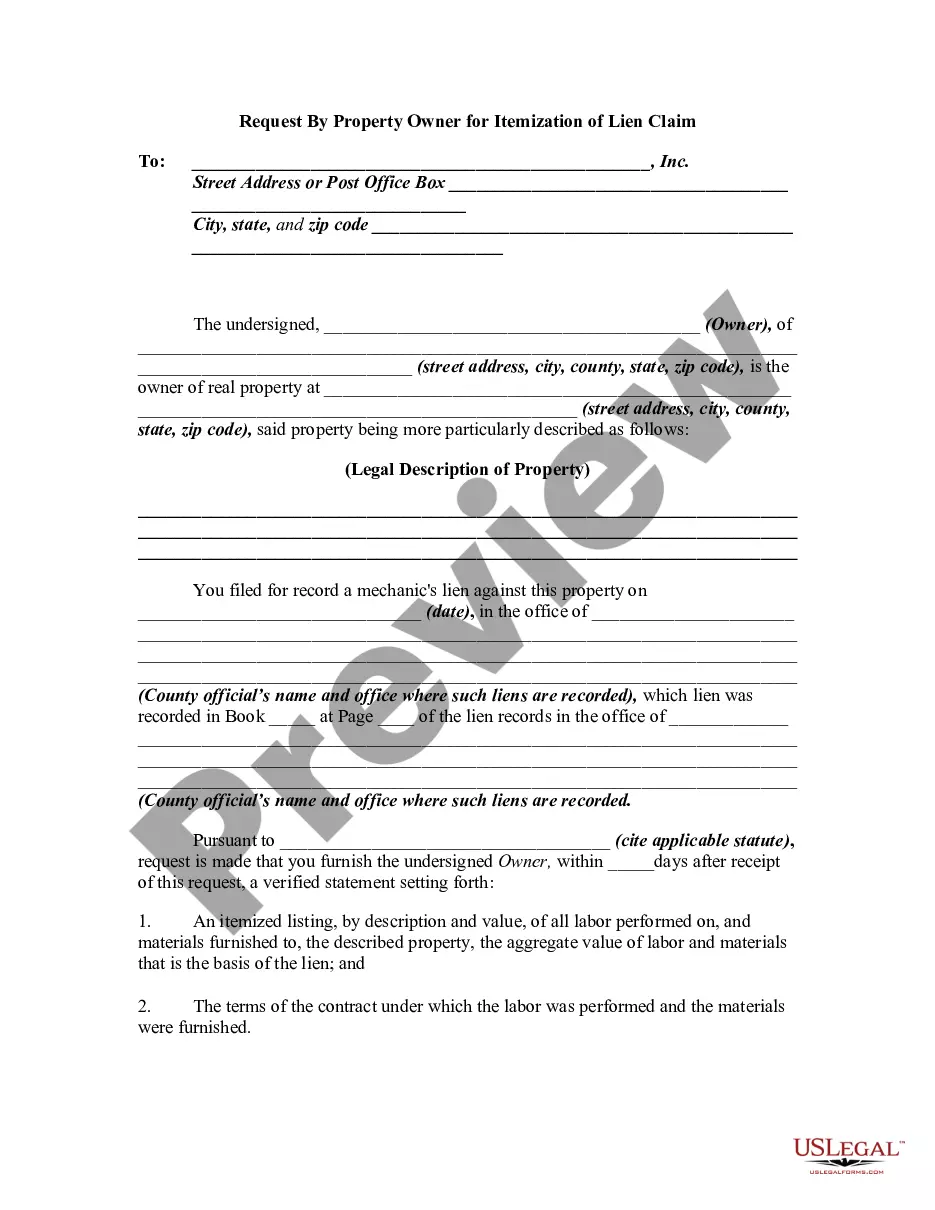
The Request By Property Owner for Itemization of Lien Claim is a legal document used by property owners to formally request an itemized statement from a lien claimant. This request clarifies the details of the work done and materials supplied, giving the owner a better understanding of the lien's basis. This form stands out from other lien-related documents by focusing specifically on obtaining detailed information from the claimant about their lien claim.
Key parts of this document
- Information identifying the lien claimant, including their name and address.
- Details about the property to which the lien applies, including its legal description.
- Reference to the mechanics lien, including the recording date and specifics on where it was filed.
- A request for an itemized list of labor and materials along with their values.
- Specification of the contract terms under which the labor and materials were provided.
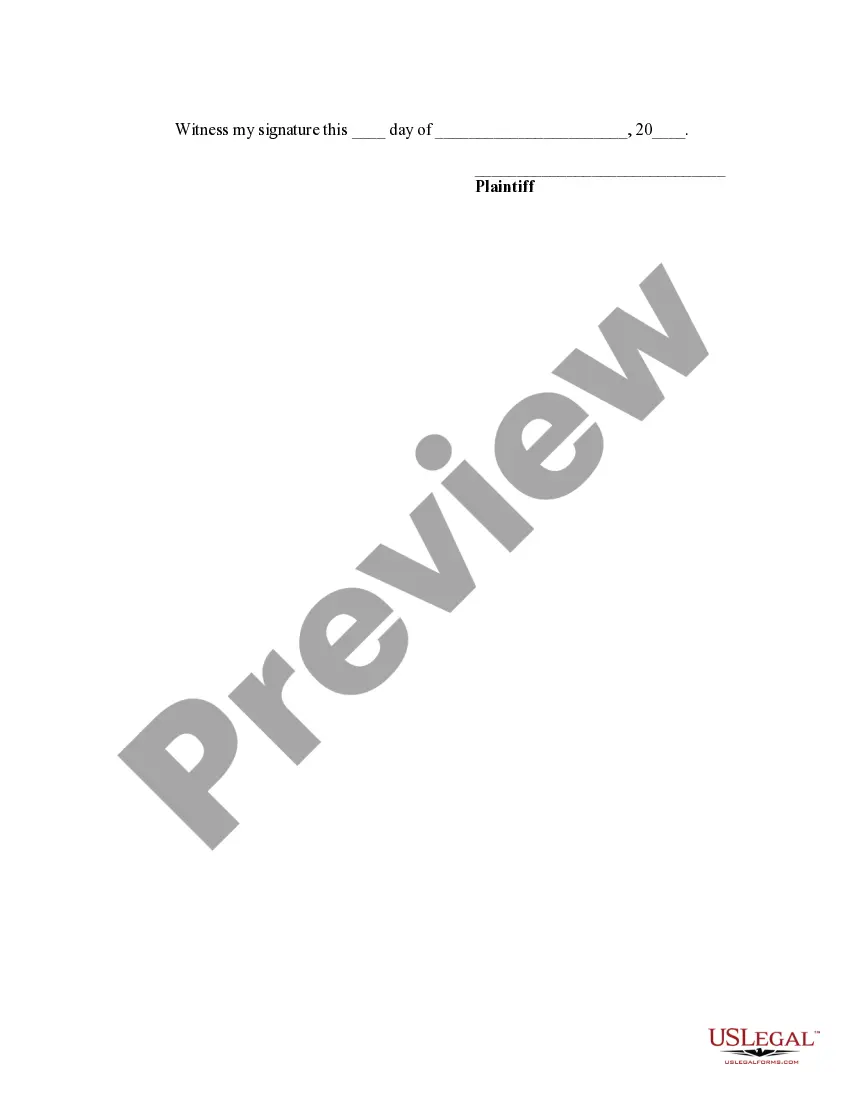
- Signature and date section for the property owner.
When to use this document
This form should be used when a property owner has received a mechanics lien against their property and requires additional details about the claim. It is particularly useful if the owner wishes to verify the accuracy of the lien, understand what labor and materials were included, or gauge their contractual obligations. Utilizing this form can also help in resolving disputes between property owners and contractors or suppliers.
Who should use this form
- Property owners who have received a mechanics lien against their property.
- Legal representatives assisting property owners in lien-related matters.
- Contractors or suppliers who wish to clarify details regarding their lien claims.
Steps to complete this form
- Enter the name and address of the lien claimant.
- Provide your name and address as the property owner.
- Specify the property address and include a detailed legal description.
- Fill in the date the mechanics lien was filed and provide all relevant recording office details.
- Request the itemized statement and term details, indicating a timeline for the response.
- Sign and date the form to validate your request.
Does this form need to be notarized?
In most cases, this form does not require notarization. However, some jurisdictions or signing circumstances might. US Legal Forms offers online notarization powered by Notarize, accessible 24/7 for a quick, remote process.
Get your form ready online
Our built-in tools help you complete, sign, share, and store your documents in one place.
Make edits, fill in missing information, and update formatting in US Legal Forms—just like you would in MS Word.
Download a copy, print it, send it by email, or mail it via USPS—whatever works best for your next step.
Sign and collect signatures with our SignNow integration. Send to multiple recipients, set reminders, and more. Go Premium to unlock E-Sign.
If this form requires notarization, complete it online through a secure video call—no need to meet a notary in person or wait for an appointment.
We protect your documents and personal data by following strict security and privacy standards.

Make edits, fill in missing information, and update formatting in US Legal Forms—just like you would in MS Word.

Download a copy, print it, send it by email, or mail it via USPS—whatever works best for your next step.

Sign and collect signatures with our SignNow integration. Send to multiple recipients, set reminders, and more. Go Premium to unlock E-Sign.

If this form requires notarization, complete it online through a secure video call—no need to meet a notary in person or wait for an appointment.

We protect your documents and personal data by following strict security and privacy standards.
Common mistakes
- Failing to provide complete property and claimant information.
- Not specifying the correct date that the lien was filed.
- Ignoring local laws and requirements that affect lien claims.
- Not signing or dating the form before submission.
Benefits of using this form online
- Convenience of accessing and completing the form from anywhere.
- Editability allows for easy updates and corrections.
- Reliability of using professionally drafted templates.
Legal use & context
- The form is legally recognized as a means to formally request lien itemization.
- Failure to respond to this request may affect the enforceability of a lien.
- This form aids in promoting transparency between property owners and lien claimants.
Looking for another form?

Form popularity
FAQ
Legally, an unpaid contractor, subcontractor or supplier can file a lien (sometimes called a mechanic's lien) that could eventually force the sale of your home in place of compensation.Conversely, if the contractor who worked on your project does not pay for materials, a supplier could place a lien on your property.
The simplest way to prevent liens and ensure that subcontractors and suppliers are paid is to pay with joint checks. This is when both parties endorse the check. Compare the contractor's materials or labor bill to the schedule of payments in your contract and the Preliminary Notices.
Fill out the appropriate mechanics lien form. (Lien form for Original Contractors Lien form for Subcontractors & Suppliers) Deliver your lien form to the county recorder office. Serve your lien on the property owner.
In Texas, you can attach a property lien to a debtor's real estate to collect a court judgment.A judgment lien is one way to ensure that the person who won the judgment (the creditor) gets what he or she is owed.
What Is a Mechanics' (Construction) Lien? When a contractor files a mechanics' (construction) lien on your home, the lien makes your home into what's called security for an outstanding debt, which the contractor claims is due and unpaid for services or materials.
Who you are. The services or materials you provided. The last date you provided the services or materials. How much payment should be. The date on which you will file a lien if you do not receive payment. How the debtor should pay.
Formalize a defense for disputing the amount of the lien. Gather supporting documentation for your rebuttal, depending on the type of lien. Contact the agent representing the creditor to dispute the amount of the claim. Negotiate a payment settlement with the creditor if you cannot pay the amount you owe in full.
Negotiate with the contractor who placed the lien (the "lienor" to remove it. Obtain a lien bond to discharge the lien, or. File a lawsuit to vacate the lien.