Lease of Supermarket - Real Estate Rental
What is this form?
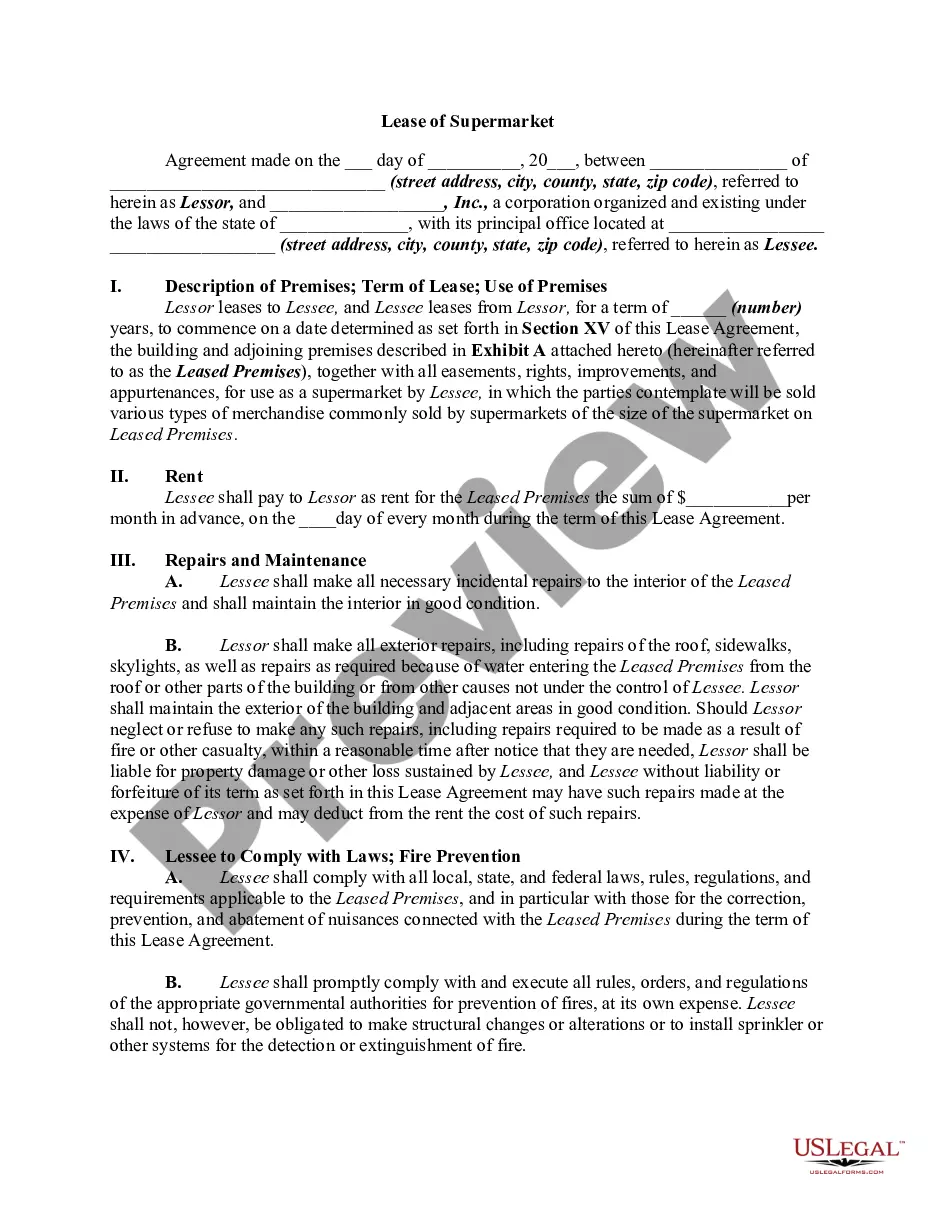
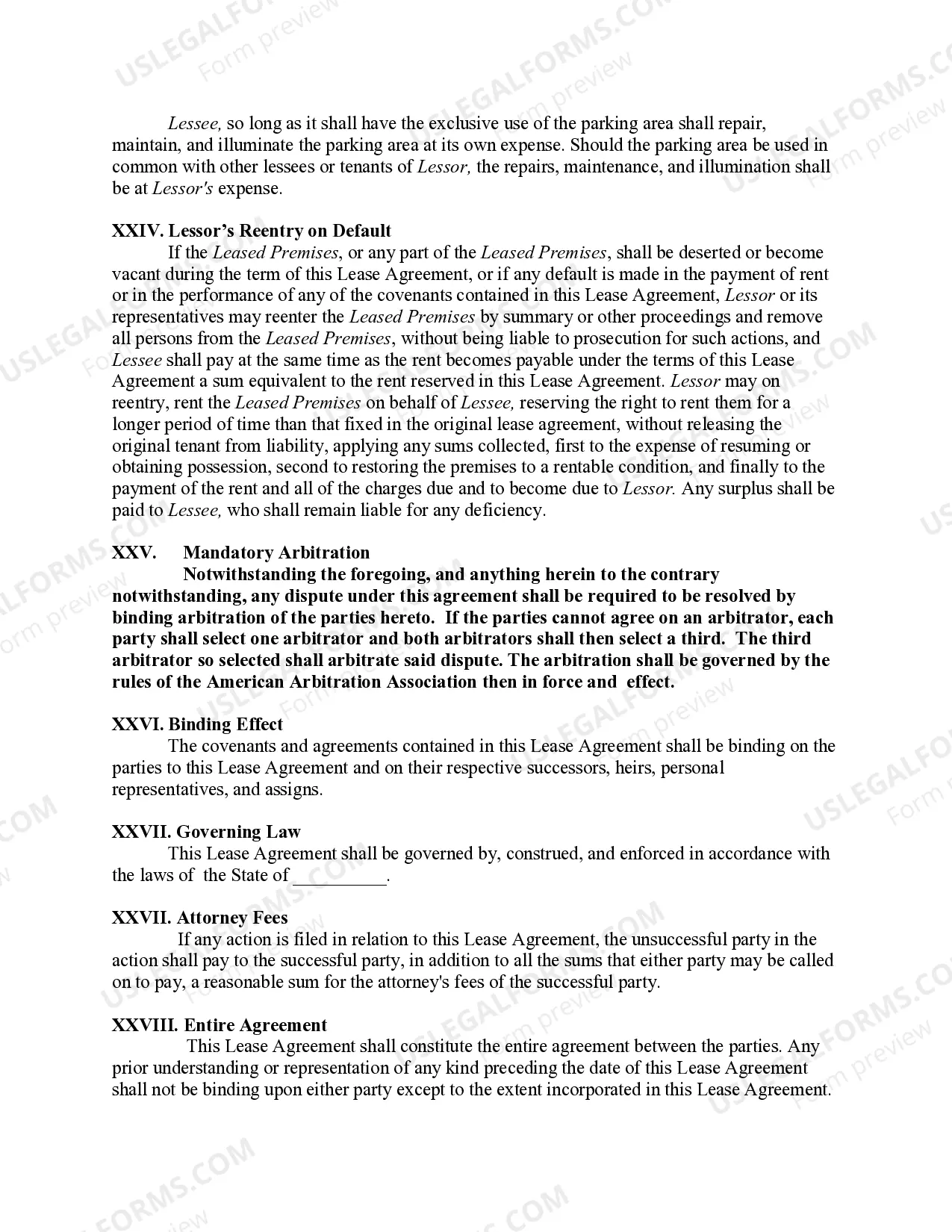
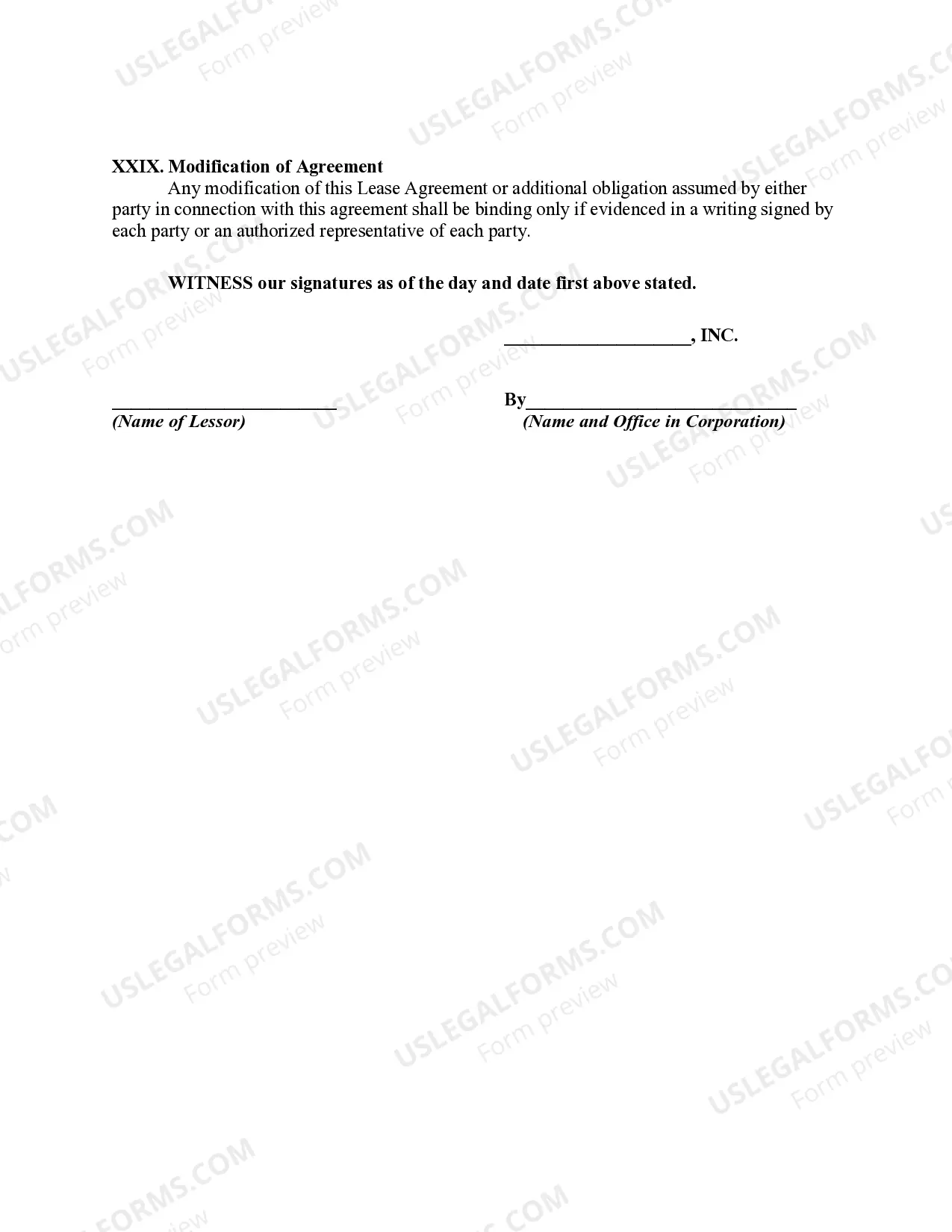
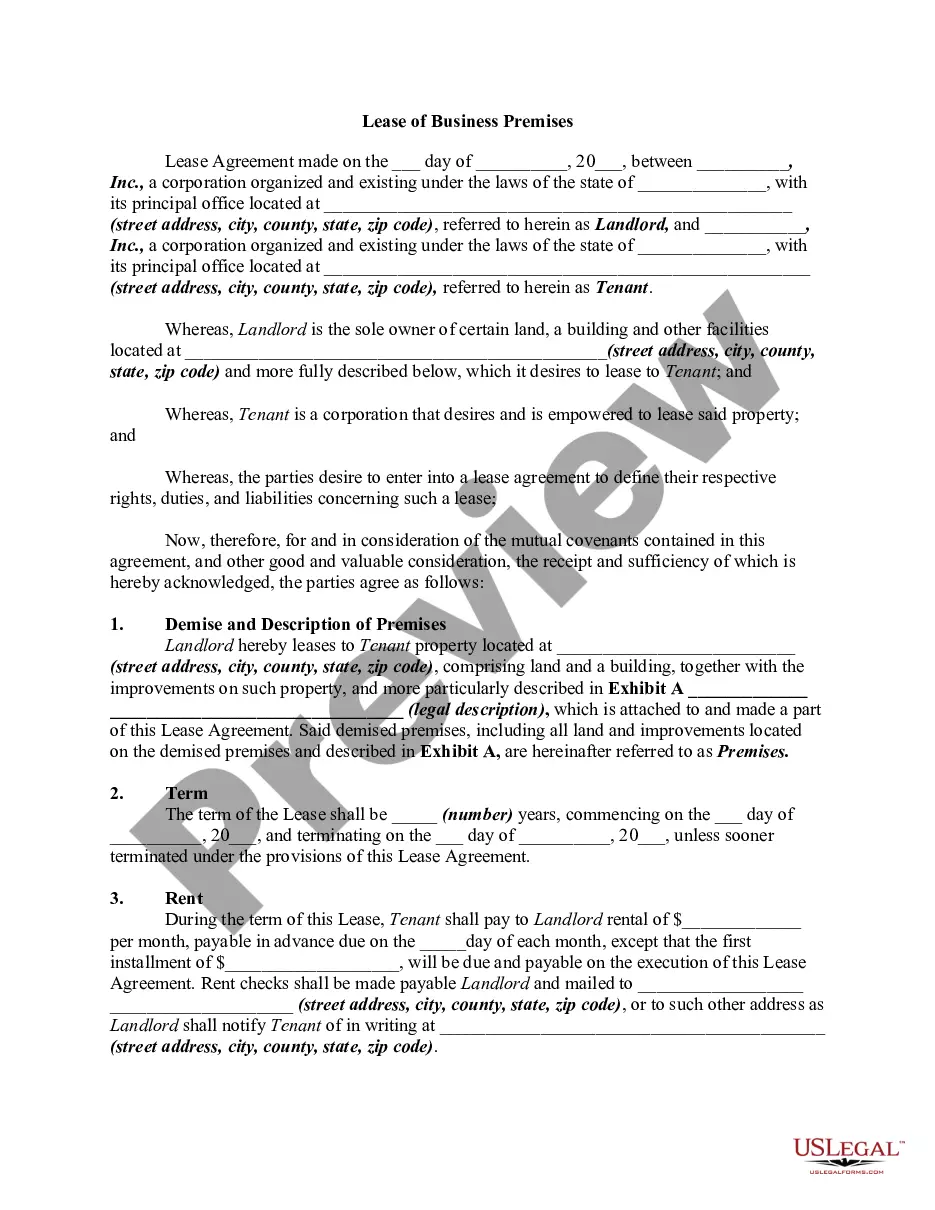
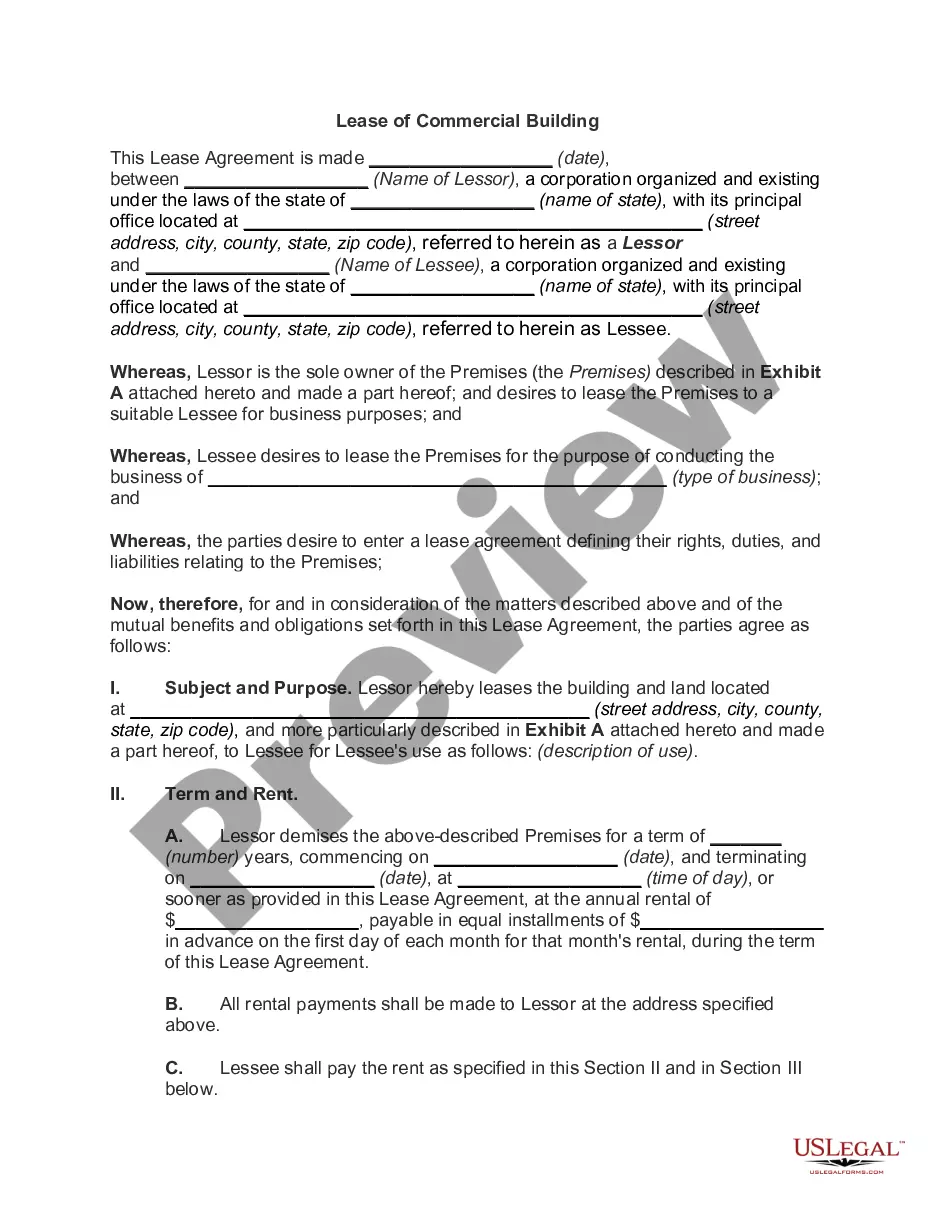
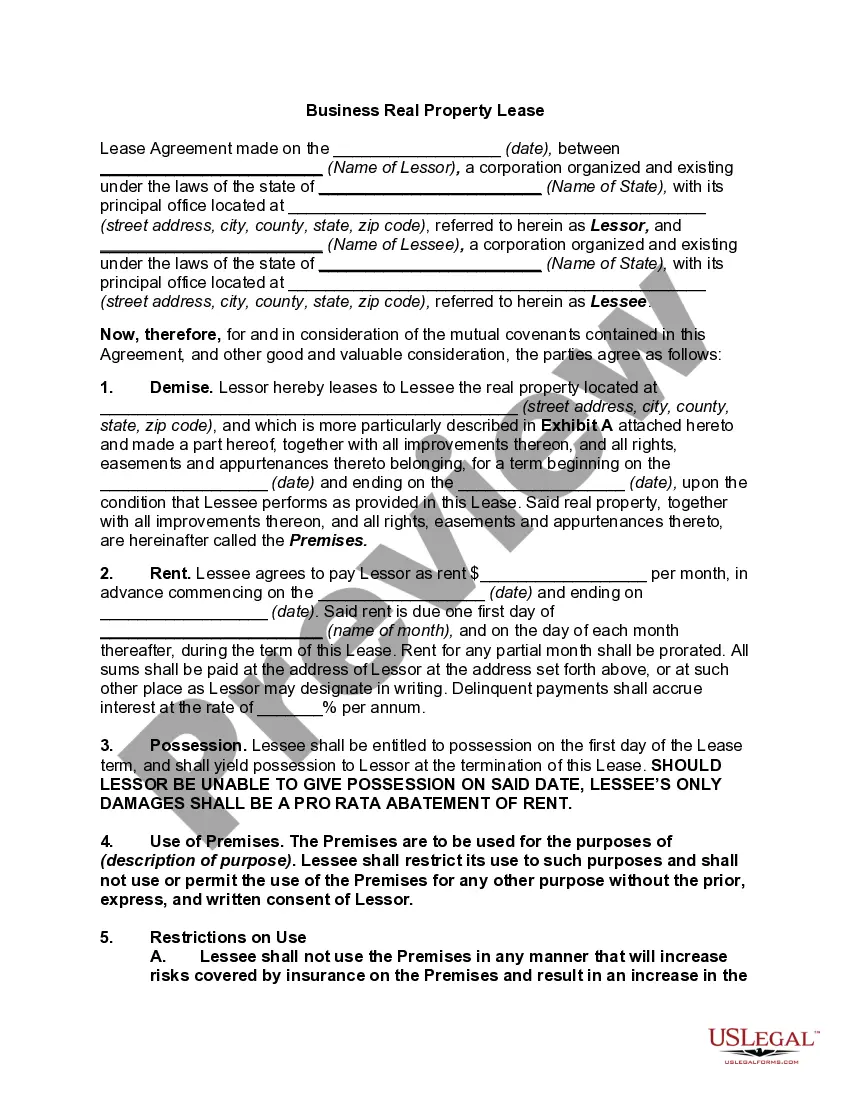
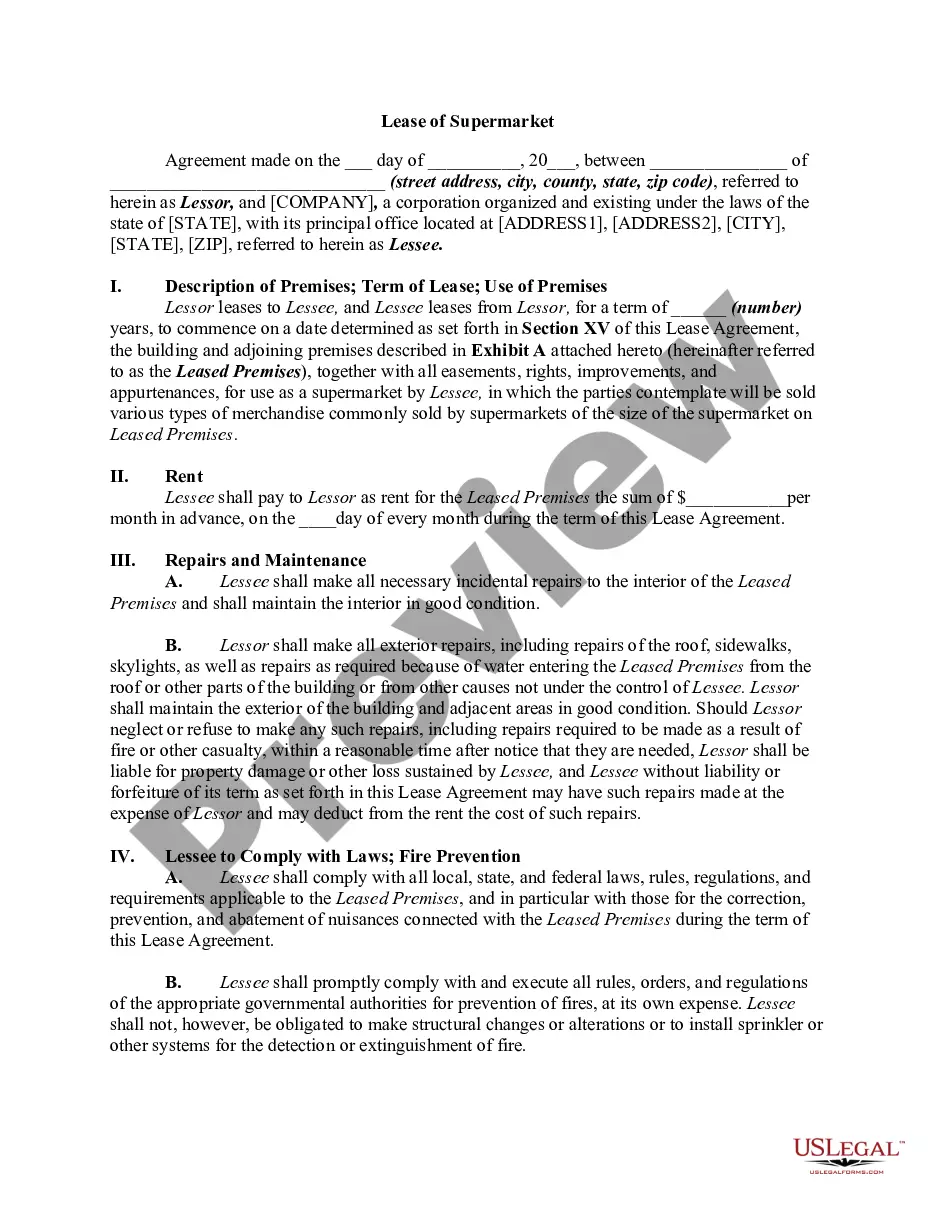
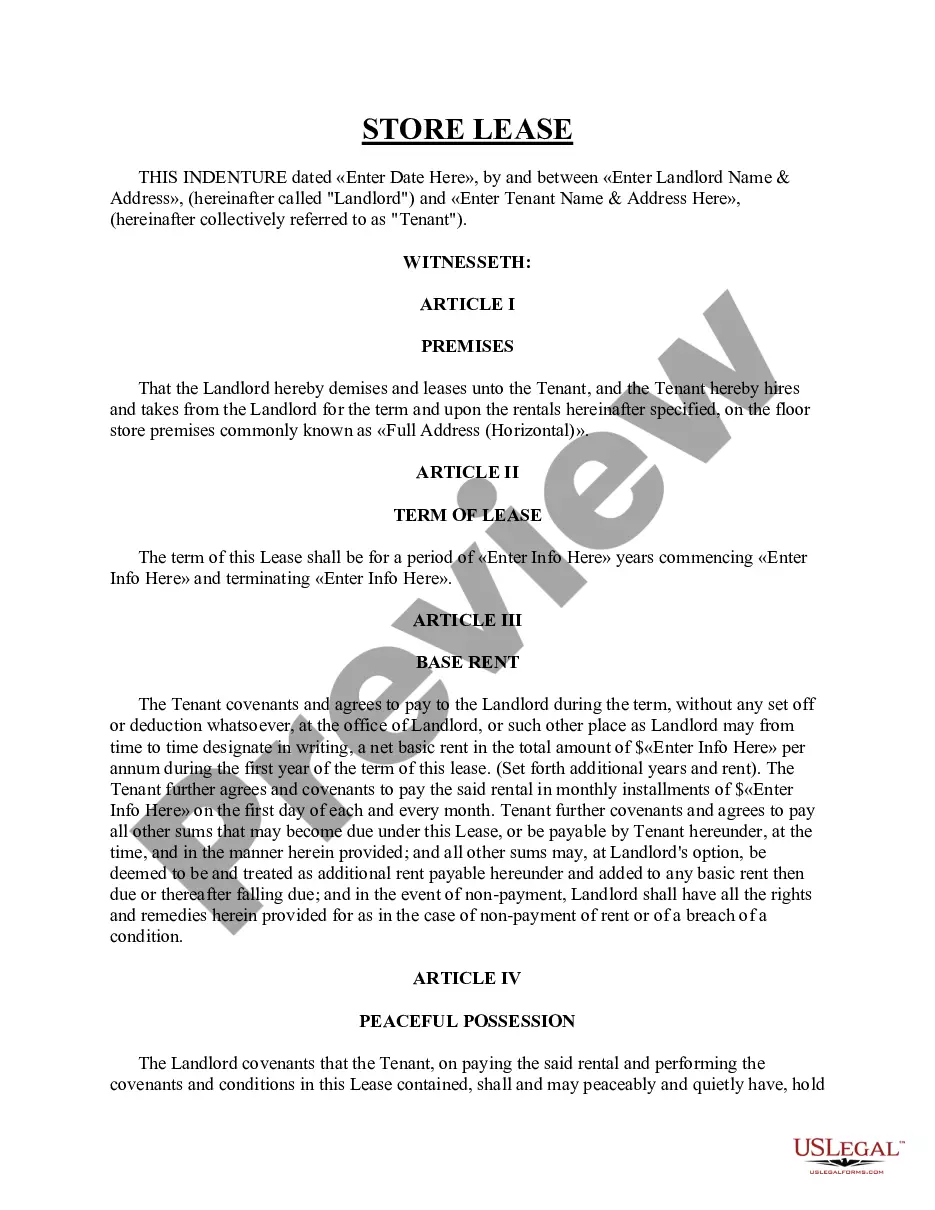
The Lease of Supermarket is a commercial lease agreement that allows a lessee to rent a property specifically designed for use as a supermarket. This form outlines the responsibilities, rights, and obligations of both the lessor and lessee in relation to the rental arrangement. It differs from standard residential leases due to its focus on a business operation and the specific terms associated with commercial property use.
Key components of this form
- Agreement Details: Identifies the parties involved and their respective addresses.
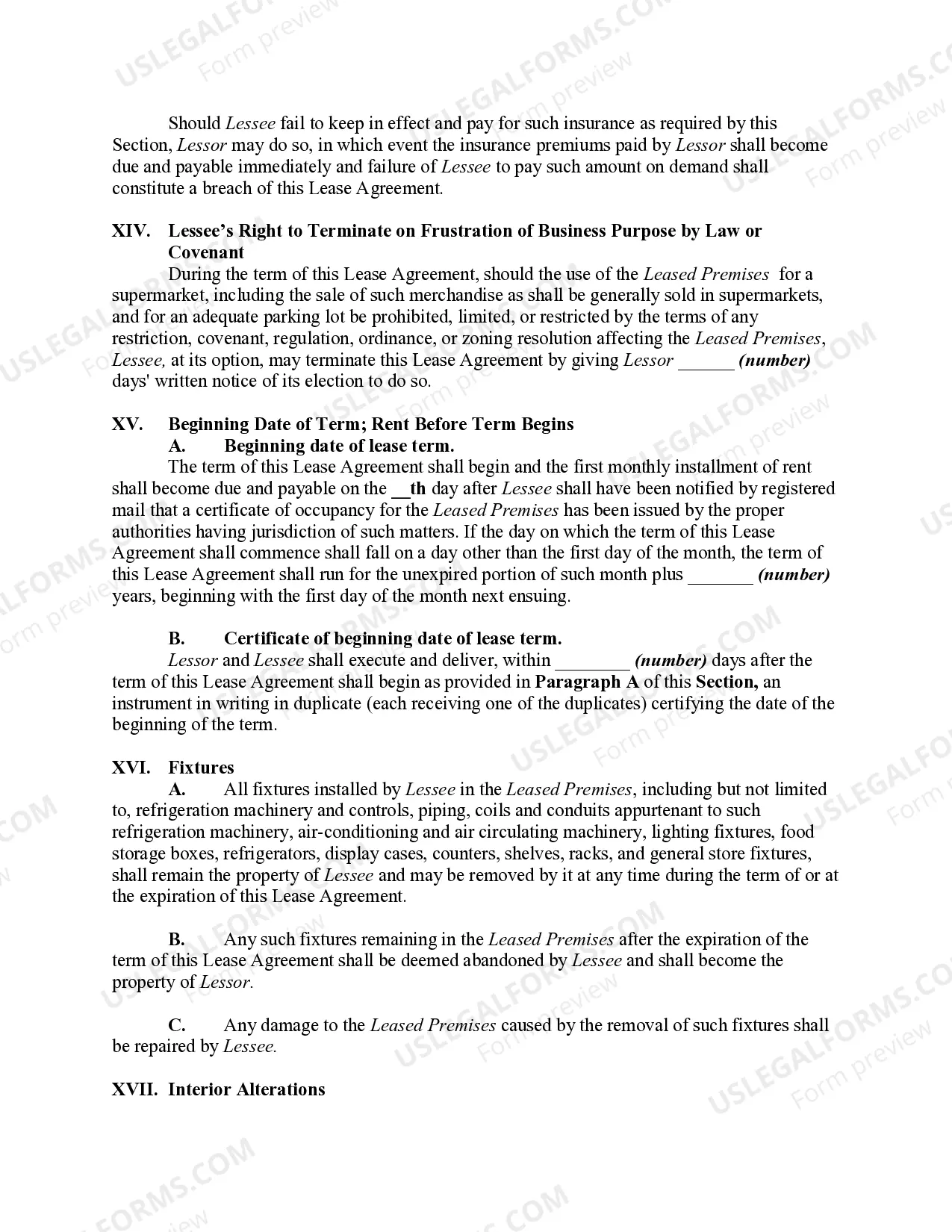
- Description of Premises: Defines the leased premises and their intended use as a supermarket.
- Rent: Specifies the rental amount and payment frequency.
- Repairs and Maintenance: Outlines responsibilities for repairs and maintenance of the premises.
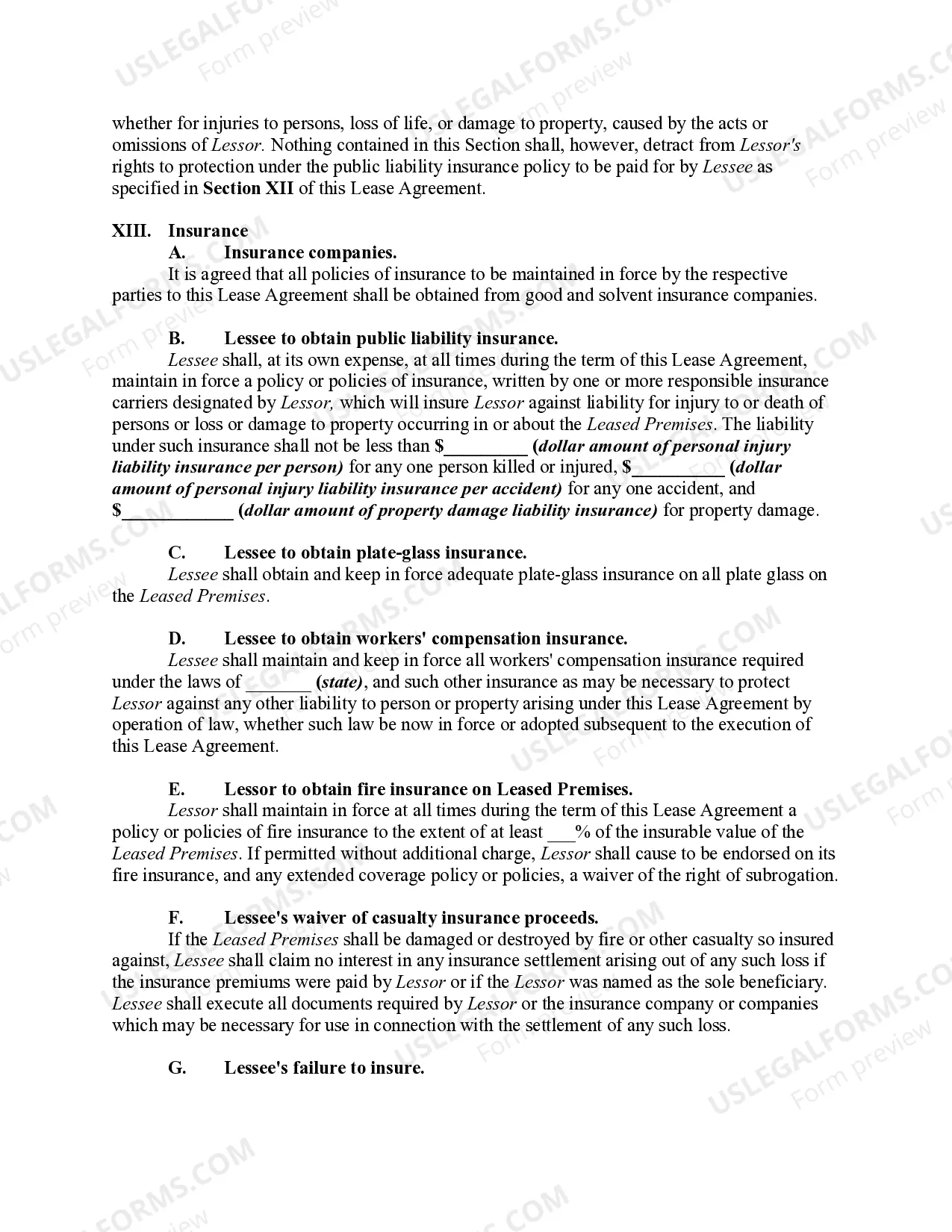
- Insurance Requirements: Stipulates necessary insurance coverage for the lessee.
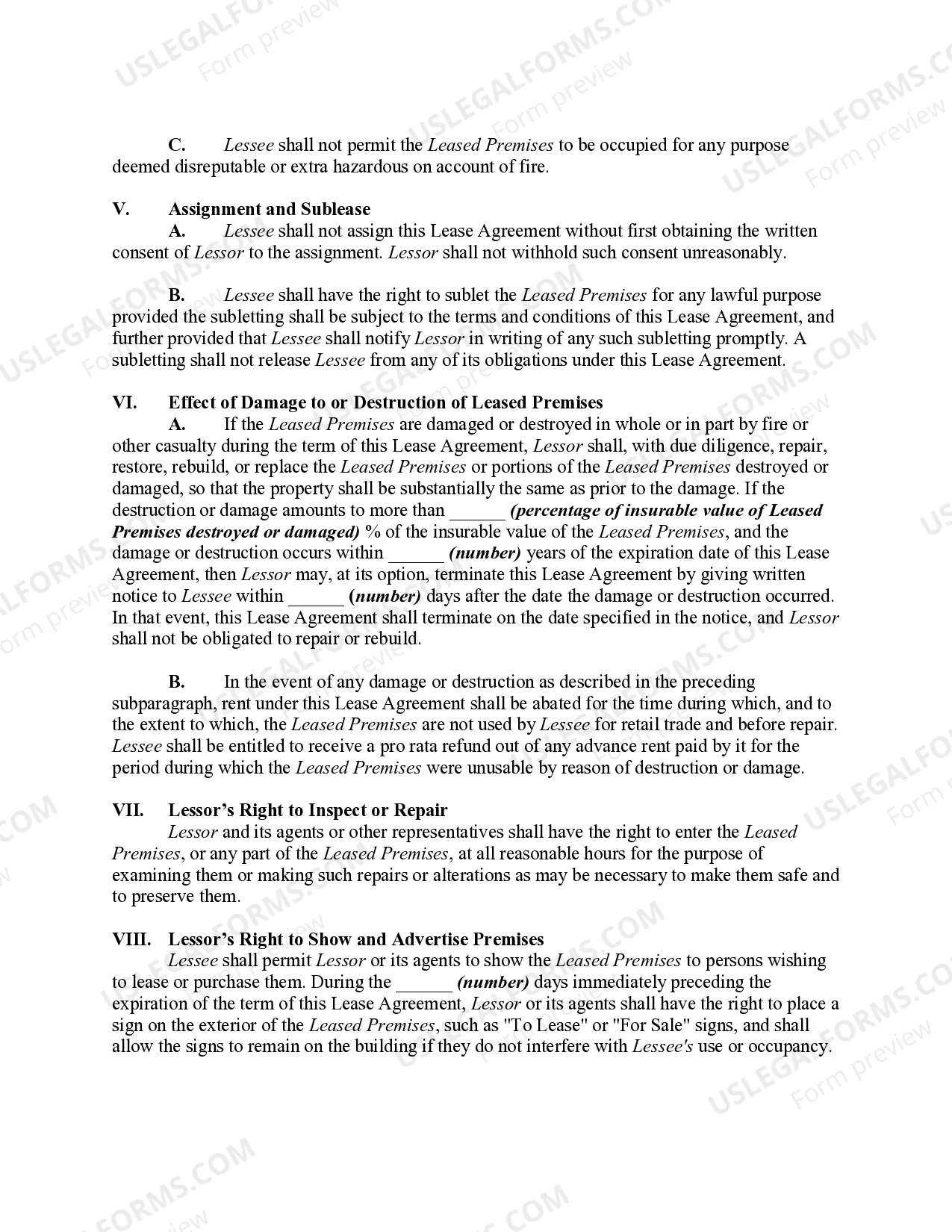
- Assignment and Sublease: Details on transferring lease rights or subleasing.
Situations where this form applies
This form is essential when a business intends to lease a property that will operate as a supermarket. It is useful for situations where businesses are expanding or relocating and need a clear and legally binding contract specifying terms of use, rent, and responsibilities regarding the property. The agreement helps protect both parties in commercial transactions.
Who should use this form
- Business owners planning to operate a supermarket.
- Landlords offering commercial spaces for lease.
- Real estate agents involved in commercial properties.
Instructions for completing this form
- Identify the lessor and lessee by entering their names and addresses in the appropriate sections.
- Specify the details of the leased premises, including the physical address and its use as a supermarket.
- Detail the term of the lease and the monthly rent amount in the provided spaces.
- Fill in the responsibilities related to repairs and maintenance as outlined in the agreement.
- Obtain necessary signatures from both parties to finalize the agreement.
Does this form need to be notarized?
This form does not typically require notarization unless specified by local law. However, it is always advisable to check local regulations or consult with a legal professional to ensure compliance.
Get your form ready online
Our built-in tools help you complete, sign, share, and store your documents in one place.
Make edits, fill in missing information, and update formatting in US Legal Forms—just like you would in MS Word.
Download a copy, print it, send it by email, or mail it via USPS—whatever works best for your next step.
Sign and collect signatures with our SignNow integration. Send to multiple recipients, set reminders, and more. Go Premium to unlock E-Sign.
If this form requires notarization, complete it online through a secure video call—no need to meet a notary in person or wait for an appointment.
We protect your documents and personal data by following strict security and privacy standards.

Make edits, fill in missing information, and update formatting in US Legal Forms—just like you would in MS Word.

Download a copy, print it, send it by email, or mail it via USPS—whatever works best for your next step.

Sign and collect signatures with our SignNow integration. Send to multiple recipients, set reminders, and more. Go Premium to unlock E-Sign.

If this form requires notarization, complete it online through a secure video call—no need to meet a notary in person or wait for an appointment.

We protect your documents and personal data by following strict security and privacy standards.
Common mistakes to avoid
- Failing to specify the duration of the lease term.
- Neglecting to include detailed insurance requirements.
- Leaving out signatures or dates, making the agreement invalid.
- Not clearly stating the responsibilities for repairs and maintenance.
Benefits of completing this form online
- Convenient access to a professionally drafted legal document.
- Editable fields that allow customization to meet specific needs.
- Instant download for immediate use without waiting for physical copies.
- Guidance on completing the form correctly provided throughout the process.
Legal use & context
- The form establishes legally binding commitments between the Lessor and Lessee.
- Ensure compliance with local, state, and federal regulations that govern commercial leases and property use.
Quick recap
- Clearly outline the terms and conditions of the lease to avoid future disputes.
- Both parties should fully understand their rights and responsibilities under the lease.
- Regularly review state laws to ensure lease compliance and validity.
Looking for another form?
Form popularity
FAQ
The Person Liable for the Lease. Your Business Structure. How Long You Have Been in Business. The Nature of Your Business. Contact Information. Your Proposed Terms (or, Counter Offer) The Length of the Lease. Condition of the Property.
As long as the contract spells out specific details and both parties have signed that they agree to the contract's terms, a handwritten contract is legally binding and enforceable in court.
The Letter of Intent should include the names of the parties negotiating, such as the name of the Tenant and the Property Owner/Landlord, and a list of industry standard list items. You should also include items that are important to your business when leasing commercial real estate.
If you're thinking of renting out your property, or you're a tenant, and the current owner doesn't already have an agreement drawn up, it's possible to create your own rental contract.
The Letter of Intent should include the names of the parties negotiating, such as the name of the Tenant and the Property Owner/Landlord, and a list of industry standard list items. You should also include items that are important to your business when leasing commercial real estate.
Step 1: Write a Cover Letter. Step 2: Provide a Summary of the Proposal. Step 3: Specify the Operations of the Tenant. Step 4: Present the Cost Summary. Step 5: List the Terms of the Contract. Step 6: Mention the Benefits. >
Justify Why You Need Free Office Rent. Don't just ask for it for no reason. Build-Out Period. Base Rent Free OR Base Rent & Operating Expenses? Early Occupancy. Ask For More Free Rent Than You Need. Consider Adding More Term to The Lease. Offer to Spread The Free Rent Out Over a Period of Time.
Collect each party's information. Include specifics about your property. Consider all of the property's utilities and services. Know the terms of your lease. Set the monthly rent amount and due date. Calculate any additional fees. Determine a payment method. Consider your rights and obligations.
Keep the Ticking Clock in Mind. Think Seriously About Going Long Term. Prioritize Your Wish List. Arm Yourself With Knowledge. Negotiate Your Way to Greater Flexibility. Study Tenant Improvements Before You Head to the Table. Double Check the Details. Enlist the Help of a Tenant Rep Broker.