Notice by Landlord to Former Tenant of Right to Reclaim Abandoned Property or it will be Sold at Auction - Abandonment
About this form
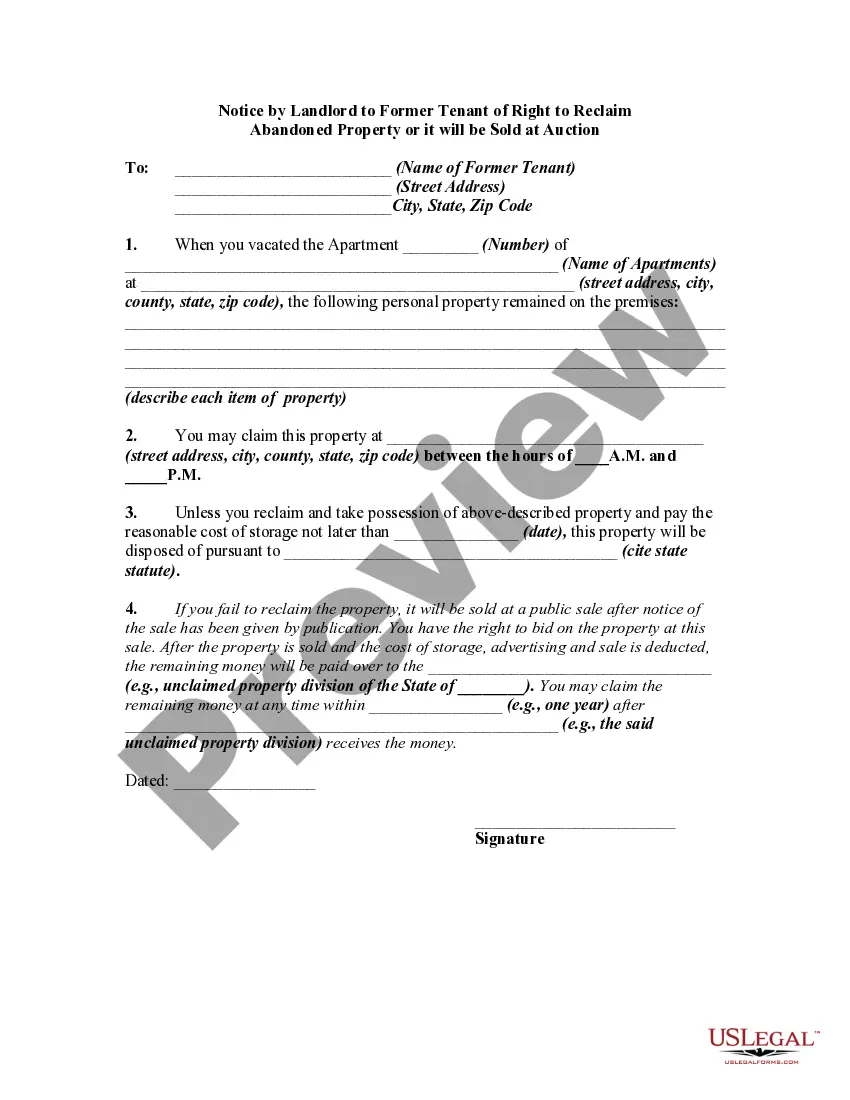
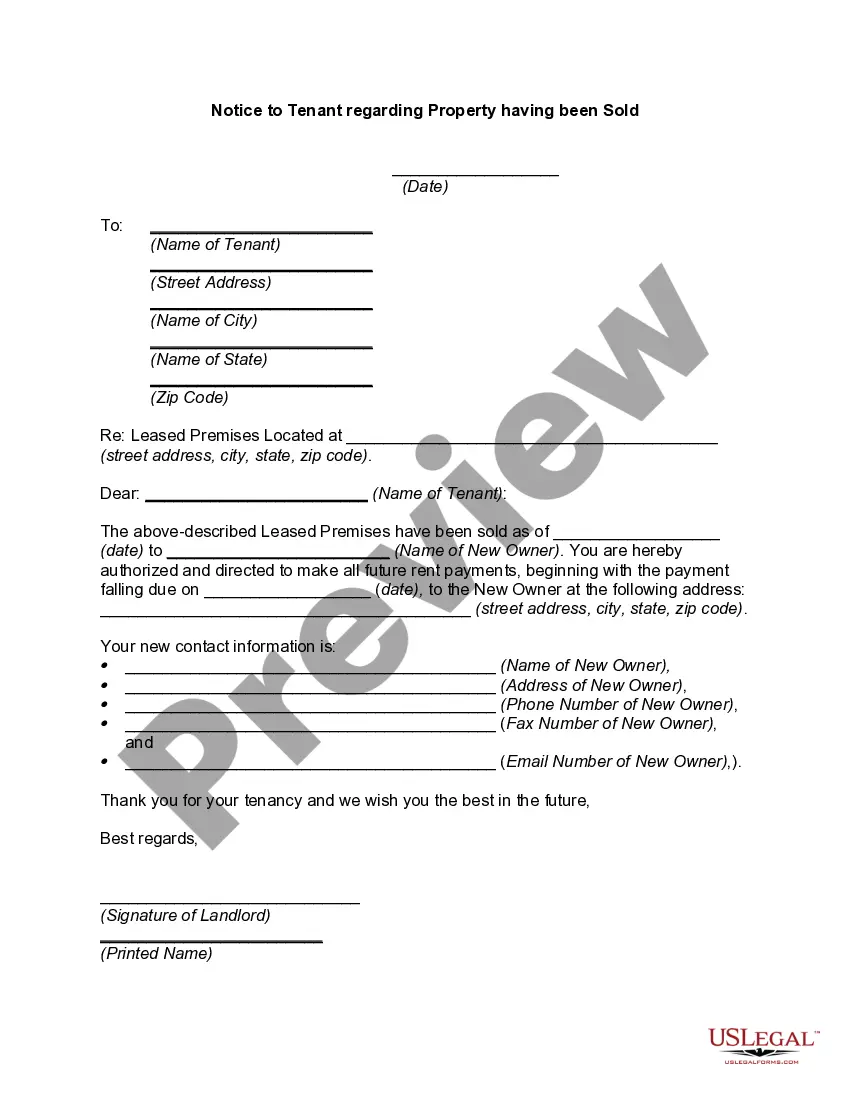
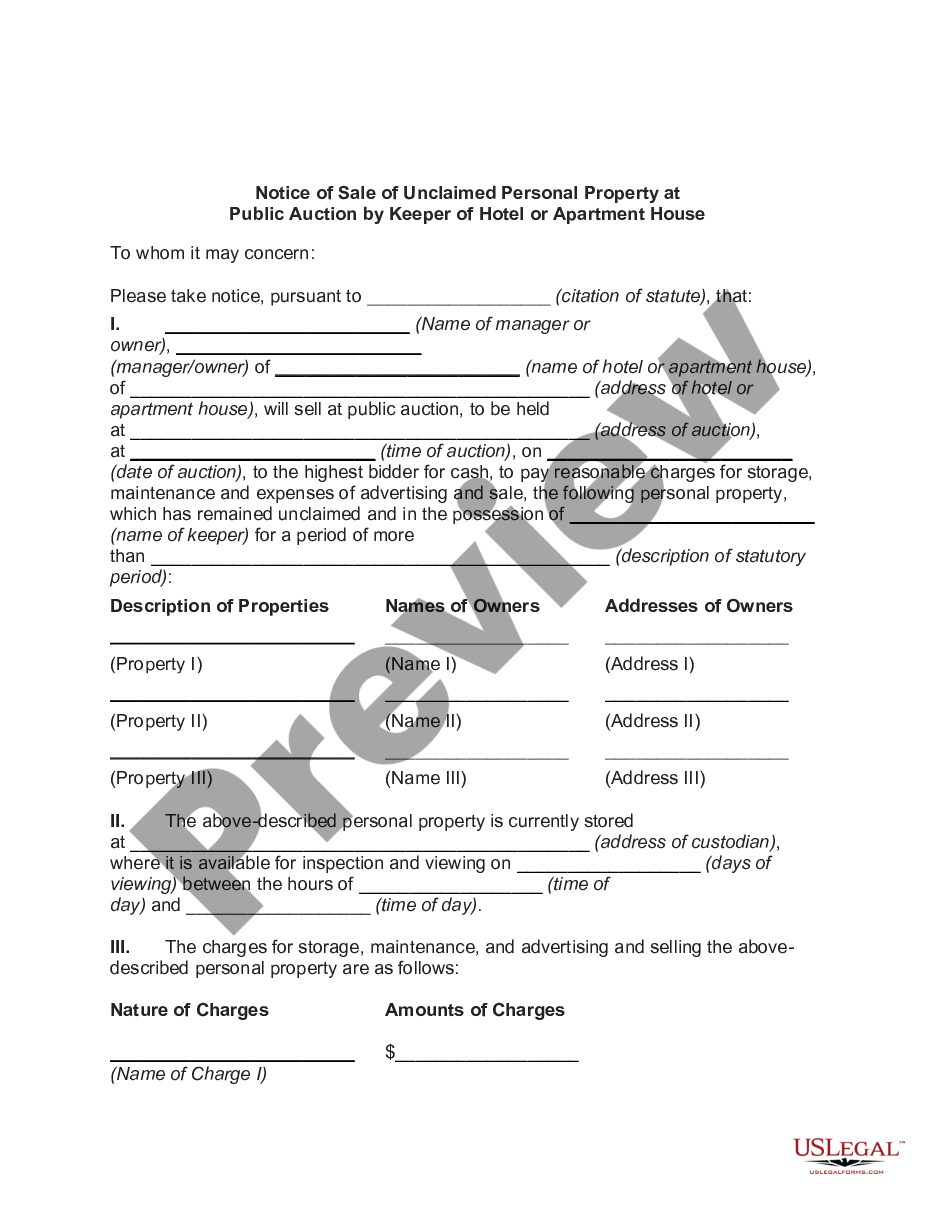
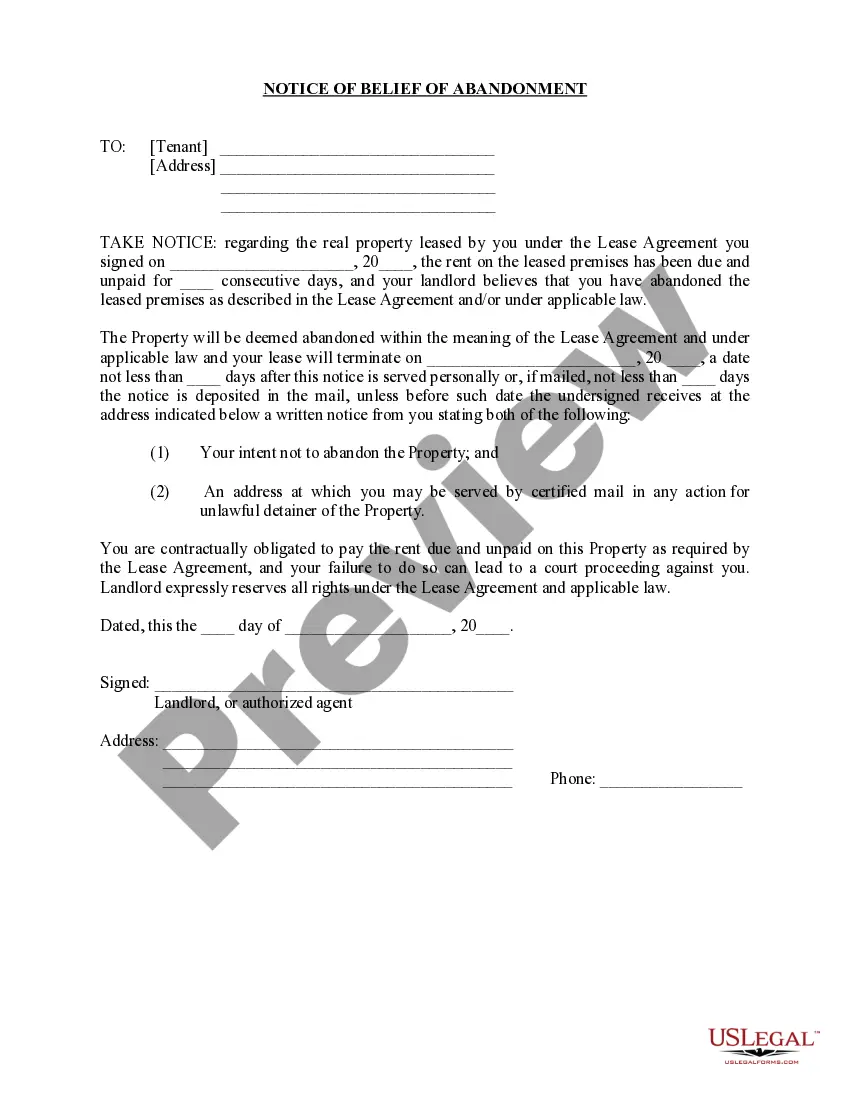
The Notice by Landlord to Former Tenant of Right to Reclaim Abandoned Property is a legal document used by landlords to notify former tenants about personal property left behind after they vacate a rental premises. This notice informs tenants of their rights regarding the unclaimed property and the steps they must take to reclaim it before it is sold at auction. This form is essential in ensuring compliance with state laws regarding abandoned property, distinguishing it from other landlord-tenant forms which may not specifically address the topic of abandonment.
Form components explained
- Information about the former tenant and the property they vacated.
- Description of the abandoned personal property left on the premises.
- Details on how and where the former tenant can reclaim their property.
- Deadline for reclaiming the property and any associated storage costs.
- Notice of the public sale process if the property is not reclaimed.
When this form is needed
This form should be used when a tenant has vacated a rental property, leaving behind personal belongings. It serves as a formal notification to the former tenant, advising them of their rights and the potential outcome of their unclaimed property. It is particularly important if the landlord intends to sell the abandoned items at auction after following the required notification process established by state law.
Who can use this document
- Landlords who have former tenants that left personal property behind in rental units.
- Property managers handling the abandonment of personal property on behalf of landlords.
- Legal professionals advising landlords on compliance with abandonment laws.
Completing this form step by step
- Identify and enter the name and address of the former tenant.
- Provide the address of the rental property from which the tenant vacated.
- List all personal property left behind by the tenant.
- Specify the location and hours where the tenant can reclaim their property.
- Include the deadline by which the tenant must reclaim the property and any applicable storage costs.
- Indicate the relevant state statute concerning the disposal of unclaimed property.
Notarization requirements for this form
This form does not typically require notarization unless specified by local law. However, it is important to check state regulations to ensure compliance with any specific requirements regarding execution or filing.
Get your form ready online
Our built-in tools help you complete, sign, share, and store your documents in one place.
Make edits, fill in missing information, and update formatting in US Legal Forms—just like you would in MS Word.
Download a copy, print it, send it by email, or mail it via USPS—whatever works best for your next step.
Sign and collect signatures with our SignNow integration. Send to multiple recipients, set reminders, and more. Go Premium to unlock E-Sign.
If this form requires notarization, complete it online through a secure video call—no need to meet a notary in person or wait for an appointment.
We protect your documents and personal data by following strict security and privacy standards.

Make edits, fill in missing information, and update formatting in US Legal Forms—just like you would in MS Word.

Download a copy, print it, send it by email, or mail it via USPS—whatever works best for your next step.

Sign and collect signatures with our SignNow integration. Send to multiple recipients, set reminders, and more. Go Premium to unlock E-Sign.

If this form requires notarization, complete it online through a secure video call—no need to meet a notary in person or wait for an appointment.

We protect your documents and personal data by following strict security and privacy standards.
Avoid these common issues
- Failing to correctly identify the items left behind.
- Not providing the correct address for reclaiming the property.
- Missing the required notification deadlines set by state law.
- Neglecting to include details about the auction process and the distribution of proceeds.
Benefits of completing this form online
- Convenience of downloading and filling out the form at any time.
- Editability allows for quick adjustments based on specific circumstances.
- Reliability of attorney-drafted content ensures legal compliance.
Legal use & context
- This form aligns with state laws that govern the treatment of abandoned property.
- Providing proper notice protects landlords from legal disputes with former tenants.
- Failure to comply with required notice can lead to claims of wrongful disposal of property.
Summary of main points
- The notice informs a former tenant about their abandoned property rights.
- It must be completed accurately to avoid misunderstandings or legal issues.
- Timely notice is essential to comply with state regulations regarding abandoned property.
Looking for another form?




Form popularity
FAQ
Basically, a notice of abandonment is the trustee's way of saying that for one reason or another, the listed property cannot be liquidated for the benefit of your creditors. When a bankruptcy case is filed, real and personal property become part of a "bankruptcy estate" which the trustee is in control of.
Property is considered abandoned only after a lease is terminated. Termination occurs when the lease is up and the tenant moves out, or if the tenant is legally evicted.
Generally, a landlord should give written notice to the tenant of his/her intention to dispose of the uncollected goods. If 28 days have elapsed since the giving of the notice and the tenant has not taken delivery or given directions as to delivery, the landlord may dispose of the abandoned goods.
If a tenant abandons a leased premises, the landlord may terminate the lease and sue the tenant for any unpaid rent. The landlord may keep the security deposit to pay for any unpaid rent and pay for any repairs required caused by tenant.
Property remaining on premises is considered abandoned after (1) a tenant has been absent for at least 30 days without explanation or (2) at least 15 days have passed since the tenant was supposed to pay rent and it appears to the landlord that he has vacated the premises.
If you are unsure about claiming that a tenant has surrendered the property you can place an Abandonment Notice on the door of the property. This Notice needs to advise that the property has been deemed as abandoned and give a time say five days after which the locks will be changed if no contact is received.
Abandonment can only be assumed from the tenant leaving the property, taking their possessions and handing in the keys. However as surrender of the property is implied from the same actions, an Abandonment Notice may be unnecessary.