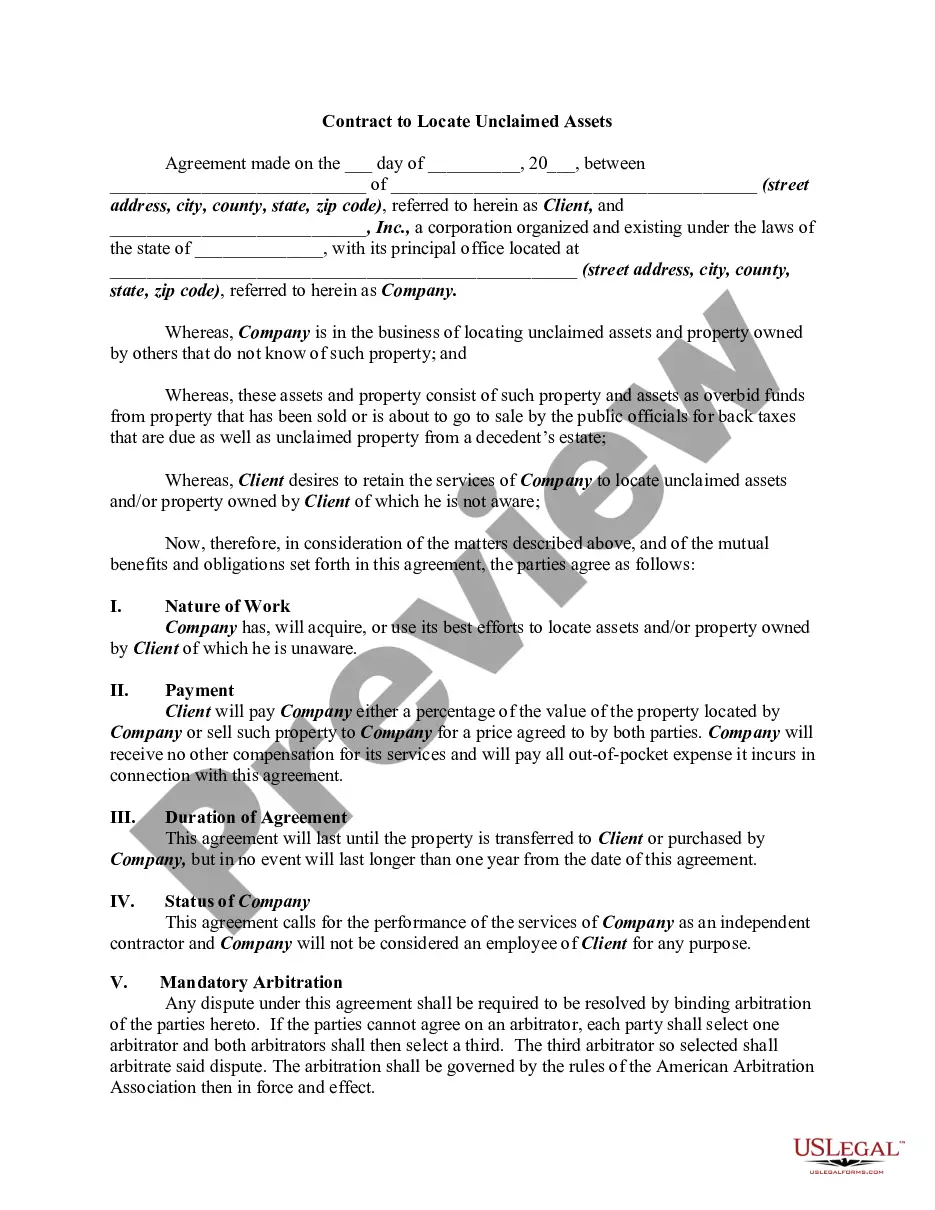
Contract to Locate Unclaimed Assets
About this form
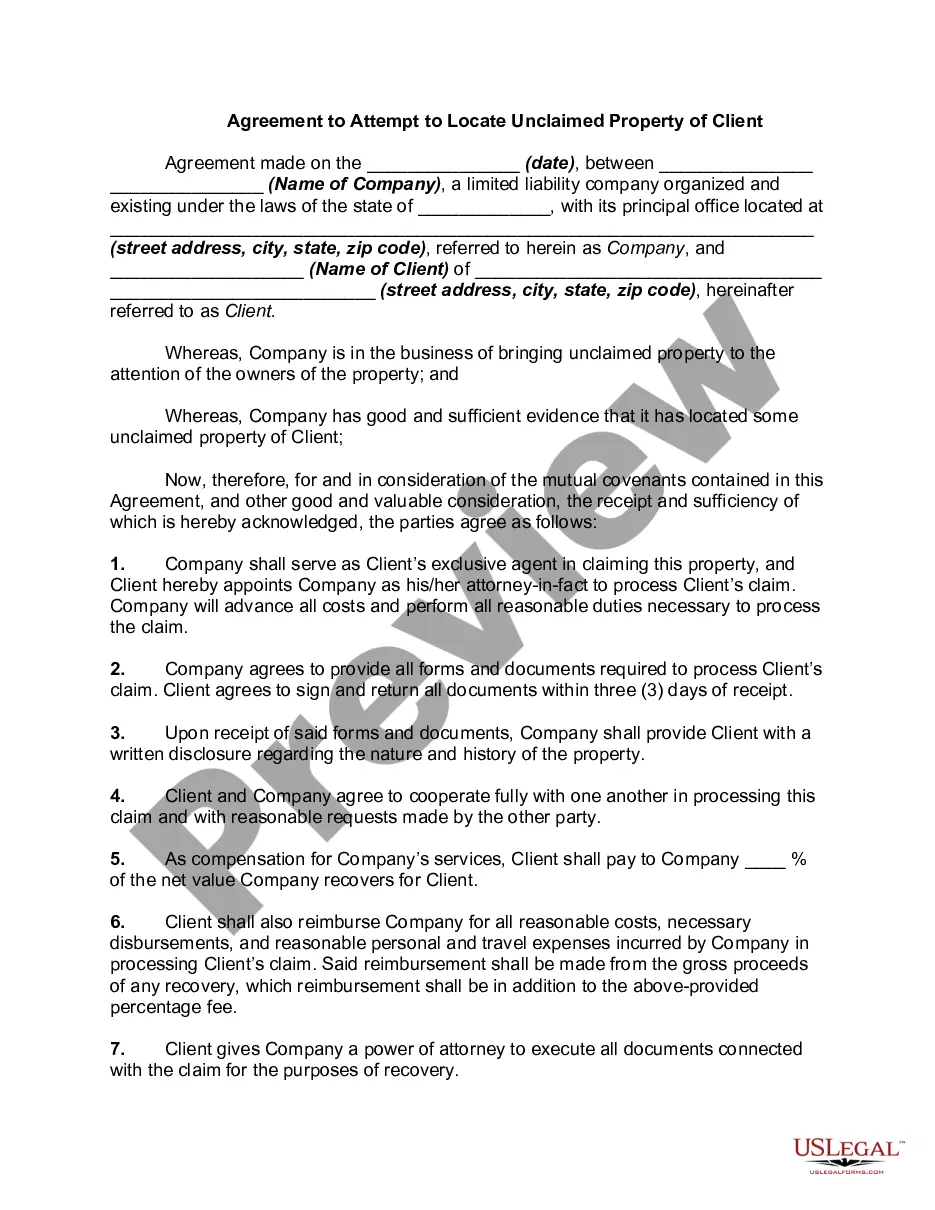
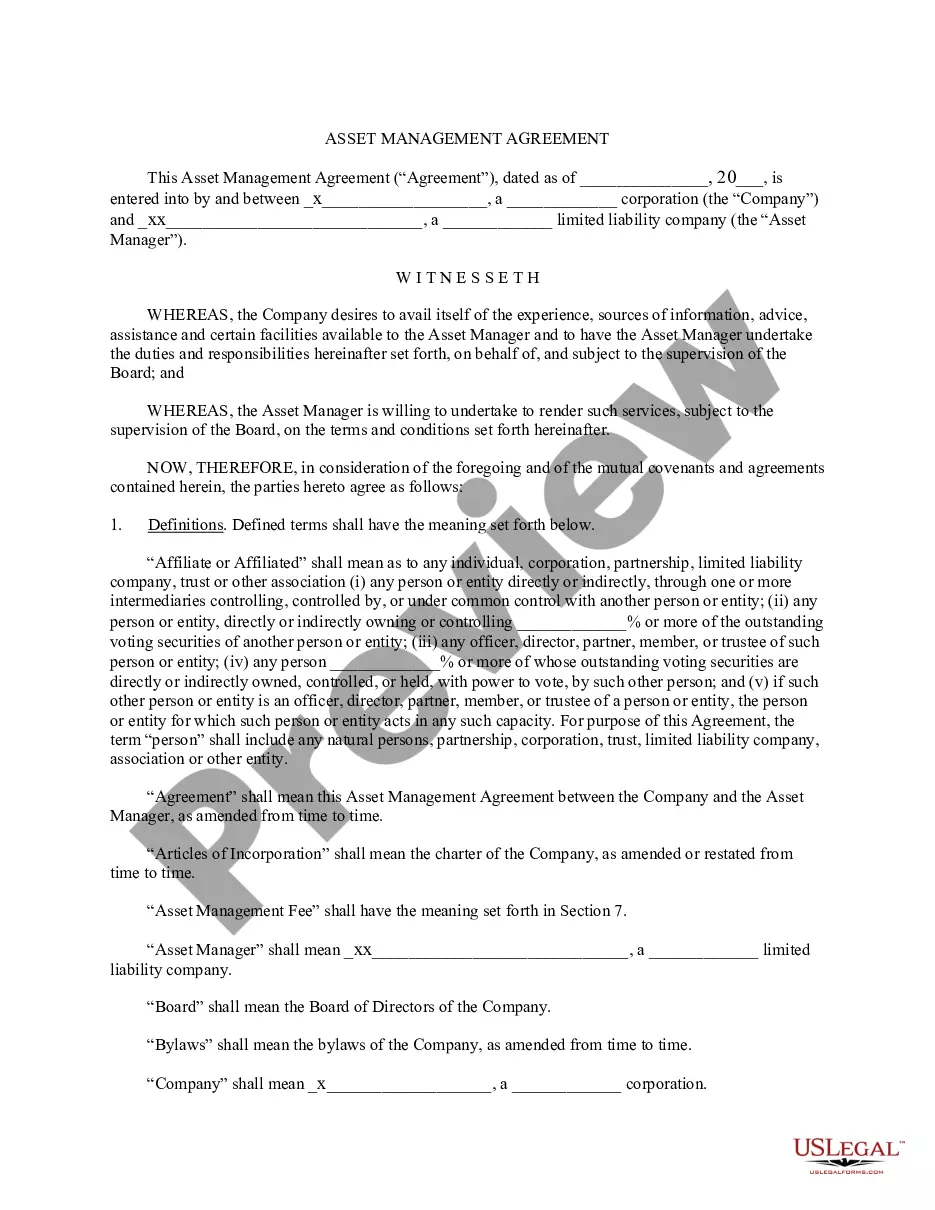
The Contract to Locate Unclaimed Assets is a legal agreement that allows a client to hire a company to find unclaimed property or assets they may not be aware of. This form is distinct from other asset recovery agreements as it specifically relates to properties that may include unclaimed funds, overbid funds from property sales, or estate assets from a deceased person's estate.
Form components explained
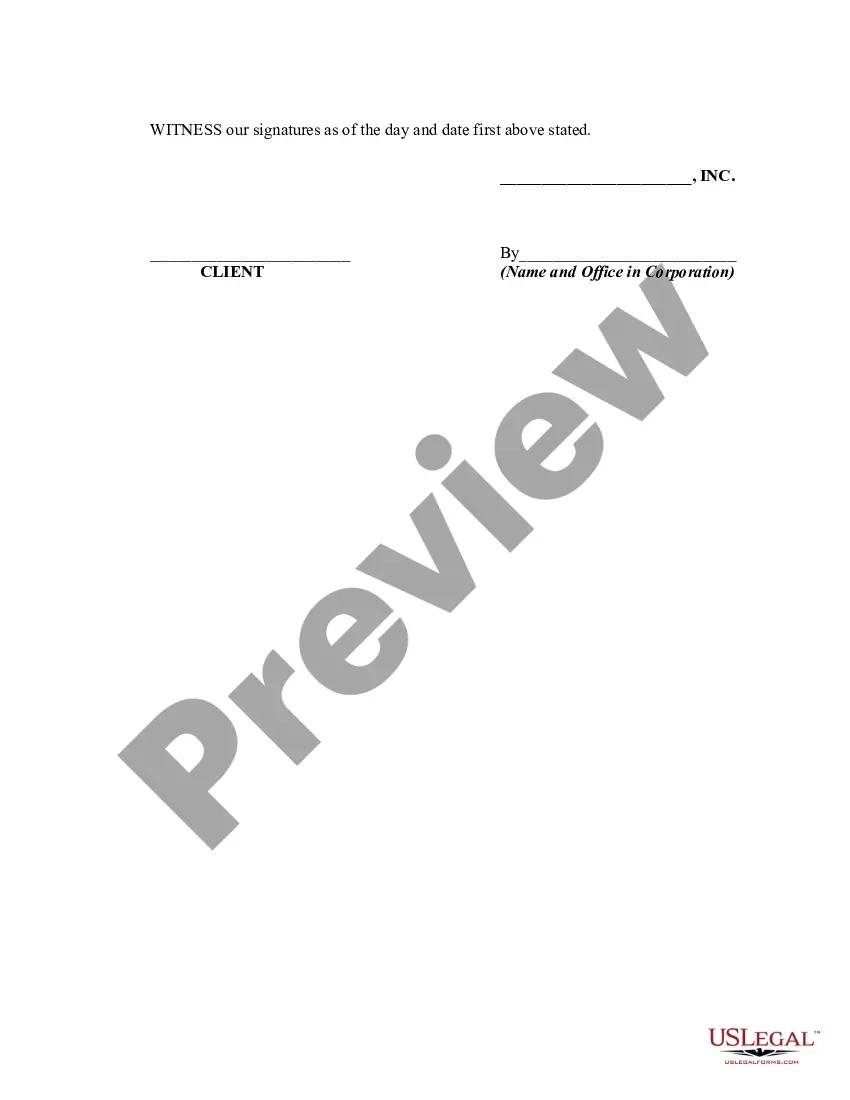
- Agreement date and names of the Client and Company
- Scope of work outlining the Company's responsibility to locate unclaimed assets
- Payment structure, including fees based on a percentage of located property
- Duration of the agreement, not to exceed one year
- Independent contractor status of the Company
- Process for resolving disputes through mandatory arbitration
When to use this form
This form is useful when individuals or estates suspect they may have unclaimed assets or property. It is particularly applicable when there are overbid funds related to property sales or when dealing with inheritances that may contain unclaimed estate assets. This agreement facilitates the hiring of a professional service to handle the search, ensuring a structured approach to asset recovery.
Who needs this form
- Individuals who suspect they have unclaimed assets
- Heirs or beneficiaries of an estate looking for unclaimed estate property
- Taxpayers involved in property sales that may have overbid funds
- Anyone seeking professional assistance in recovering lost or unknown property
How to complete this form
- Identify the parties involved, including the Client's name and address as well as the Company's name and state of incorporation.
- Specify the nature of the unclaimed assets to be located in the agreement.
- Fill in the payment structure, outlining either a percentage or a sale price for the located property.
- Enter the duration of the agreement, noting the start date and stipulating the maximum duration.
- Ensure all parties sign and date the agreement to finalize the contract.
Does this document require notarization?
This form does not typically require notarization unless specified by local law. Always check your stateâs requirements to ensure compliance.
Get your form ready online
Our built-in tools help you complete, sign, share, and store your documents in one place.
Make edits, fill in missing information, and update formatting in US Legal Forms—just like you would in MS Word.
Download a copy, print it, send it by email, or mail it via USPS—whatever works best for your next step.
Sign and collect signatures with our SignNow integration. Send to multiple recipients, set reminders, and more. Go Premium to unlock E-Sign.
If this form requires notarization, complete it online through a secure video call—no need to meet a notary in person or wait for an appointment.
We protect your documents and personal data by following strict security and privacy standards.

Make edits, fill in missing information, and update formatting in US Legal Forms—just like you would in MS Word.

Download a copy, print it, send it by email, or mail it via USPS—whatever works best for your next step.

Sign and collect signatures with our SignNow integration. Send to multiple recipients, set reminders, and more. Go Premium to unlock E-Sign.

If this form requires notarization, complete it online through a secure video call—no need to meet a notary in person or wait for an appointment.

We protect your documents and personal data by following strict security and privacy standards.
Common mistakes to avoid
- Failing to fill in complete contact information for both parties.
- Not specifying the types of assets being searched for in sufficient detail.
- Neglecting to clarify payment terms, leading to misunderstandings later.
- Ignoring the requirement for signatures, which can render the agreement void.
Advantages of online completion
- Convenience of downloading and completing the form from anywhere at any time.
- Editability allows for adjustments based on specific situations or requirements.
- Reliability, with forms drafted by licensed attorneys ensuring legal compliance.
Looking for another form?

Form popularity
FAQ
The Contract to Locate Unclaimed Assets is a legal agreement that lets a client hire a company to locate unclaimed assets you may be unaware of, including funds, overbid funds, or estate assets. Use it when you suspect assets exist and want a structured process: defined scope of work, fees based on located property, up to one year, independent contractor status, and mandatory arbitration.
The Contract to Locate Unclaimed Assets formalizes a client–company relationship to locate assets you may not know exist. It specifies the scope of work detailing the company’s responsibility, sets a payment structure based on a percentage of located property, limits the term to not exceed one year, designates the company as an independent contractor, and requires mandatory arbitration to resolve disputes.
This form requires the agreement date and names of the Client and Company, plus a clearly defined scope of work describing the Company’s responsibility to locate unclaimed assets. It also specifies the payment structure (fees based on a percentage of located property) and the duration not to exceed one year.
Unclaimed property compliance generally means following applicable state rules for reporting and transferring unclaimed assets. This contract does not itself establish those laws; it is a working agreement about hiring a company to locate assets. For compliance, consult applicable state unclaimed property laws and, if needed, a licensed attorney.
Unclaimed property law requirements vary by state and are not listed in this form. This Contract to Locate Unclaimed Assets focuses on the client–company relationship to locate assets. It includes a defined scope of work, a percentage-based fee, a maximum one-year duration, independent contractor status, and mandatory arbitration to resolve disputes.
Compared with a generic asset search contract, this form is tailored to unclaimed assets, such as unclaimed funds, overbid funds, and estate assets. It sets a defined one-year duration, requires the company to be an independent contractor, and uses mandatory arbitration to resolve disputes, clearly outlining the scope of work and payment terms.