Leaseback Provision in Sales Agreement
Understanding this form
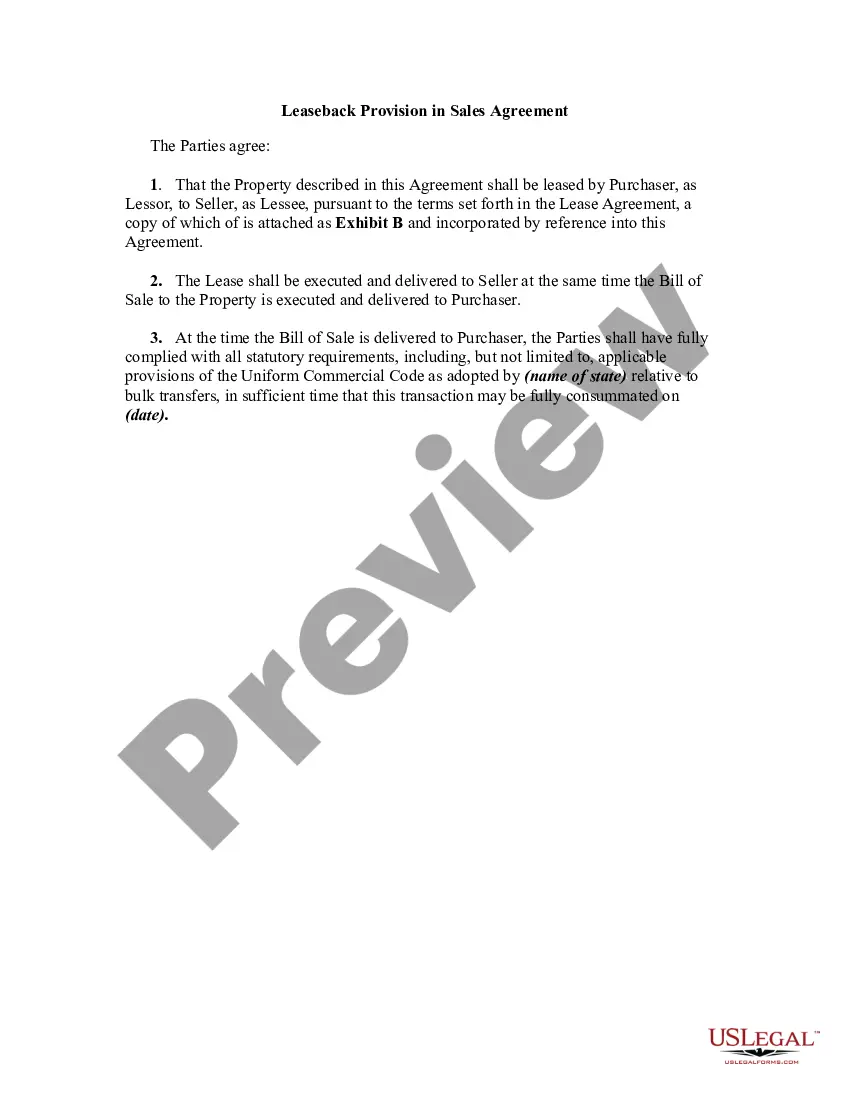
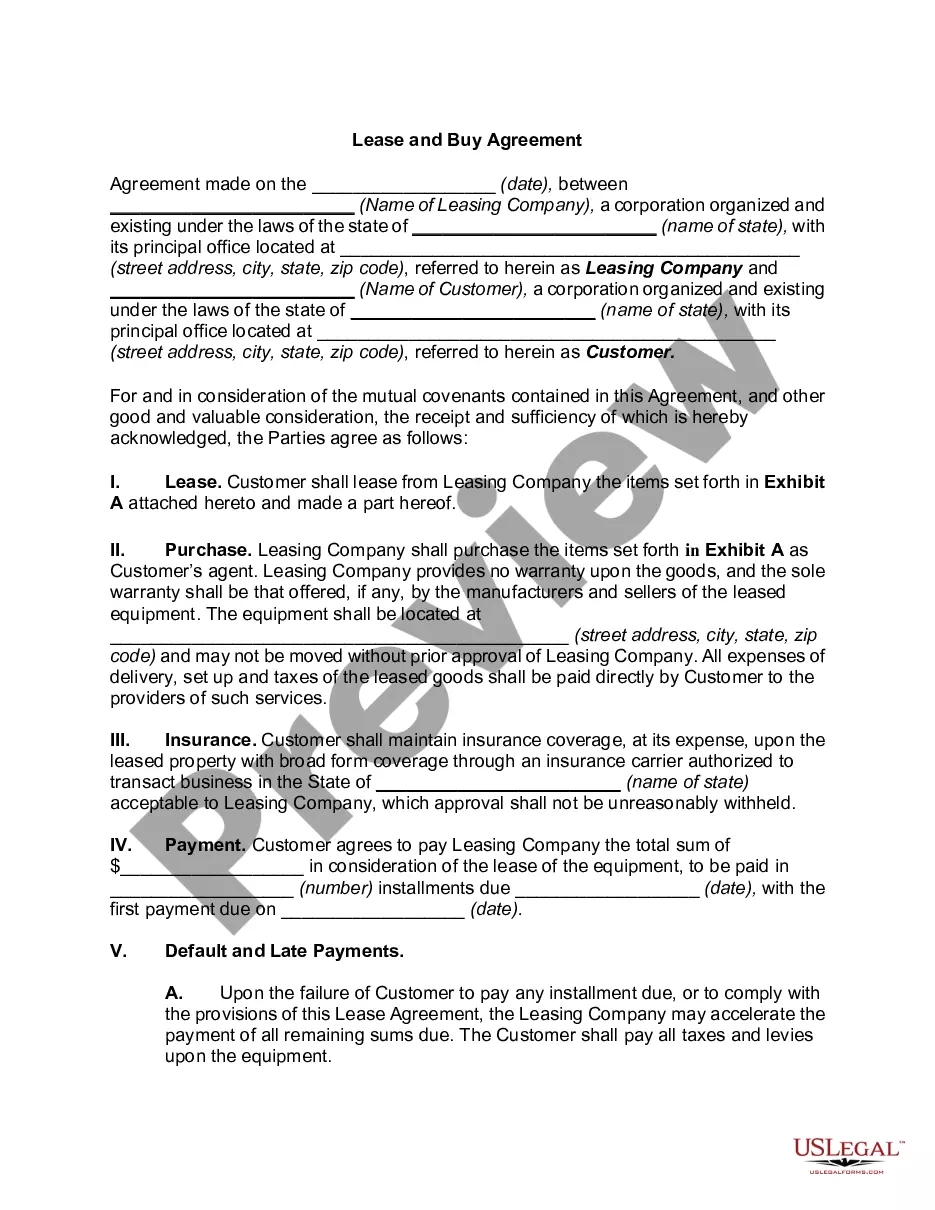
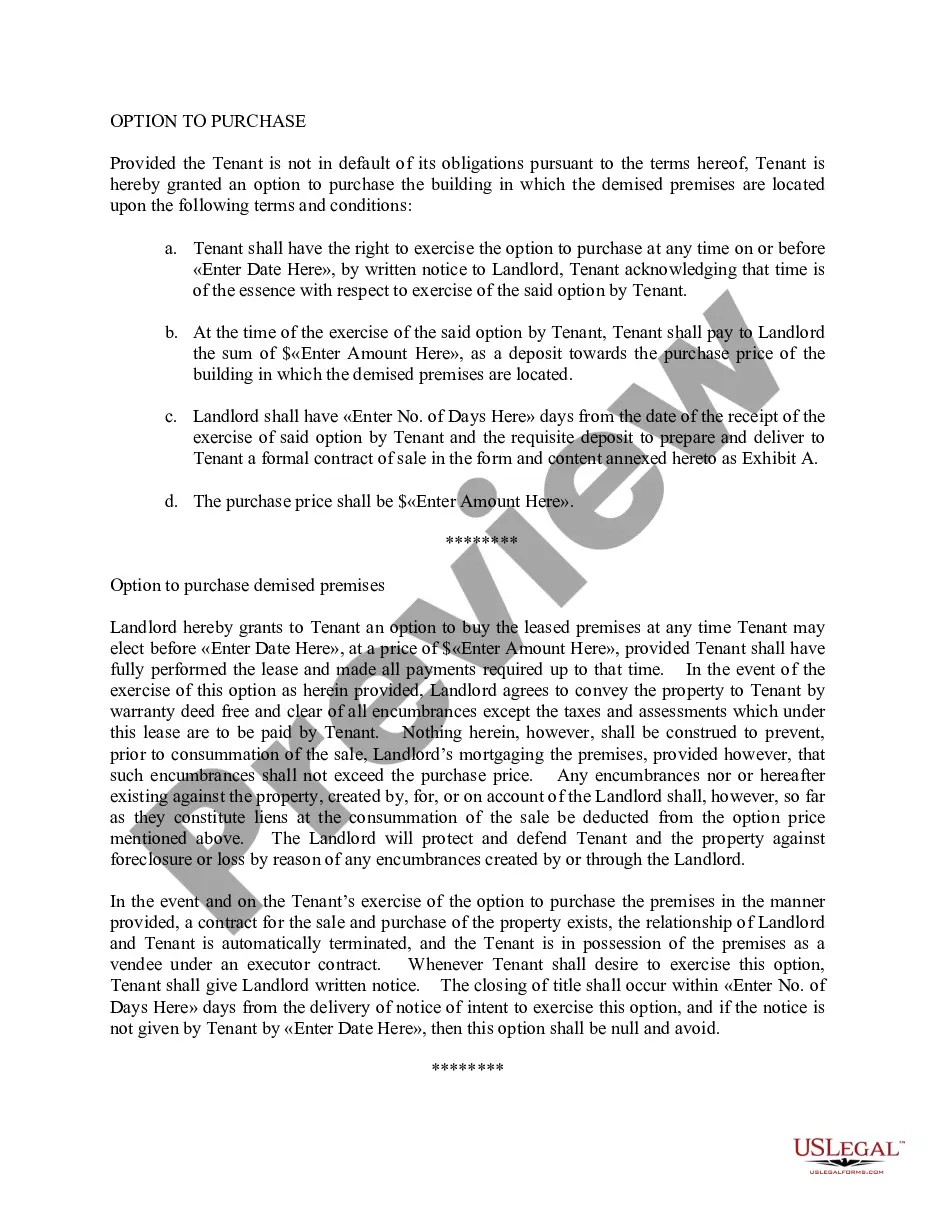
The Leaseback Provision in Sales Agreement is a legal document allowing the seller to lease back a property from the buyer after its sale. This provision ensures a smooth transition for both the buyer and seller, providing flexibility in possession and use of the property. Unlike typical sales agreements, this form specifically addresses the terms of leasing back the property post-sale, which can be beneficial in various real estate transactions.
Main sections of this form
- Parties involved: Identification of the buyer (Purchaser) and seller (Seller).
- Description of the property: Clear details about the property being sold and leased back.
- Lease terms: Outline the conditions under which the seller will lease the property from the buyer.
- Compliance with statutory requirements: Acknowledge adherence to relevant laws such as the Uniform Commercial Code.
- Execution and delivery details: Specify when the lease agreement and bill of sale are to be signed and delivered.
Common use cases
This form is essential when a seller wishes to continue using the property they have just sold. It is commonly used in commercial real estate transactions where the seller requires time to relocate or needs temporary occupancy of the property. This provision allows the seller to maintain possession, while legally securing their interests during the transaction phase.
Who can use this document
- Real estate buyers and sellers engaging in a leaseback agreement.
- Commercial property owners looking to facilitate smoother transitions after sale.
- Investors who want to ensure consistent property use while transferring ownership.
Completing this form step by step
- Identify the parties: Clearly list the full names and contact details of the buyer and seller.
- Specify the property: Enter a detailed description of the property being sold.
- Outline lease terms: Detail the rental terms, including duration and payment schedule.
- Ensure compliance: Check that all necessary legal requirements are addressed in the agreement.
- Sign and date: Both parties must sign and date the leaseback provision for it to be valid.
Notarization requirements for this form
This form must be notarized to be legally valid. US Legal Forms provides secure online notarization powered by Notarize, allowing you to complete the process through a verified video call.
Get your form ready online
Our built-in tools help you complete, sign, share, and store your documents in one place.
Make edits, fill in missing information, and update formatting in US Legal Forms—just like you would in MS Word.
Download a copy, print it, send it by email, or mail it via USPS—whatever works best for your next step.
Sign and collect signatures with our SignNow integration. Send to multiple recipients, set reminders, and more. Go Premium to unlock E-Sign.
If this form requires notarization, complete it online through a secure video call—no need to meet a notary in person or wait for an appointment.
We protect your documents and personal data by following strict security and privacy standards.

Make edits, fill in missing information, and update formatting in US Legal Forms—just like you would in MS Word.

Download a copy, print it, send it by email, or mail it via USPS—whatever works best for your next step.

Sign and collect signatures with our SignNow integration. Send to multiple recipients, set reminders, and more. Go Premium to unlock E-Sign.

If this form requires notarization, complete it online through a secure video call—no need to meet a notary in person or wait for an appointment.

We protect your documents and personal data by following strict security and privacy standards.
Mistakes to watch out for
- Failing to comply with local statutory requirements for lease agreements.
- Neglecting to clearly define lease terms and conditions, leading to confusion.
- Omitting critical details about the property, which can affect the agreement's enforceability.
Why complete this form online
- Convenience: Download the form quickly from anywhere, at any time.
- Editability: Easily customize the document to suit specific transaction needs.
- Reliability: Access to professionally drafted templates to ensure legal validity.
Legal use & context
- The leaseback provision creates a binding lease agreement that is enforceable in court.
- Both parties must comply with local property laws and the Uniform Commercial Code requirements.
- The form should clearly represent the intentions of both parties to avoid future legal disputes.
Summary of main points
- The Leaseback Provision in Sales Agreement allows sellers to continue using the property after sale.
- Clear identification of parties and compliance with local laws are essential for effectiveness.
- Using this form helps streamline the sale and immediate lease process for both parties.
Looking for another form?
Form popularity
FAQ
Investors usually buy sale-leaseback properties on the basis of their returns. To calculate the return on a sale leaseback, called a capitalization rate, you divide the annual income by the price. For example, a property that has annual rental income of $175,000 and costs $2,000,000 has an 8.75 percent cap rate.
A seller leaseback, also called a sale leaseback or rent back, is a transaction in which the seller sells the property and then leases back the property from the new owner.
The main advantages of sale and leaseback are that it enables businesses to release cash from existing items of value such as equipment, plant and machinery. The cash gained can be used for many purposes including business acquisitions or simply providing extra working capital.
Lease-Leaseback is a construction project delivery method in which a school district selects a Developer Contractor to develop and construct a new building.The district then leases back the property and facility from the developer.
Dry lease: In a dry lease, the owner provides the aircraft to the lessee without a crew.Leaseback: Under this type of agreement, the aircraft owner sells the aircraft to the lender or lessor, who then immediately leases the aircraft back to the original owner.
Compare the difference between the sale price of the asset and its fair value. Compare the present value of the lease payments and the present value of market rental payments. This can include an estimation of any variable lease payments reasonably expected to be made.
More and more retirees are taking advantage of the leaseback option. It gives them the ability to continue living in the home they owned while having more money for retirement. And of course, it is good option for people who have suffered financial reverses due to job loss or other difficult circumstances.
A sale-leaseback enables a company to sell an asset to raise capital, then lets the company lease that asset back from the purchaser. In this way, a company can get both the cash and the asset it needs to operate its business.