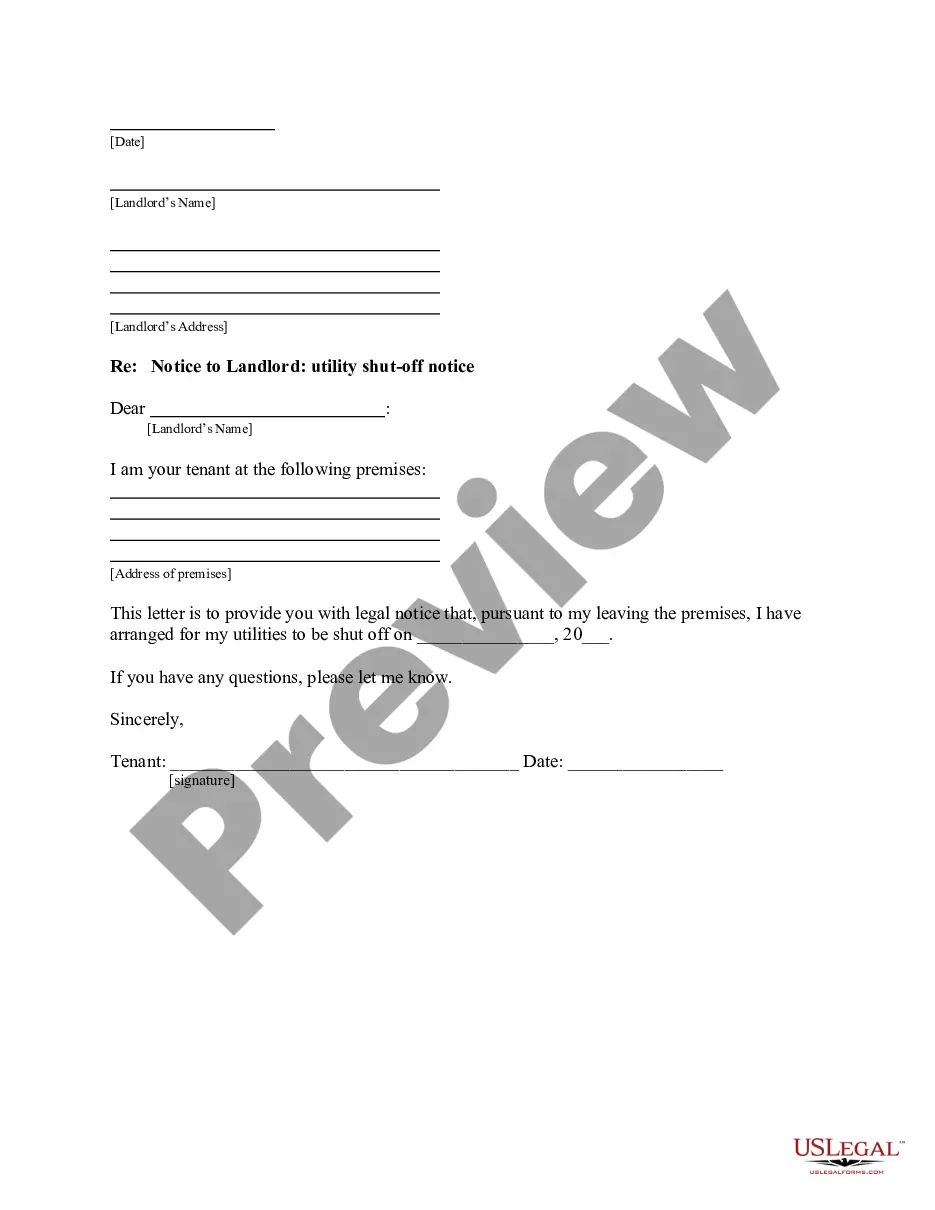
Owner's and Contractor Affidavit of Completion and Payment to Subcontractors
What is this form?
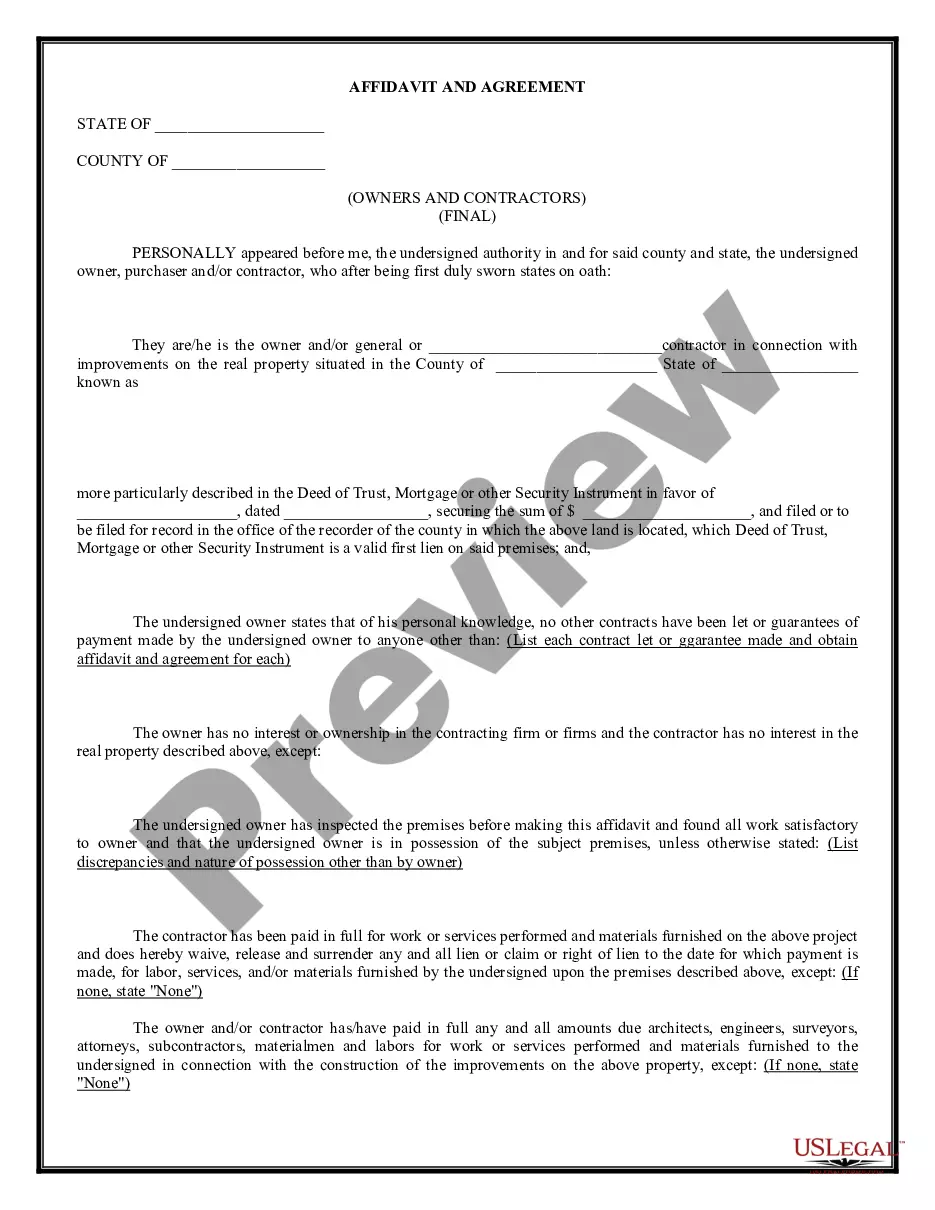
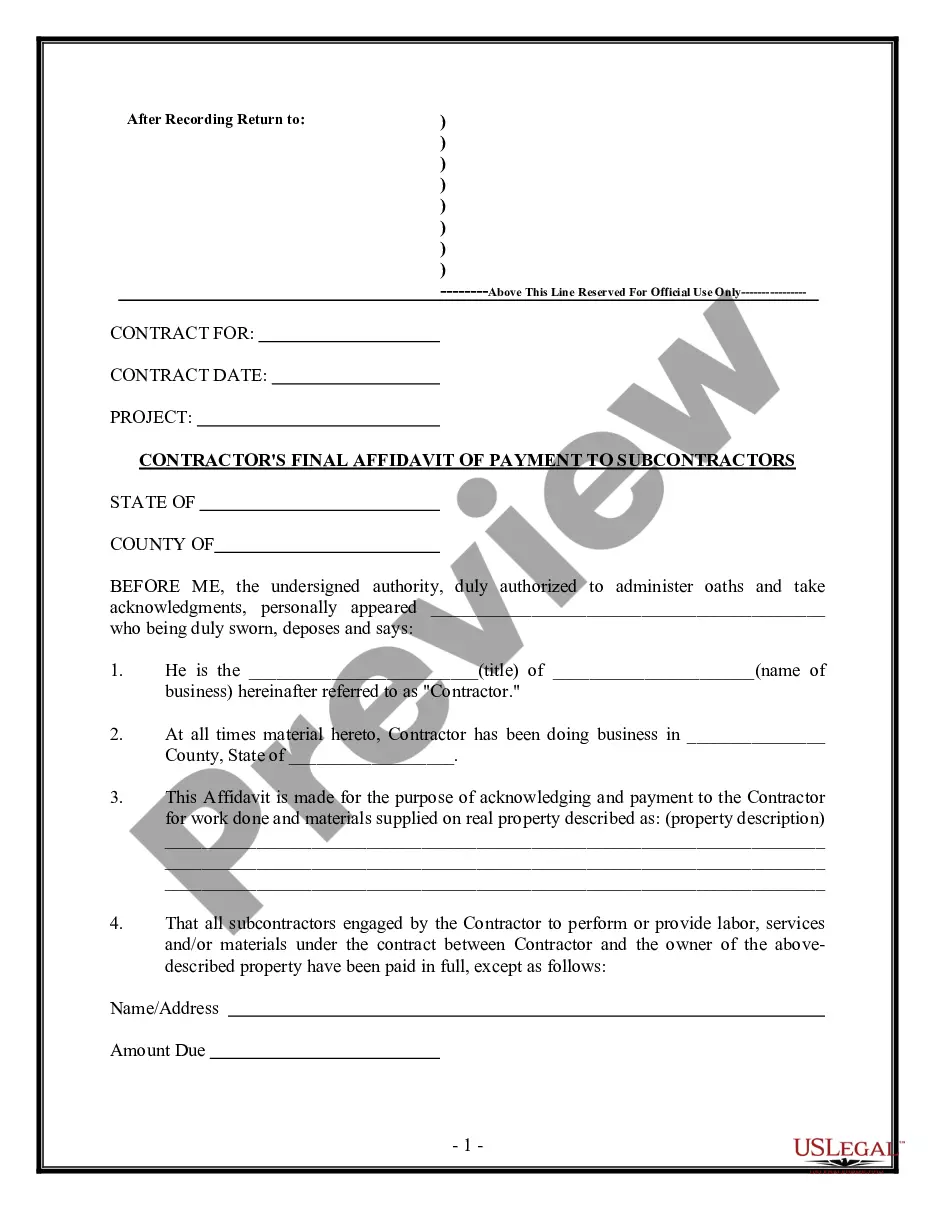
The Owner's and Contractor Affidavit of Completion and Payment to Subcontractors is a legal document used to assure that all parties involved in a construction project have been paid and that there are no outstanding invoices or liens associated with the completed work. This affidavit confirms that the contractor and owner agree that all payments are complete, protecting them from potential future claims against the property. This form is essential for clearing any lien rights, distinguishing it from other forms that may not specifically address the completion status and financial responsibilities of all parties involved.
Main sections of this form
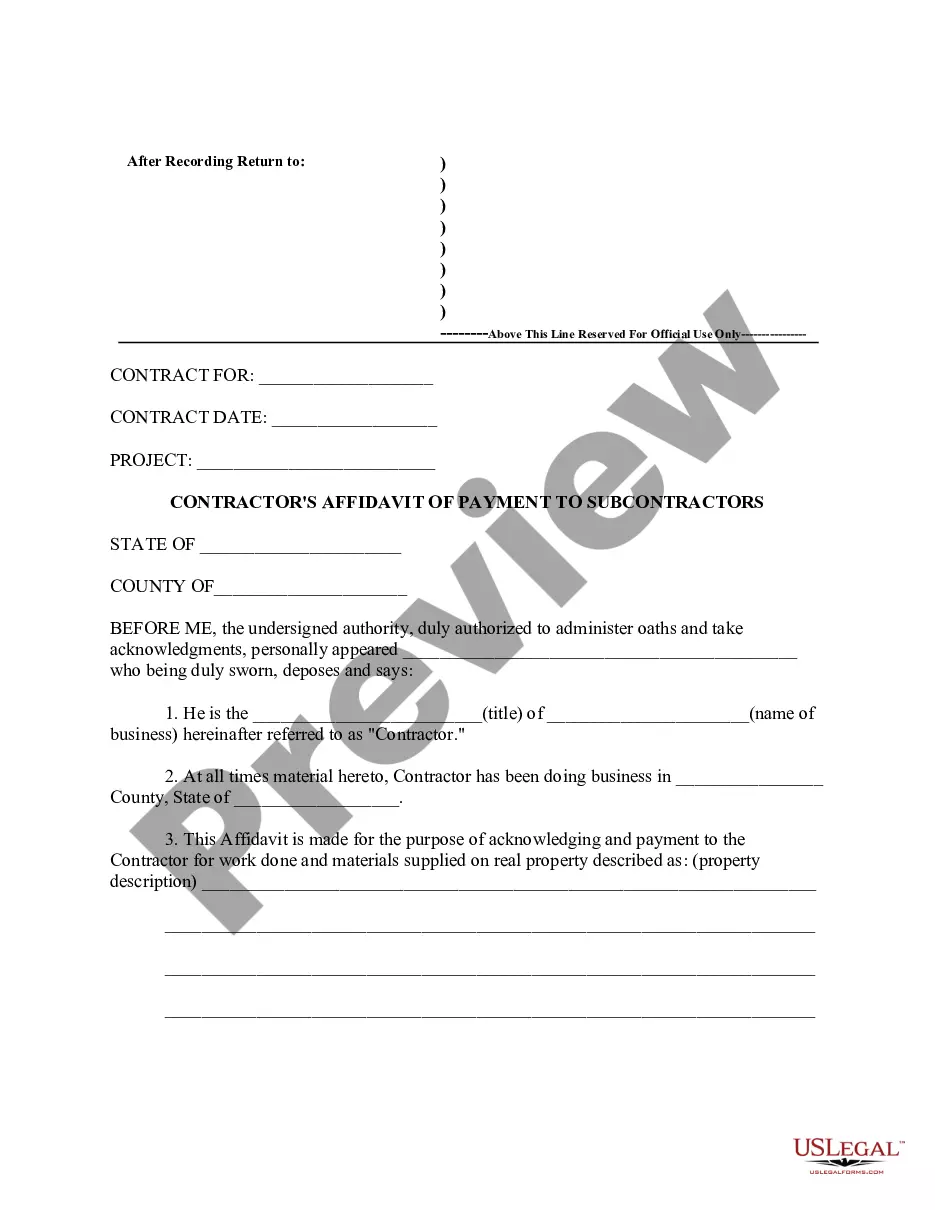
- Identification of the owner and contractor, including their roles in the project.
- Confirmation that all work has been completed satisfactorily and inspected by the owner.
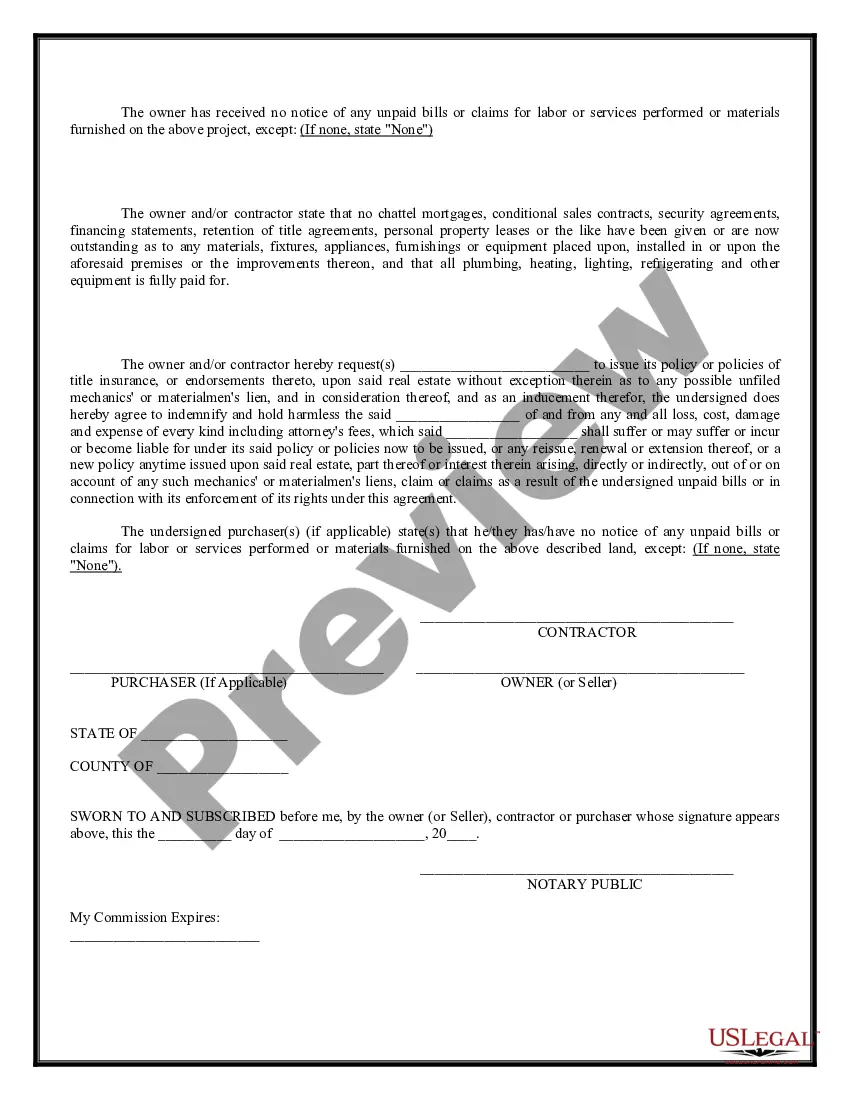
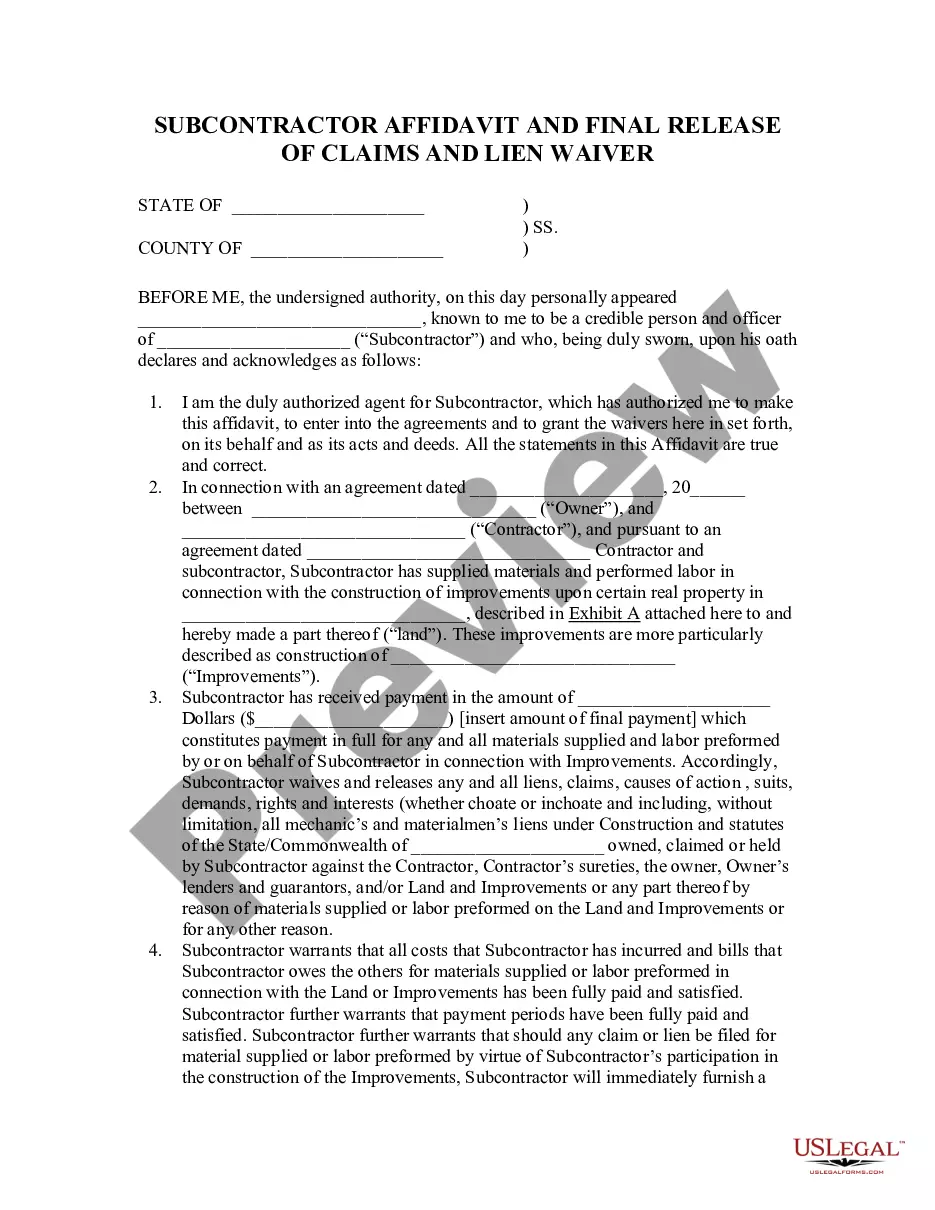
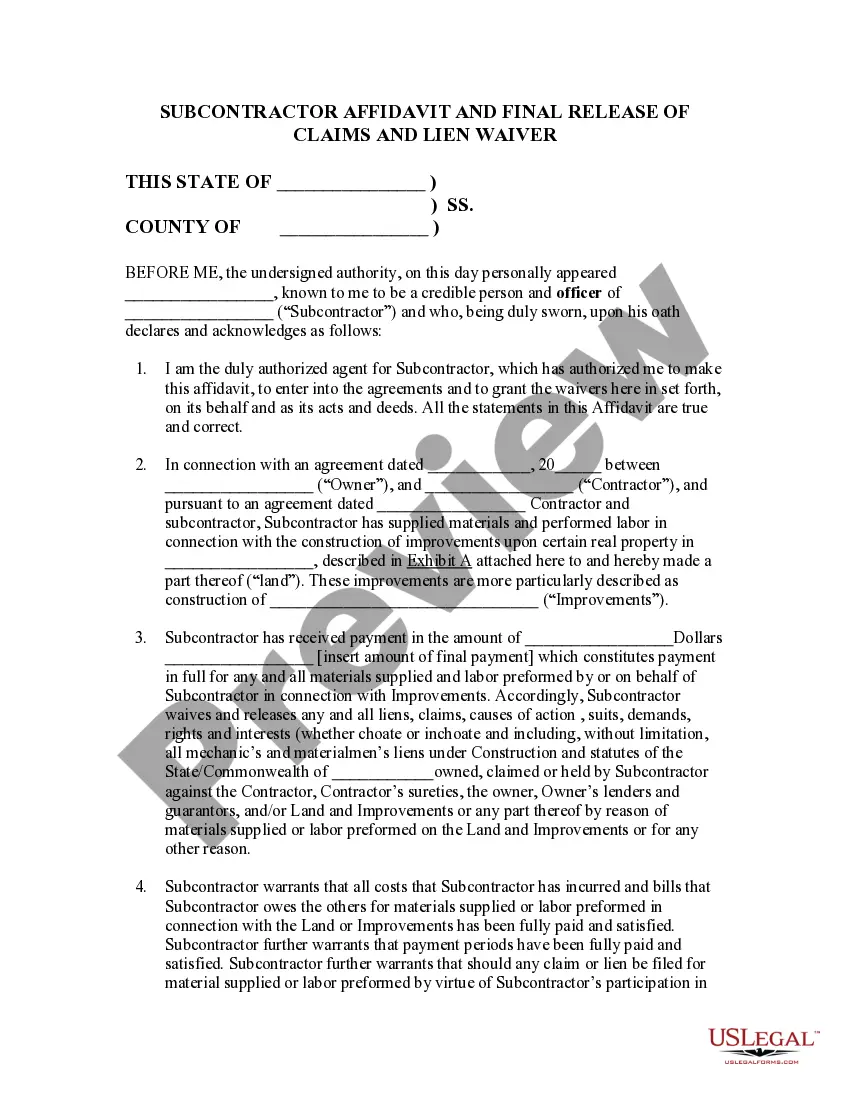
- Statement regarding the payment of subcontractors and other involved parties, waiving any future lien rights.
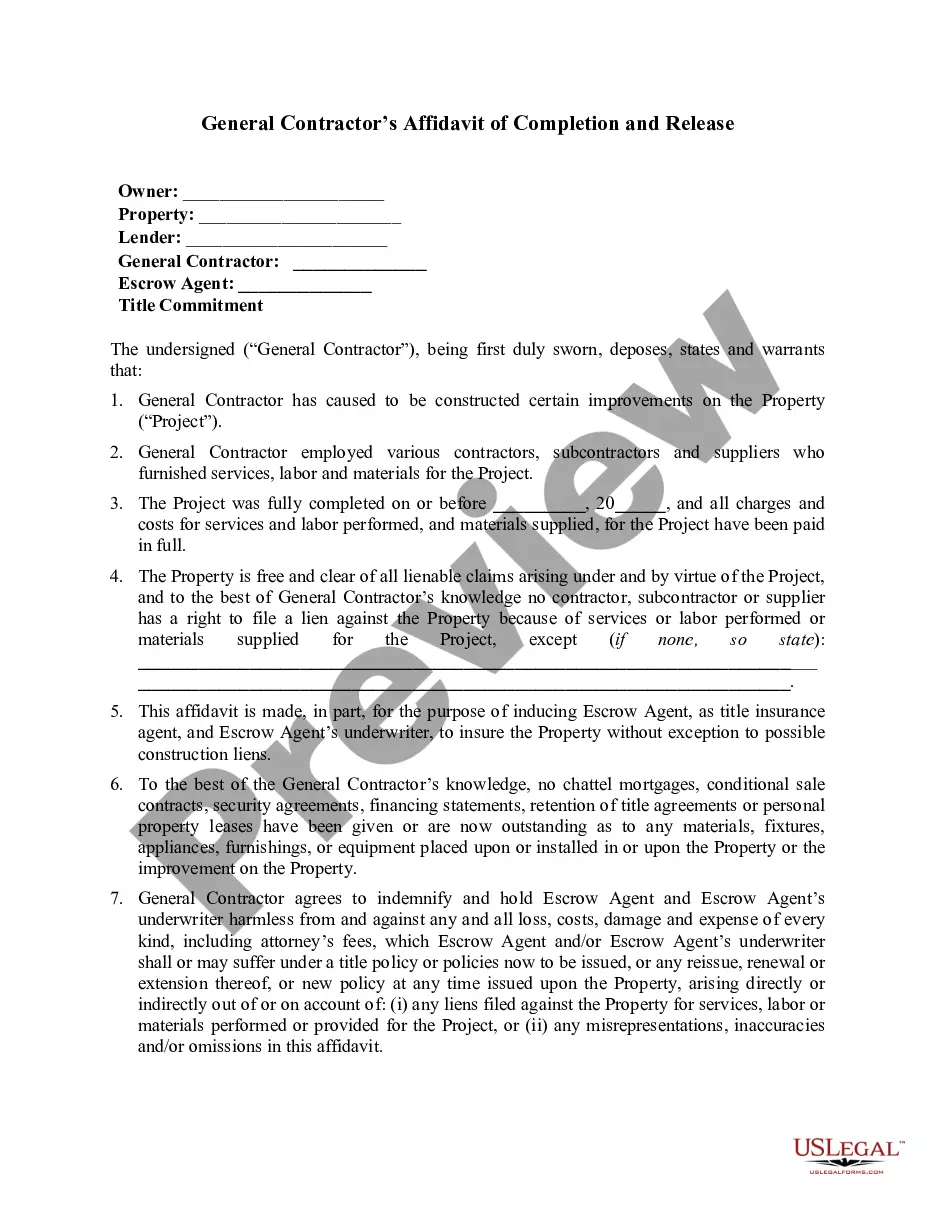
- Request for title insurance based on the affirmations outlined in the affidavit.
- Provision for the indemnity agreement to protect the insurer against potential claims.
Common use cases
This affidavit should be used upon the completion of a construction project to ensure that all financial obligations have been met before closing the project. It is particularly necessary when the owner wants to secure payment assurances for the contractor and subcontractors, as well as when the owner wants to remove any potential lien risks from the project, especially when securing title insurance.
Who should use this form
- Property owners looking to confirm their payment status and protect against liens.
- General contractors managing subcontractors and ensuring all work is completed satisfactorily.
- Purchasers involved in property transactions connected with recently completed construction.
Instructions for completing this form
- Identify the parties by providing the names of the owner, contractor, and other involved parties.
- Specify the property details, including the legal description of the property associated with the project.
- List any contracts or guarantees made by the owner that are relevant to the project.
- Detail any payment made to subcontractors, and ensure all claims and lien rights are waived.
- Have the document notarized by a public official if required.
- Ensure all signatures are completed before submitting or distributing the affidavit.
Notarization guidance
This form must be notarized to be legally valid. US Legal Forms provides secure online notarization powered by Notarize, allowing you to complete the process through a verified video call.
Get your form ready online
Our built-in tools help you complete, sign, share, and store your documents in one place.
Make edits, fill in missing information, and update formatting in US Legal Forms—just like you would in MS Word.
Download a copy, print it, send it by email, or mail it via USPS—whatever works best for your next step.
Sign and collect signatures with our SignNow integration. Send to multiple recipients, set reminders, and more. Go Premium to unlock E-Sign.
If this form requires notarization, complete it online through a secure video call—no need to meet a notary in person or wait for an appointment.
We protect your documents and personal data by following strict security and privacy standards.

Make edits, fill in missing information, and update formatting in US Legal Forms—just like you would in MS Word.

Download a copy, print it, send it by email, or mail it via USPS—whatever works best for your next step.

Sign and collect signatures with our SignNow integration. Send to multiple recipients, set reminders, and more. Go Premium to unlock E-Sign.

If this form requires notarization, complete it online through a secure video call—no need to meet a notary in person or wait for an appointment.

We protect your documents and personal data by following strict security and privacy standards.
Avoid these common issues
- Failing to include all contractors and subcontractors involved in the project.
- Not waiving lien rights correctly, which can lead to potential legal claims later.
- Omitting necessary property details or legal descriptions.
- Neglecting to have the document notarized when required.
Why use this form online
- Convenient access to the form that can be completed and downloaded instantly.
- Editability allows users to customize the affidavit to fit their specific project needs.
- Reliability in ensuring that legal requirements are met through professionally drafted templates.
What to keep in mind
- The Owner's and Contractor Affidavit confirms completion of a project and payment of all parties involved.
- It protects both the owner and contractor from future claims and helps facilitate title insurance issuance.
- Completion requires accurate property details, payment confirmations, and notarization.
Looking for another form?

Form popularity
FAQ
Determine How to Pay Contractors. Unlike with employees, you don't typically pay contractors a salary. Collect W-9 Form. Set Up a Contractor in the Payroll System. Process Payment to Independent Contractor. Send Form 1099-MISC.
The payment bond is backed by a surety company, and protects the owner and subcontractors. If a general contractor refuses to pay his subcontractors, they can make a claim against the payment bond. The surety company will pay out the subcontractors for at least part of their money and take the contractor to court.
You can withhold payments from a subcontractor if he does not perform the job in the time frame specified by contract.You cannot withhold payment from a subcontractor for work performed, but you can withhold time penalties and the cost of your damages until the issue is resolved in court.
The owner who disregards the terms of a contract by paying a subcontractor directly (leapfrogging) does so at its peril; the owner risks having to also pay the contractor for the same work or overpayment.Leapfrogging may abridge another subcontractor's mechanics lien rights or rights under a trust fund statute.
The law allows the government, contractors, and subcontractors to include a retainage provision in the contract that retains a specific amount from progress payments. However, the party must pay retainage within 30 days of final acceptance.
Under this doctrine, the subcontractor or supplier can sue the property owner for payment if the owner has not paid the general contractor for the particular work or materials. The theory is that the owner would be "unjustly enriched" if he were allowed to reap the benefit of the work or materials without paying.
A contractor who has been paid for a project and refuses to pay a subcontractor shall as a penalty, pay 2 percent of the amount due per month every month that the payment is not made. In addition, the prevailing party shall be entitled to his attorney's fees and costs.
Usually, anything that subcontractors would be liable for, general contractors may also be liable for (with the caveat that if the contractor has to pay for damages, the subcontractor who is legally responsible will often reimburse the general contractor).