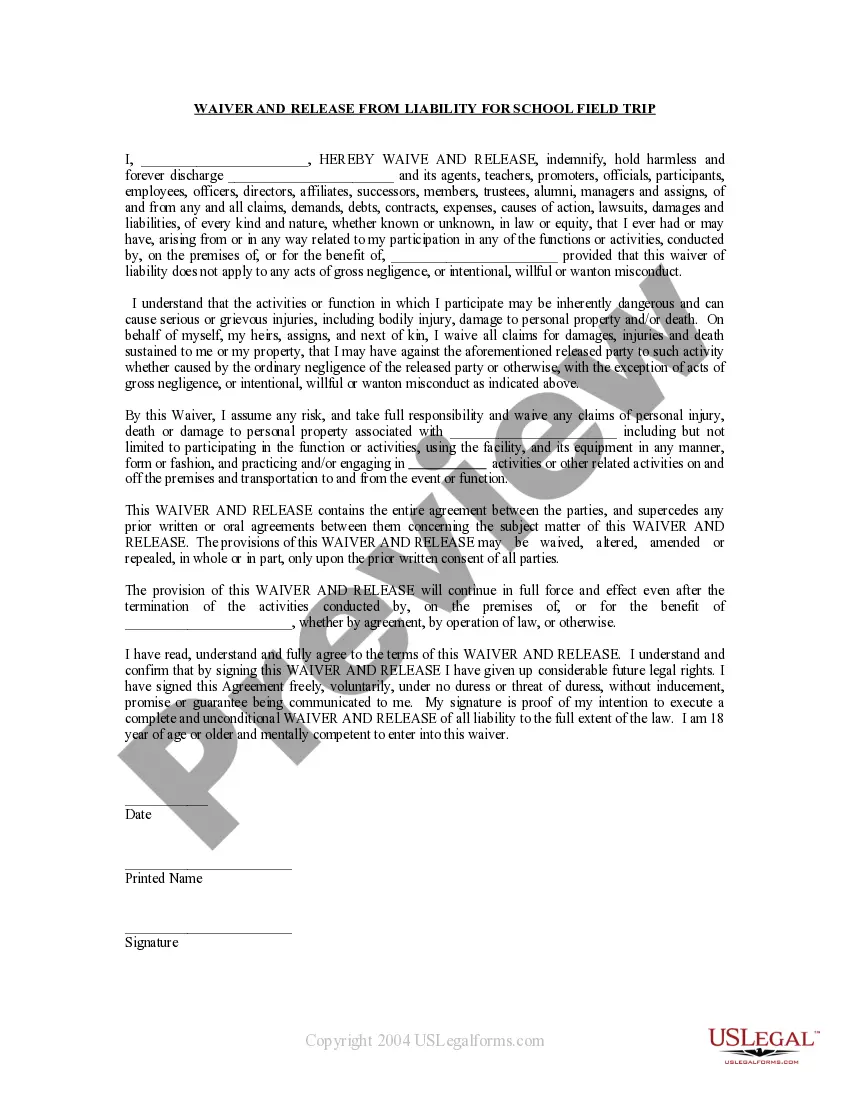
Option to Purchase Stock - Short Form
Overview of this form
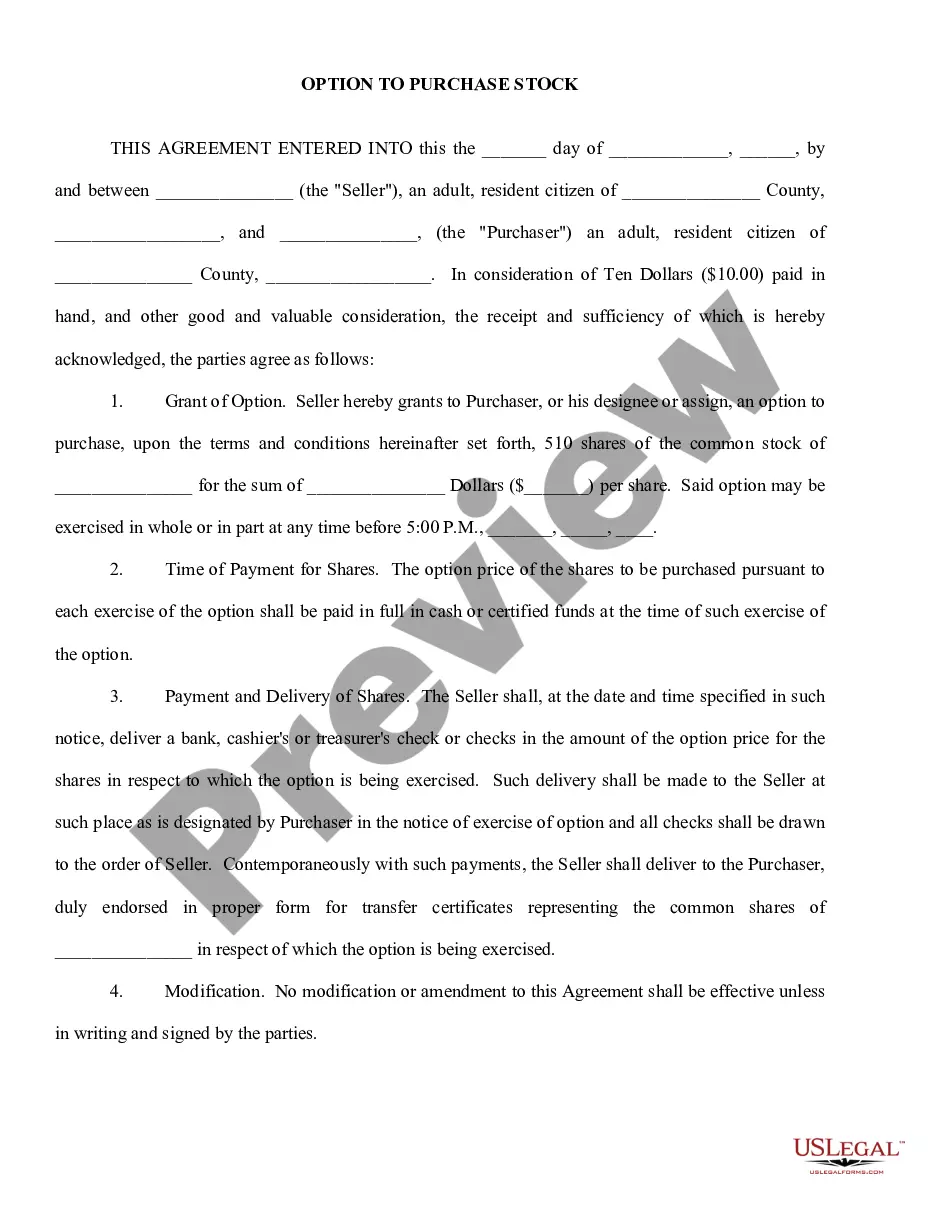
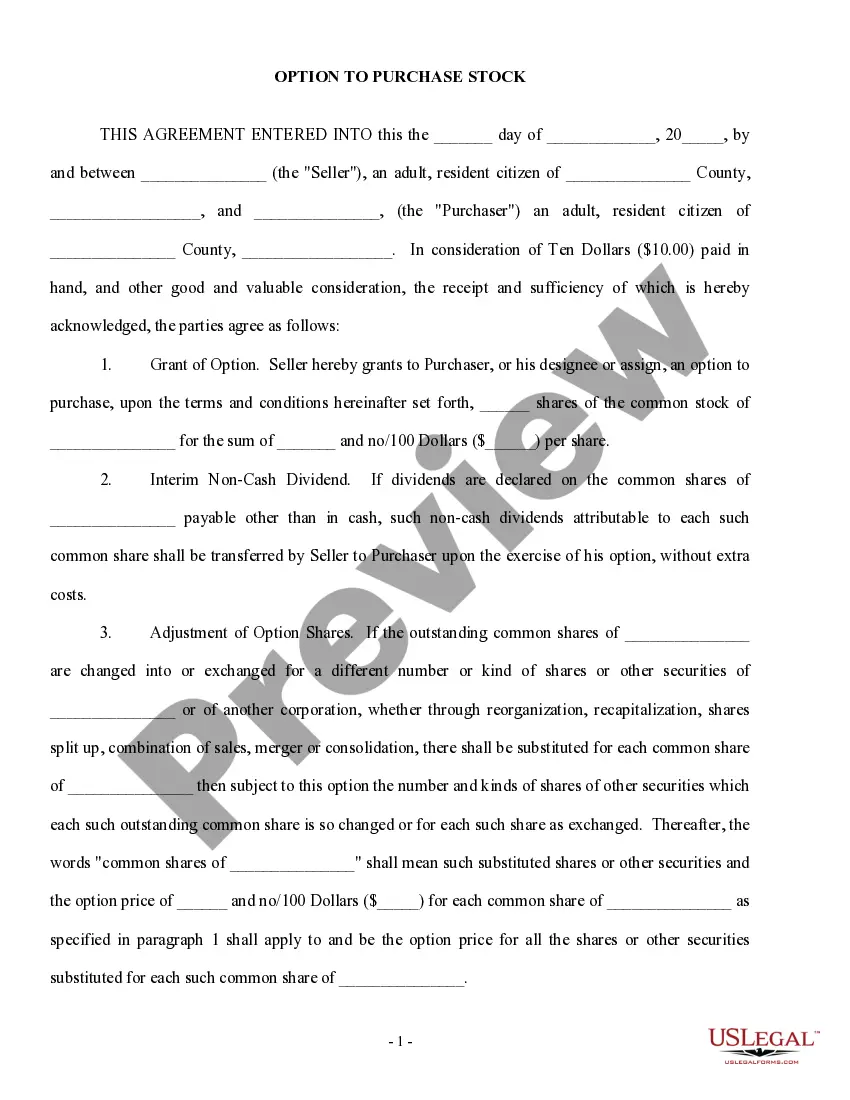
The Option to Purchase Stock - Short Form is a legal document that outlines the agreement between a seller and a purchaser regarding the option to buy shares of stock. This form sets the specific terms for exercising the option, including the price and timeframe for purchase, distinguishing it from similar stock purchase agreements by focusing on the option itself rather than the sale of stock.
What’s included in this form
- Parties Involved: Identifies the seller and purchaser, including their residential information.
- Grant of Option: Details the number of shares available for purchase and the price per share.
- Timeframe for Exercise: Specifies the deadline by which the option can be exercised.
- Payment Terms: Outlines the payment requirements when exercising the option.
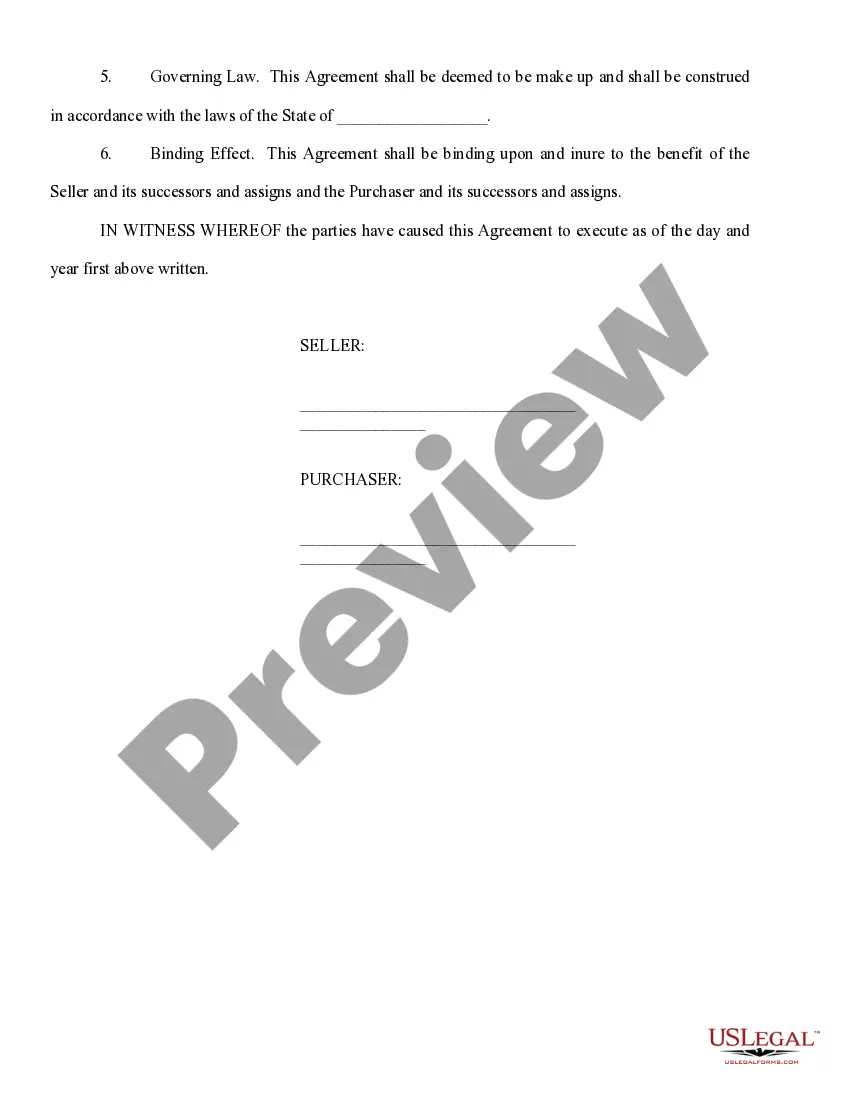
- Modification and Governing Law: Addresses how amendments to the agreement can be made and which state's laws govern the agreement.
When to use this document
This form is essential when an individual or entity intends to offer an option to purchase shares of stock to another party. It is particularly useful in business transactions where the seller wants to provide a potential buyer with the opportunity to acquire stock at a specified price within a designated time frame. This agreement helps clarify terms and protects the interests of both parties involved in the stock option arrangement.
Who should use this form
- Business owners looking to offer stock options to employees or investors.
- Individuals considering purchasing stock through a structured option agreement.
- Legal representatives facilitating stock option agreements between parties.
- Investors wanting clearly defined terms for stock purchases in a private company.
Completing this form step by step
- Identify the parties: Clearly state the names and addresses of the seller and purchaser.
- Specify the option details: Indicate the number of shares and the price per share.
- Set the expiration date: Clearly state the deadline for exercising the option.
- Outline payment methods: Describe how payment for the shares will be made upon exercising the option.
- Gather signatures: Ensure both parties sign and date the agreement to make it enforceable.
Notarization requirements for this form
This form does not typically require notarization unless specified by local law. Always check local regulations to ensure compliance with any additional requirements.
Get your form ready online
Our built-in tools help you complete, sign, share, and store your documents in one place.
Make edits, fill in missing information, and update formatting in US Legal Forms—just like you would in MS Word.
Download a copy, print it, send it by email, or mail it via USPS—whatever works best for your next step.
Sign and collect signatures with our SignNow integration. Send to multiple recipients, set reminders, and more. Go Premium to unlock E-Sign.
If this form requires notarization, complete it online through a secure video call—no need to meet a notary in person or wait for an appointment.
We protect your documents and personal data by following strict security and privacy standards.

Make edits, fill in missing information, and update formatting in US Legal Forms—just like you would in MS Word.

Download a copy, print it, send it by email, or mail it via USPS—whatever works best for your next step.

Sign and collect signatures with our SignNow integration. Send to multiple recipients, set reminders, and more. Go Premium to unlock E-Sign.

If this form requires notarization, complete it online through a secure video call—no need to meet a notary in person or wait for an appointment.

We protect your documents and personal data by following strict security and privacy standards.
Typical mistakes to avoid
- Failing to specify a clear expiration date for exercising the option.
- Not stating the number of shares or price per share explicitly.
- Omitting essential party details such as address or identification.
- Assuming verbal agreements are sufficient without formal documentation.
Benefits of completing this form online
- Convenience: Download and complete the form at your own pace, eliminating the need for in-person meetings.
- Editability: Easily input specific details relevant to your transaction.
- Legal reliability: Ensure the form complies with general legal standards and is drafted in conjunction with licensed attorneys.
Looking for another form?


Form popularity
FAQ
The simplest way to short a stock using options is to buy a put option. A put option will usually gain in value due to either a decrease in the underlying stock price or an increase in volatility.
With a short sale, an investor borrows shares from a broker and sells them on the market, hoping the price has decreased so they can buy them back at a lower cost.The buyer of a put option can pay a premium to have the right, but not the requirement, to sell a specific number of shares at an agreed-upon strike price.
Sell one out-of-the-money put option for every 100 shares of stock you'd like to own. Wait for the stock price to decrease to the put options' strike price. If the options are assigned by the options exchange, buy the underlying shares at the strike price.
Key Takeaways. Shorting stocks is a way to profit from falling stock prices. A fundamental problem with short selling is the potential for unlimited losses. Shorting is typically done using margin and these margin loans come with interest charges, which you have pay for as long as the position is in place.
As the Securities and Exchange Commission states, however, a scheme to manipulate the price or availability of stock in order to cause a short squeeze is illegal. Speaking about the GME short squeeze, Dr Elvis Jarnecic, senior lecturer at the University of Sydney Business School, claims that, if institutions did
The traditional way of shorting involves borrowing shares from your broker and selling them in the open market. Clearly, you want the value of the stock to decline, so you can buy the shares back at a lower price. Your profit is simply the price sold minus the price purchased pretty straightforward.
One way to make money on stocks for which the price is falling is called short selling (or going short). Short selling is a fairly simple conceptan investor borrows a stock, sells the stock, and then buys the stock back to return it to the lender.
Different types of short selling. Short selling: the two key types. Covered short selling. Uncovered (naked) short selling.
When you sell the stock short, you'll receive $10,000 in cash proceeds, less whatever your broker charges you as a commission. That money will be credited to your account in the same manner as any other stock sale, but you'll also have a debt obligation to repay the borrowed shares at some time in the future.