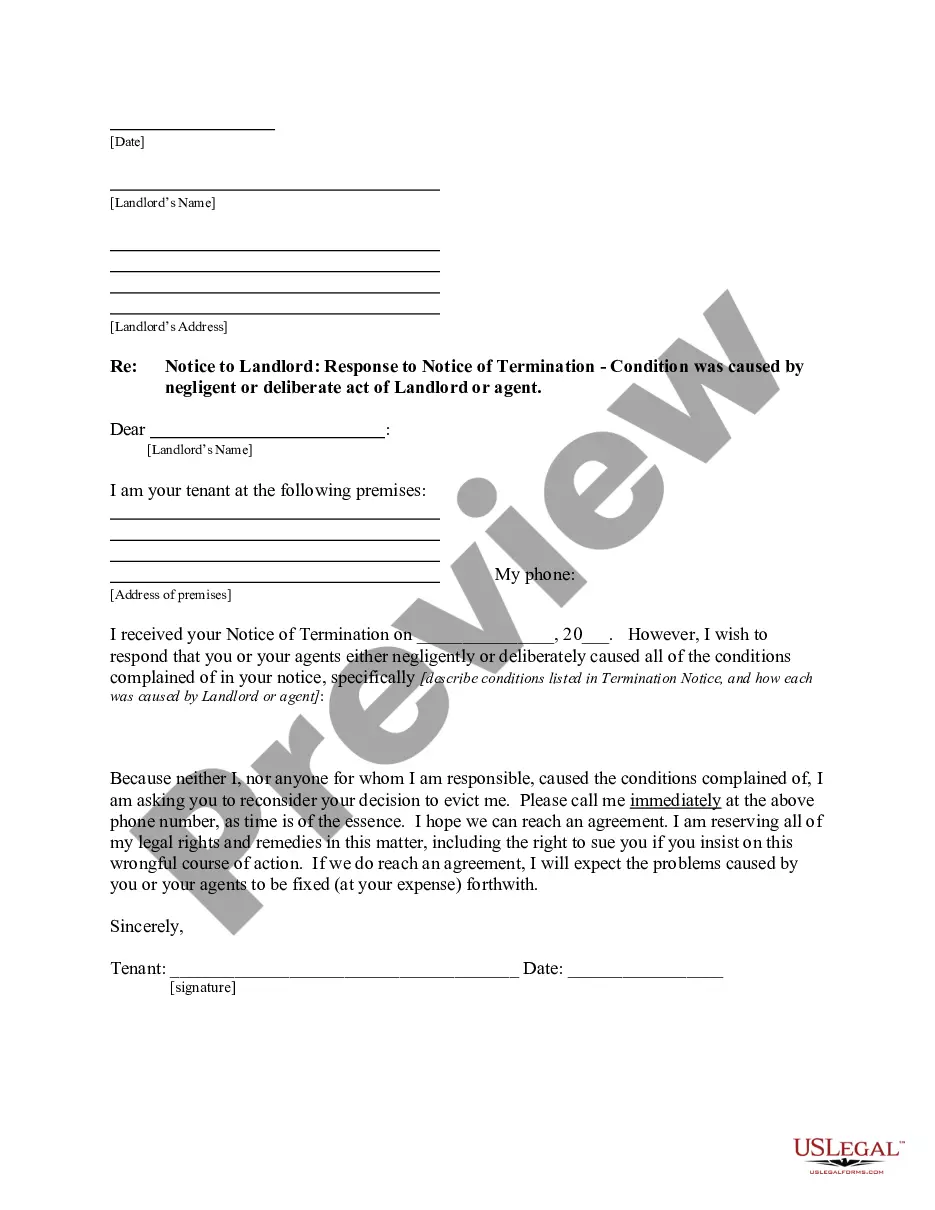
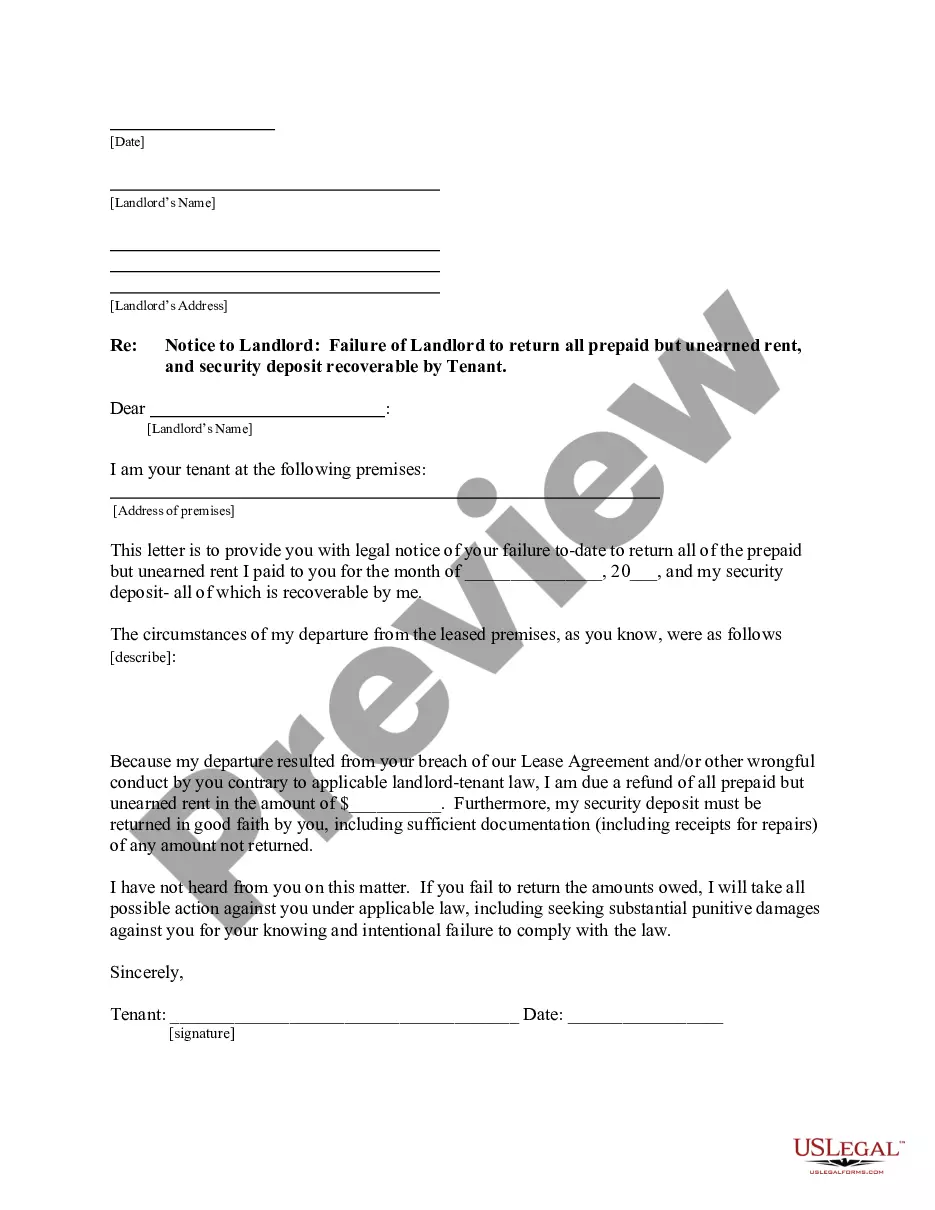
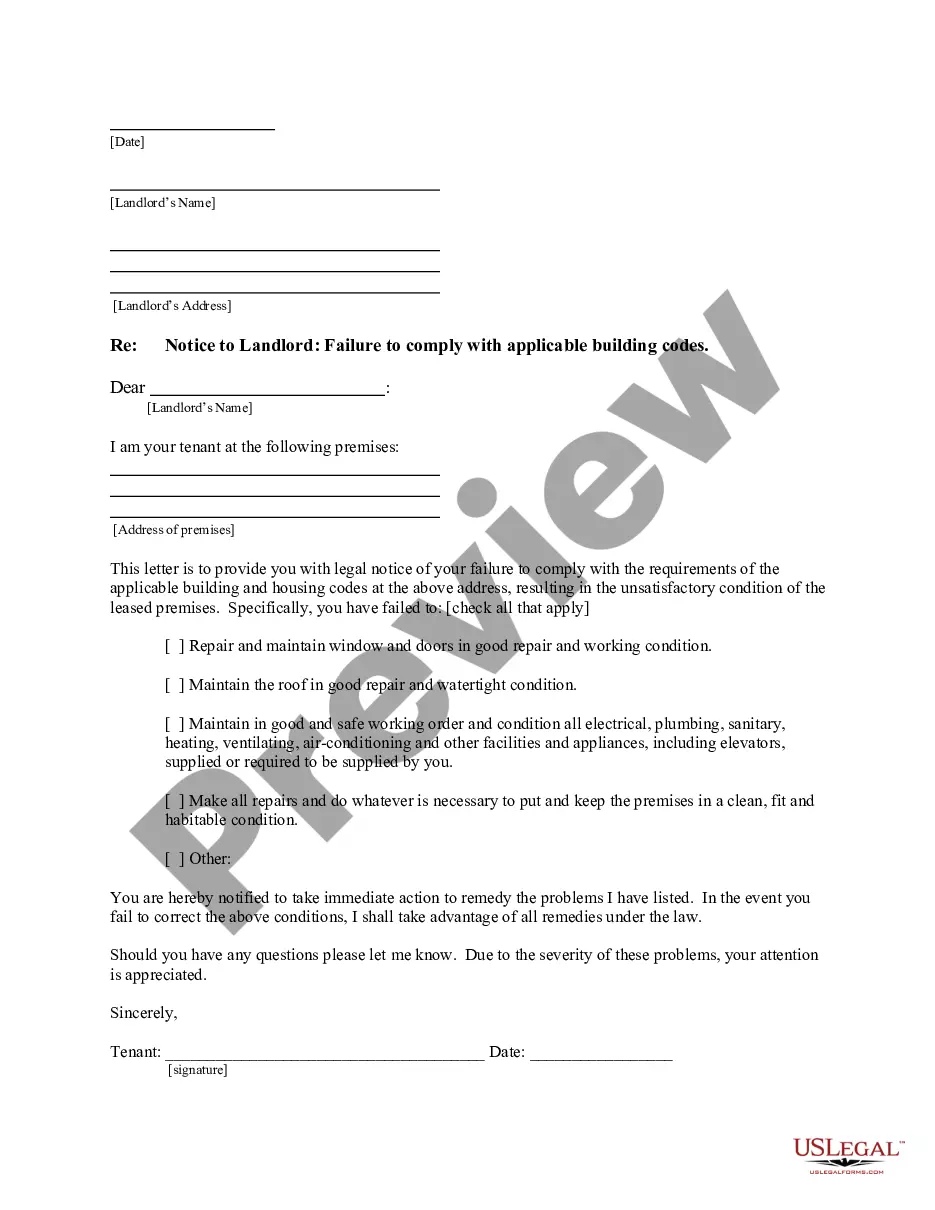
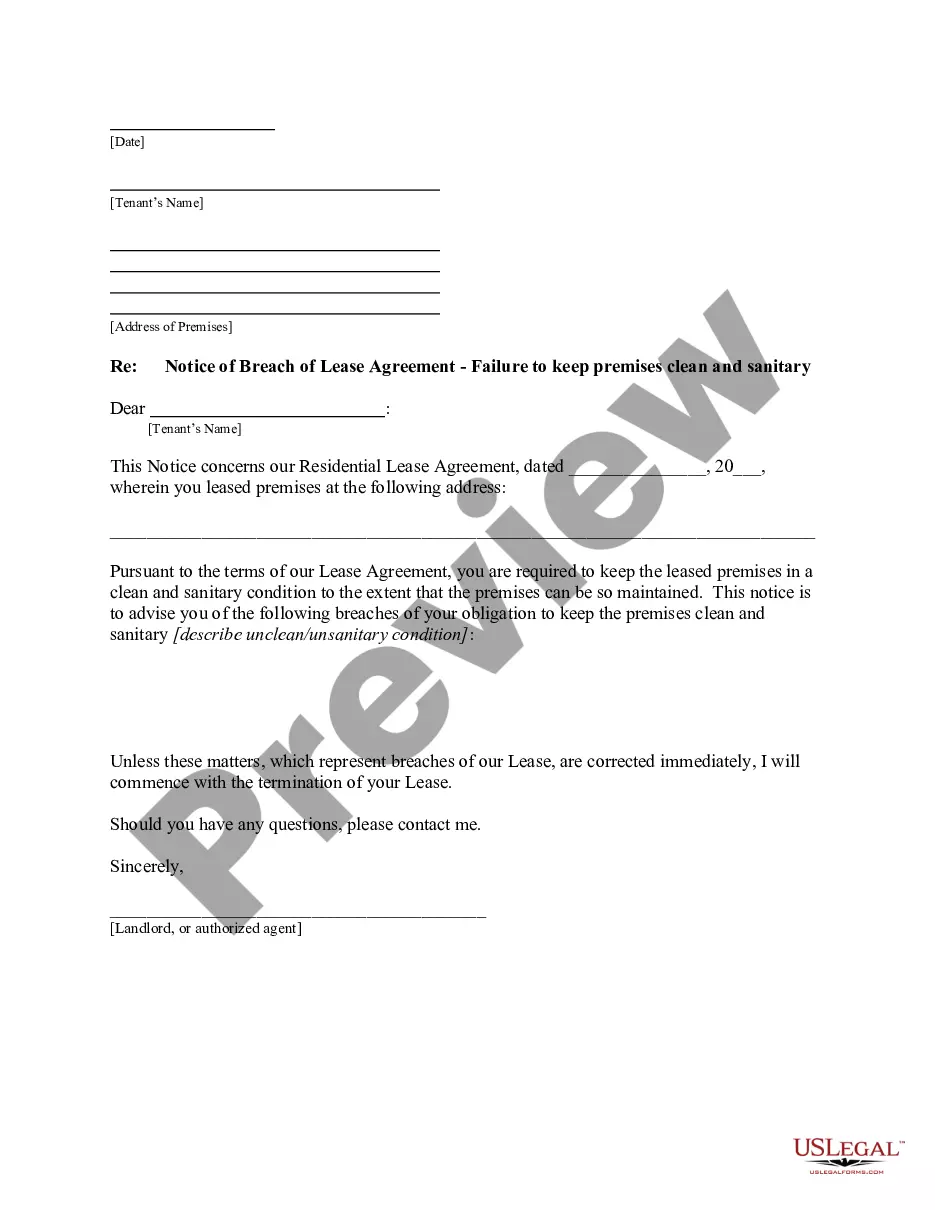
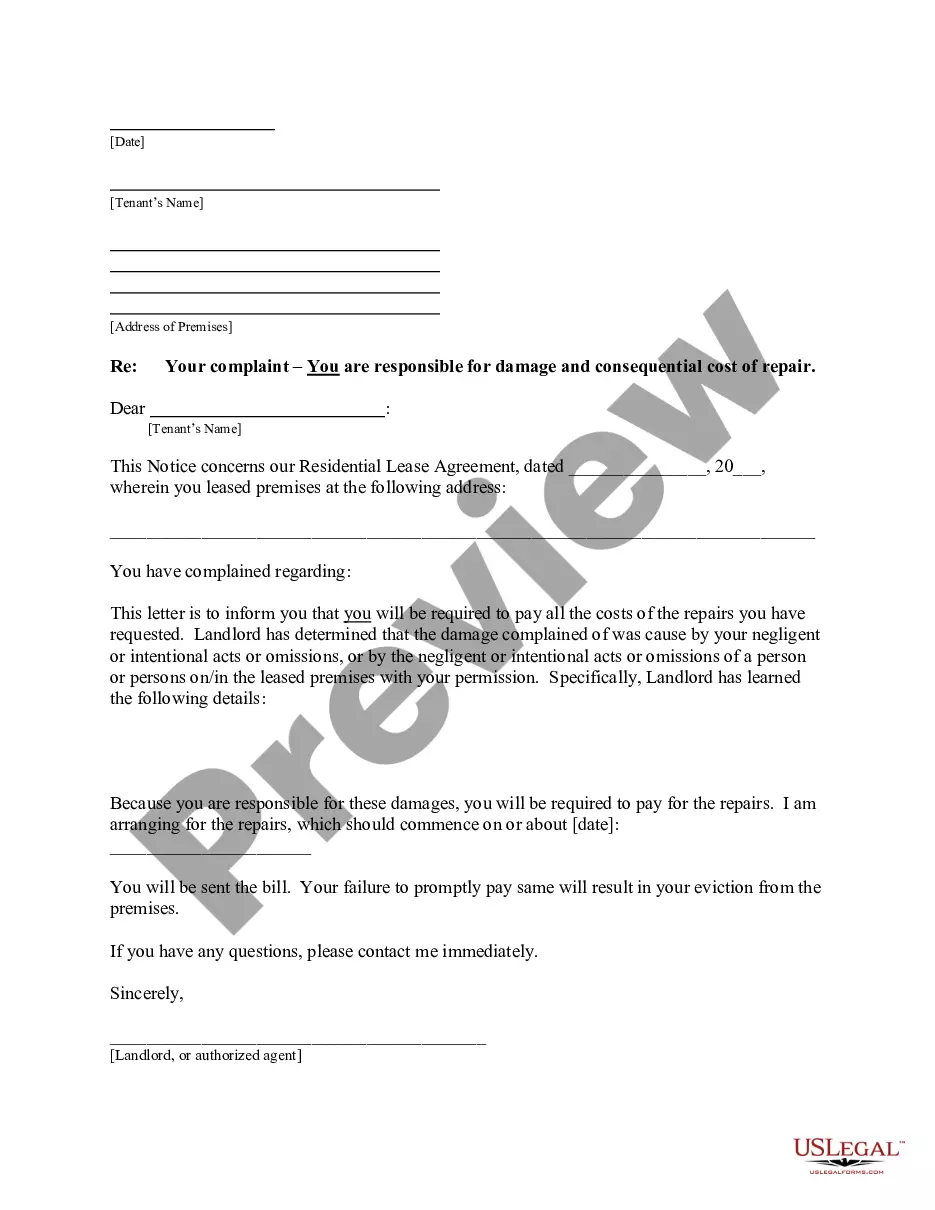
Option For the Sale and Purchase of Real Estate - Farm Land
What is this form?
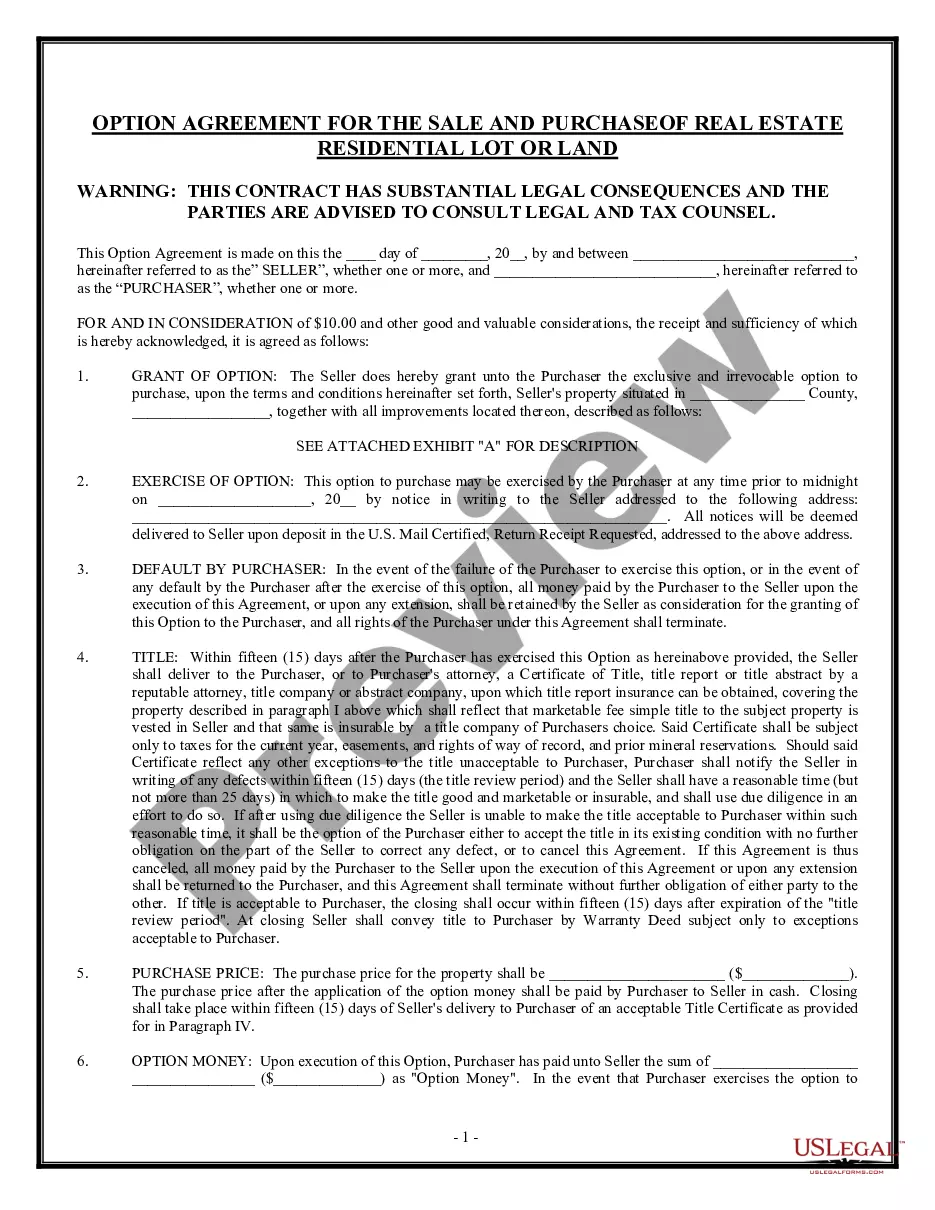
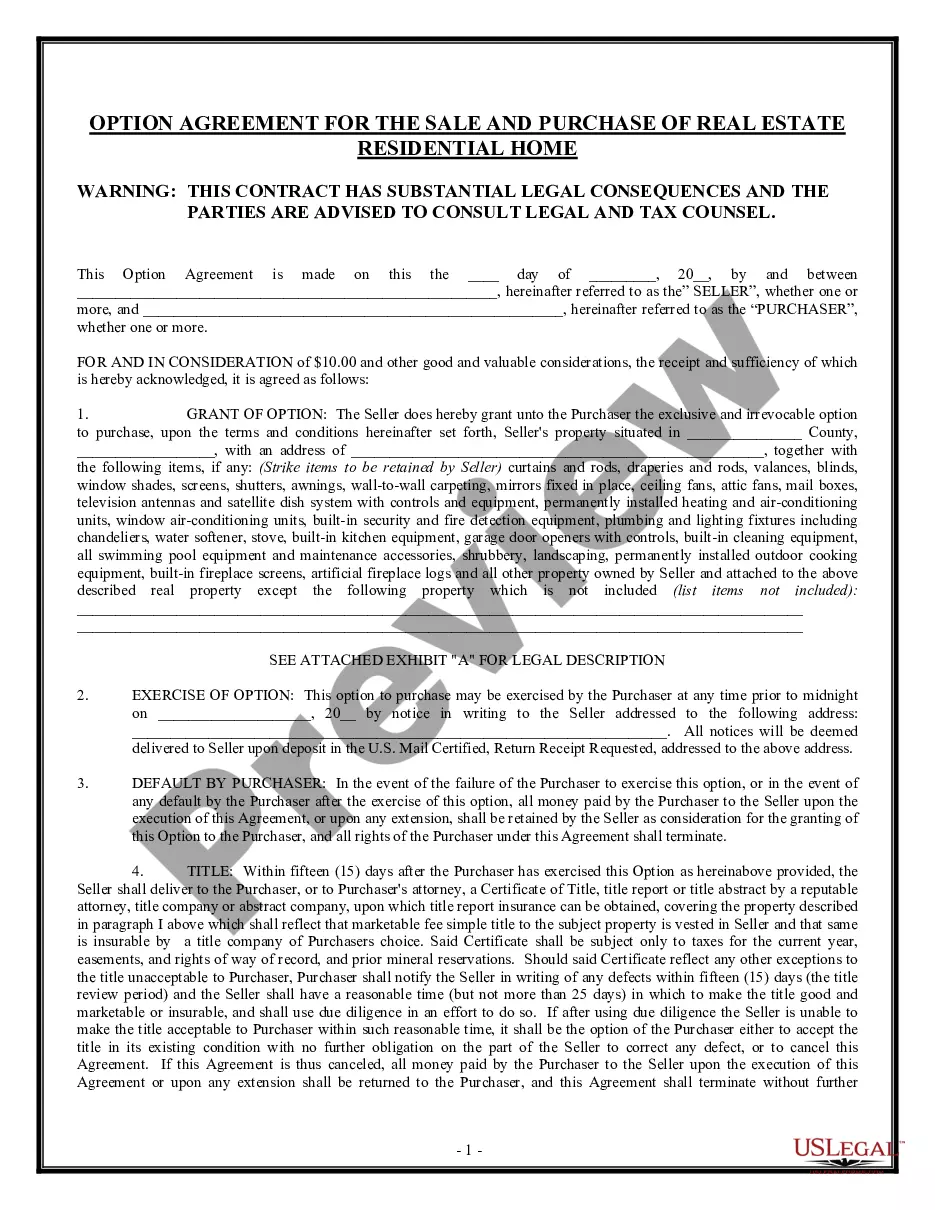
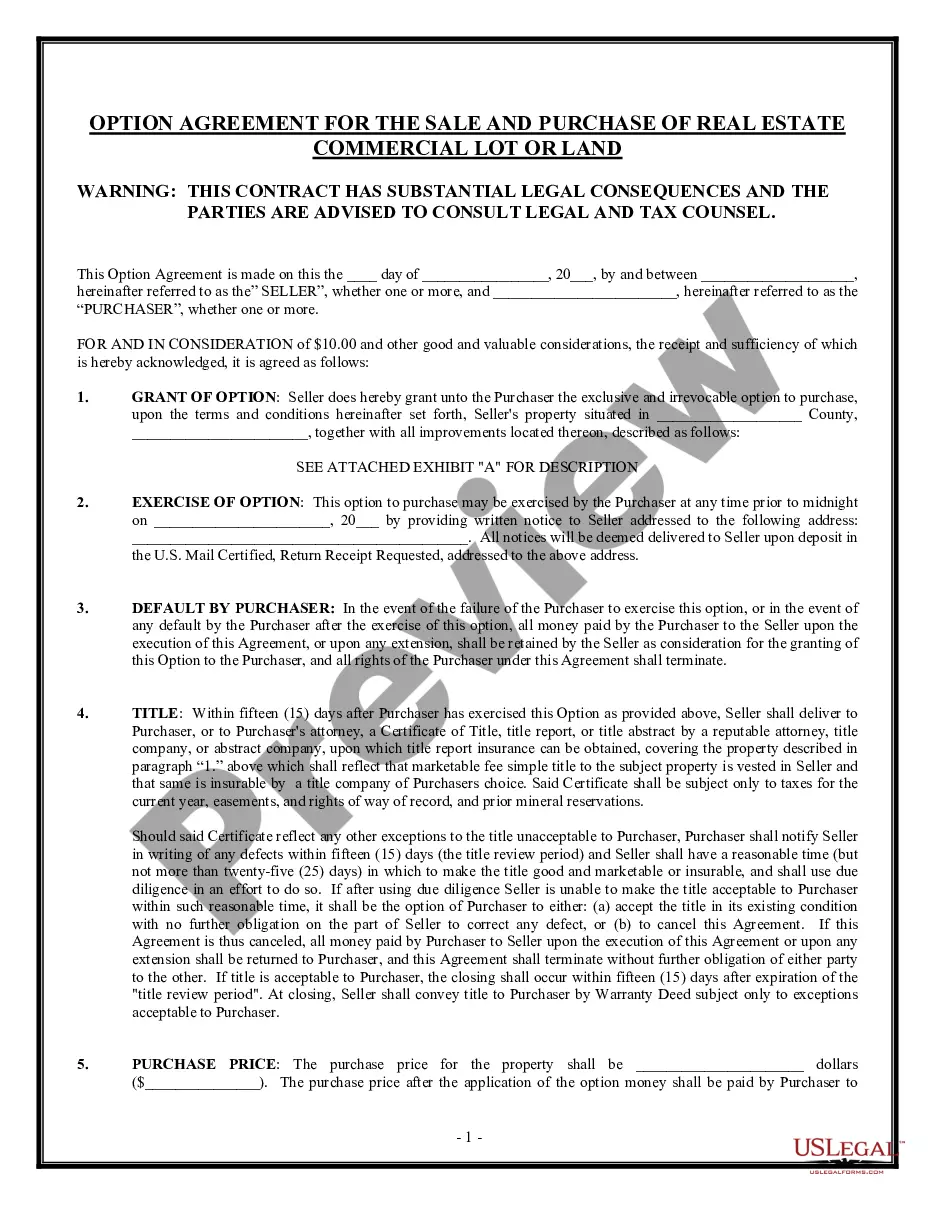
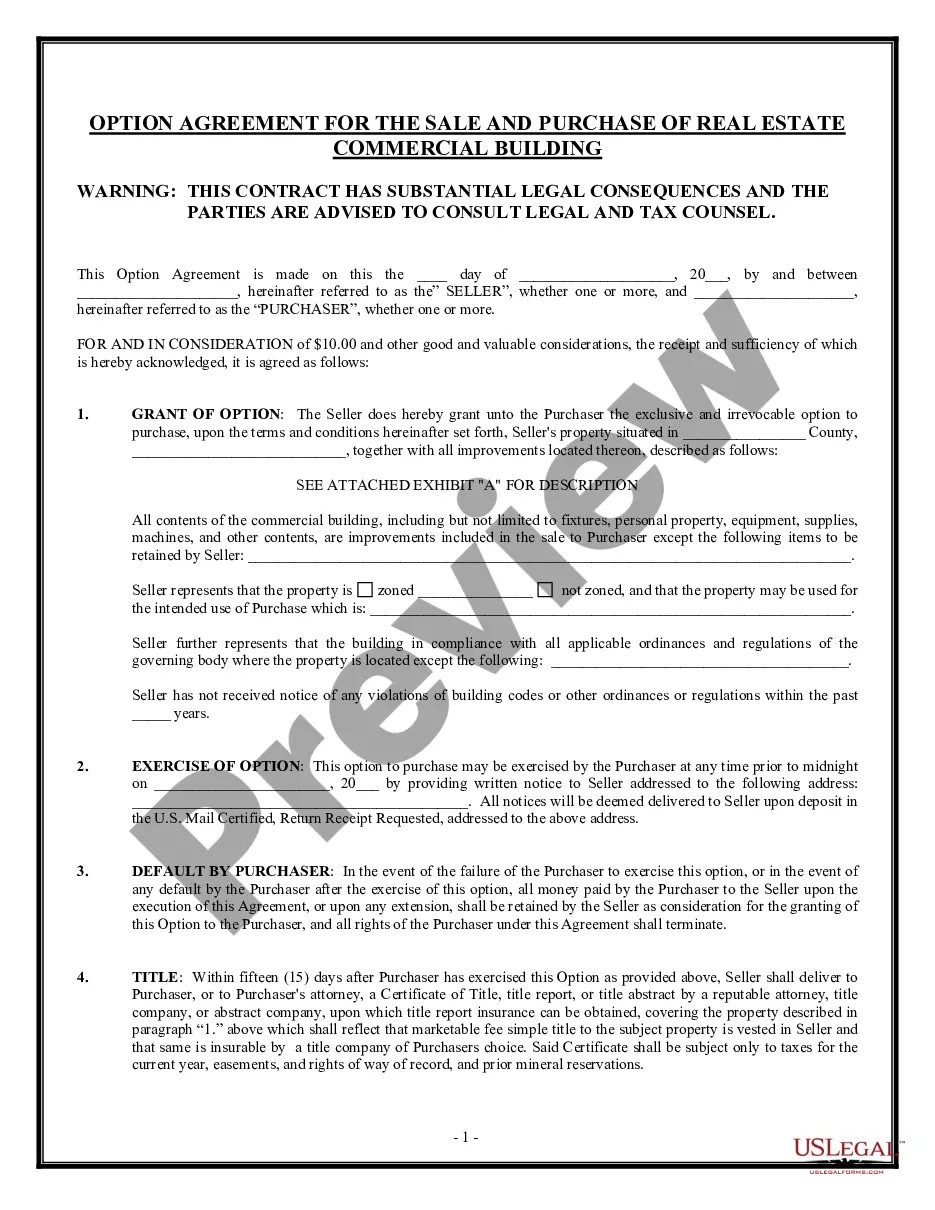
This Option for the Sale and Purchase of Real Estate - Farm Land form is a legal document that grants the purchaser an exclusive option to buy a specific piece of farm land from the seller. This form is ideal for securing the right to purchase real estate while allowing time for inspections, financing, or other considerations before the actual sale is finalized. It differs from a traditional purchase agreement, as it does not require immediate purchase but rather provides a timeframe for the buyer to make a decision.
Main sections of this form
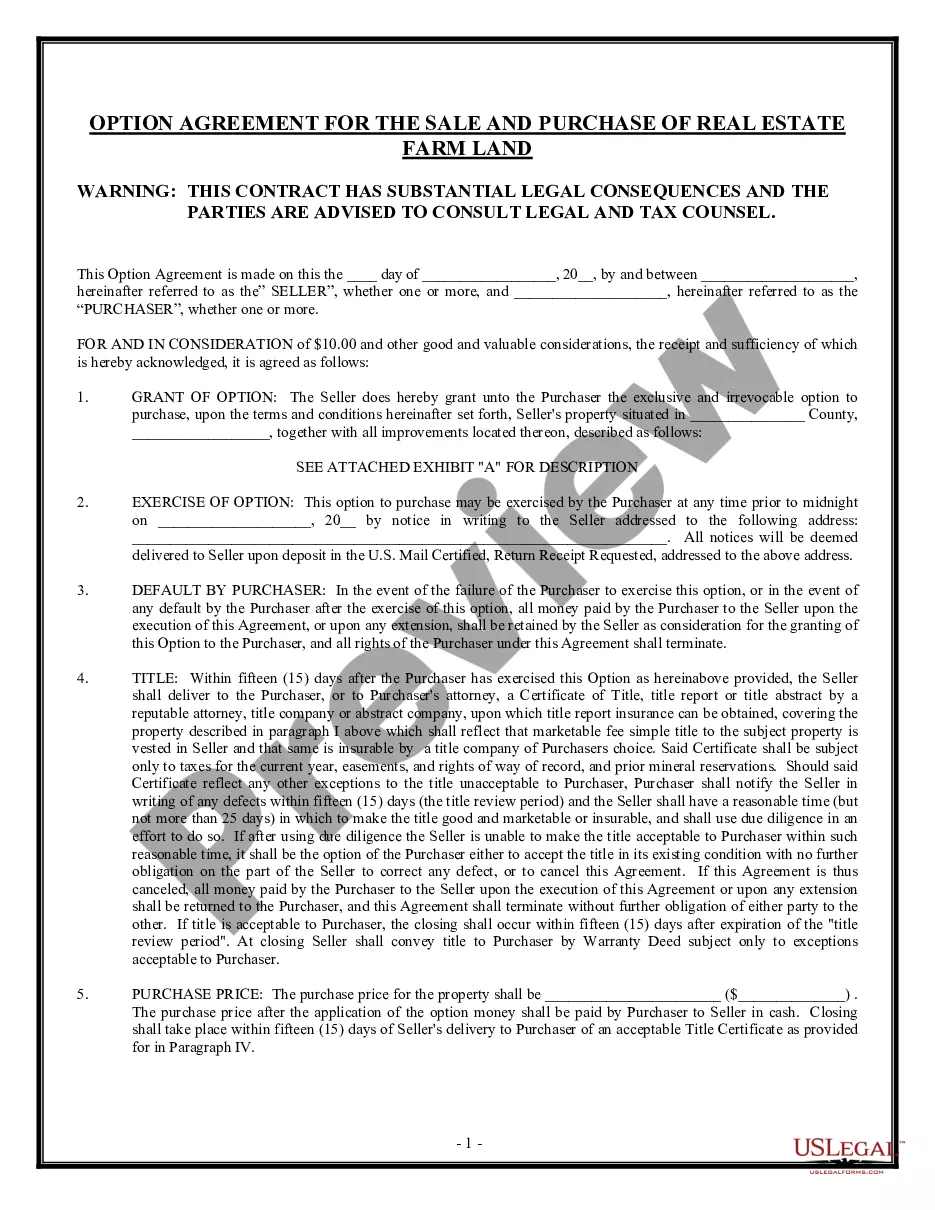
- Grant of Option: Details the terms of the seller's option to sell the property.
- Exercise of Option: Outlines how and when the buyer can exercise their option to purchase.
- Title: Specifies title requirements and conditions for the property.
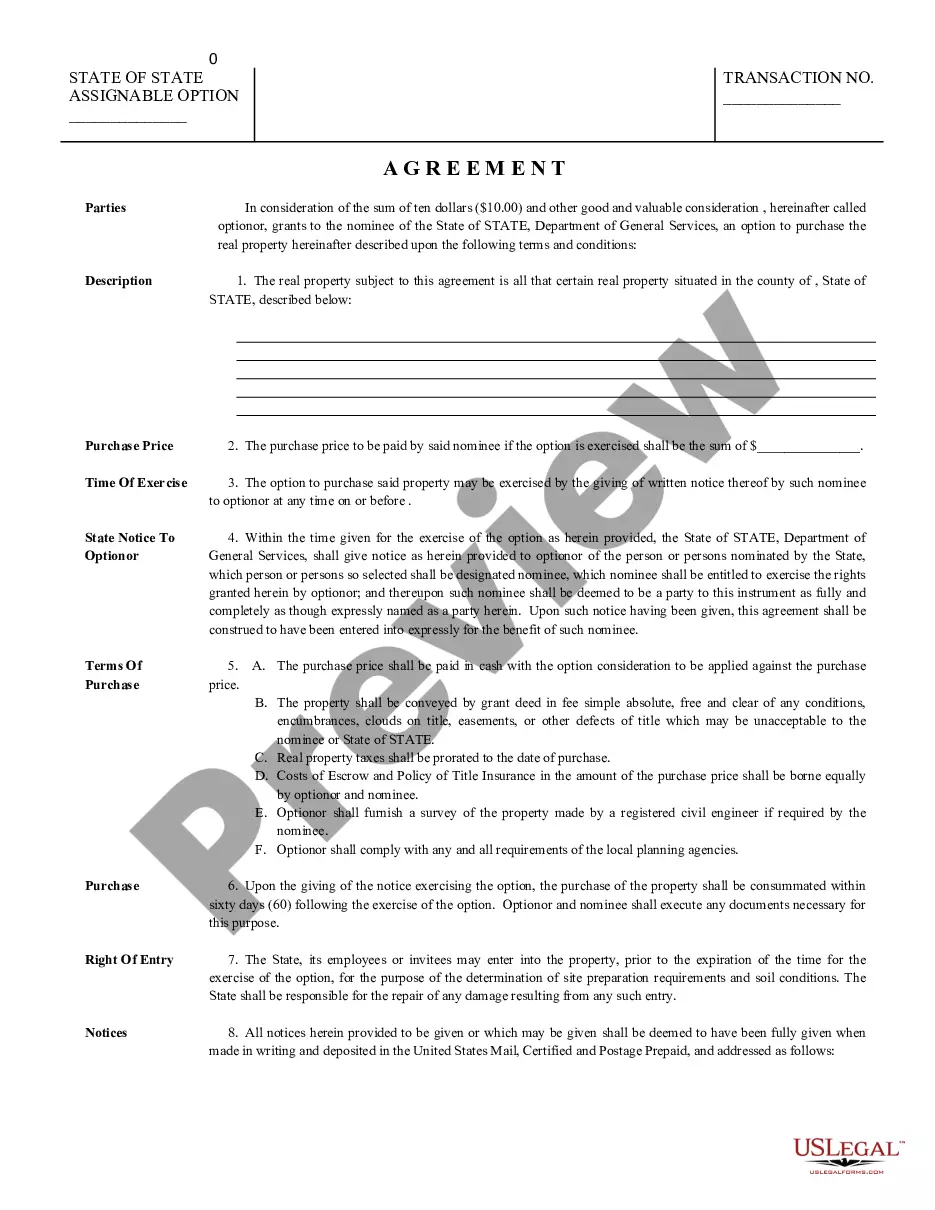
- Purchase Price: States the agreed-upon price for the property.
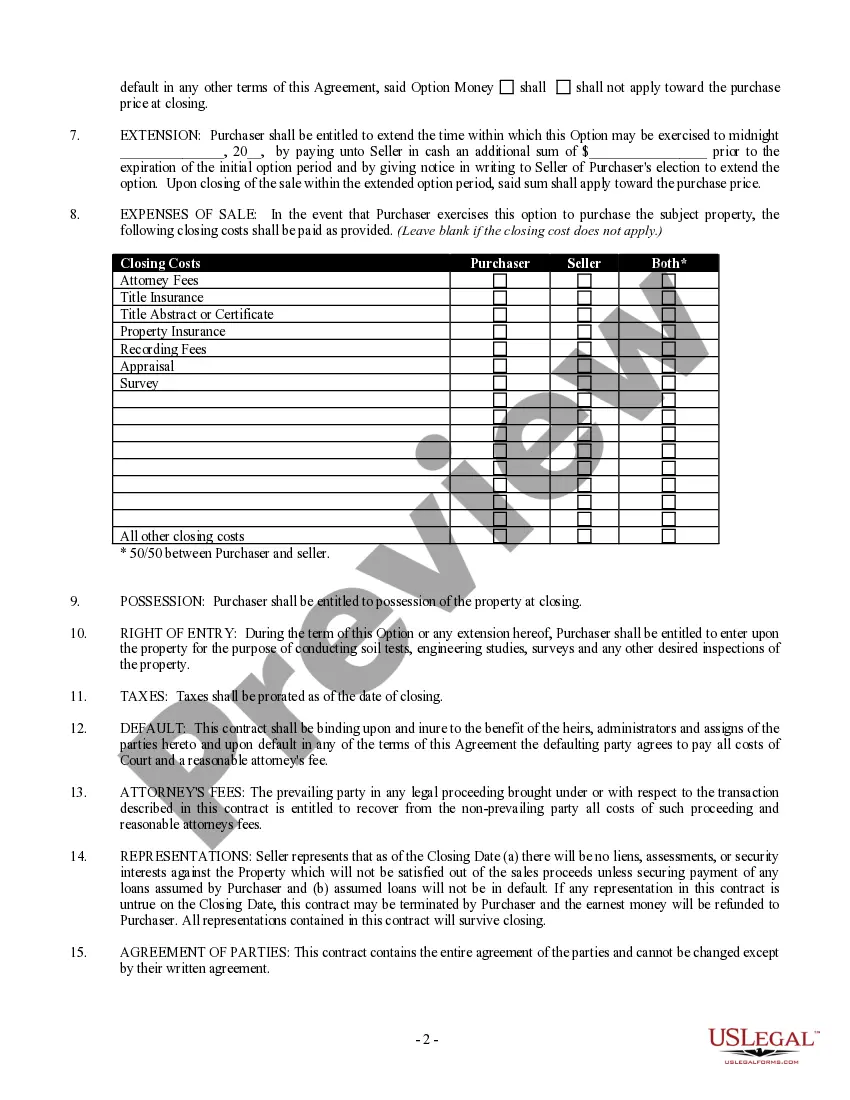
- Option Money: Notes the amount paid as part of securing the option.
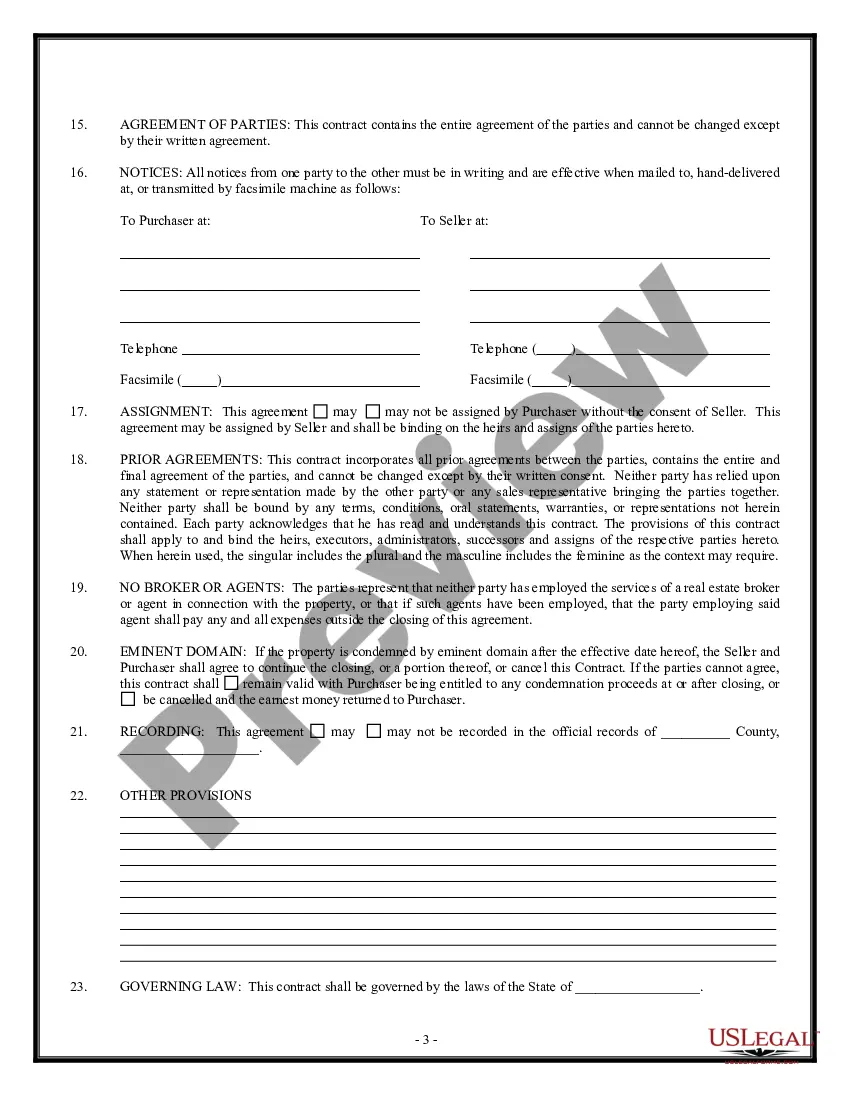
- Extension: Provides conditions for extending the exercise period of the option.

Common use cases
This form is typically used when a prospective buyer wants to secure the right to purchase farm land without committing to an immediate sale. It is useful in situations where the buyer needs time to conduct due diligence, obtain financing, or assess the property's suitability. It can also be beneficial in agricultural contexts where price or market conditions may change rapidly.
Who can use this document
- Farm land buyers looking for flexibility before making a purchasing decision.
- Sellers of agricultural properties who want to provide potential buyers an option to purchase.
- Real estate investors evaluating farm land as an investment opportunity.
- Individuals or entities seeking to buy land for development or farming purposes.
How to complete this form
- Identify the parties: Fill in the names and addresses of both the seller and purchaser.
- Specify the property: Enter a detailed property description and location.
- Set the option exercise date: Indicate the deadline by which the purchaser must exercise the option.
- Document the purchase price: Clearly write the agreed-upon price for the property.
- Complete title provisions: Ensure the seller will provide a title report and adhere to qualifications set forth in the form.
Notarization guidance
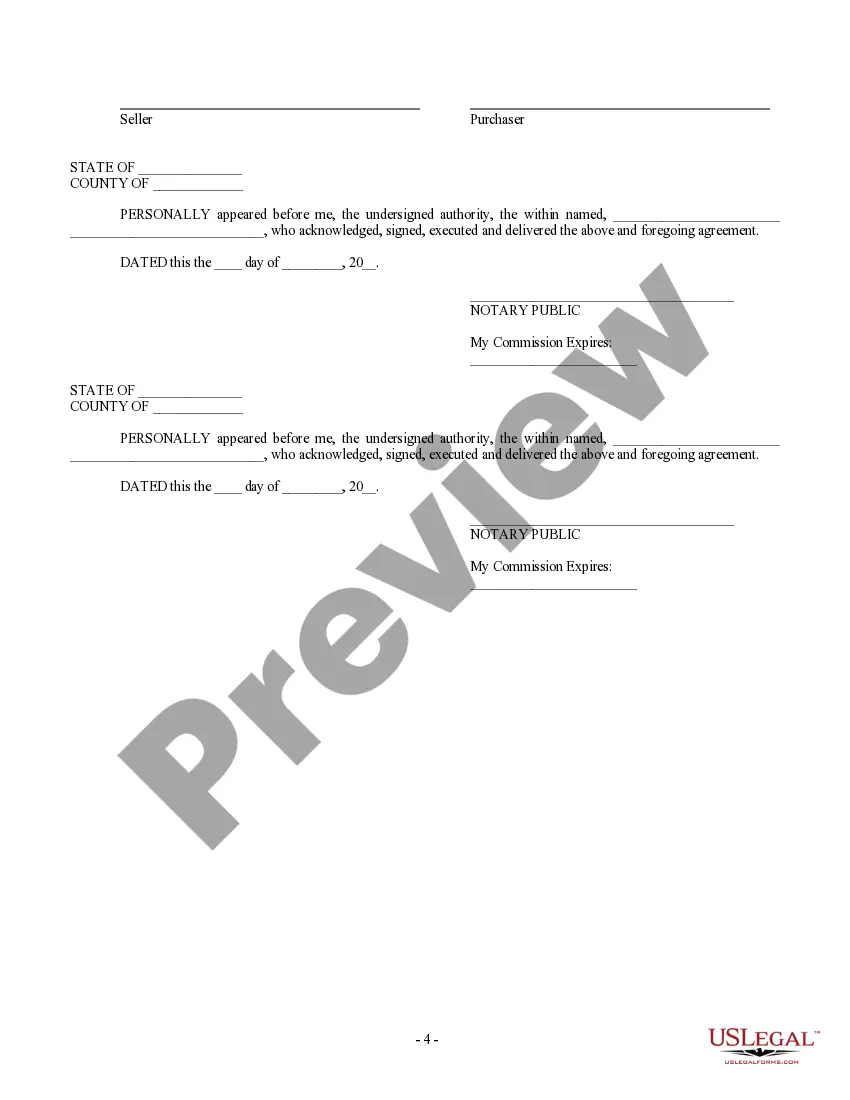
This form does not typically require notarization unless specified by local law. However, having the document notarized can enhance its credibility and enforceability in certain jurisdictions.
Get your form ready online
Our built-in tools help you complete, sign, share, and store your documents in one place.
Make edits, fill in missing information, and update formatting in US Legal Forms—just like you would in MS Word.
Download a copy, print it, send it by email, or mail it via USPS—whatever works best for your next step.
Sign and collect signatures with our SignNow integration. Send to multiple recipients, set reminders, and more. Go Premium to unlock E-Sign.
If this form requires notarization, complete it online through a secure video call—no need to meet a notary in person or wait for an appointment.
We protect your documents and personal data by following strict security and privacy standards.

Make edits, fill in missing information, and update formatting in US Legal Forms—just like you would in MS Word.

Download a copy, print it, send it by email, or mail it via USPS—whatever works best for your next step.

Sign and collect signatures with our SignNow integration. Send to multiple recipients, set reminders, and more. Go Premium to unlock E-Sign.

If this form requires notarization, complete it online through a secure video call—no need to meet a notary in person or wait for an appointment.

We protect your documents and personal data by following strict security and privacy standards.
Avoid these common issues
- Failing to clearly identify the property may lead to disputes.
- Incorrectly entering the expiration date for the option to purchase.
- Not ensuring all parties understand the terms before signing.
- Overlooking state-specific legal requirements that may apply.
Benefits of using this form online
- Easy access: Download the form at any time, from anywhere.
- Editability: Customize the form fields to fit your specific transaction.
- Guidance: Instructions included in the form ensure clarity in completion.
- Legal reliability: Prepared by licensed attorneys to ensure compliance with legal standards.
Legal use & context
- This form establishes a legally binding option for purchasing real estate.
- Effective upon execution, it provides the purchaser with rights to the property for a specified time frame.
- Should be reviewed by legal counsel to ensure enforceability based on state-specific regulations.
Key takeaways
- The Option for the Sale and Purchase of Real Estate - Farm Land provides buyers flexibility before a final sale.
- Clearly outline all details, including options and titles, to avoid disputes.
- Consult local laws for any specific legal requirements that might affect your transaction.
Looking for another form?



Form popularity
FAQ
The closest that an investor can get to owning a farm without actually doing so is by investing in a farming-focused real estate investment trust (REIT). Some examples include Farmland Partners Inc. (FPI) and Gladstone Land Corporation (LAND). These REITs typically purchase farmland and then lease it to farmers.
Use a reputable agent. Check planning restrictions and legal responsibilities. Inspect farm infrastructure. Check access to markets and services. Understand land and water. Consider weeds and pests. Assess natural resources. Meet the neighbours and assess any land use impacts.
You may want to operate the land yourself, or sell it and lease it back to maintain a stream of income. If you don't have farming experience, you may want to hold onto the land and lease it out to earn farmland rental income.
Down Payment loans require loan applicants to provide 5 percent of the purchase price of the farm. As established by the Beginning Farmer definition, loan applicants interested in the Down Payment loan may not own more than 30 percent of the average size farm at the time of the application.
As a result, farmland is a red-hot investment right now, and, according to Marketwire, has appreciated at a rate 2% higher than inflation since the 1950s. Historically, farmland also offers higher total returns than many other types of real estate investments, and also exhibits a much lower level of risk.
West-Central Texas. $600/acre. Annual land payment: $50/acre. Central Wisconsin. $5,000/acre. South-Central Florida. $10,000/acre. Northern Missouri. $1,400/acre. Eastern Ohio. $5,000/acre. Southwest Iowa. $4,000/acre. Southeastern Wyoming. $4,000/acre (irrigation in place) Eastern North Dakota. $5,000/acre.
Learn About the Land's Previous Use. Test the Soil's Acidity and Nutrients. Observe the Farmland's Soil Drainage. Analyze the Agricultural Land's Topology. Research Access to Resources. Know Whether the Existing Infrastructure Meets Your Needs. Determine How Easily You Can Reach The Farmland That's for Sale.
Historically, farmland also offers higher total returns than many other types of real estate investments, and also exhibits a much lower level of risk. That's because farmland continues to produce product that are in high demand and likely always will be: meats, grains, fruits, and vegetables.