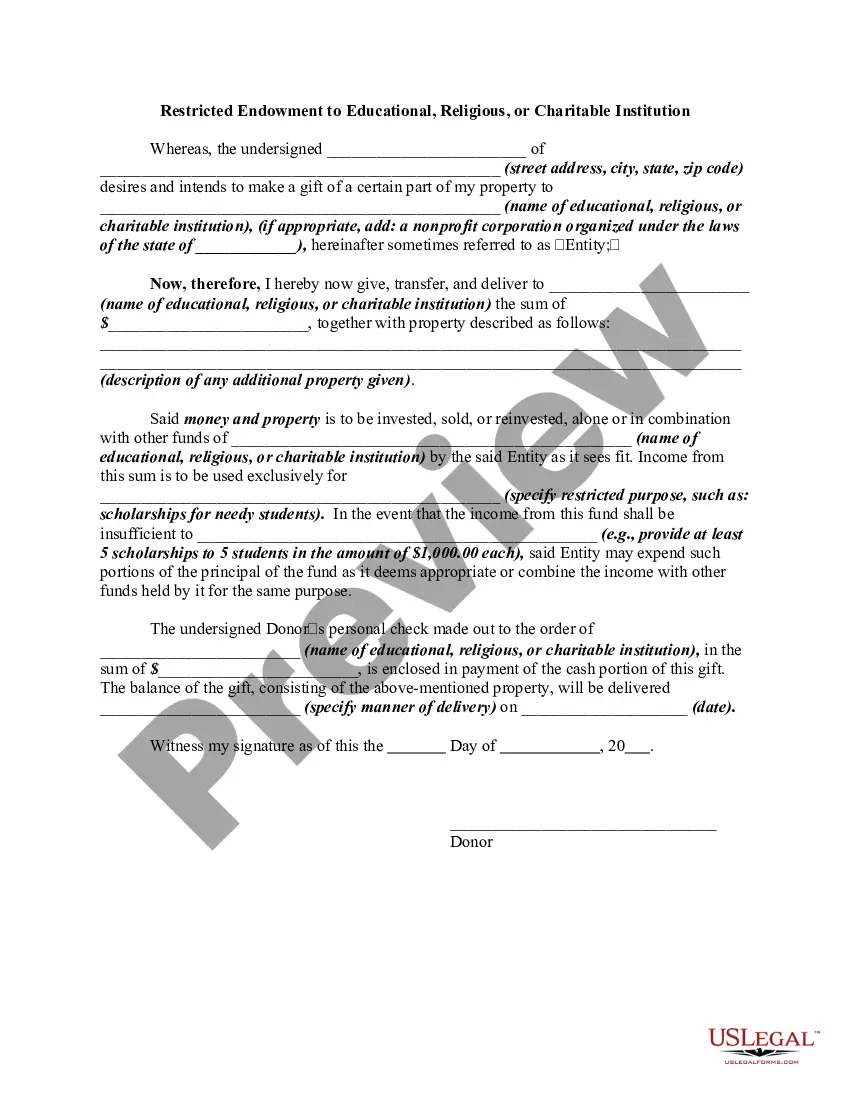
Restricted Endowment to Educational, Religious, or Charitable Institution
About this form
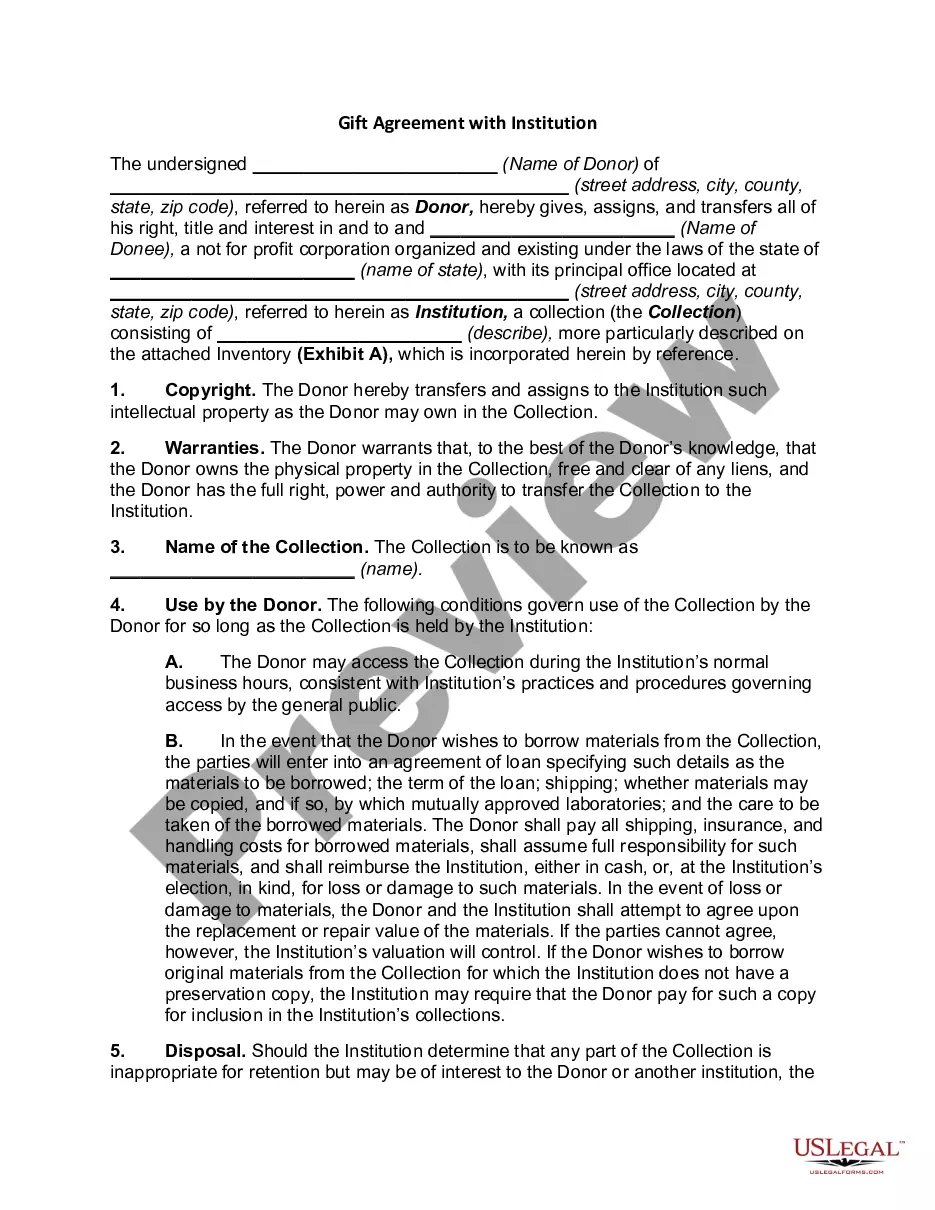
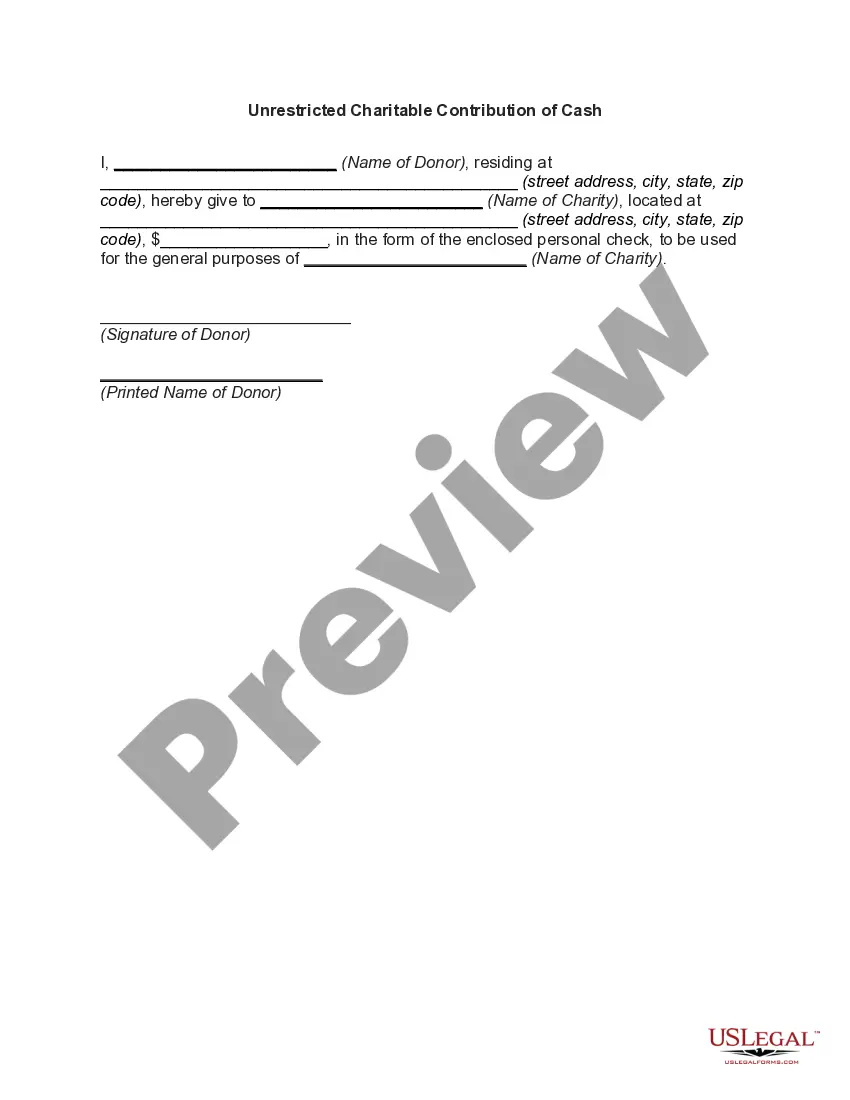
This form is a Restricted Endowment to Educational, Religious, or Charitable Institution. It is used to create a gift intended to support a specific purpose, such as scholarships or other charitable endeavors, for a particular institution. Unlike general donations, this form mandates that the institution use the funds exclusively for the stated purpose. This ensures that your contribution aligns with your philanthropic goals.
What’s included in this form
- Donor information: Details about the individual or entity making the gift.
- Recipient institution: Name and address of the educational, religious, or charitable institution receiving the gift.
- Gift amount: The total monetary value of the gift being made.
- Property description: An area to specify any additional property included in the donation.
- Purpose of funds: A section to define how the income from the endowment should be used.
- Delivery details: Instructions for how and when to transfer the funds and property to the institution.
When to use this form
This form should be used when a donor wishes to contribute a specific amount of money or property to an educational, religious, or charitable institution with the intention that these assets are to be used exclusively for a restricted purpose. This form is ideal for individuals or organizations looking to fund scholarships, support specific programs, or ensure their donations are used in alignment with their values and intentions.
Who can use this document
- Individuals making a charitable contribution with specific usage intentions.
- Philanthropists wishing to establish scholarships or support projects at educational or religious institutions.
- Organizations looking to formalize donations with specific restrictions.
- Nonprofits that manage restricted funds on behalf of donors.
How to prepare this document
- Identify the parties involved: Fill in the donor's name and address as well as the recipient institution's details.
- Specify the gift: Indicate the monetary amount and any additional property being donated.
- Define the purpose: Clearly state how the income from the endowment should be utilized.
- Detail the delivery method: Note how the gift will be delivered and the date of delivery.
- Sign and date the document: Ensure the donor signs the form on the specified date to validate the gift.
Does this form need to be notarized?
This form does not typically require notarization to be legally valid. However, some jurisdictions or document types may still require it. US Legal Forms provides secure online notarization powered by Notarize, available 24/7 for added convenience.
Get your form ready online
Our built-in tools help you complete, sign, share, and store your documents in one place.
Make edits, fill in missing information, and update formatting in US Legal Forms—just like you would in MS Word.
Download a copy, print it, send it by email, or mail it via USPS—whatever works best for your next step.
Sign and collect signatures with our SignNow integration. Send to multiple recipients, set reminders, and more. Go Premium to unlock E-Sign.
If this form requires notarization, complete it online through a secure video call—no need to meet a notary in person or wait for an appointment.
We protect your documents and personal data by following strict security and privacy standards.

Make edits, fill in missing information, and update formatting in US Legal Forms—just like you would in MS Word.

Download a copy, print it, send it by email, or mail it via USPS—whatever works best for your next step.

Sign and collect signatures with our SignNow integration. Send to multiple recipients, set reminders, and more. Go Premium to unlock E-Sign.

If this form requires notarization, complete it online through a secure video call—no need to meet a notary in person or wait for an appointment.

We protect your documents and personal data by following strict security and privacy standards.
Avoid these common issues
- Not clearly specifying the purpose of the endowment, which can lead to confusion later.
- Failing to provide complete contact information for both the donor and recipient institutions.
- Omitting signature and date can render the form invalid.
- Not verifying that the institution is a legitimate nonprofit before making the donation.
Benefits of completing this form online
- Convenience: Access and complete the form from anywhere, anytime.
- Editability: Easily modify the form to fit your specific needs before finalizing it.
- Reliability: Use professionally drafted templates created by licensed attorneys to ensure compliance and clarity.
Summary of main points
- The Restricted Endowment form is essential for donors who want to allocate their contributions to specific causes.
- Clear specifications on how the funds will be used must be included to ensure compliance with the donor's wishes.
- Always review local laws related to charitable donations before completing the form to ensure adherence to regulations.
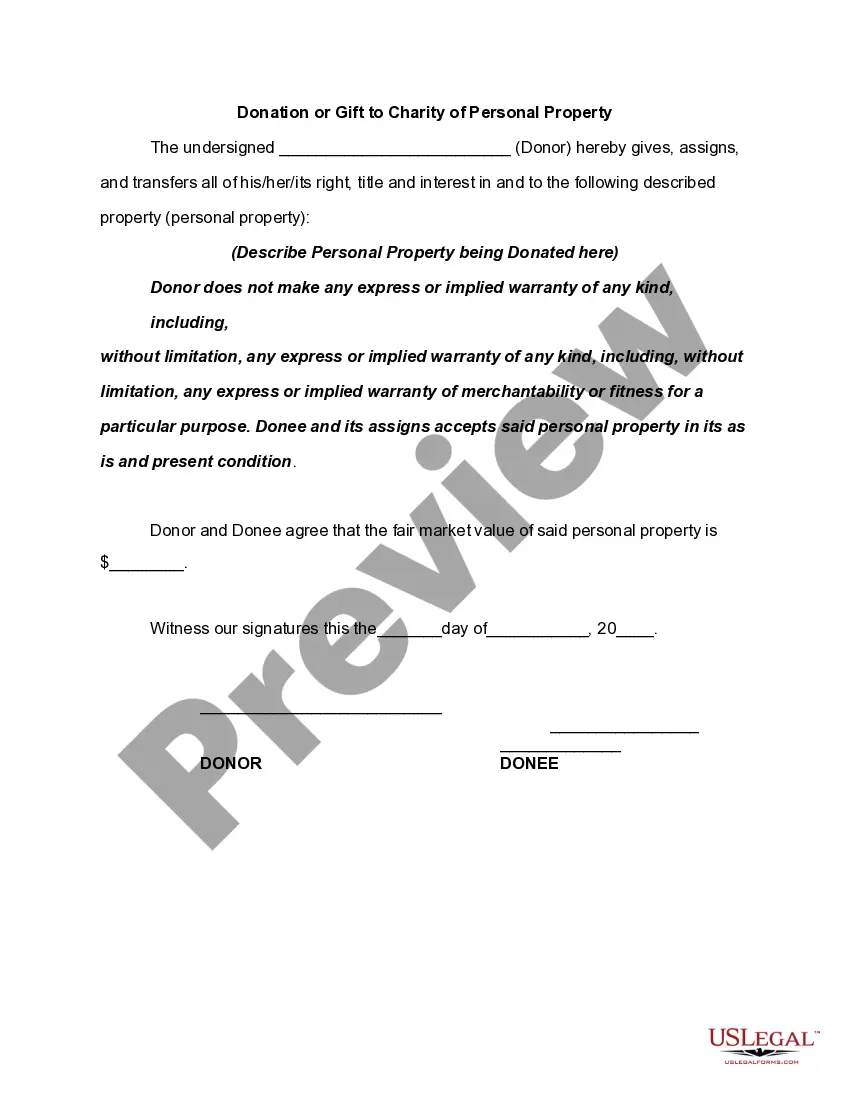
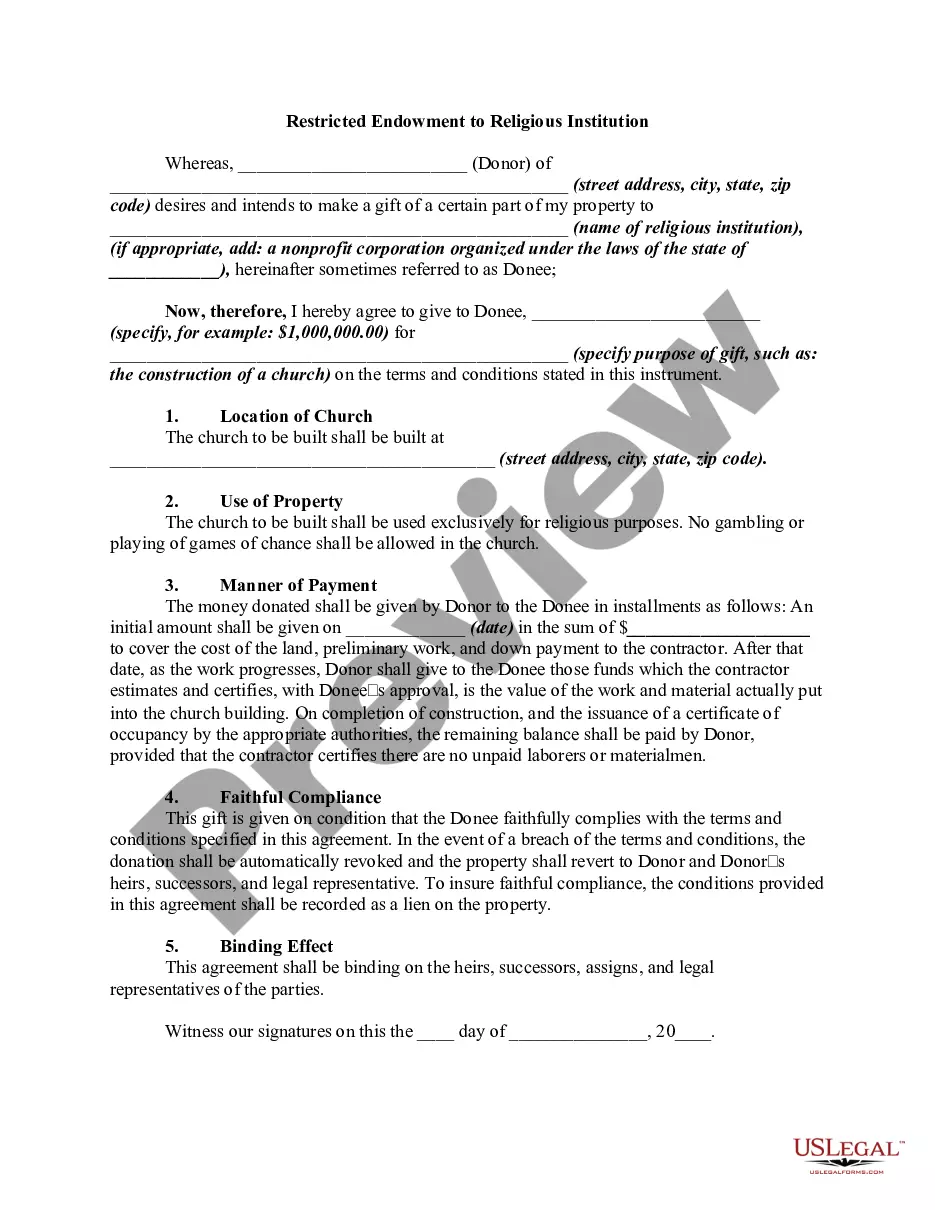
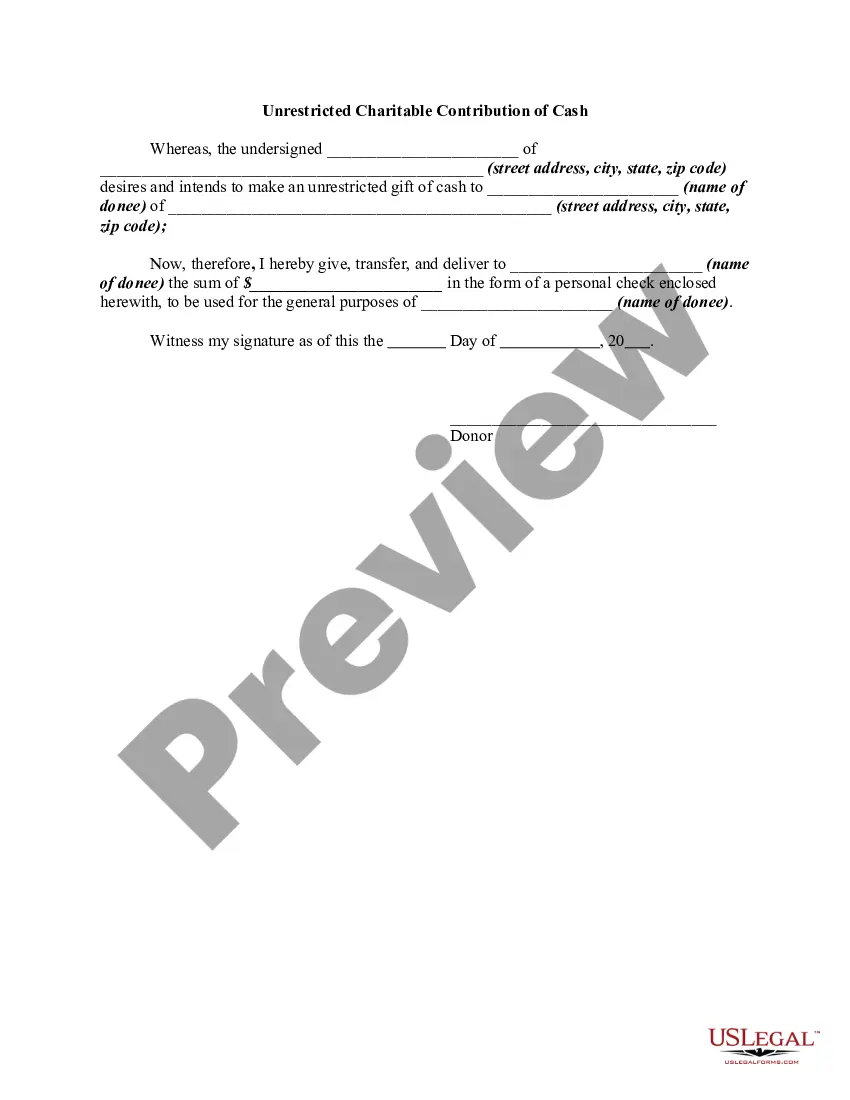
Looking for another form?


Form popularity
FAQ
The first, or sometimes called a true endowment, is a gift permanently restricted by the donor, whereas a temporary or term endowment is only temporarily restricted.
Endowment funds are established to fund charitable and nonprofit institutions such as churches, hospitals, and universities. Donations to endowment funds are tax-deductible.
Financial endowments are typically structured, so the principal amount invested remains intact, while investment income is available for immediate funding for use to keep a nonprofit company operating efficiently.Endowments also may be given with specific uses stated by the donor, further complicating disbursements.
Tax Implications In the case of an endowment, tax on investment income is withheld and dealt with, within the investment itself at a rate of 30% for a natural person. Interest earned within an endowment will be taxed at the 30% rate from the first Rand.
An endowment is a donation of money or property to a nonprofit organization, which uses the resulting investment income for a specific purpose.Most endowments are designed to keep the principal amount intact while using the investment income for charitable efforts.
Endowments are donations, usually of money or other financial assets, made to nonprofit organizations with the sole intention of investment to earn additional income, and can thus last in perpetuity. Endowment funds often come with caveats stating how much of each year's income can be spent by the charity.
Restricted funds may be restricted income funds, which are expendable at the discretion of the trustees in furtherance of some particular aspect(s) of the objects of the charity, or they may be capital funds, where the assets are required to be invested, or retained for actual use, rather than expended.
A You will be pleased to hear that no, you won't face a tax bill on the proceeds when your policy matures. Although the fund that your regular premiums are invested in pays tax, the proceeds are tax-free at maturity, even if you are a higher rate taxpayer.
Typically you can claim your donations of money and goods if you itemize your tax deductions.This will be something for taxpayers to keep in mind since close to 90% of taxpayers now claim the standard deduction instead of itemizing and are no longer able to deduct charitable contributions under tax reform.