Affidavit Regarding the Identity of a Grantor and Grantee of Real Property
About this form
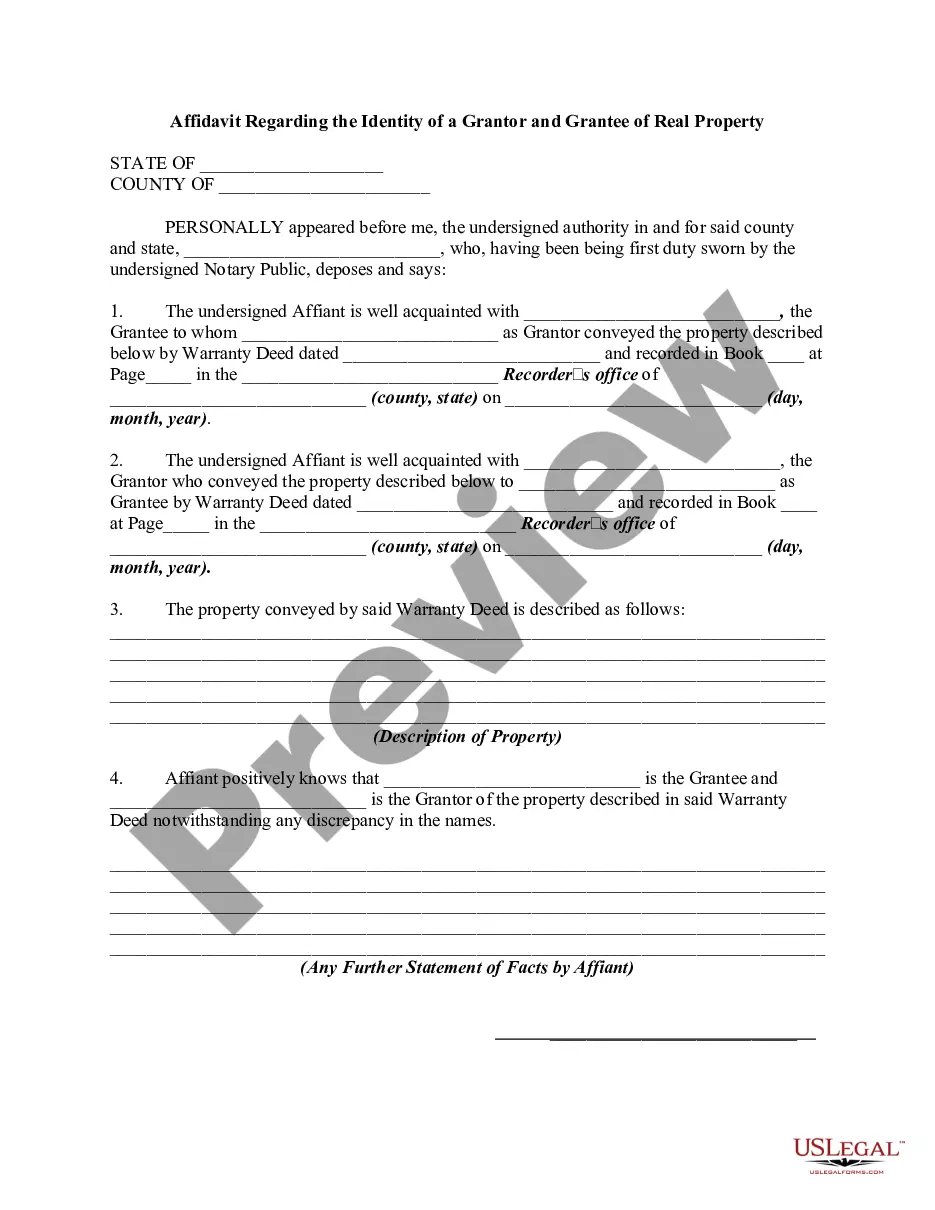
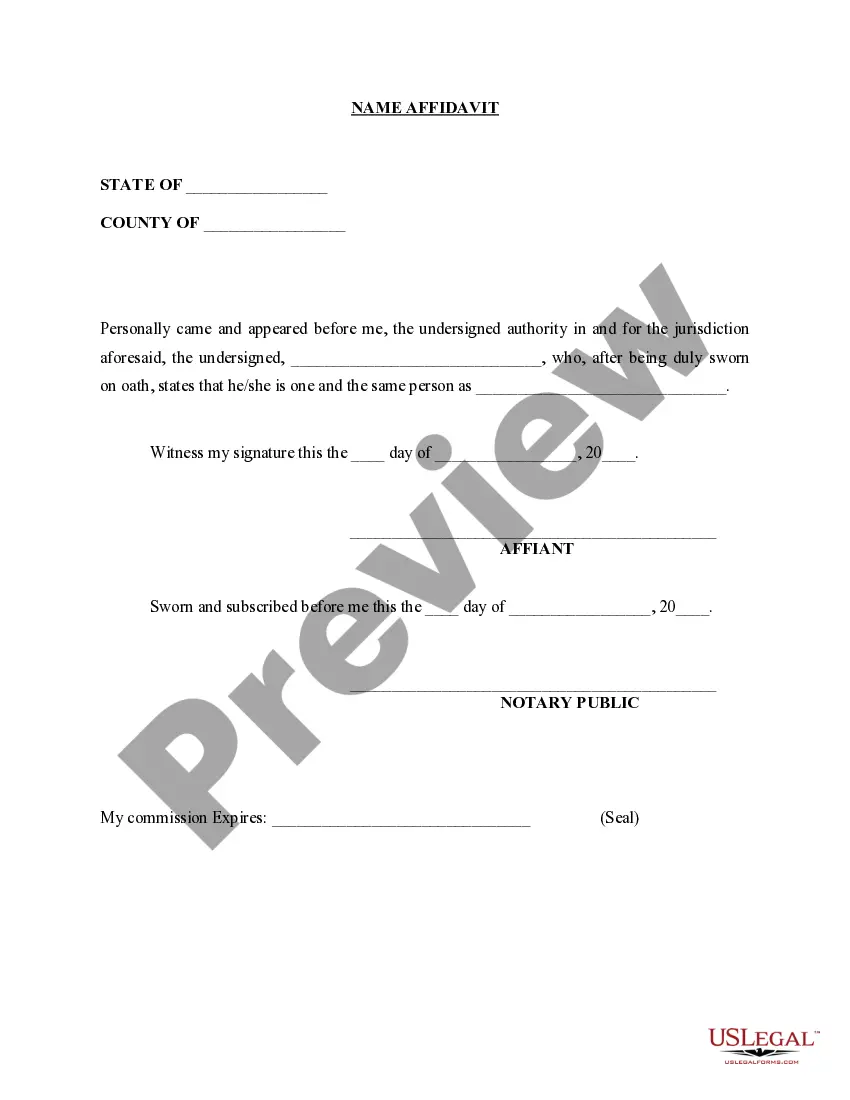
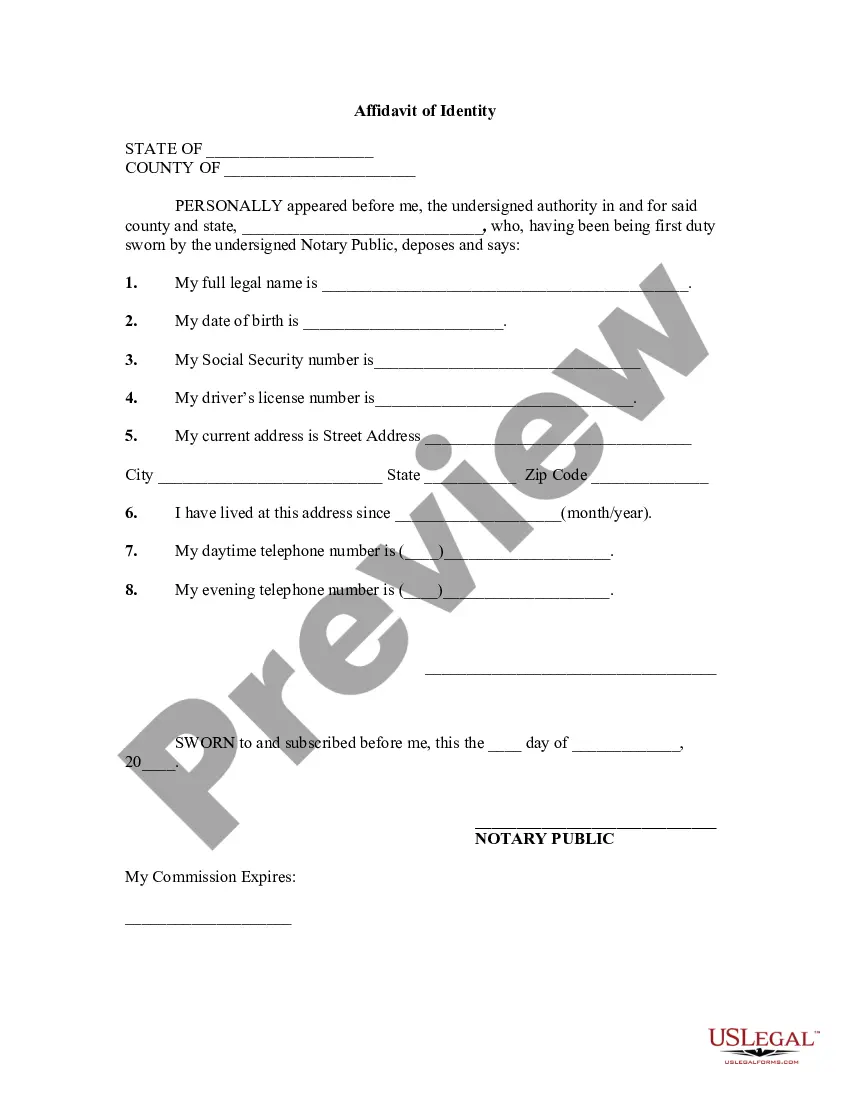
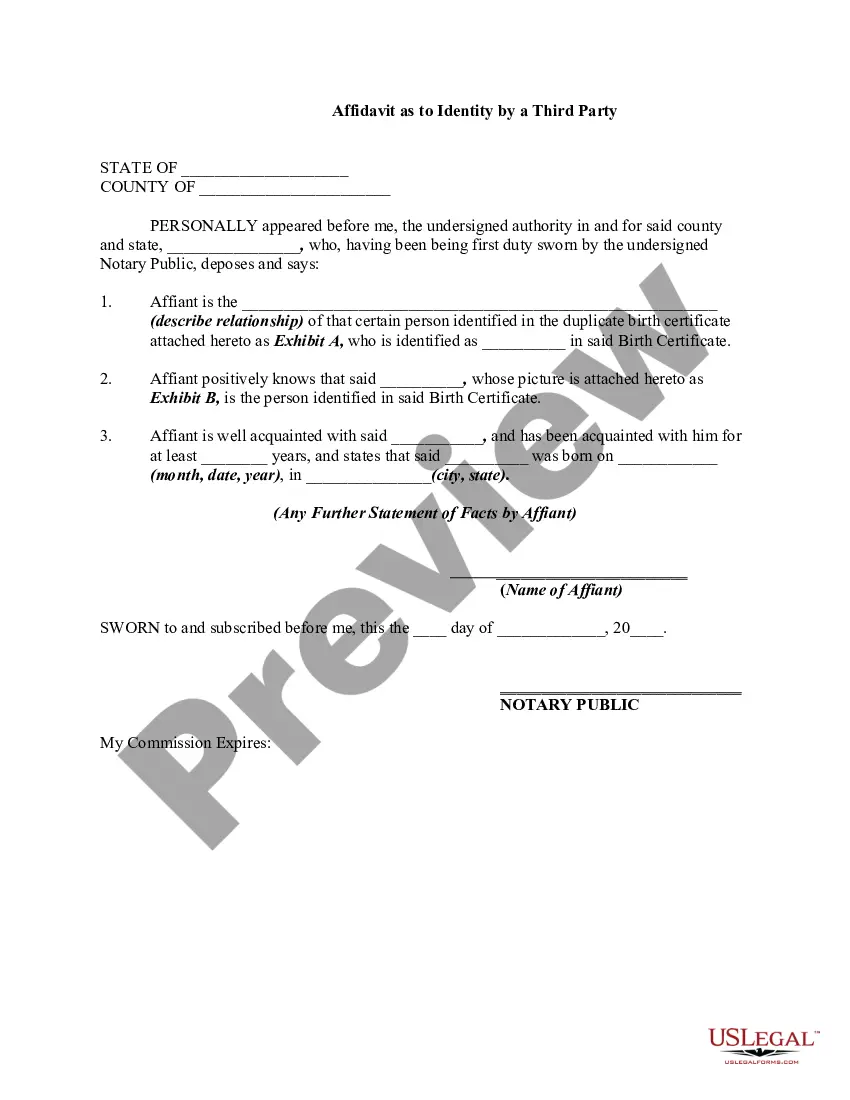
The Affidavit Regarding the Identity of a Grantor and Grantee of Real Property is a legal document used to clarify the identities of the parties involved in a property deed. This form is particularly essential when there is a discrepancy in the names of the grantor and grantee. Unlike other affidavits, this specific form focuses on real property transactions, ensuring clarity for title and ownership issues.
Key parts of this document
- Identification of the affiant, grantor, and grantee.
- Details of the warranty deed, including date and recording information.
- Description of the property being conveyed.
- Affiant's declaration confirming the identities of the grantor and grantee.
- Signature and notarization section for legal validity.
When this form is needed
This affidavit should be used when there is a need to resolve discrepancies between the names of the grantor and grantee listed in a deed. Common scenarios include situations where the names have been misspelled, changed due to marriage or divorce, or when different names are used in various legal documents affecting property rights. It helps to affirm the rightful parties to the transaction and can be crucial during property sales or transfers.
Who needs this form
This form is suitable for:
- Affiants who need to affirm identity discrepancies in property deeds.
- Homeowners transferring property to another party.
- Real estate professionals handling property transactions.
- Attorneys preparing documents for clients navigating title issues.
How to complete this form
- Identify the parties: Enter the names of the affiant, grantor, and grantee.
- Specify the property: Clearly describe the property being transferred.
- Document the deed details: Include the deedâs date and the recording information.
- Affirm identity: The affiant must declare the correct identities, confirming the connection to the property.
- Finalize with signatures: Ensure the form is signed and notarized as required.
Notarization guidance
Yes, this form must be notarized to be legally valid. The presence of a notary public ensures that the identities of the parties involved are verified, which adds an extra layer of legal protection. US Legal Forms offers integrated online notarization, allowing you to complete this process securely via video call, available 24/7 without the need to travel.
Get your form ready online
Our built-in tools help you complete, sign, share, and store your documents in one place.
Make edits, fill in missing information, and update formatting in US Legal Forms—just like you would in MS Word.
Download a copy, print it, send it by email, or mail it via USPS—whatever works best for your next step.
Sign and collect signatures with our SignNow integration. Send to multiple recipients, set reminders, and more. Go Premium to unlock E-Sign.
If this form requires notarization, complete it online through a secure video call—no need to meet a notary in person or wait for an appointment.
We protect your documents and personal data by following strict security and privacy standards.

Make edits, fill in missing information, and update formatting in US Legal Forms—just like you would in MS Word.

Download a copy, print it, send it by email, or mail it via USPS—whatever works best for your next step.

Sign and collect signatures with our SignNow integration. Send to multiple recipients, set reminders, and more. Go Premium to unlock E-Sign.

If this form requires notarization, complete it online through a secure video call—no need to meet a notary in person or wait for an appointment.

We protect your documents and personal data by following strict security and privacy standards.
Mistakes to watch out for
- Failing to accurately describe the property being conveyed.
- Omitting important details of the warranty deed.
- Providing incorrect names for the grantor or grantee.
- Not having the affidavit notarized when required.
Benefits of completing this form online
- Convenient access to legal forms anytime, allowing users to complete them at their own pace.
- Editable templates that are easy to customize according to individual needs.
- Reliable, attorney-drafted documents ensuring compliance with legal standards.
- Cost-effective option compared to hiring a lawyer for simple affidavit needs.
What to keep in mind
- The affidavit clarifies any discrepancies in grantor and grantee names on property deeds.
- It is essential for rectifying identity issues before property transactions.
- Ensure proper completion and notarization to uphold the formâs legality.
Looking for another form?
Form popularity
FAQ
The Grantee in a Quitclaim Deed is the person who is being given interest in a property from the Grantor. It is possible for someone to be both a Grantor and a Grantee in a Quitclaim Deed.Most real estate deeds are notarized by attorneys.
The grantor is the owner, and the grantee is the buyer who is acquiring an equitable interest but not bare legal interest in a property. It's essential that a deed clearly states the grantee, grantor, and a description of the property involved in the transaction.
A grantee is the recipient of something, such as a college grant or real estate property. A grantor is a person or entity that transfers to another person or entity the interest or ownership rights to an asset. Legal documents, such as deeds, detail the transfer of assets between grantors and grantees.
Grantor The one who relinquishes an interest. Grantor-Grantee Index The record of the passing of title to all the properties in a county as kept by the county recorder's office.
The Grantor is any person conveying or encumbering, whom any Lis Pendens, Judgments, Writ of Attachment, or Claims of Separate or Community Property shall be placed on record. The Grantor is the seller (on deeds), or borrower (on mortgages). The Grantor is usually the one who signed the document.
A property deed, or house deed, is a legal document that transfers ownership of real estate from the grantor (seller) to the grantee (buyer). Property deeds are the legal tool of defining ownership. When a property or house is sold, the buyer and seller sign the deed to transfer ownership.
Proving Ownership. Get a copy of the deed to the property. The easiest way to prove your ownership of a house is with a title deed or grant deed that has your name on it. Deeds typically are filed in the recorder's office of the county where the property is located.
In general, a grantor is someone who transfers a property right to a grantee. In a real estate transaction, the grantor is the current holder of the property right, or in other words, the seller. The deed, which transfers ownership, is the grant.