Sample Letter for Recovery of Judgment from Defendants
Overview of this form
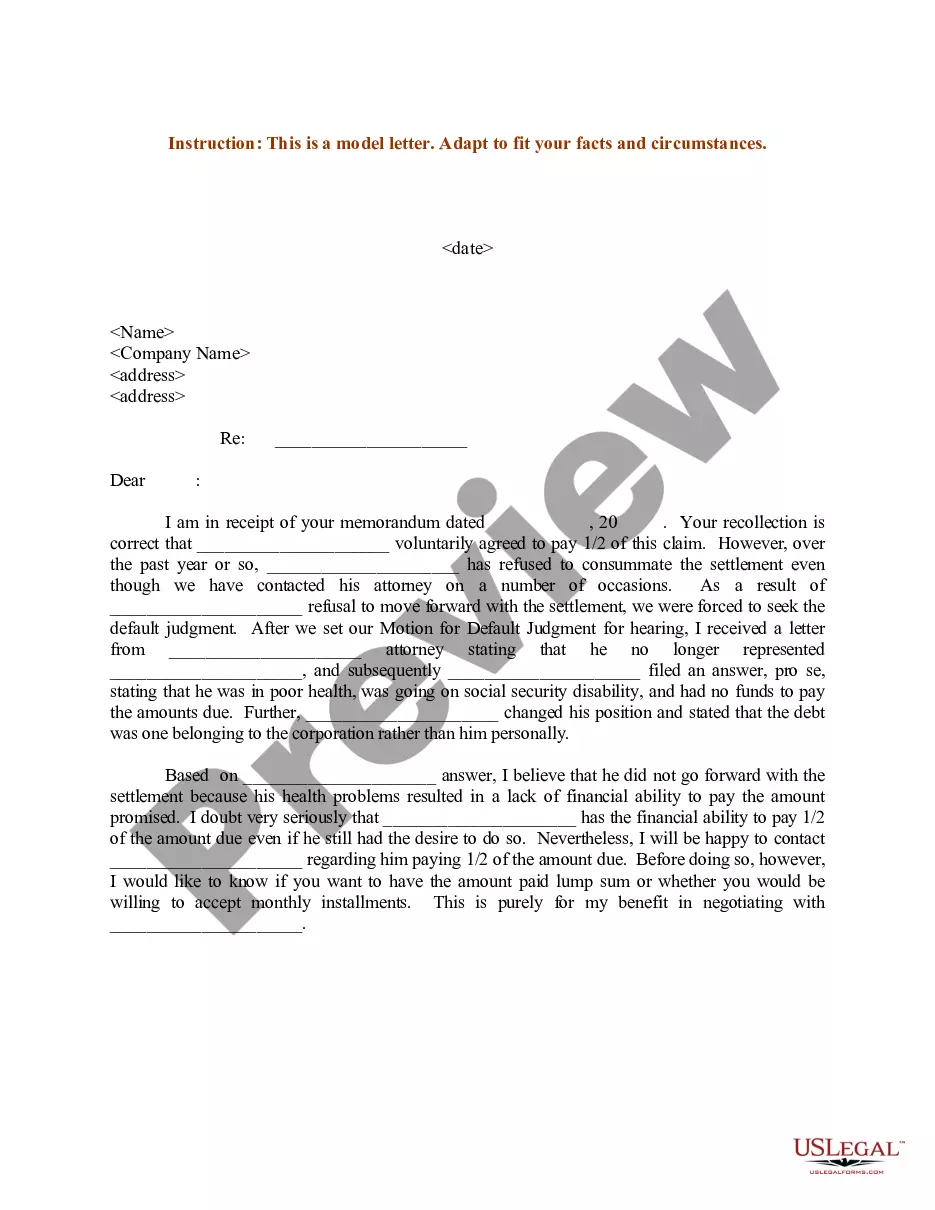
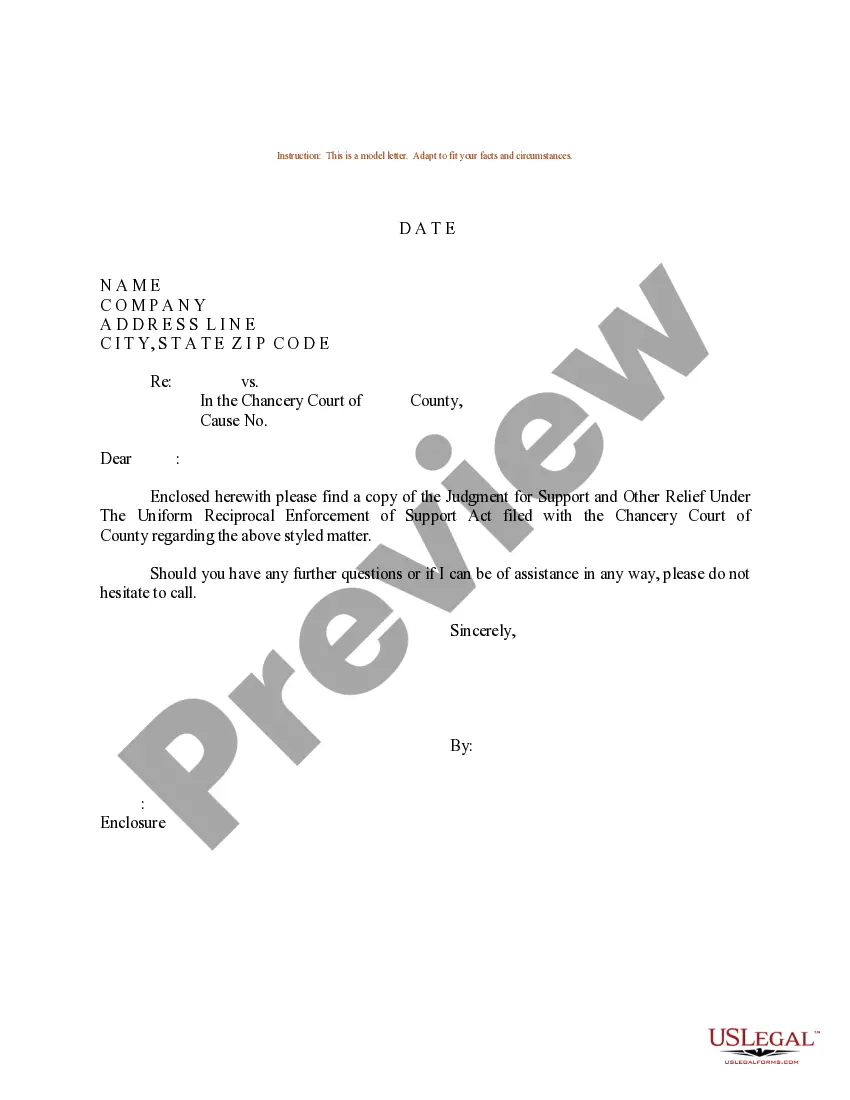
This Sample Letter for Recovery of Judgment from Defendants is a template designed to assist individuals in formally requesting the enforcement of a court judgment against defendants who owe them. Unlike other legal forms, this letter specifically facilitates communication regarding judgments, making it easier for creditors to reclaim amounts that have been awarded in court. This form is adaptable to suit the specific facts and circumstances of your case.
Main sections of this form
- Recipient's details including name and address
- Date of the letter
- Subject line specifying the purpose
- Body of the letter outlining the judgment and recovery request
- Closing statement and signature line



When to use this form
This form is used when a creditor needs to formally communicate with a defendant regarding the collection of a judgment. It is appropriate in situations where a court has ruled in your favor, and you are seeking an official reminder or request for payment. This letter serves as a useful first step before considering further legal action.
Who can use this document
- Creditors who have obtained a court judgment
- Individuals seeking to collect debts from personal or business transactions
- Small business owners needing to recover payments from clients
How to prepare this document
- Identify the recipient's details, including their name and address.
- Enter the date when you are sending the letter.
- Fill in the subject line that captures the purpose of the letter.
- Draft the body of the letter, clearly stating the judgment and your request for payment.
- Sign the letter and include any necessary closing remarks.
Does this document require notarization?
Notarization is generally not required for this form. However, certain states or situations might demand it. You can complete notarization online through US Legal Forms, powered by Notarize, using a verified video call available anytime.
Get your form ready online
Our built-in tools help you complete, sign, share, and store your documents in one place.
Make edits, fill in missing information, and update formatting in US Legal Forms—just like you would in MS Word.
Download a copy, print it, send it by email, or mail it via USPS—whatever works best for your next step.
Sign and collect signatures with our SignNow integration. Send to multiple recipients, set reminders, and more. Go Premium to unlock E-Sign.
If this form requires notarization, complete it online through a secure video call—no need to meet a notary in person or wait for an appointment.
We protect your documents and personal data by following strict security and privacy standards.

Make edits, fill in missing information, and update formatting in US Legal Forms—just like you would in MS Word.

Download a copy, print it, send it by email, or mail it via USPS—whatever works best for your next step.

Sign and collect signatures with our SignNow integration. Send to multiple recipients, set reminders, and more. Go Premium to unlock E-Sign.

If this form requires notarization, complete it online through a secure video call—no need to meet a notary in person or wait for an appointment.

We protect your documents and personal data by following strict security and privacy standards.
Avoid these common issues
- Failing to include all relevant details about the judgment
- Sending the letter to the wrong address
- Not following up if there is no response
Advantages of online completion
- Convenience of downloading and editing the forms in Microsoft Word format
- Guidance from experienced attorneys on the template content
- Accessible anytime to help you address your legal needs
What to keep in mind
- The Sample Letter for Recovery of Judgment from Defendants serves to facilitate the collection of court-awarded debts.
- Correctly completing the form enhances the likelihood of successful debt recovery.
- Awareness of specific state requirements is crucial for effective use.
Looking for another form?

Form popularity
FAQ
What Happens After a Judgment Is Entered Against You? The court enters a judgment against you if your creditor wins their claim or you fail to show up to court. You should receive a notice of the judgment entry in the mail. The judgment creditor can then use that court judgment to try to collect money from you.
In order to vacate a judgment in California, You must file a motion with the court asking the judge to vacate or set aside the judgment. Among other things, you must tell the judge why you did not respond to the lawsuit (this can be done by written declaration).
A document signed by the party who is owed money under a court judgment (called the judgment creditor) stating that the full amount due on the judgment has been paid.
Arrange a Repayment Plan. One option you have for stopping a judgement against you is to speak to the creditor before they file any court documents. Dispute the Debt. If you believe the debt is not legitimate, you have the option of fighting it. File for Bankruptcy.
Do not use illegal ways to collect your money. Encourage the debtor to pay you voluntarily. Be organized. Ask a lawyer or collection agency for help. Make sure you renew your judgment. Ask the court for help.
File an answer. The most common way to respond to a complaint is by filing an answer. Negotiate. Being served with a lawsuit does not automatically mean you need to appear in court. Request more information from the plaintiff. Cross-complain. File a motion to dismiss.
Pay in full or request to make payments to you or the court (see below "What to do After the Judgment is Paid"). Appeal the decision if they appeared at the trial. File a Motion to Vacate the Judgment if they did not appear at the trial.
Collecting a Judgment.Collecting a judgment can be just as challenging as winning the lawsuit in some cases. If the defendant has stable finances, they should pay the judgment uneventfully. If the defendant is going through financial difficulties, on the other hand, you may need to force them to pay you.